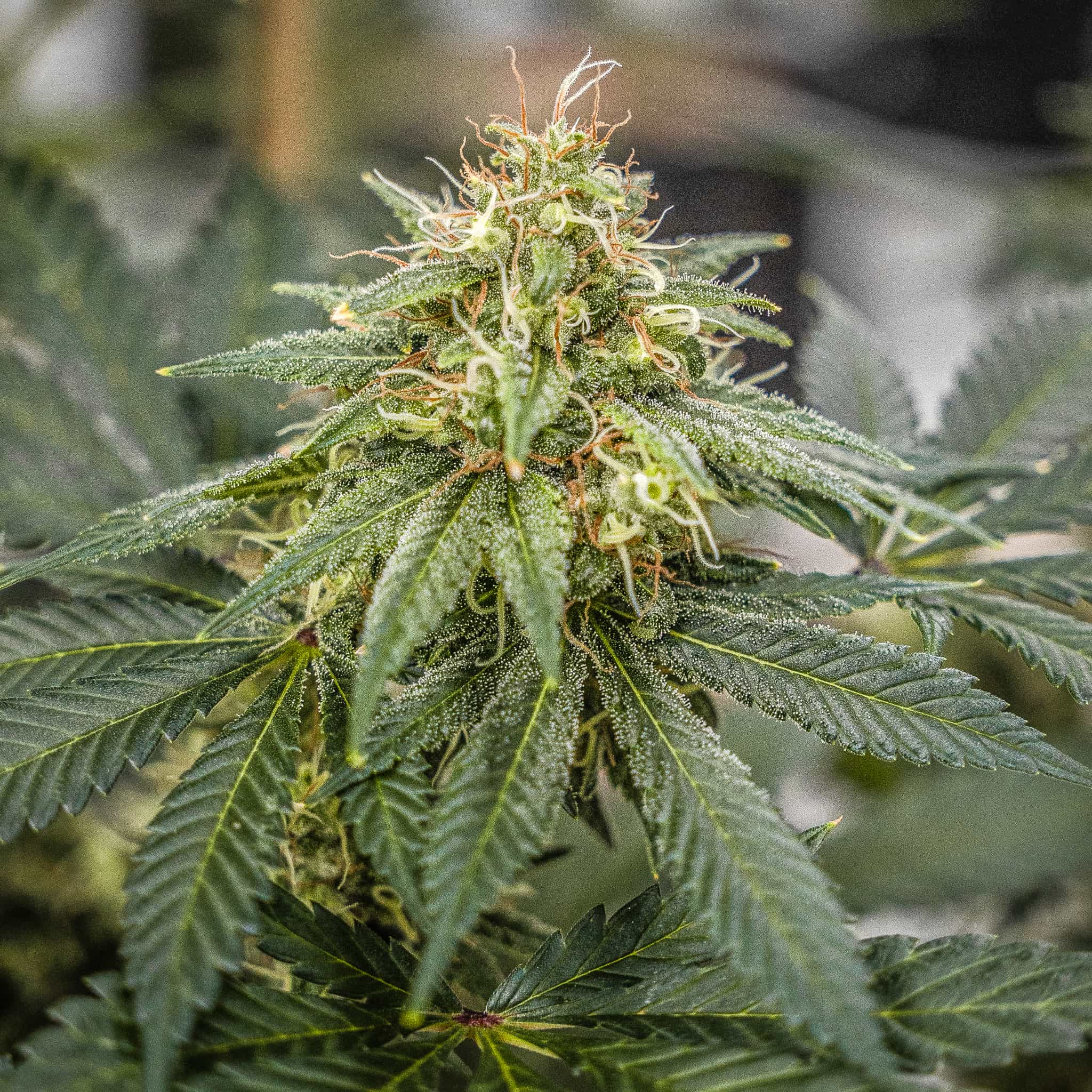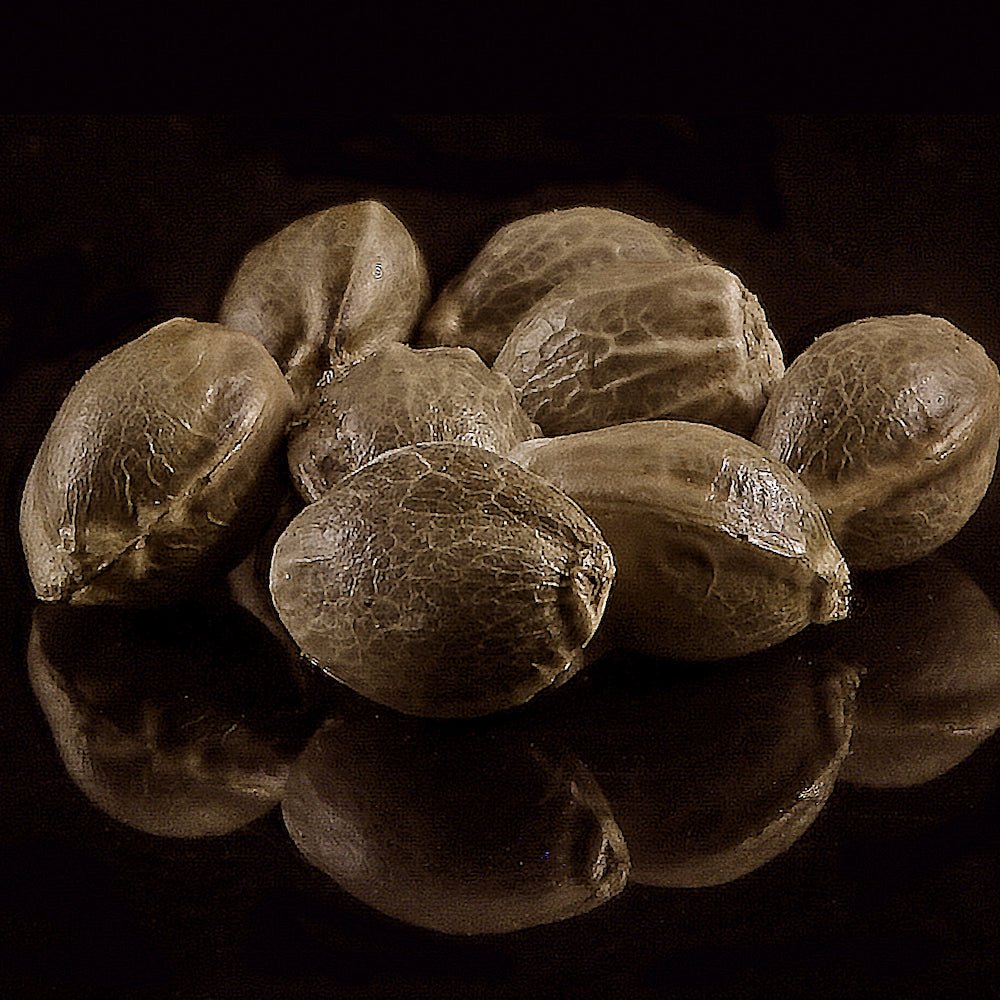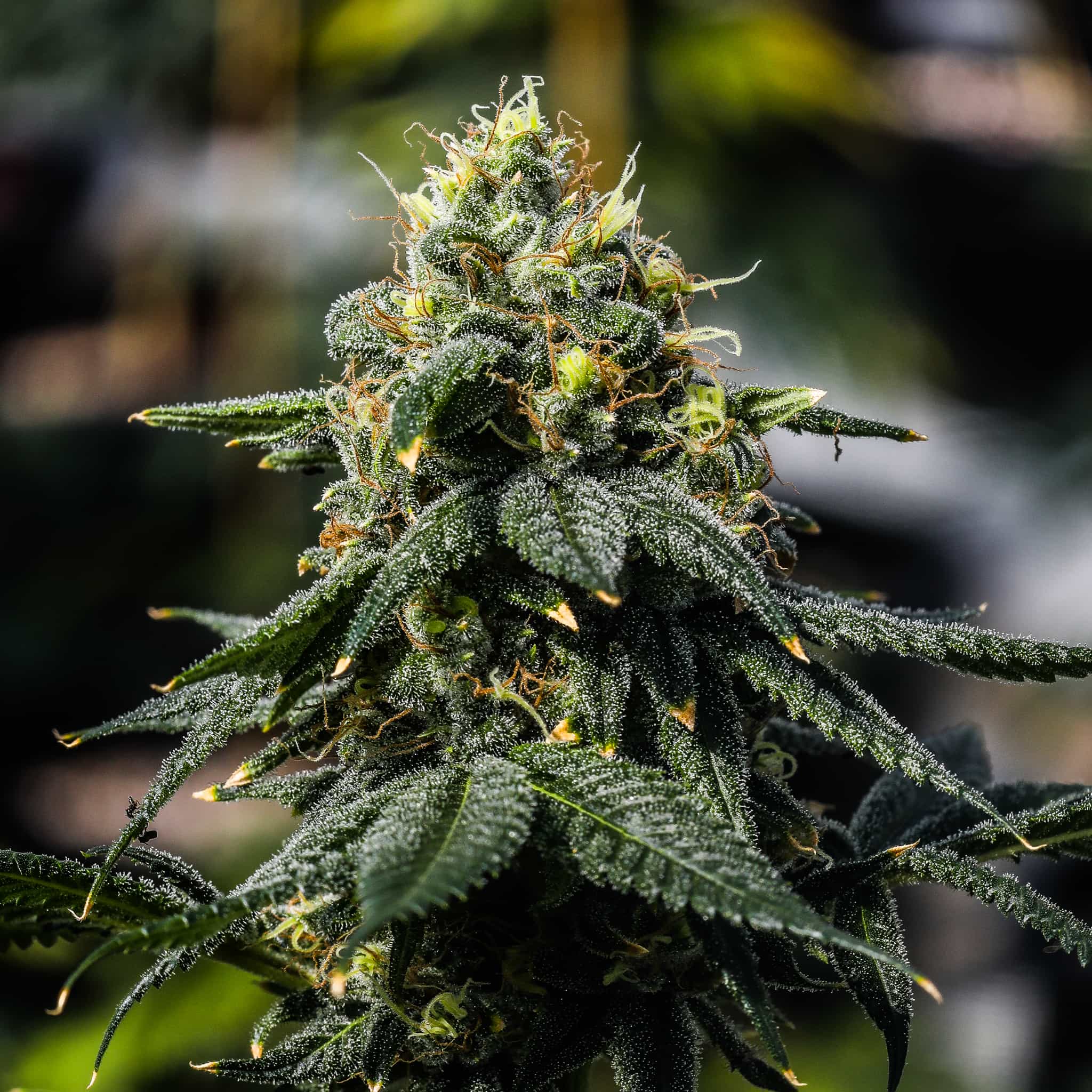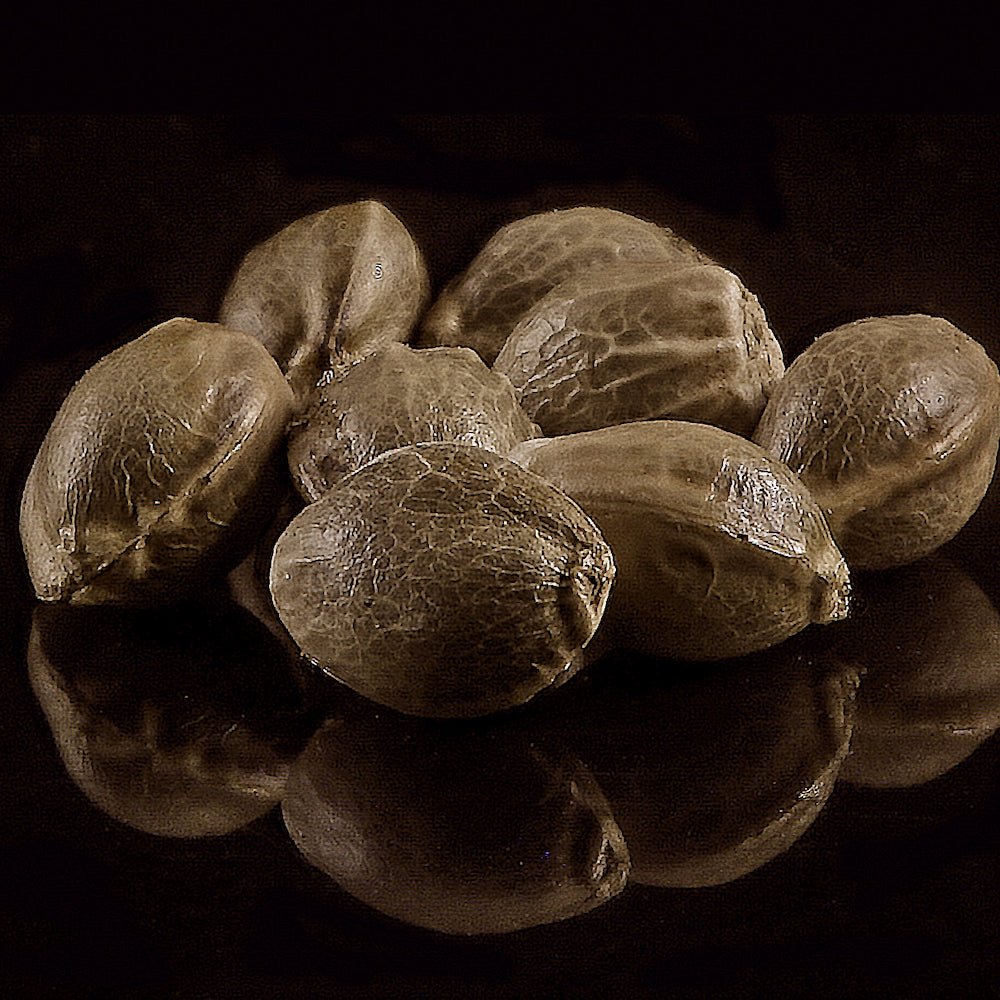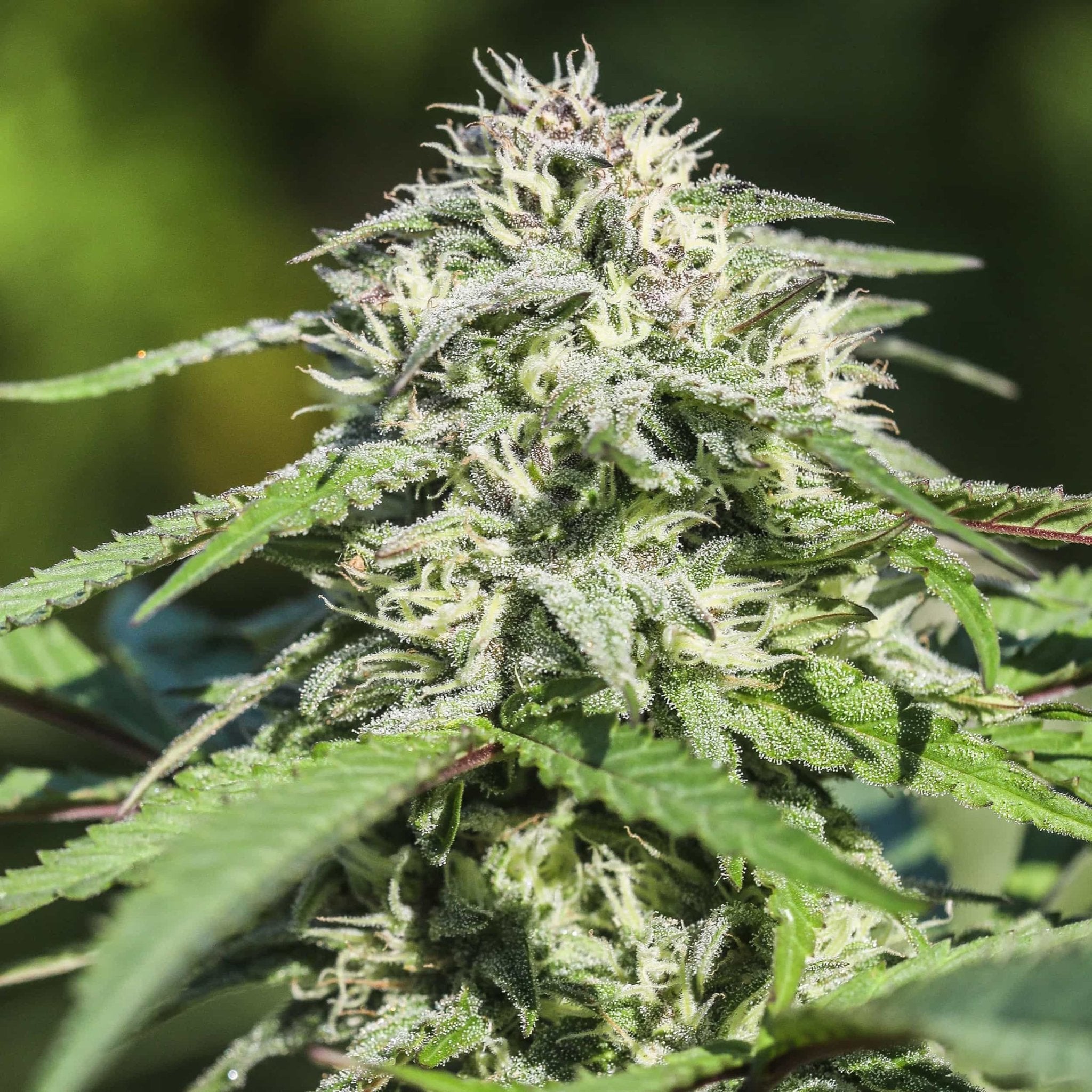


THCV (tetrahydrocannabivarin) is one of the most intriguing cannabinoids found in cannabis, yet THCV-rich varieties remain surprisingly rare. While the cannabis industry has spent decades breeding plants for higher THC and CBD concentrations, THCV has largely been overlooked. Even as interest in minor cannabinoids continues to grow, relatively few breeders offer cannabis seeds capable of producing meaningful concentrations of THCV.
So why aren't there more THCV-rich cannabis genetics available?
The answer comes down to a combination of genetics, plant breeding challenges, limited historical demand, and the significant investment required to develop commercially viable THCV-rich varieties.
At GTR Seeds, we've spent years working to overcome these challenges and develop THCV-rich cannabis seeds that offer growers more than just an interesting cannabinoid profile.
What Is THCV, and Why Is It So Rare?
THCV, or tetrahydrocannabivarin, is a naturally occurring cannabinoid found in certain cannabis varieties. Although structurally similar to THC, THCV has a shorter, three-carbon side chain compared to THC's five-carbon side chain.
This seemingly small chemical difference gives THCV distinct pharmacological properties, making it an increasingly interesting target for cannabinoid research.
THCV is often associated with African cannabis landraces, particularly genetics originating from regions such as southern Africa. However, even among these populations, THCV concentrations can vary considerably. The original
Most modern cannabis varieties contain little to no detectable THCV. When it is present, it is typically found in trace concentrations rather than as a major component of the plant's cannabinoid profile.
This scarcity isn't accidental. It's largely the result of decades of selective breeding that prioritized other cannabinoids.
Decades of Cannabis Breeding Focused Almost Exclusively on THC
For much of modern cannabis breeding history, one cannabinoid dominated the conversation: THC.
Breeders selected plants for increasingly high THC concentrations, desirable terpene profiles, dense flowers, and faster flowering times. More recently, CBD also became a major breeding target following the expansion of legal hemp production.
THCV, meanwhile, received relatively little attention.
The problem is that THCV production depends on genetic and biochemical pathways that differ from those responsible for conventional THC production.
THCV is derived from the precursor cannabigerovarinic acid (CBGVA), whereas THC is derived from cannabigerolic acid (CBGA). These precursors are produced through related pathways that incorporate different starter molecules.
To develop THCV-rich cannabis, breeders must select for plants capable of producing substantial quantities of varin-type cannabinoids, rather than simply selecting plants with high overall cannabinoid concentrations. It's production is fundamentally linked to fatty acid-derived precursor metabolism, and plants that produce it are extremely hard to come by.
A plant that produces 30% THC isn't necessarily any closer to producing significant THCV than one that produces 15% THC.
Decades of breeding for THC potency have not automatically produced high-THCV genetics.
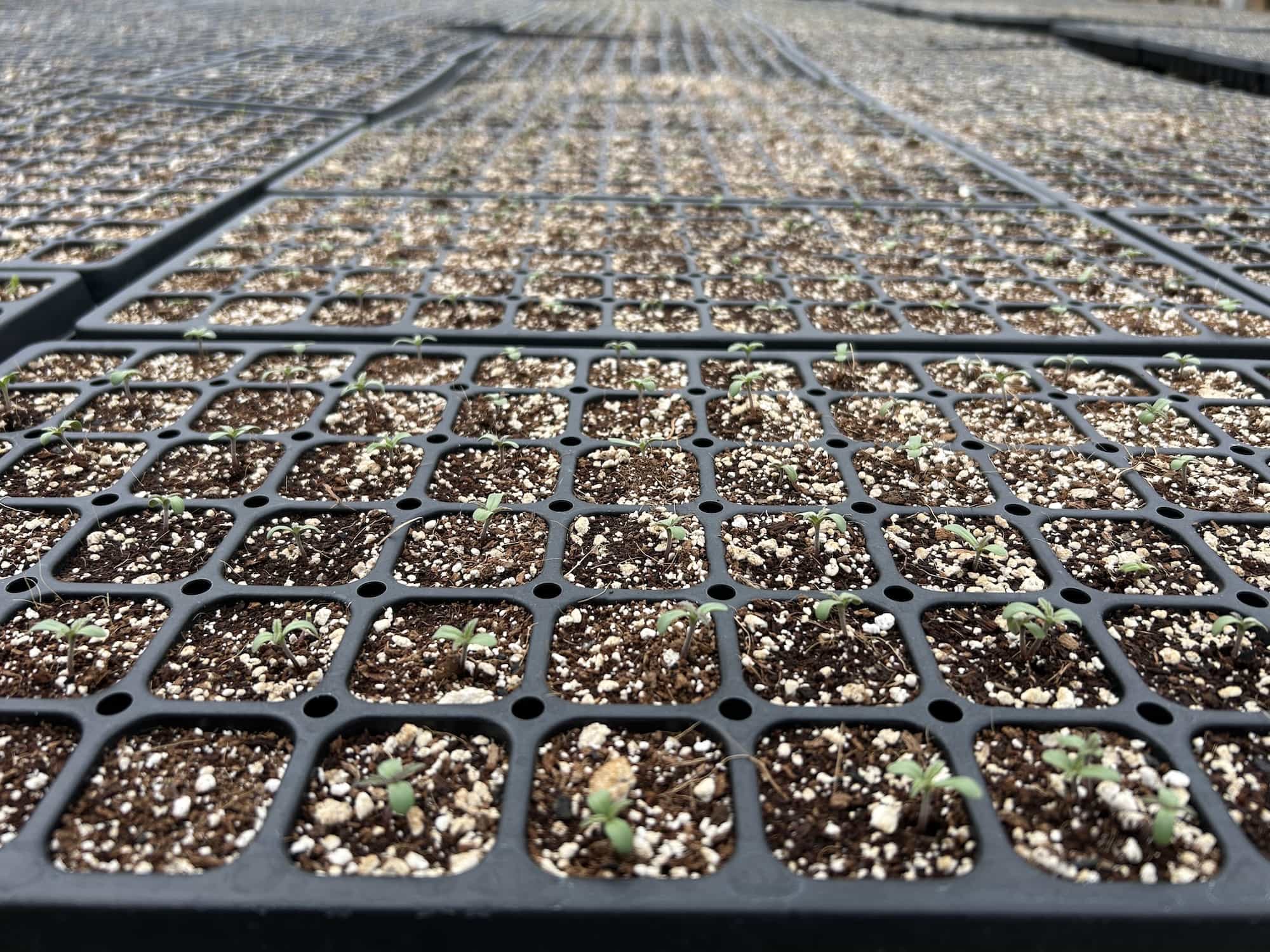
We started our 'hunt' in 2018 with an absolutely terrible plant that showed promise - HO40. It took us 3 full years of breeding and testing before we released our first useful CBDV genetics. HO40 produces pathetically larfy flowers on a huge lanky frame - and outdoors does not mature until early January (at least 12 weeks of flowering time). It took A LOT of R&D to not only stabilize varieties for varin production, but also plants that could actually produce.
Here is a photo from 2019 when we were sending in plants for testing.

Finding the Right Starting Genetics Is Difficult
One of the greatest challenges in THCV breeding is finding suitable parent plants.
Many cannabis varieties marketed as containing THCV produce only trace amounts. Even genetics historically associated with THCV production may have inconsistent cannabinoid profiles, substantial genetic variation, or relatively low total cannabinoid yields.
Finding a plant with a measurable amount of THCV is one thing. Finding a plant that can reliably pass strong THCV production traits to its offspring is another challenge entirely.
Breeders must identify plants with favorable cannabinoid pathways and then combine those traits with other commercially important characteristics.
These include:
-
High total cannabinoid production
-
Desirable flower structure and terpene profiles
-
Strong vegetative growth and vigor
-
Consistent flowering times
-
Resistance or tolerance to environmental stresses
-
Reliable seed production and genetic uniformity
A promising THCV-producing plant may lack several of these characteristics.
This means breeders often have to spend multiple generations combining desirable traits before developing a variety suitable for commercial production.
High THCV Concentrations Don't Automatically Mean High Yields
Perhaps the most overlooked challenge in breeding THCV-rich cannabis is the difference between cannabinoid concentration and total cannabinoid production.
A plant may produce a relatively high percentage of THCV within its cannabinoid profile but still deliver disappointing yields if it produces limited flower biomass or has low overall cannabinoid concentrations.
For commercial growers, this distinction is critical.
Consider two hypothetical plants:
Plant A: Produces 10% THCV in its flower but yields relatively little biomass.
Plant B: Produces 7% THCV but develops substantially larger plants with greater flower production.
Despite having a lower THCV percentage, Plant B could ultimately produce more THCV per acre.
This is why successful THCV breeding cannot focus exclusively on cannabinoid percentages.
At GTR Seeds, we believe the most valuable cannabis genetics combine desirable cannabinoid profiles with strong agricultural performance.
For farmers interested in cannabinoid extraction, total THCV yield per acre can be far more important than the THCV percentage listed on a certificate of analysis.
THCV Breeding Requires Extensive Testing and Selection
Developing high-quality THCV seeds isn't as simple as crossing two plants that contain THCV.
Cannabinoid production is influenced by multiple genetic factors, and breeding populations can display substantial variation in their chemical profiles.
A single cross may produce offspring with dramatically different ratios of THC, THCV, and other cannabinoids.
Identifying the most promising plants requires extensive cultivation, cannabinoid testing, and genetic selection.
Breeders must then determine whether those desirable traits can be consistently reproduced in subsequent generations.
This process can involve thousands of plants, multiple growing seasons, and considerable laboratory expenses.
Another complication is that not all cannabis testing laboratories have historically placed the same emphasis on accurately measuring minor cannabinoids.
Reliable THCV and THCV-acid measurements are essential for breeding programs focused on these compounds.
Without accurate analytical data, breeders can easily select plants that appear promising but fail to produce the desired cannabinoid profile consistently.
Developing THCV-rich cannabis seeds requires a serious commitment to research, analytical testing, and long-term breeding.
For many cannabis breeders, the cost and complexity simply haven't justified the investment.
The Market for THCV Is Still Developing
Commercial demand plays an enormous role in determining which cannabis genetics breeders prioritize.
For decades, growers primarily wanted high-THC varieties. Following the expansion of hemp cultivation, demand grew rapidly for CBD and eventually other minor cannabinoids such as CBG and CBDV.
THCV has attracted increasing attention, but its market remains considerably smaller and less established than those for THC and CBD.
THCV is being investigated for its potential effects on metabolism, appetite regulation, and other physiological processes. However, research is still developing, and many commonly repeated claims about THCV's effects have not been established through large, high-quality human clinical trials.
Interest in THCV doesn't automatically translate into a mature commercial market.
Growers need confidence that processors, manufacturers, and consumers will purchase their crops before committing acreage to a relatively unfamiliar cannabinoid.
Breeders face a similar calculation. Developing a new variety can require years of investment before a single seed is sold.
As demand for THCV expands, we expect more breeding programs to begin prioritizing these genetics.
However, developing truly competitive THCV varieties will still take time.
Creating Consistent THCV-Rich Seeds Is More Challenging Than Producing Clones
There is an important distinction between identifying a THCV-rich plant and developing a commercially viable THCV seed variety.
A breeder might discover an exceptional individual plant with high THCV concentrations and desirable growth characteristics.
That plant can potentially be propagated through cloning, preserving its individual genetic characteristics.
But producing seeds that reliably express those same desirable traits is substantially more complicated.
Seed-based breeding requires careful parental selection, evaluation of offspring, and repeated testing to establish predictable performance.
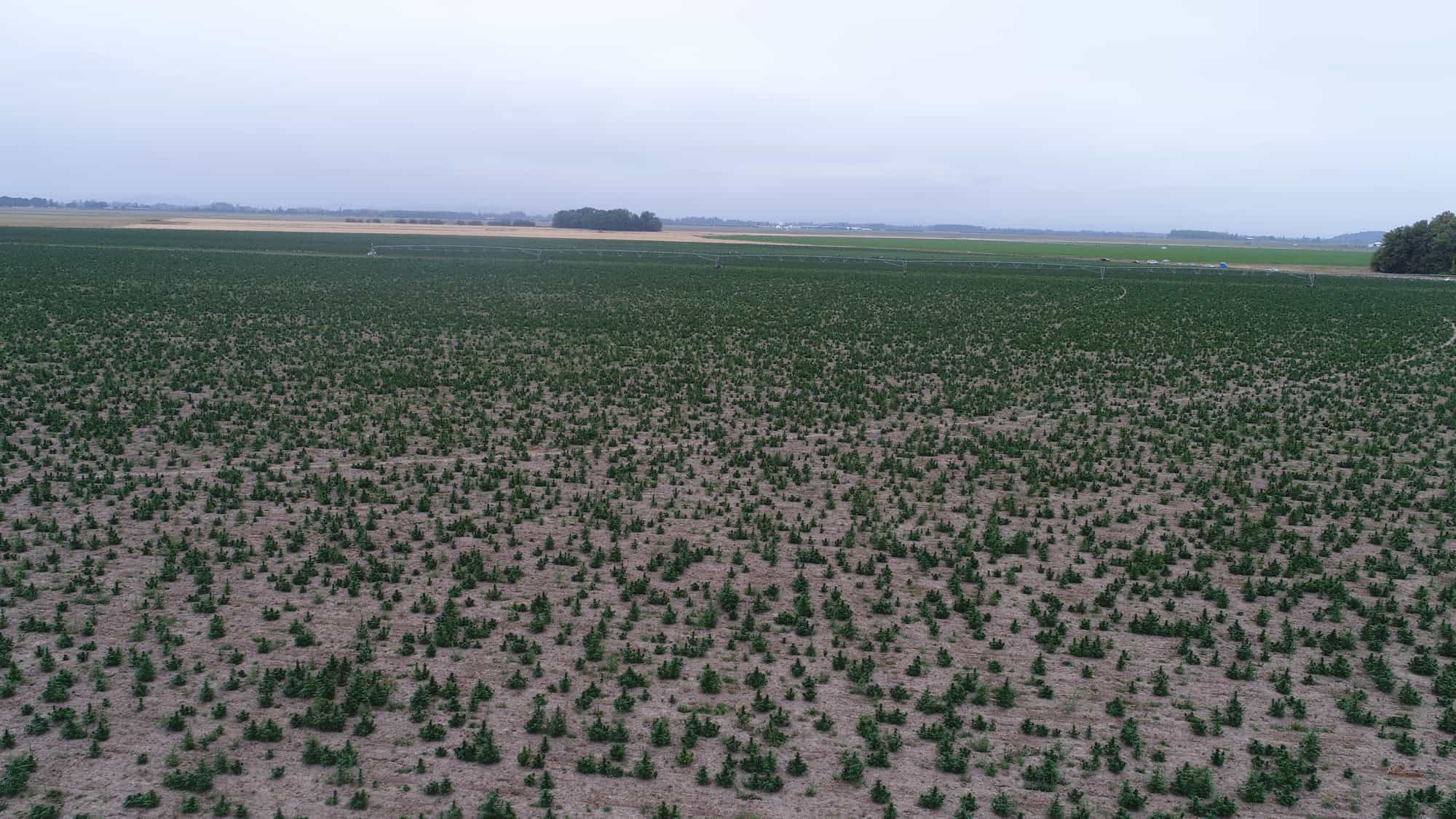
This is particularly important for commercial agriculture, where growers need uniformity across thousands or even millions of plants.
Large-scale farmers cannot afford excessive variation in flowering time, plant structure, cannabinoid ratios, or final yields.
At GTR Seeds, our breeding efforts emphasize the development of feminized seed varieties that combine distinctive cannabinoid profiles with the consistency and agricultural performance growers expect.
Developing Triploid THCV Seeds Adds Another Layer of Complexity
Triploid cannabis breeding presents additional opportunities, but also introduces significant technical challenges.
Conventional cannabis plants are diploid, meaning they possess two sets of chromosomes. Triploid plants have three sets of chromosomes and are generally produced by crossing compatible diploid and tetraploid parents.
Triploid cannabis is especially interesting because its reduced fertility can substantially limit viable seed production following pollination.
For growers focused on flower or cannabinoid production, reduced seed formation can be an attractive characteristic.
However, producing triploid THCV seeds requires more than simply identifying a THCV-rich plant.
Breeders must develop appropriate parental lines with the desired cannabinoid traits, establish compatible ploidy levels, and evaluate the resulting triploid offspring for both cannabinoid performance and agronomic characteristics.
The additional breeding work, chromosome manipulation, and testing requirements help explain why triploid THCV seeds remain exceptionally uncommon.
At GTR Seeds, our work with triploid cannabis has allowed us to explore these opportunities, including the development of THCV-rich triploid varieties.
GTR Seeds Is Expanding Access to THCV-Rich Cannabis Genetics
Despite these challenges, we believe THCV has enormous potential as the cannabis industry continues to diversify beyond conventional THC and CBD products.
Our breeding program has focused on developing THCV-rich cannabis seeds that combine distinctive cannabinoid profiles with the vigor, consistency, and production potential required by growers.
Our THCV portfolio includes:
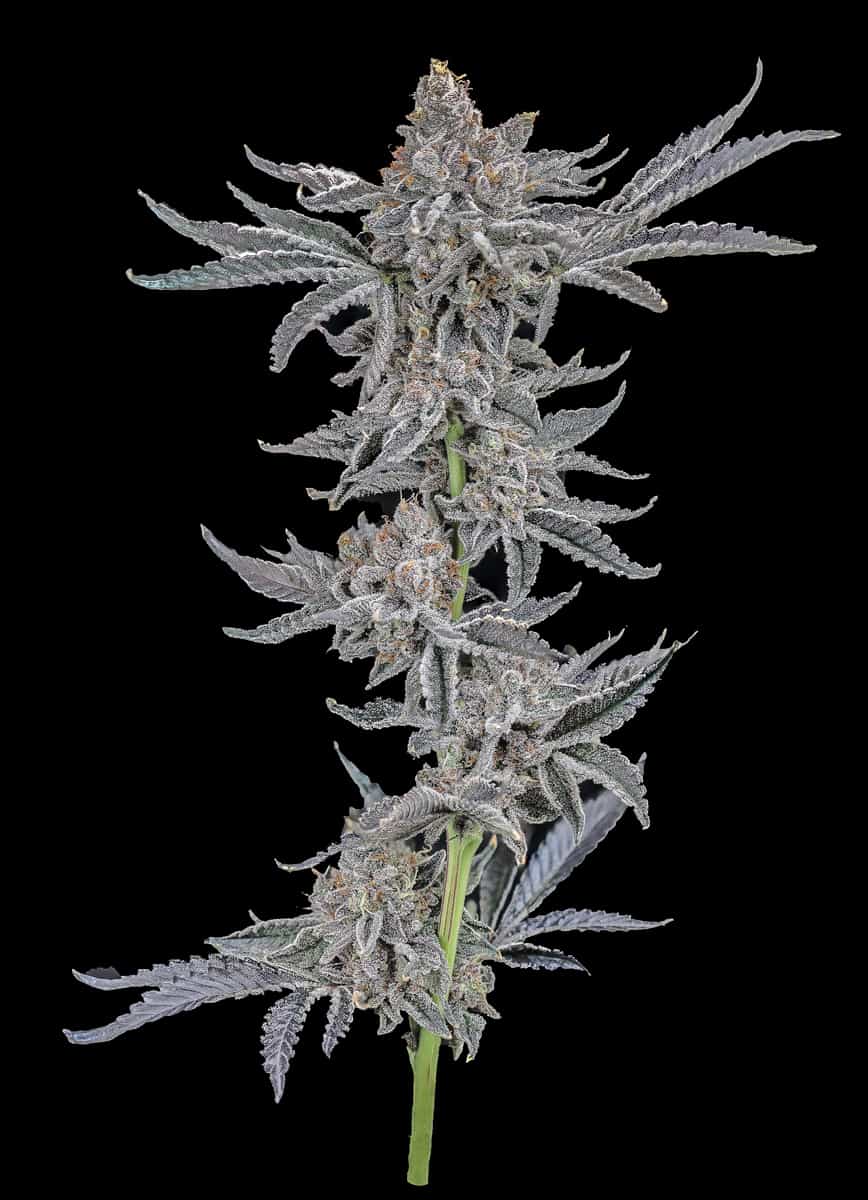
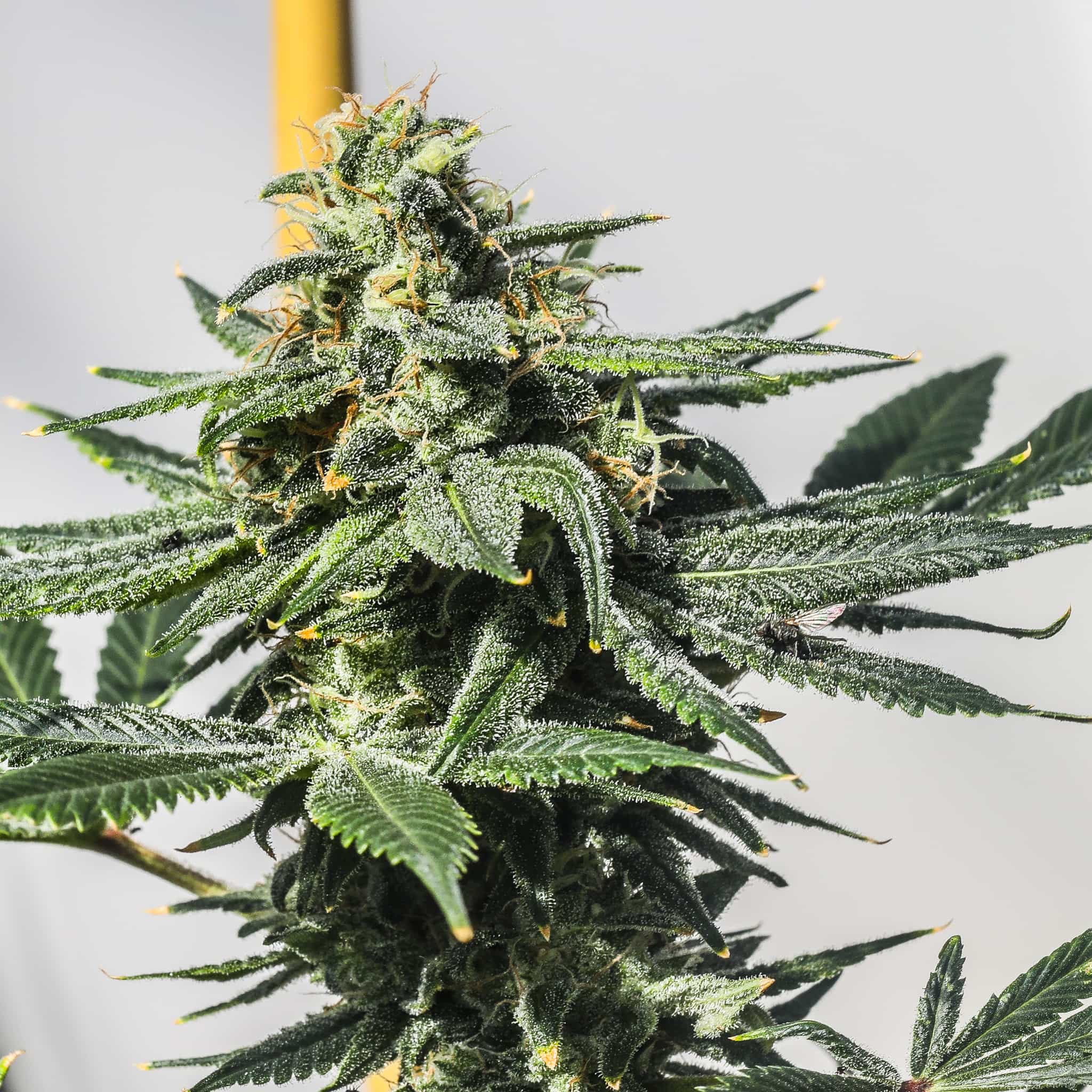
Double Durban THCV: A THCV-rich variety with a fierce terpinolene nos developed for growers interested in distinctive cannabinoid profiles and quality flower production.
Garlic Berry THCV: Combines THCV-focused breeding with unique garlic aromas, offering another option for growers exploring this emerging cannabinoid category.
Auto Skunk THCV: Expands our THCV offerings into an epic autoflower, providing growers with additional cultivation options and some heavy skunk.
Gigantor Seedless: A triploid THCV-rich variety developed with an emphasis on agricultural performance and cannabinoid biomass production. It's a beast!.
These varieties reflect years of breeding, selection, and testing aimed at making THCV-rich cannabis more accessible to growers.
Rather than simply introducing plants that test positive for THCV, our goal is to develop commercially useful seed varieties capable of delivering meaningful cannabinoid production.
The Future of THCV-Rich Cannabis Seeds
The limited availability of THCV-rich cannabis genetics isn't evidence that THCV lacks potential.
Instead, it reflects how young this area of cannabis breeding really is.
Most modern cannabis breeding programs were built around THC, with CBD becoming a major focus only relatively recently. Developing new cannabinoid profiles requires access to the right genetic material, substantial research investments, and years of dedicated selection.
As cannabinoid science advances and commercial interest in THCV grows, we expect to see significant improvements in both THCV concentrations and overall crop productivity.
The next generation of THCV-rich cannabis genetics will likely be defined not just by cannabinoid percentages, but by consistency, vigor, total cannabinoid yields, and suitability for commercial cultivation.
At GTR Seeds, we're committed to helping move that progress forward.
Interested in growing THCV-rich cannabis?
Explore our selection of THCV seeds and discover the varieties we've developed for this exciting and rapidly evolving segment of the cannabis industry.