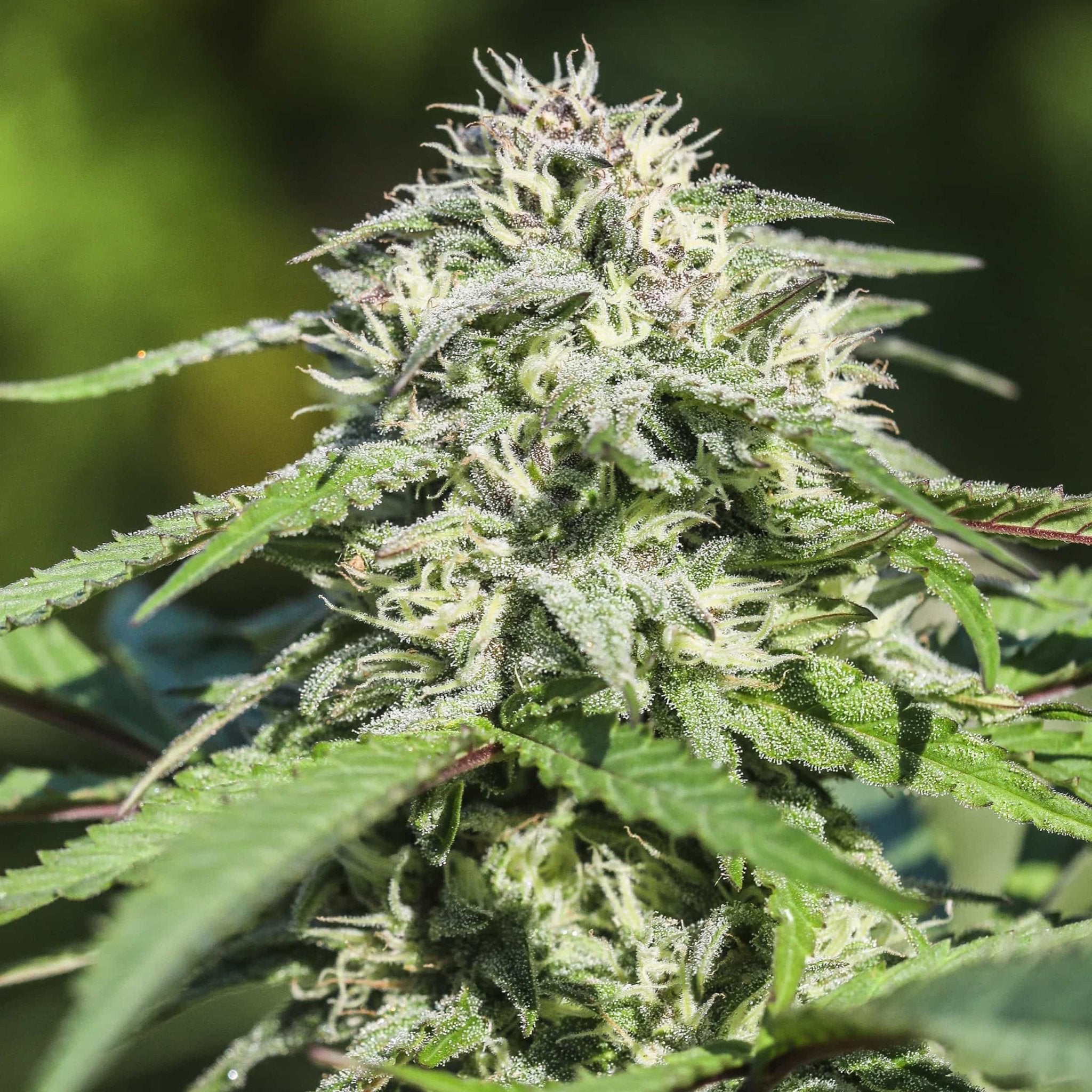


Americans are drinking less alcohol than they have in generations. Young people are increasingly turning away from booze, and the alcohol industry is facing a problem it hasn't had to deal with in a very long time. So, naturally, some of the biggest players in the industry have decided cannabis is the problem.
For decades, alcohol has enjoyed a pretty remarkable position in American society. It's advertised everywhere, available in nearly every grocery store, and deeply embedded in our social lives. Meanwhile, cannabis has spent the better part of a century being demonized, criminalized, and treated as a dangerous drug.
But things are changing, and the alcohol industry isn't particularly thrilled about it.
Americans Are Drinking Less. A Lot Less.
According to Gallup's 2026 survey, just 54% of American adults say they consume alcohol. That's tied with 2025 for the lowest percentage Gallup has recorded since it began tracking alcohol consumption in 1939.
And this isn't just a small shift in consumer preferences.
According to IWSR, a leading alcohol industry research firm, the volume of alcohol consumed in the United States declined by 5% in 2025 alone.
-
Beer consumption dropped 6%.
-
Wine consumption dropped 6%.
-
Spirits consumption dropped 4%.
-
Total alcohol volumes declined in 49 of 50 states.
Those are some pretty remarkable numbers for an industry that has enjoyed generations of relatively stable demand.
And perhaps even more concerning for alcohol producers, younger generations aren't showing much interest in picking up where their parents left off.
Young People Just Aren't Drinking Like They Used To
The decline in alcohol consumption among younger Americans is particularly interesting.
The University of Michigan's Monitoring the Future study has tracked substance use among American students for decades.
In 2000, approximately 73% of high school seniors reported drinking alcohol within the previous year. By 2025, that number had fallen to just 41%.
Among eighth graders, annual alcohol use dropped from 43% to 11% over the same period.
That's a massive cultural shift.
And it isn't just teenagers. Young adults are increasingly questioning whether drinking alcohol is worth the hangovers, health consequences, and expense.
For generations, alcohol consumption was practically a rite of passage. Today, a growing number of younger Americans simply aren't interested.
It's hard to imagine this being anything other than good news from a public health perspective.
So, Is Cannabis Stealing Alcohol's Customers?
There's certainly reason to believe cannabis is playing some role in changing consumer habits.
As cannabis becomes more socially acceptable and accessible, some adults are choosing it as an alternative to alcohol. THC beverages, in particular, have created an entirely new category of adult beverages that compete directly with beer, wine, and spirits.
But blaming cannabis for the entire decline in alcohol consumption would be ridiculous.
Alcohol consumption among young people has been declining for more than two decades, long before cannabis legalization or THC beverages became widespread.
There are plenty of other explanations, including growing awareness of alcohol's health consequences, changing social habits, and the rising cost of just about everything.
Cannabis may be part of the story, but it certainly isn't the whole story.
That hasn't stopped some major alcohol interests from treating it like a competitive threat.
The Alcohol Lobby Goes After Cannabis
Here's where things get particularly interesting.
As alcohol sales have declined, major alcohol companies and their representatives have become increasingly involved in lobbying over federal cannabis and hemp regulations.
In October 2026, reporting based on internal emails obtained through public records requests revealed that lobbyists representing Anheuser-Busch, Molson Coors, and Diageo had urged state attorneys general to oppose delaying federal restrictions on hemp-derived THC products.
These are some of the biggest names in the alcohol business.
And rather than simply competing with cannabis products in the marketplace, their representatives were reportedly encouraging government officials to maintain restrictions that would eliminate many of those products from legal commerce.
Of course, the alcohol industry isn't united on this issue.
Some alcohol distributors and retailers have embraced THC beverages, recognizing that consumer preferences are changing. More than 50 alcohol distributors even signed a letter opposing a federal prohibition on intoxicating hemp products, arguing that the emerging market was creating jobs and helping businesses adapt to declining alcohol demand.
Apparently, some businesses would rather sell consumers what they actually want.
Others seem more interested in making sure the competition doesn't get a chance.
The Irony Is Pretty Hard to Ignore
Alcohol is responsible for an enormous amount of preventable disease, addiction, and death in the United States.
According to the CDC, excessive alcohol use is associated with approximately 178,000 deaths annually in the United States, based on estimates for 2020–2021.
Cannabis isn't harmless, and responsible regulations around age restrictions, product testing, labeling, and impaired driving are absolutely appropriate.
But it's difficult to ignore the irony of an industry built around selling alcohol pushing for restrictions on another intoxicating product, particularly when those restrictions are framed around protecting public health.
If public health is truly the concern, shouldn't we be discussing reasonable regulations for both products rather than prohibiting one to protect the market share of the other?
Maybe Consumers Are Simply Making Different Choices
We've spent decades working with cannabis genetics, watching the industry evolve from medical marijuana programs to today's increasingly diverse cannabis marketplace.
We've seen firsthand how much public perception has changed.
Cannabis was once treated as something that belonged exclusively in the shadows. Today, people from just about every walk of life are becoming interested in the plant, whether for its cannabinoids, aromas, genetics, or simply as an alternative to alcohol.
That doesn't mean everyone should consume cannabis, and it certainly doesn't mean cannabis is without risks.
But adults should be able to make informed decisions about what they choose to consume.
The decline in alcohol consumption is a fascinating cultural change, and one that appears to have been building for decades.
Perhaps the alcohol industry should spend a little less time worrying about cannabis and a little more time asking why so many Americans are losing interest in its products.
After all, if people are voluntarily drinking less alcohol, is that really a problem society needs to fix?