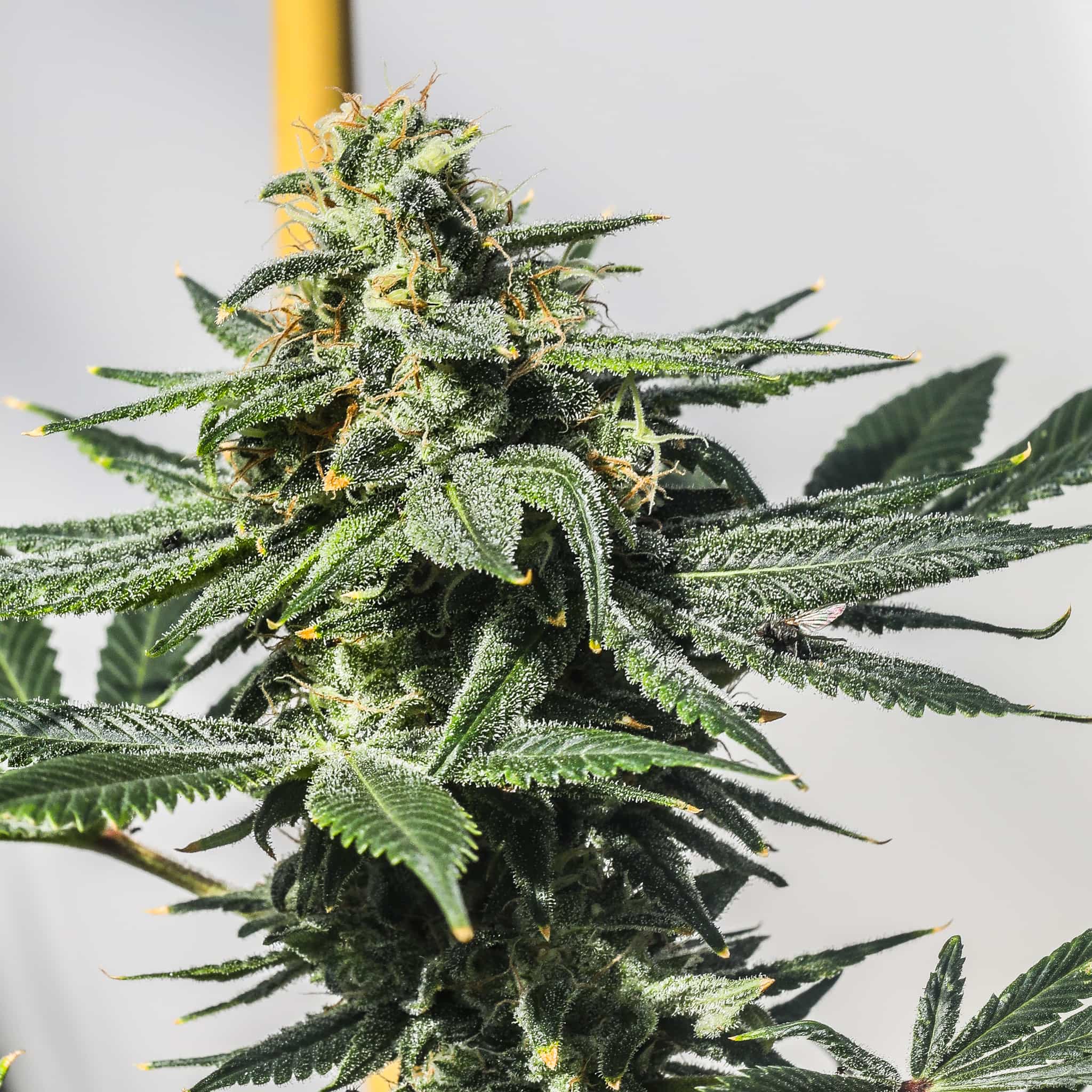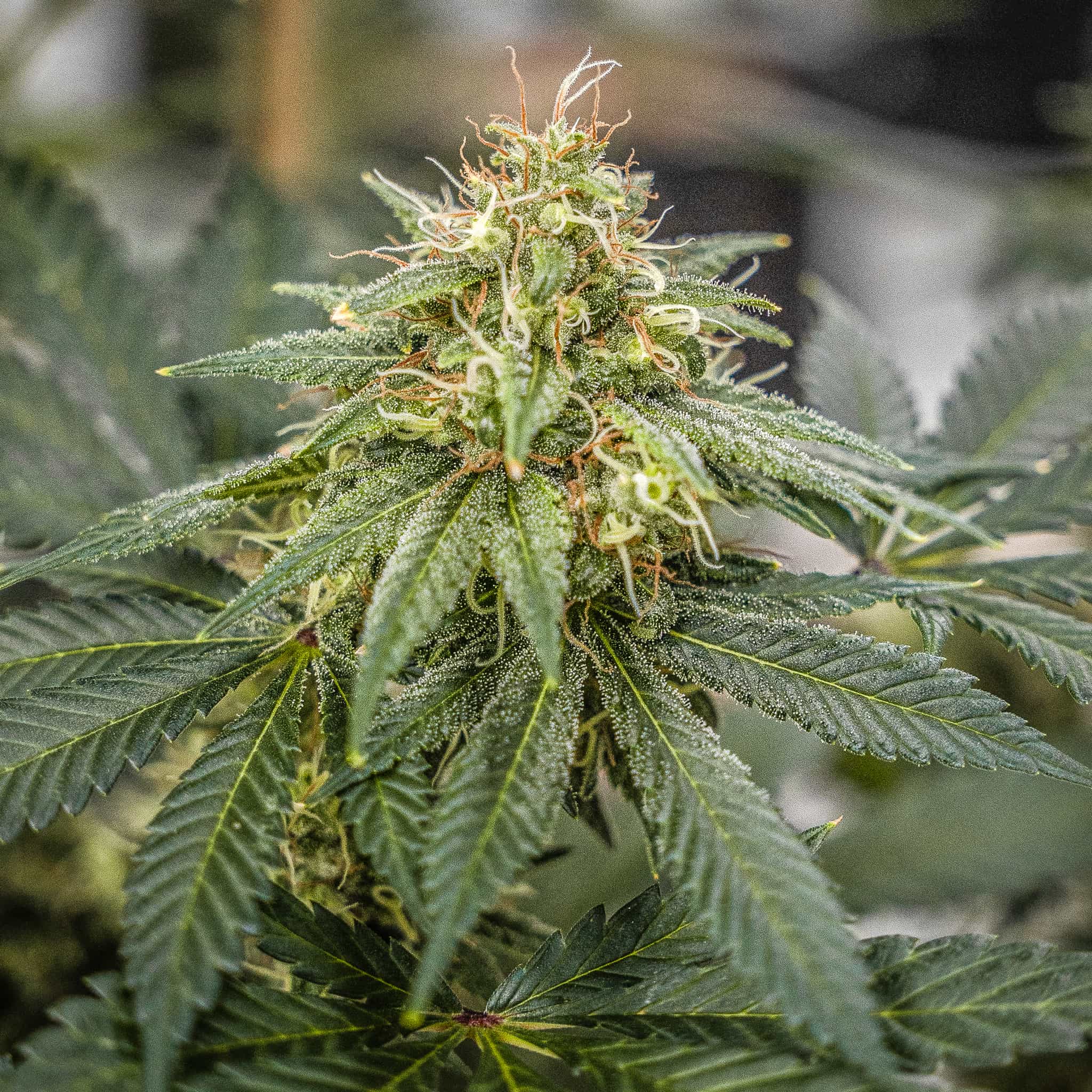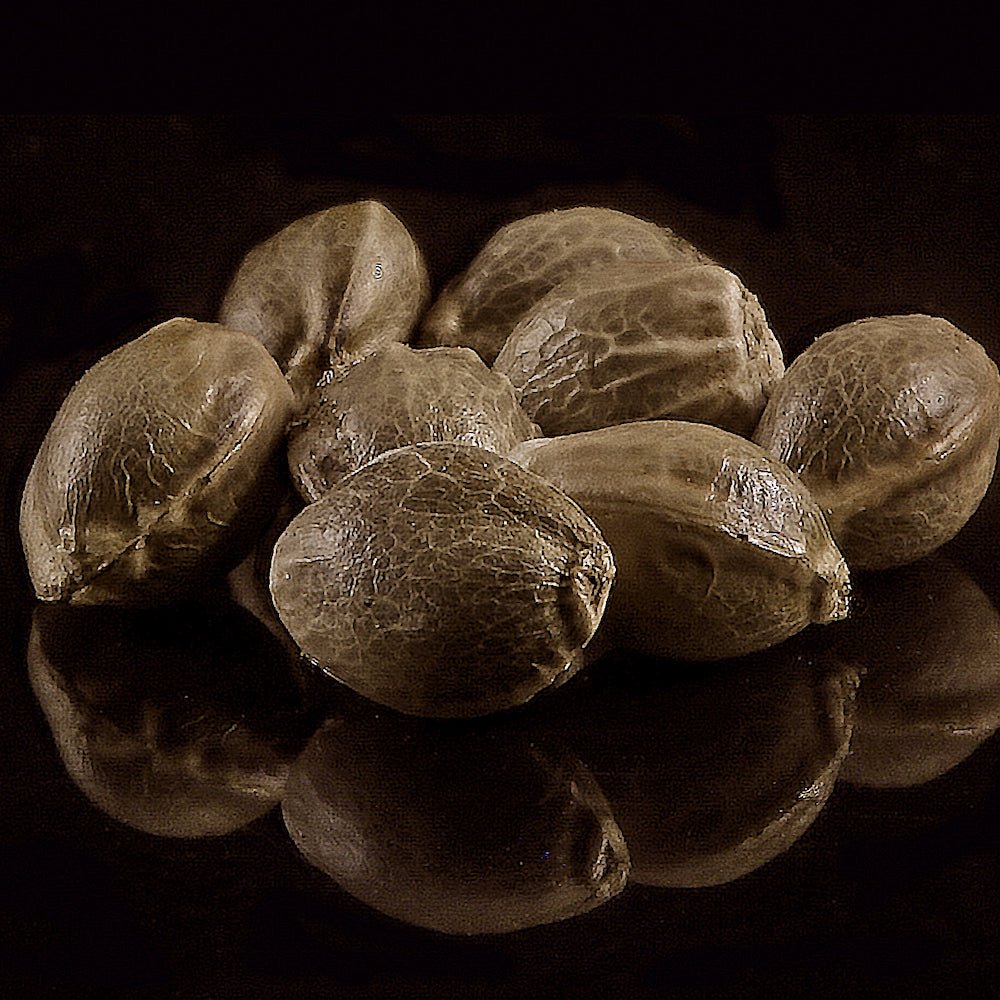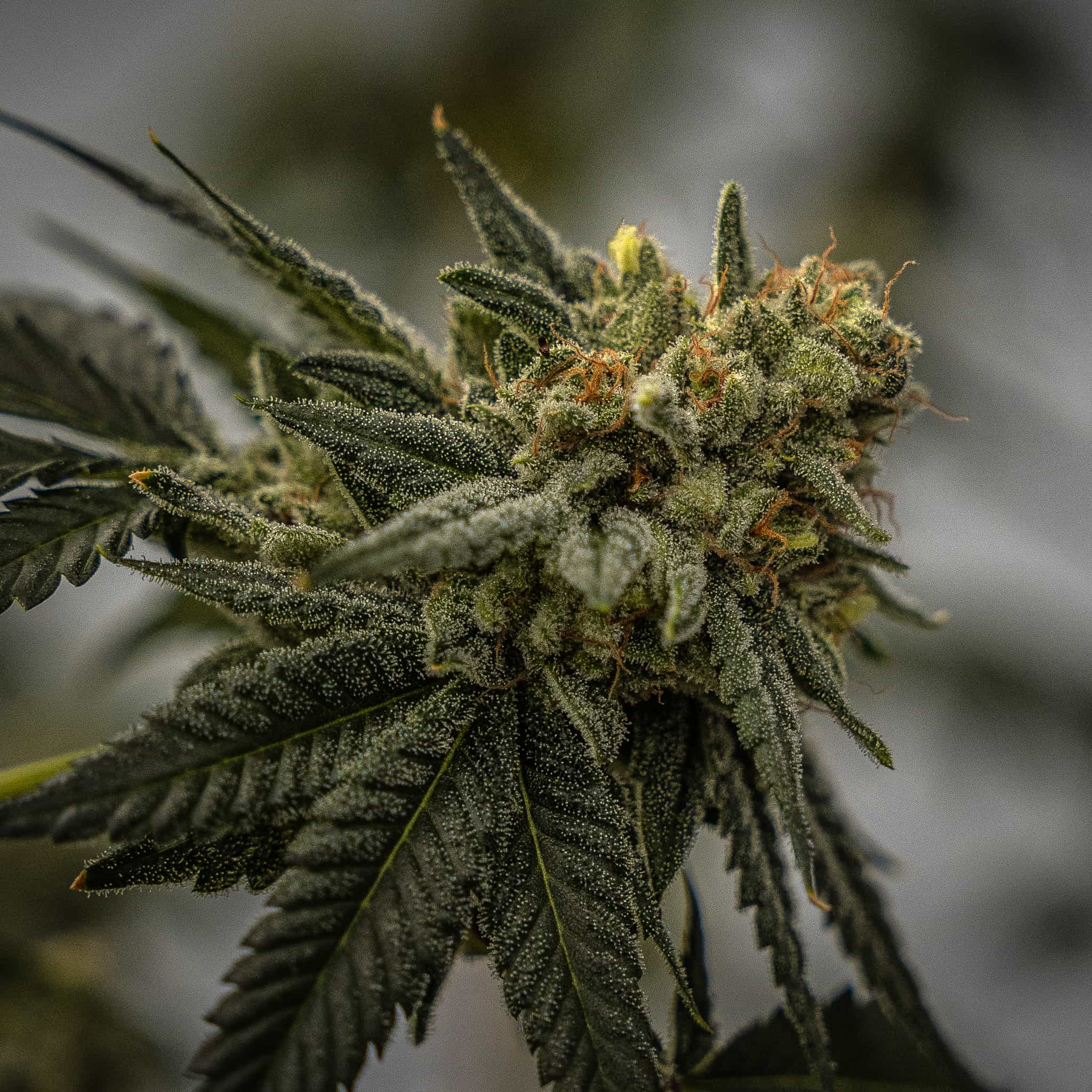

Triploid genetics are everywhere in commercial agriculture. From seedless watermelons to bananas and numerous ornamental plants, polyploid breeding has been used for decades to develop crops with desirable characteristics.
So why aren't there more triploid cannabis seeds on the market?
The answer is pretty simple: producing triploid cannabis seeds is expensive, time-consuming, and considerably more difficult than producing conventional diploid seeds.
We've spent years developing triploid cannabis genetics at GTR Seeds, and while the results can be incredible, getting those seeds into growers' hands is no small undertaking.
Here's a look at what actually goes into producing commercial triploid cannabis seeds, and why relatively few breeders are doing it.
A Brief Rundown on Triploid Cannabis
Most cannabis plants are diploids (2x), meaning they have two complete sets of chromosomes.
Triploid cannabis plants (3x) have three sets of chromosomes, typically produced by crossing a tetraploid (4x) plant with a conventional diploid (2x).
This unusual chromosome arrangement can interfere with normal reproduction, making triploid plants substantially less fertile than their diploid counterparts.
For cannabis growers, that's a big deal.
Unwanted pollination can turn an otherwise beautiful flower crop into seeded flower, reducing its quality and commercial value.
Triploid cannabis offers an opportunity to dramatically reduce that risk.
But there's an important distinction: Triploids aren't necessarily completely sterile. Some varieties can still produce viable seeds when exposed to pollen, and the degree of fertility reduction varies between genetics.
And while some triploid plants exhibit exceptional vigor and production, simply having three sets of chromosomes doesn't guarantee higher yields, better flowers, or increased cannabinoid content.
Those characteristics still depend on the underlying genetics and breeding work.
For a more detailed explanation, visit our guide to triploid cannabis.
How We Make Triploid Cannabis Seeds
In 2020, we published research on producing polyploid cannabis under the guidance of Dr. Hsuan Chen and Brendan Rojas.
That work helped establish the foundation for our commercial triploid breeding program.
You can read our published research on polyploid cannabis.
Producing a handful of triploid seeds for research is one thing. Producing thousands or millions of uniform, feminized triploid seeds for commercial growers is another challenge entirely.
Here's how we do it.
Step 1: Select Exceptional Parent Plants
If you're going to invest the time and resources required to develop triploid genetics, you better start with good parents.
We spend years inbreeding, testing, and selecting plants to create our parental lines. Our commercial triploids are generally produced as feminized F1 hybrids.
To produce triploid offspring through conventional crossing, we need a tetraploid parent and a diploid parent.
And this is where things get complicated.
You can't simply take a popular diploid variety, double its chromosomes, and assume the resulting triploid offspring will be identical to the original plant.
For example, creating a triploid version of a popular clone-only variety isn't as simple as converting the clone to a tetraploid and making seeds.
The offspring still need to be bred and selected for the desirable characteristics of the original genetics.
That takes time, extensive breeding populations, and plenty of testing.
Learn more about F1 hybrid cannabis seeds and their advantages.
Step 2: Tetraploid Conversion — Where Plants Go to Die
Developing tetraploid parent plants is one of the biggest obstacles in triploid seed production.
Tetraploids have four sets of chromosomes rather than the usual two.
They can be created through specialized chromosome-doubling techniques involving compounds that interfere with cell division.
Unfortunately, the process is hard on plants.
Survival rates can be low, and the plants that do survive often take weeks or longer to recover. Some exhibit poor vigor or other undesirable characteristics that make them unsuitable for commercial seed production.
Not every successful tetraploid conversion produces a useful breeding parent.
We may have to evaluate numerous plants before finding one with the vigor, flower characteristics, and reproductive performance we're looking for.
Note: Chromosome-doubling chemicals such as colchicine are highly toxic and require appropriate laboratory safety controls.
Step 3: Ploidy Testing

Just because a plant survives chromosome doubling doesn't mean it's a stable tetraploid.
Some plants develop a mixture of diploid and tetraploid tissues, known as mixoploidy.
We use flow cytometry to analyze plant tissue and determine chromosome-set levels.
This allows us to identify plants with the desired tetraploid characteristics and eliminate unstable candidates.
We often see diploid shoots emerge from plants following conversion, which is why repeated testing is so important.
In our program, we typically monitor new growth for around a month before we're confident a plant is consistently tetraploid.
This is one of the many steps that requires specialized equipment, trained personnel, and considerable time.
[Keep the original flow cytometry photograph here.]
Step 4: Establish Tetraploid Mother Plants

Once we've identified a suitable tetraploid plant, we still have a long way to go.
Depending on its vigor, we generally wait another month or two before taking cuttings.
Those cuttings need to root, establish themselves, and develop into healthy mother plants capable of producing a commercial seed crop.
Tetraploid plants can be considerably less vigorous than their diploid counterparts, particularly during recovery and establishment.
And because they may exhibit reduced fertility, selecting plants capable of producing viable seeds is critical.
A tetraploid plant with excellent genetics isn't particularly useful if it can't produce enough seed to justify the greenhouse space.
[Keep the original tetraploid mother plant photograph here.]
Step 5: Prepare Our Feminized Pollen Donors
All of our commercial seed production is feminized, including our triploid varieties.
While the tetraploid mother plants are developing, we prepare the selected diploid pollen donors.
Our original production process used highly inbred feminized autoflower lines, including S3 and S4 generations, treated with silver thiosulfate (STS) to induce pollen-producing flowers.
This allows us to produce feminized seed without relying on conventional male plants.
But once again, not every pollen donor is equally suitable.
We need plants that produce viable pollen, carry the desired cannabinoid and agricultural traits, and perform reliably in our breeding program.
Developing these parental lines is a substantial investment on its own.
Step 6: Triploid Seed Production — The Expensive Part
Once the parent plants are ready, we pollinate our tetraploid mothers using pollen from the selected diploid parents.
And this is where triploid seed production becomes particularly expensive.
In our experience, diploid-to-tetraploid crosses typically produce only 5–30% as many seeds as conventional diploid crosses.
In other words, we're often producing 70–95% fewer seeds from plants occupying the same greenhouse space.
And we still have to pay for the lights, heating, cooling, labor, nutrients, and everything else required to produce the crop.
Tetraploid plants frequently have reduced fertility, and seed development can be inconsistent.
Some crosses perform reasonably well. Others produce very few viable seeds.
A cross might produce outstanding triploid plants but so few seeds that commercial production becomes impractical.
That's one of the biggest reasons triploid cannabis seeds cost more to produce.
And it's also why developing reliable, productive tetraploid parent lines is such an important part of the breeding process.
Step 7: Seed Harvest, Curing, and Dormancy
After approximately 9–11 weeks of flowering in our greenhouses, we harvest the seed-producing plants and separate the seeds.
But unlike many conventional cannabis seeds, our triploid seeds aren't always ready to germinate immediately.
We've found that some of our triploid varieties benefit from an extended period of cold storage before achieving optimal germination.
Certain lots can take up to three months to overcome dormancy and reach their best germination performance.
This adds another layer of time and expense to the process.
A conventional diploid seed crop might be ready for sale relatively quickly after harvest and testing.
With triploids, we may need to store seeds considerably longer before they're ready for commercial distribution.
Not every triploid variety behaves the same way, which makes evaluating each seed lot particularly important.
Step 8: Germination, Ploidy, and Field Testing
Producing triploid seeds is only half the battle.
Those seeds also need to germinate reliably and grow into healthy, productive plants.
Once we're satisfied with germination performance, we submit seed lots for independent testing, including germination and ploidy verification.
But laboratory testing alone isn't enough.
We also evaluate our triploid varieties in greenhouse and field trials, looking at characteristics such as:
-
Germination and seedling vigor
-
Plant growth and uniformity
-
Flower and biomass yields
-
Cannabinoid production and flower quality
-
Flowering times and harvest maturity
-
Disease tolerance and environmental performance
-
Fertility reduction following pollen exposure
That last point is particularly important.
A triploid plant isn't automatically seedless. We need to know how each variety actually performs when exposed to pollen.
Some triploid crosses exhibit extremely low fertility, while others can retain a greater ability to produce viable seeds.
And just as importantly, we need to ensure the plants are worth growing in the first place.
A triploid that produces few seeds but has poor flower quality, low yields, or inconsistent maturity isn't much of an improvement over conventional genetics.
Why Triploid Cannabis Seeds Are So Expensive to Produce
When you put all these steps together, it's easy to see why triploid seeds remain relatively uncommon.
Before we can produce a commercial seed crop, we've already invested years in developing parental genetics, creating and evaluating tetraploids, establishing mother plants, and testing experimental crosses.
Then comes the actual seed production, which often yields a fraction of what we'd get from conventional diploid plants.
And after harvest, there's additional storage, germination testing, ploidy verification, and field evaluation.
The costs add up quickly.
Producing a few hundred triploid seeds for a breeding experiment is relatively straightforward compared with establishing a commercial program capable of supplying large agricultural operations.
Scaling up requires dependable parents, specialized equipment, extensive greenhouse infrastructure, and a whole lot of experience.
That's a pretty substantial barrier to entry.
Why Breeding Triploids Across Different Cannabinoids Is Even Harder
Most cannabis breeding programs specialize in a relatively narrow range of genetics.
At GTR Seeds, we've taken a different approach.
Our breeding work includes triploid varieties across multiple cannabinoid categories, including THC, CBD, CBG, CBDV, CBGV, and THCV.
Each category requires its own specialized breeding material.
You can't simply take a high-THC tetraploid parent and expect it to produce high-quality CBG or CBDV offspring.
Developing the appropriate parental lines requires additional generations of breeding, selection, and testing.
And once those lines are developed, we still have to overcome the same challenges with fertility, seed production, germination, and field performance.
It's a tremendous amount of work, but it's also what allows us to offer triploid genetics across such a broad range of cannabinoids.
Not All Triploid Cannabis Seeds Are Created Equal
As more companies begin offering triploid cannabis seeds, it's important for growers to understand that triploidy alone doesn't guarantee superior performance.
We've seen some truly exceptional triploid plants.
But we've also seen plenty that weren't worth keeping.
A good triploid variety should offer more than reduced fertility.
It should have excellent flower quality, desirable cannabinoid content, appropriate maturity times, consistent growth, and competitive yields.
And the extent of fertility reduction should be evaluated rather than assumed.
That's why we spend so much time testing our genetics before releasing them commercially.
The goal isn't simply to produce a plant with three sets of chromosomes.
It's to produce a better crop.
The Future of Triploid Cannabis
We believe triploid genetics have an enormous future in cannabis cultivation.
Reduced fertility offers a meaningful advantage for growers dealing with unwanted pollination, and polyploid breeding opens up new opportunities for developing unusual and productive cannabis varieties.
But there are no shortcuts.
Producing commercial triploid cannabis seeds requires years of breeding work, expensive infrastructure, specialized testing, and plenty of failed experiments along the way.
We're proud of the work we've put into developing these genetics, and we're excited to continue expanding our lineup.
For a closer look at our production process, watch our triploid seed production video below.
Interested in growing triploid cannabis? Explore our triploid cannabis seeds, including varieties developed for THC, CBD, CBG, and other rare cannabinoids.