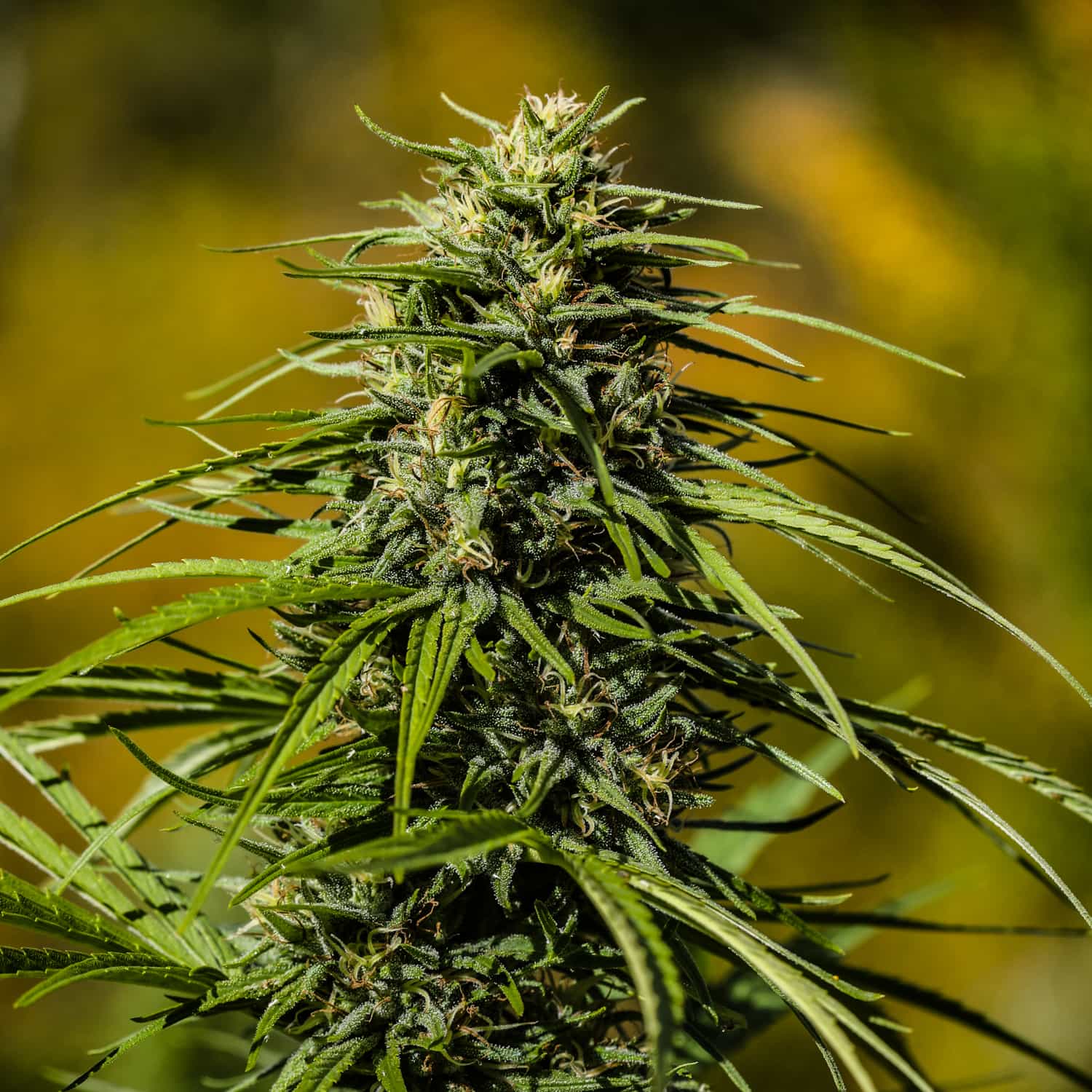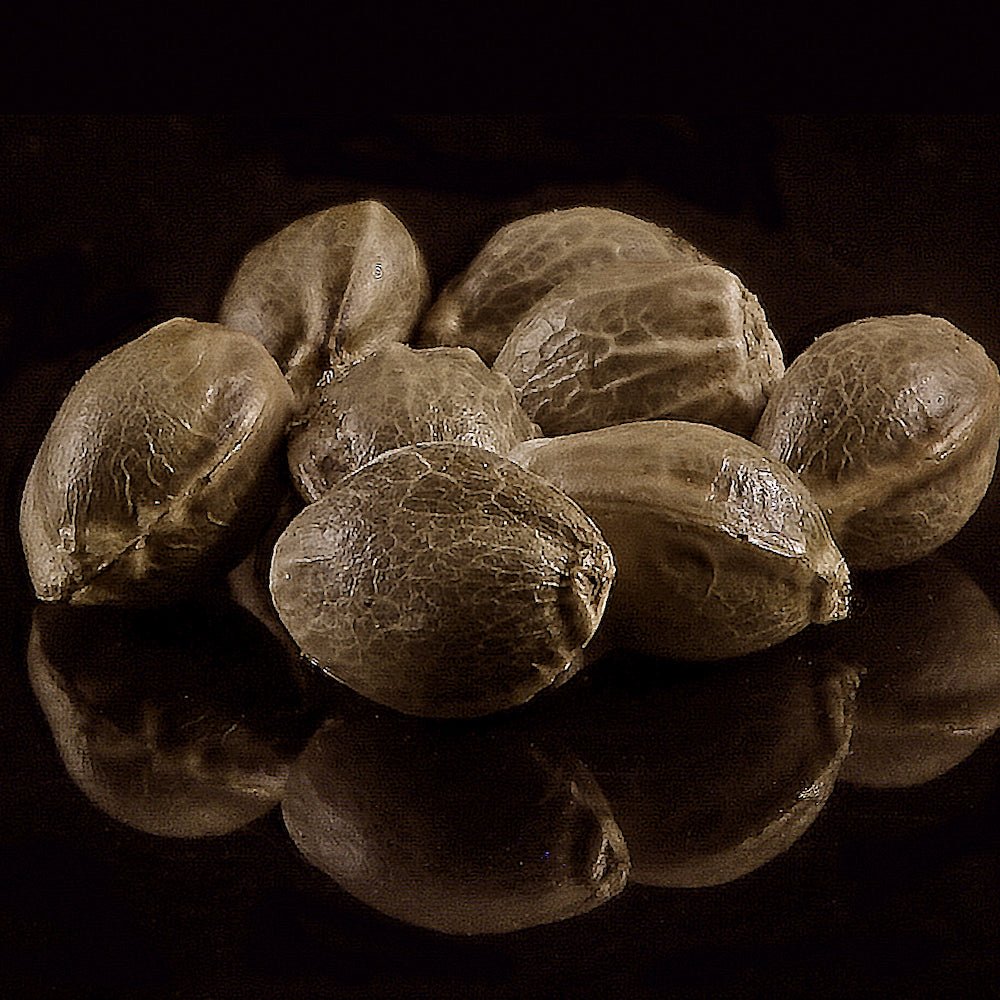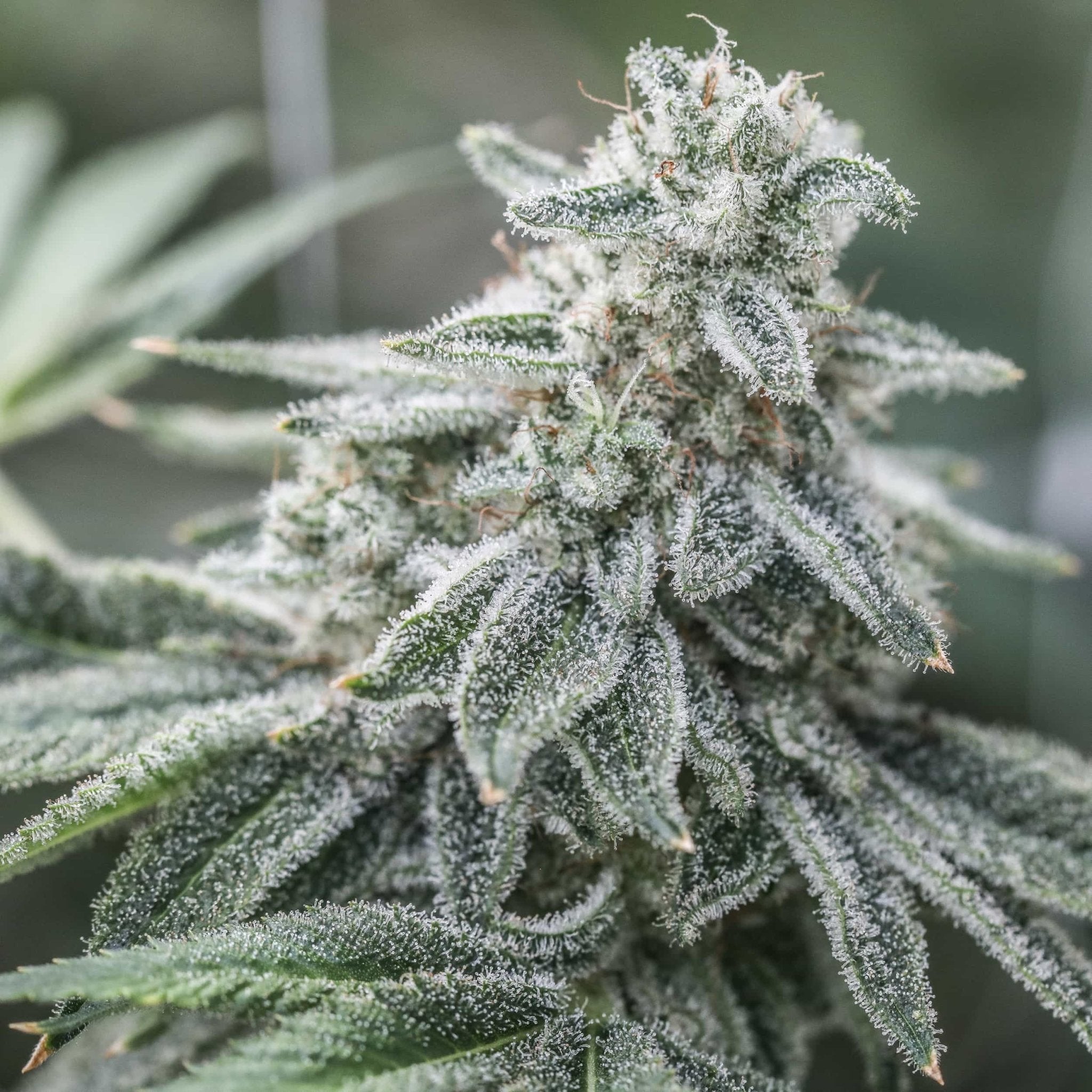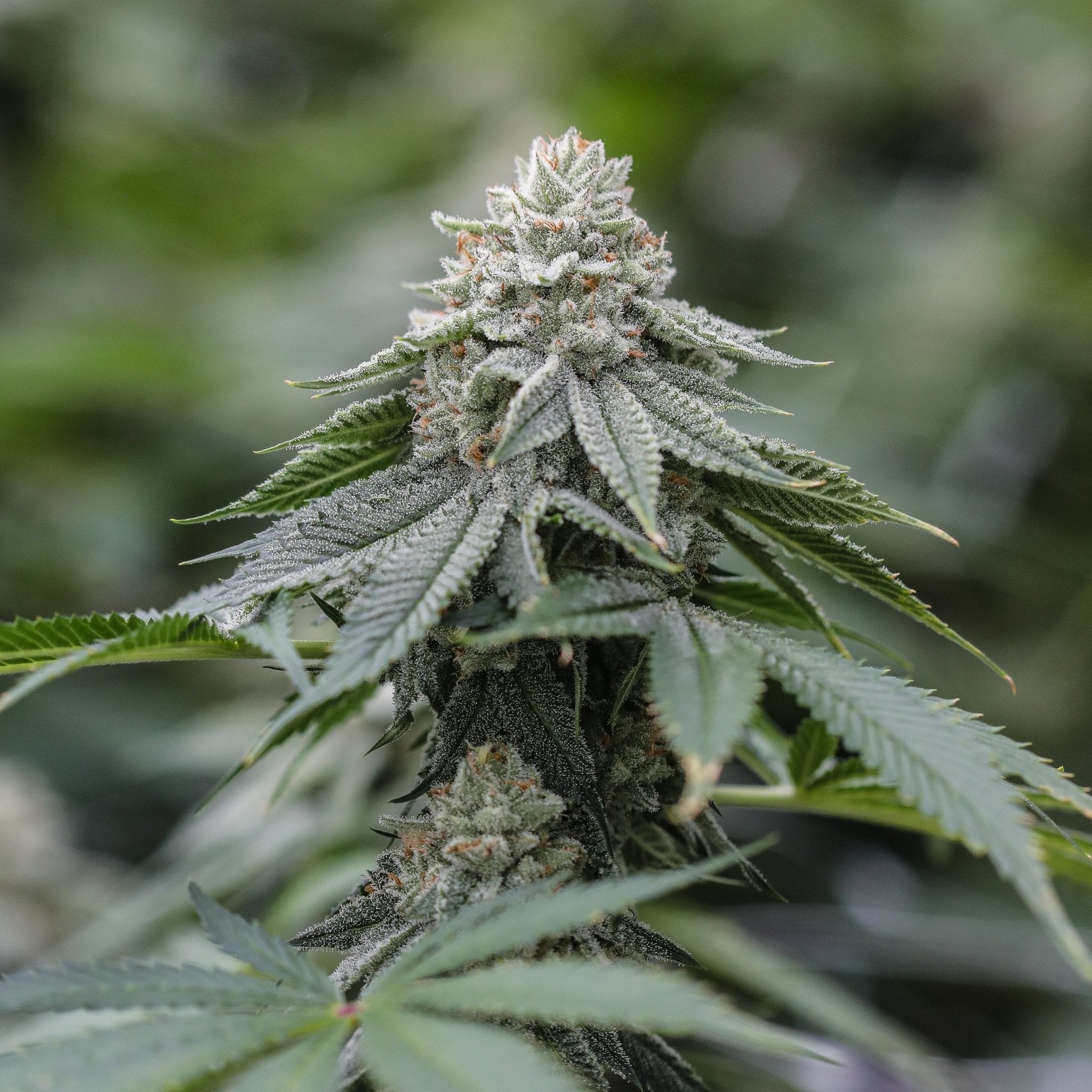


For decades, cannabis growers have relied heavily on clones to produce consistent crops. The reasoning was simple: clones are genetically identical to their mother plants, while traditional cannabis seeds can produce considerable variation from plant to plant.
But cannabis breeding has advanced dramatically.
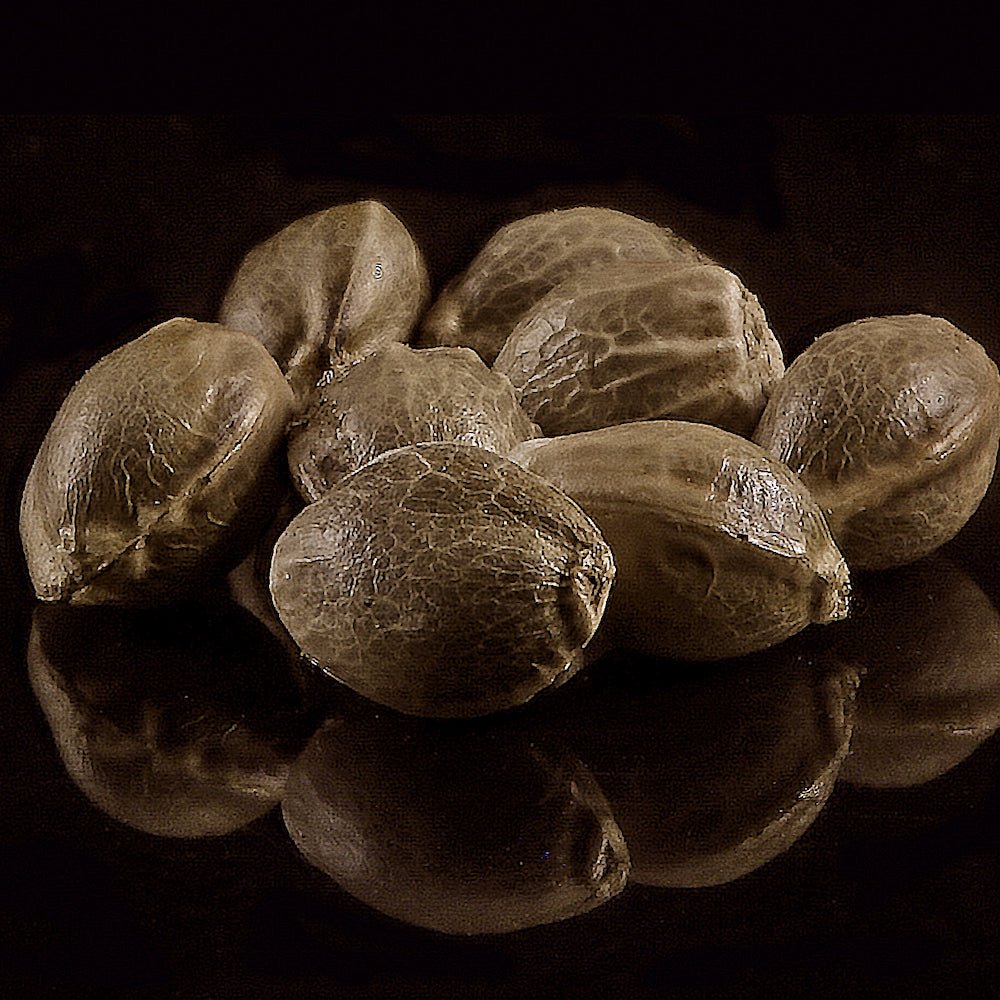
Today, professionally bred F1 hybrid cannabis seeds offer growers an alternative that combines genetic consistency, hybrid vigor, easier transportation, and scalable production without the ongoing expense and complications of maintaining mother plants.
In fact, for many commercial cannabis operations, high-quality F1 hybrid seeds may be a better starting point than clones.
At GTR Seeds, we've spent years developing F1 cannabis genetics that challenge the long-standing assumption that cloning is the best way to produce a uniform cannabis crop.
Here's why the future of commercial cannabis cultivation may increasingly belong to seeds.
1. F1 Hybrid Seeds Offer Exceptional Genetic Uniformity
One of the biggest misconceptions about cannabis seeds is that every seed produces a substantially different plant.
This can certainly be true with traditional cannabis crosses, particularly when both parents are highly heterozygous. However, properly bred F1 hybrids are fundamentally different.
A true F1 hybrid is produced by crossing two genetically stable, highly homozygous parental lines. Because the parents are genetically consistent, their offspring inherit predictable combinations of alleles.
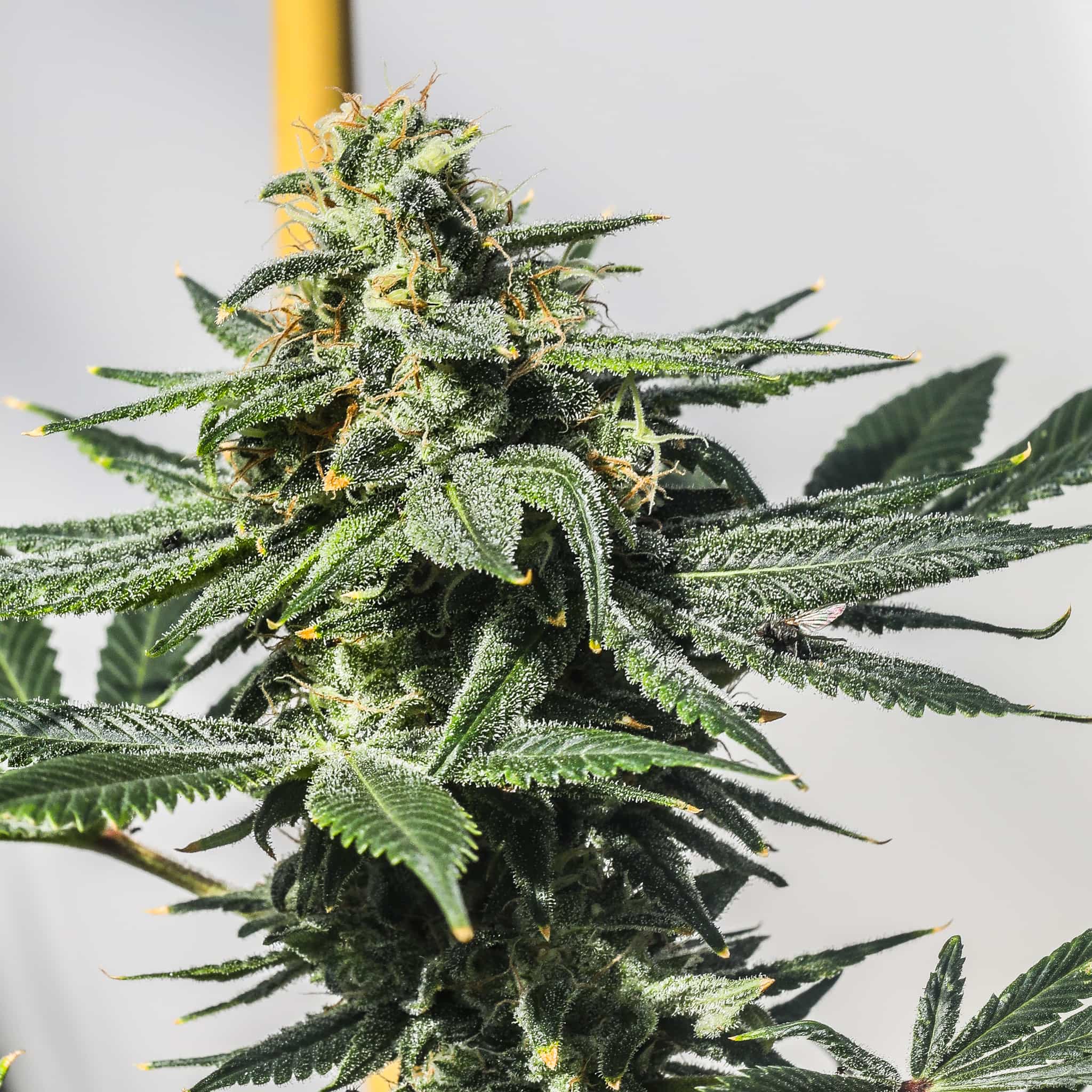
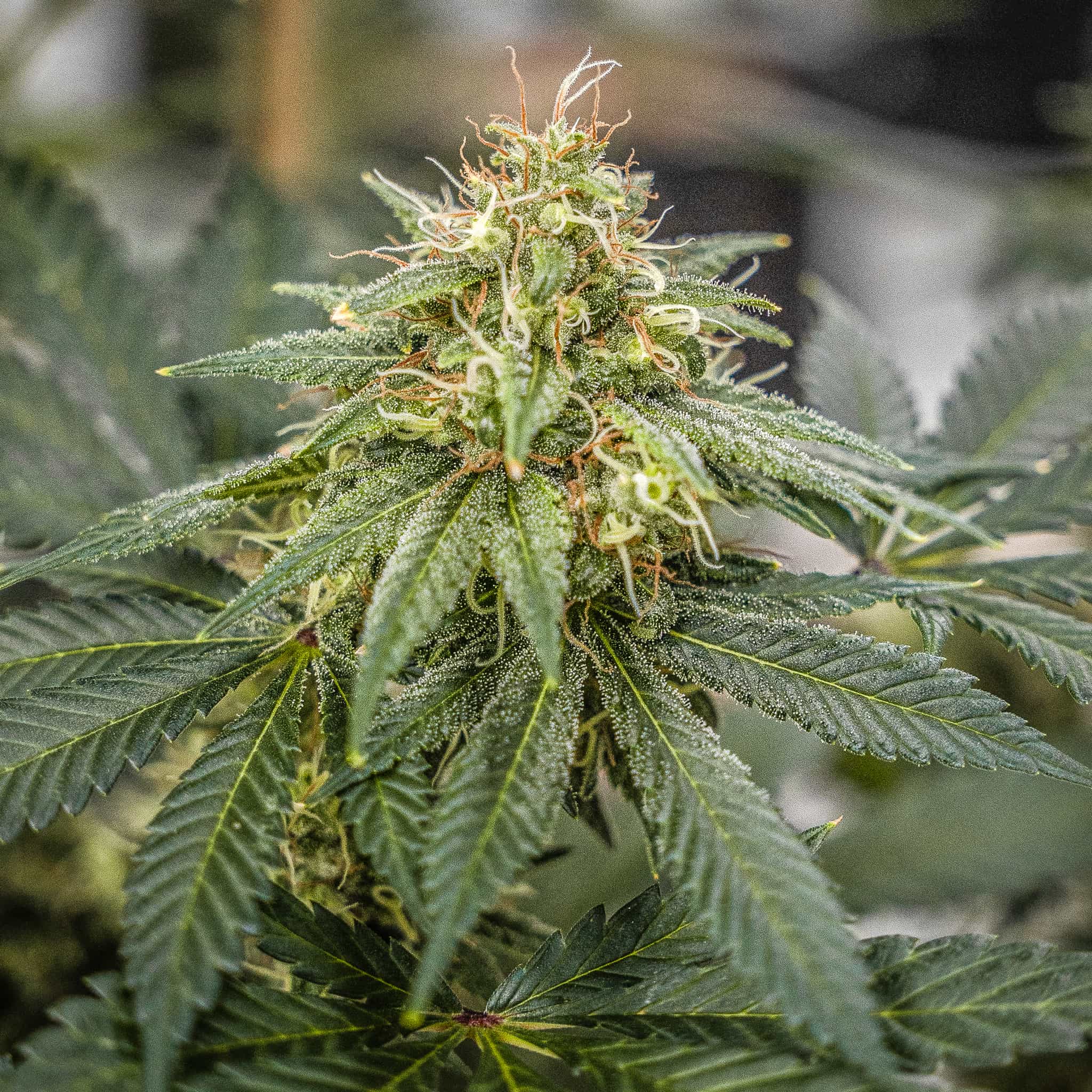
The result is a population of plants with remarkably consistent characteristics, including:
-
Plant height and architecture
-
Flowering time and maturity
-
Cannabinoid profiles
-
Flower structure
-
Growth habits
-
Agronomic performance
Although clones remain genetically identical to one another, properly developed F1 hybrids can provide sufficient phenotypic uniformity for commercial agricultural production.
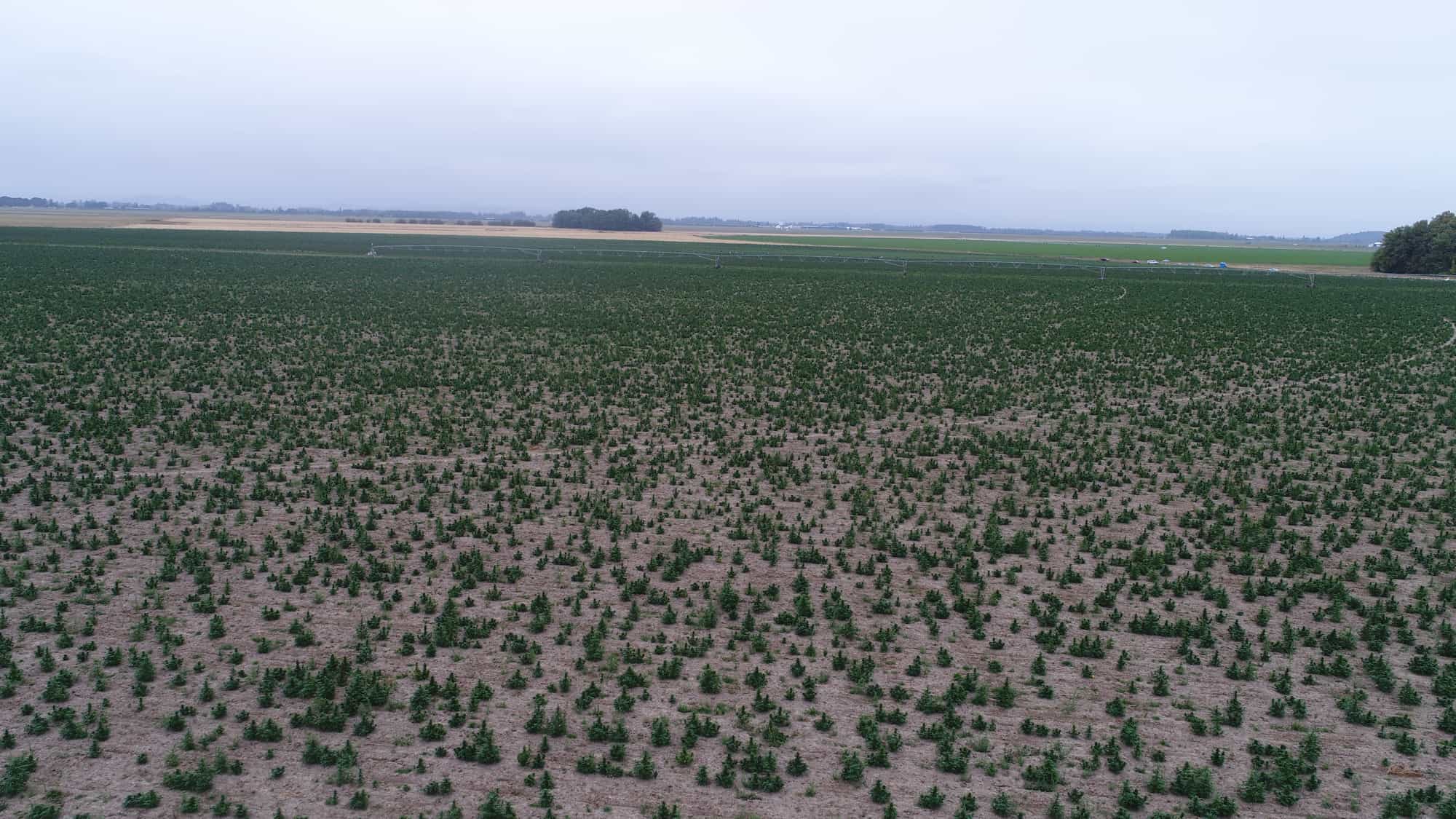
This is particularly important for large-scale cultivation, where consistent plant development makes irrigation, fertilization, harvesting, and processing more efficient.
The advantage of F1 seeds isn't that every plant is genetically identical. It's that genetic consistency can be achieved without maintaining and distributing living clones.
A 2026 study published in Horticulture Research demonstrated that true F1 cannabis hybrids produced from inbred parental lines were significantly more uniform than their original parental populations, supporting the potential of F1 breeding for commercial cannabis production.
2. Hybrid Vigor Can Deliver Exceptional Plant Performance
One of the greatest advantages of F1 hybrid seeds is a phenomenon known as heterosis, commonly called hybrid vigor.
Heterosis occurs when offspring from genetically distinct parental lines outperform their parents in certain characteristics.
Depending on the parental combination, these advantages may include greater biomass production, stronger vegetative growth, improved reproductive performance, and increased yield.
This is not unique to cannabis.
F1 hybrid breeding has been fundamental to modern agriculture for generations, contributing to the productivity of crops such as corn, tomatoes, peppers, and many other commercially important plants.
Cannabis is now beginning to benefit from the same breeding principles.
A study published in HortScience in 2024 found that certain F1 cannabis hybrids exhibited improvements in uniformity, plant dry weight, flower dry weight, and cannabinoid concentrations compared with their self-pollinated parental lines.
Additional research published in 2026 demonstrated increased seed yield in several experimental F1 cannabis populations relative to their parental averages.
These findings provide scientific evidence that heterosis can be exploited in cannabis breeding.
Importantly, not every F1 hybrid will outperform every clone. Hybrid vigor depends on the parental lines and the characteristics being measured.
Nevertheless, a properly selected F1 hybrid can offer exceptional performance while avoiding many of the logistical challenges associated with clonal propagation.
3. Seeds Can Reduce the Risk of Introducing Pests and Pathogens
One of the most significant challenges associated with cannabis clones is the potential introduction of pests and pathogens into a cultivation facility.
Clones are living plant material taken directly from existing plants. If their mother plants carry pests or pathogens, those problems may accompany the cuttings.
Common concerns include powdery mildew, spider mites, root pathogens, and Hop latent viroid (HLVd).
HLVd is particularly concerning because infected plants can remain asymptomatic while experiencing reduced vigor, flower production, or cannabinoid yield.
Research has demonstrated that HLVd can spread through vegetative propagation, creating substantial risks for facilities maintaining infected mother plants.
Starting crops from seed eliminates the need to introduce rooted cuttings and their associated growing media from outside facilities.
However, it is important to understand that cannabis seeds are not automatically pathogen-free. Research has also documented seed-associated transmission of HLVd.
Professional seed production, sanitation, testing, and appropriate biosecurity measures remain essential.
For growers, the practical advantage is that seeds can simplify certain aspects of biosecurity by eliminating the need to bring established living plants into a cultivation environment.
4. F1 Hybrid Seeds Eliminate the Need for Mother Plants
Maintaining a reliable clone supply requires a significant investment in infrastructure.
Commercial cultivation facilities may need dedicated mother rooms, propagation equipment, specialized labor, lighting, climate control, and ongoing pest management.
Mother plants must be continually maintained, monitored, and periodically replaced.
These expenses accumulate even when the facility is not actively producing a new crop.
F1 hybrid seeds offer a much simpler alternative.
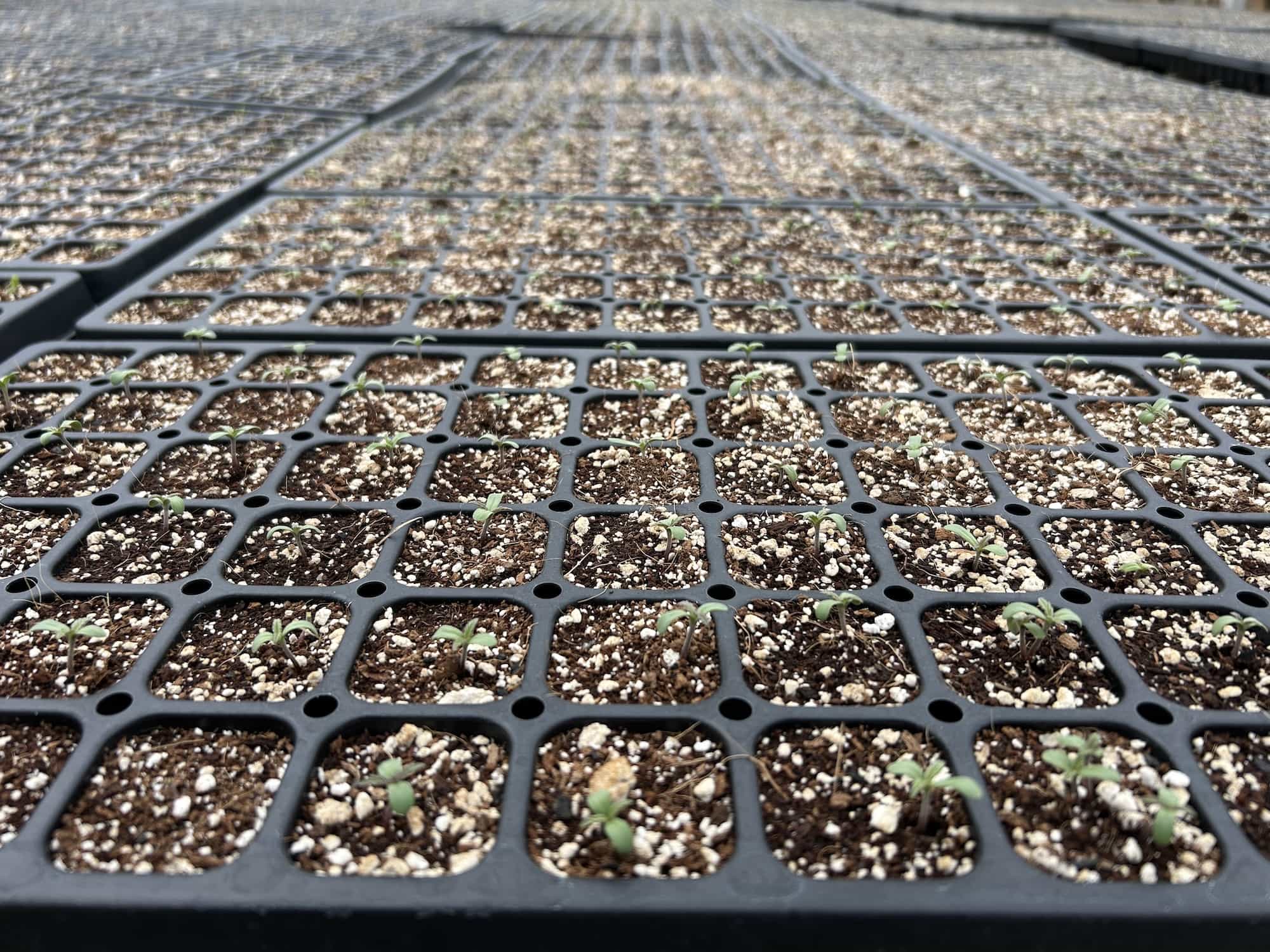
Rather than maintaining a collection of mother plants throughout the year, growers can purchase professionally produced seeds and establish new crops when needed.
This can reduce the space, labor, and operational overhead associated with vegetative propagation.
For outdoor farms, greenhouse operations, and large-scale commercial producers, eliminating mother plant maintenance can be especially attractive.
Every square foot devoted to maintaining mother plants is space that cannot be used for other production activities.
For operations focused on efficiency and scalability, seed-based cultivation can provide meaningful economic advantages.
5. Cannabis Seeds Are Easier to Store, Transport, and Scale
Transporting cannabis clones can be expensive and complicated.
Clones are living plants that require careful packaging, environmental management, and timely delivery.
Extended shipping periods, temperature fluctuations, and handling stress can compromise their quality before they ever reach the grower.
Seeds are fundamentally different.
Properly produced and stored cannabis seeds can remain viable for extended periods under appropriate storage conditions.
They require relatively little space and can be transported without the infrastructure necessary to keep live cuttings healthy.
Consider the difference between supplying a commercial farm with 100,000 clones and supplying the same farm with 100,000 F1 hybrid seeds.
The logistical requirements are dramatically different.
Seeds can be stored compactly, transported efficiently, and distributed in quantities that would be impractical for most clone suppliers.
This makes F1 hybrid seed production particularly well suited to large-scale agricultural operations.
6. Seed-Grown Cannabis Develops a Natural Root System
Cannabis plants grown from seed typically develop a primary root originating from the embryonic radicle.
Under suitable growing conditions, this can develop into a substantial root system with a prominent taproot and lateral branches.
Clones, by contrast, develop adventitious roots from stem tissue.
These differences can influence early root architecture and establishment.
Seed-grown plants may have advantages in certain outdoor environments, particularly where deeper root penetration can improve access to soil moisture.
However, root performance depends heavily on soil conditions, irrigation, container size, and management practices.
A taproot does not automatically guarantee superior drought tolerance or greater yield.
For growers planting directly into soil, the natural root development of seed-grown cannabis is nevertheless an important consideration.
7. F1 Hybrid Seeds Can Simplify Large-Scale Crop Management
Uniformity is about more than producing plants that look similar.
In commercial agriculture, consistent plant development can translate directly into operational efficiency.
When plants mature within a relatively narrow harvest window, growers can plan labor, equipment, drying space, and processing capacity more effectively.
Uniform plant architecture can also improve canopy management and make mechanized agricultural practices more practical.
With highly variable seed populations, growers may encounter substantial differences in plant height, flowering time, and maturity.
Properly developed F1 hybrids help address these challenges.
For large-scale CBD, CBG, CBDV, and other cannabinoid production systems, the ability to establish a consistent crop from seed can be particularly valuable.
Rather than managing numerous individual phenotypes, growers can focus on optimizing production practices for a predictable population.
This is one of the primary reasons F1 hybrid technology has become so important throughout modern agriculture.
8. F1 Hybrid Seeds Can Offer Better Economics Than Clones
The price of seeds versus clones is only one component of production costs.
Growers must also consider propagation labor, transportation, mother plant maintenance, biosecurity, crop establishment, and production efficiency.
Clones may provide an established head start, but they can also carry substantial costs before planting.
Seeds eliminate several of these expenses, although growers must account for germination rates, seedling establishment, and any additional time required to reach transplant size.
For large-scale operations, the economic benefits can be significant.
A professionally bred F1 hybrid that delivers uniform production, strong vigor, and predictable cannabinoid profiles may provide better overall value than a more expensive clonal propagation system.
The exact savings will vary by operation, but the potential advantages become increasingly important as cultivation scales.
9. Why Clones Still Have a Place in Cannabis Cultivation
Despite the many advantages of F1 hybrid seeds, clones are not obsolete.
There are situations where clonal propagation remains the better choice.
For example, growers seeking to reproduce a particular elite phenotype with an exact genetic identity may prefer clones.
This is especially relevant when maintaining a unique terpene profile, specific flower characteristics, or a proprietary cultivar that has not been recreated through seed breeding.
Clones can also be advantageous for small indoor operations that already maintain clean, tested mother plants and have efficient propagation systems.
And because clones are genetically identical, they can provide a level of genetic consistency that even well-bred F1 seed populations do not completely replicate.
The important distinction is that genetic identity and agricultural performance are not the same thing.
A population of genetically identical plants is not necessarily more productive, more vigorous, or more economical than a well-developed F1 hybrid seed crop.
For many commercial applications, the practical benefits of seeds can outweigh the absolute genetic identity offered by clones.
10. Not All Cannabis Seeds Are True F1 Hybrids
One of the most important distinctions for growers is understanding what qualifies as an F1 hybrid.
In cannabis marketing, the term F1 is frequently used to describe the first generation resulting from a cross between two different cultivars.
Technically, this is a first-generation cross, but it does not necessarily provide the uniformity associated with commercial F1 hybrid breeding.
If the parental plants are highly heterozygous, their offspring may still display considerable variation.
True commercial F1 hybrid breeding requires carefully developed parental lines selected for genetic stability and their ability to produce predictable offspring.
This process requires substantial investment in breeding, selection, testing, and genetic development.
It is one reason professionally bred F1 hybrids should not be confused with ordinary crosses between two popular cannabis varieties.
At GTR Seeds, our breeding philosophy emphasizes the development of consistent, high-performing genetics rather than simply combining fashionable cultivars.
Our work across CBD, CBG, CBDV, CBGV, THCV, and triploid cannabis genetics reflects our commitment to applying agricultural breeding principles to cannabis.
The Future of Cannabis Cultivation Is Increasingly Seed-Based
Clones helped establish the modern cannabis industry, and they will continue to play an important role in preserving elite genetics.
But as cannabis cultivation becomes more sophisticated, the advantages of F1 hybrid seeds are increasingly difficult to ignore.
Professional F1 breeding offers a pathway toward the same improvements that have transformed other agricultural crops: greater uniformity, stronger performance, more efficient production, and scalable distribution.
For commercial growers, the question is no longer simply whether seeds can match the consistency of clones.
It's whether maintaining a clone-based production system is worth the additional expense and complexity when high-quality F1 hybrid seeds can deliver the desired crop characteristics.
For many growers, professionally bred F1 hybrid cannabis seeds represent a more efficient, scalable, and economically attractive approach to cultivation.
At GTR Seeds, we believe the future of cannabis agriculture lies in continued breeding innovation, scientifically informed selection, and the development of genetics that perform consistently in real-world production environments.
The cannabis industry is evolving beyond its reliance on clones, and F1 hybrid seeds are helping lead that transition.
Scientific References
1. Garcia-de Heer et al. (2026). Weeding out variability: a proof-of-concept for producing uniform F1 hybrid Cannabis sativa L. using single-seed descent. Horticulture Research.
https://doi.org/10.1093/hr/uhag038
2. F1 Hybrid Seed Can Enhance Cannabis Crop Uniformity and Yield (2024). HortScience, Volume 59, Issue 12.
https://journals.ashs.org/hortsci/view/journals/hortsci/59/12/article-p1795.xml
3. Transmission, Spread, Longevity and Management of Hop Latent Viroid, a Widespread and Destructive Pathogen Affecting Cannabis (Cannabis sativa L.) Plants in North America (2025). Plants.
https://doi.org/10.3390/plants14050830
4. Medical Cannabis and Industrial Hemp Tissue Culture: Present Status and Future Potential (2021). Frontiers in Plant Science.