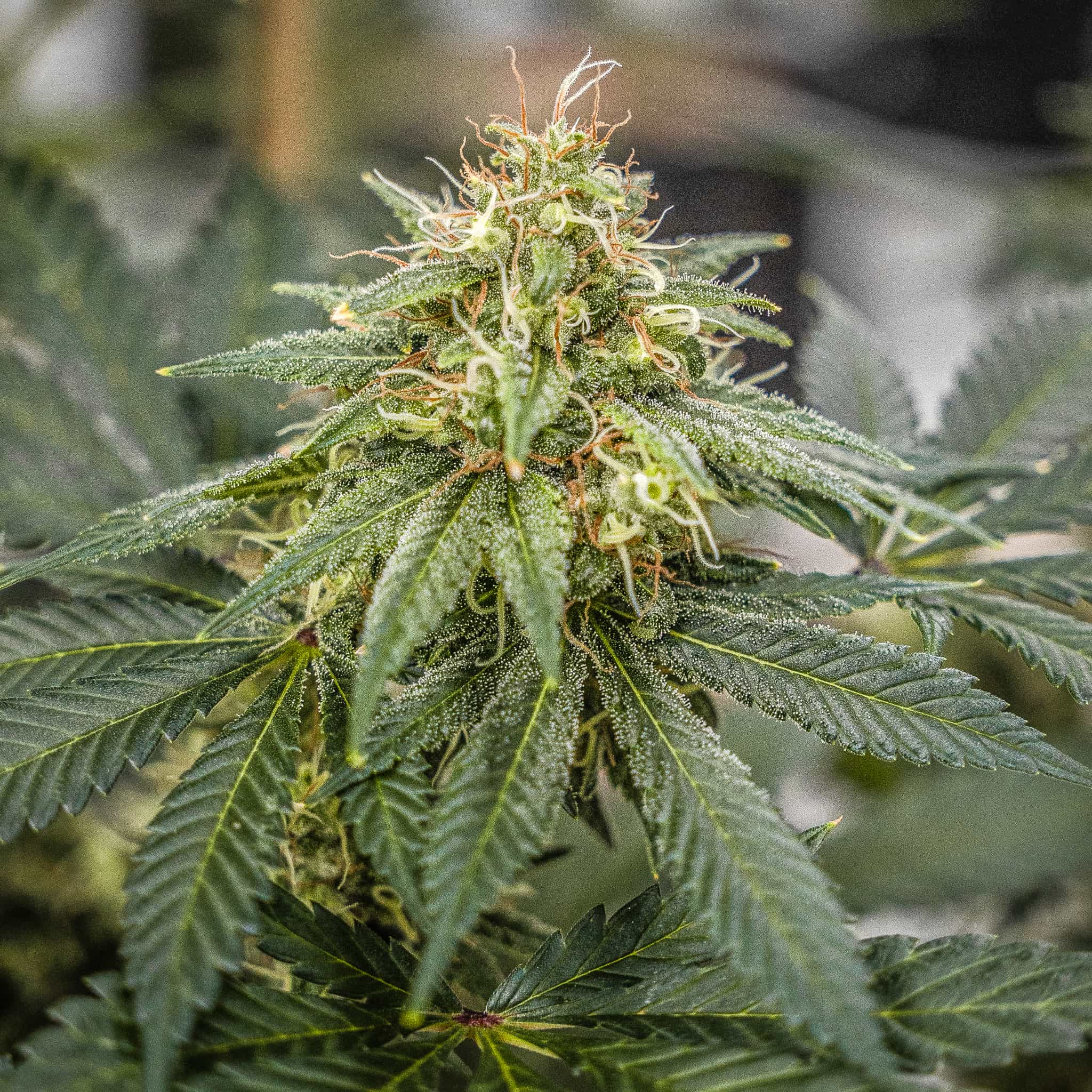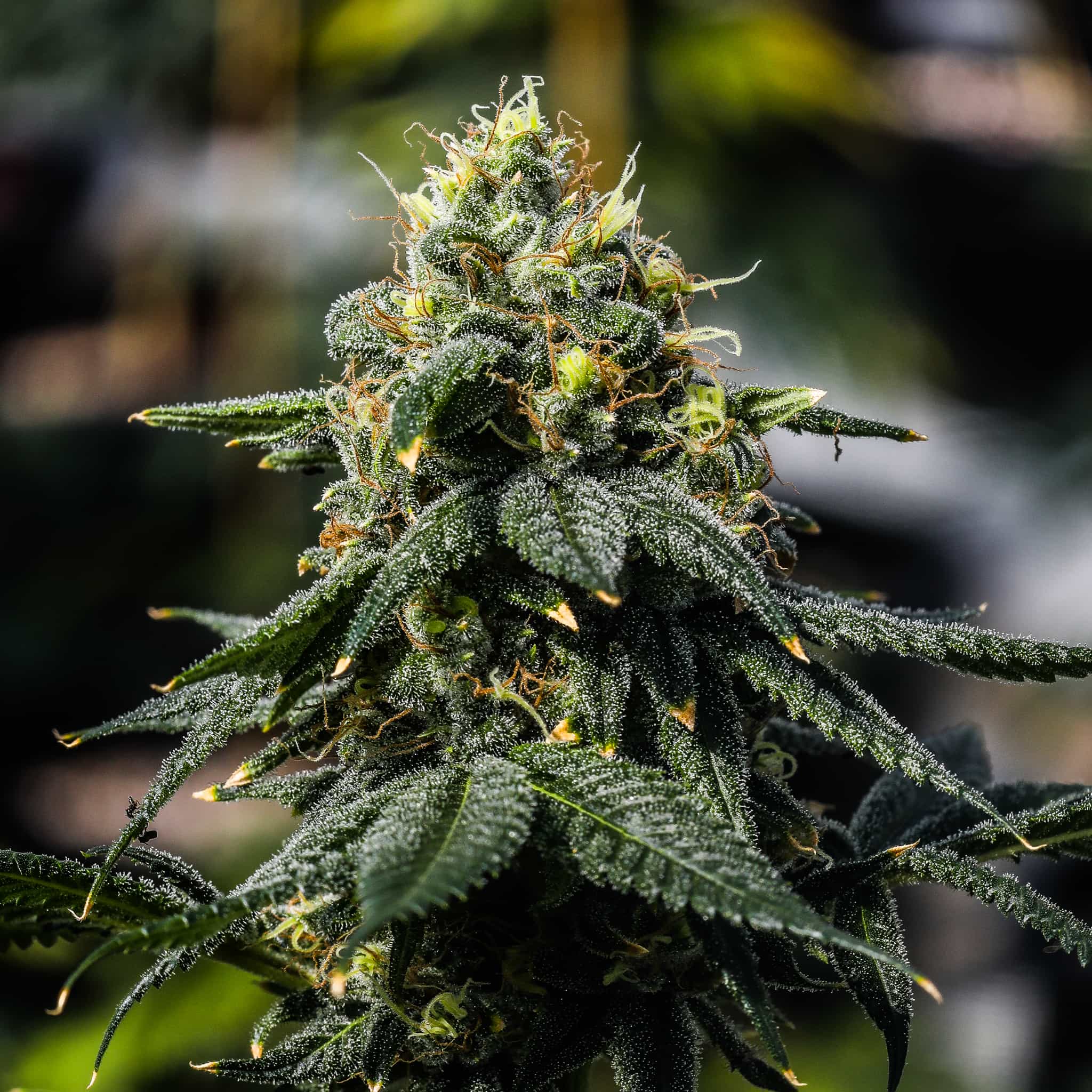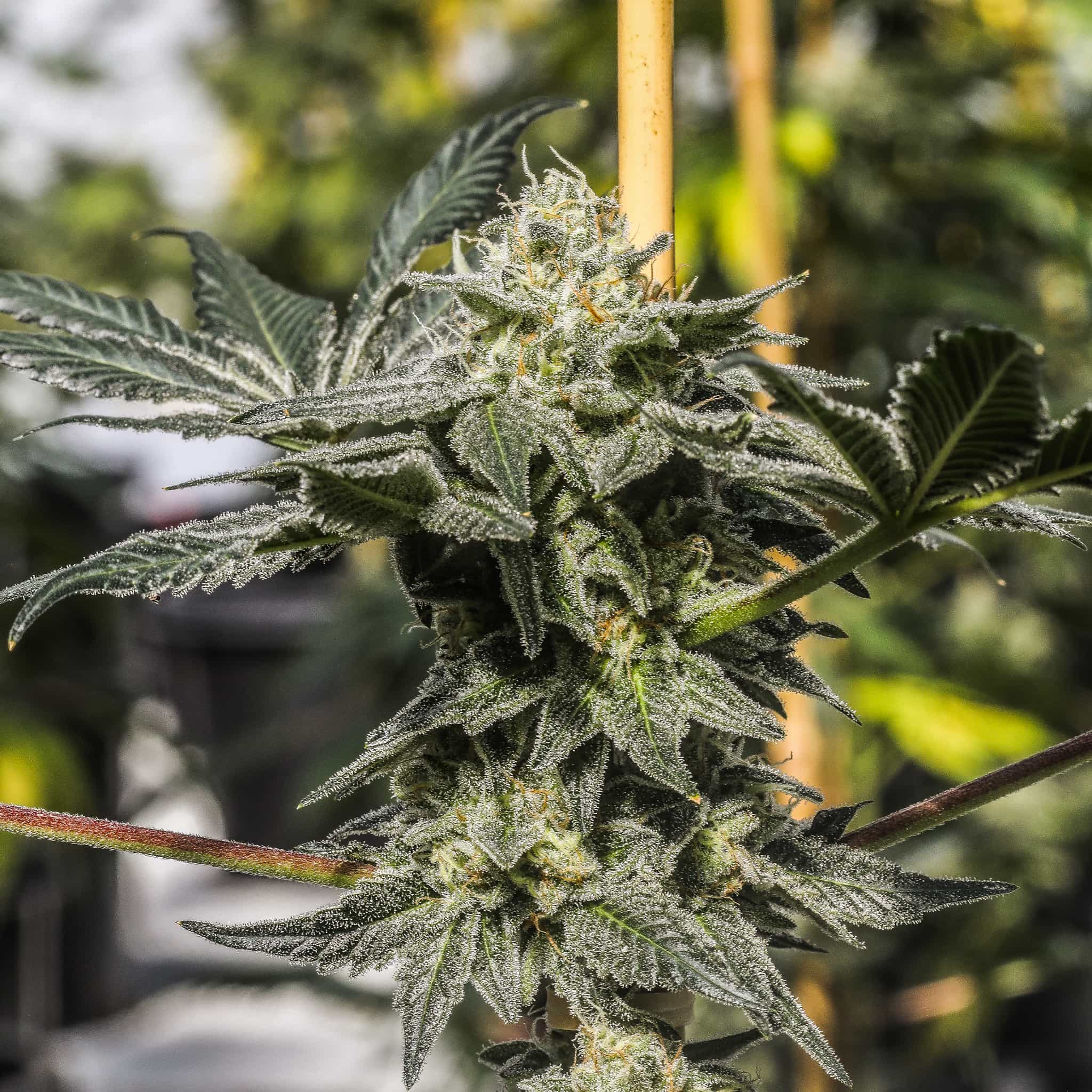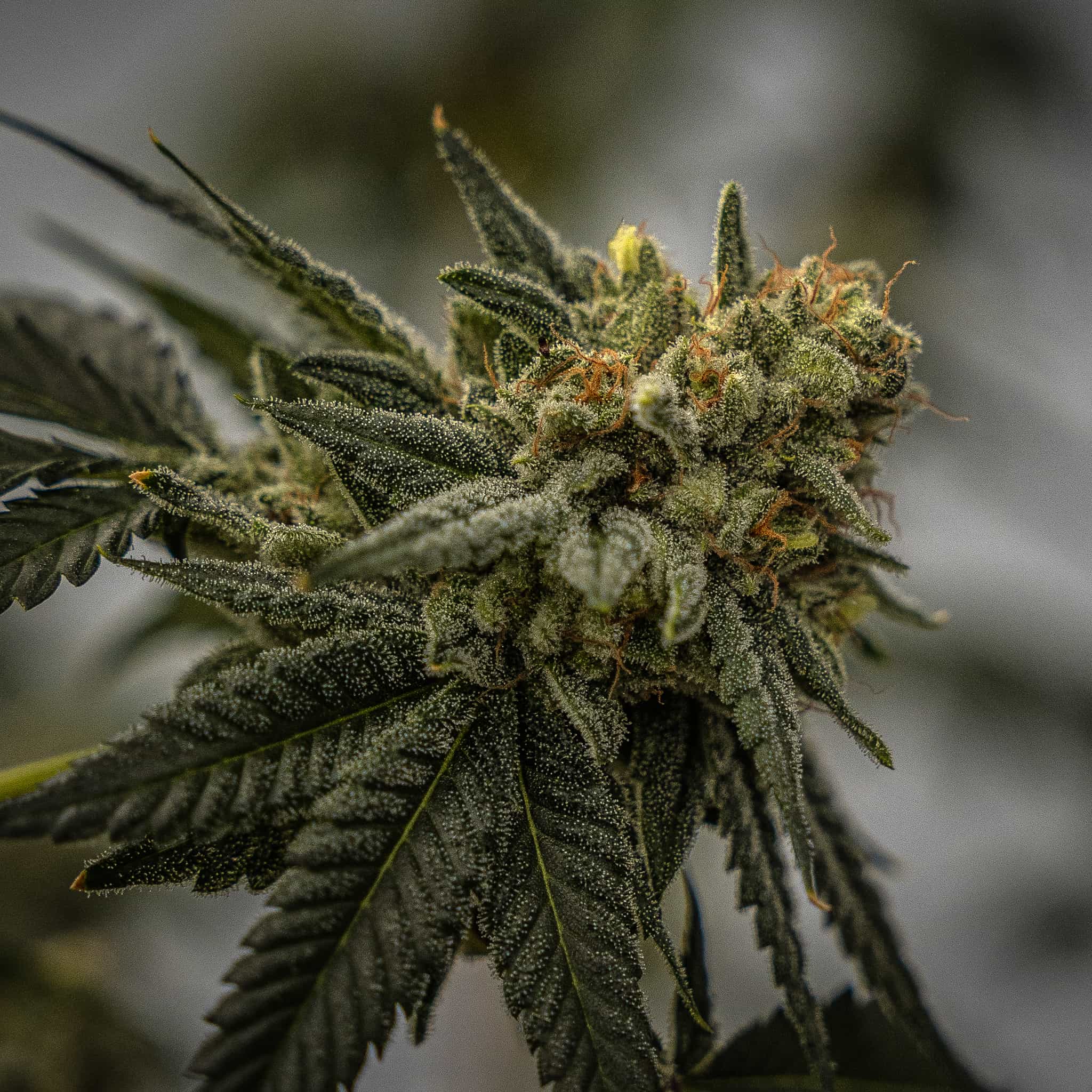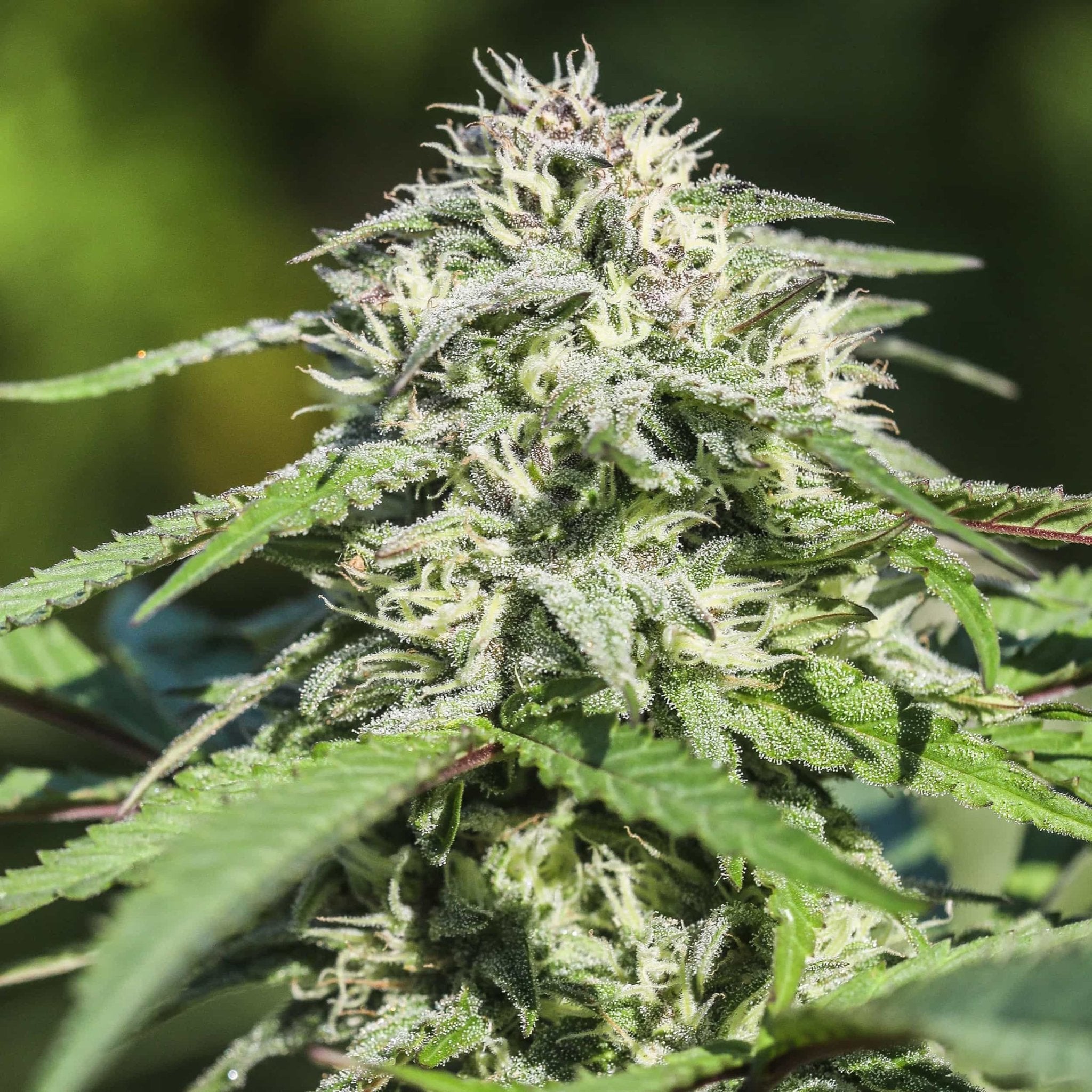


Triploid cannabis seeds are one of the most exciting advancements in modern cannabis cultivation. With the potential to produce plants that develop dramatically fewer seeds when exposed to pollen, triploid cannabis is attracting attention from growers around the world. So why are triploid cannabis seeds still so difficult to find?
While thousands of conventional cannabis seed varieties are available, only a relatively small number of breeders offer commercially produced triploid cannabis seeds.
The reason is simple: producing high-quality triploid cannabis seeds is considerably more difficult than producing conventional diploid cannabis seeds.
From developing specialized parent plants to overcoming challenges with seed production, germination, and field performance, bringing triploid cannabis seeds to market requires years of research, specialized expertise, and significant financial investment.
Let's explore why triploid cannabis seeds remain relatively rare and what makes producing them so challenging.
What Are Triploid Cannabis Seeds?
Most cannabis seeds produce diploid plants, meaning the plants contain two sets of chromosomes.
Triploid cannabis seeds, on the other hand, produce plants containing three sets of chromosomes.
These seeds are typically created by crossing a tetraploid cannabis plant, which contains four sets of chromosomes, with a conventional diploid plant containing two sets.
The resulting triploid seeds develop into plants with three sets of chromosomes.
This unusual chromosome arrangement can interfere with normal reproduction, substantially reducing the ability of triploid plants to produce viable seeds following pollination.
For cannabis growers, this characteristic is particularly valuable.
Unwanted pollination can result in seeded flower, reducing the quality and commercial value of crops intended for smokable flower production.
Triploid cannabis seeds offer growers an opportunity to significantly reduce the risk of unwanted seed production while maintaining the desirable characteristics of carefully selected cannabis varieties.
However, triploid plants are not necessarily completely sterile, and the degree of fertility reduction can vary between varieties.
Producing Triploid Cannabis Seeds Requires Tetraploid Parent Plants
The first major obstacle to producing triploid cannabis seeds is developing the parent plants required for seed production.
Unlike conventional cannabis seeds, which can be produced by crossing two diploid parents, triploid cannabis seeds generally require a cross between tetraploid and diploid plants.
Tetraploid cannabis plants are not commonly found in conventional breeding programs.
Breeders typically must create them through specialized chromosome-doubling techniques.
But successfully producing a tetraploid plant is only the beginning.
That plant must also demonstrate desirable characteristics, including vigorous growth, reliable reproductive development, and the ability to produce viable seeds when crossed with a diploid parent.
Not every tetraploid plant is suitable for commercial seed production.
Some exhibit poor vigor, reduced fertility, or other undesirable characteristics that make them impractical for breeding.
As a result, breeders may need to develop and evaluate numerous tetraploid plants before identifying suitable parents.
Without high-quality tetraploid parent plants, commercial production of triploid cannabis seeds is extremely difficult.
Triploid Cannabis Seeds Are More Difficult to Produce
Even after suitable tetraploid parents have been developed, producing triploid cannabis seeds presents additional challenges.
Conventional diploid cannabis plants generally produce seeds relatively efficiently when compatible parents are crossed.
Crosses between tetraploid and diploid plants can be considerably less predictable.
Breeders will encounter significant reduced seed yields, poor seed development, and longer storage times needed for high germination rates. For us, we generally produce around 75 percent less seed in our triploid runs, but still have to pay the same infrastructure and labor costs.
This means producing triploid cannabis seeds can require substantially more breeding resources than producing conventional seeds.
A cross might produce excellent triploid plants but very few viable seeds.
For commercial seed producers, that creates a major obstacle.
Producing a handful of triploid seeds for research purposes is very different from producing thousands or millions of high-quality triploid seeds for commercial growers.
Seed companies must develop reliable production methods that deliver both sufficient seed quantities and acceptable germination performance.
The ability to produce triploid cannabis seeds consistently and at commercial scale is one of the biggest barriers preventing more seed companies from entering the market.
Triploid Cannabis Seeds Require Extensive Germination and Field Testing
Producing triploid cannabis seeds is only part of the challenge.
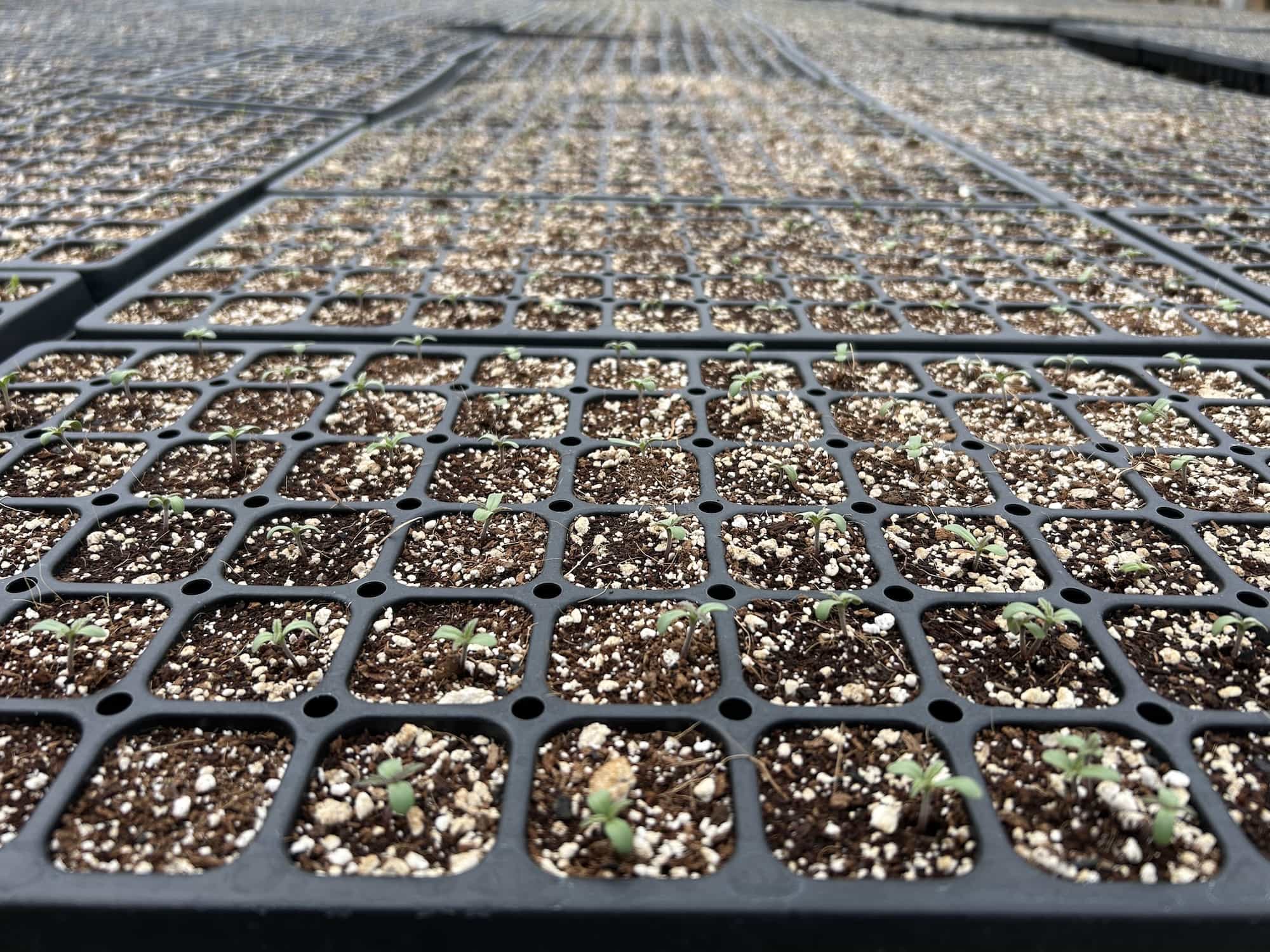
Those seeds must also germinate reliably and develop into healthy, productive plants.
Triploid seed production can introduce complications involving embryo development, seed viability, and early plant establishment.
As a result, breeders must carefully evaluate seed germination and seedling vigor.
However, germination testing alone is not enough.
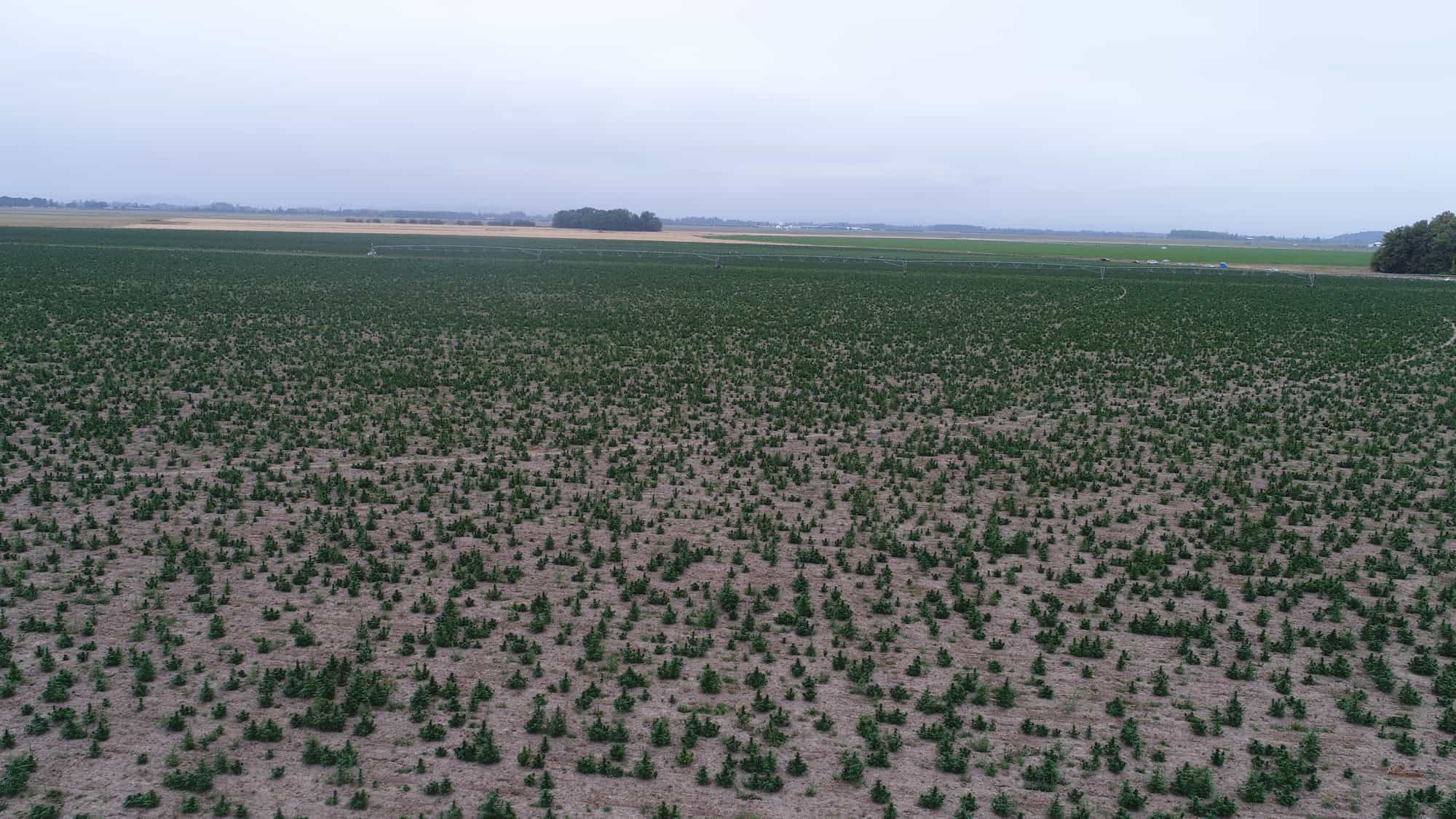
The plants produced from triploid cannabis seeds must also undergo extensive agricultural evaluation.
Important characteristics include:
-
Germination rates and seedling vigor
-
Plant growth and uniformity
-
Flower and biomass yields
-
Cannabinoid and terpene production
-
Flowering times and harvest maturity
-
Resistance to disease and environmental stress
-
Reduced fertility and resistance to unwanted seed formation
One of the most important considerations is determining how effectively a particular triploid variety reduces seed production following pollen exposure.
While triploidy can significantly reduce fertility, not all triploid cannabis plants behave identically.
Some varieties may demonstrate extremely low seed production, while others retain a greater ability to produce seeds.
This is why testing is essential.
A triploid cannabis seed should represent more than an unusual chromosome count. It should produce a plant that has been evaluated for the characteristics growers actually need.
Developing Commercial Triploid Cannabis Seeds Takes Years
Cannabis breeding is already a lengthy process, and producing triploid cannabis seeds introduces additional stages.
Before a new triploid seed variety can be released, breeders generally must:
-
Identify promising cannabis parent plants.
-
Develop suitable tetraploid breeding material.
-
Evaluate tetraploid parents for vigor and reproductive performance.
-
Produce experimental triploid seed crosses.
-
Test seed germination and early plant development.
-
Evaluate mature triploid plants in greenhouse and field trials.
-
Select crosses that demonstrate desirable agricultural performance.
-
Establish reliable commercial seed production.
If a cross fails at any stage, the breeder may need to return to earlier stages of development.
This makes triploid cannabis seed breeding a substantial long-term commitment.
The challenge becomes even greater when producing triploid cannabis seeds with different cannabinoid profiles.
Developing triploid CBD seeds, triploid CBG seeds, triploid THCV seeds, and other specialty varieties requires extensive breeding resources and carefully selected parent plants.
Each new variety must be evaluated independently to ensure that it delivers the intended characteristics.
Producing Triploid Cannabis Seeds Requires Significant Investment
Another major reason triploid cannabis seeds remain relatively uncommon is the financial investment required to produce them.
Commercial triploid seed development may involve specialized laboratories, chromosome analysis, tissue culture, controlled breeding facilities, and extensive agricultural trials.
Breeders also need experienced researchers who understand plant genetics, reproductive biology, and commercial seed production.
Unlike conventional cannabis breeding, where breeders can often work directly with existing diploid varieties, triploid seed production requires developing specialized breeding resources before commercial seed production can even begin.
And not every experimental cross will be successful.
Years of research may produce only a small number of varieties suitable for commercial release.
For many cannabis seed companies, the costs and technical barriers are simply too high.
This helps explain why conventional cannabis seeds dominate the market despite increasing interest in triploid cannabis seeds.
6. Not All Triploid Cannabis Seeds Are Created Equal
As interest in triploid cannabis seeds grows, it is important for growers to understand that triploidy alone does not guarantee superior performance.
A triploid seed is not automatically more vigorous, more productive, or more resistant to environmental stress than a conventional diploid seed.
Those characteristics depend heavily on the parent plants used to produce the seeds and the breeding work behind them.
Similarly, although triploid cannabis plants often exhibit reduced fertility, they are not necessarily completely sterile.
The degree of seed reduction can vary considerably between varieties.
This makes the quality of the breeding program particularly important.
Growers should look beyond the triploid label and consider whether the seeds have been evaluated for germination, plant performance, cannabinoid production, and reproductive characteristics.
The best triploid cannabis seeds combine reduced fertility with the agricultural performance growers expect from high-quality cannabis varieties.
Producing Triploid Cannabis Seeds Across Different Cannabinoid Types Is Even More Challenging
Most cannabis breeders specialize in a relatively narrow range of varieties.
Producing triploid cannabis seeds across multiple cannabinoid categories introduces another level of difficulty.
Each cannabinoid type requires access to suitable parent plants carrying the desired characteristics.
For example, developing triploid CBD seeds requires breeding resources that differ from those needed to develop triploid CBG, CBDV, or THCV seeds.
Breeders must combine those cannabinoid-specific characteristics with suitable tetraploid parents while maintaining desirable growth, flowering, and production traits.
This requires substantial genetic diversity, extensive breeding populations, and years of selection.
It also helps explain why some companies may offer only one or two triploid seed varieties, while developing a broad portfolio of triploid cannabis seeds is considerably more challenging.
How GTR Seeds Is Advancing Triploid Cannabis Seed Production
At GTR Seeds, working alongside our breeding partners at Oregon CBD, we have invested years of research and development into producing high-quality cannabis seeds.
Our breeding program combines advanced plant science, extensive genetic resources, and commercial agricultural experience to develop seeds designed for real-world growing conditions.
We recognize that successfully producing triploid cannabis seeds requires much more than simply creating plants with three sets of chromosomes.
It requires developing reliable parent plants, producing viable seeds, evaluating germination, and testing the resulting plants for desirable agricultural characteristics.
Our expanding selection of triploid cannabis seeds includes varieties developed for multiple cannabinoid profiles and applications, including CBD, CBG, CBDV, THCV, and Type I cannabis.
We continue to invest in breeding programs focused on developing high-performing triploid seeds while expanding the range of varieties available to growers.
Our goal is to make advanced triploid cannabis seeds more accessible without compromising the research, testing, and selection necessary to produce reliable commercial varieties.
The Future of Triploid Cannabis Seeds
Triploid cannabis seeds represent an exciting opportunity for the cannabis industry, particularly for growers seeking to reduce unwanted seed production.
As breeding techniques improve and more research becomes available, we expect the selection of commercially available triploid cannabis seeds to expand.
However, the challenges involved in developing tetraploid parents, producing viable triploid seeds, and validating agricultural performance mean that commercial triploid seed production will likely remain a specialized field for some time.
For growers, the most important consideration is not simply whether a seed is triploid.
It is whether that seed comes from a breeding program with the experience, resources, and research necessary to deliver dependable results.
At GTR Seeds, we believe triploid cannabis seeds represent an important advancement in modern cannabis cultivation. We are committed to continuing the research and development necessary to bring more high-performing triploid seed varieties to growers around the world.