

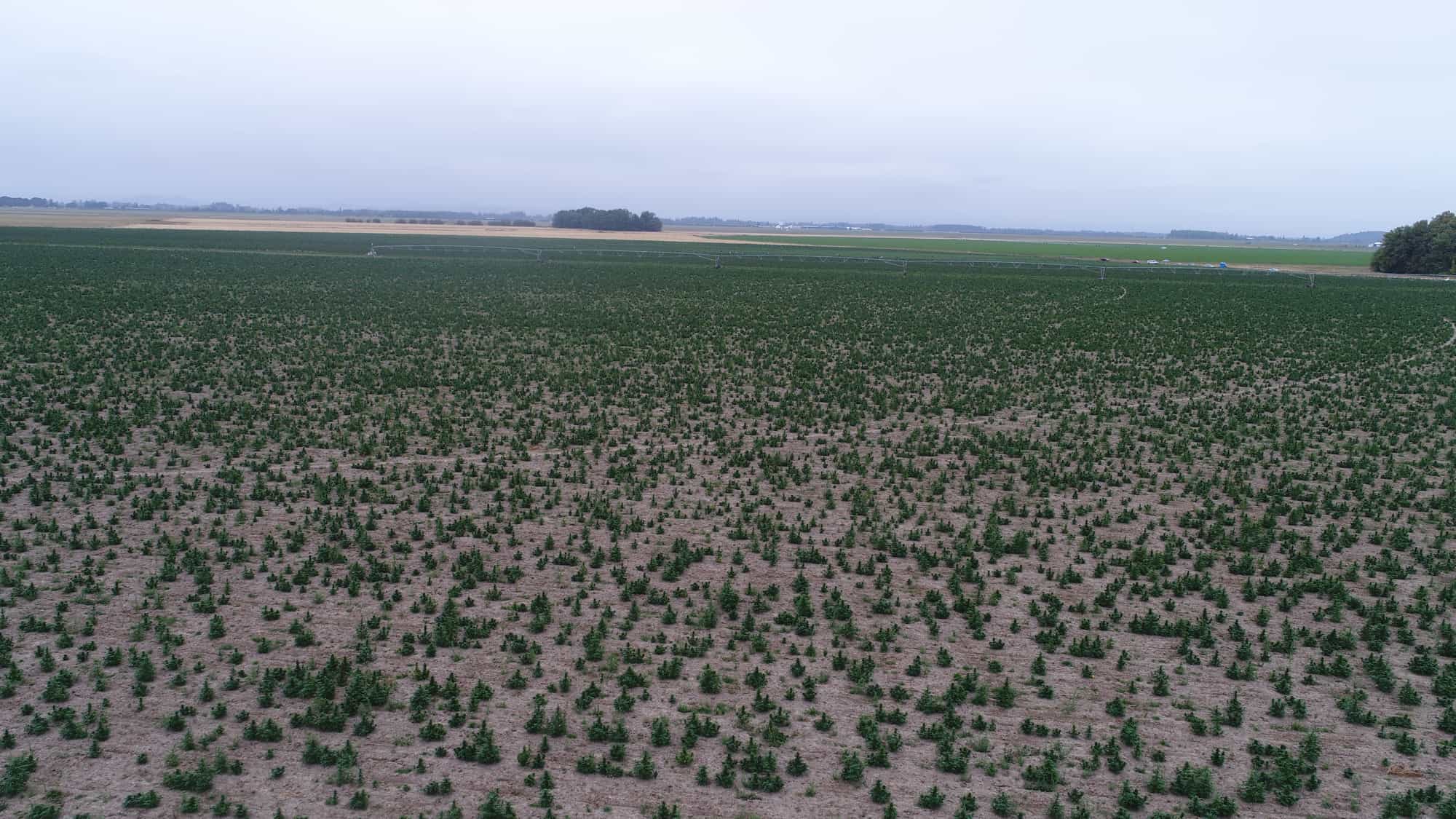
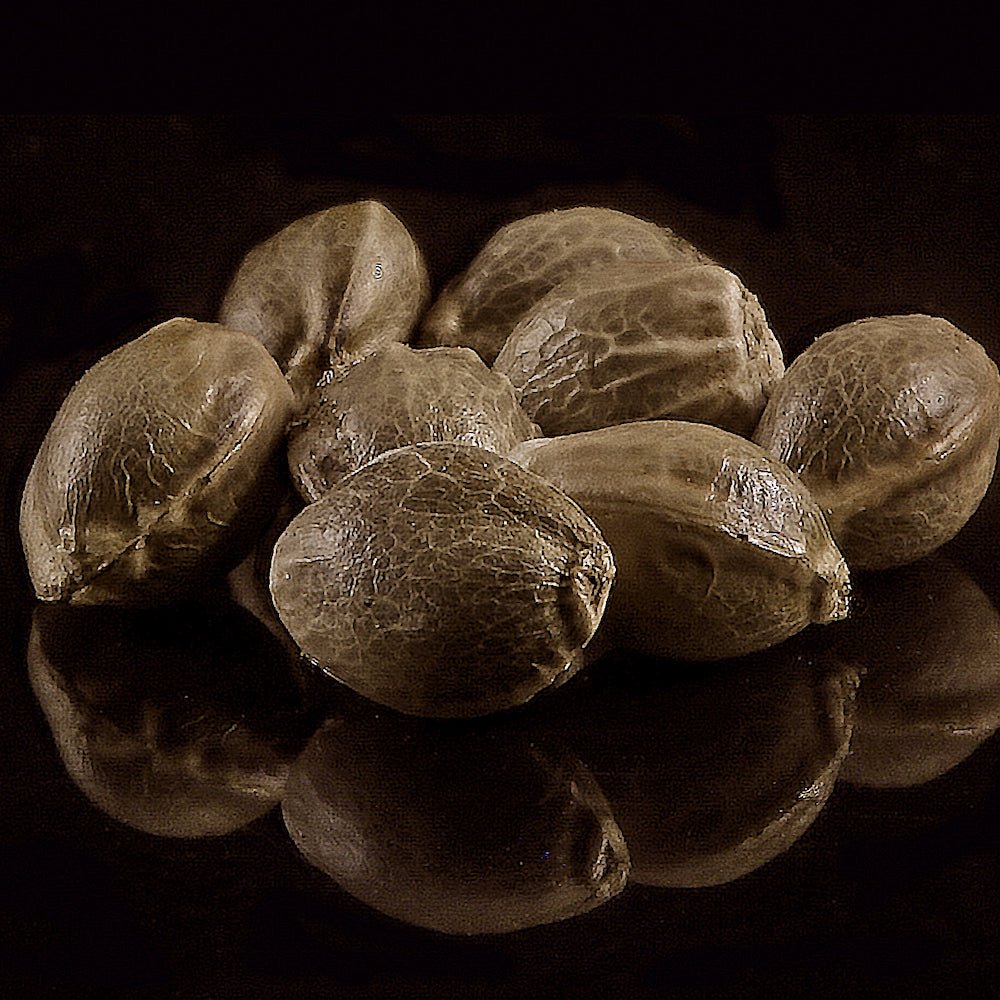
Autoflower cannabis seeds have become increasingly popular among home growers thanks to their short life cycles and ability to flower regardless of daylight hours. But despite their reputation for being beginner-friendly, autoflowers can actually be more challenging to grow successfully than traditional photoperiod cannabis.
At GTR Seeds, we've seen countless fields of stunted autoflowers producing disappointing yields when growing conditions weren't ideal. For large-scale outdoor production, we generally do not recommend autoflowers over traditional photoperiod varieties. However, for home growers looking for a quick and rewarding harvest, they can be a blast!
The biggest challenge? Autoflowers have a limited window to grow before flowering begins. Early mistakes can dramatically reduce plant size and final yield.
Here are 10 common challenges of growing autoflower cannabis and how to avoid them.
For planting instructions, see our autoflower cannabis seed-starting guide.

Here, we’ll explore some of the key difficulties that growers may encounter when cultivating autoflower cannabis.
1. Autoflowers Have Little Time to Recover From Stress
Unlike photoperiod cannabis, which generally begins flowering in response to changes in daylight hours, autoflower cannabis transitions to flowering primarily according to its genetics and age.
This means growers have limited time to establish healthy, vigorous plants.
Cold temperatures, root restriction, overwatering, and nutrient problems can all stunt early growth. These stresses can trigger flowering directly, and can leave plants undersized when their genetically programmed flowering period begins.
We've seen autoflowers finish at just a few inches tall with a single small flower because early growing conditions were poor.
Our advice: The first few weeks are critical. Establish healthy roots, provide plenty of light, and avoid unnecessary stress.
2. Autoflower Genetics Can Be Variable

Not all autoflower seeds perform equally. Plant size, flowering time, yield, and cannabinoid content can vary depending on genetics and breeding quality.
We've also observed that some autoflower populations lack the vigor and uniformity we see in our best photoperiod F1 hybrids.
Well-bred autoflowers can be remarkably productive, but selecting stable, vigorous genetics is particularly important when plants have such a short growing season.
Autoflowers are produced from two parents started from seed or self pollination - and never are two seeds exactly the same. With full term plants, they can be produced from clonal propagated parents - which can ensure much better heterosis. Also if a breeder just self pollinates an autoflower without working with the line over generations, the offspring will show a whole mess of traits.
3. A Short Growing Cycle Leaves Little Room for Mistakes

Many autoflower varieties finish approximately 10–12 weeks from germination, although some mature earlier or later.
That's great for quick harvests, but it means growers have fewer opportunities to correct problems.
If a photoperiod plant experiences poor growth, growers can often extend its vegetative period before flowering. Autoflowers don't offer that same flexibility.
A slow start can translate directly into smaller plants and lower yields.
4. Transplanting and Root Restriction
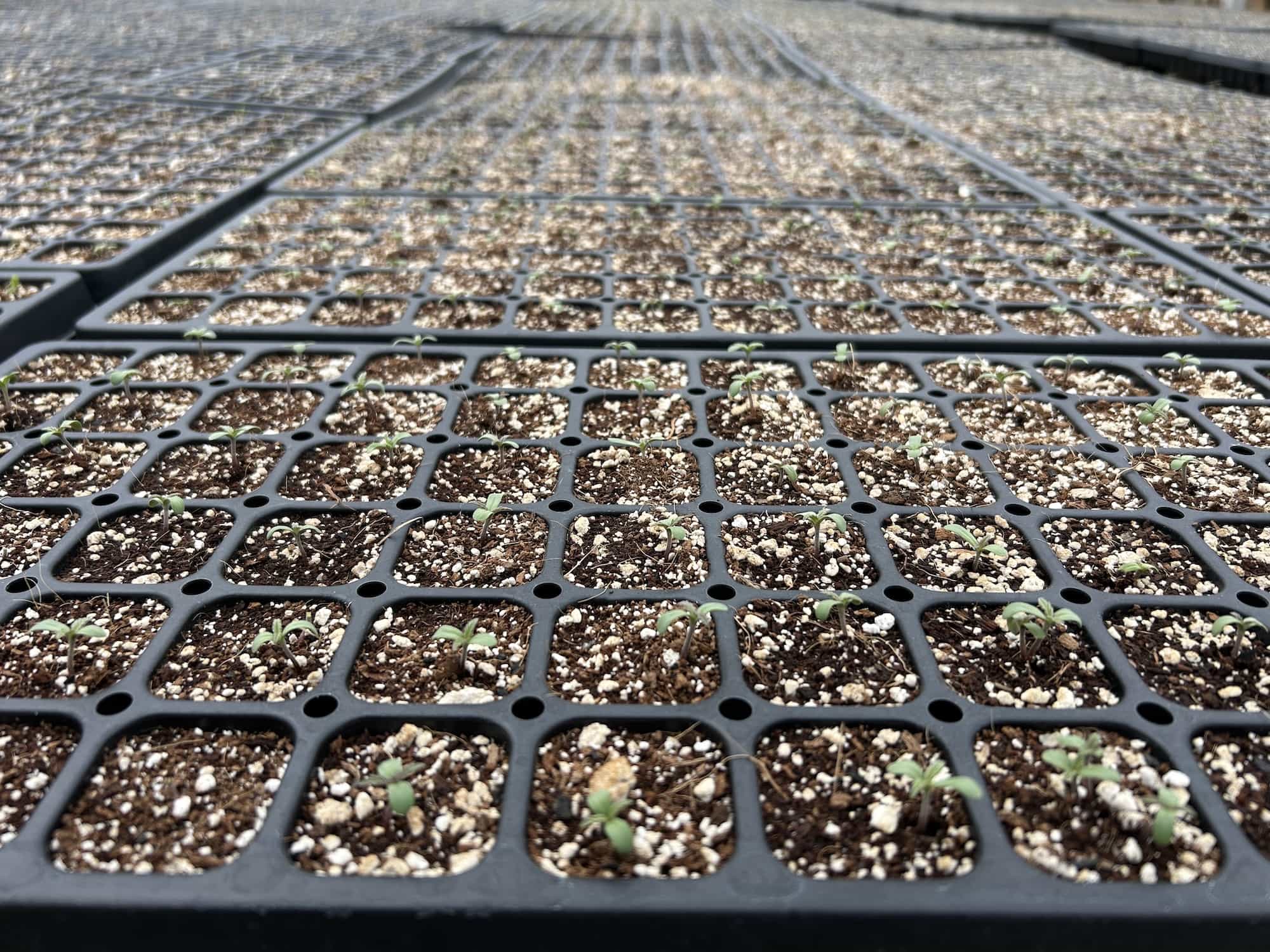
One of the biggest mistakes we see is leaving autoflower seedlings in small containers for too long.
Rootbound seedlings can experience reduced growth, and transplant damage can further slow development during a critical period.
For home growers, starting seeds directly in their final containers is often the simplest option.
For commercial field planting, we use biodegradable seed-starting plugs, including Earth Pots from OBC Northwest, to minimize root disturbance.
We typically transplant autoflowers within approximately 10 days of emergence, when seedlings are only 2–4 inches tall.
Our advice: Don't wait for autoflower seedlings to become large or rootbound before transplanting.


5. Temperature Can Make or Break an Autoflower Crop
Autoflowers perform best when early growing conditions encourage rapid, uninterrupted growth.
Cold weather can significantly slow development, while excessive heat can stress young plants and reduce vigor.
For outdoor planting, we prefer mild to warm conditions without extreme temperature swings. Our field experience suggests that young autoflowers perform particularly well when daytime temperatures are roughly 65–80°F, with protection from cold nights.
Planting too early into cold soil can be a costly mistake, we've seen growers hit with cold snaps that rendered entire fields into tiny sticks.
6. Autoflowers Still Need Plenty of Light
Autoflowers may flower under short days, but adequate light is essential for vigorous growth and high yields.
For indoor growers, we generally recommend 18–20 hours of light per day, provided light intensity and temperatures are appropriate.
For outdoor growers, we prefer planting when days are getting longer and sunlight is abundant.
Some of the largest autoflowers we've ever seen were grown in Alaska during the summer, where plants received more than 20 hours of daylight!
The takeaway: Autoflowers don't need short days to flower, but they still benefit tremendously from adequate light.
7. Compacted Soil Can Severely Limit Growth
Healthy roots are essential for growing large autoflower plants.
We've seen entire sections of commercial autoflower fields produce undersized plants where soil was heavily compacted.
Because autoflowers have limited time for vegetative growth, poor root development can have a particularly dramatic effect on final plant size.
For container growers, use a light, well-draining potting mix. For field growers, address soil compaction and drainage problems before planting.
8. Choosing the Right Pot Size

Container size can significantly influence autoflower growth and yield.
Small containers restrict root development and can limit plant size, while unnecessarily large containers may be inefficient and harder to water correctly.
For most home growers, we recommend 3–10 gallon containers, depending on the variety and growing environment.
We've successfully grown autoflowers in one-gallon pots, but don't expect enormous plants or yields from such limited root space.
If you're growing outdoors during long summer days, larger containers may help support vigorous growth.
9. Nutrient Management and Pest Problems
Autoflowers require balanced nutrition just like photoperiod cannabis, but their rapid development makes early nutrient problems particularly costly.
We like to provide adequate nitrogen during vegetative growth to encourage strong plant development. However, excessive fertilizer can burn young seedlings or create nutrient imbalances.
Start with quality soil and avoid overfeeding.
Pests and diseases are another concern. Because autoflowers have less time to recover from damage, early detection is especially important.
Healthy soil, good airflow, appropriate irrigation, and regular plant inspections go a long way toward preventing problems.
10. Harvest Timing and Uneven Maturity
Not every autoflower plant matures at exactly the same time.
We've observed considerable differences in plant size and harvest timing among autoflower populations, particularly when growing conditions vary.
Don't rely solely on the number of weeks listed in a seed description.
Instead, evaluate flower development, trichome maturity, and the overall condition of each plant.
For commercial growers, uneven maturity can complicate harvesting and processing, another reason we generally prefer uniform photoperiod varieties for large-scale production.
Are Autoflower Cannabis Seeds Worth Growing?
Absolutely, under the right conditions!
While autoflowers aren't always the easiest option for beginners or commercial growers, they offer some real advantages:
-
Faster harvests than many photoperiod varieties
-
Flowering independent of seasonal day-length changes
-
The ability to grow multiple crops in suitable climates
-
Excellent potential for indoor growing under extended light schedules
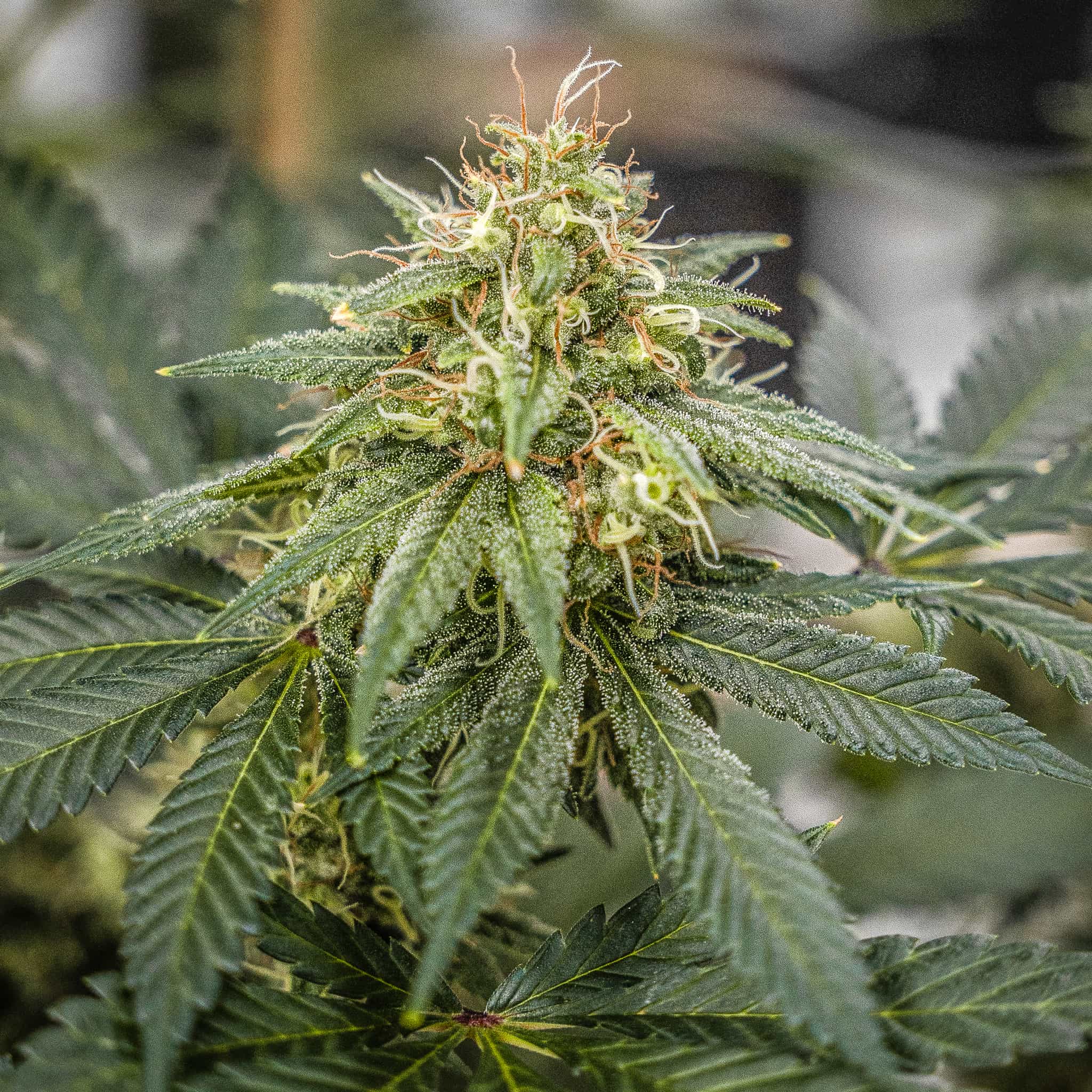
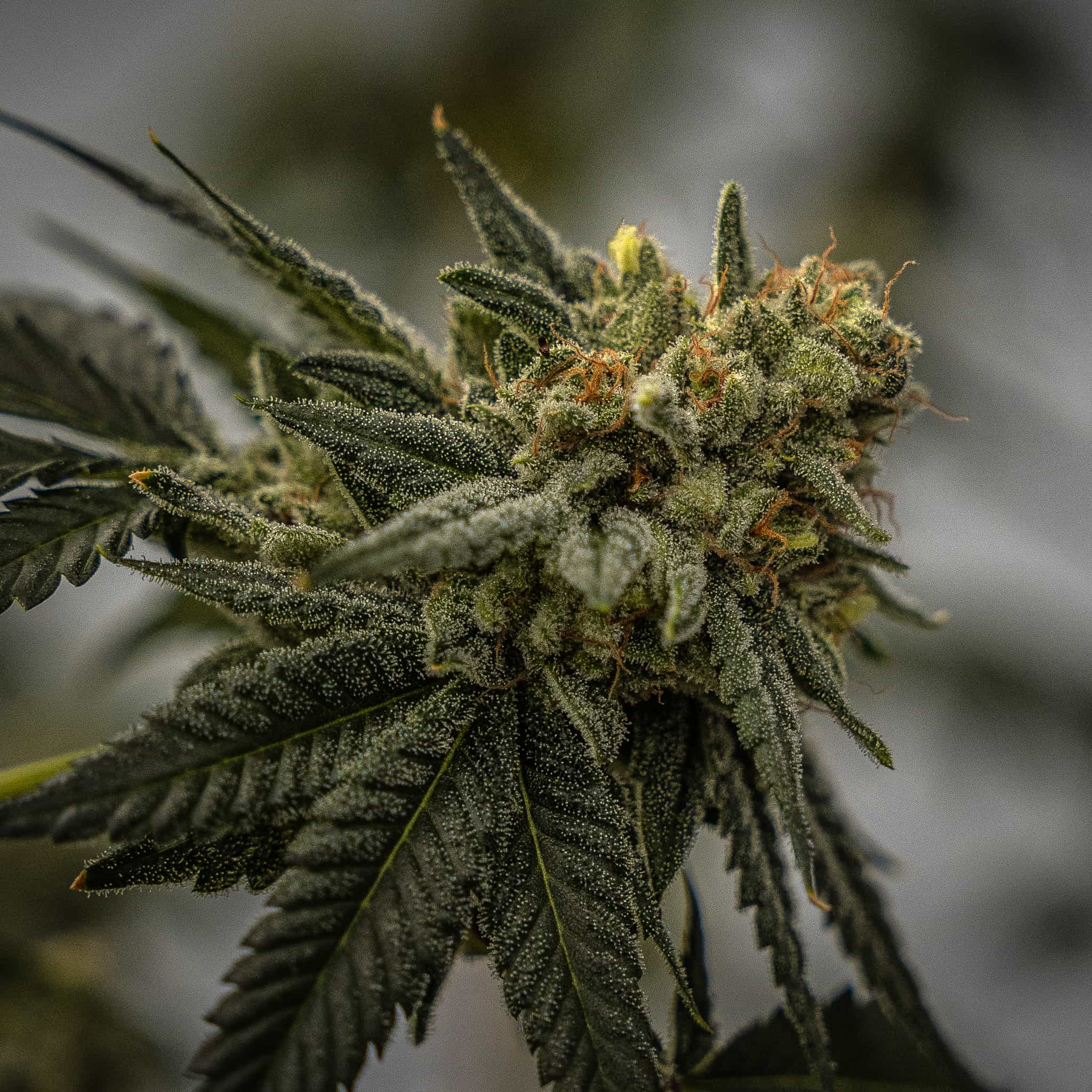
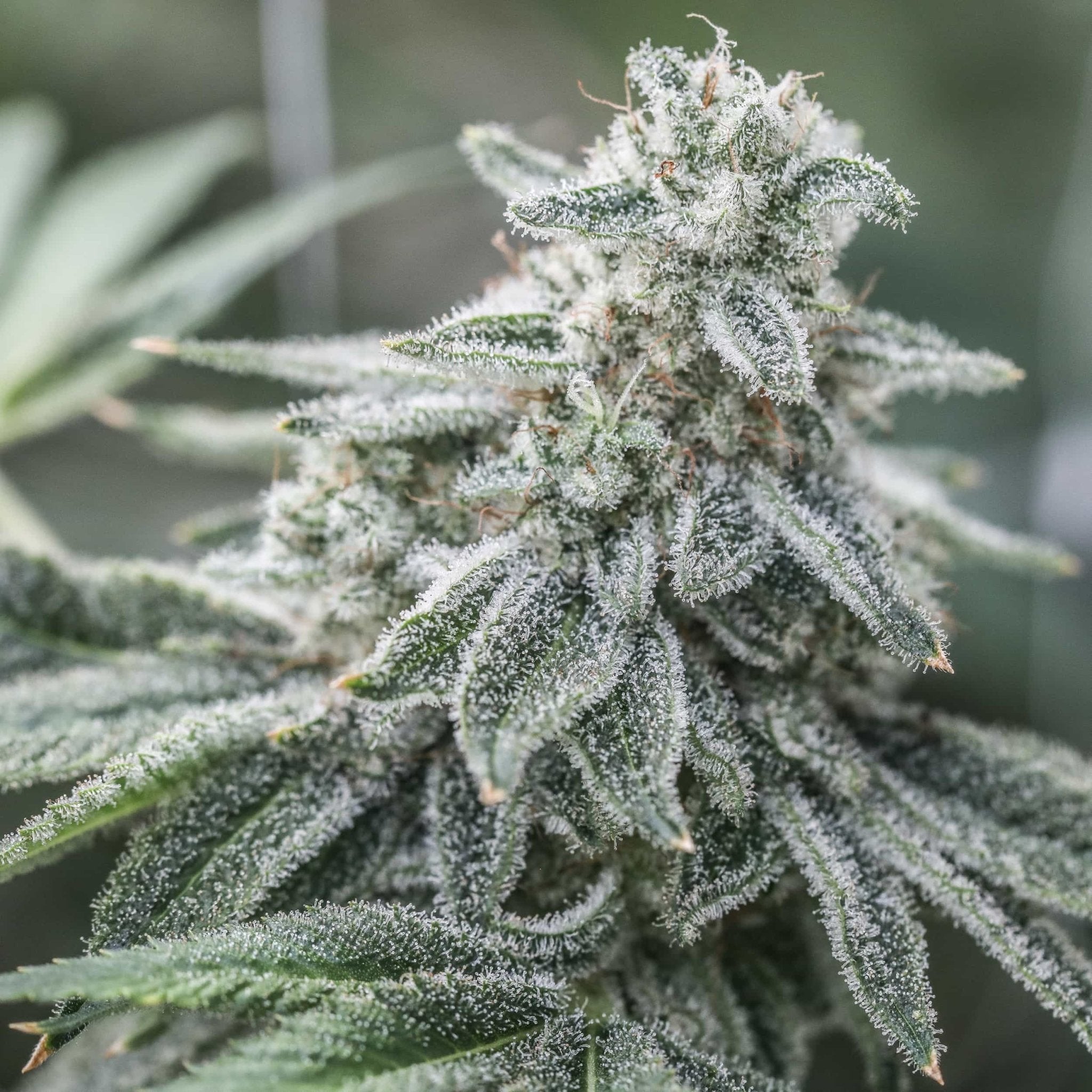
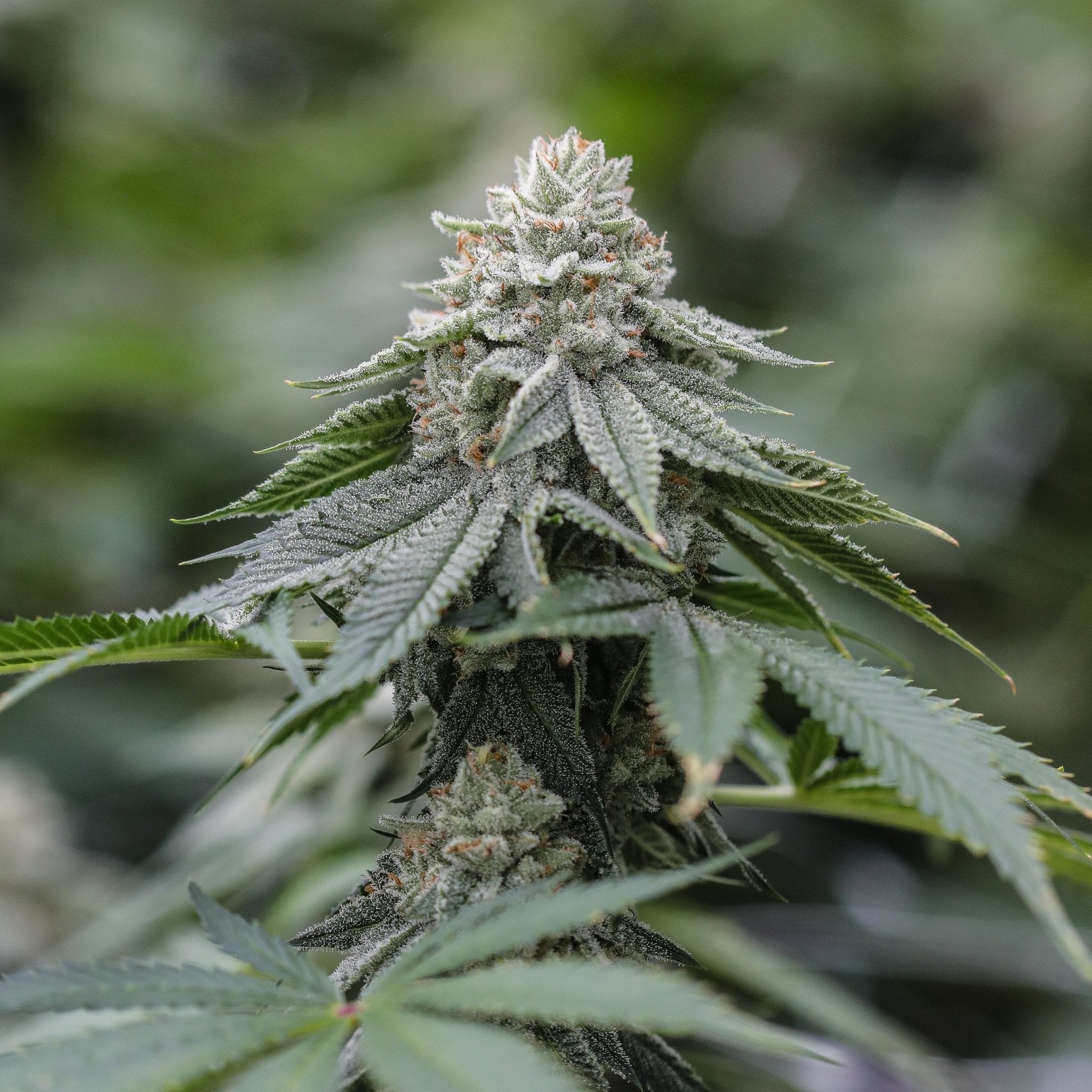
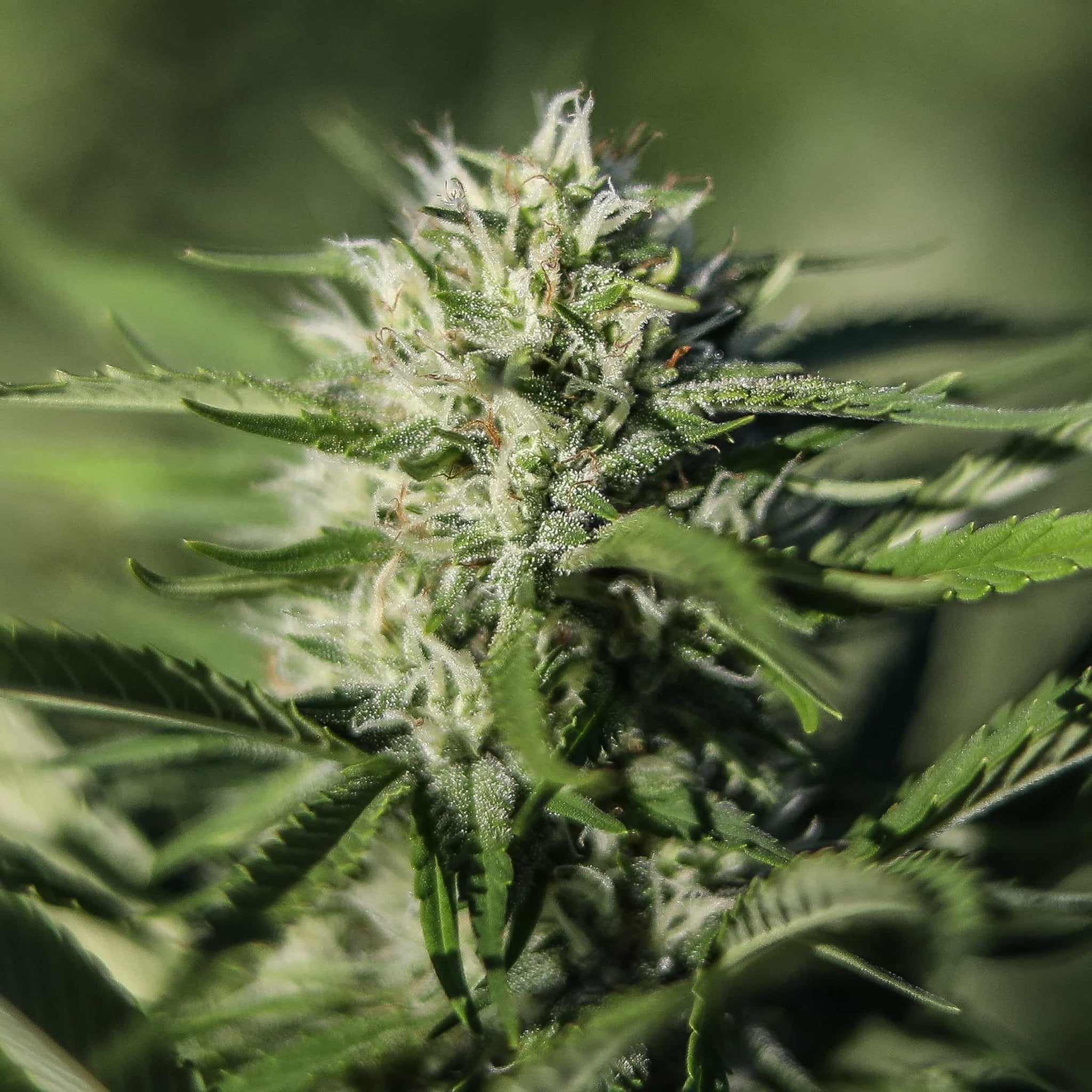
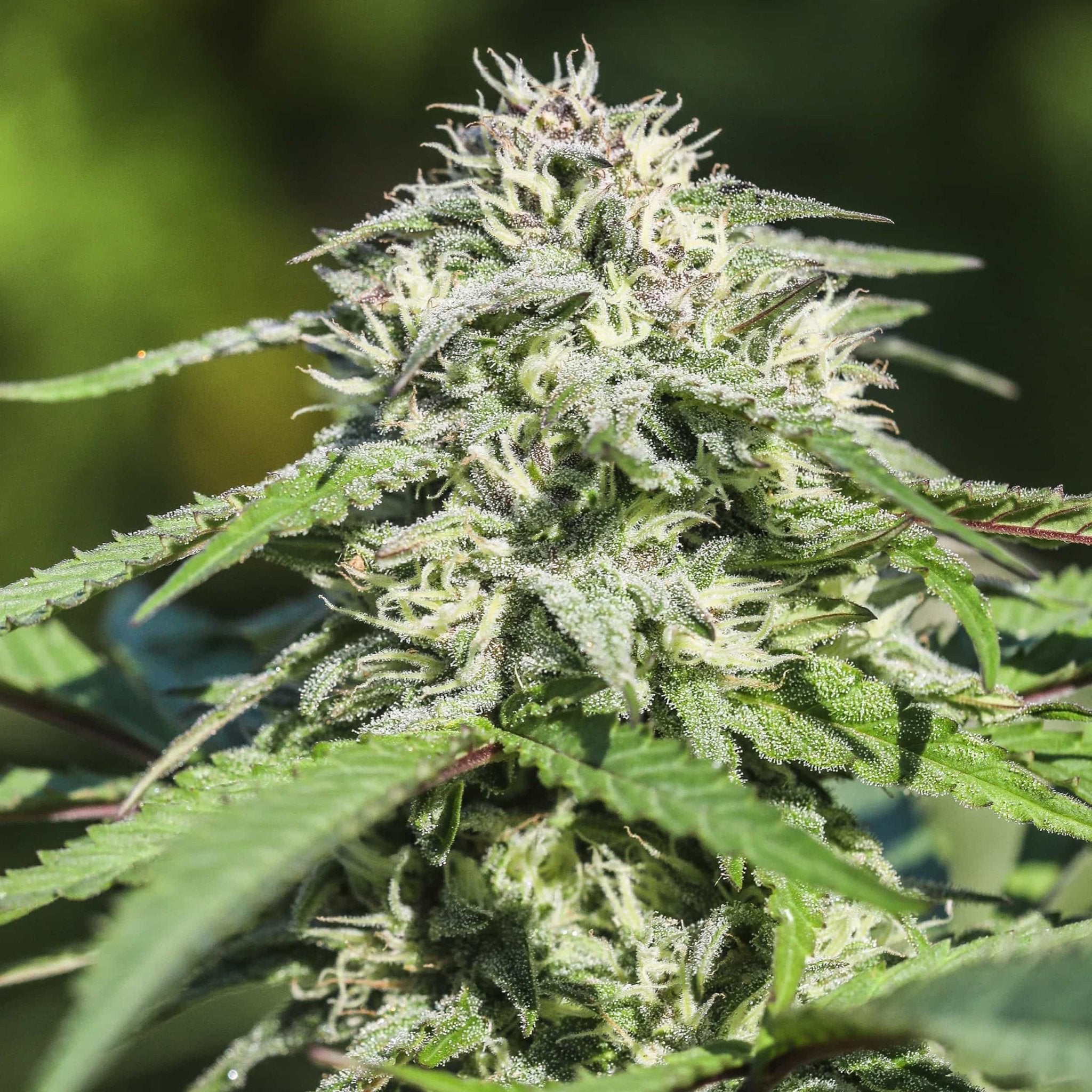
And when everything comes together, autoflowers can produce some surprisingly large, resinous plants.
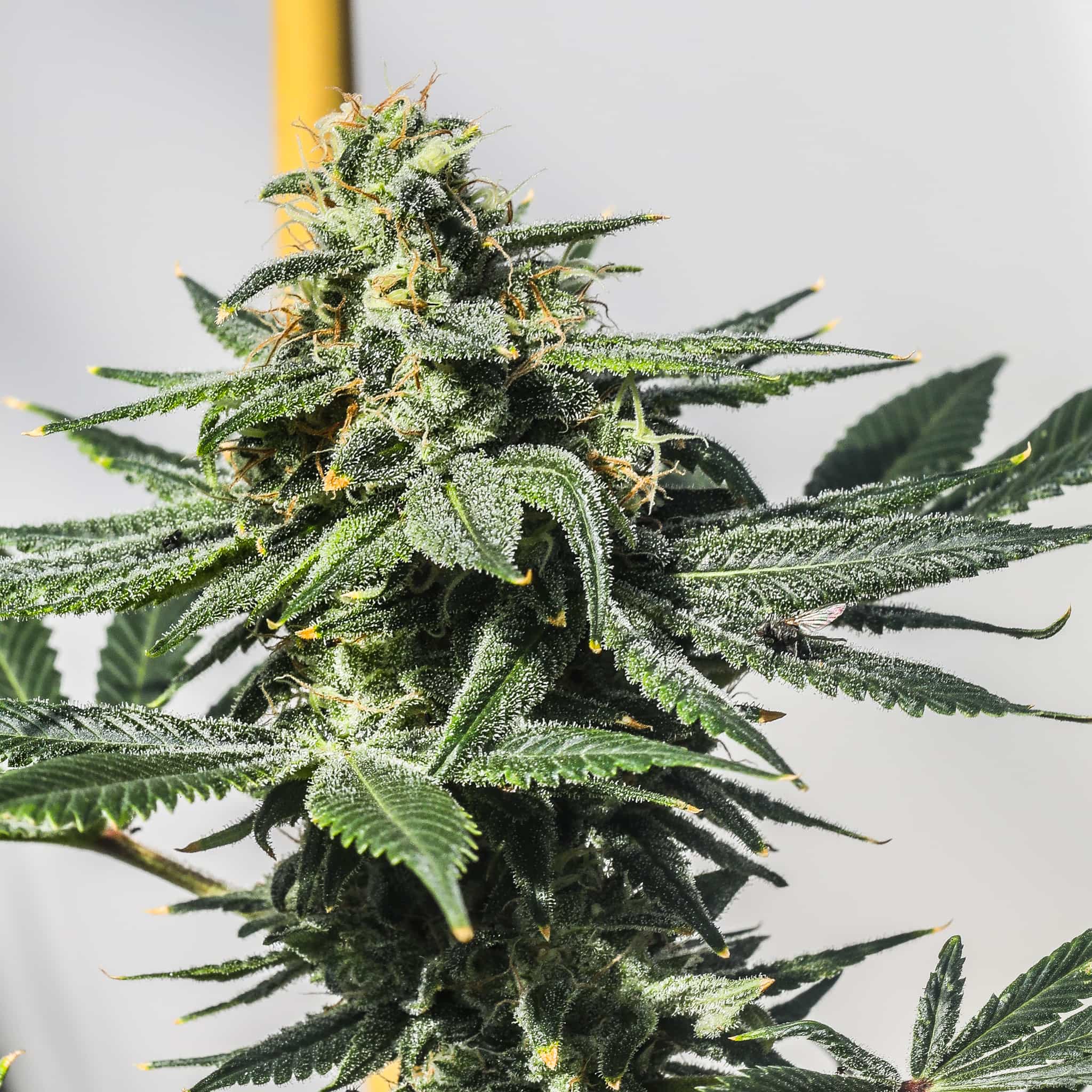
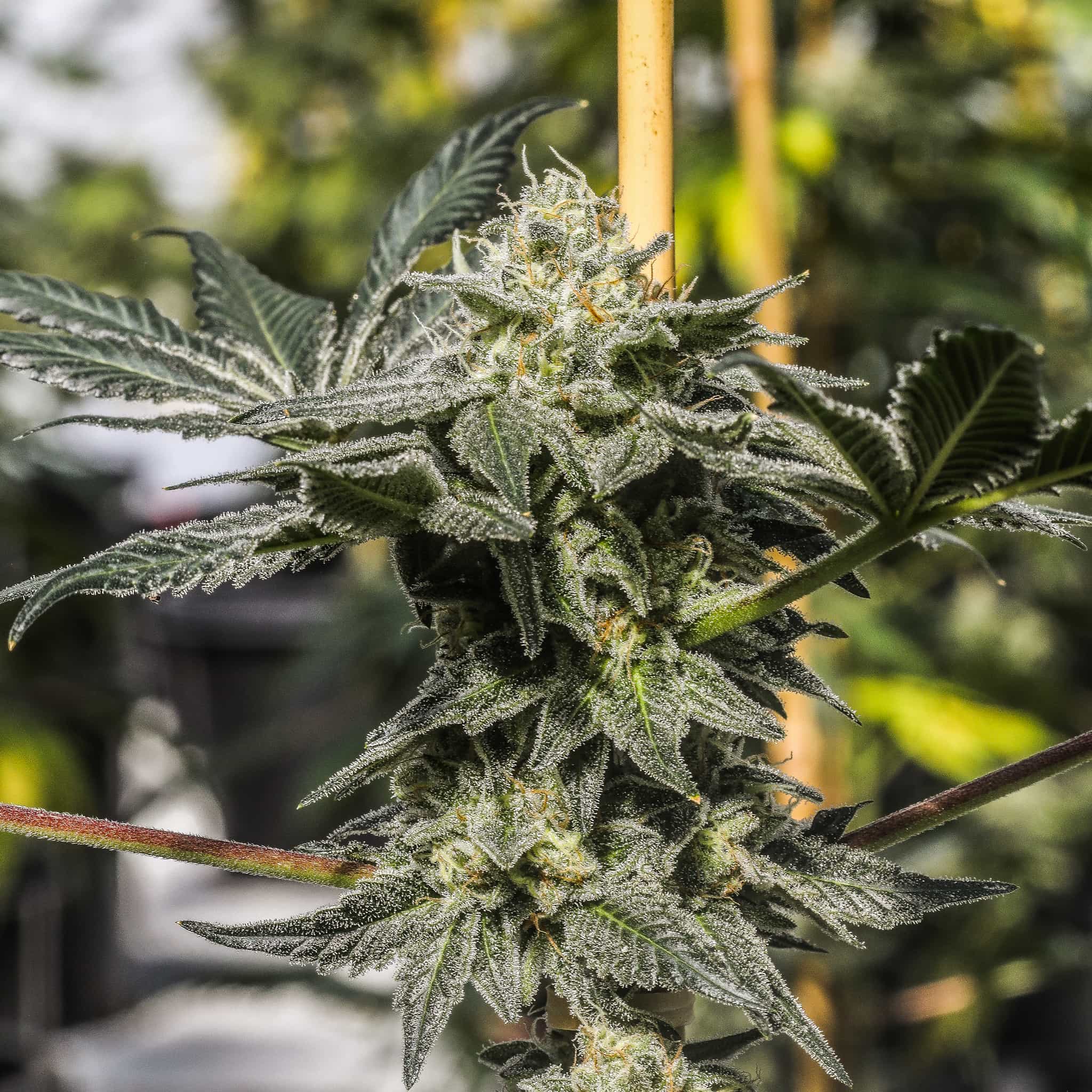
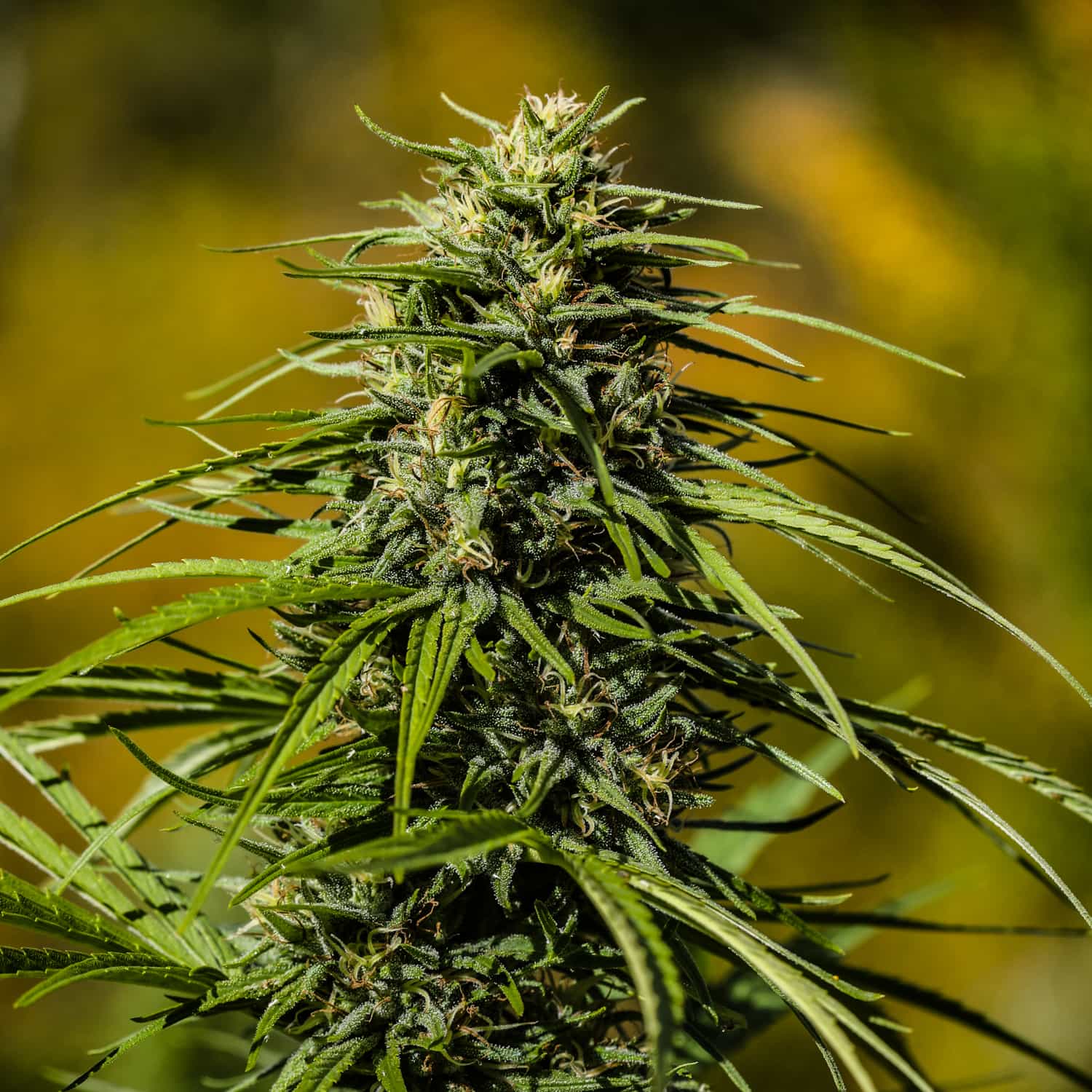
One of our favorite examples is Sour RNA Seedless, a triploid autoflower that demonstrates just how impressive these plants can become under favorable conditions.
The key is understanding their limitations and giving them the best possible start.
Final Thoughts: Are Autoflowers Harder to Grow?
In many situations, yes. Autoflowers can be less forgiving than photoperiod cannabis because their vegetative growth period cannot easily be extended to compensate for mistakes.
But with good genetics, healthy soil, strong lighting, and careful early management, they can produce excellent results.
Our biggest advice: Don't stunt them early! The first few weeks often determine whether you'll harvest a tiny plant or an impressive one.
Interested in trying autoflowers yourself? Explore our autoflower cannabis seeds or read our seed-starting guide for tips on getting your next grow off to a strong start.






Comment
pots for autoflower can u use a smaller pot if it’s a pruning pot like 1.5 gal or 2 gal I live in FL thank