

Cannabis produces an incredible diversity of cannabinoids, but not all of them are created through the same biological processes.
Most growers are familiar with THC and CBD, the two most widely recognized cannabinoids in cannabis. Their production is largely controlled by specific genes encoding enzymes responsible for producing THCA and CBDA.
But what about minor cannabinoids like cannabinol (CBN) and cannabichromene (CBC)? Can cannabis breeders develop high-CBC seeds or CBN seeds the same way they develop high-THC or high-CBD varieties?
Both cannabinoids occur naturally in cannabis, but their production is quite different from THC and CBD. Understanding these differences helps explain why breeding plants with high concentrations of certain minor cannabinoids can be particularly challenging.
How Cannabis Produces THC and CBD
Most cannabinoid production begins with cannabigerolic acid (CBGA), often referred to as the mother of cannabinoids.
From there, specialized enzymes convert CBGA into different cannabinoid acids:
-
THCA synthase (THCAS) primarily produces THCA.
-
CBDA synthase (CBDAS) primarily produces CBDA.
-
CBCA synthase (CBCAS) primarily produces CBCA.
These acidic cannabinoids can subsequently undergo decarboxylation, through heating or aging, to form THC, CBD, and CBC.
The genes responsible for THCA and CBDA synthase have been extensively studied, and their inheritance is a major factor in determining whether a cannabis plant produces predominantly THC or CBD.
However, these enzymes aren't always perfectly specific. They can produce small amounts of other cannabinoids alongside their primary products.
This is particularly interesting when we look at CBC.
CBN: A Cannabinoid Produced Through Degradation
Unlike THC and CBD, CBN does not have a known dedicated cannabinoid synthase gene responsible for its direct production.
Instead, CBN primarily forms as THC undergoes oxidation and degradation over time.
Exposure to oxygen, heat, light, and prolonged storage can encourage this process. THCA can also oxidize into CBNA, which can subsequently decarboxylate into CBN.
This explains why older cannabis flowers often contain higher CBN concentrations than freshly harvested material.
It also presents a challenge for cannabis breeders.
While breeders can select genetics that produce large amounts of THCA, there is no known equivalent CBN synthase gene that can simply be selected to produce CBN-dominant plants.
A variety producing substantial THCA may eventually develop more CBN as its cannabinoids degrade, but that is very different from a plant genetically programmed to produce CBN directly.
Why Is CBN Popular for Sleep?
CBN has become particularly popular in the cannabis industry as an ingredient in sleep aids. It's frequently marketed for its potential sedative and relaxing properties, often in combination with CBD or THC.
While some preliminary research suggests CBN may influence sleep quality, the clinical evidence remains limited. Its reputation as a sleep cannabinoid has developed considerably faster than the science supporting it.
Interestingly, while CBN is relatively common in commercial cannabinoid products, much of the concentrated CBN available commercially is produced through laboratory conversion of THC or THC-derived compounds, rather than directly extracted from naturally CBN-rich cannabis flowers.
This makes sense considering that fresh cannabis generally contains very little CBN. But if you want to make your own, grow some high THC flower and let it sit for six months in a bag on your windowsill in the sunlight. Chances are you'll have some decent conversion 😂.
For additional information, see the scientific review Cannabinol: History, Syntheses, and Biological Profile of the Greatest “Minor” Cannabinoid.
Are There CBN Seeds That Naturally Produce High CBN?
Growers occasionally search for CBN seeds or high-CBN cannabis strains, hoping to cultivate plants that naturally produce large quantities of this cannabinoid.
Unfortunately, conventional cannabis breeding doesn't currently offer a straightforward way to accomplish this.
Unlike THC, CBD, and CBG, CBN is primarily formed through the degradation of other cannabinoids rather than through a dedicated cannabinoid synthase enzyme.
This means that a cannabis variety advertised as producing high CBN should be evaluated carefully. A plant may produce substantial THCA that eventually degrades into CBN, but that doesn't mean it naturally synthesizes large amounts of CBN during flower development.
At GTR Seeds, we're not aware of an established genetic pathway that would allow breeders to reliably produce CBN-dominant plants directly from seed.
CBC: A Byproduct of CBD Production?
CBC is a different story.
Unlike CBN, CBC has a known biosynthetic pathway. Researchers have identified CBCA synthase, an enzyme capable of converting CBGA directly into CBCA.
However, CBC production isn't limited to this enzyme.
Research has demonstrated that CBDA synthase can also produce small amounts of CBCA while converting CBGA into CBDA.
In other words, an enzyme primarily responsible for CBD production can also produce the acidic precursor to CBC as a secondary product.
This helps explain why CBC frequently appears alongside CBD in Type III cannabis genetics, even when the plant is not specifically bred for CBC production.
Research into cannabinoid synthase enzymes has shown that CBDA synthase can produce CBCA and small amounts of THCA in addition to its primary product, CBDA.
You can read more about this in the peer-reviewed review The Biochemistry of Phytocannabinoids and Metabolic Engineering of Their Production in Heterologous Systems.
What Are the Potential Uses of CBC?
CBC has attracted scientific interest for its potential anti-inflammatory, pain-modulating, and neuroprotective properties.
Early laboratory and animal studies have investigated CBC's interactions with several biological pathways, including receptors involved in inflammation and pain perception. Researchers have also explored its potential effects on mood and neurological function.
Unlike THC, CBC is generally considered non-intoxicating.
However, most of this research remains preclinical, and there is currently insufficient human clinical evidence to establish CBC as an effective treatment for any particular medical condition.
As with many minor cannabinoids, the potential is interesting, but there's still plenty of research to be done.
CBC in GTR Seeds' High-CBD Genetics
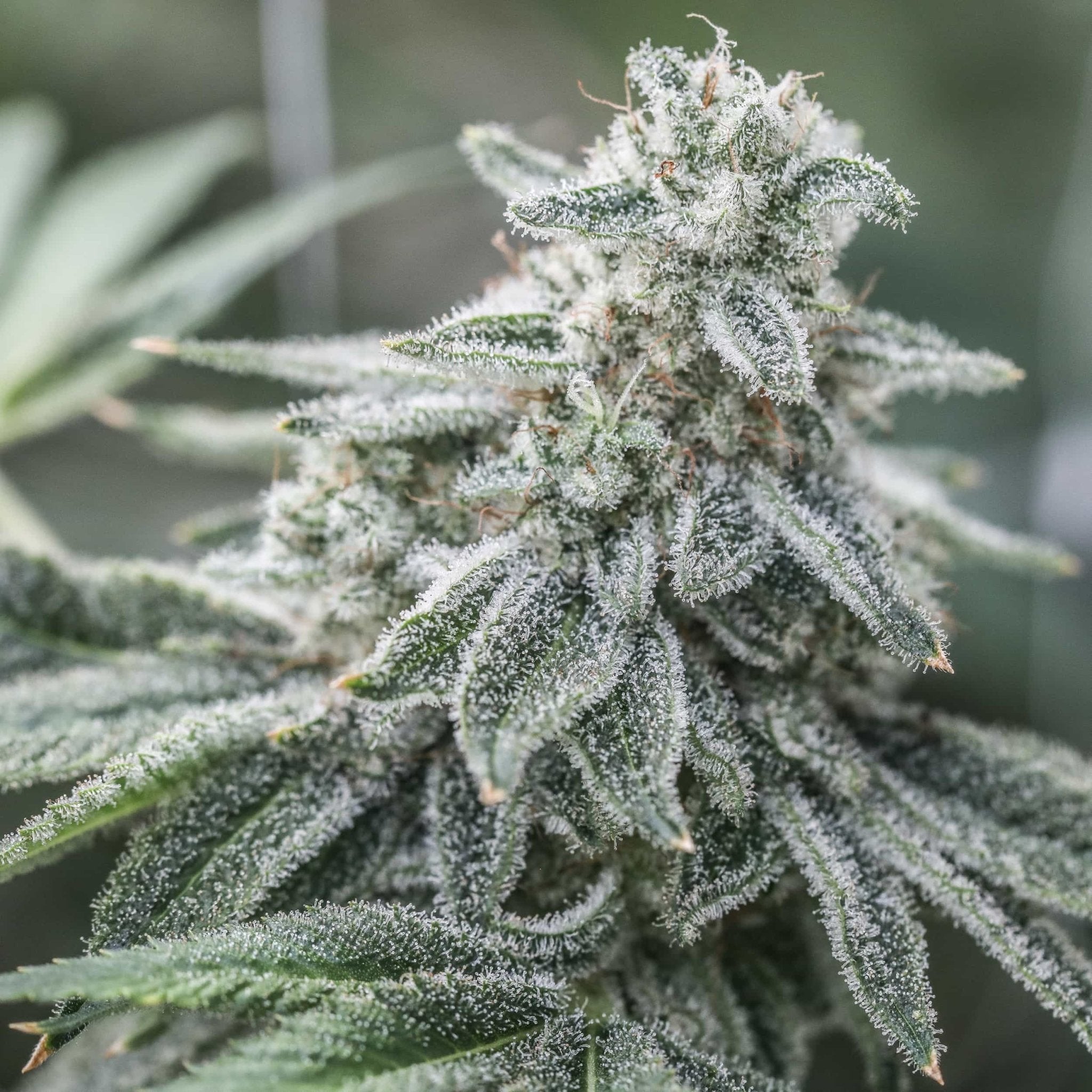
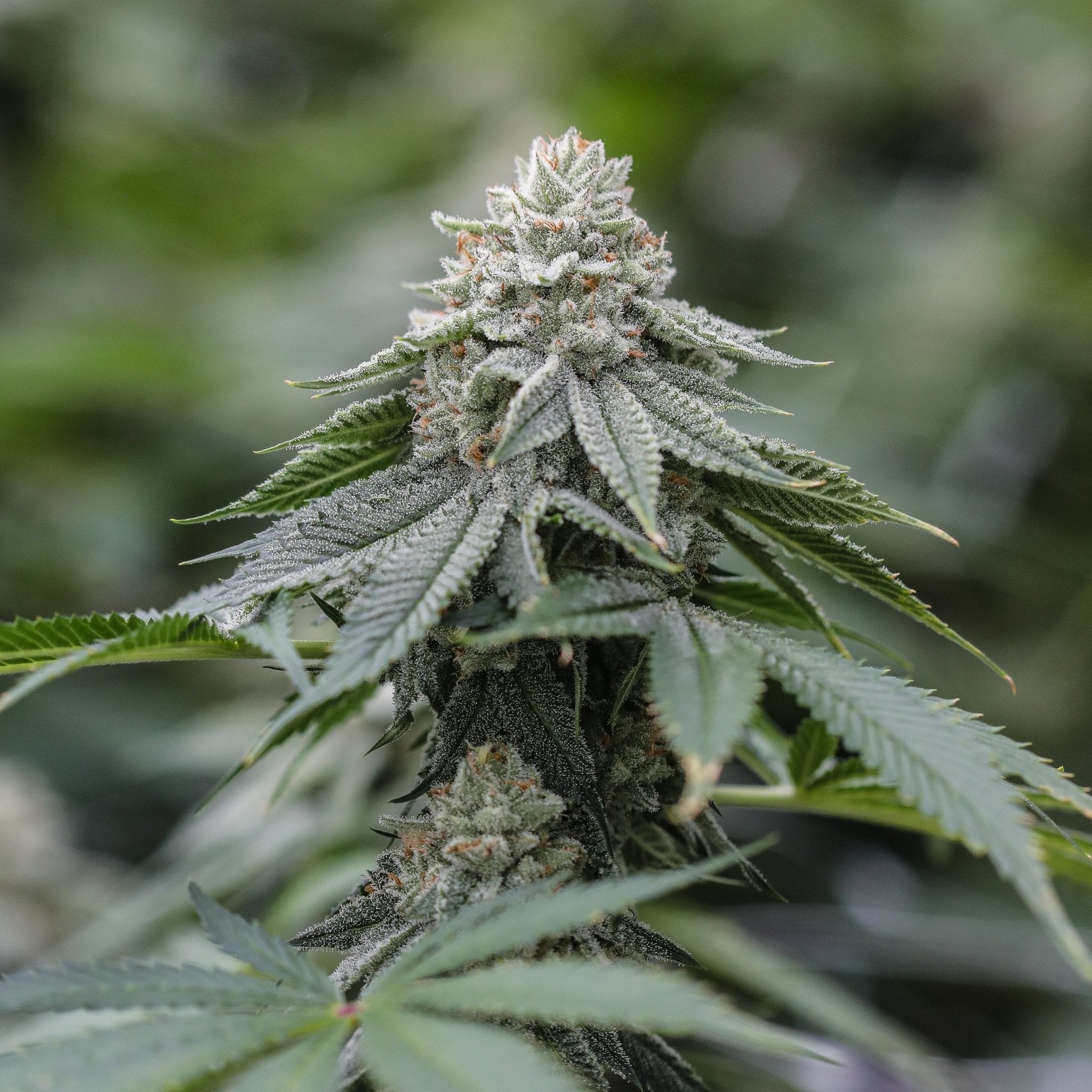
One interesting observation from our years of cannabis breeding and cannabinoid testing is the consistent presence of CBC in our high-CBD varieties.
Across our high-CBD genetics, we've observed CBC concentrations reaching approximately 1–2% in some plants.
These varieties weren't developed specifically to produce CBC. They were bred for high CBD production, favorable CBD-to-THC ratios, vigorous growth, and exceptional flower quality.
Yet CBC remains a recurring component of their cannabinoid profiles.
We believe the secondary production of CBCA by CBDA synthase helps explain this relationship.
As our CBD-dominant plants produce large quantities of CBDA, the same enzyme can also generate smaller quantities of CBCA. Other enzymes, including CBCA synthase, may contribute as well.
This is an important distinction because CBC accumulation doesn't necessarily require a plant to have a highly active, dedicated CBC synthase pathway.
It also demonstrates how selecting plants for one major cannabinoid can influence the production of other cannabinoids.
Interested in growing CBD-dominant cannabis that naturally produces some CBC? Explore our feminized CBD seeds, including traditional diploid and innovative triploid CBD varieties. Our highest content varieties generally produce the most, such as Lifter and Sour Lifter.
What Cannabis Pangenome Research Revealed About CBC
In 2025, GTR Seeds and Oregon CBD contributed to a major collaborative cannabis genomics study published in Nature.
The research, Domesticated cannabinoid synthases amid a wild mosaic cannabis pangenome, analyzed 193 cannabis genomes and provided new insight into the organization and evolution of cannabinoid synthase genes.
One particularly interesting finding involved CBCAS.
Researchers identified CBCAS genes in approximately 56% of the genomes examined, with some plants possessing multiple copies.
However, the presence of these genes did not necessarily correspond with substantial CBCA production.
The researchers also found relatively low CBCAS expression in the tissues they examined.
This suggests that simply possessing a CBCAS gene doesn't guarantee meaningful CBC production.
Gene expression, enzyme activity, and secondary reactions involving other cannabinoid synthases all appear relevant to understanding how CBC accumulates in cannabis plants.
It's another example of why cannabis genetics are more complicated than simply identifying whether a particular gene is present.
Can Cannabis Breeders Develop High-CBC Seeds?
Unlike CBN, breeding cannabis seeds for increased CBC production is scientifically plausible.
Because CBC has a direct biosynthetic pathway through CBCA synthase, breeders can potentially select plants with greater CBCA production and work toward developing more consistent CBC-rich genetics.
However, there are challenges.
The presence of CBCAS genes doesn't necessarily translate into substantial CBC accumulation, and the genetics responsible for consistently high production remain less thoroughly understood than those governing THC and CBD.
Our observations of CBC accumulation in high-CBD genetics demonstrate that meaningful concentrations can occur without specifically selecting plants for CBC production.
Whether breeders can consistently push these concentrations substantially higher through conventional selection remains an interesting area for further research.
For growers searching for CBC seeds, high-CBD varieties may be worth considering because CBC is often a natural component of their cannabinoid profiles. However, CBD-dominant seeds should not be confused with dedicated high-CBC seeds, and cannabinoid concentrations can vary between plants and growing conditions.
Understanding Cannabis Genetics Matters
The cannabis industry often treats every cannabinoid as though it can be produced through a straightforward breeding program. But the underlying genetics tell a much more complicated story.
THC and CBD production are strongly associated with well-characterized cannabinoid synthase genes. CBC can be produced through its own synthase enzyme, but also as a secondary product of other cannabinoid synthases. CBN, on the other hand, primarily results from the degradation of THC and THCA.
These differences are important when evaluating claims about new cannabinoid-rich varieties, particularly products advertised as CBC seeds or CBN seeds.
At GTR Seeds, our breeding program is built around understanding these genetic relationships, not simply chasing cannabinoid percentages.
From our high-CBD cannabis seeds to our work with rare cannabinoids like THCV, CBDV, and CBGV, we believe that a better understanding of cannabinoid biosynthesis leads to better, more predictable cannabis varieties.
And as genomic research continues to reveal more about the cannabis plant, we're gaining a better understanding of both the possibilities and limitations of cannabinoid breeding.