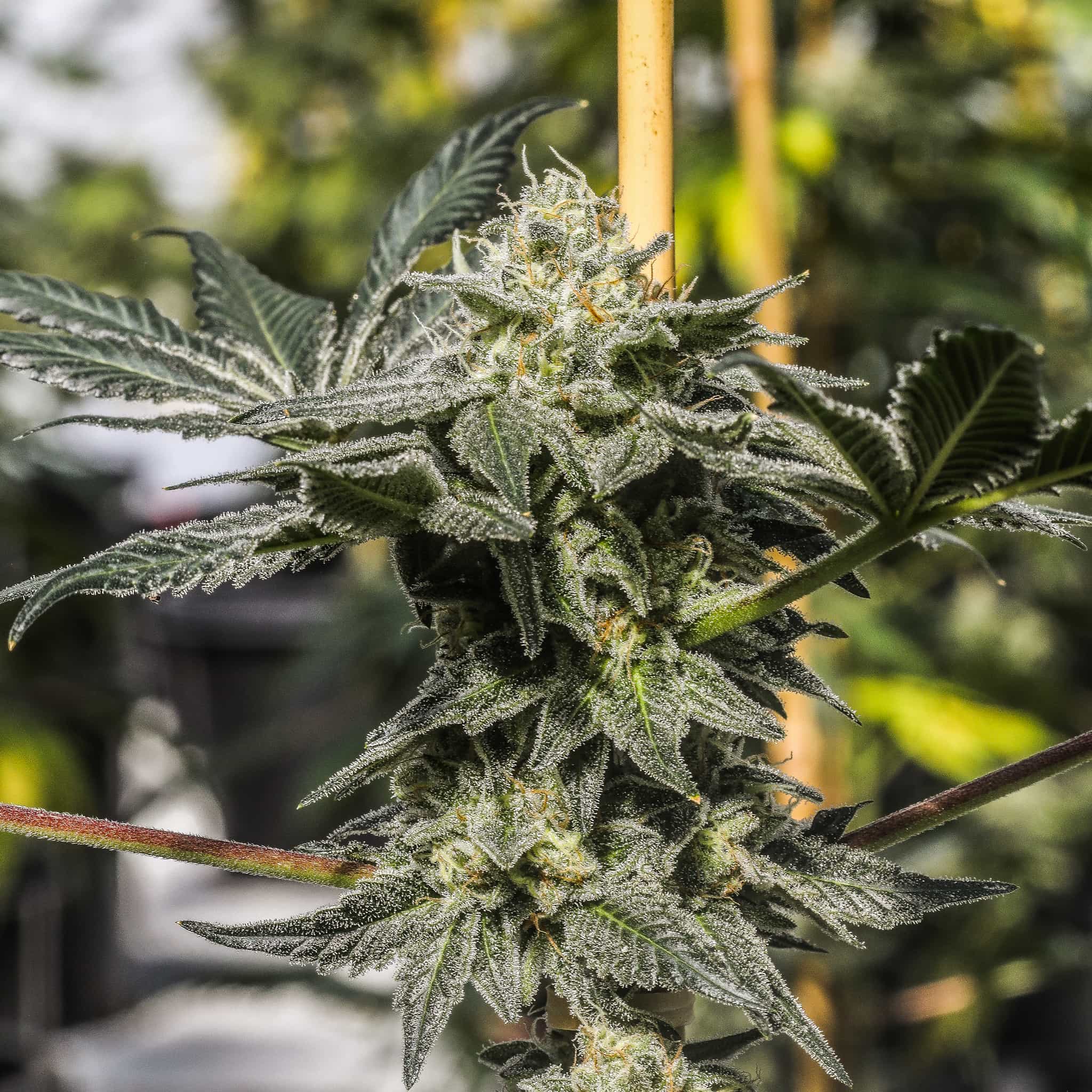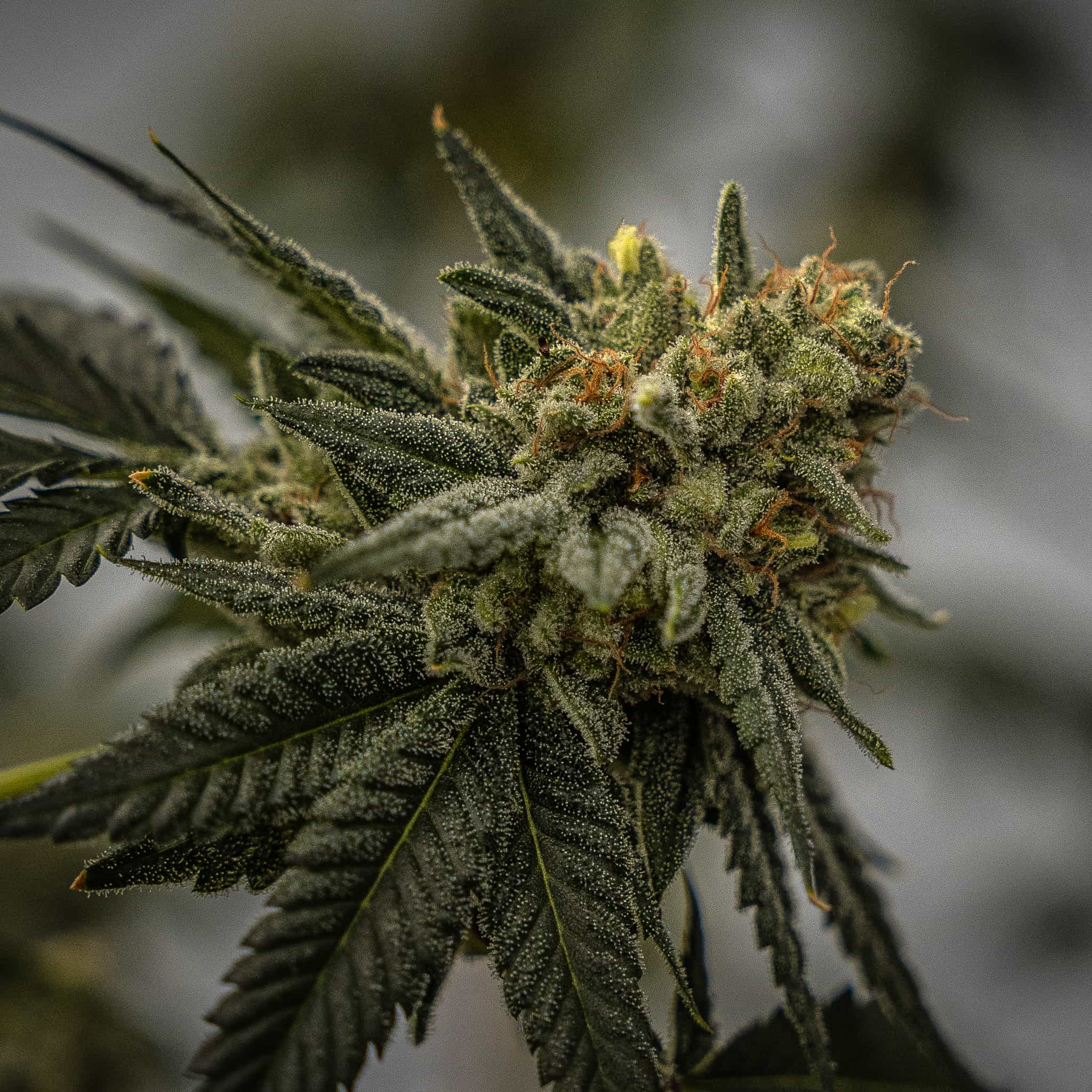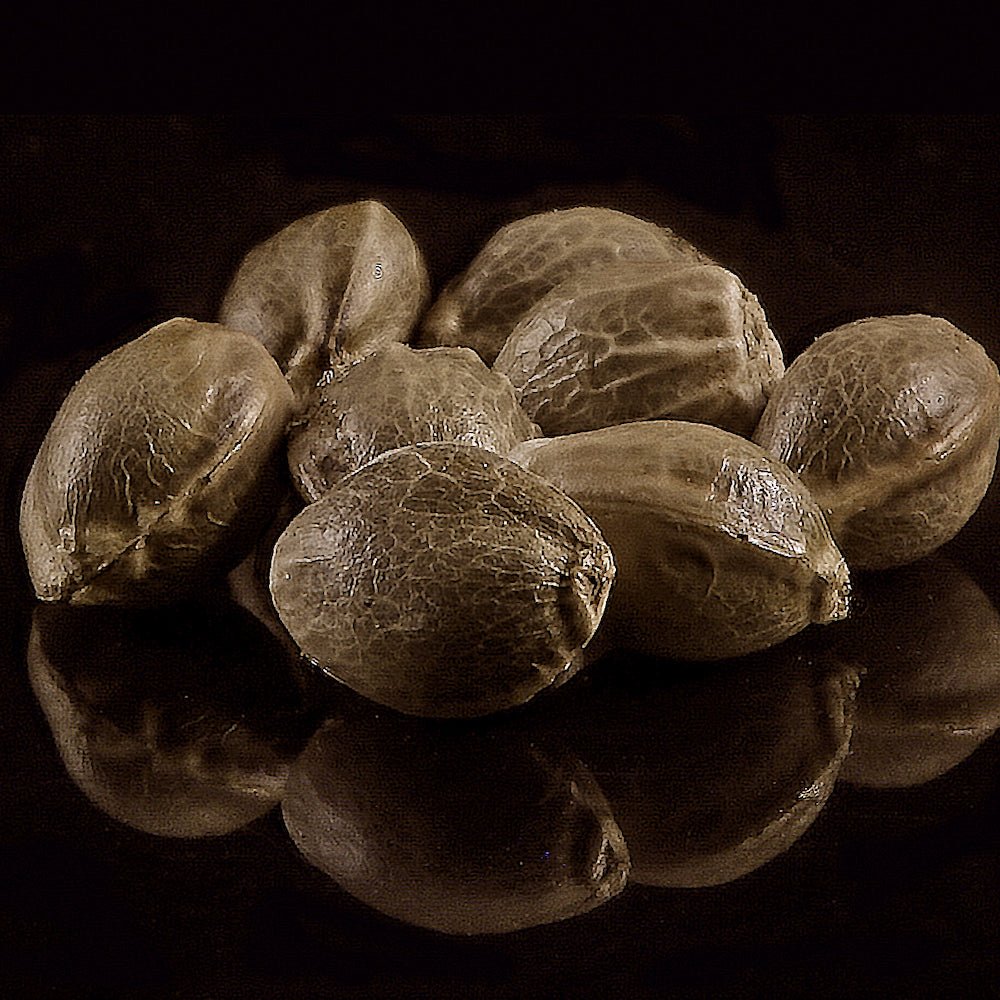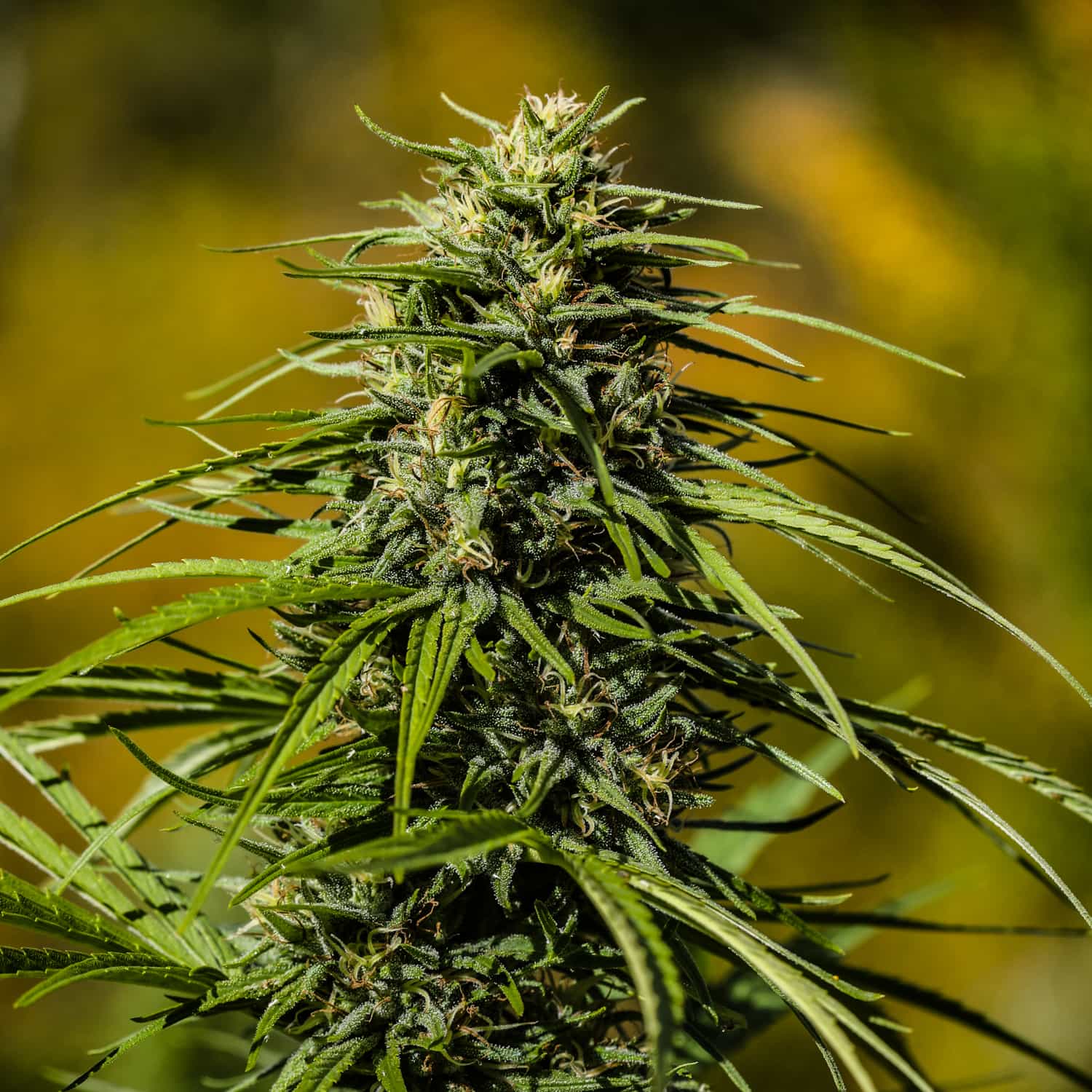


With retailers selling cannabis flower containing 25–30% THCA and less than 0.3% delta-9 THC, hemp growers have been asking us the same question for years:
Where are the magic beans that produce high-THCA hemp?
The answer is simple. The magic beans are everywhere. They're just regular THC seeds.
The catch is that growing high-THCA flower under a hemp license is nowhere near as simple as selling it under the hemp label.
If you're unfamiliar with THCA, check out our What Is THCA? guide first. Otherwise, let's get into the genetics, testing requirements, and why those supposedly special THCA seeds aren't so special after all.
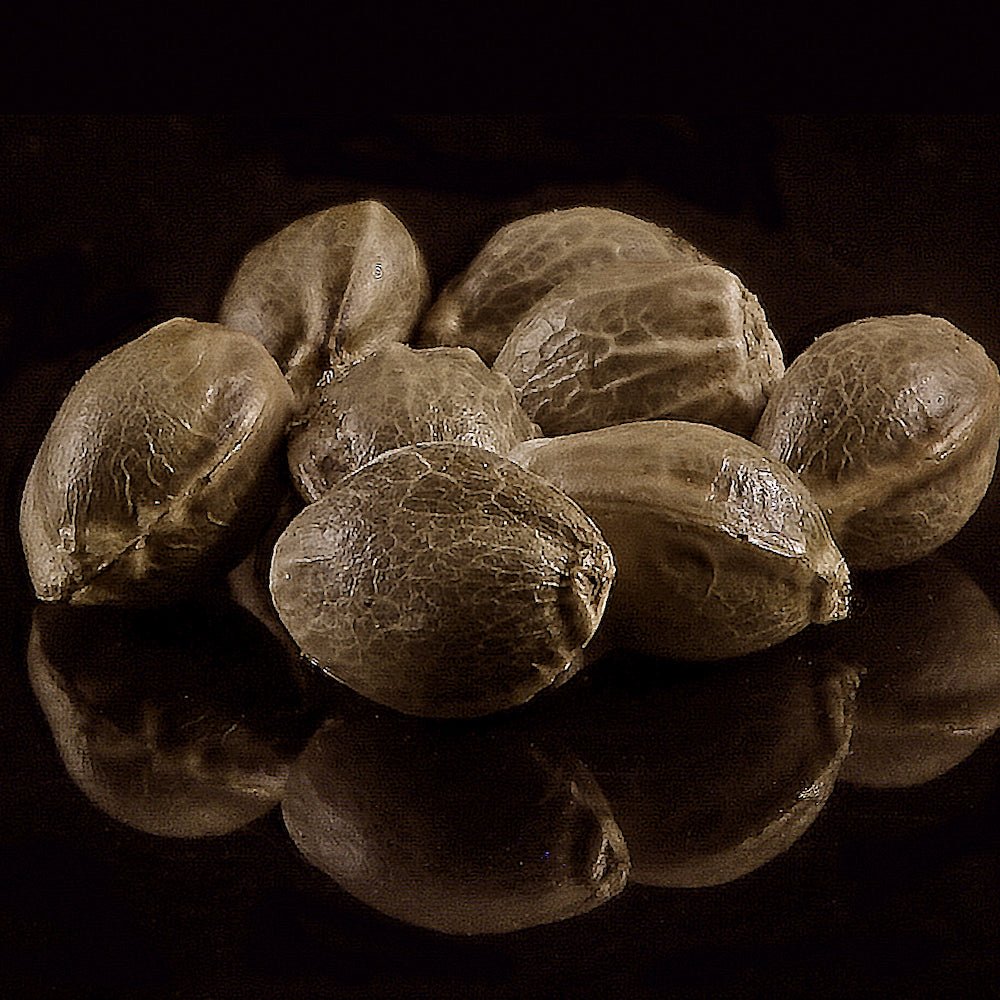
THCA Seeds Are Just THC Seeds
First, let's clear up one of the biggest misconceptions in the cannabis industry.
THCA seeds, THC seeds, marijuana seeds, and Type I cannabis seeds are generally different names for the same category of genetics.
THCA, or tetrahydrocannabinolic acid, is the primary cannabinoid produced by most THC-dominant cannabis flowers. When heated, THCA converts into delta-9 THC through a process called decarboxylation.
That means a flower testing at 30% THCA and 0.2% delta-9 THC isn't some newly discovered type of hemp.
It's conventional THC-dominant cannabis.
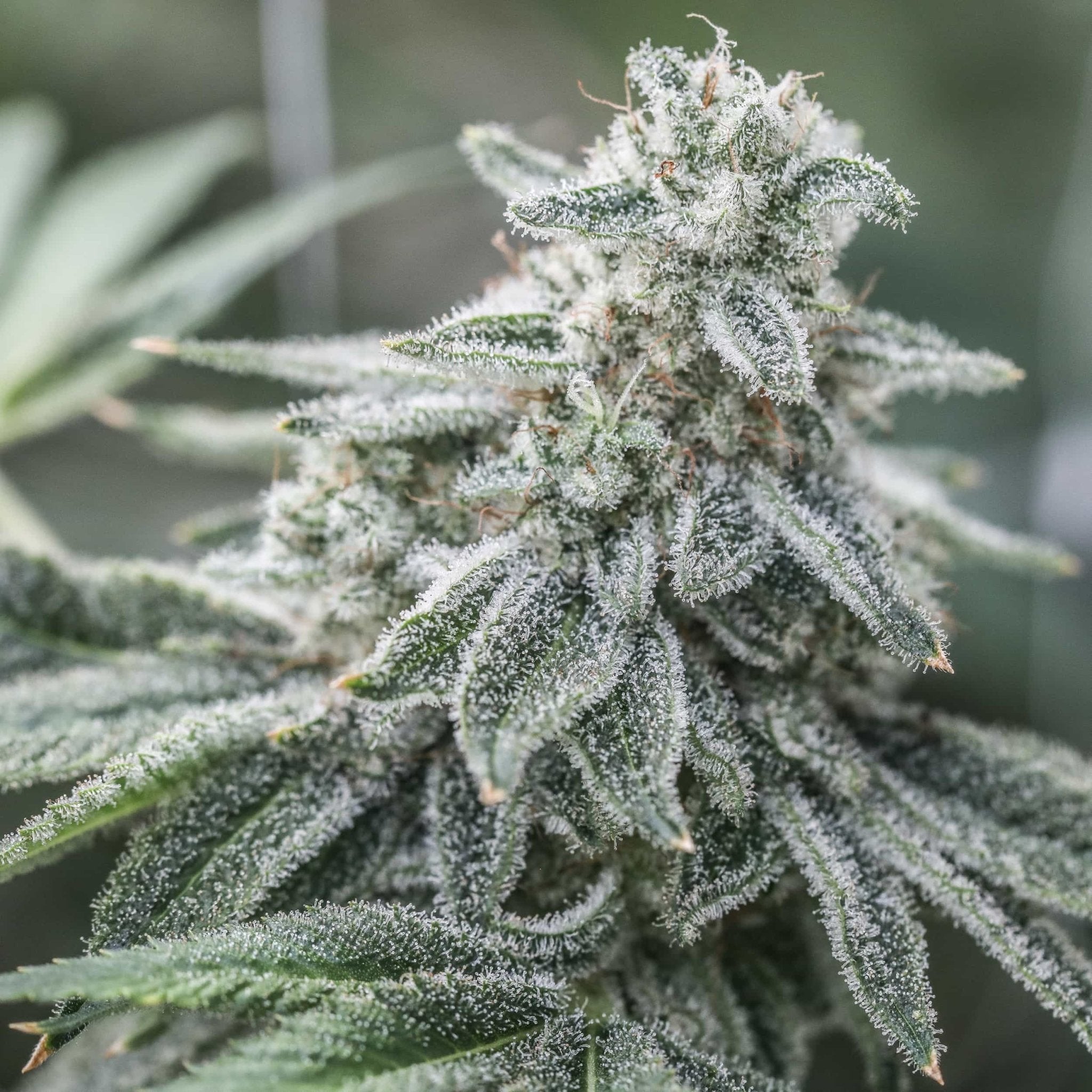
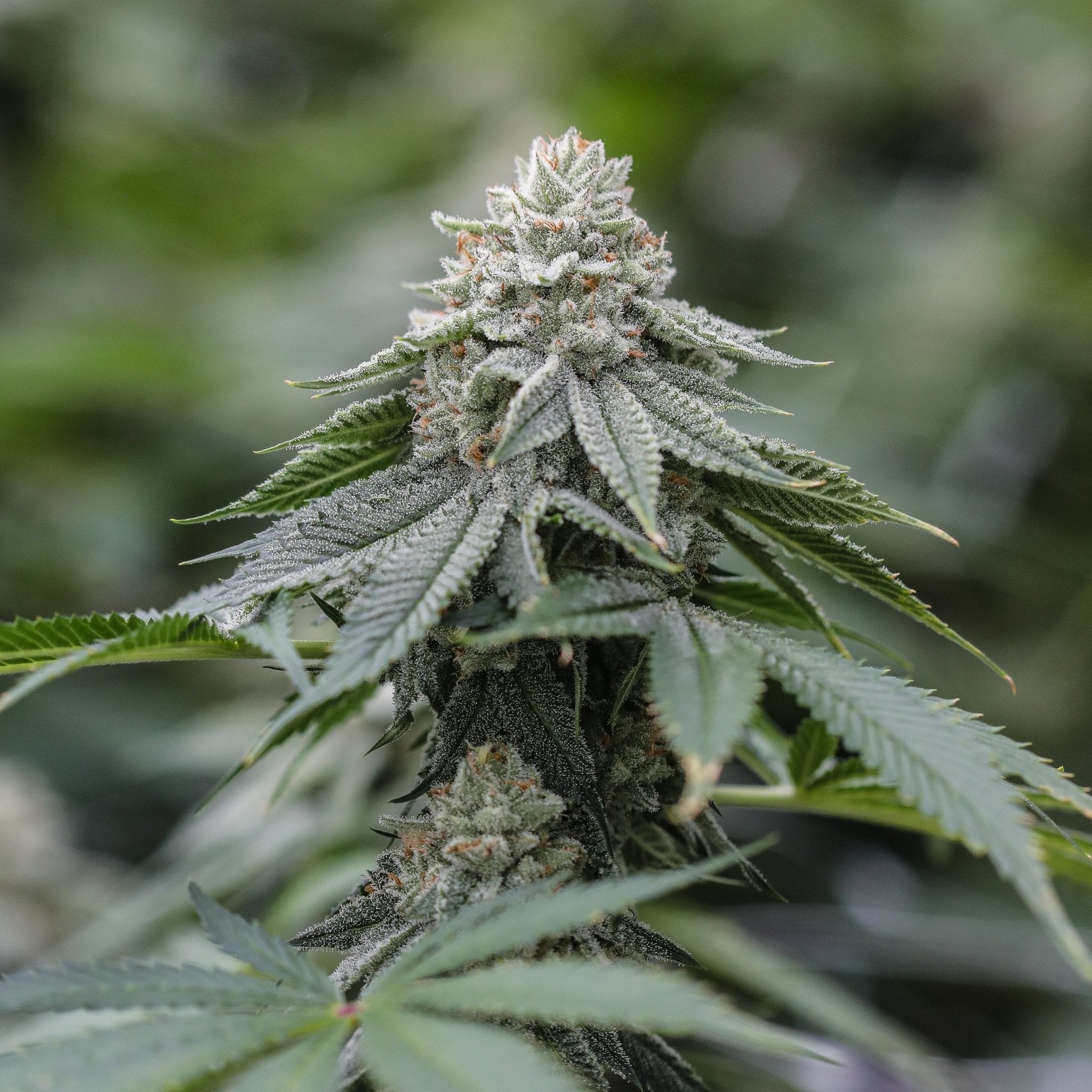
There is no special THCA gene that allows a plant to produce 30% THCA while somehow avoiding the THC testing requirements imposed on licensed hemp growers.
The difference between THCA hemp and marijuana has largely been about how the products are classified and tested, not some revolutionary advancement in cannabis breeding.
THCA vs. Total THC: Why the Numbers Matter
Under the USDA hemp production program, growers are required to have their crops tested for total potential THC before harvest.
This is different from testing only for delta-9 THC.
Total THC accounts for both the delta-9 THC already present in the flower and the potential THC that can be produced from THCA.
The calculation is:
Total THC = (THCA × 0.877) + delta-9 THC
For example, imagine a flower with:
-
30% THCA
-
0.2% delta-9 THC
Its total potential THC would be:
(30 × 0.877) + 0.2 = 26.51% total THC
That's a very long way from the 0.3% total THC threshold used for hemp cultivation compliance.
And that's where the problem begins.
The USDA's hemp testing requirements specifically account for THCA when determining whether a crop meets the allowable THC level.
A flower might have less than 0.3% delta-9 THC, but that doesn't mean it would pass a licensed hemp grower's pre-harvest compliance test.
Why Does High-THCA Flower Have So Little Delta-9 THC?
Cannabis plants primarily synthesize THCA rather than delta-9 THC.
As flowers age, dry, cure, or experience heat and other environmental conditions, some THCA can convert into delta-9 THC.
That's why freshly harvested and carefully handled THC-dominant flowers often contain large amounts of THCA but relatively little delta-9 THC.
The following certificate of analysis illustrates this difference.

Notice the difference between the THCA percentage, the delta-9 THC percentage, and the calculated total THC.
The delta-9 number alone doesn't tell the whole story.
This distinction helped create the market for products advertised as high-THCA hemp under interpretations of the federal hemp definition that focused on delta-9 THC.
But that product-labeling argument should never be confused with the requirements for legally cultivating hemp.
For more on the regulatory distinction, read our article on whether THCA is legally considered hemp.
Can You Grow 30% THCA Flower Under a Hemp License?
Not reliably under the USDA's total THC compliance requirements.
Licensed hemp growers must have their crops sampled within 30 days before the anticipated harvest, with testing accounting for the potential conversion of THCA into THC.
A common misconception is that a high-THCA plant might test below 0.3% total THC a month before harvest and then suddenly jump to 25–30% THCA at maturity.
Cannabinoid content certainly increases as flowers develop, but high-THCA genetics don't generally remain at hemp-compliant total THC levels until the final days before harvest.
We've grown and tested an enormous number of cannabis plants over the years, and we haven't found commercially useful Type I genetics that reliably behave that way.
A plant genetically programmed to produce large amounts of THCA typically begins accumulating it well before harvest.
By the time the crop is approaching maturity, total THC concentrations are generally far above the allowable hemp threshold.
Even autoflower genetics don't provide some magical way around that basic biology.
If your goal is to grow 25–30% THCA flower, you should plan on cultivating it under the appropriate cannabis licensing framework, not a conventional hemp production license.
What About High-CBD Hemp?
This is where the genetics become especially important.
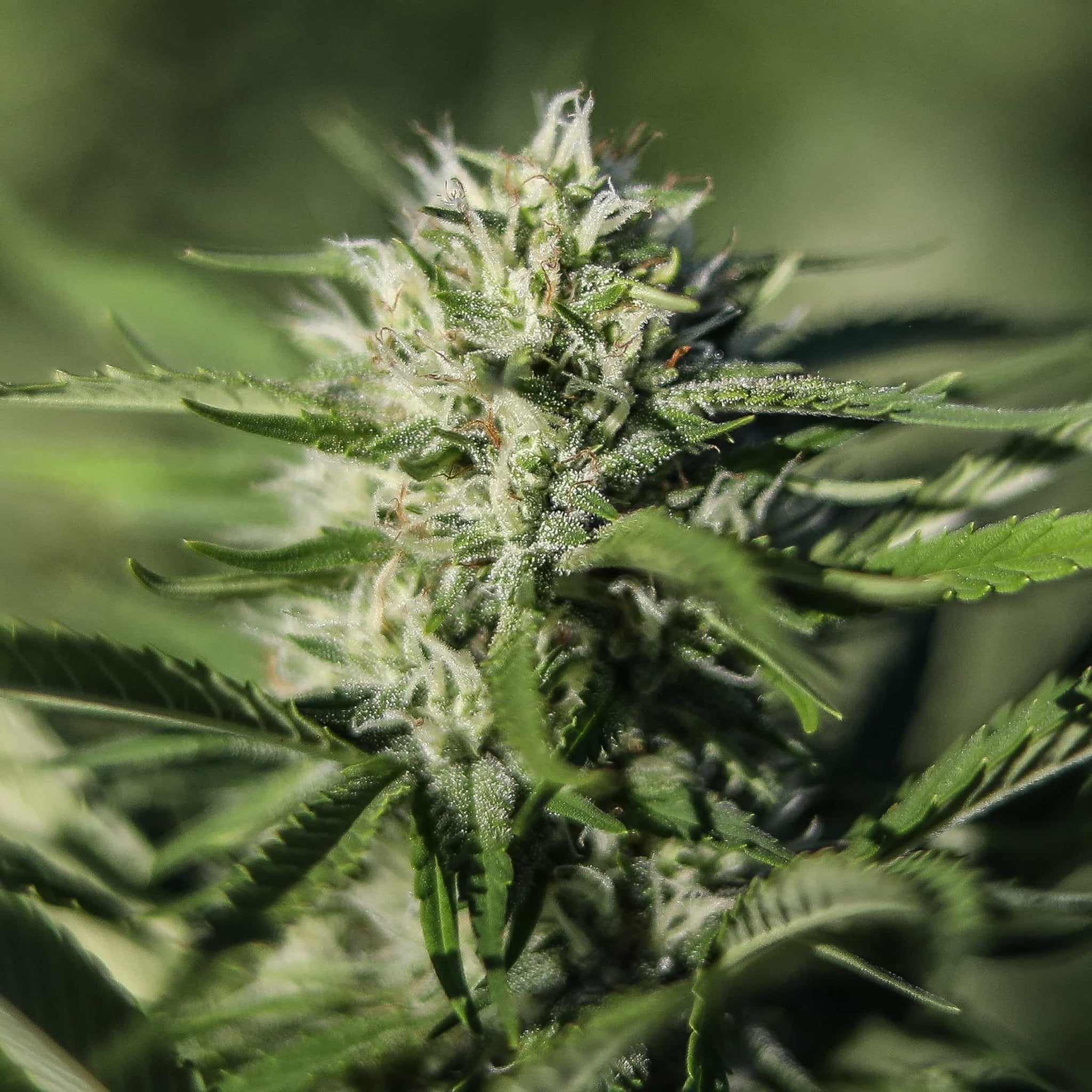
Unlike Type I cannabis, Type III CBD-dominant plants generally produce much smaller quantities of THC relative to CBD.
For many of our conventional high-CBD varieties, the CBD-to-THC ratio is relatively consistent, even as total cannabinoid content increases during flower development.
A plant might produce approximately 20 parts CBD for every one part THC, although the ratio varies by genetics.
That means even CBD-dominant hemp can exceed the 0.3% total THC threshold if cannabinoid concentrations become high enough.
For example, a flower with 20% CBD and 1% total THC would not qualify as compliant hemp simply because CBD is its dominant cannabinoid.
This is why cannabinoid ratios, harvest timing, and genetic selection are so important for licensed hemp production.
We've collected extensive pre-harvest testing data from our breeding and production fields over the years, demonstrating how cannabinoid content develops as plants approach maturity.
You can explore some of our hemp seed testing results for examples.
For growers interested in compliant hemp production, our CBD seed varieties offer a more appropriate starting point than conventional high-THCA genetics, although no seed variety can guarantee compliance under every growing condition.
Where Is All the High-THCA Hemp Coming From?
This is the question we hear constantly.
If high-THCA cannabis generally can't pass conventional hemp pre-harvest testing, how are retailers selling so much of it?
The answer involves a complicated combination of federal statutory definitions, state laws, different licensing systems, product testing practices, and enforcement.
Under the original 2018 federal hemp definition, the statutory threshold focused on delta-9 THC. That created a distinction between certain finished products tested for delta-9 THC and hemp crops tested for total potential THC under USDA production rules.
Some businesses relied on that distinction to market high-THCA flower as hemp.
But a retail certificate of analysis showing less than 0.3% delta-9 THC does not establish that the crop passed USDA-compliant pre-harvest testing.
Nor does it establish that the product was legally cultivated, transferred, or sold in every jurisdiction.
State rules can also be considerably more restrictive than the federal definition.
The important point is that retail product classification and licensed hemp cultivation compliance are not the same thing.
And regardless of how federal hemp legislation changes, that distinction is worth understanding.
Are THCA Seeds Legal?
The legal status of cannabis seeds depends on the applicable federal definition of hemp, the source of the seeds, and state law.
Historically, viable cannabis seeds containing no more than 0.3% delta-9 THC have generally been treated as hemp under the federal definition, even when the plants grown from those seeds could eventually produce high-THC flowers.
However, federal legislation enacted in 2025 introduced changes to the definition of hemp, including provisions concerning total THC and the plants that produce viable seeds. Those changes have been subject to subsequent legislative delays and could change again.
Growers and purchasers should verify the current rules rather than assume that a seed's low cannabinoid content automatically establishes its legal status.
The legality of possessing a seed is also a separate question from whether you can legally grow the plant.
Want to Grow High-THCA Cannabis?
If you live somewhere that permits personal or licensed THC cannabis cultivation, there's no need to hunt for some special THCA seed.
Just grow good THC genetics.
At GTR Seeds, we've developed an extensive collection of THC-dominant cannabis seeds, including diploid and triploid varieties selected for flower quality, cannabinoid content, aromas, and production.
The same genetics that produce high-quality THC flower also produce THCA in the growing plant.
No loophole genetics required.