
Timing is everything when growing cannabis outdoors. Plant too early and you risk premature flowering. Plant too late and you may sacrifice valuable vegetative growth, reducing yields and potentially delaying harvest.
And not all cannabis genetics behave the same.
At GTR Seeds, we've spent years breeding early-maturing cannabis varieties that can finish in September, well ahead of many traditional photoperiod cultivars. But to get the most out of these genetics, it's important to understand when and how to move your plants outdoors.
Here are our recommendations for maximizing plant growth, yields, and early harvest potential.
Why Our Cannabis Genetics Flower Earlier
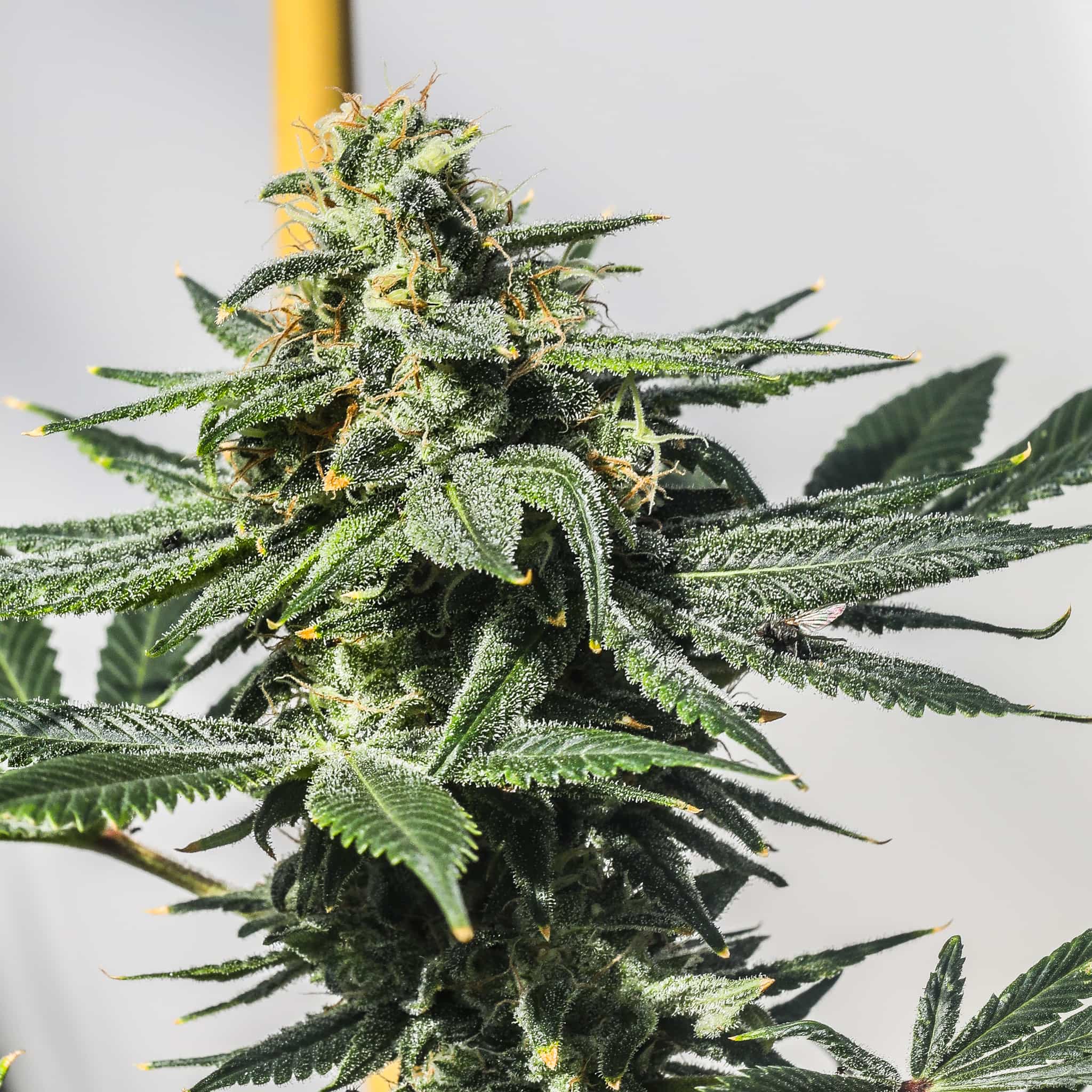
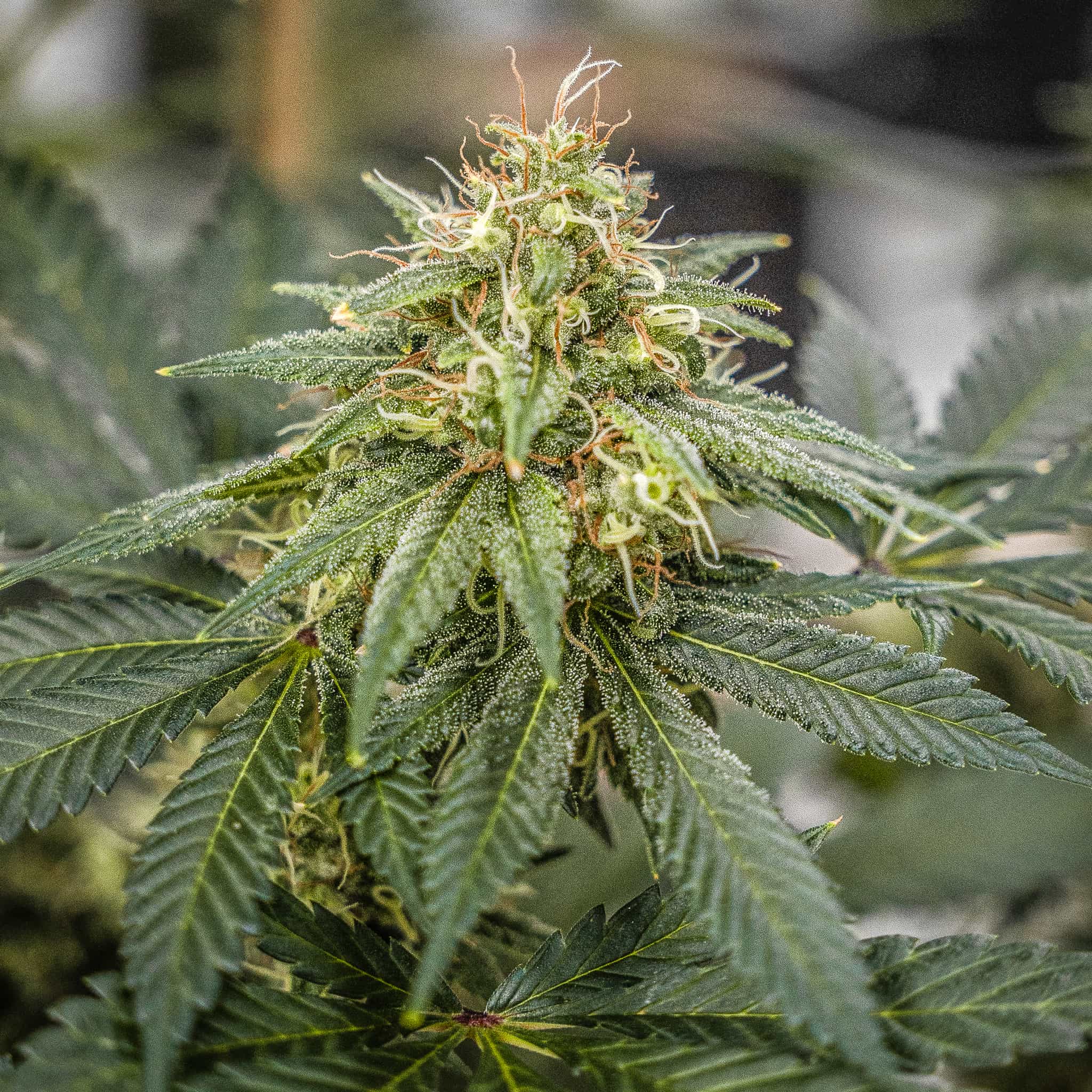
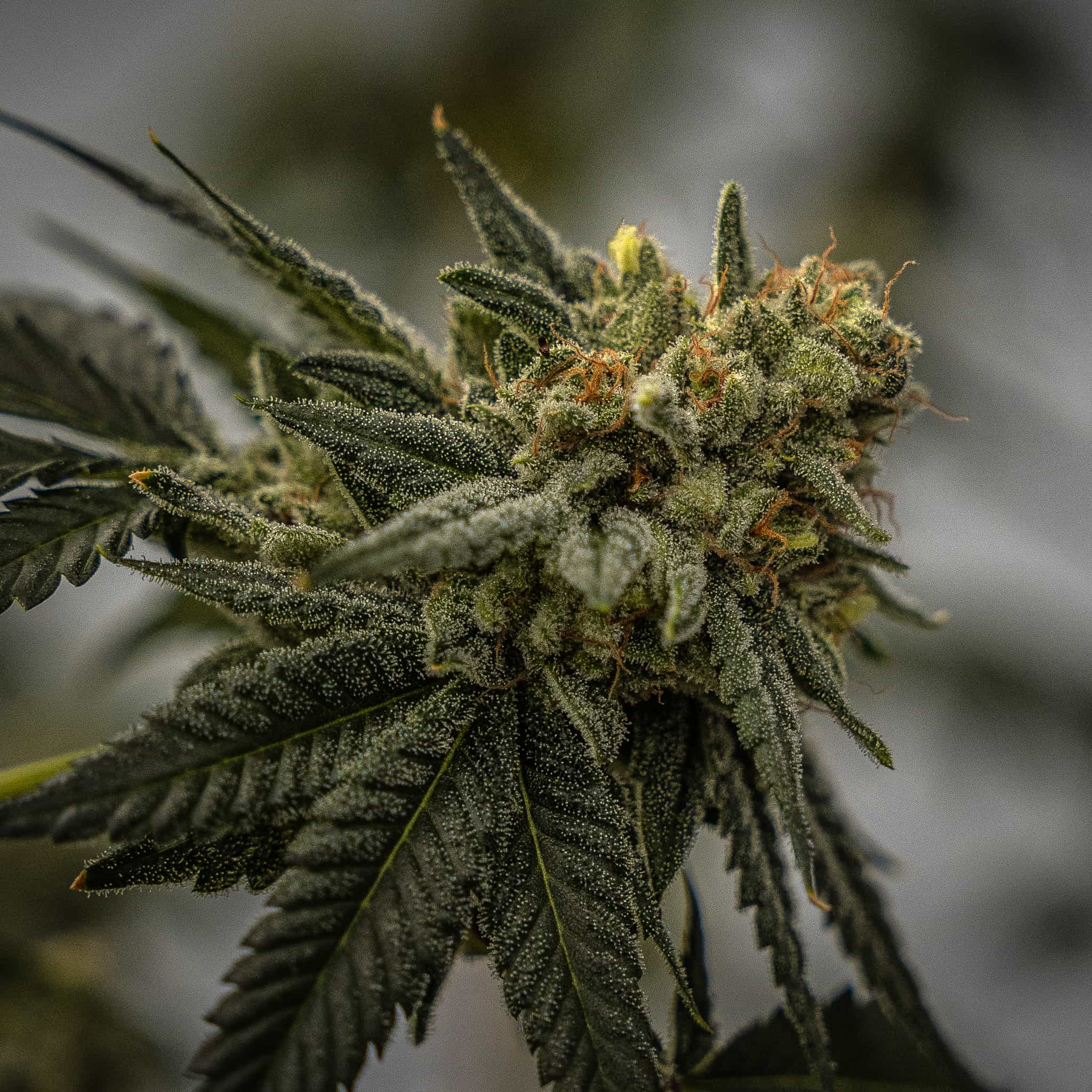
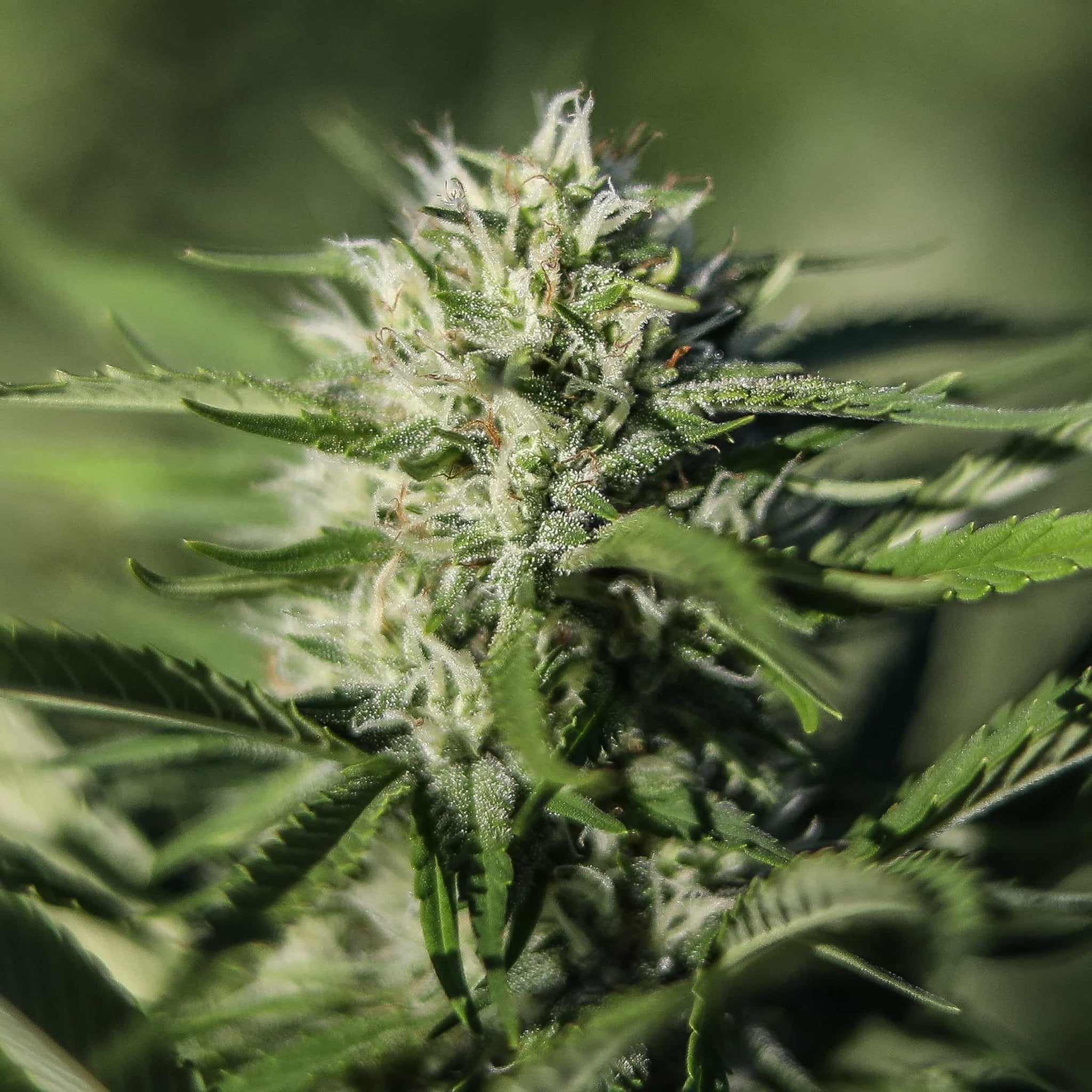
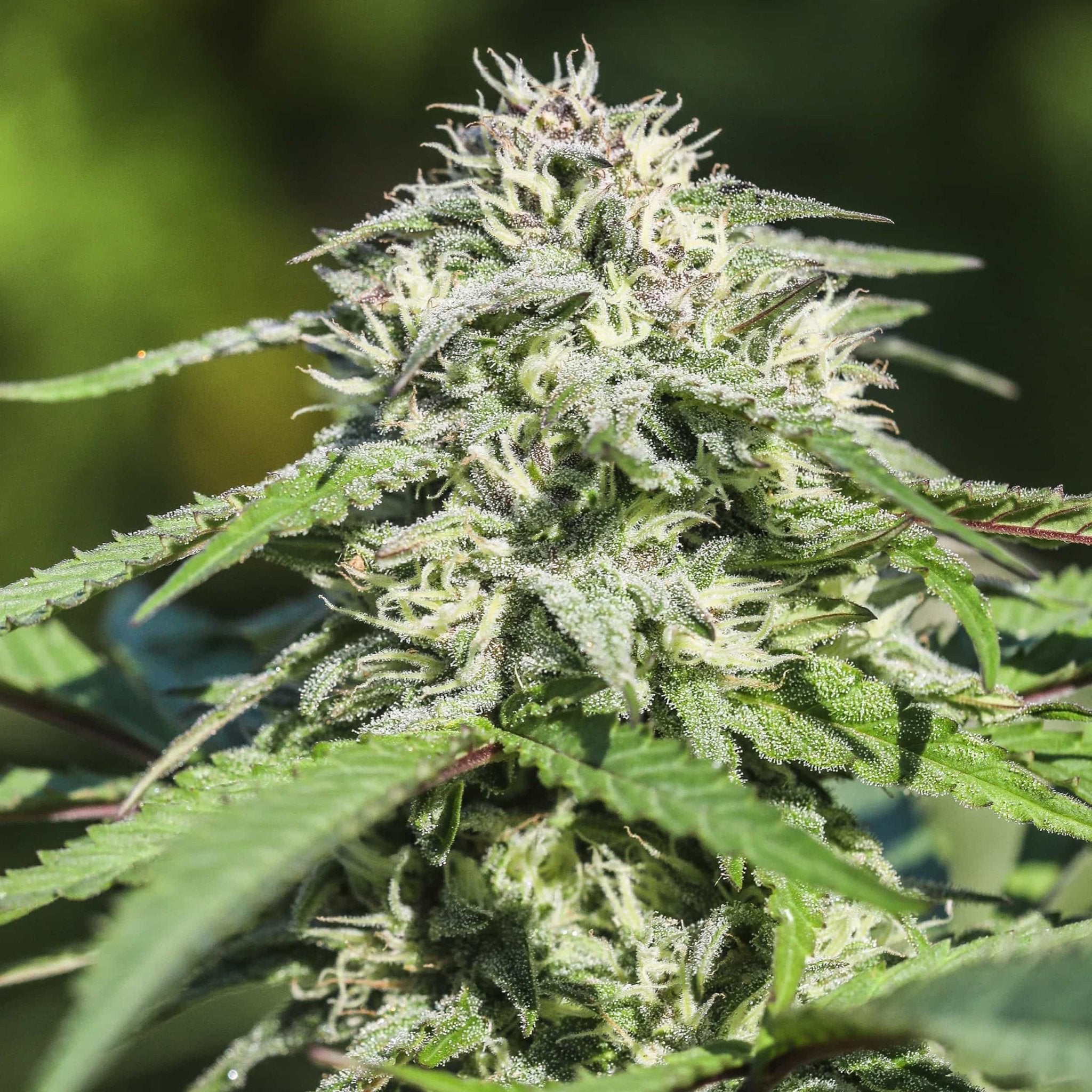
One of the unique characteristics of many of our CBD, CBG, CBDV, THC, and THCV varieties is their ability to initiate flowering earlier in the summer and finish before autumn weather becomes a problem.
We accomplish this by incorporating carefully selected day-neutral, or autoflowering, genetics into our breeding program.
The resulting plants remain photoperiod sensitive, but many begin flowering under longer daylight conditions than traditional cannabis varieties.
In our fields here in Southern Oregon, we've observed many of our varieties initiating flowering when daylight is still around 14 hours per day.
Traditional photoperiod varieties may require longer nights before flowering begins, although the exact threshold varies considerably between cultivars.
It's also important to remember that plants respond to more than just the time between sunrise and sunset. Twilight contributes to the natural light environment, and flowering responses are influenced by genetics, plant maturity, and seasonal changes in day length.
We've observed relatively consistent flowering schedules with many of our varieties across different regions of the continental United States.
The precise mechanisms behind these responses are still being studied, but the practical result is clear: our early-maturing genetics can finish significantly earlier than many conventional cannabis varieties.
For growers in regions with wet autumns or short growing seasons, that can be an enormous advantage.
When Should You Plant Cannabis Seedlings Outdoors?
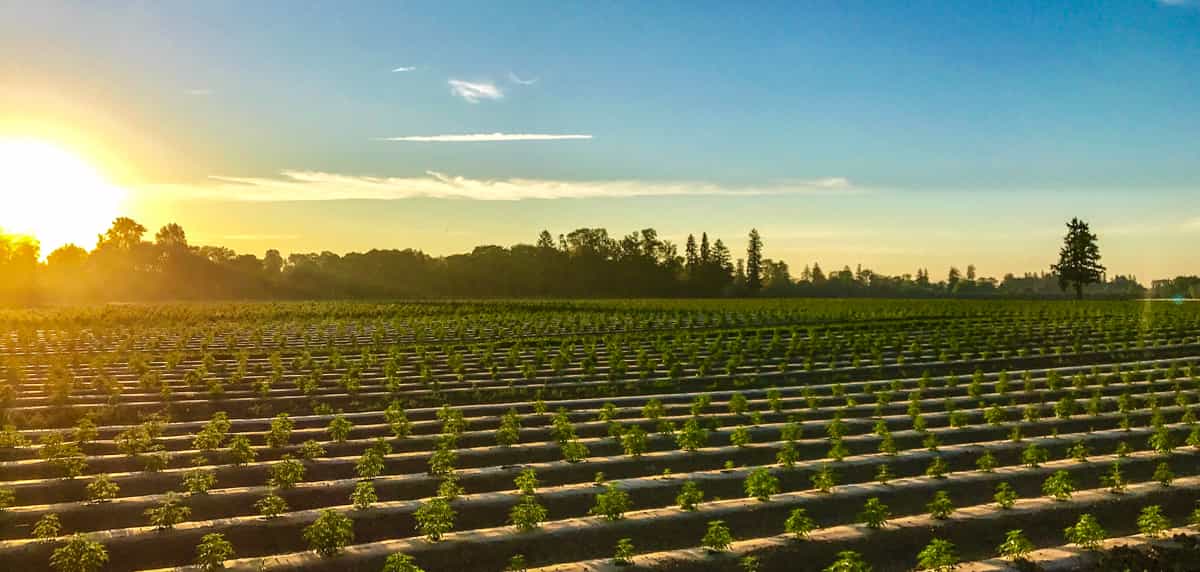
For most growers in the Northern Hemisphere, we recommend transplanting GTR Seeds seedlings outdoors around June 1, provided local temperatures and weather conditions are suitable.
In the Southern Hemisphere, the comparable seasonal recommendation is approximately December 1.
These dates are general guidelines based on our experience with our genetics, not universal planting dates for every latitude or climate.
Here's how we approach outdoor planting:
| Planting period | Northern Hemisphere | Southern Hemisphere |
|---|---|---|
| Early planting — increased flowering risk | Before May 15 | Before November 15 |
| Recommended transplant window | Around June 1 | Around December 1 |
| Later planting — potentially reduced growth | After June 15 | After December 15 |
Local frost dates, latitude, and seasonal temperatures should always be considered before transplanting.
Why Planting Cannabis Too Early Can Cause Problems
One of the biggest mistakes growers make with early-maturing photoperiod genetics is moving seedlings outdoors too early in the spring.
When plants are started indoors under long days and then moved outside into substantially shorter natural daylight conditions, they may interpret the change as a signal to begin flowering.
This can happen even when temperatures are warm enough for outdoor growth.
We've seen seedlings begin flowering prematurely after being transplanted too early, only to return to vegetative growth as summer days become longer.
This process, commonly called revegetation, can significantly disrupt plant development.
Plants may produce unusual leaves, experience stalled growth, and take weeks to return to normal vegetative development.
Even when they recover, premature flowering and revegetation can substantially reduce final plant size and yields.
For our early-maturing photoperiod genetics, we strongly discourage transplanting seedlings outdoors before approximately May 15 in the Northern Hemisphere.
That said, local day length matters. Growers at unusually low or high latitudes should pay particular attention to their specific conditions.
Can You Plant Cannabis Too Late?
Absolutely.
While planting too early can trigger premature flowering, planting too late can reduce the amount of time plants have to establish themselves before flowering begins.
Cannabis plants generally need to reach a certain level of physiological maturity before they can respond fully to flowering signals.
Seedlings planted later in the season may remain smaller, produce fewer branches, and ultimately yield less than plants established earlier.
In our experience, transplanting seedlings much later than June 15 can compromise the growth and harvest schedule we're trying to achieve with our early-maturing varieties.
The effect depends on the age of the plants, variety, and growing environment. Established transplants may behave differently from newly germinated seedlings.
For most outdoor growers using our genetics, late May through early June provides a good balance between avoiding premature flowering and allowing plenty of vegetative growth.
How Many Hours of Light Should Cannabis Seedlings Receive Indoors?
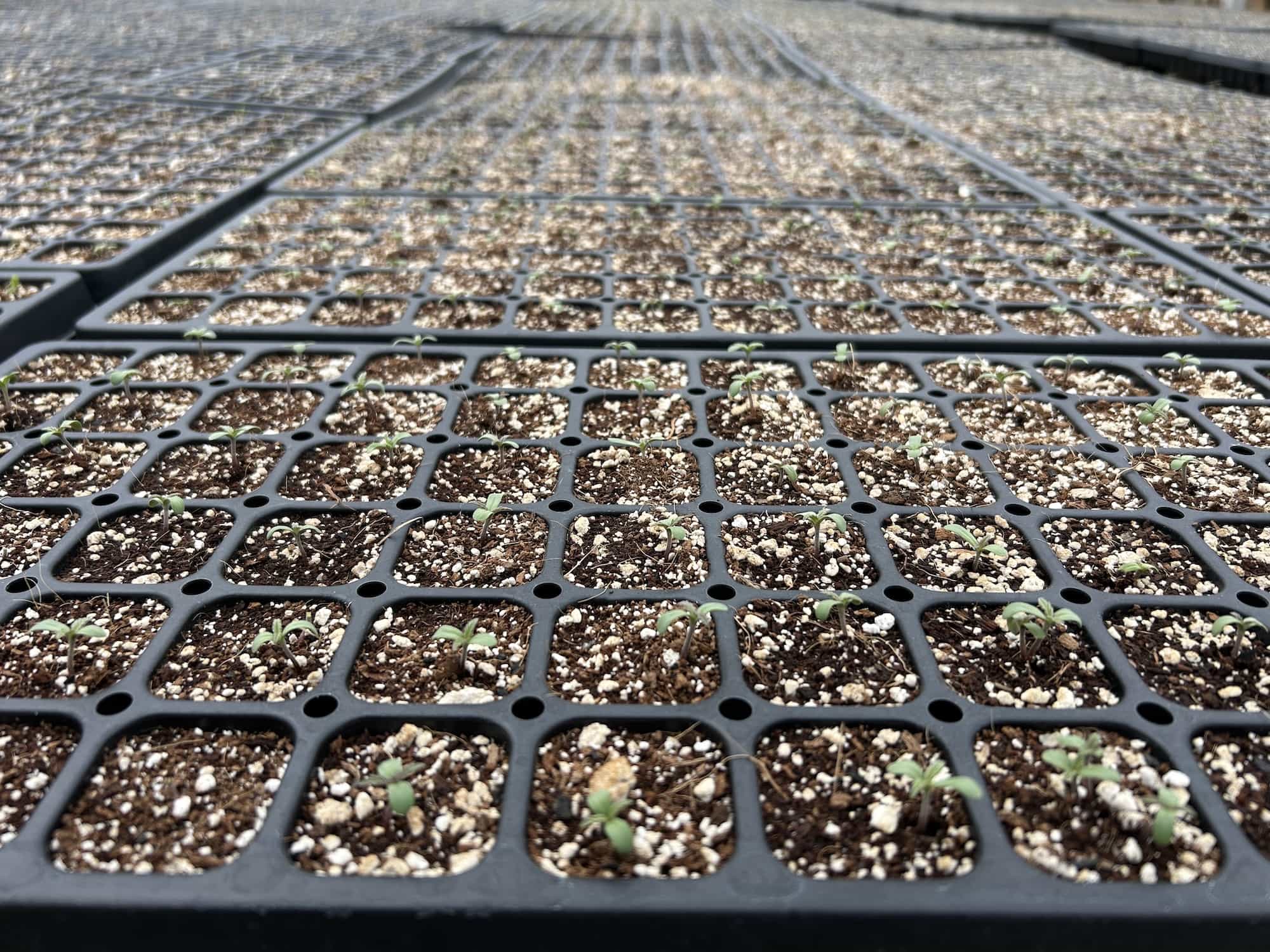
If you're starting cannabis seeds indoors or in a greenhouse before transplanting outdoors, pay attention to the lighting schedule.
We generally recommend no more than 18 hours of light per day during vegetative growth.
Some growers reduce their indoor lighting schedule to approximately 16 hours before transplanting to create a smaller difference between indoor and outdoor day lengths.
This can help reduce abrupt changes in photoperiod, although it doesn't guarantee that plants won't initiate flowering.
The important thing is to avoid moving plants from extremely long indoor light cycles into much shorter outdoor days, particularly early in the spring.
For growers using supplemental greenhouse lighting, consider how your lighting schedule compares with the natural day length at your location.
How to Harden Off Cannabis Seedlings Before Transplanting
Seedlings started indoors need time to adjust to direct sunlight, wind, and fluctuating outdoor temperatures.
Moving tender seedlings directly from artificial lighting into intense summer sunshine can cause leaf damage, wilting, and transplant shock.
This adjustment process is called hardening off.
We recommend gradually introducing indoor-grown seedlings to outdoor conditions over several days, and preferably about a week when conditions allow.
Start with a few hours of filtered sunlight or gentle morning sun, then progressively increase their exposure.
Avoid placing young plants in intense midday heat or strong winds during the first few days.
Seedlings started in greenhouses may already be accustomed to stronger sunlight and temperature fluctuations, but they can still benefit from gradual acclimation, particularly if the greenhouse has significant shading or limited airflow.
How Big Should Cannabis Seedlings Be Before Planting Outdoors?
At GTR Seeds, we typically transplant seedlings when they're approximately 6–12 inches (15–30 cm) tall and can be removed easily from their starter trays without disturbing the roots excessively.
At this stage, plants generally have enough established growth to tolerate outdoor conditions while still being young enough to transition quickly into the field.
A few things to watch for:
-
Avoid rootbound seedlings. Plants that remain in small containers too long may experience slower establishment after transplanting.
-
Don't let seedlings stretch excessively. Tall, weak stems are more vulnerable to wind damage.
-
Maintain consistent moisture. Young plants can dry out quickly, particularly during hot or windy weather.
-
Avoid extreme temperatures. Transplant during mild weather whenever possible, and make sure the danger of frost has passed.
-
Handle roots carefully. Minimizing root disturbance helps plants establish quickly.
We prefer transplanting when seedlings are actively growing, healthy, and ready to take off once their roots reach the field soil.
Choose Cannabis Genetics That Match Your Growing Season
One of the greatest advantages of early-maturing cannabis varieties is the ability to harvest before autumn weather becomes a problem.
Here in Southern Oregon, our earliest varieties can finish in September, while others mature later depending on their genetics and growing conditions.
This gives growers the opportunity to stagger harvests and avoid having an entire crop ready at once.
But early maturity is only one part of successful outdoor cultivation. Temperature, humidity, rainfall, soil conditions, and regional day length all influence plant performance.
For more information, read our guide to the best climates for growing cannabis.
You can also explore independent university hemp research featuring GTR Seeds and Oregon CBD genetics, including trials conducted under different growing conditions.
Final Thoughts: Timing Matters
Cannabis is a remarkably adaptable plant, but getting the timing right can make an enormous difference in outdoor production.
For our early-maturing photoperiod genetics, we generally recommend transplanting around June 1 in the Northern Hemisphere, avoiding very early spring planting, and giving seedlings plenty of time to establish before flowering begins.
A little planning can help prevent premature flowering, reduce transplant stress, and maximize the yield potential of your plants.
And when September rolls around and your flowers are ready to harvest while other growers are still waiting for their plants to finish, you'll appreciate the difference.