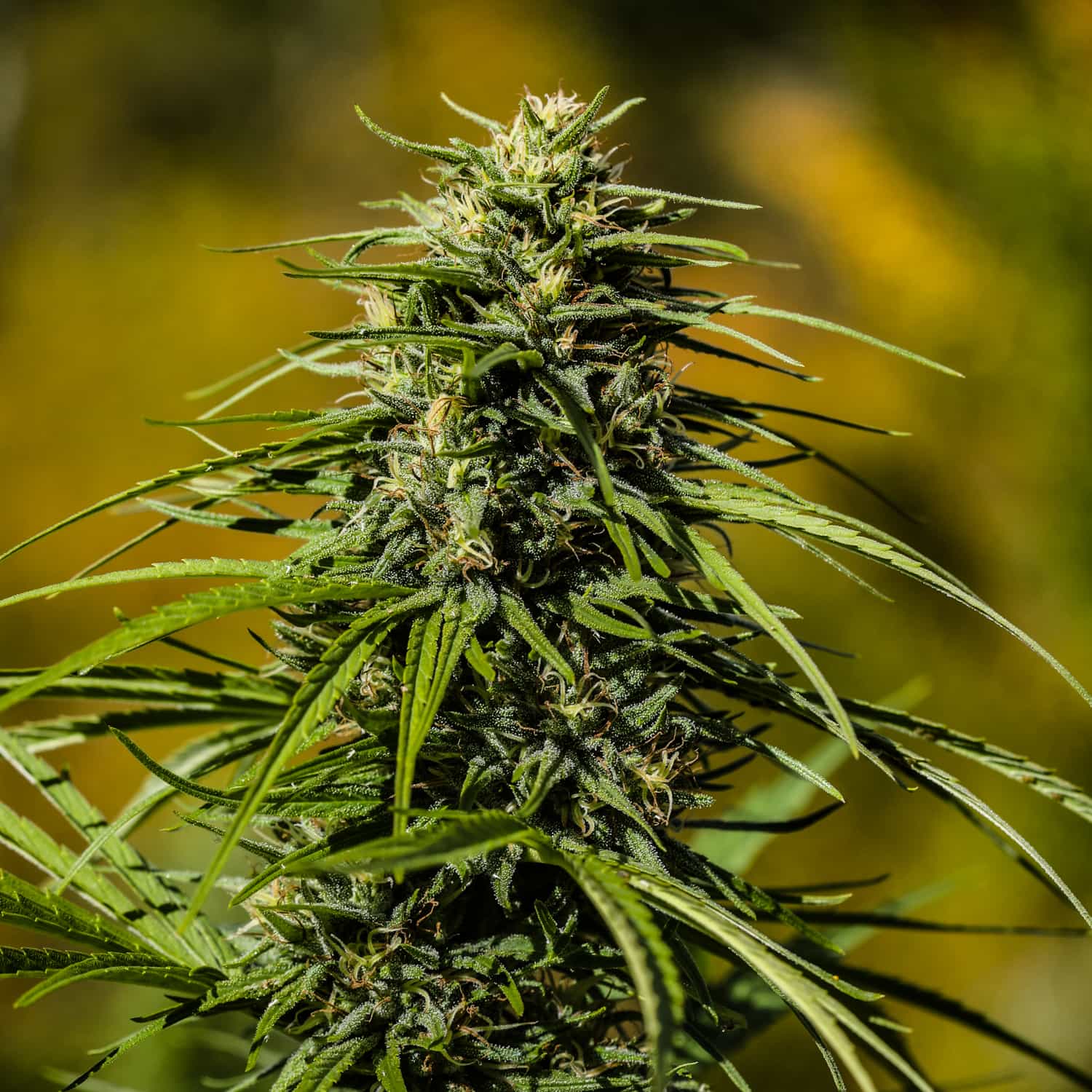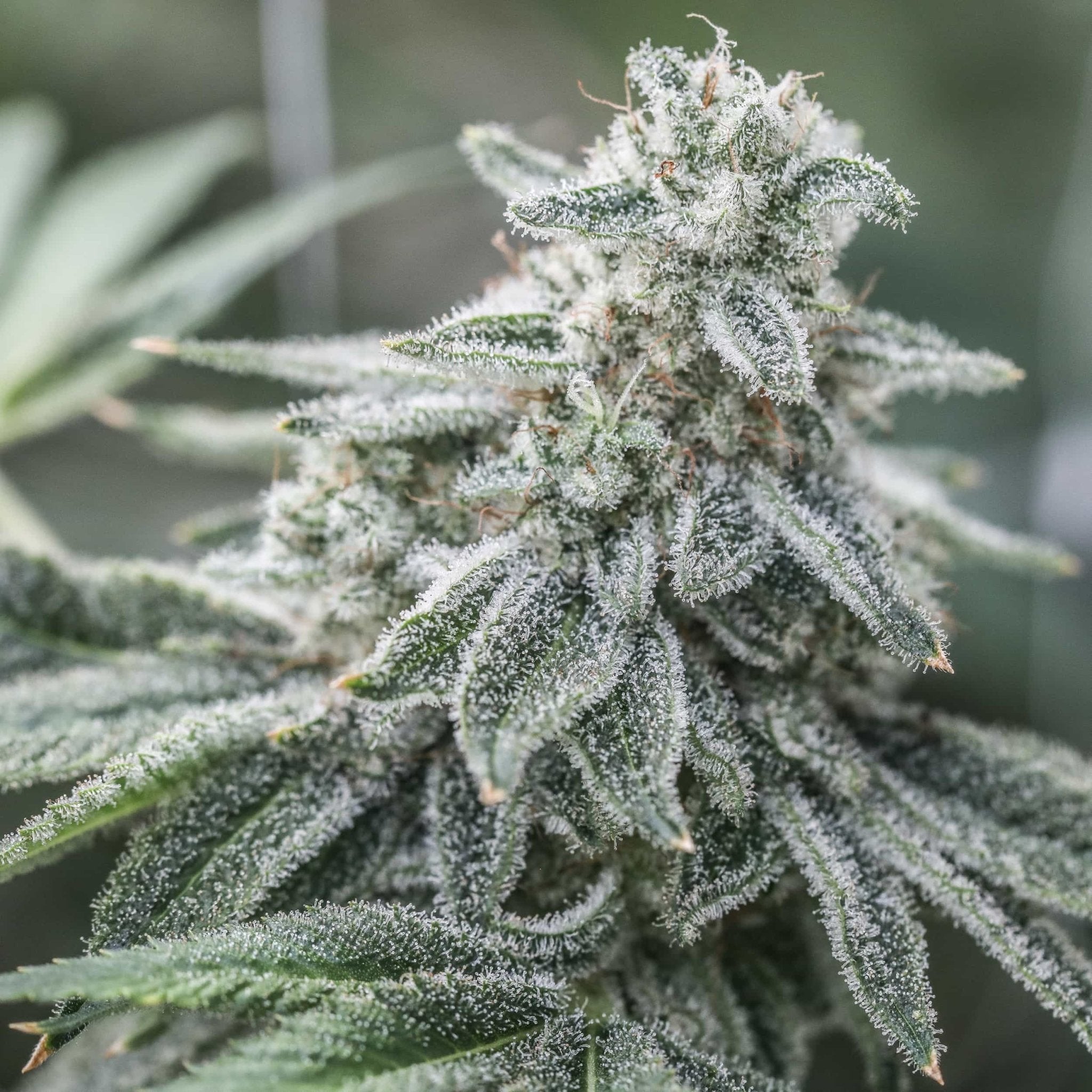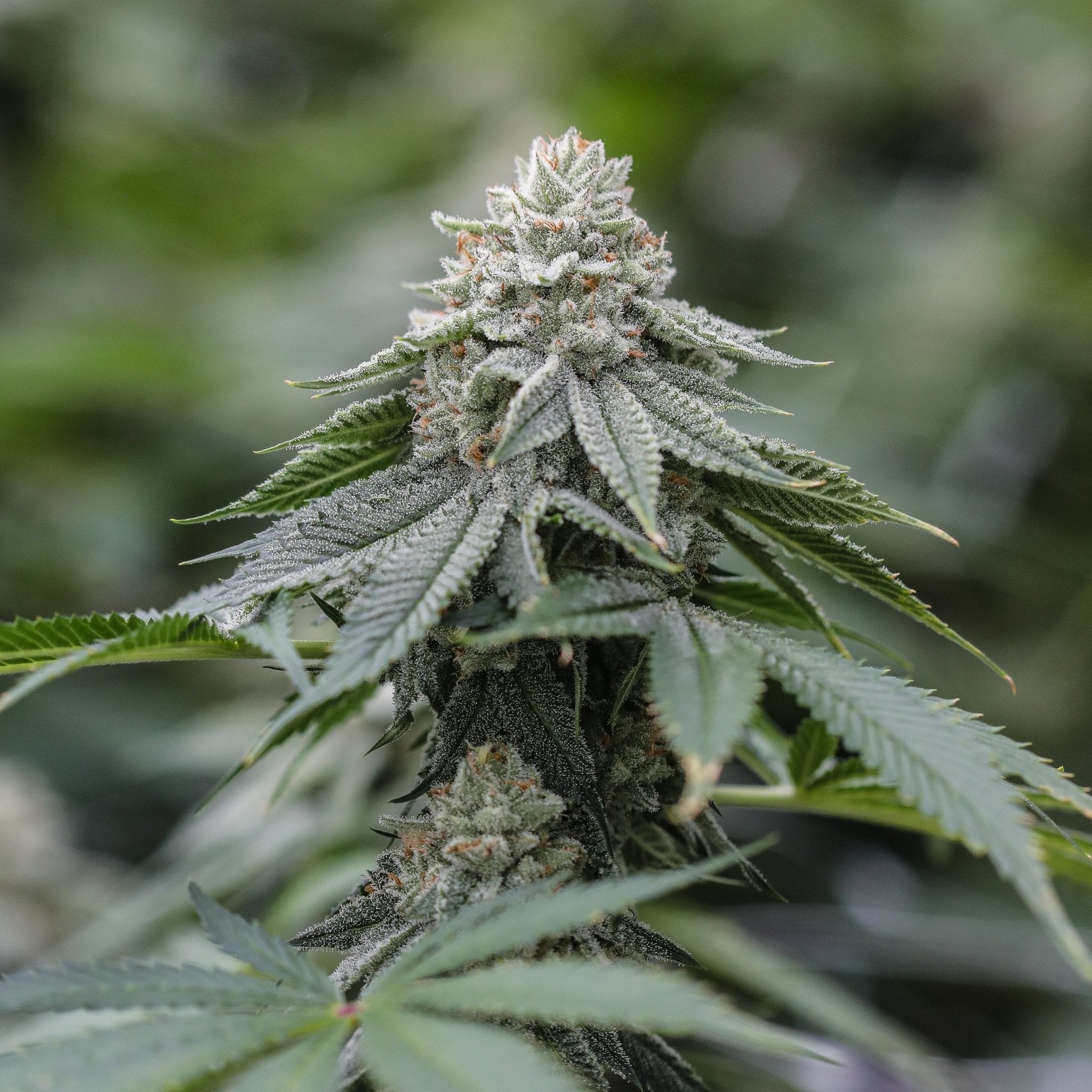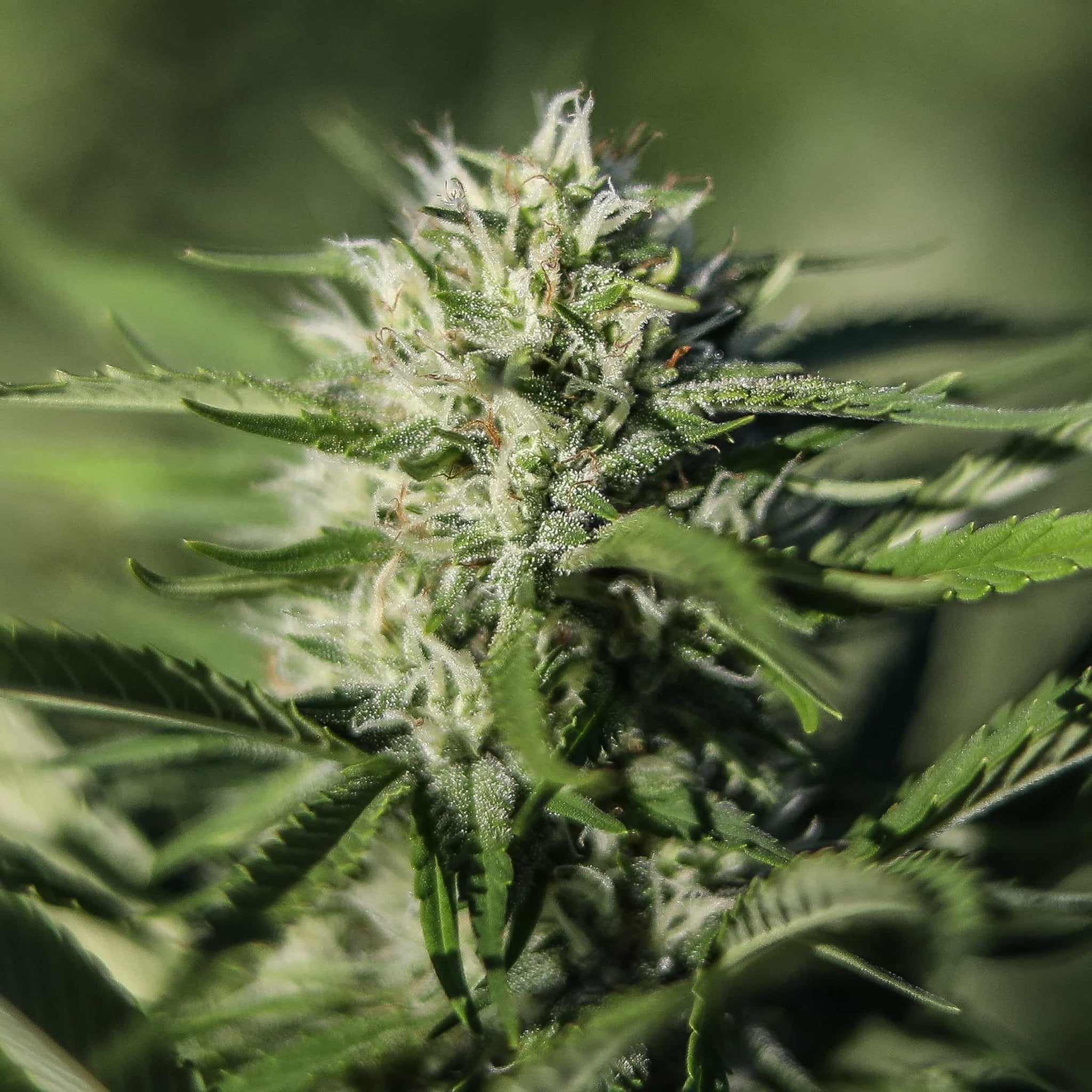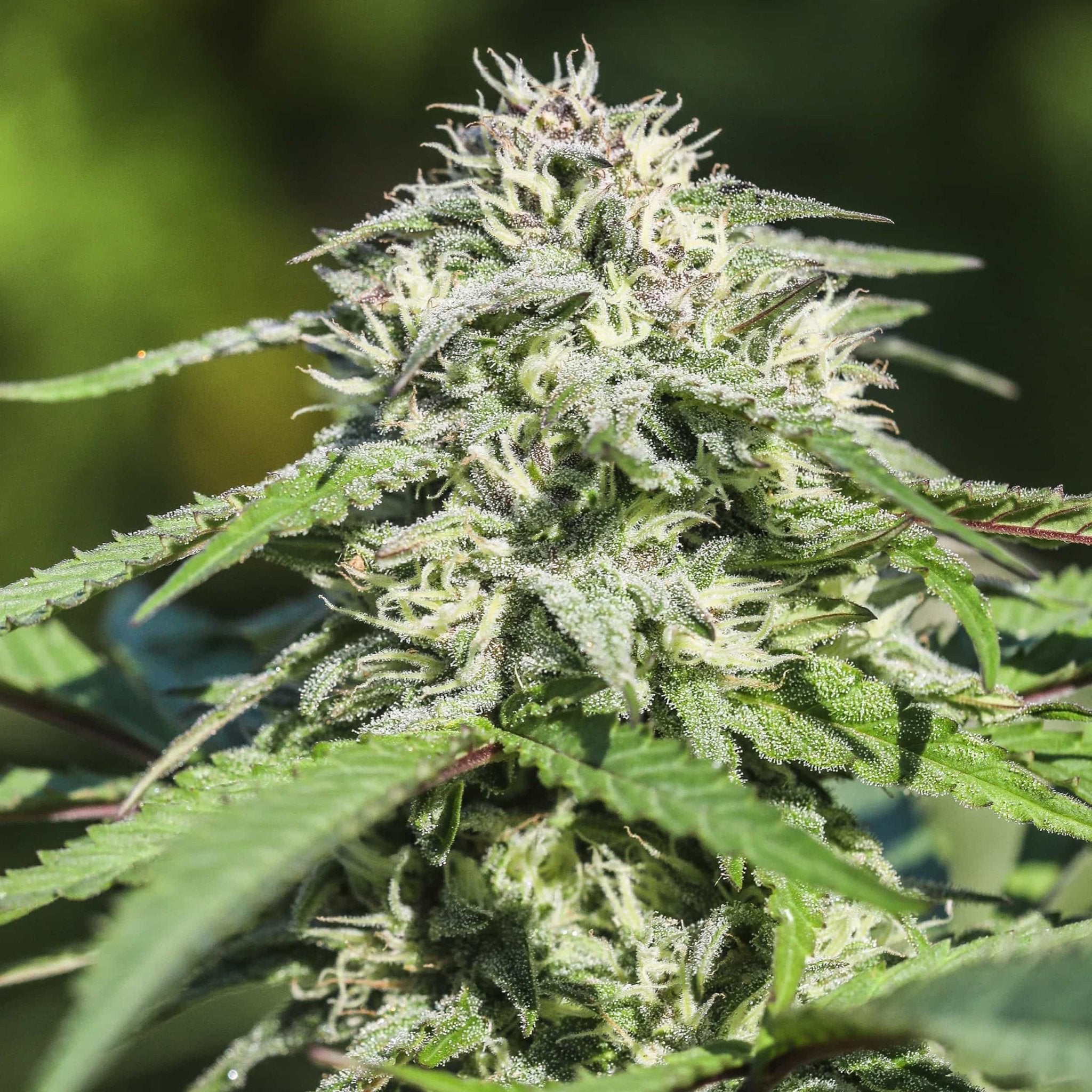


CBG (cannabigerol) is one of the most important cannabinoids produced by the cannabis plant. Often referred to as the "mother of all cannabinoids," CBG plays a central role in cannabinoid biosynthesis and has attracted increasing scientific interest for its unique pharmacological properties.
Although CBG occurs naturally in cannabis, most conventional varieties produce relatively small amounts of this cannabinoid at maturity. For decades, growers primarily cultivated cannabis for THC or CBD, leaving CBG largely overlooked.
Today, advances in cannabis breeding have changed that.
Through specialized genetic selection, breeders can now develop cannabis plants capable of producing substantial concentrations of CBG while maintaining exceptionally low THC levels.
At GTR Seeds, breeders Seth and Eric Crawford helped pioneer the development of commercially viable high-CBG cannabis genetics, making CBG-dominant varieties accessible to hemp farmers, cannabinoid processors, and home growers.
What Is CBG (Cannabigerol)?
Cannabigerol, commonly abbreviated CBG, is a naturally occurring, non-intoxicating phytocannabinoid found in cannabis.
CBG is chemically distinct from both CBD (cannabidiol) and THC (tetrahydrocannabinol), with its own molecular structure and pharmacological characteristics.
What makes CBG particularly interesting is its role in cannabinoid biosynthesis.
Cannabis plants initially produce cannabinoids in their acidic forms. One of the most important of these compounds is cannabigerolic acid (CBGA), which serves as a precursor for several major cannabinoids.
Through the activity of specialized enzymes, CBGA can be converted into:
-
THCA: The acidic precursor of THC.
-
CBDA: The acidic precursor of CBD.
-
CBCA: The acidic precursor of CBC.
When CBGA undergoes decarboxylation, it converts into CBG.
This central role in cannabinoid production is why CBG is frequently called the mother of all cannabinoids.
Technically, the nickname refers more accurately to CBGA, since CBGA is the precursor converted into several other cannabinoid acids.
CBG vs. CBD: What's the Difference?
Although CBG and CBD are both generally considered non-intoxicating cannabinoids, they have different chemical structures, biological activities, and roles within the cannabis plant.
| Characteristic | CBG | CBD |
|---|---|---|
| Full name | Cannabigerol | Cannabidiol |
| Molecular formula | C₂₁H₃₂O₂ | C₂₁H₃₀O₂ |
| Intoxicating | No | No |
| Primary acidic precursor | CBGA | CBDA |
| Naturally occurring | Usually low at maturity | Abundant in CBD-rich varieties |
| Commercial availability | Specialized genetics | Widely available |
| Scientific research | Emerging | More extensive |
Both cannabinoids are being studied for their interactions with biological systems, but their pharmacological properties are not identical.
CBG interacts with multiple receptor systems, including cannabinoid receptors and other molecular targets involved in physiological signaling.
CBD has been studied much more extensively in humans, while clinical research involving CBG remains relatively limited.
Why Is CBG Called the Mother of All Cannabinoids?
To understand why CBG is so important, it helps to examine how cannabis plants produce cannabinoids.
Cannabinoid biosynthesis begins with precursor molecules produced through the plant's metabolic pathways.
One of these pathways leads to the production of CBGA, a key intermediate in cannabinoid synthesis.
CBGA is then acted upon by specialized enzymes that determine which cannabinoids the plant predominantly produces.
For example:
CBGA → THCA → THC
CBGA → CBDA → CBD
CBGA → CBCA → CBC
The final conversion from cannabinoid acid to neutral cannabinoid generally occurs through decarboxylation, which can happen gradually over time or more rapidly when heat is applied.
In conventional THC- or CBD-dominant cannabis plants, much of the available CBGA is converted into THCA or CBDA as the plant matures.
This explains why mature cannabis flowers typically contain relatively little CBG.
However, specialized breeding can change that outcome.
How Do High CBG Cannabis Plants Produce So Much CBG?
One of the most interesting breakthroughs in cannabis breeding has been the development of plants that accumulate CBGA rather than converting most of it into other cannabinoids.
In many CBG-dominant genetics, the enzymes responsible for converting CBGA into THCA or CBDA are absent, inactive, or functionally limited.
As a result, the plant retains much larger quantities of CBGA throughout flower development.
When CBGA undergoes decarboxylation, it produces CBG.
This genetic characteristic allows CBG-dominant plants to produce substantial CBG concentrations while generating relatively little THC or CBD.
High CBG production is primarily a genetic characteristic, not something that can be achieved simply by harvesting ordinary cannabis plants early.
Although young cannabis plants may contain different proportions of cannabinoid precursors, harvesting conventional THC or CBD genetics prematurely is not equivalent to growing a true CBG-dominant variety.
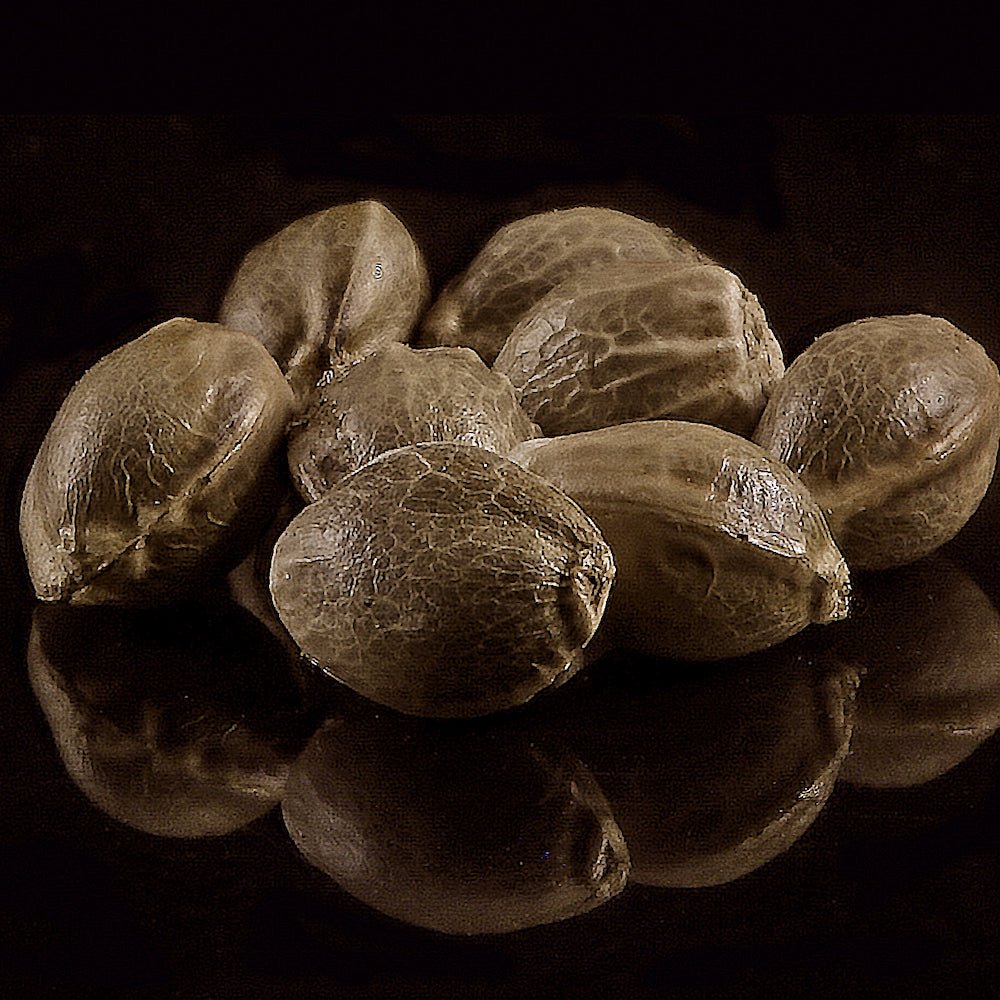
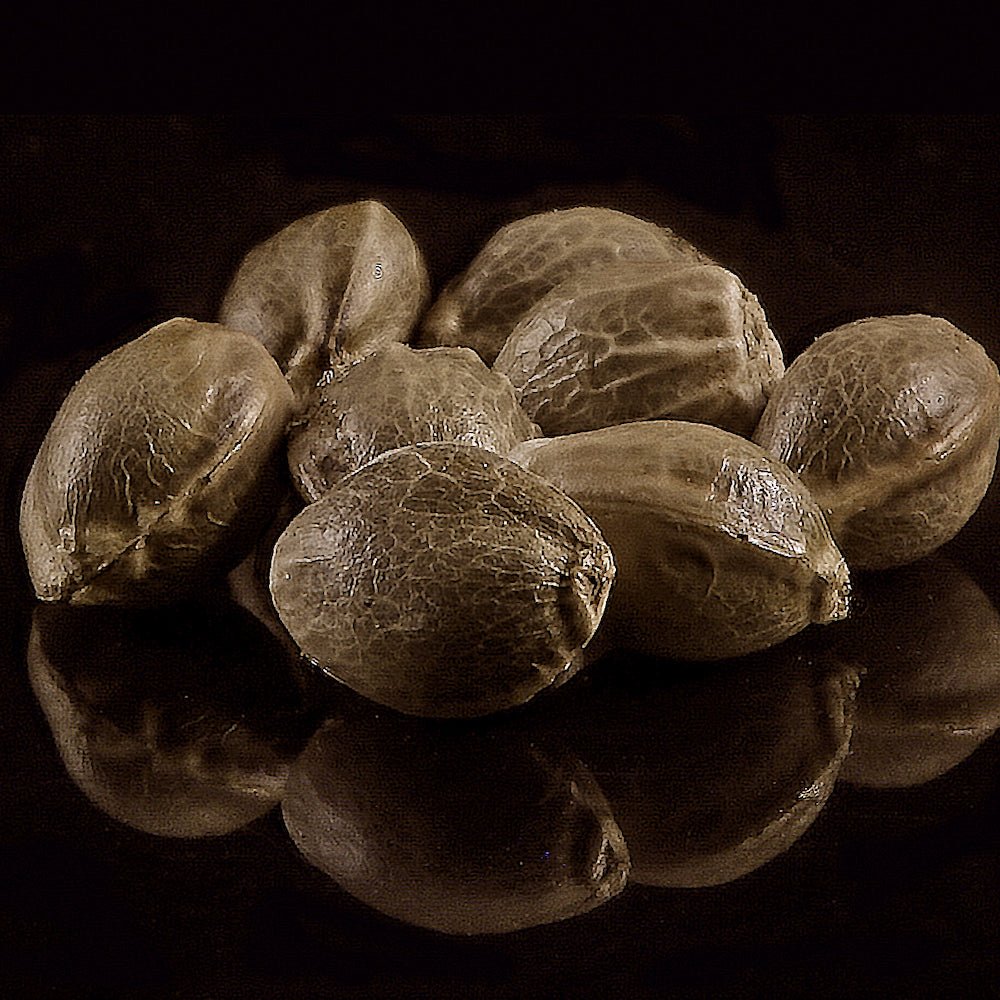
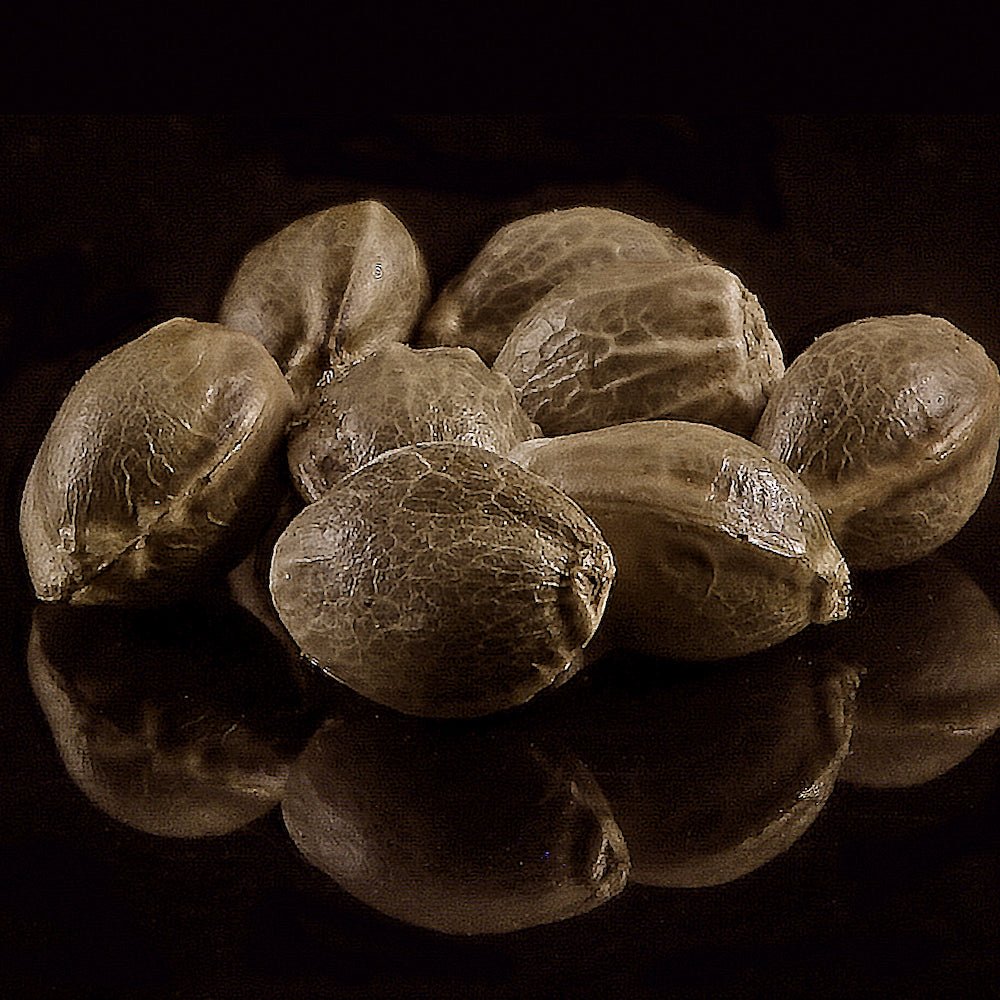
For commercial production, specialized CBG seeds are essential.
Why Are High CBG Cannabis Genetics Difficult to Breed?
Developing high-CBG cannabis seeds requires more than identifying plants with elevated CBG concentrations.
Breeders must select for multiple characteristics simultaneously, including cannabinoid production, plant vigor, flower yield, flowering time, genetic consistency, and THC compliance.
One of the biggest challenges is developing genetics that produce substantial CBG concentrations while maintaining exceptionally low THC levels.
Many high-CBG varieties developed by GTR Seeds have demonstrated CBG-to-THC ratios approaching or exceeding 100:1.
These favorable cannabinoid ratios can provide an important advantage for growers operating under strict hemp regulations.
However, total THC concentrations still depend on overall cannabinoid production, growing conditions, and the genetic characteristics of each variety.
GTR Seeds and the Development of High CBG Genetics
Breeders Seth and Eric Crawford were among the pioneers of commercially viable CBG-dominant cannabis genetics.
Through their work with Oregon CBD, they helped move CBG cultivation beyond experimental breeding and into commercial agricultural production.
Early varieties such as White CBG and Stem Cell CBG demonstrated that CBG-dominant plants could deliver substantial cannabinoid yields while maintaining desirable agricultural characteristics.
These developments helped establish CBG as a viable crop for farmers interested in alternatives to conventional CBD hemp production.
Today, GTR Seeds continues advancing CBG genetics through improved flower production, aromatic breeding selections, and innovative triploid cannabis varieties.
What Does Scientific Research Say About CBG?
CBG has attracted growing scientific attention because of its interactions with cannabinoid receptors and other biological pathways.
Researchers have investigated CBG in relation to stress, anxiety, inflammation, neurological function, and other areas of potential therapeutic interest.
Although some findings are encouraging, much of the available evidence comes from laboratory and animal studies, and human clinical research remains limited.
Here are three peer-reviewed publications worth exploring.
1. CBG, Anxiety, Stress, and Mood (2024)
A randomized, double-blind, placebo-controlled study published in Scientific Reports investigated the acute effects of CBG in 34 healthy adults.
Participants received either 20 mg of hemp-derived CBG or a placebo during separate experimental sessions.
Researchers observed reductions in self-reported anxiety and stress following CBG administration compared with placebo.
The study also found no evidence of subjective intoxication or measurable motor impairment under the tested conditions.
Although the results were promising, the study was relatively small and examined only short-term effects.
Read the study in Scientific Reports
2. CBG and Inflammatory Bowel Disease (2013)
A study published in Biochemical Pharmacology investigated the effects of CBG in an experimental mouse model of colitis.
Researchers found that CBG reduced several indicators of intestinal inflammation and oxidative stress.
The findings generated scientific interest in CBG's potential anti-inflammatory properties.
However, because the study was conducted in animals and laboratory systems, its findings cannot be directly applied to human medical treatment.
3. The Pharmacological Case for Cannabigerol (2021)
A scientific review published in the Journal of Pharmacology and Experimental Therapeutics examined CBG's pharmacological characteristics and potential therapeutic applications.
The review discussed CBG's interactions with multiple biological targets and summarized research involving inflammation, neurological disorders, and antibacterial activity.
The authors highlighted the scientific potential of CBG while emphasizing the need for additional clinical research.
Explore CBG pharmacology research on PubMed
While CBG is an increasingly important subject of cannabinoid research, it has not been established as an effective treatment for anxiety, inflammatory bowel disease, or other medical conditions. Results involving purified CBG cannot automatically be attributed to CBG-rich cannabis flower.
Can Cannabis Plants Produce High Concentrations of CBG?
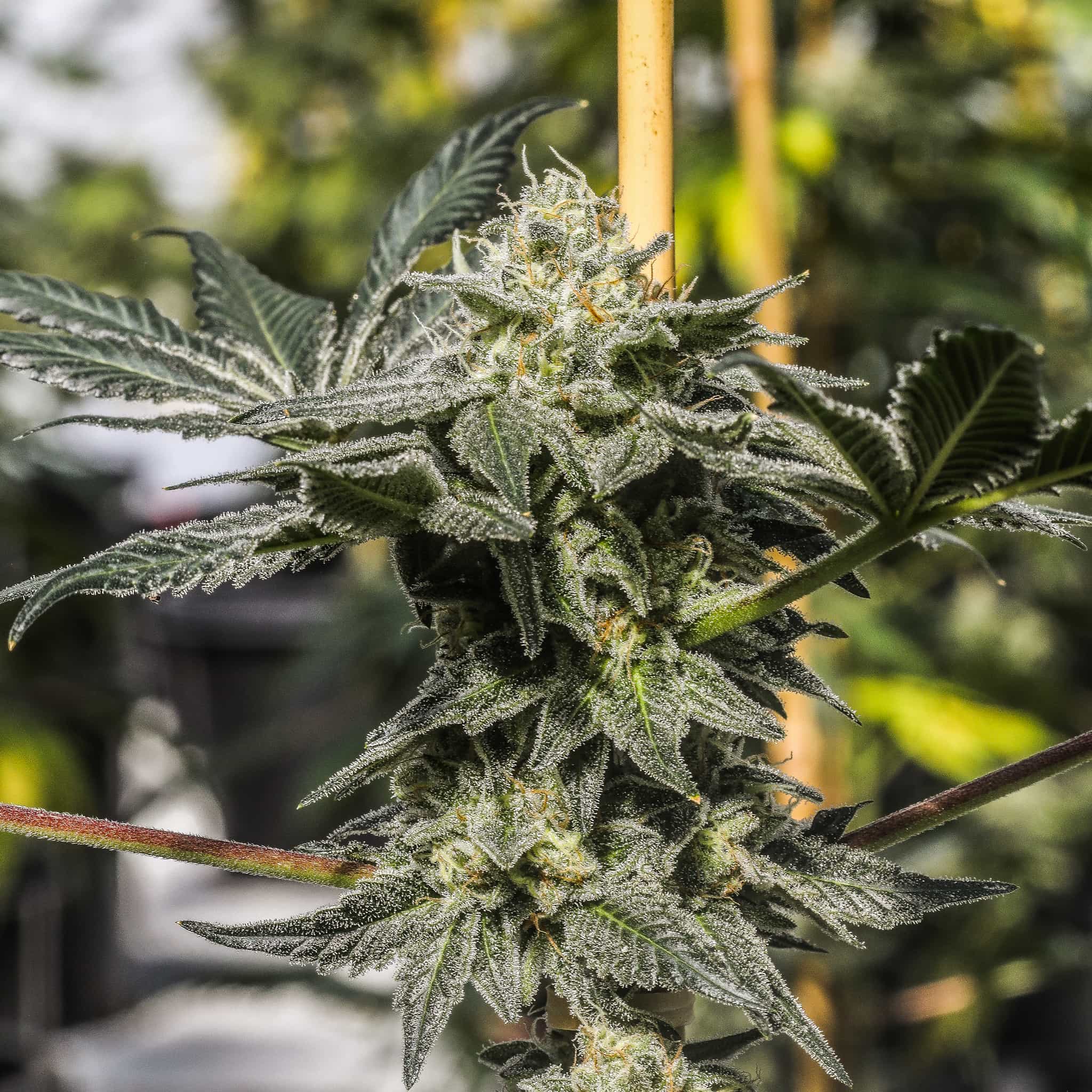
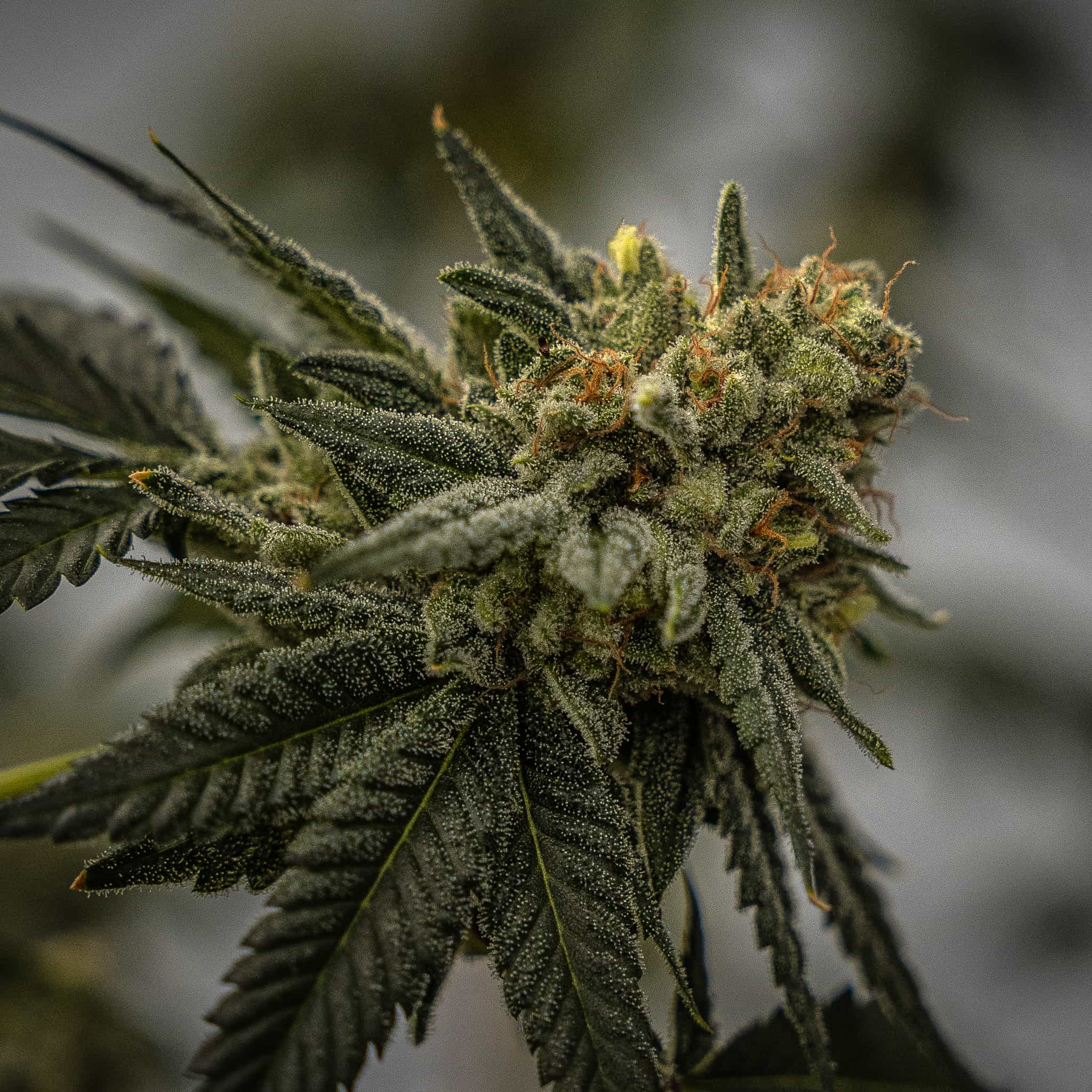
Yes! Specialized CBG-dominant genetics can produce substantial concentrations of CBG while maintaining very low THC levels.
Unlike conventional cannabis varieties, which predominantly accumulate THCA or CBDA, high-CBG plants retain large quantities of CBGA throughout flower development.
The total amount of CBG produced depends on genetics, environmental conditions, plant health, and cultivation practices.
For commercial growers, total cannabinoid yield per acre is often just as important as cannabinoid concentration.
A variety producing slightly lower CBG percentages but substantially greater flower biomass may ultimately deliver more total CBG than a smaller, higher-concentration plant.
This is why GTR Seeds focuses on both cannabinoid profiles and agricultural performance when developing new CBG genetics.
High CBG Seeds from GTR Seeds
GTR Seeds and Oregon CBD have spent years developing specialized CBG genetics for commercial farmers and smaller cultivators.
Our breeding program includes traditional diploid CBG varieties, premium flower genetics, and innovative feminized triploid cannabis seeds.
Some of our standout CBG varieties include:
White CBG
White CBG is one of our original high-CBG varieties and remains a favorite among growers seeking reliable cannabinoid production and attractive flowers.
Known for its dense, resin-rich flowers and fast-finishing characteristics, White CBG helped establish CBG as a commercially viable cannabinoid crop.
Stem Cell CBG
Stem Cell CBG was developed with agricultural productivity in mind.
This vigorous, high-yielding variety is particularly well suited to commercial biomass production and cannabinoid extraction.
Its combination of strong growth, substantial flower production, and favorable CBG-to-THC ratios makes it a dependable choice for commercial cultivation.
White CBG Seedless
White CBG Seedless combines the desirable flower characteristics of White CBG with the reduced fertility associated with triploid cannabis.
This feminized triploid variety offers growers an exciting option for premium CBG flower production in environments where unwanted pollination may be a concern.
Stem Cell CBG Seedless
Stem Cell CBG Seedless represents another advancement in GTR Seeds' triploid breeding program.
In our breeding trials, this variety demonstrated more than 30% greater flower production compared with its diploid counterpart.
That increased production potential, combined with high CBG concentrations and reduced fertility, makes it particularly interesting for commercial growers.
Sour CBG Seedless
Sour CBG Seedless combines CBG-dominant cannabinoid production with distinctive aromatic characteristics and the advantages of triploid genetics.
For growers interested in premium CBG flower, this variety offers an alternative to traditional biomass-focused CBG genetics.
Explore the GTR Seeds CBG Seed Collection to discover our full selection of high-CBG genetics.
Why Triploid CBG Seeds?
One of the most exciting developments in CBG breeding is the introduction of triploid cannabis genetics.
Conventional cannabis plants are diploid, meaning they contain two sets of chromosomes. Triploid cannabis plants contain three sets.
This difference typically results in significantly reduced fertility, making triploid plants far less likely to produce mature seeds following pollen exposure.
For growers producing premium CBG flower, this can be a valuable characteristic, particularly in agricultural environments where unwanted pollination is difficult to control.
Triploid breeding also provides opportunities to combine desirable cannabinoid profiles with improved agricultural characteristics.
However, triploidy does not automatically increase CBG concentrations or guarantee greater yields. These characteristics still depend on the underlying genetics and breeding selections.
Frequently Asked Questions About CBG
Is CBG the same as CBD?
No. CBG and CBD are chemically distinct cannabinoids with different molecular structures and pharmacological properties. Both are generally considered non-intoxicating, but they interact differently with biological systems.
Does CBG get you high?
CBG is generally considered non-intoxicating and is not known to produce the characteristic intoxicating effects associated with THC. However, CBG-rich cannabis products may contain other cannabinoids, including THC.
Why is CBG called the mother of all cannabinoids?
CBG receives this nickname because its acidic precursor, CBGA, is used by cannabis plants to produce several major cannabinoid acids, including THCA, CBDA, and CBCA.
Are CBG seeds different from CBD seeds?
Yes. CBG-dominant seeds are bred from genetics that accumulate CBGA rather than converting most of it into CBDA or THCA. CBD-dominant seeds produce plants that primarily accumulate CBDA.
Is CBG naturally found in cannabis?
Yes. CBG occurs naturally in cannabis, although most conventional varieties produce relatively small amounts at maturity. Specialized breeding makes high-CBG production possible.
Can CBG-rich cannabis be legally grown as hemp?
Potentially, depending on the jurisdiction and the plant's THC concentrations.
Many CBG-dominant varieties have very favorable CBG-to-THC ratios, but cannabinoid ratios alone do not guarantee legal compliance.
Growers should review applicable regulations, testing requirements, and the cannabinoid profiles of their chosen varieties.
What are the best CBG seeds for commercial cultivation?
The best variety depends on the grower's production goals.
Stem Cell CBG and Stem Cell CBG Seedless are strong options for biomass production, while White CBG and White CBG Seedless are particularly attractive for growers interested in premium CBG flower.
The Future of CBG Cannabis Genetics
CBG represents one of the most important achievements in modern cannabinoid breeding.
What was once a relatively obscure cannabinoid found in small quantities in conventional cannabis can now be produced commercially through specialized genetics.
As scientific interest in CBG continues to expand, breeding programs will play an increasingly important role in improving cannabinoid production, agricultural performance, and genetic consistency.
At GTR Seeds, we're proud of the pioneering work that helped establish CBG as a commercially viable cannabinoid crop.
From our original high-CBG varieties to advanced triploid cannabis seeds, we continue developing genetics that expand what's possible in cannabis cultivation.
Interested in growing CBG-rich cannabis? Explore our high CBG cannabis seeds and discover the next generation of CBG genetics from GTR Seeds.
This article is provided for educational purposes. Cannabinoid concentrations, yields, and plant performance vary with genetics and growing conditions. The research discussed does not establish medical benefits from CBG-rich cannabis products.