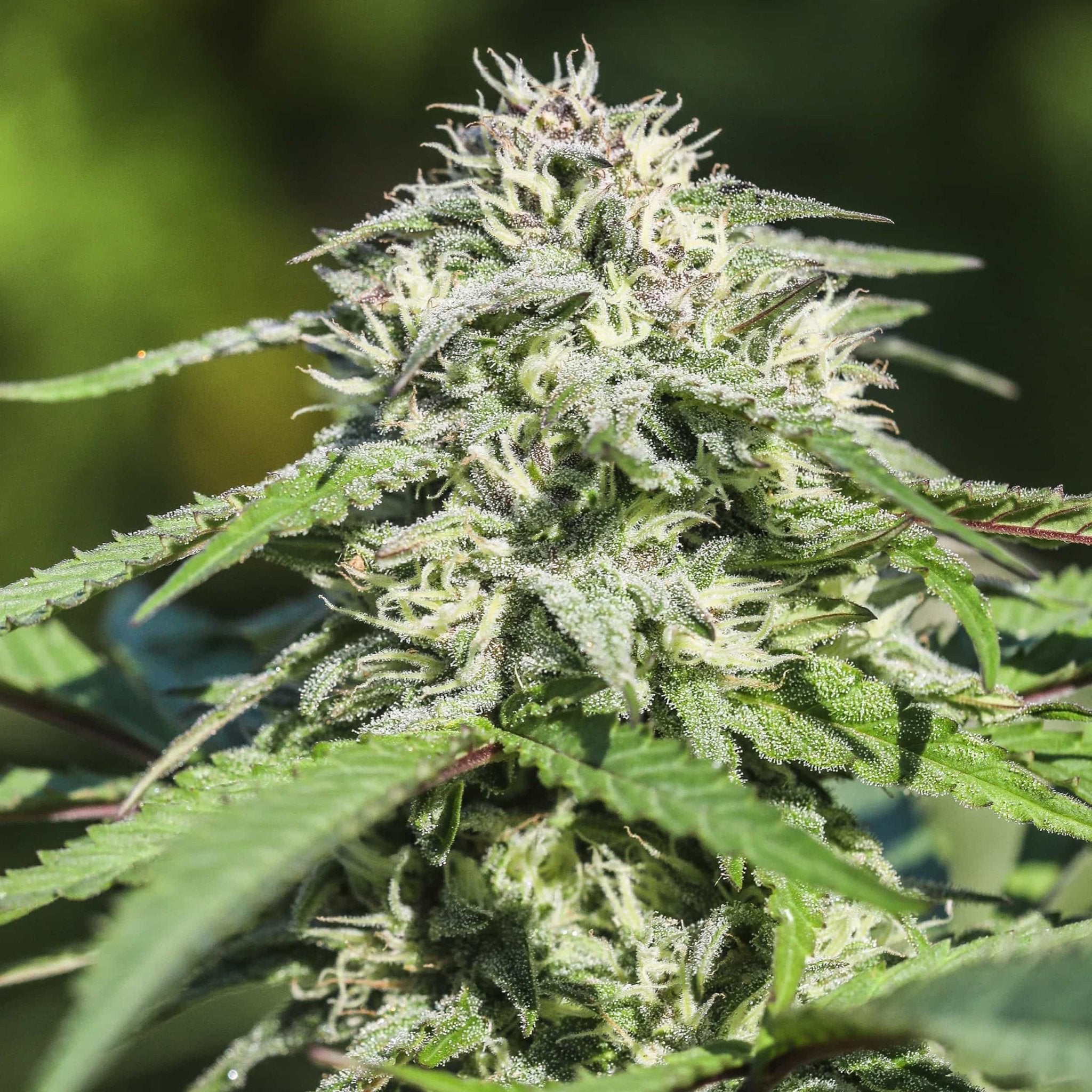


CBDV, or cannabidivarin, is one of the more interesting minor cannabinoids found in cannabis. Closely related to CBD, this naturally occurring, non-intoxicating compound has attracted scientific interest for its potential neurological effects.
But unlike CBD, which can be found in high concentrations in countless cannabis varieties, CBDV has historically been much harder to come by.
For years, finding cannabis plants capable of producing meaningful quantities of CBDV was a serious challenge. Thanks to advances in breeding and a better understanding of cannabinoid genetics, that's finally changing.
At GTR Seeds, we've spent years developing rare cannabinoid genetics, including CBDV-rich varieties that combine unusual chemistry with the flower quality and agricultural performance growers expect.
What Is CBDV?
Cannabidivarin (CBDV) is a naturally occurring cannabinoid structurally similar to cannabidiol (CBD).
The primary difference is its molecular structure. CBD has a five-carbon side chain, while CBDV has a shorter, three-carbon side chain.
That puts CBDV in a family of cannabinoids commonly called varins, which also includes THCV (tetrahydrocannabivarin) and CBGV (cannabigerovarin).
Although CBDV and CBD share similarities, they aren't interchangeable. Their chemical differences can influence how they interact with biological systems.
Like CBD, CBDV is generally considered non-intoxicating, meaning it isn't known to produce the characteristic high associated with THC.
CBDV vs. CBD: What's the Difference?
| Characteristic | CBD | CBDV |
|---|---|---|
| Full name | Cannabidiol | Cannabidivarin |
| Carbon side chain | Five carbons | Three carbons |
| Intoxicating | No | Generally no |
| Natural abundance | Common in CBD-rich cannabis | Usually present in small amounts |
| Research | Relatively extensive | Early-stage |
| Commercial genetics | Widely available | Specialized breeding required |
One of the biggest differences is simply how much of each cannabinoid a cannabis plant can produce.
Most conventional CBD varieties produce little more than trace amounts of CBDV. Growing those plants under different conditions won't suddenly turn them into high-CBDV producers.
That requires the right genetics.
Why Is CBDV So Rare in Cannabis?
Cannabis plants produce cannabinoids through a series of biochemical reactions involving precursor molecules and specialized enzymes.
CBDV is produced through a pathway closely related to CBD production, but with a key difference.
Most cannabis plants predominantly produce five-carbon cannabinoid precursors, which eventually become cannabinoids such as CBD and THC.
CBDV production instead relies on shorter, three-carbon precursors.
One important intermediate is cannabigerovarinic acid (CBGVA), which can be converted into cannabidivarinic acid (CBDVA). When CBDVA undergoes decarboxylation, it becomes CBDV.
The challenge is finding plants that naturally produce substantial amounts of these shorter-chain precursors.
That's why CBDV-rich cannabis has historically been so uncommon.
Research into cannabis genetics has begun identifying some of the genes associated with varin production, including genes involved in fatty acid metabolism.
These discoveries are helping explain why certain plants produce CBDV and THCV while most others produce almost none.
For a deeper look at our work developing these unusual genetics, read the story behind our varin-rich cannabis breeding program.
What Are the Potential Benefits of CBDV?
CBDV has attracted attention primarily because of its potential effects on neurological signaling.
Researchers have investigated CBDV in relation to epilepsy, autism spectrum disorder, and several other neurological conditions.
However, it's important to distinguish promising early research from demonstrated medical benefits.
CBDV has not been established as an effective treatment for these conditions, and human clinical research remains limited.
Here are three published studies worth exploring.
CBDV and Epilepsy: A Clinical Trial
A randomized, placebo-controlled Phase 2 trial investigated CBDV in 162 adults with inadequately controlled focal seizures.
Although seizure frequency decreased in both groups, researchers did not find a statistically significant difference between CBDV and placebo.
This is an important finding. While earlier research suggested CBDV might have anticonvulsant properties, the clinical results did not demonstrate a clear treatment benefit.
Read the clinical trial in Cannabis and Cannabinoid Research.
CBDV and Rett Syndrome
A small Phase 1 study investigated CBDV in five girls with Rett syndrome and drug-resistant epilepsy.
Researchers reported reductions in seizure frequency during treatment, but the study was extremely small and lacked a placebo control group.
The results are interesting, but they cannot establish whether CBDV caused the improvements.
CBDV and Autism Spectrum Disorder
Researchers have also investigated CBDV's potential neurological effects in preclinical studies related to autism spectrum disorder.
A 2021 scientific review examined the available animal and human evidence involving CBDV, epilepsy, and autism.
The authors highlighted several areas worthy of further investigation, while emphasizing the limited clinical evidence.
Read Therapeutic Potential of Cannabidivarin for Epilepsy and Autism Spectrum Disorder.
These studies help explain the scientific interest in CBDV, but they don't establish that consuming CBDV-rich cannabis flowers or extracts will produce the same effects observed in controlled experiments using purified CBDV.
Can Cannabis Plants Produce High CBDV Concentrations?
Absolutely. But developing plants capable of doing so takes considerable breeding work.
Historically, most cannabis varieties produced CBDV only in trace amounts. Breeders had to identify rare plants with unusually high proportions of varin cannabinoids and then improve those genetics over multiple generations.
The challenge isn't simply increasing CBDV content.
Early varin-rich plants can have undesirable characteristics, including poor flower structure, low yields, and long flowering times.
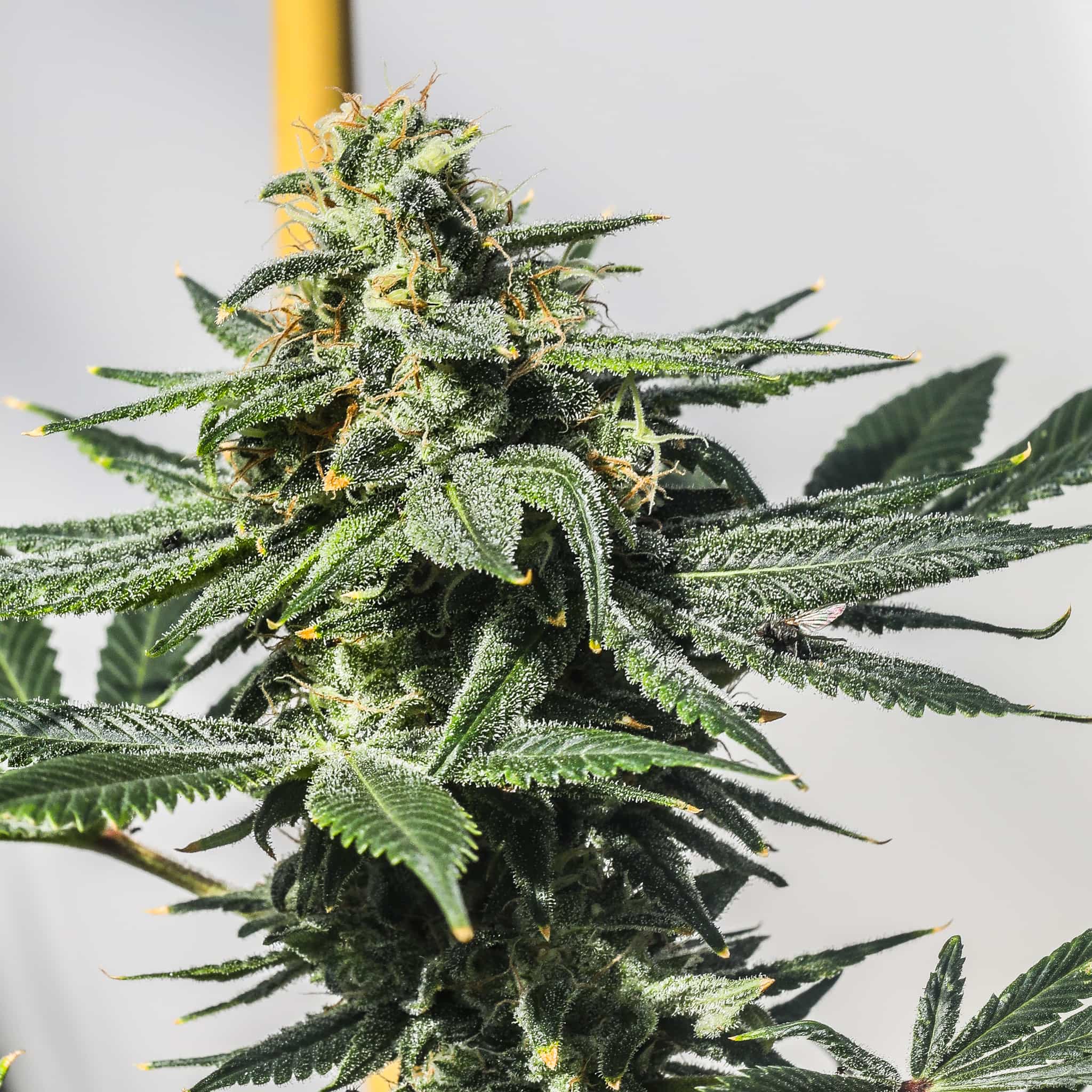
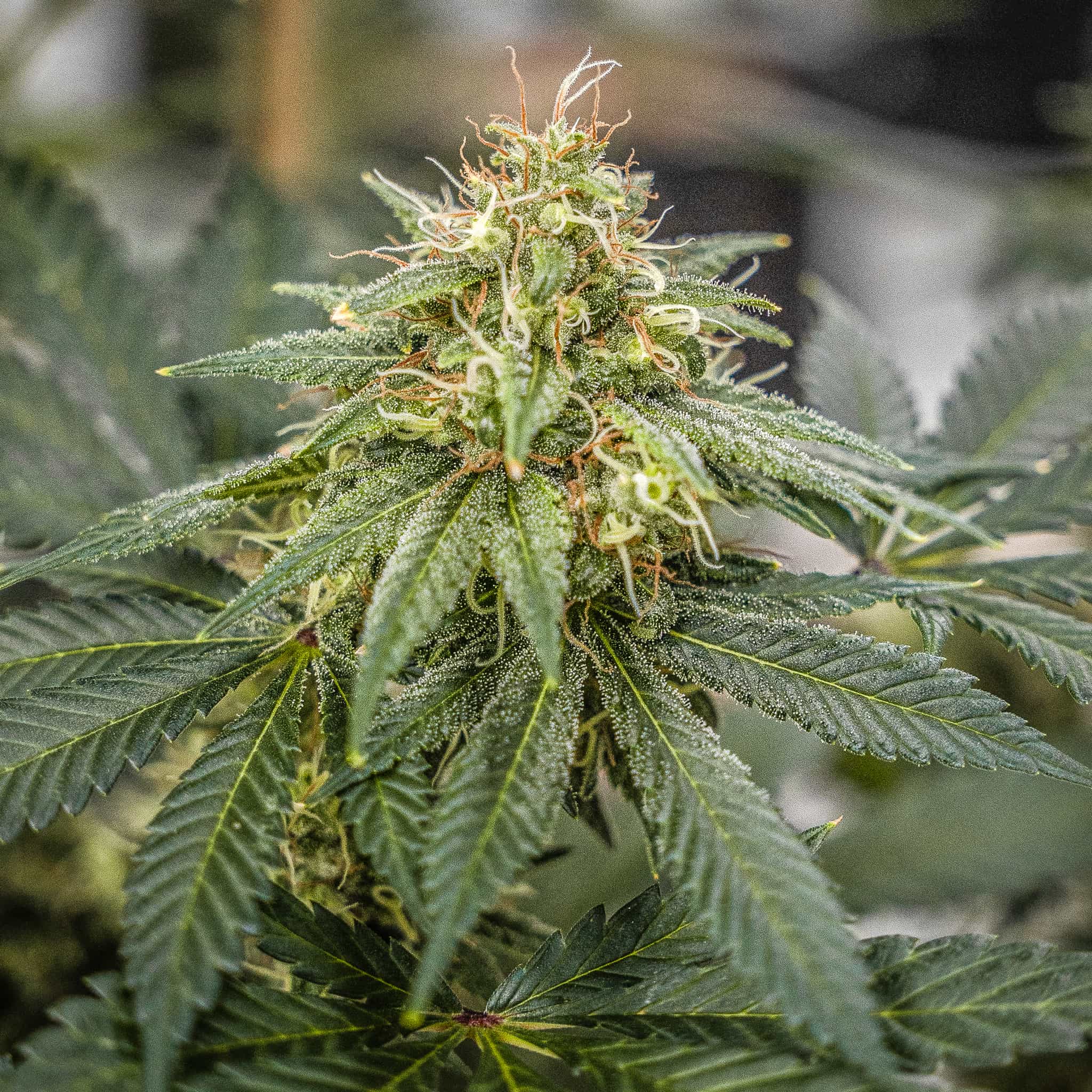
At GTR Seeds, our breeding work has focused on combining meaningful CBDV production with desirable aromas, flower quality, plant vigor, and consistent performance.
We want varieties that growers can actually produce successfully, not just plants with unusual laboratory results.
CBDV Cannabis Seeds from GTR Seeds
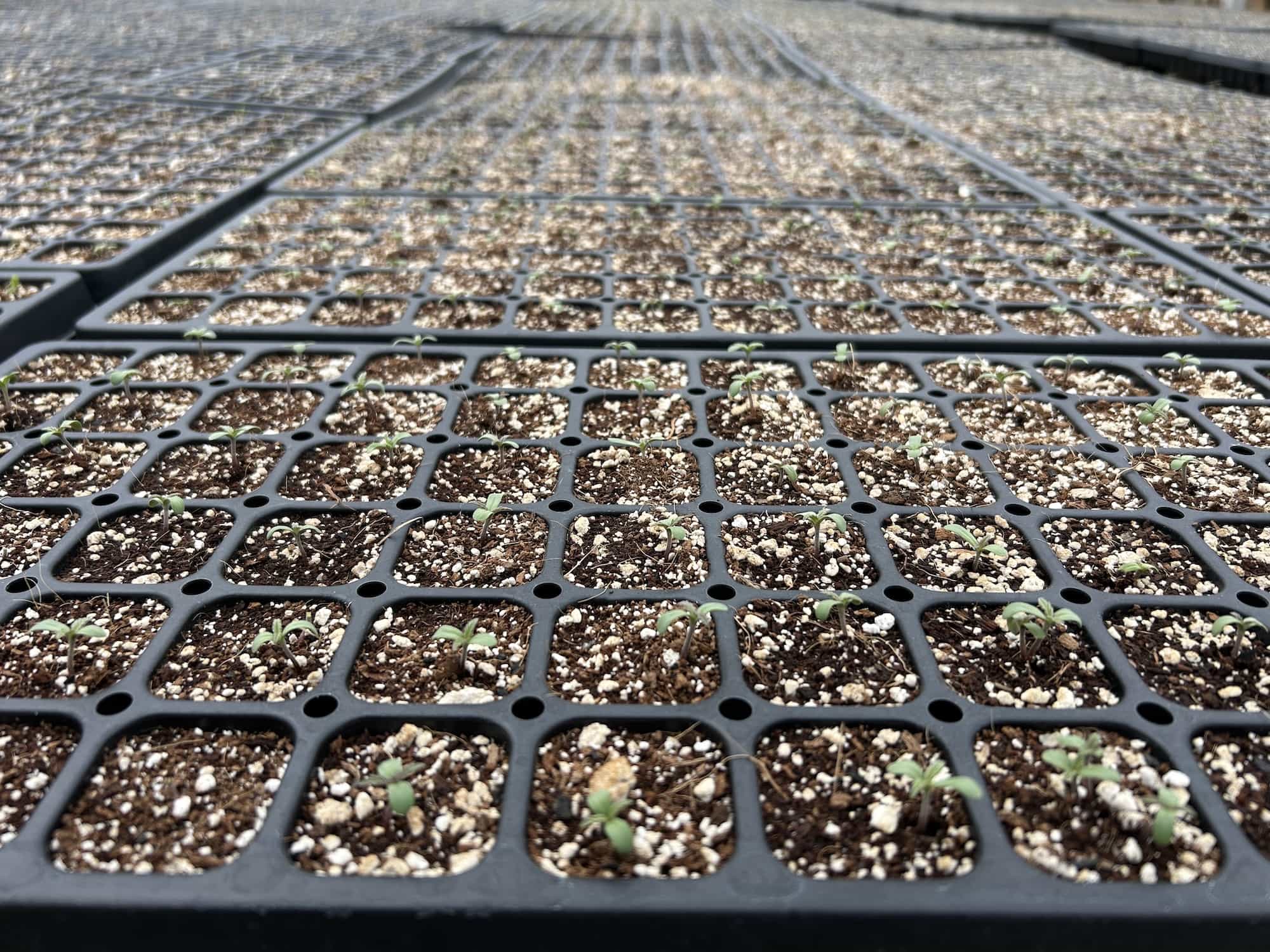
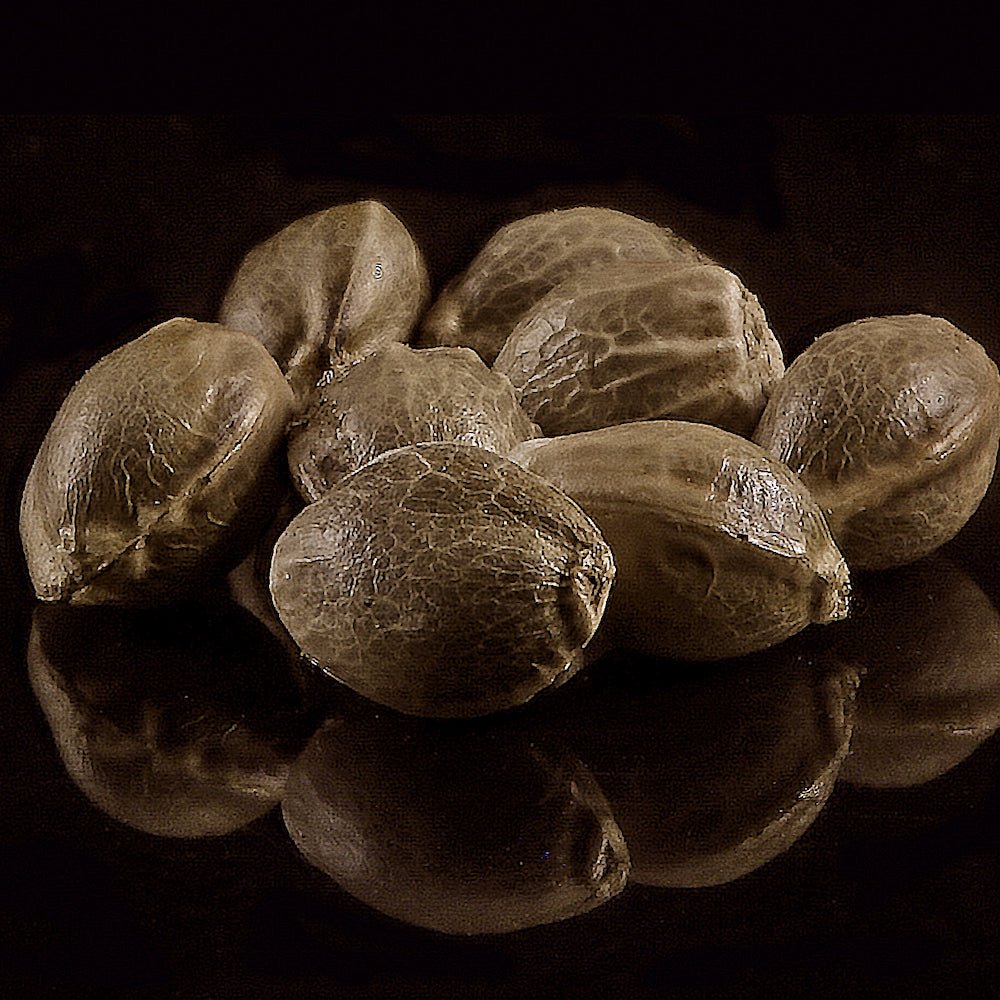
Our breeding program has produced several CBDV-rich varieties, including feminized triploid genetics.
One of our offerings is Castaway CBDV Seedless, developed to combine rare cannabinoid production with the reduced fertility associated with triploid cannabis.
We've also developed varieties such as Forbidden V Seedless and Pine Walker Seedless as part of our broader CBDV breeding program.
These genetics represent years of work selecting for cannabinoid content, plant performance, and flower quality.
You can explore our current offerings in the CBDV seed collection.
Why Triploid CBDV Cannabis?
Triploid cannabis plants have three sets of chromosomes rather than the two found in conventional diploid plants.
This generally results in substantially reduced fertility, making triploid plants less likely to produce mature seeds when exposed to pollen.
For growers producing premium CBDV flower, that can be a significant advantage.
Triploid genetics can also offer opportunities for developing new combinations of desirable traits.
However, triploidy doesn't automatically increase CBDV production. The cannabinoid profile still depends on the underlying genetics.
Learn more about triploid cannabis and how it works.
Frequently Asked Questions About CBDV
Does CBDV get you high?
CBDV is generally considered non-intoxicating and isn't known to produce the characteristic high associated with THC. However, CBDV-rich cannabis products may contain THC or other cannabinoids.
Is CBDV the same as CBD?
No. CBDV and CBD are closely related cannabinoids, but CBDV has a shorter, three-carbon side chain. They also have different pharmacological properties.
Is CBDV naturally found in cannabis?
Yes. CBDV occurs naturally in cannabis, although most conventional varieties produce very small amounts. Specialized breeding can dramatically increase its concentration.
What is the difference between CBDV and THCV?
Both belong to the varin cannabinoid family. CBDV is structurally related to CBD, while THCV is structurally related to THC. They differ in their chemical structures, biosynthetic pathways, and pharmacological properties.
Can CBDV-rich cannabis be grown as hemp?
Potentially, depending on the variety, its total THC concentration, and applicable regulations. CBDV content alone doesn't determine whether a plant qualifies as hemp.
Growers should review current cultivation requirements and cannabinoid testing results before planting.
The Future of CBDV-Rich Cannabis
For decades, the cannabis industry focused almost entirely on THC, followed by CBD. But the plant is capable of producing a much wider range of cannabinoids, many of which are only beginning to receive serious scientific attention.
CBDV is a great example.
What was once a rare compound found in trace amounts can now be produced in meaningful concentrations through specialized breeding.
At GTR Seeds, we're excited to continue improving these genetics and exploring what other rare cannabinoids we can bring into commercial production.
And as research into CBDV continues, we hope scientists gain a better understanding of its biological properties and potential applications.
Interested in growing CBDV-rich cannabis? Explore our CBDV cannabis seeds and discover what years of rare cannabinoid breeding have made possible.
The scientific research discussed here is preliminary and does not establish medical benefits from CBDV-rich cannabis products.