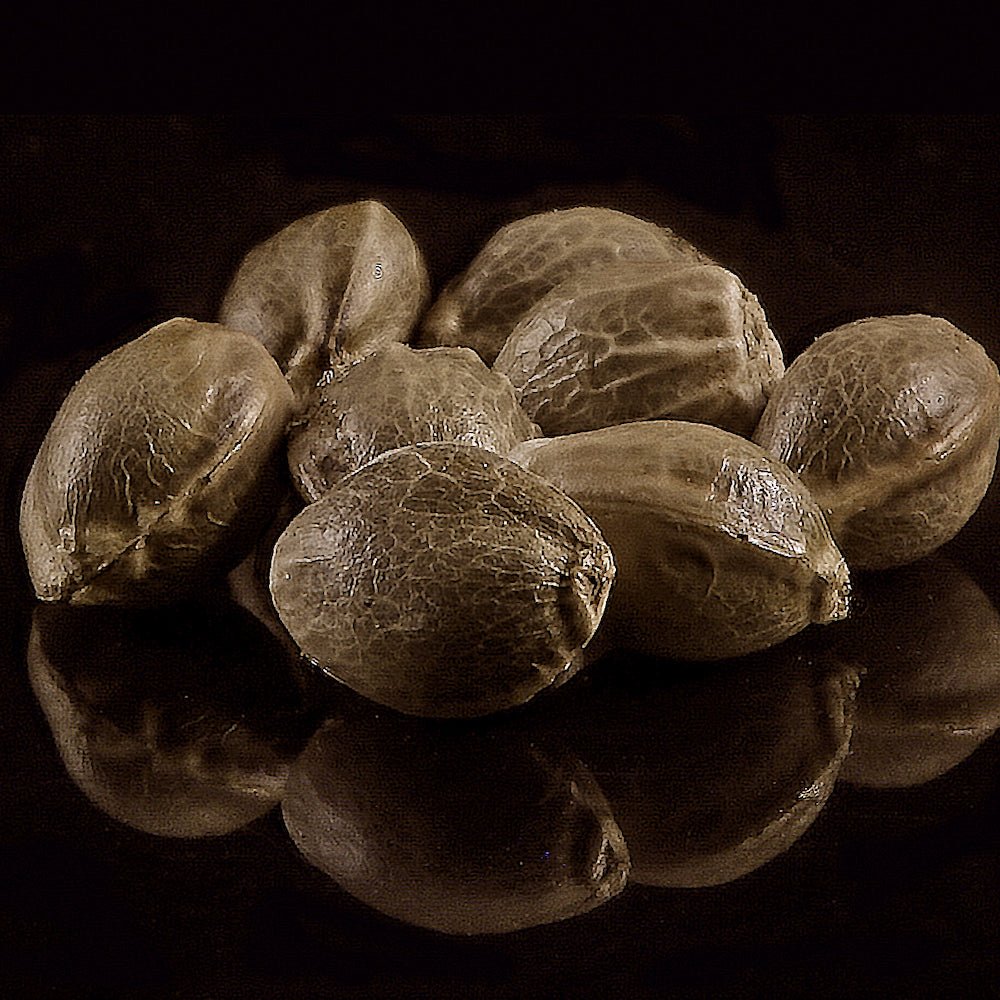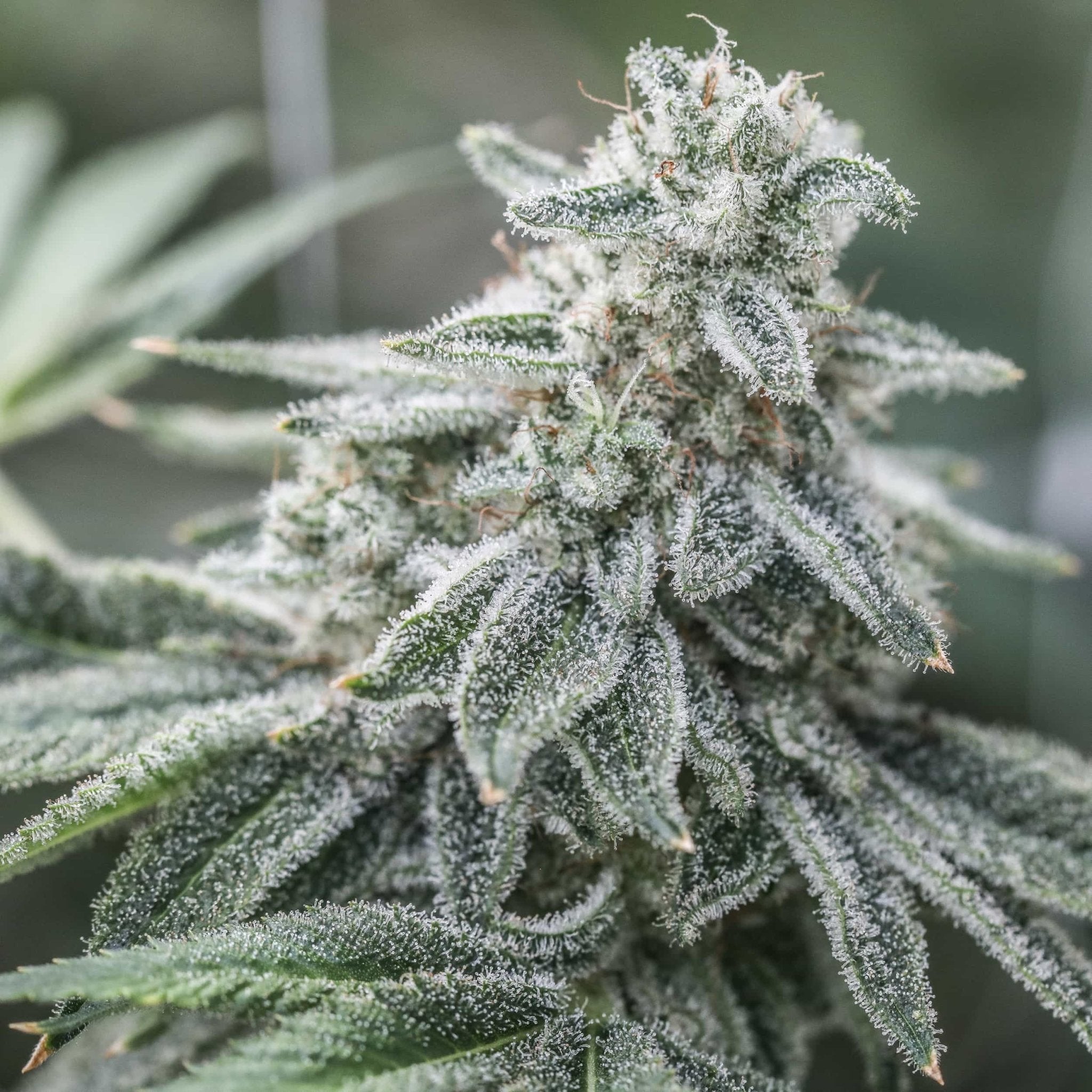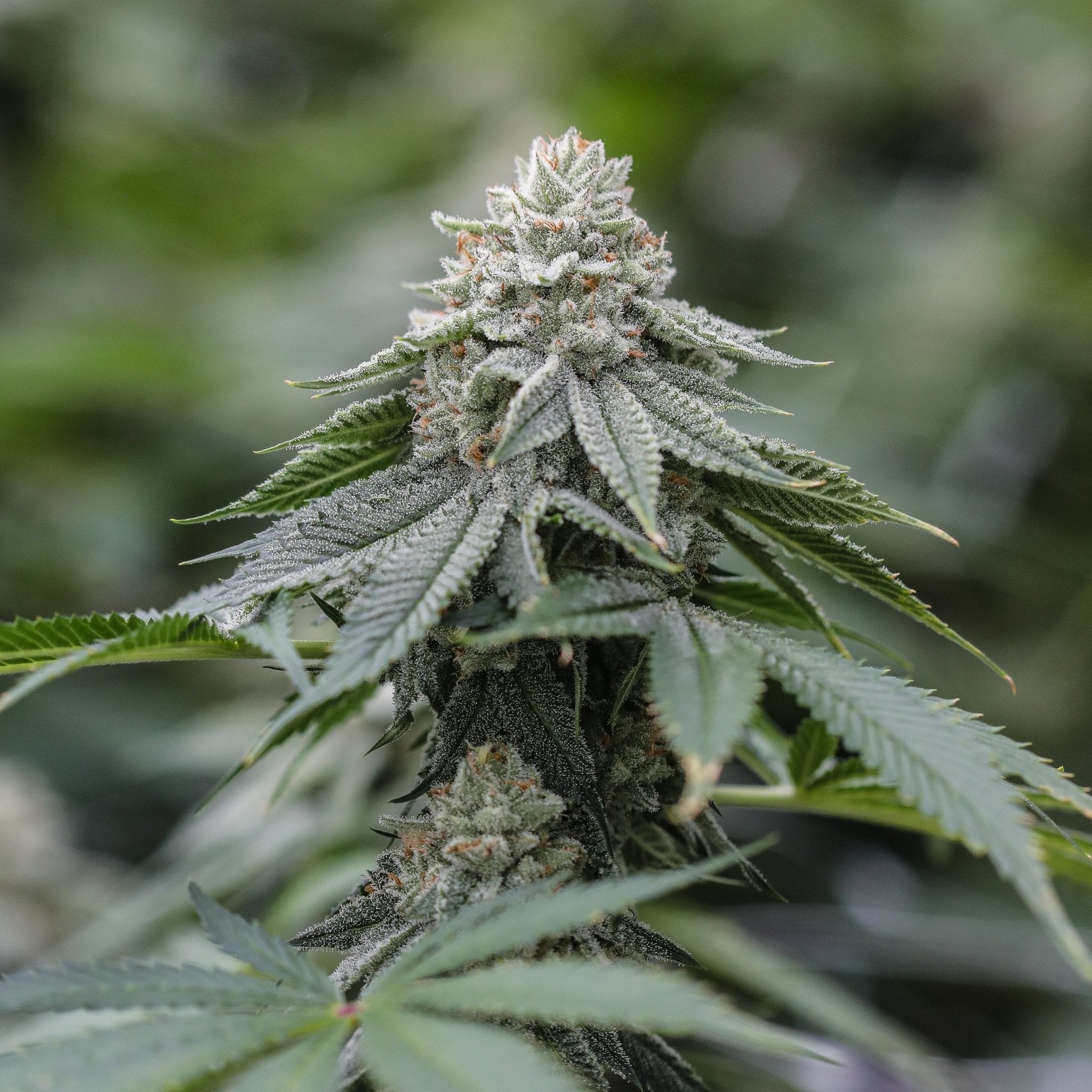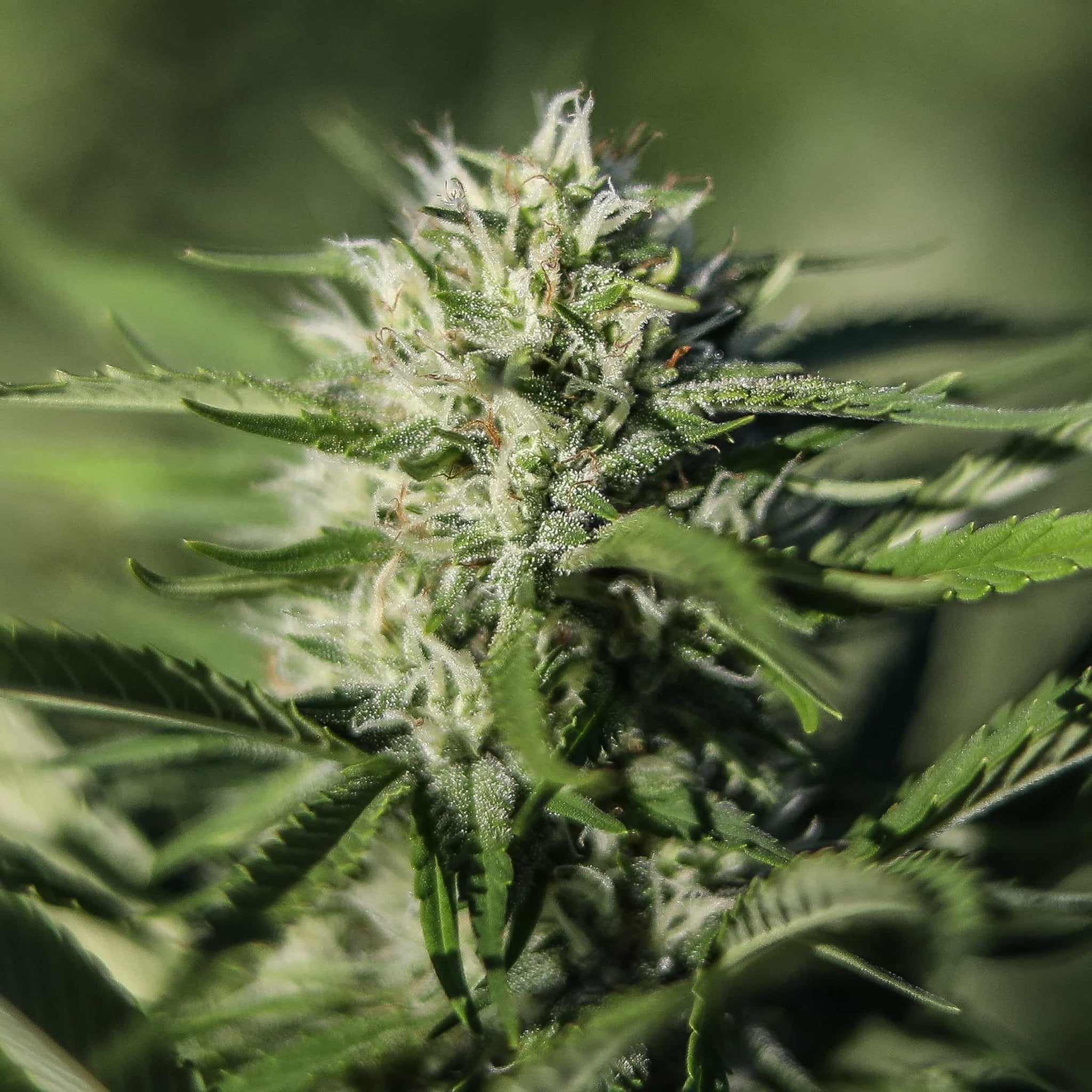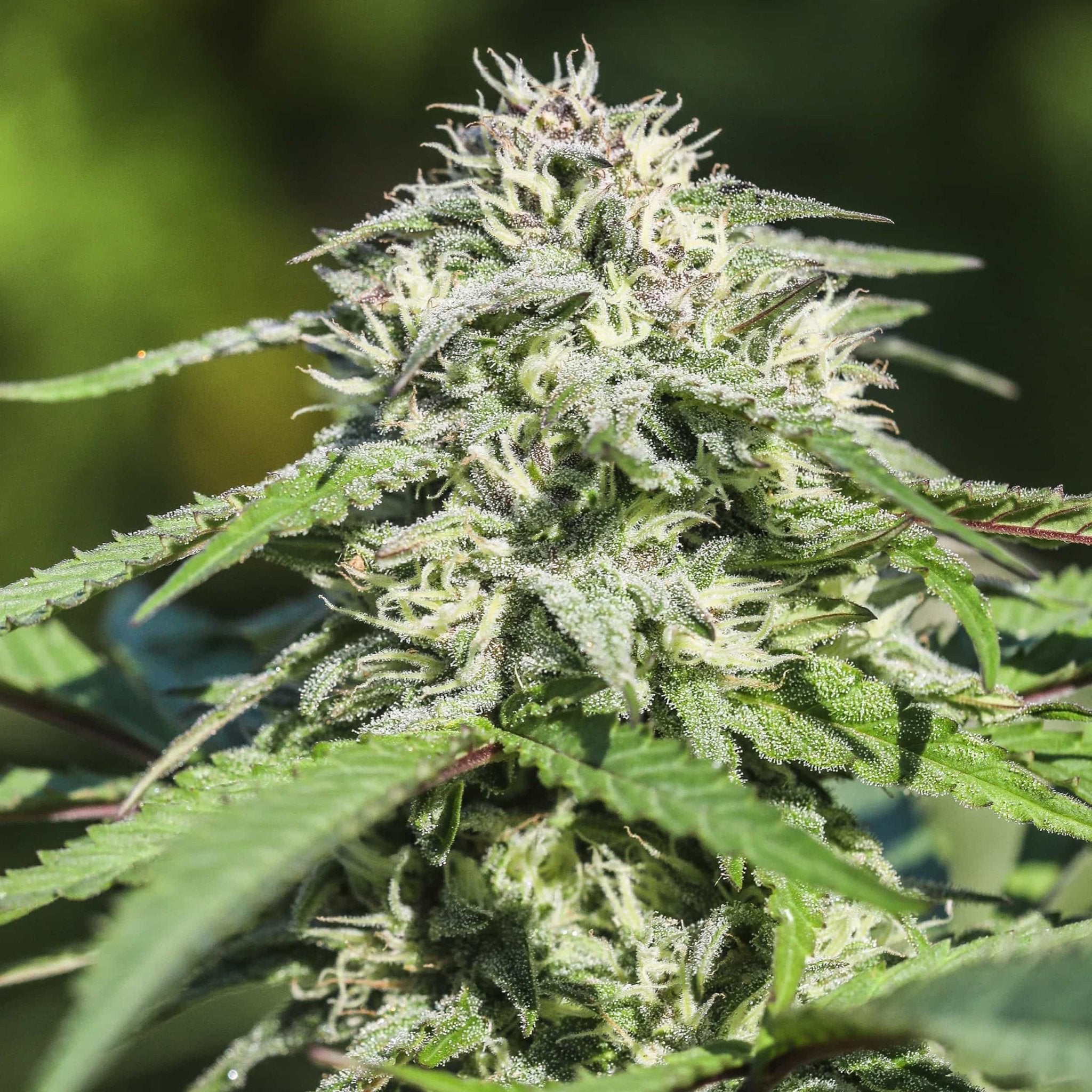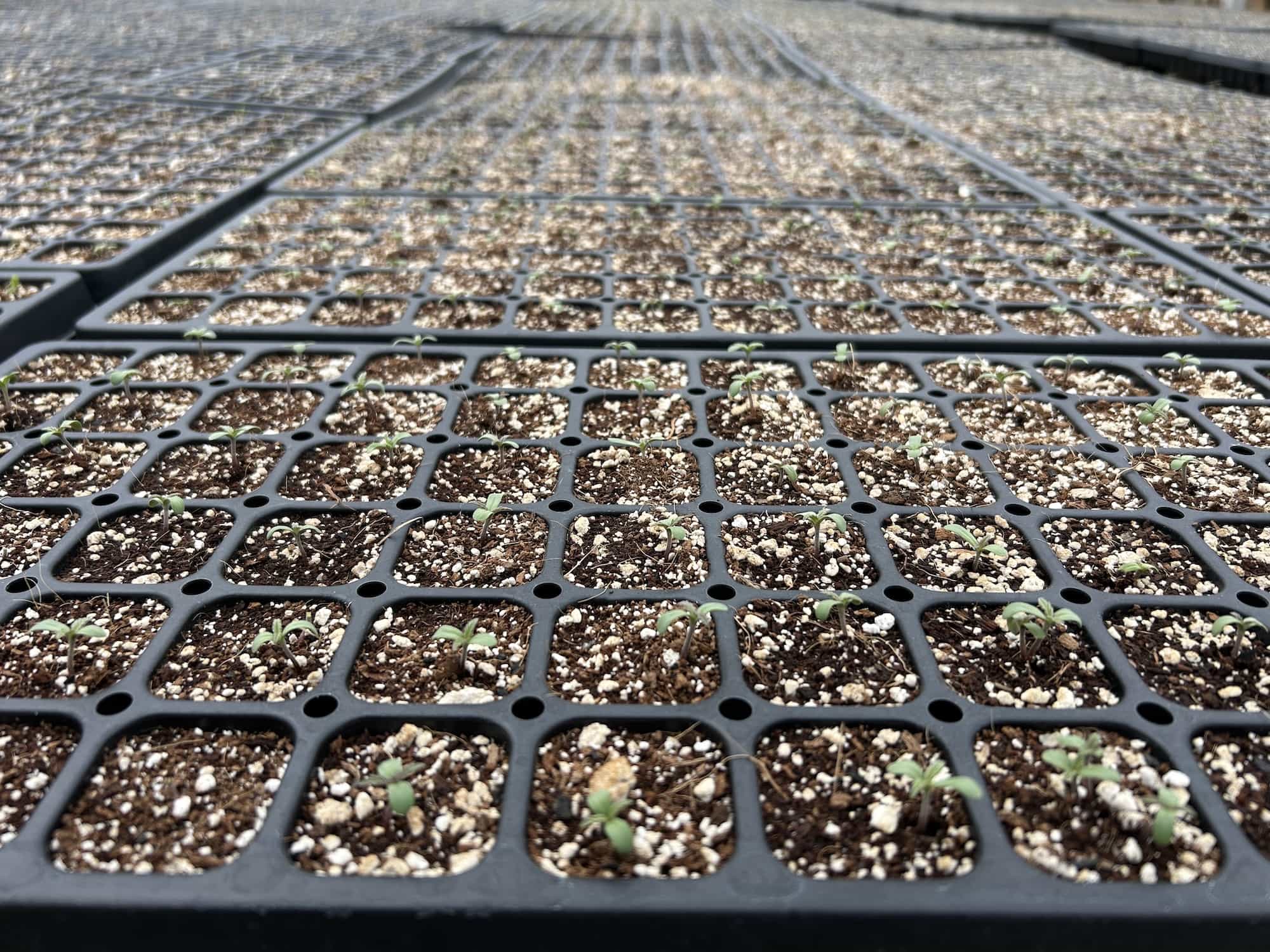

When we first introduced triploid cannabis seeds, one of the most common questions we heard from growers was, "What exactly is a triploid?"
While triploid cannabis might sound like some revolutionary new technology, the truth is that farmers and plant breeders have been working with triploid crops for decades. In fact, there's a good chance you've eaten a triploid fruit recently without even realizing it.
From seedless watermelons and bananas to hops used in brewing beer, triploidy has played an important role in modern agriculture.
At GTR Seeds, we've applied this same plant breeding technology to cannabis, but we're certainly not the first to recognize its potential.
Let's take a look at some familiar crops that use triploidy and why breeders find it so useful.
What Are Triploid Plants?
Most cannabis plants, like many other crops, are diploid, meaning they contain two sets of chromosomes (2x).
Triploid plants contain three sets of chromosomes (3x).
In plant breeding, triploids are commonly produced by crossing a tetraploid plant (4x) with a diploid plant (2x). The resulting offspring inherit three sets of chromosomes.
The extra chromosome set can interfere with meiosis, the process responsible for producing reproductive cells such as pollen and eggs. As a result, triploid plants frequently have greatly reduced fertility.
And that's where things get interesting.
In crops grown for their fruit or flowers, reduced fertility can be an enormous advantage. Rather than producing viable seeds, plants can produce fruits or flowers with few or no developed seeds.
Triploidy can also influence other plant characteristics, although increased yield, vigor, and disease resistance are not automatic consequences of having an extra chromosome set.
For a closer look at how we produce triploid cannabis, watch our video on how triploid cannabis seeds are made.
Seedless Watermelons: The Classic Triploid Crop
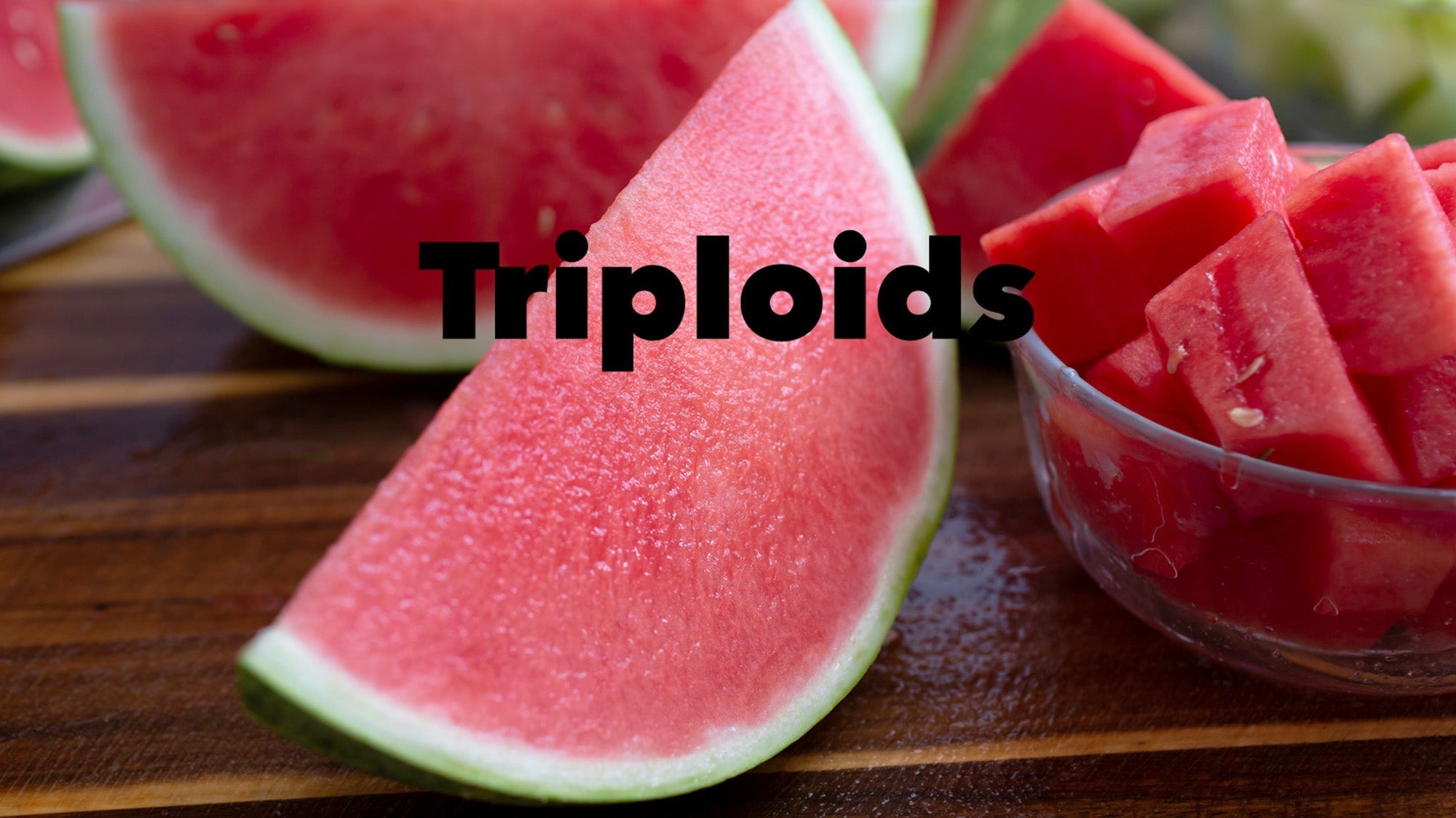
Perhaps the most familiar example of triploidy is the seedless watermelon.
The seedless watermelons found in grocery stores are generally triploid plants produced by crossing tetraploid and diploid breeding lines.
Because the resulting plants have three sets of chromosomes, they typically cannot produce normal, mature seeds.
Interestingly, seedless watermelon plants still need to be pollinated to produce fruit. Farmers plant diploid watermelon varieties alongside their triploids to provide pollen and stimulate fruit development.
The result is a watermelon with little or no mature seed development, although small, soft, white seed coats may still be present.
This technology has been used commercially for decades and has transformed watermelon production.
North Carolina State University has an excellent overview of the history and development of triploid seedless watermelons.
And if you're curious about the production challenges, Washington State University's guide to seedless watermelon production discusses everything from germination to pollination.
One interesting similarity to cannabis is that triploid watermelon seeds can be more challenging to germinate than conventional diploid seeds. It's a reminder that triploidy offers advantages, but also introduces some challenges for seed producers and growers.
Bananas: Naturally Seedless Triploids
Another excellent example is the banana.
Most of the bananas sold in grocery stores are triploid, including the popular Cavendish banana.
Wild bananas contain numerous large, hard seeds that make the fruit considerably less enjoyable to eat.
Many cultivated bananas, however, developed through natural hybridization and selection for plants capable of producing fleshy fruit without mature seeds.
The result is the familiar seedless banana.
Because commercial triploid bananas are generally sterile, they're propagated vegetatively rather than grown from conventional seeds.
This creates an interesting tradeoff.
While triploidy helps produce desirable seedless fruit, the widespread cultivation of genetically similar banana plants can make commercial production vulnerable to certain diseases.
The Royal Botanic Gardens, Kew provides an excellent explanation of banana domestication, triploidy, and the challenges associated with limited genetic diversity.
Bananas demonstrate that triploidy can be incredibly useful, but it doesn't automatically provide disease resistance.
Triploid Hops: A Close Relative of Cannabis
This is one of our favorite examples.
Hops (Humulus lupulus) and cannabis (Cannabis sativa) belong to the same botanical family, Cannabaceae.
Both crops are valued for the compounds produced in their female flowers, particularly their aromatic resins.
And both have benefited from plant breeding programs involving triploidy.
Triploid hops have been developed for reduced seed production and desirable brewing characteristics.
Seeds are generally undesirable in commercial hop cones, so reduced fertility can be an important breeding objective.
Some triploid hop varieties have also demonstrated excellent yields and favorable resin or oil profiles.
However, triploidy itself doesn't guarantee increased aroma, higher alpha acid content, or better yields. Those characteristics still depend heavily on the genetics being used.
A peer-reviewed paper on hop breeding for organic systems discusses the development of triploid hop varieties, including Willamette and Mount Hood.
Researchers in New Zealand have also published work on polyploid breeding strategies for developing commercial hop cultivars.
The similarities between hops and cannabis make this particularly relevant to our breeding work at GTR Seeds.
Long before triploid cannabis became commercially available, hop breeders were already using the same basic approach to develop varieties with reduced fertility and desirable production characteristics.
Triploid Citrus: Breeding for Seedless Fruit
Citrus is another crop where triploidy has attracted considerable interest.
Seedlessness is an important characteristic in fresh-market citrus, particularly mandarins and other fruits intended for convenient consumption.
Plant breeders can use triploid breeding strategies to develop citrus varieties with reduced seed production.
However, not all seedless citrus varieties are triploid. Seedlessness can arise through several different biological mechanisms, including reproductive incompatibility and the ability to develop fruit without fertilization.
Triploid breeding is simply one of the tools available.
A scientific review of seedlessness and plant breeding strategies discusses polyploidy alongside other approaches used to develop seedless fruit.
Are Seedless Grapes Triploid?
This is a common misconception.
Although seedless grapes are often included in lists of triploid crops, most commercial seedless table grapes are actually diploid.
Their seedlessness generally results from a process called stenospermocarpy, in which fertilization occurs but seed development is interrupted.
The small, soft seed remnants sometimes found inside seedless grapes are a result of this process.
So while triploidy is an important tool in seedless fruit breeding, not every seedless fruit is triploid.
The same is true for strawberries. Most cultivated garden strawberries are octoploid, meaning they contain eight sets of chromosomes, rather than three.
These distinctions are important because polyploidy encompasses several different chromosome configurations, each with its own characteristics.
Does Triploidy Always Improve Crop Performance?
One of the biggest misconceptions surrounding triploid crops is that having an additional set of chromosomes automatically makes a plant larger, stronger, or more productive.
That's simply not the case.
Triploidy can influence plant growth, fertility, and development, but the outcome depends on the crop and the specific genetics involved.
Some triploid varieties outperform their diploid counterparts. Others may show reduced vigor, lower fertility, or challenges with propagation.
Plant breeders still need to select for desirable traits, just as they would with conventional diploid breeding programs.
The real advantage of triploidy is that it provides breeders with another genetic tool.
In crops like watermelon, reduced seed production is the primary objective. In hops, reduced fertility can be combined with selection for desirable brewing characteristics.
And in cannabis, reduced fertility creates opportunities for producing flowers with fewer seeds following exposure to pollen.
What Does This Mean for Cannabis?
Cannabis is one of the more recent crops to benefit from commercial triploid breeding.
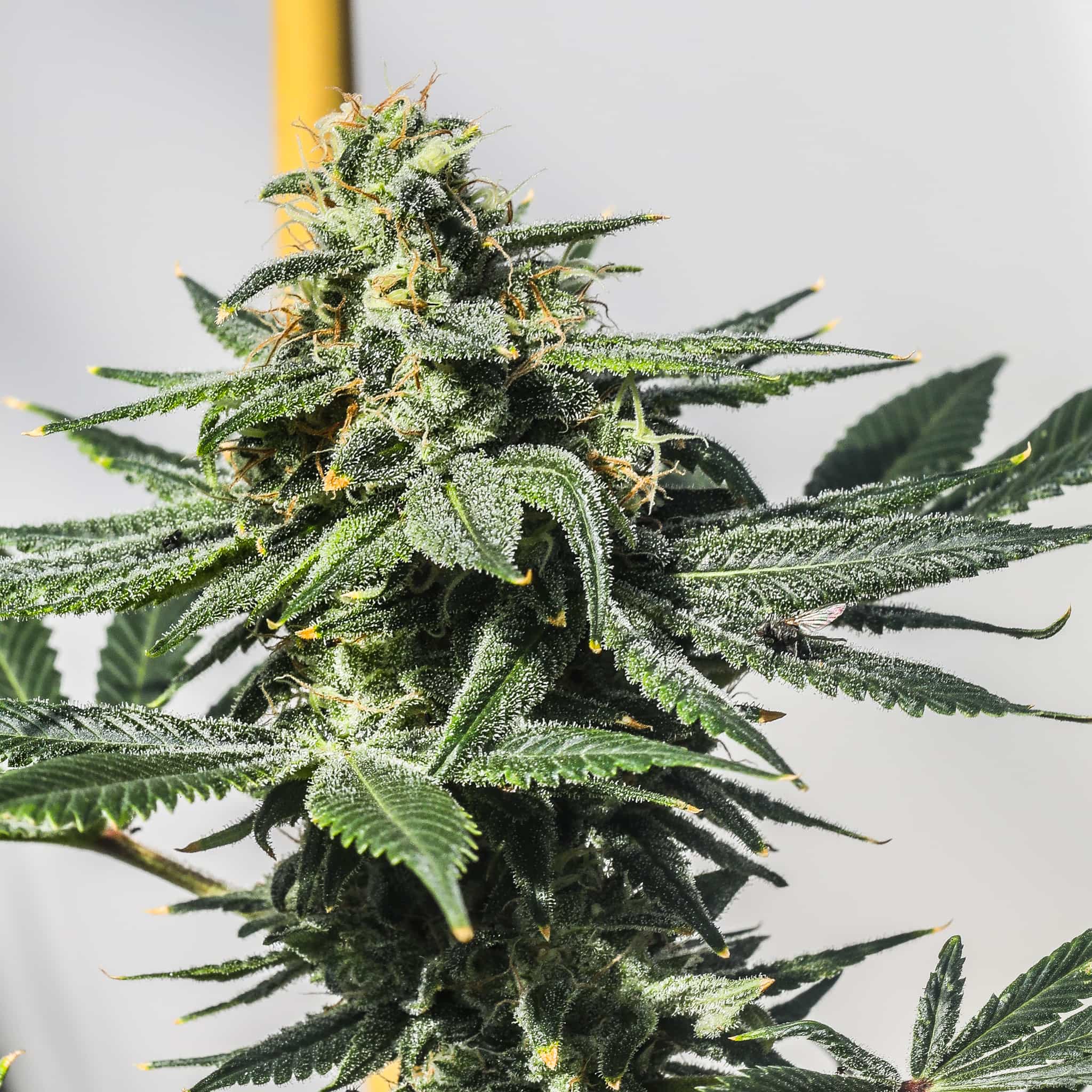
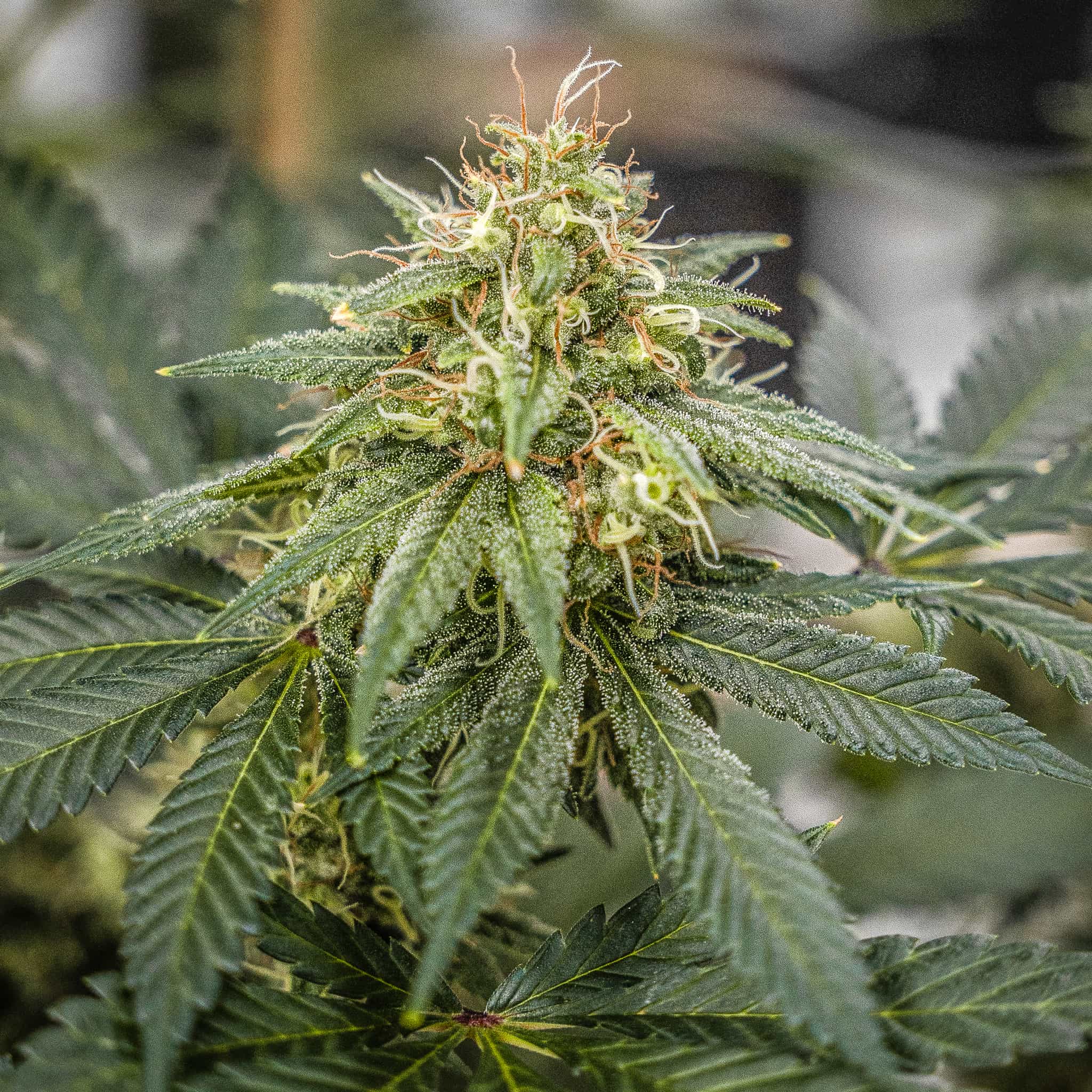
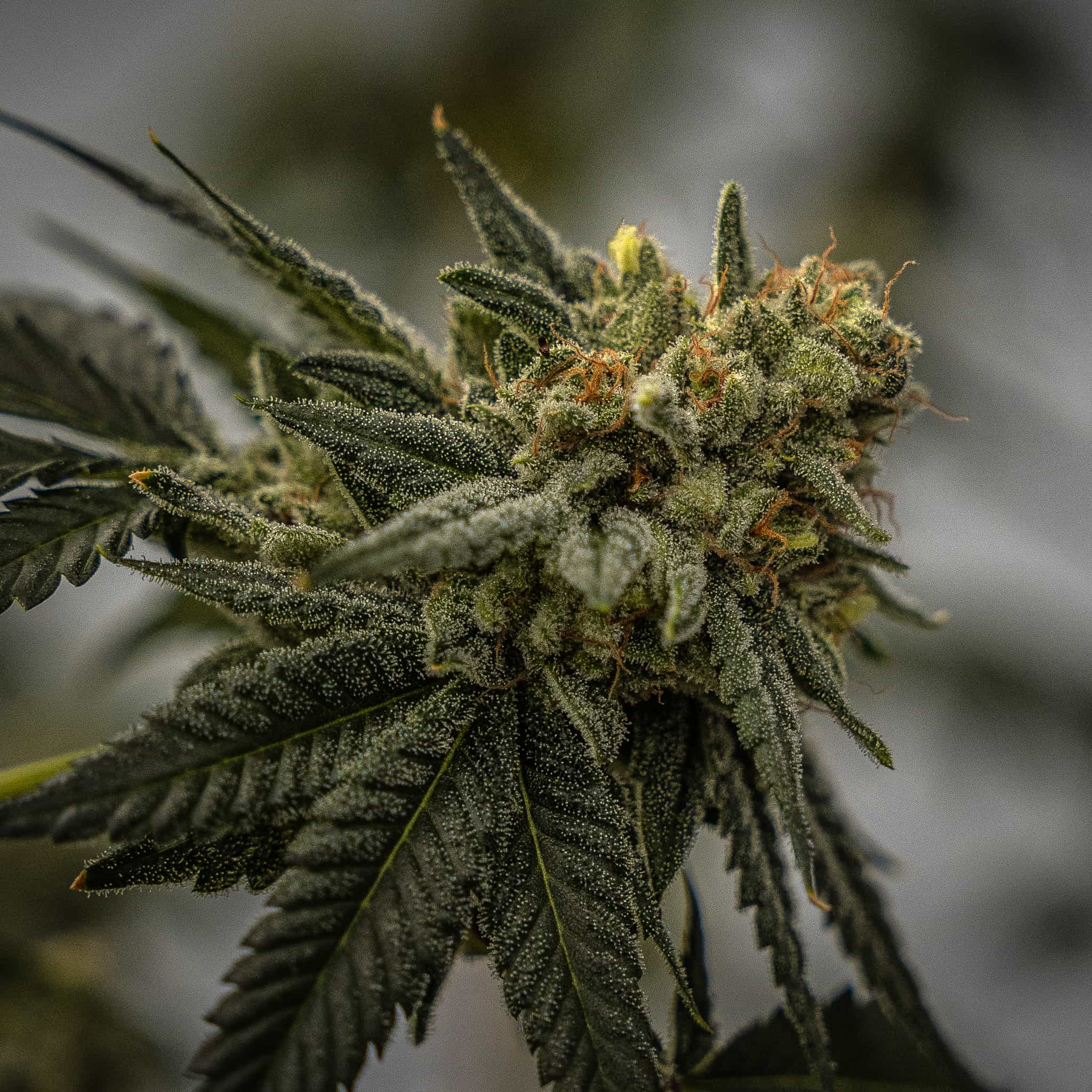
At GTR Seeds and Oregon CBD, we've spent years developing triploid genetics across several cannabinoid types, including THC, CBD, CBG, and varin-rich varieties.
Our objective has been to develop plants with substantially reduced fertility while maintaining the characteristics growers expect from high-quality cannabis genetics.
Of course, triploid cannabis isn't guaranteed to be completely sterile, and the performance of individual varieties still depends on their genetics and growing conditions.
But the agricultural history of triploidy gives us plenty of reasons to be excited about its potential.
We're also fortunate to have independent research investigating triploid cannabis. A peer-reviewed study on triploid cannabis examined the effects of triploidy on fertility and plant characteristics.
For a more detailed explanation of the technology and its applications in cannabis, visit our guide to triploid cannabis and its benefits.
Triploids Aren't New. They're Just New to Most Cannabis Growers.
Seedless watermelons, bananas, and certain hop varieties have demonstrated the value of triploid breeding for decades.
It's a well-established agricultural approach that has helped breeders develop crops with characteristics consumers and growers appreciate.
And as with any breeding technology, its success depends on how it's applied.
At GTR Seeds, we're excited to bring this technology to cannabis and continue exploring what it can offer.
Want to try growing triploid cannabis yourself?
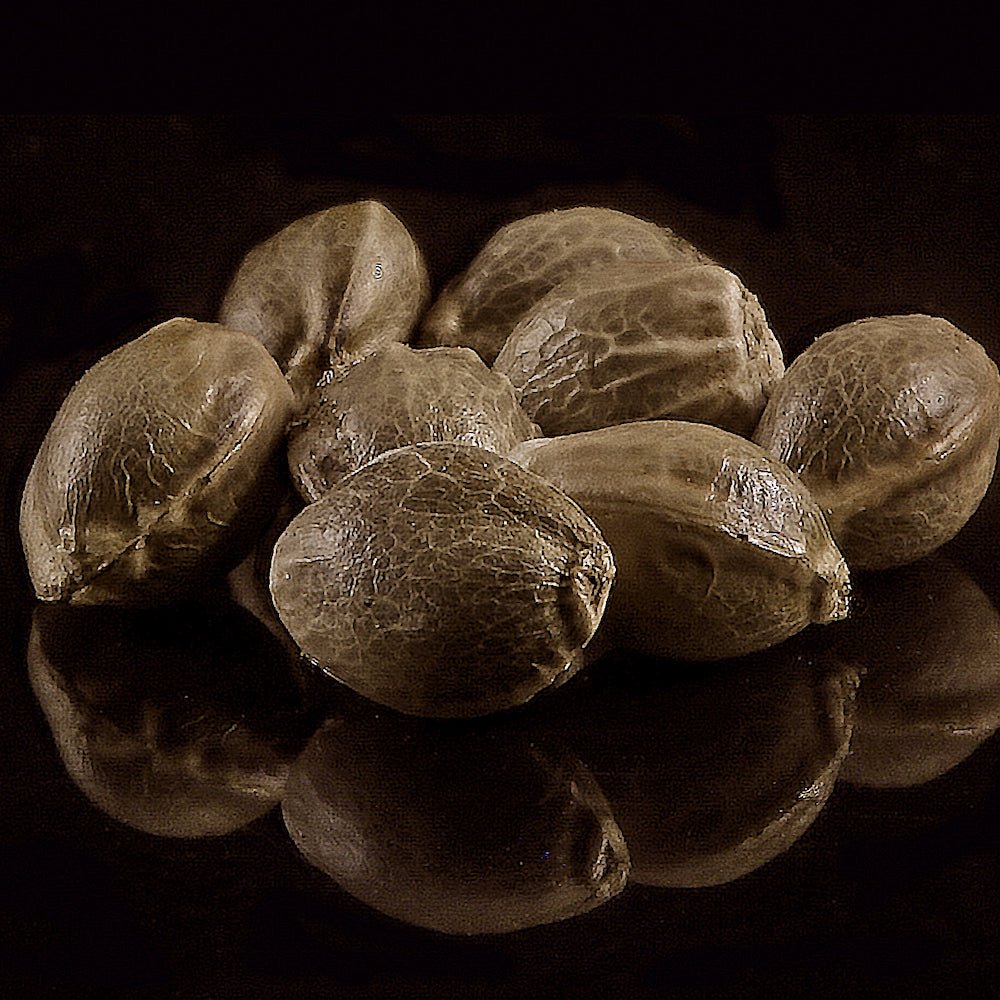
Explore our selection of triploid cannabis seeds, including THC, CBD, CBG, and other specialty cannabinoid genetics.