
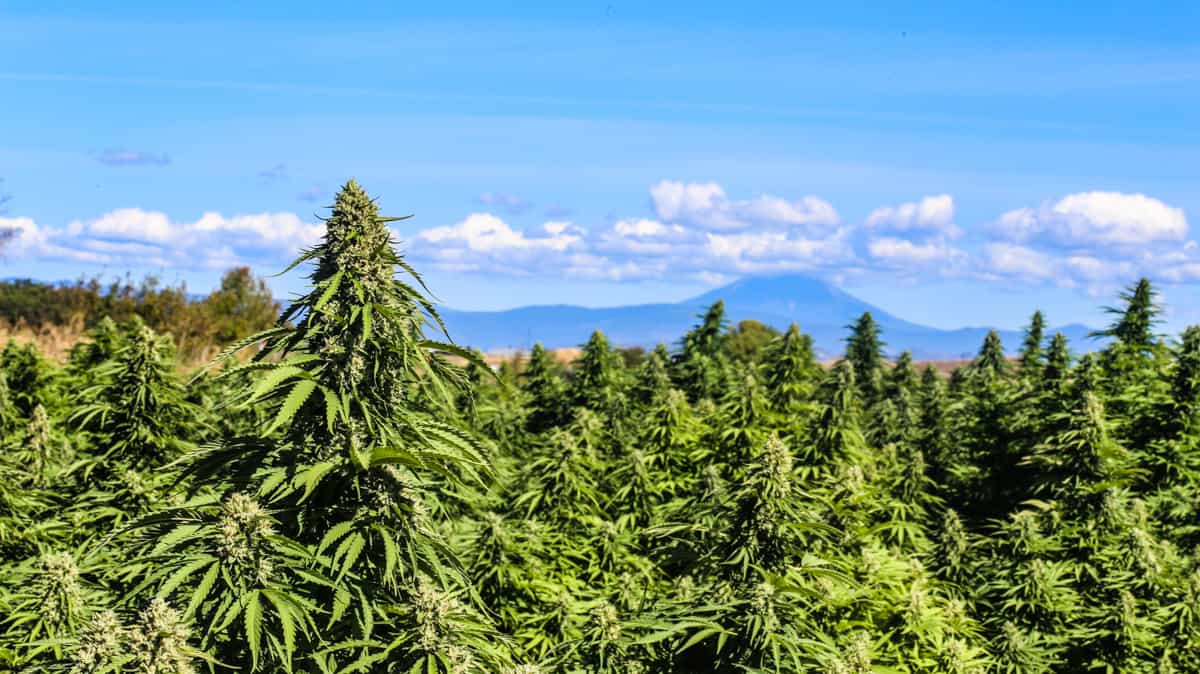
Our Type IV, CBG-dominant cannabis varieties grow much like any other cannabis plant. But as the growing season comes to a close, there are a few important differences growers should be aware of.
When and how you harvest can have a significant impact on flower quality, cannabinoid content, and overall yields.
We've spent years growing and breeding CBG genetics, and we've learned that these plants deserve a little extra attention as they approach maturity.
Here's what we recommend.
Big CBG Flowers Come With a Few Challenges
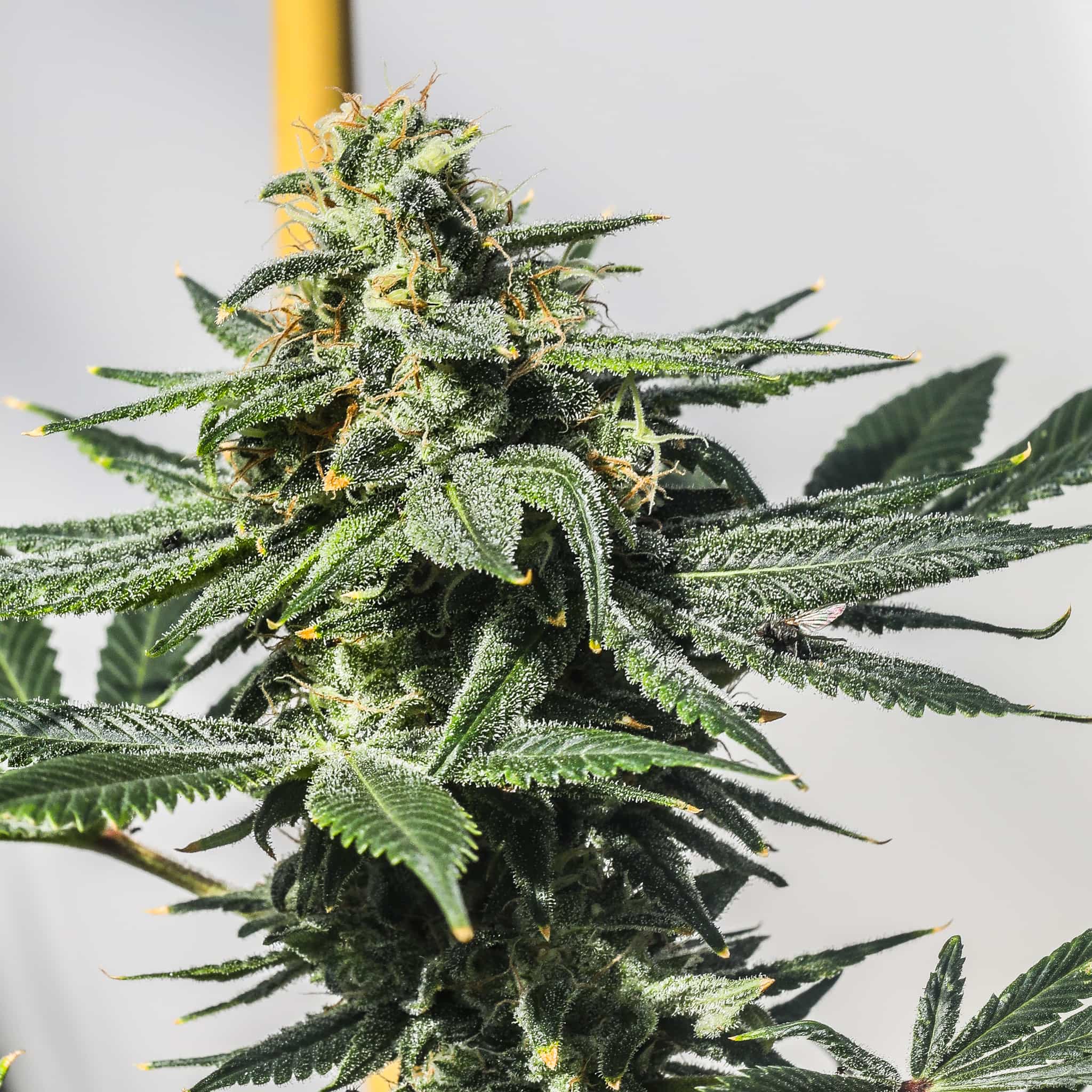
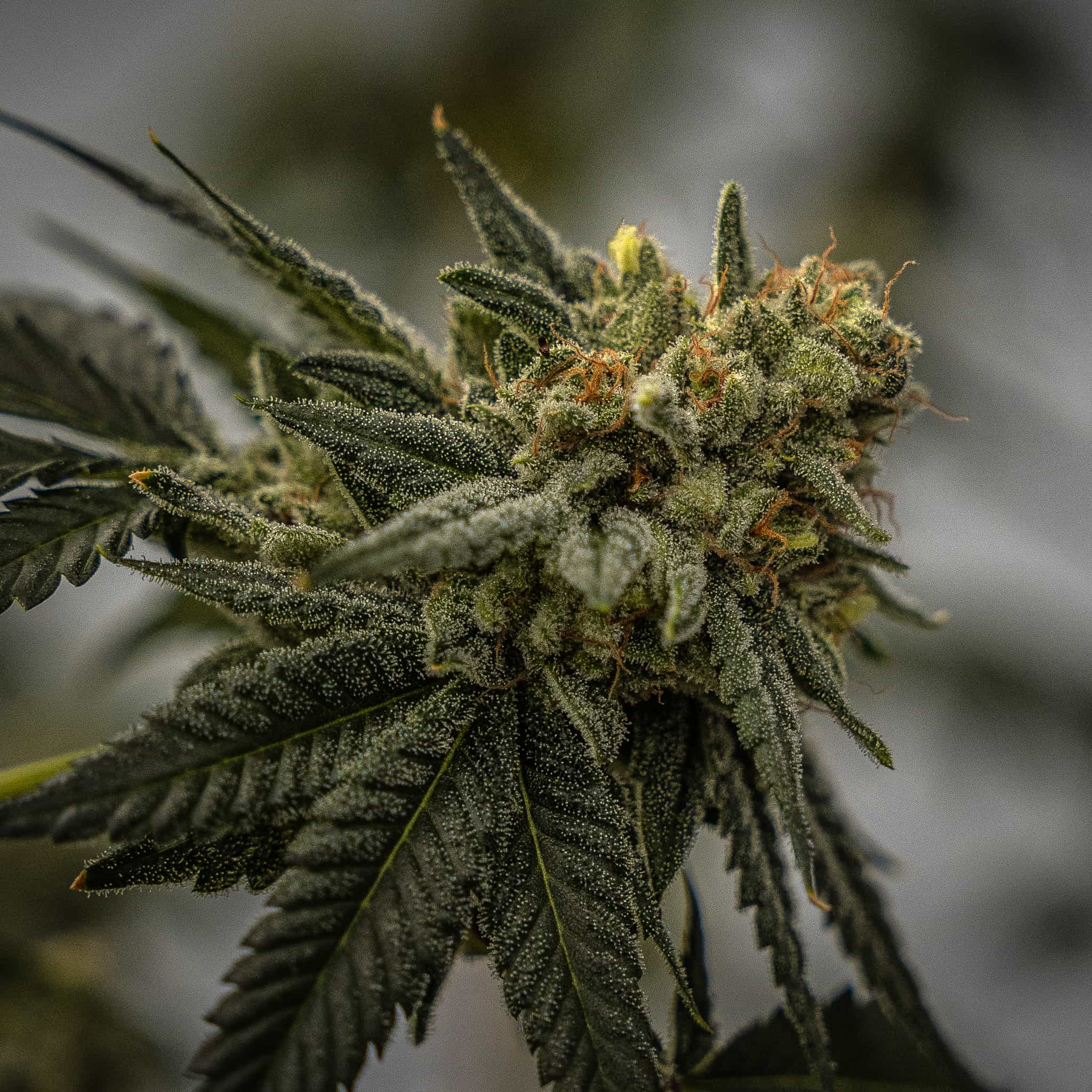
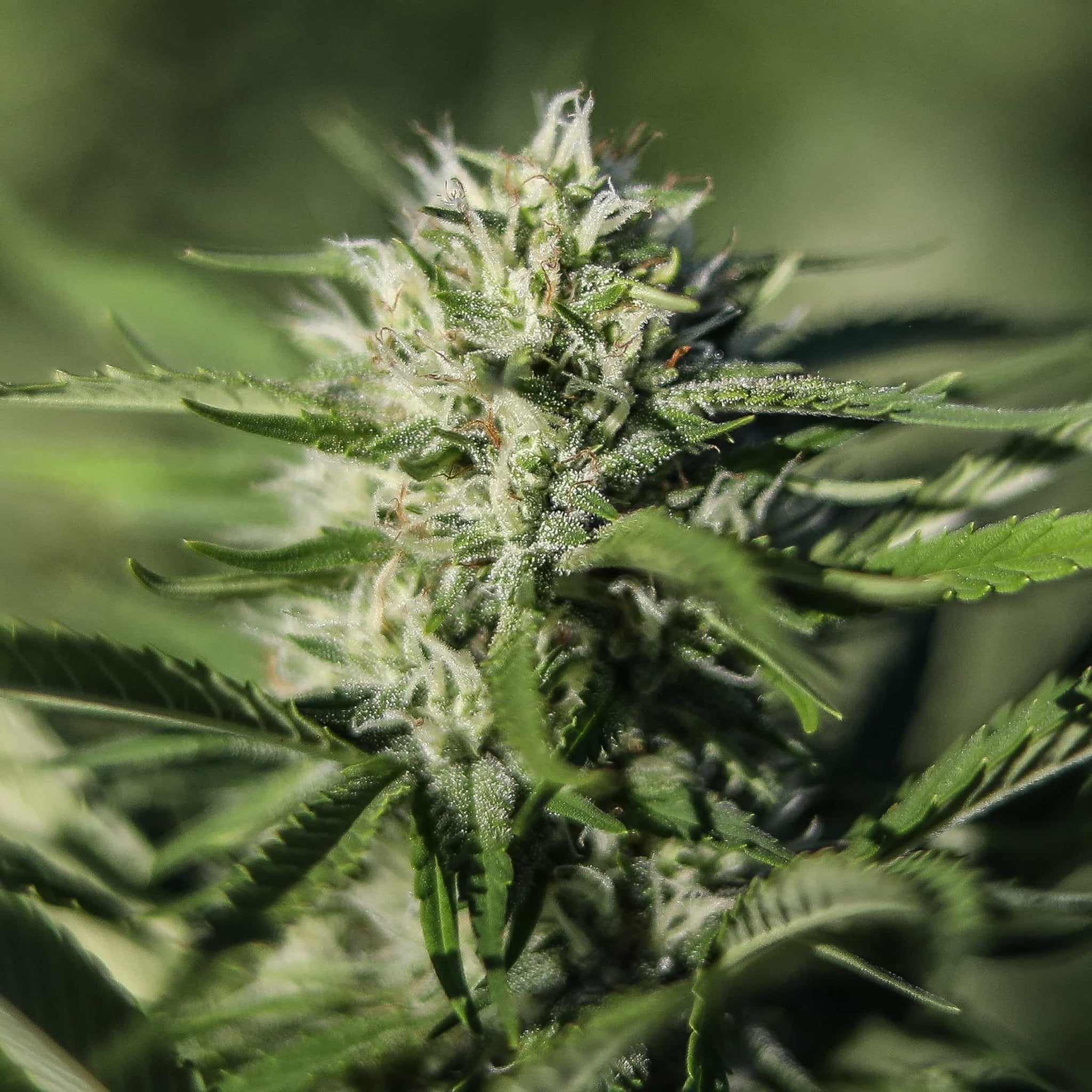
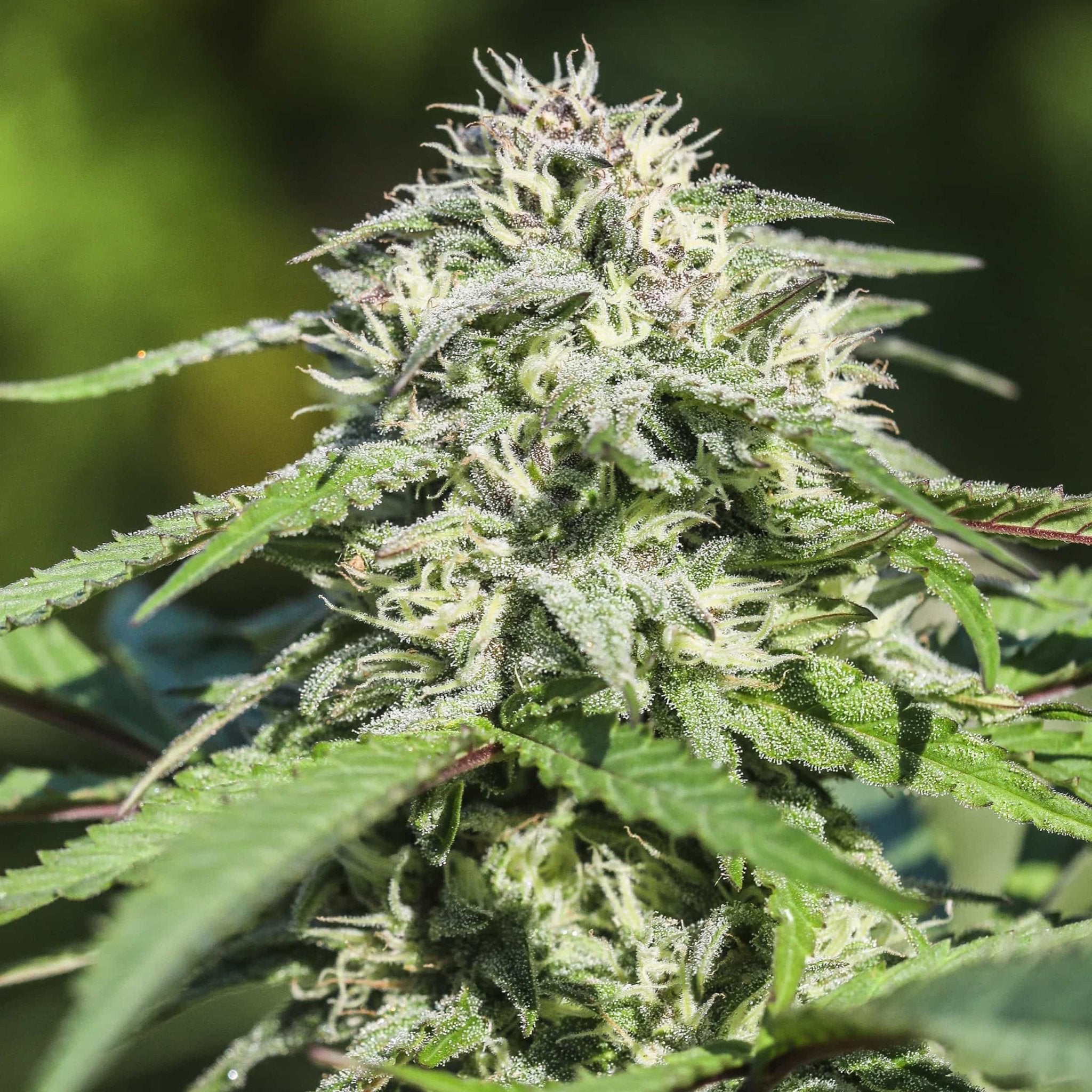
Our CBG varieties are known for producing large, dense flowers. Stem Cell CBG Seedless and White CBG Seedless are particularly impressive in this department, but many of our other CBG varieties can produce enormous buds as well.
That's great for production, but dense flowers also create opportunities for pests and pathogens.
As plants approach maturity, growers should inspect their fields regularly, particularly after rain or during periods of high humidity.
Corn Earworms and Caterpillar Damage

We've found that caterpillars, particularly corn earworms, can cause considerable damage to CBG flowers.
These pests burrow into developing buds, feeding on plant tissue and leaving behind frass (insect waste). The resulting damage creates opportunities for pathogens such as Botrytis cinerea, the fungus responsible for gray mold and bud rot.
Often, the first visible signs are dead leaves protruding from an otherwise healthy flower or small brown patches developing inside the bud.
By the time the damage becomes obvious, the caterpillar may already be deep inside the flower.
Some growers use biological controls containing Bacillus thuringiensis (Bt) to manage susceptible caterpillar populations. These products generally work best when larvae are small and actively feeding, and repeat applications may be necessary.
Always use products specifically permitted for your crop and jurisdiction, and follow label instructions.
Powdery Mildew on CBG Plants

Powdery mildew is another problem we've encountered more frequently in some of our CBG fields, particularly in the northeastern United States.
This disease typically appears as white, powdery growth on leaves and other susceptible plant surfaces.
Once powdery mildew becomes established throughout a crop, it can be difficult to control.
Good airflow, appropriate plant spacing, and regular scouting can help reduce disease pressure. Biological and other approved treatments are generally more effective when used preventatively or early in an outbreak than after infections become widespread.
Growers in humid climates should pay particularly close attention as flowers mature.
When Should You Harvest CBG Cannabis?
This is where CBG plants differ from the THC and CBD varieties many growers are accustomed to harvesting.
In our experience, CBG-dominant flowers generally don't develop the same pronounced progression from milky to amber trichomes that growers often use to judge THC flower maturity.
Instead, CBG trichomes tend to remain predominantly milky as plants mature.
For that reason, we don't recommend waiting for amber trichomes when harvesting our CBG varieties.
We generally look for three signs of maturity:
-
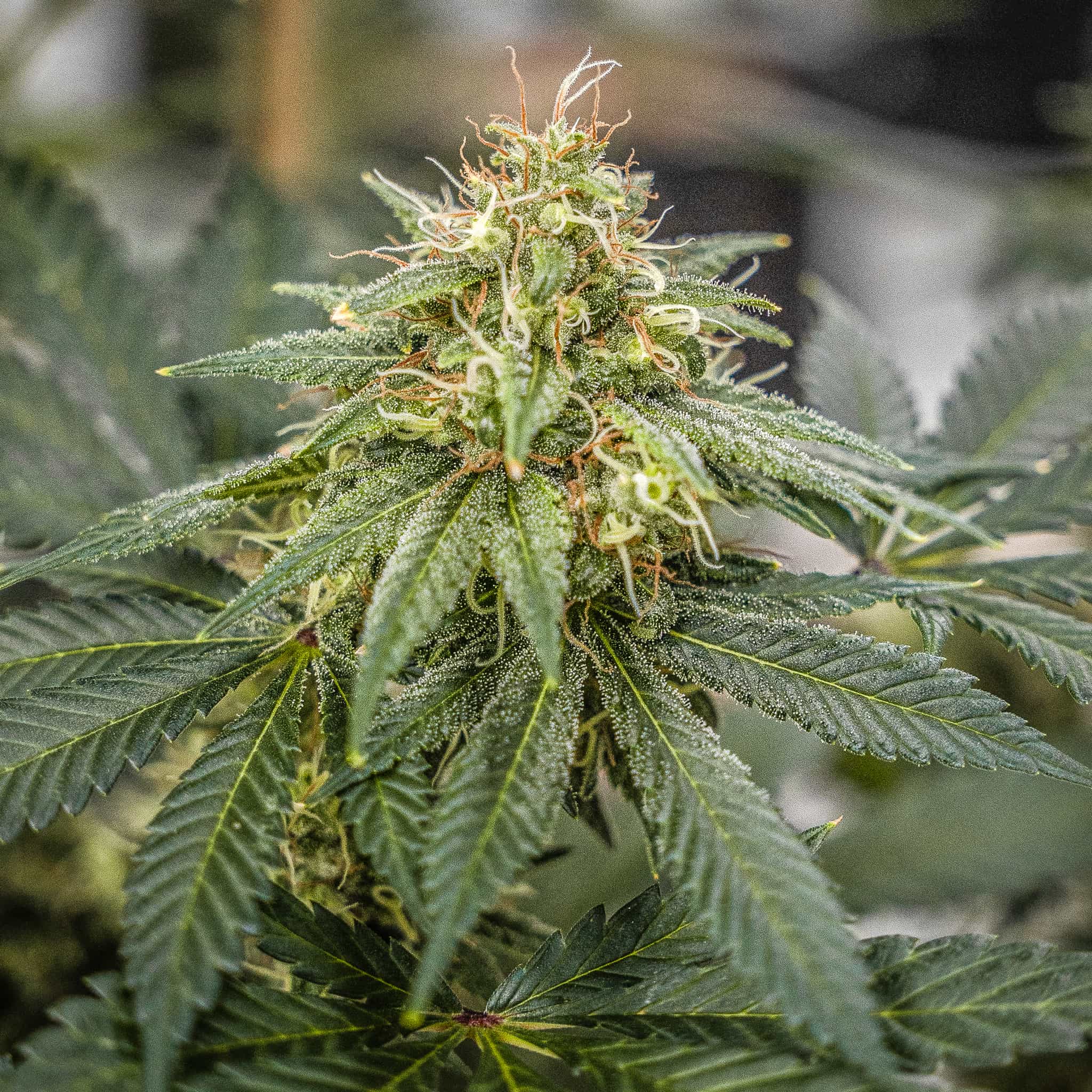
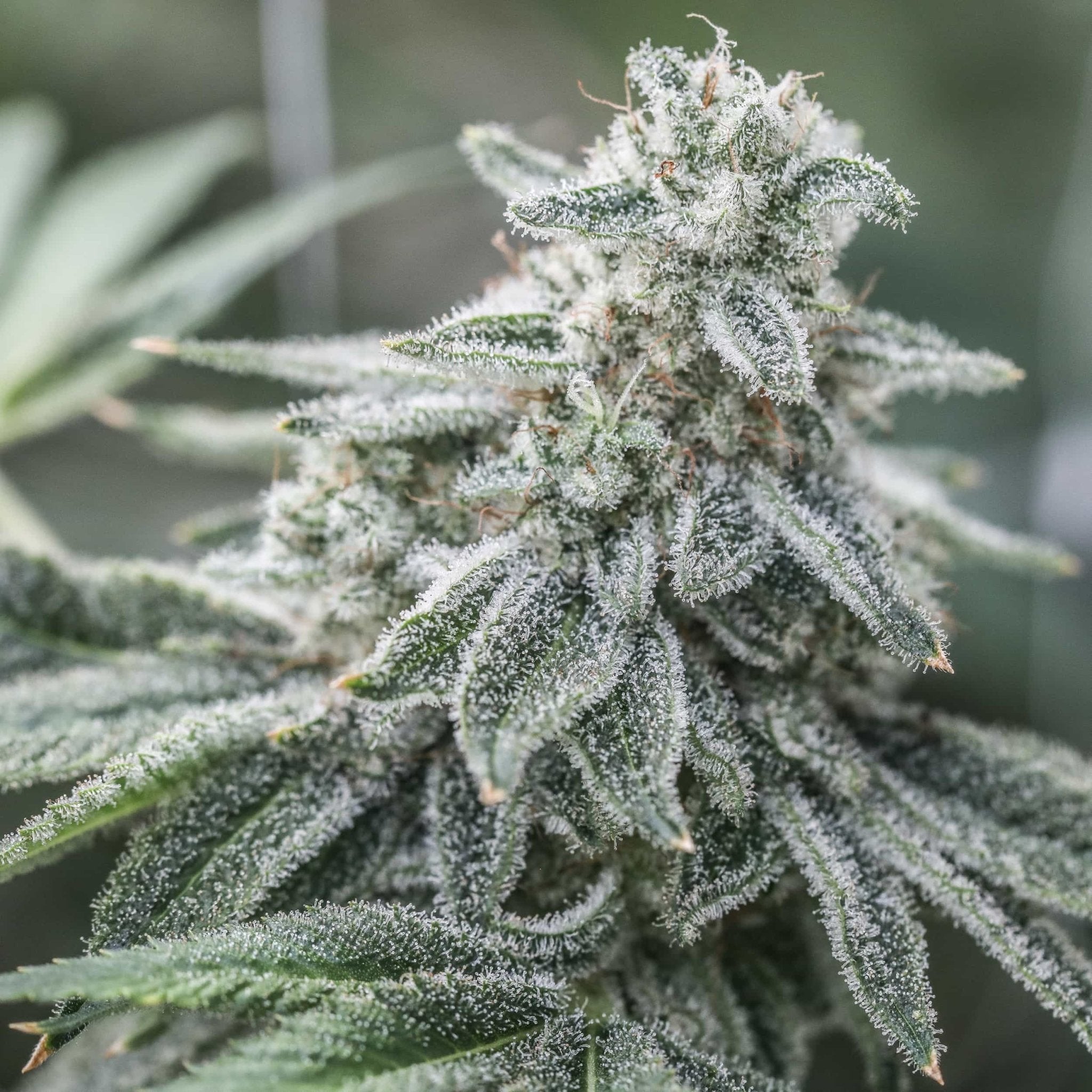
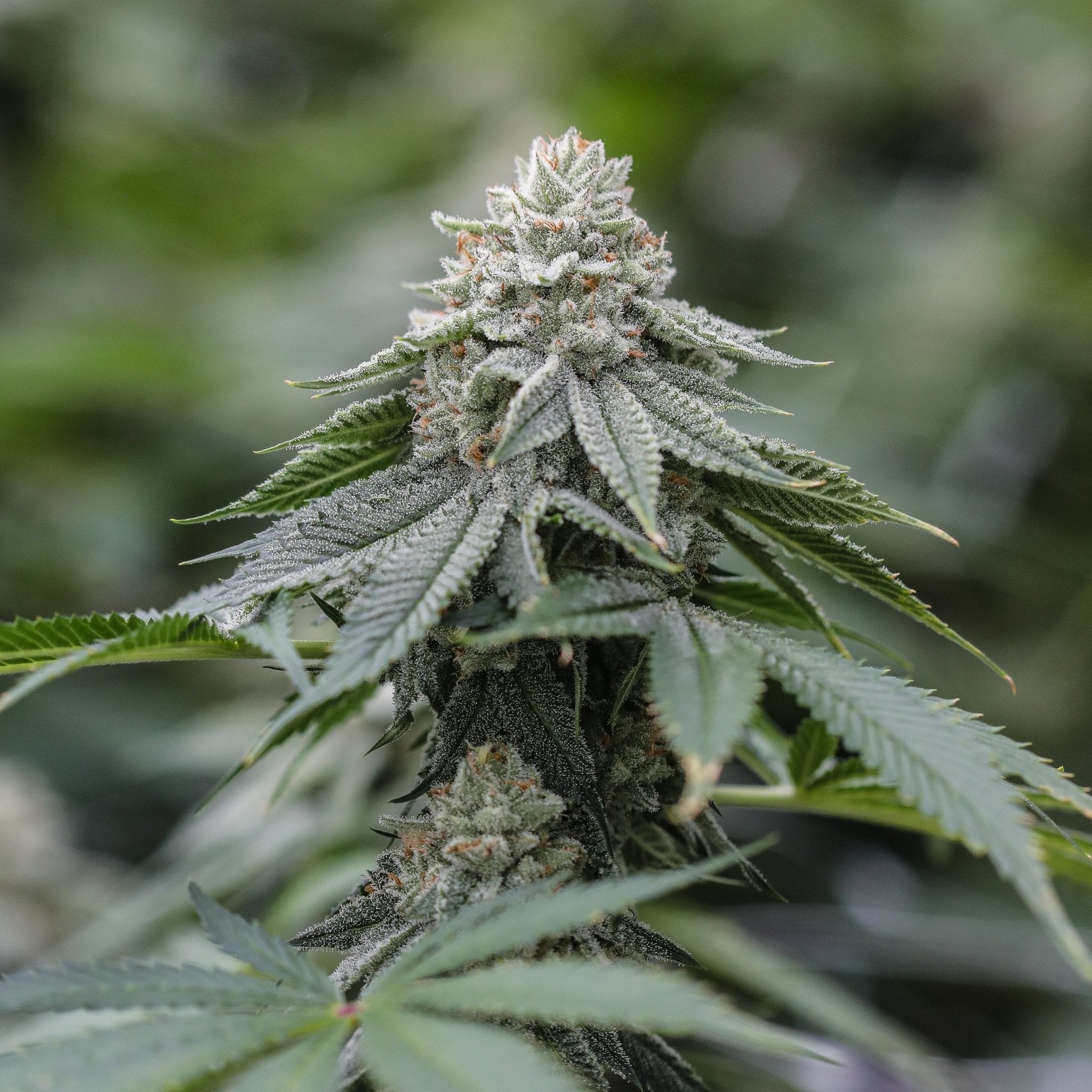
Pistil color: At least 60% of the flower's pistils (hairs) have naturally changed from white to brown or orange.
-
Trichome appearance: Most glandular trichomes appear milky rather than clear.
-
Flower development: Buds have filled out, reached good density, and show little remaining expansion.
These are useful visual indicators, but they aren't substitutes for cannabinoid testing when precise harvest timing or regulatory compliance matters.
Earlier Can Be Better for CBG
One of the biggest mistakes growers can make with CBG is leaving plants in the field too long.
Through our own research and field observations, we've found that many of our CBG varieties accumulate much of their cannabinoid content during weeks six and seven of flowering.
That doesn't mean every variety should be harvested at seven weeks. But it does mean growers shouldn't assume that leaving plants in the field longer will always result in better yields.
Once flowers reach maturity, plant health can deteriorate relatively quickly, particularly when fall weather brings cooler temperatures and increased moisture.
Dense, mature flowers are also more vulnerable to Botrytis and other problems.
We've seen growers lose valuable production by waiting for flowers to develop amber trichomes that never really appear.
Our advice: Harvest when the flowers are mature, healthy, and at their best—not simply because you've reached a particular number of flowering weeks.
If disease begins developing, assess the crop promptly. Remove and discard affected material rather than including moldy flowers in the harvest.
How to Harvest CBG Flowers
Another important difference between CBG and other cannabinoids is the physical behavior of the trichomes.
In our experience, CBG-rich flowers often feel considerably less sticky than THC- or CBD-rich flowers.
They can still become absolutely covered in glandular trichomes, but those trichomes may detach from the flowers more readily during handling.
That makes harvest and post-harvest processing particularly important.
Handle CBG Flowers Carefully
For premium CBG flower production, we generally recommend careful hand harvesting whenever practical.
Rough handling, repeated transfers, and aggressive trimming can knock trichomes off the flowers, potentially reducing cannabinoid content in the finished product.
The goal is to preserve as much of the flower's resin-bearing material as possible.
Mechanical Harvesting and Field Drying
We've generally had poor results using aggressive mechanical harvesting methods and field drying for CBG crops intended to retain high cannabinoid content.
Repeated handling can cause substantial trichome loss, particularly when flowers become dry and brittle.
That doesn't mean mechanical harvesting is impossible, but growers should evaluate the equipment and processing methods carefully before committing a large crop.
For biomass production, the economics may justify different harvesting methods than those used for premium smokable flower.
Be Careful With Trimming Machines
CBG flowers can lose a surprising amount of kief during mechanical trimming.
If you're using a trim machine, expect some of those trichomes to end up in the machine rather than on the finished flower.
Gentler trimming methods may help preserve flower quality, and collecting the separated kief can help recover some of that material's value.
Don't Wait Too Long to Harvest Your CBG
After years of growing CBG cannabis, one of our biggest recommendations is to pay close attention as plants approach maturity.
Unlike many THC varieties, our CBG genetics don't typically develop substantial amber trichomes. Waiting for that color change can mean leaving mature flowers exposed to pests, pathogens, and unfavorable weather longer than necessary.
Look for full flower development, mostly milky trichomes, and a majority of pistils changing color.
And when it's time to harvest, handle those beautiful flowers carefully.
A little extra attention during the final weeks can make a considerable difference in the quality of your finished CBG crop.
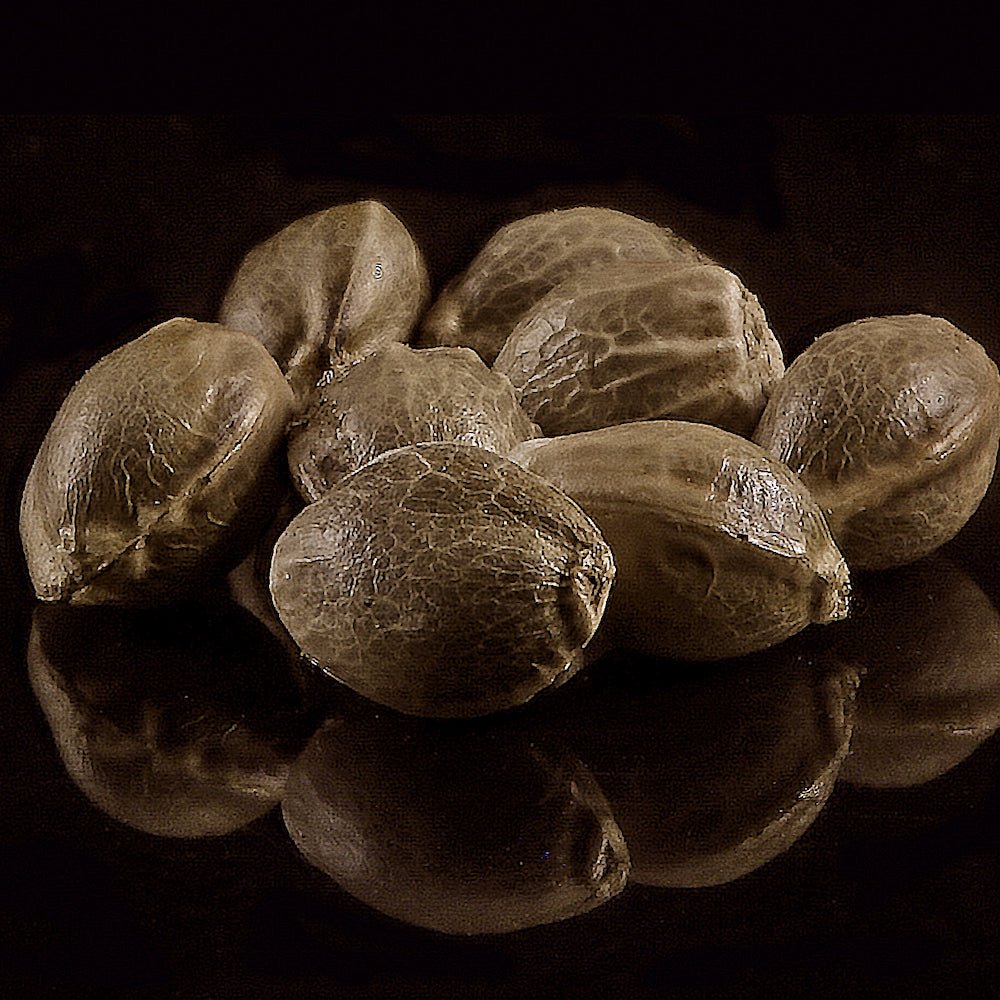
Interested in growing CBG? Explore our CBG cannabis seeds or browse more of our cannabis growing guides.