
Successful hemp production starts long before the first seedlings go into the ground.
Whether you're growing CBD biomass for extraction or premium smokable hemp flower, proper field preparation can make an enormous difference in plant health, yield, and overall profitability.
At GTR Seeds, we've spent years growing cannabis commercially and working with farmers across the country. We've learned plenty along the way, including a few lessons the hard way.
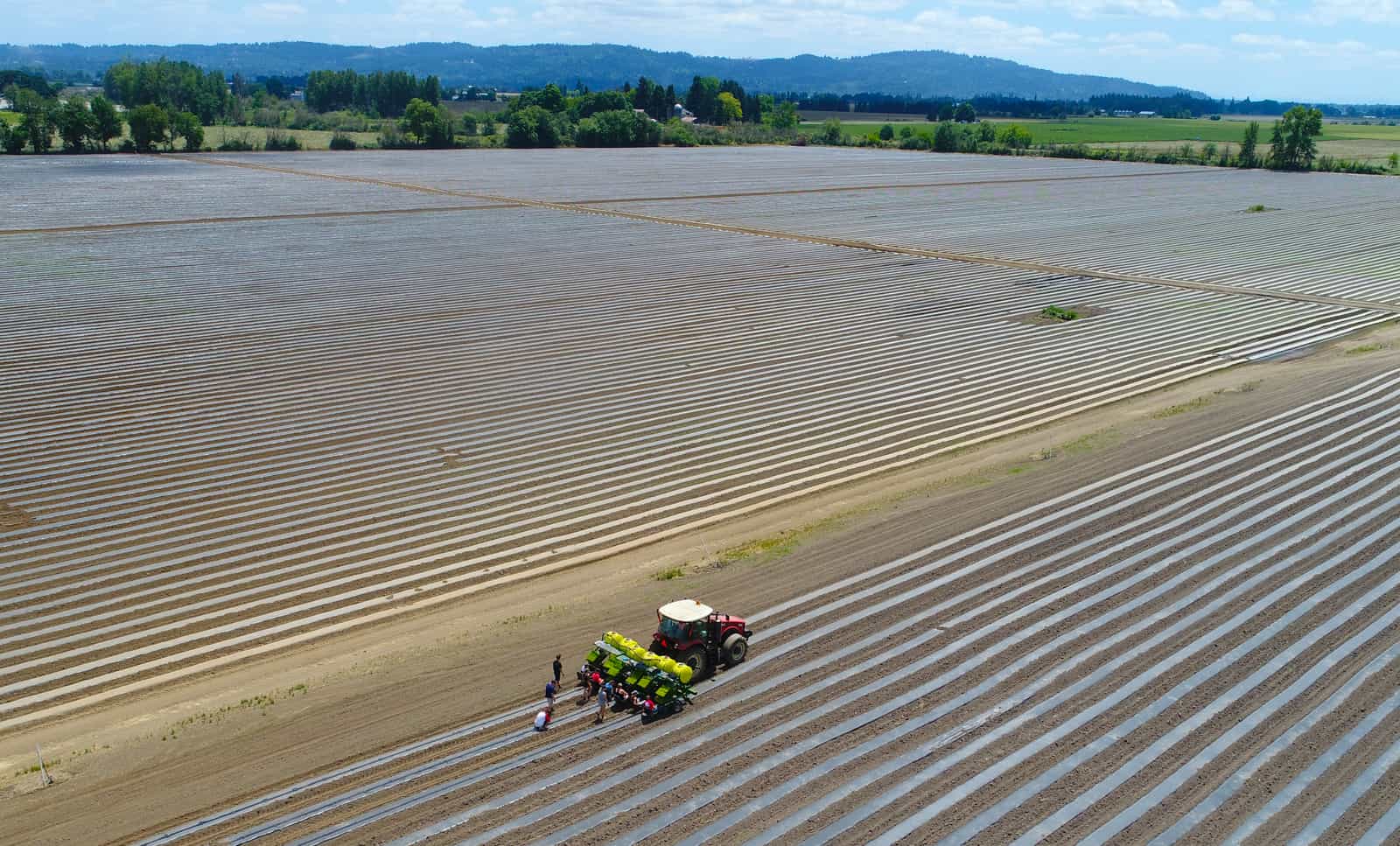
In the video below, our Co-Owner Eric Crawford walks through how we prepare our fields using raised beds, plastic mulch, and drip irrigation.
These methods have worked extremely well for us, but they're certainly not the only way to grow hemp successfully.
Video: Preparing Hemp Fields with Plastic Mulch and Irrigation
From preparing the soil to laying plastic mulch and installing irrigation, this video provides a look at some of the equipment and practices we use for commercial hemp production.
Below are a few additional considerations for growers preparing their own fields.
1. Start with Healthy, Well-Draining Soil
Before planting anything, take a good look at your soil.
Cannabis can grow in a wide range of soil types, but it generally performs best in well-draining soils with good structure and adequate fertility.
Heavy clay soils, compacted ground, and areas prone to standing water can create serious problems, particularly during the first few weeks after transplanting.
We recommend soil testing before making major fertilizer or amendment decisions. Understanding your soil's pH, nutrient availability, and organic matter content can save considerable money and frustration.
For larger fields, ripping, tilling, or discing may be appropriate to relieve compaction and prepare a uniform planting bed, depending on your soil conditions and previous management practices.
The goal is simple: give your plants plenty of room to develop healthy root systems.
2. Raised Beds and Plastic Mulch
We frequently use raised beds covered with agricultural plastic mulch for commercial field production.
There are several advantages to this approach:
-
Weed Suppression: Plastic mulch dramatically reduces weed pressure directly around the plants.
-
Moisture Management: Mulch helps limit evaporation and maintain more consistent soil moisture.
-
Soil Temperature: Plastic can help warm the soil earlier in the season, particularly in cooler climates.
-
Drainage: Raised beds can improve drainage in fields where excess moisture is a concern.
Of course, plastic mulch isn't necessary for every operation.
Growers producing biomass at very large scales may prefer conventional row-crop methods, cultivation equipment, or other weed management strategies.
And in particularly hot climates, plastic mulch can contribute to excessive soil temperatures.
The best approach depends on your location, equipment, labor availability, and production goals.
3. Plan Your Irrigation Before Planting
Irrigation is one of the most important aspects of successful commercial hemp production.
We've had excellent results using drip irrigation beneath plastic mulch. It delivers water directly to the root zone while minimizing evaporation and keeping much of the surrounding soil dry.
However, drip irrigation requires careful installation and monitoring.
Lines can become clogged, damaged, or displaced, and uneven pressure can create inconsistent watering across a field.
For growers using direct seeding rather than transplants, irrigation becomes even more critical because water must reach the precise location of each seed.
Overhead irrigation systems, including center pivots, can be particularly effective for direct-sown fields because they provide more uniform surface moisture.
We cover these challenges in greater detail in our guide to direct sowing cannabis seeds outdoors.
Whatever system you choose, make sure it's working properly before planting thousands of seedlings.
4. Soil Fertility and Field Amendments
Cannabis is a relatively heavy-feeding crop, particularly when grown for high yields of flower or biomass.
We generally incorporate organic fertilizers and soil amendments before planting, then supplement nutrients throughout the growing season as needed.
One of our longtime favorites is Nutri-Rich 4-3-2, an organic fertilizer we've used extensively in our commercial fields.
But fertilizer requirements vary tremendously depending on soil fertility, plant density, irrigation, and production goals.
Don't assume that more fertilizer means more yield.
Excessive nutrients can cause poor growth, unnecessary expenses, and environmental problems.
For more information on how we approach fertilization, check out our basic feeding schedule for outdoor cannabis.
5. Plant Spacing and Field Layout
Before laying mulch or installing irrigation, consider how large your plants are likely to become.
Spacing requirements can vary considerably between varieties and production systems.
For example, a large, vigorous CBD biomass variety like Lifter may require considerably more room than a compact variety grown for premium smokable flower.
Equipment access also matters.
You'll need adequate space for transplanting, irrigation maintenance, weed control, spraying where appropriate, and eventually harvesting.
For biomass production, growers may prioritize plant population and efficient mechanical operations. Smokable flower production often benefits from wider spacing that allows better airflow, plant access, and flower development.
There's no single spacing recommendation that works for every hemp farm.
The important thing is to plan your field around the genetics you're growing and the equipment you'll be using.
6. Weed Management Starts Before Planting
One of the biggest challenges in commercial hemp production is controlling weeds before the cannabis canopy becomes established.
Young cannabis plants can be overwhelmed by aggressive weeds, particularly in fields with heavy weed seed banks.
Plastic mulch can help considerably, but weeds will still grow between rows and around planting holes.
Depending on your production system, mechanical cultivation, mowing, cover crops, and other management practices can help keep weeds under control.
Once cannabis plants become established and develop large canopies, they can suppress some competing vegetation.
But don't count on your plants to solve a weed problem that's already out of control.
7. Choose Genetics That Fit Your Farm
Field preparation is only half the equation.
Choosing the right cannabis genetics for your climate, production goals, and harvest schedule is equally important.
Some varieties develop enormous plants with exceptional biomass yields. Others are better suited to premium flower production, shorter growing seasons, or specialized cannabinoid markets.
For growers producing CBD biomass, we've had tremendous success with varieties such as Lifter, Sour Lifter, and Suver Haze.
These varieties offer different growth habits and maturity windows, which can be particularly useful when planning large harvests.
Our guide to choosing high-CBD biomass seeds covers some of our favorite genetics for commercial production.
And if you're growing for smokable flower, consider flowering time, plant structure, disease resistance, and the labor required for harvesting and processing.
Preparation Makes All the Difference
Growing hemp at scale is a serious agricultural undertaking, and there's no substitute for proper planning.
We've seen beautiful crops come out of relatively simple production systems, and we've seen expensive operations struggle because of poor soil preparation, irrigation problems, or inadequate weed control.
Our advice? Get your fields dialed in before you start planting.
Take the time to understand your soil, install reliable irrigation, choose appropriate genetics, and plan for the challenges you'll face throughout the season.
A little extra work before planting can save an enormous amount of time, money, and frustration later.
And be sure to watch Eric's video above for a closer look at how we prepare our own commercial hemp fields.