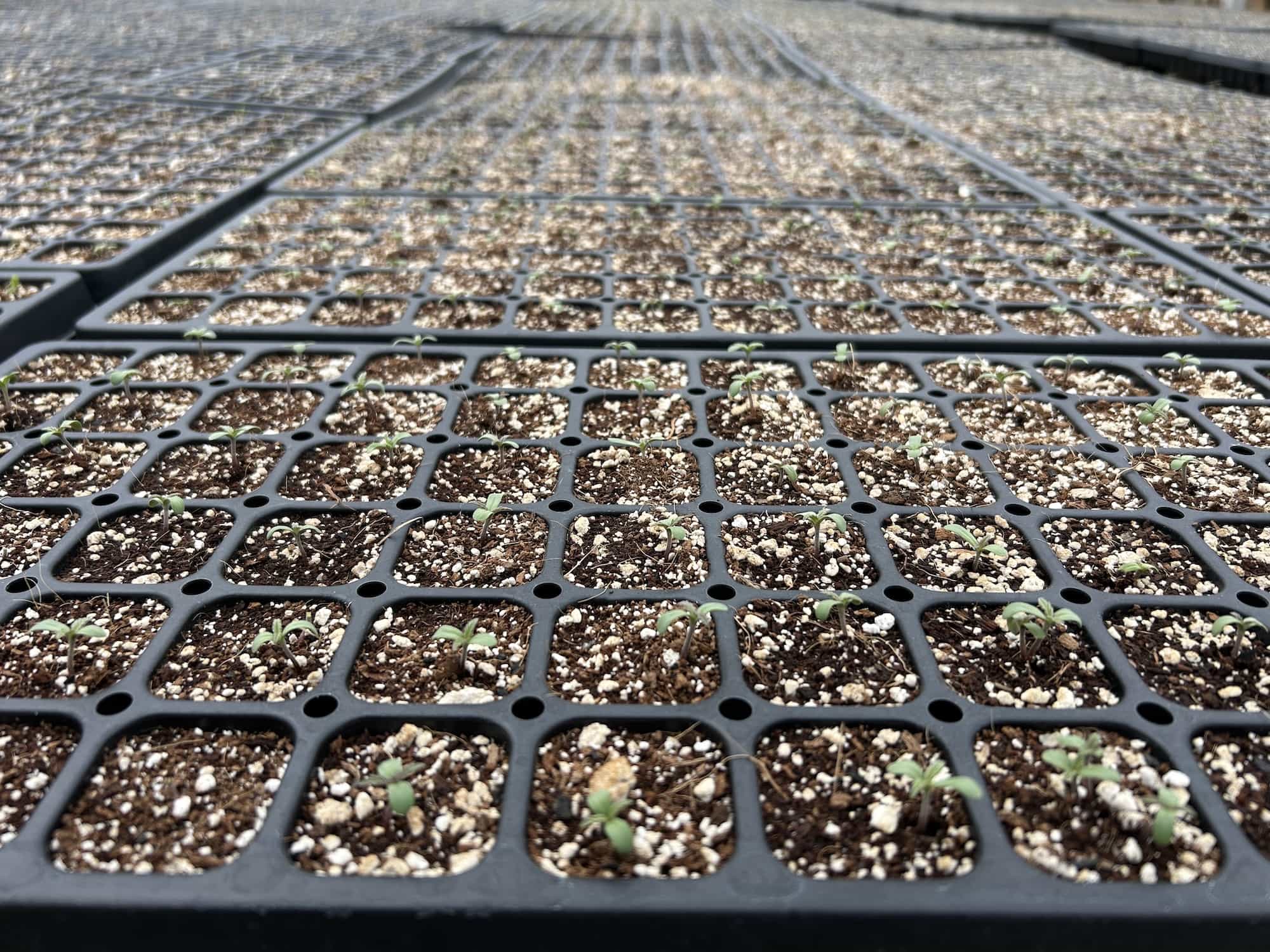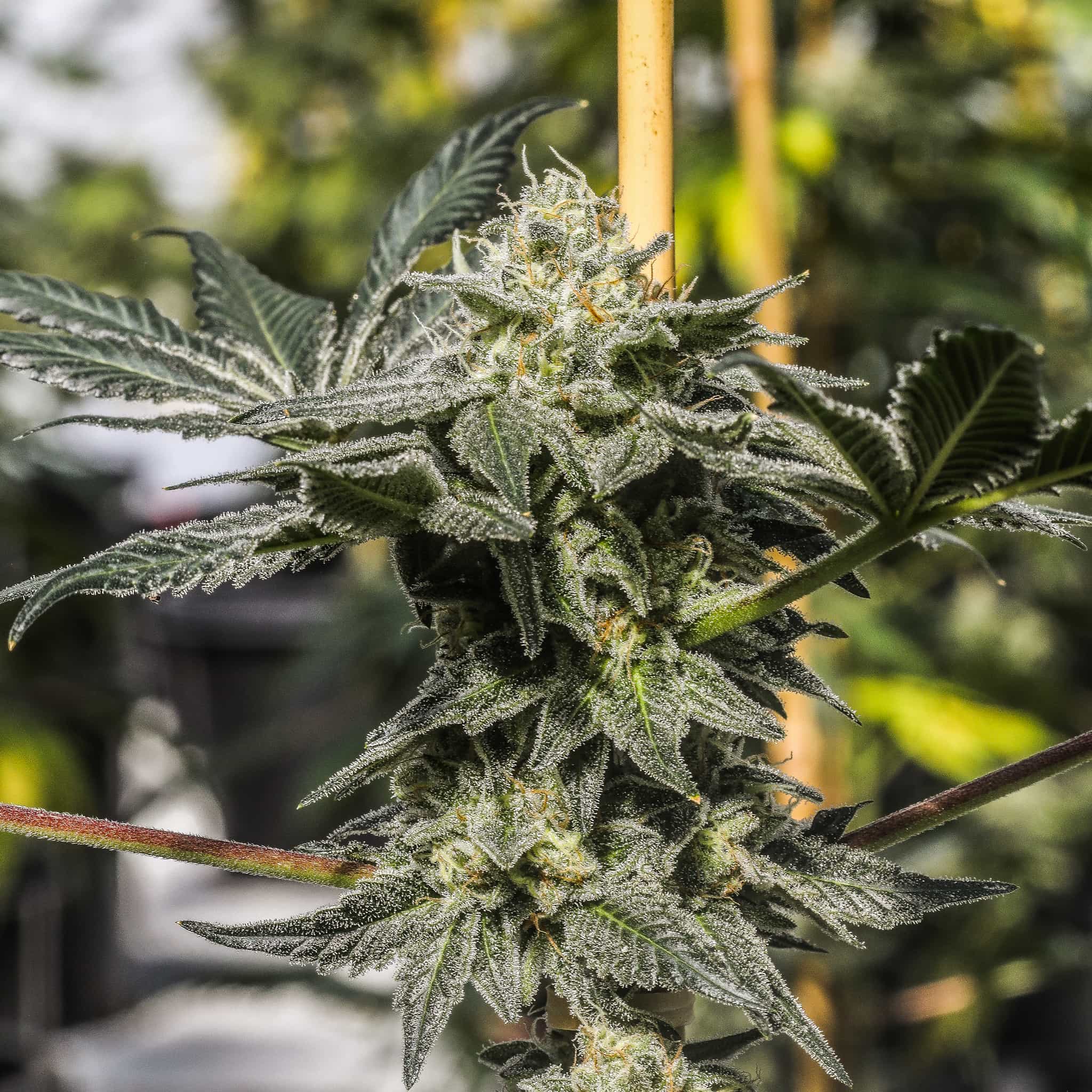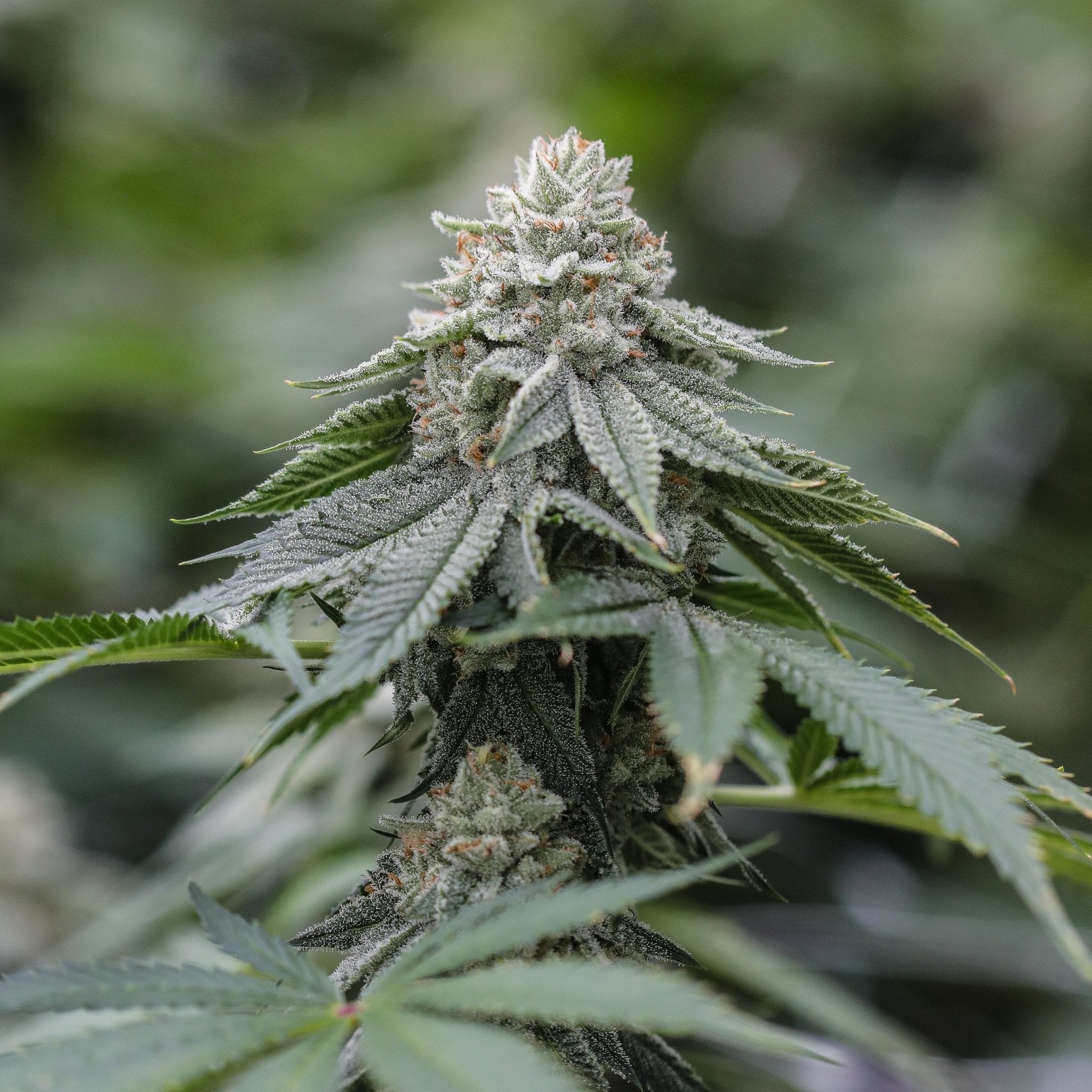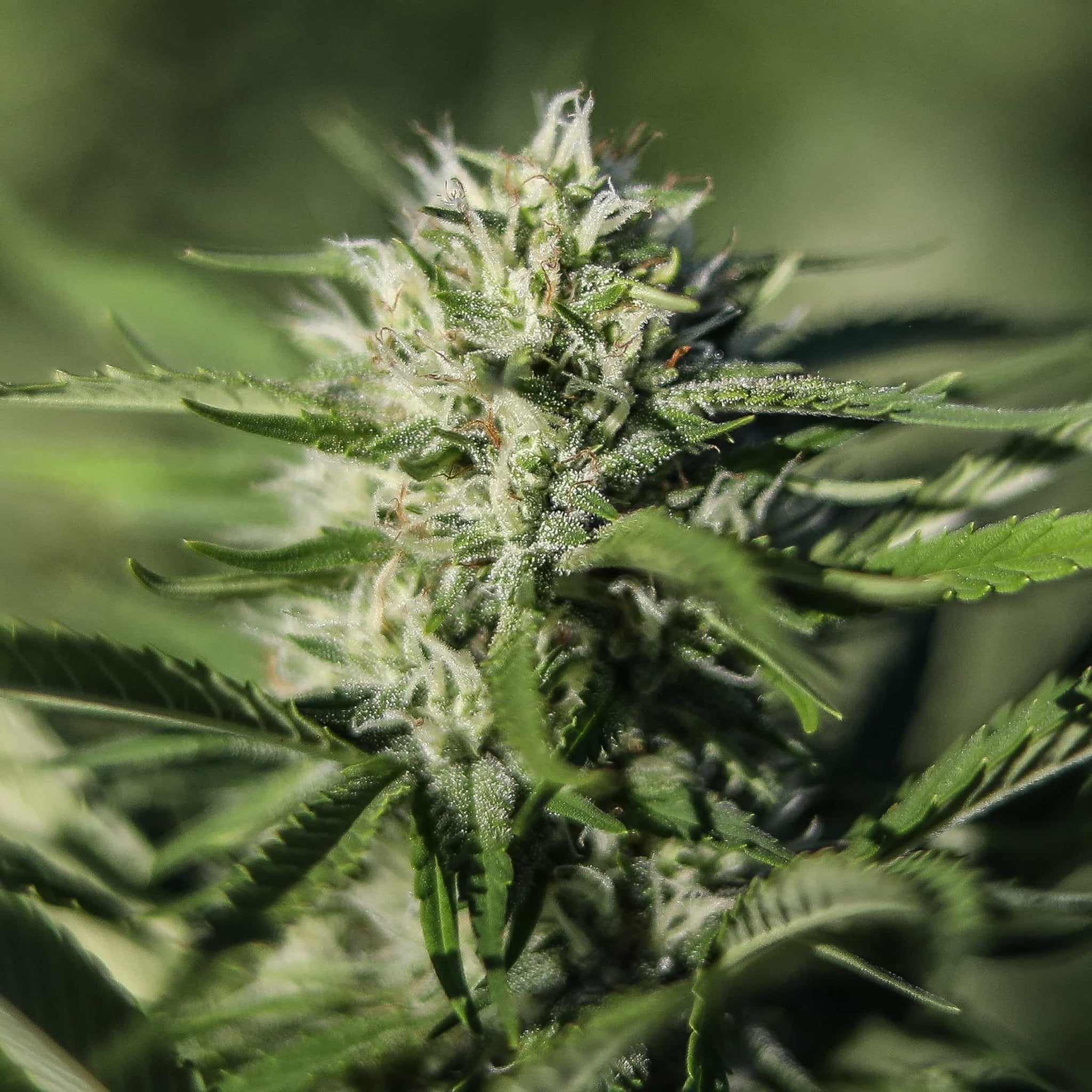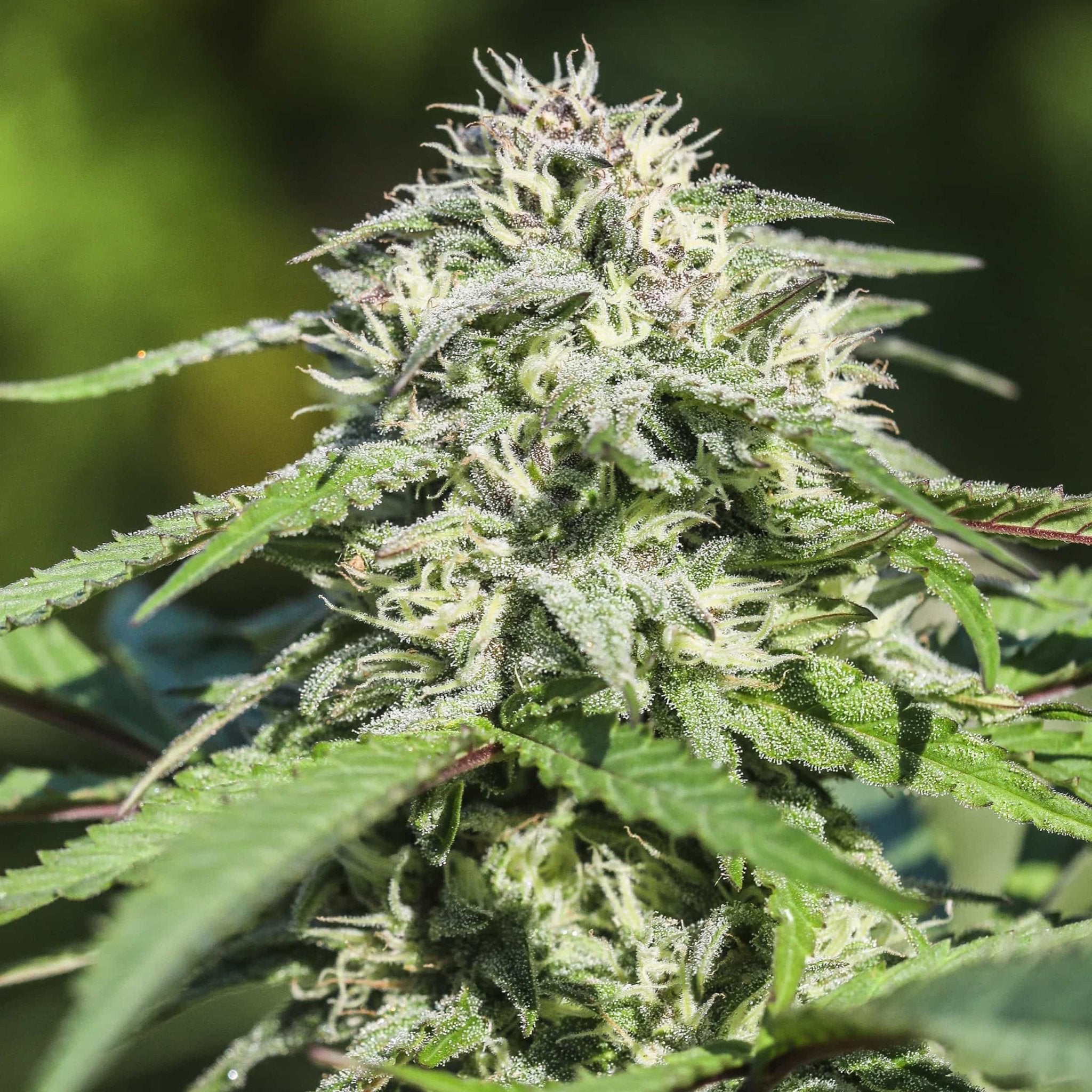


At GTR Seeds, innovation begins with science. Our approach to cannabis breeding is rooted in genetics, plant pathology, and agricultural research, with one goal: developing better cannabis seeds that deliver consistent, reliable results for growers.
Through years of research and breeding, our team has helped advance the understanding of cannabinoid production, disease resistance, polyploid genetics, and plant performance. These efforts have contributed to the development of commercially available F1 hybrid cannabis seeds and specialized genetics rich in CBD, CBG, CBDV, THCV, and other cannabinoids.
Our work is about more than developing new varieties. It's about understanding the science behind cannabis and applying that knowledge to create more predictable, productive, and resilient crops.
From Scientific Discovery to Better Cannabis Seeds
Cannabis breeding presents unique challenges. Variations in cannabinoid expression, susceptibility to disease, inconsistent growth, and unpredictable flowering characteristics can all affect commercial production.
At GTR Seeds, our breeding programs use scientific research to address these challenges through several key areas:
-
Cannabinoid genetics: Studying the genetic mechanisms responsible for cannabinoid production and developing varieties with consistent cannabinoid profiles, including CBD seeds and CBG-dominant genetics.
-
Triploid cannabis development: Exploring the characteristics of diploid, triploid, and tetraploid cannabis plants to better understand how chromosome number influences plant development, fertility, and agricultural performance. Explore our triploid cannabis seeds.
-
Disease resistance: Identifying genetic markers associated with resistance and susceptibility to powdery mildew, one of the most widespread diseases affecting cannabis cultivation.
-
Flowering and plant development: Investigating the genetic basis of flowering behavior and other important agronomic characteristics to improve crop predictability.
-
Cannabis genomics: Contributing to research on the cannabis pangenome, genetic diversity, and the evolution of cannabinoid synthase genes.
By combining these scientific insights with extensive field trials and selective breeding, we work to translate research into practical improvements for cannabis growers.
Published Cannabis Research: Our Contributions to Science
Our commitment to scientific discovery extends far beyond our own breeding programs. Members of our research team have contributed to 11 peer-reviewed scientific publications and research manuscripts, covering topics ranging from cannabinoid biosynthesis and polyploid genetics to disease resistance and genome sequencing.
Among these contributions is a landmark study published in Nature, one of the world's most influential scientific journals, examining the genetic diversity and evolution of cannabis.
Below is a selection of research publications and manuscripts co-authored by members of our team.
Cannabis Genetics, Cannabinoids, and Polyploid Research
1.Domesticated Cannabinoid Synthases Amid a Wild Mosaic Cannabis Pangenome — Nature, 2025.
This research explores the remarkable genetic diversity of cannabis and the evolutionary history of cannabinoid synthase genes. By examining the cannabis pangenome, researchers gained new insights into the genetic architecture underlying cannabinoid production and domestication.
2. Characteristics of Diploid, Triploid, and Tetraploid Versions of a Cannabigerol-Dominant F2 Hybrid Industrial Hemp Cultivar (Cannabis sativa Stem Cell CBG)
Genes
This study compares cannabis plants with different chromosome numbers, examining characteristics relevant to polyploid breeding. The research provides important scientific context for the development of triploid cannabis seeds and the potential agricultural applications of polyploid genetics.
3. SNP in a Potentially Defunct Tetrahydrocannabinolic Acid Synthase as a Marker for Cannabigerolic Acid Dominance in Cannabis sativa L.
Genes
This study identifies a genetic marker associated with CBG-dominant cannabis. Such discoveries help breeders better understand cannabinoid inheritance and support the development of more consistent CBG-producing varieties.
4. Comparison of Recombination Rate, Reference Bias, and Unique Pangenomic Haplotypes in Cannabis sativa Using Seven De Novo Genome Assemblies
International Journal of Molecular Sciences
This research examines genetic variation across multiple cannabis genome assemblies, contributing to a more complete understanding of cannabis diversity and the genomic tools available to breeders.
Cannabis Disease Resistance and Flowering Genetics
5. Discovery and Genetic Mapping of PM1, a Powdery Mildew Resistance Gene in Cannabis sativa L.
Frontiers in Agronomy
Powdery mildew is a major concern for cannabis growers. This study identifies and maps a gene associated with resistance, providing valuable information for future disease-resistant cannabis breeding programs.
6. Genetic Mapping, Identification, and Characterization of a Candidate Susceptibility Gene for Powdery Mildew in Cannabis sativa
Molecular Plant-Microbe Interactions
This research investigates genetic factors that influence susceptibility to powdery mildew, offering additional insight into how cannabis breeders may improve disease resistance.
7. First Report of Powdery Mildew Caused by Golovinomyces ambrosiae on Cannabis sativa in Oregon
Plant Disease
This publication documents an important cannabis pathogen in Oregon, contributing to the scientific understanding of disease identification and management.
8. Genetic Mapping of NSP Markers and Candidate Genes Associated with Day-Neutral Flowering in Cannabis sativa L.
bioRxiv — Research Preprint
This manuscript investigates genetic markers associated with day-neutral flowering, an important characteristic in autoflowering cannabis varieties. Understanding these genetic mechanisms can support the development of more predictable flowering traits.
Additional Scientific Contributions
9. A Draft Reference Assembly of the Psilocybe cubensis Genome
F1000Research
Although focused on a different organism, this genome assembly research reflects the broader expertise of our scientific collaborators in genomics, sequencing, and genetic analysis.
10. Estimating the Quasi-Underground Oregon's Informal Marijuana Economy
HJSR
This research examines the economic dimensions of Oregon's informal cannabis market, contributing to the broader understanding of the cannabis industry.
Explore our scientific publications and research manuscripts
Why Peer-Reviewed Research Matters in Cannabis Breeding
The cannabis industry is filled with claims about genetics, potency, yield, and plant performance. However, meaningful breeding progress requires more than marketing or anecdotal observations.
Scientific research helps establish a stronger foundation for understanding how cannabis plants inherit traits, respond to disease, produce cannabinoids, and perform under different growing conditions.
For GTR Seeds, contributing to published research reflects our commitment to transparency, reproducibility, and evidence-based cannabis breeding.
Our research collaborations also help bridge the gap between academic discovery and commercial agriculture, allowing scientific findings to inform the development of new cannabis varieties.
Science-Driven Cannabis Breeding for the Future
We believe the future of cannabis breeding will be shaped by genetics, genomic research, and an increasingly sophisticated understanding of plant biology.
From pioneering CBG-dominant genetics to developing new triploid cannabis varieties, GTR Seeds continues to invest in breeding programs that push the boundaries of what's possible.
Our goal remains the same: combine rigorous science with practical agricultural experience to develop better seeds for growers around the world.
Explore our cannabis seed collections to see how our research and breeding efforts translate into commercially available genetics.