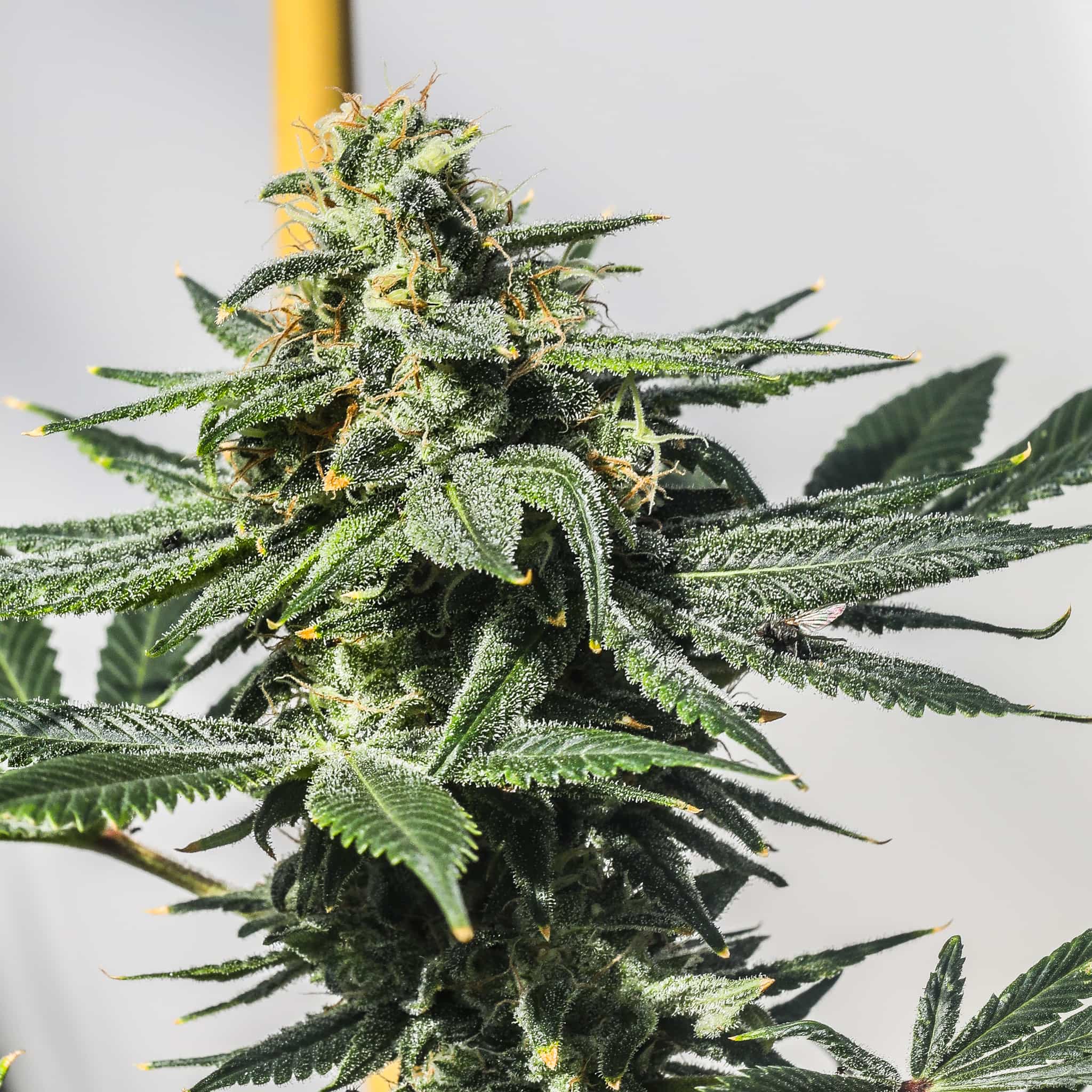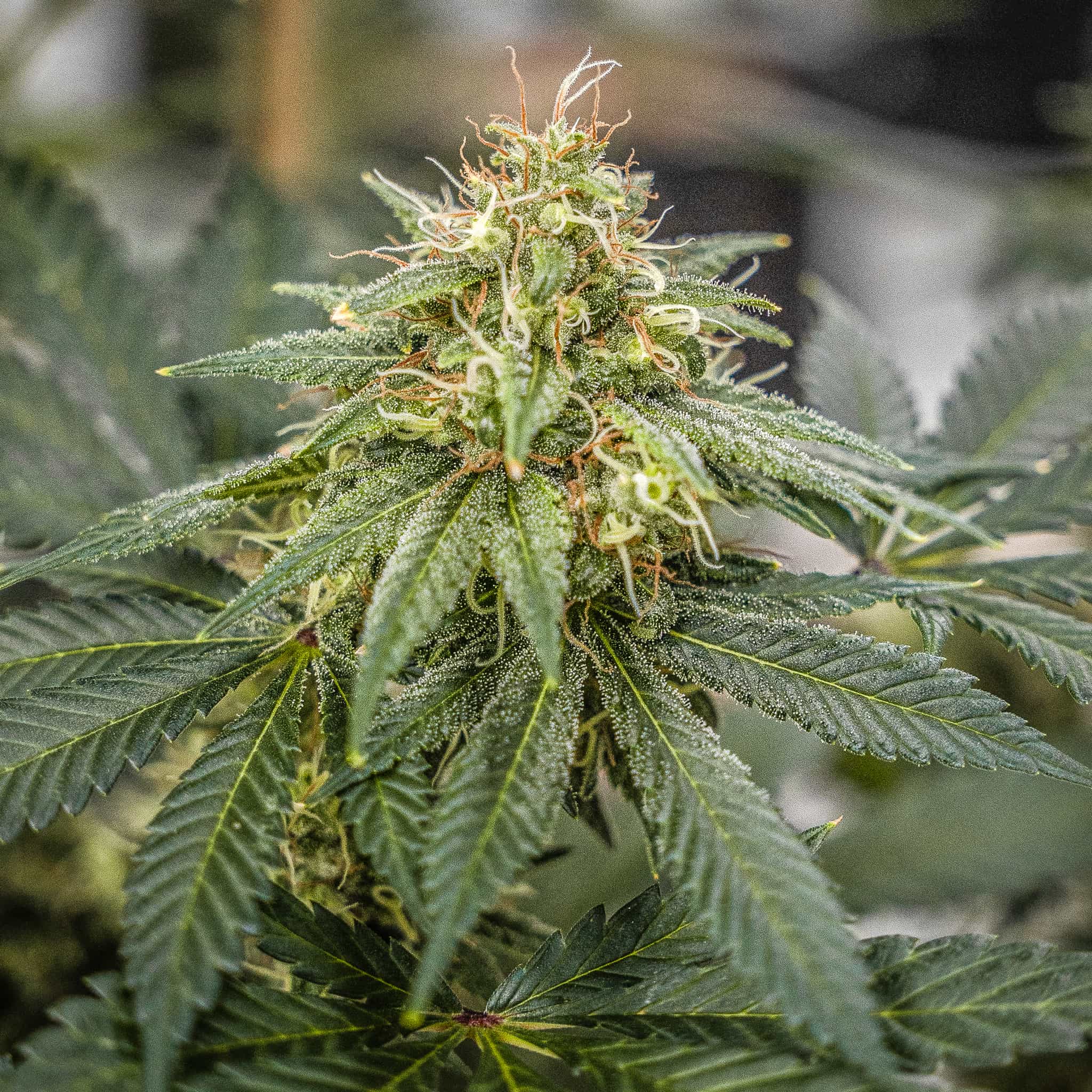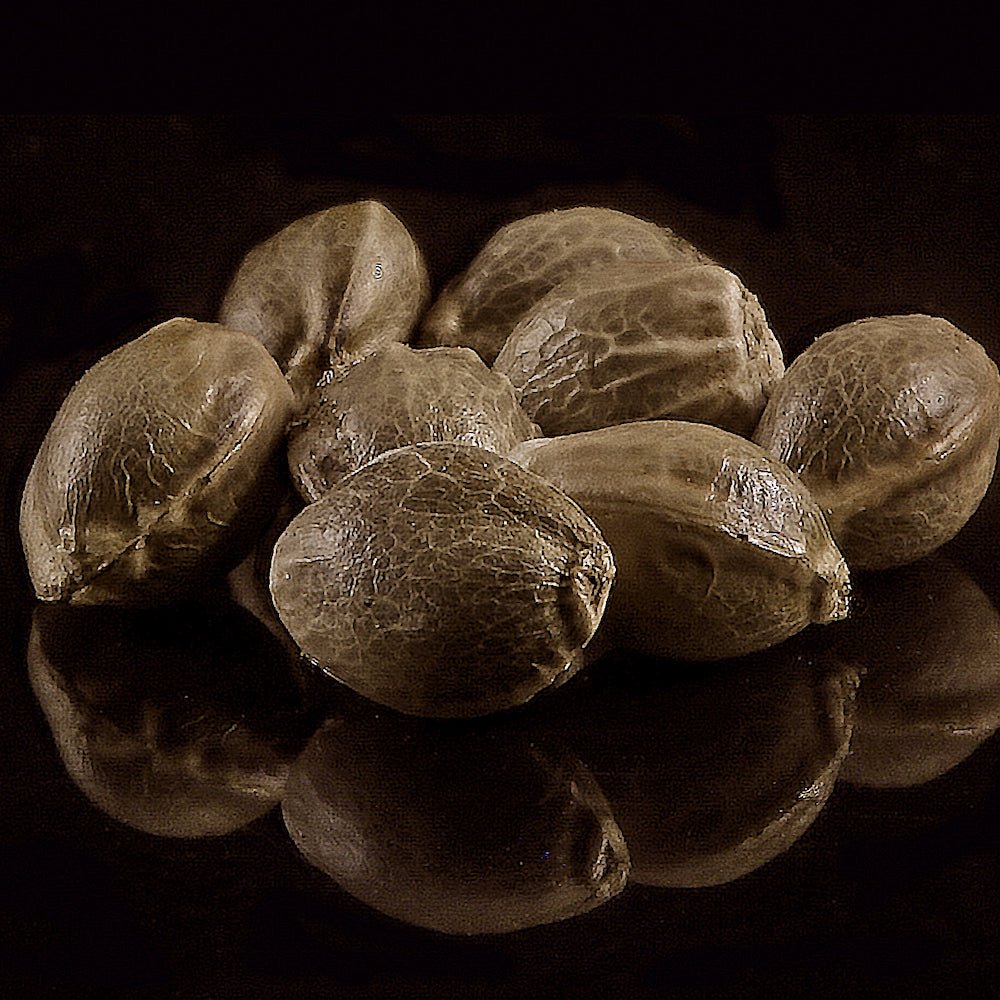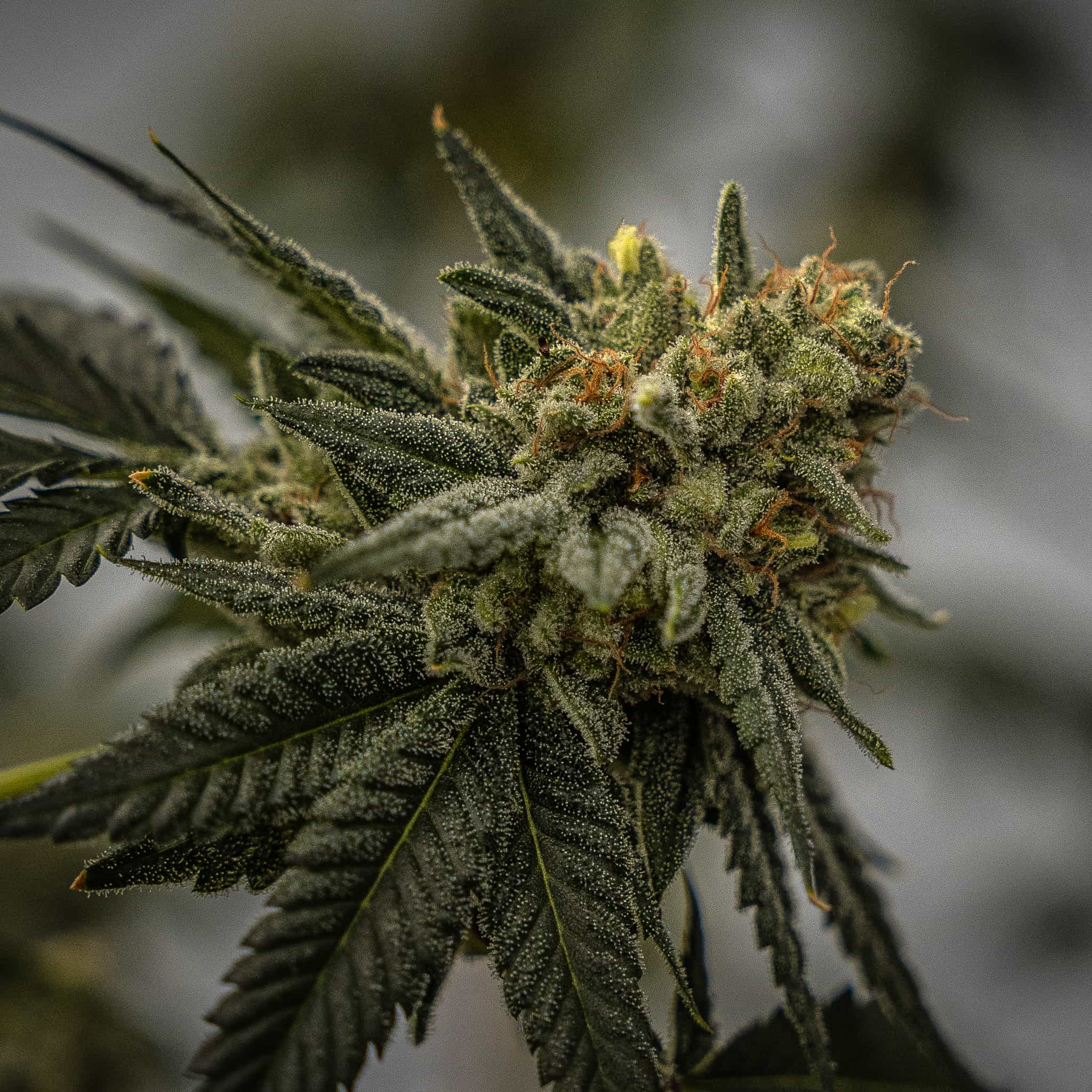


One of the most common concerns we hear from hemp growers is whether their CBG crop will remain compliant with the federal 0.3% total THC limit all the way through harvest.
It's a legitimate concern. Anyone who has grown CBD hemp knows that THC concentrations can increase as flowers mature, sometimes pushing an otherwise beautiful crop over the legal limit.
But CBG is a different animal.
At GTR Seeds, we've spent years breeding and selecting CBG-dominant cannabis varieties with exceptionally low THC production. We're confident enough in our genetics that we expect our CBG varieties to remain below 0.3% total THC even at full maturity, including the day of harvest.
And we've got some pretty compelling field results to back that up.
CBG Plants Don't Suddenly Start Producing THC
There's a misconception among some growers that if you leave a hemp plant in the field long enough, it will eventually start producing significant amounts of THC.
That's simply not how cannabinoid genetics work.
Cannabis produces cannabinoids through a series of biochemical pathways. CBGA is the precursor used to produce several major cannabinoids, including THCA, CBDA, and CBCA.
In THC-dominant cannabis, functional THCA synthase converts CBGA into THCA. In CBD-dominant plants, CBDA synthase converts much of that precursor into CBDA.
CBG-dominant varieties are different. Their genetics limit the conversion of CBGA into these downstream cannabinoids, allowing CBGA to accumulate in the flowers.
This doesn't mean CBG plants are incapable of producing any THC. Small amounts can still be present, and concentrations can fluctuate with maturity and growing conditions.
But a genetically stable, properly bred CBG-dominant plant isn't going to suddenly turn into a high-THC variety because a grower waited another week or two to harvest.
We Let Our CBG Plants Go Well Past Maturity. Here's What Happened.
Sometimes the best way to demonstrate something is to take it to the extreme.
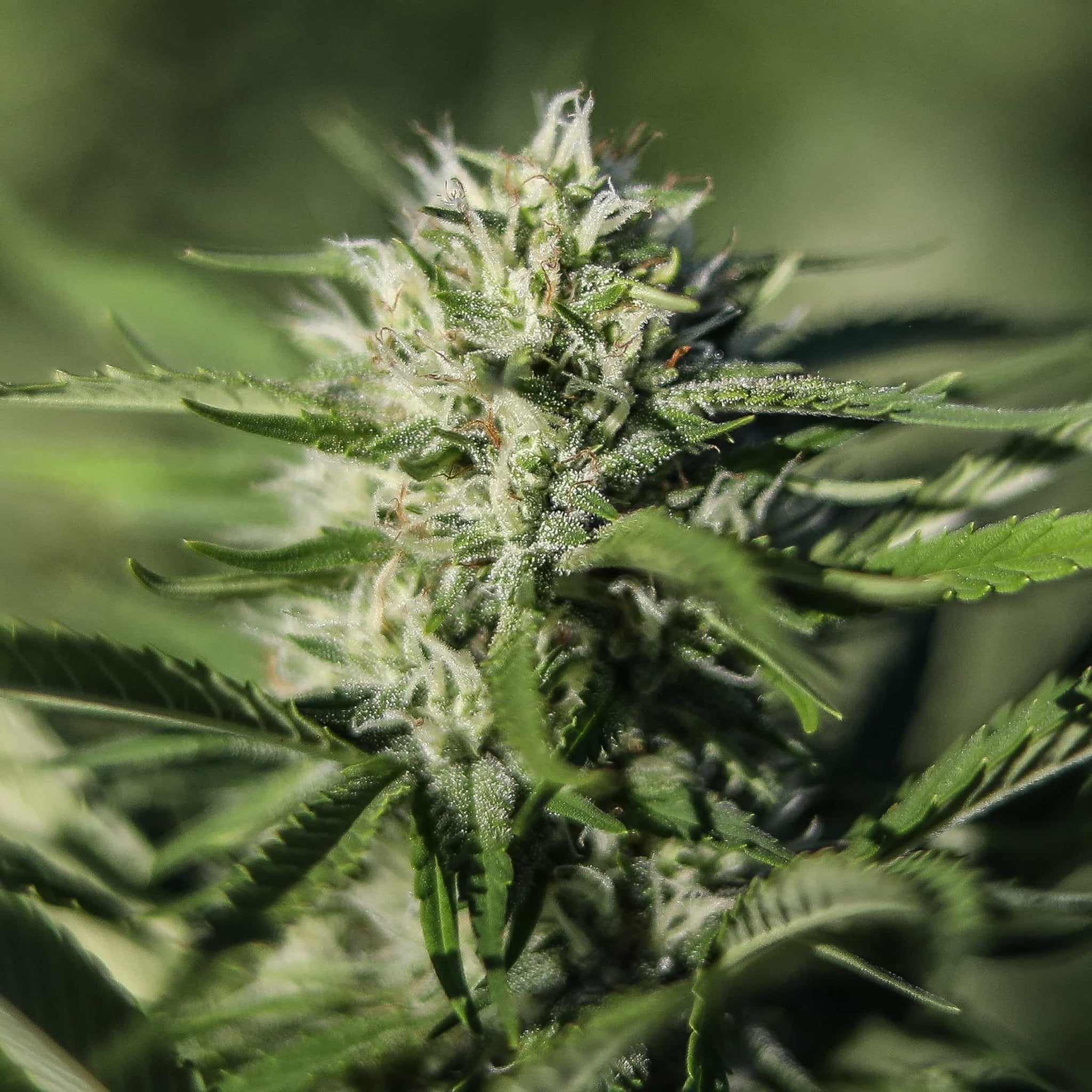
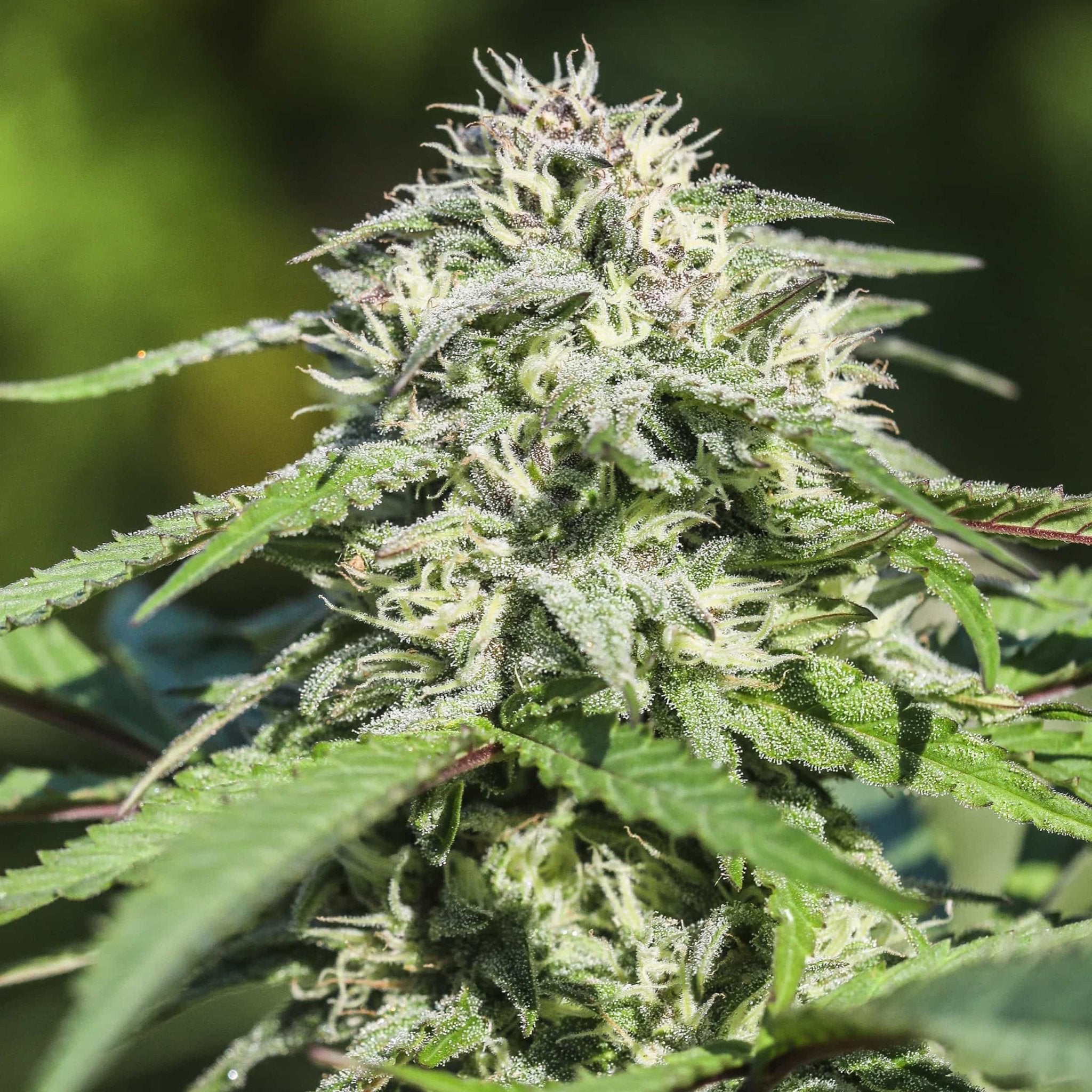
In the video below, you can see a woman collecting samples from one of our CBG fields at almost 12 weeks of flowering. This is from mid October when most folks harvest White CBG in mid September.
These plants were well beyond their ideal harvest window by almost a month. In fact, they were so far past peak maturity that flowers were beginning to rot in the field.
Nobody would intentionally wait this long to harvest a commercial crop. But it provided an excellent opportunity to see what happened to cannabinoid concentrations when our CBG genetics were allowed to mature far beyond the point at which a grower would normally harvest.
The laboratory results?
10.5% CBGA and just 0.128% total THC.
 That's right. Even after approximately 10 weeks of flowering, with plants deteriorating in the field, our CBG genetics were still comfortably below the 0.3% total THC threshold.
The measured THC concentration was nearly half the federal limit.
These results weren't from young plants or samples taken weeks before harvest. They were collected from plants that had already passed their prime.
Why Genetics Matter More Than Harvest Timing
With CBD hemp, growers often face a difficult balancing act. They want to maximize CBD production, but waiting too long can increase the risk of exceeding THC limits.
CBG-dominant genetics offer a different opportunity.
Because these plants accumulate CBGA rather than efficiently converting it into THCA or CBDA, their THC production can remain exceptionally low throughout flower development.
This is one of the reasons we've invested so heavily in breeding CBG varieties.
Our goal isn't simply to produce plants that pass compliance testing early in flower. We want genetics that growers can confidently take to their proper harvest window without constantly worrying that another few days of maturity will ruin their crop.
Of course, no responsible breeder can guarantee that every plant in every environment will always test below a particular threshold. Genetics, environmental conditions, sampling procedures, and laboratory variability all matter.
But with well-selected CBG genetics, growers have a powerful advantage.
Don't Confuse THC Compliance With Peak Maturity
There's another important distinction worth making.
Just because our CBG plants remained compliant at 12 weeks doesn't mean we'd recommend harvesting them that late.
In fact, we strongly advise against it.
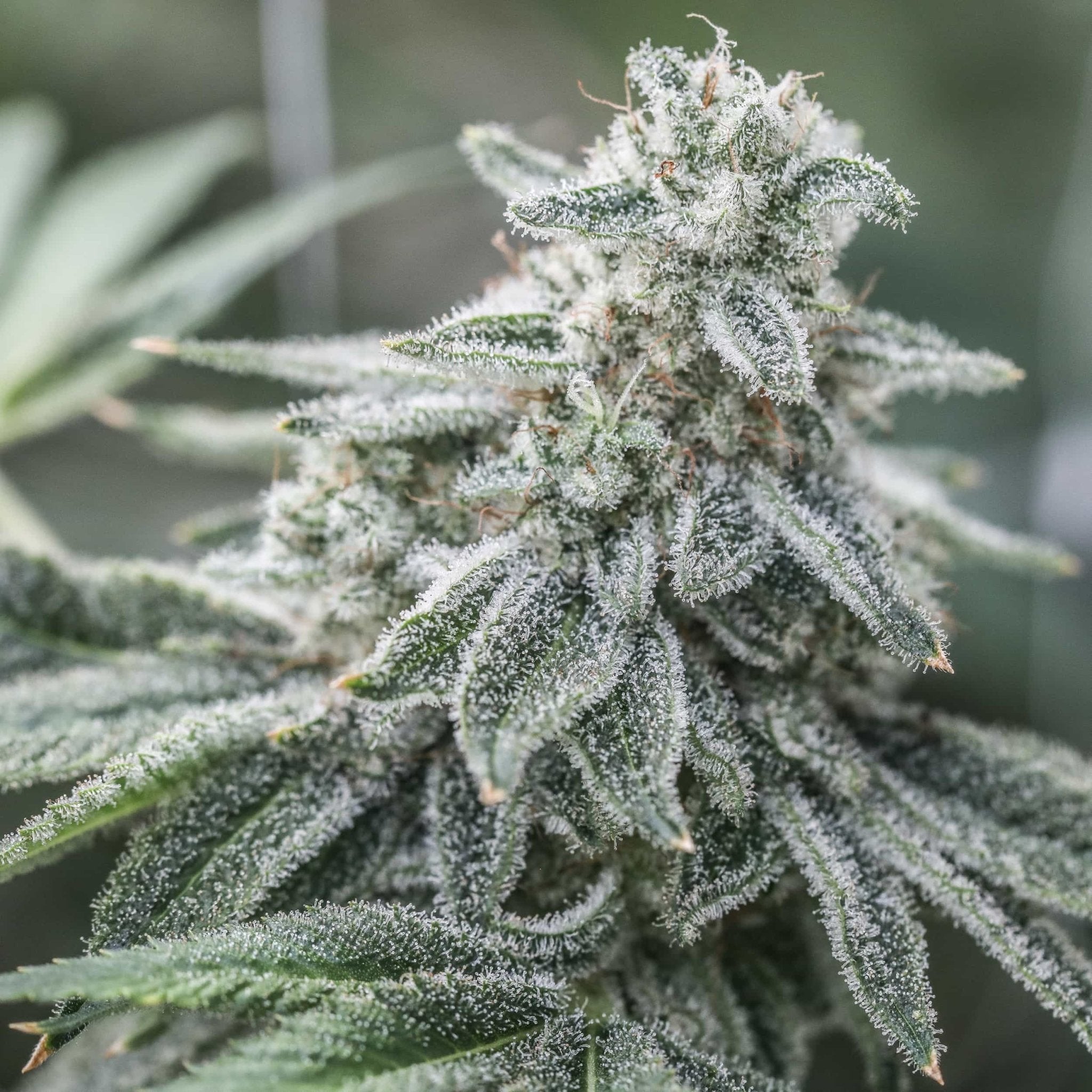
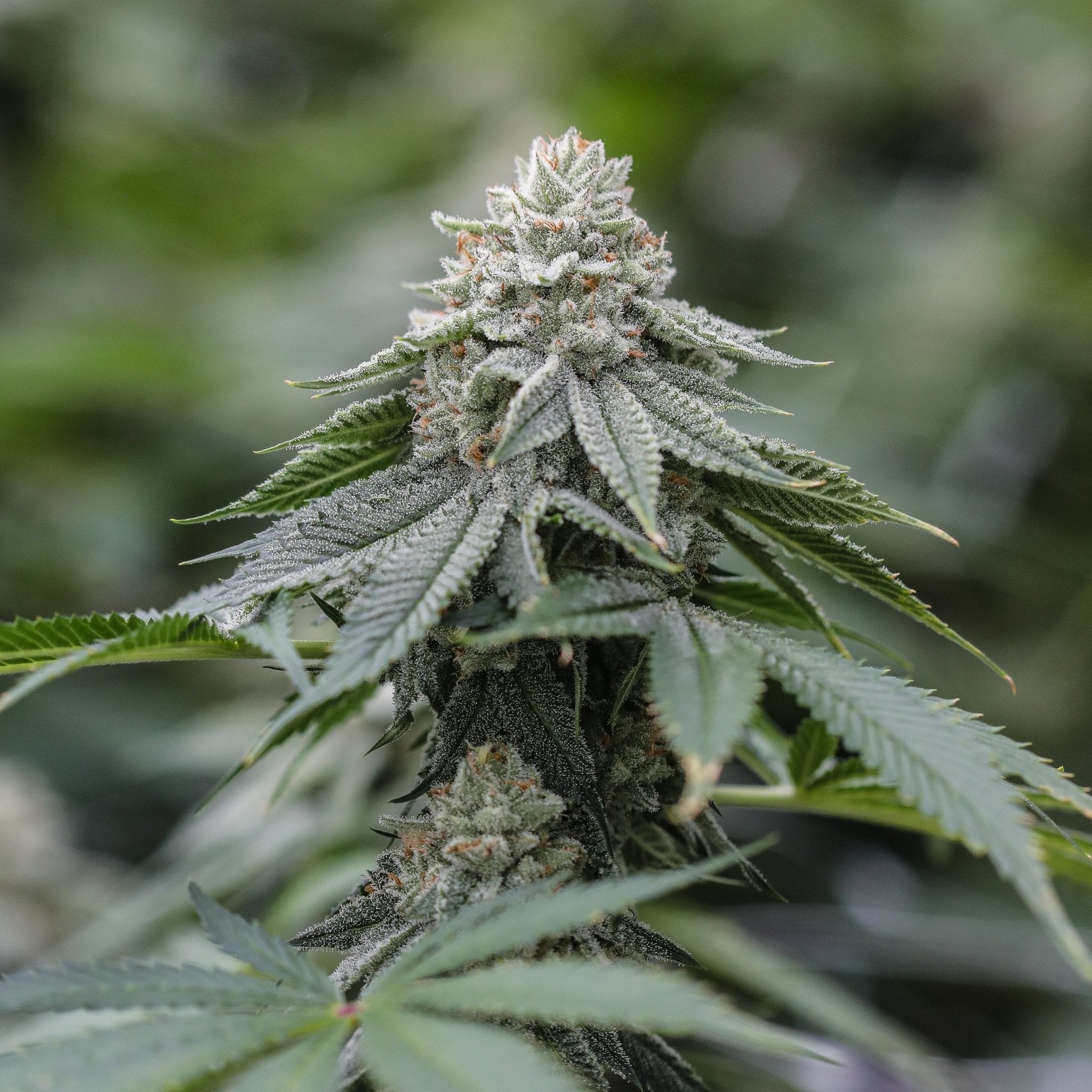
From our years of field research, our CBG varieties accumulate much of their cannabinoid content during weeks 6–7 of flower. Leaving plants standing well beyond maturity generally provides little benefit and can dramatically increase the risk of flower rot and other pathogens.
CBG flowers also mature differently than THC or CBD flowers. Unlike THC-dominant varieties, CBG trichomes generally don't progress from milky to amber. Waiting for amber trichomes can mean waiting far too long.
We recommend watching flower development, pistil coloration, and overall plant health rather than relying on trichome color alone.
For a more detailed explanation of proper harvest timing, pest management, and handling techniques, read our guide on When and How to Harvest CBG Plants.
Our field sampling video is a great example of why harvest timing still matters, even when THC compliance isn't a concern. The plants remained low in THC, but the flowers themselves were deteriorating.
Growers should harvest CBG when it's ready, not when they're worried about THC.
CBG Genetics You Can Grow With Confidence
At GTR Seeds, our breeding program is built around developing stable, consistent cannabis genetics that perform in real agricultural environments.
We've worked with CBG-dominant cannabis for years, developing varieties with excellent flower production, unique aromas, and remarkably low THC concentrations.
Our field results give us tremendous confidence in the compliance potential of these genetics, even when plants are allowed to mature well beyond their intended harvest window.
For hemp growers looking to minimize the risk of a hot crop, properly bred CBG-dominant varieties are among the most compelling options available.
Explore our CBG Seeds and learn more about the genetics behind our breeding program.
As always, growers should follow applicable state and federal testing requirements. Individual field results do not replace required compliance testing.