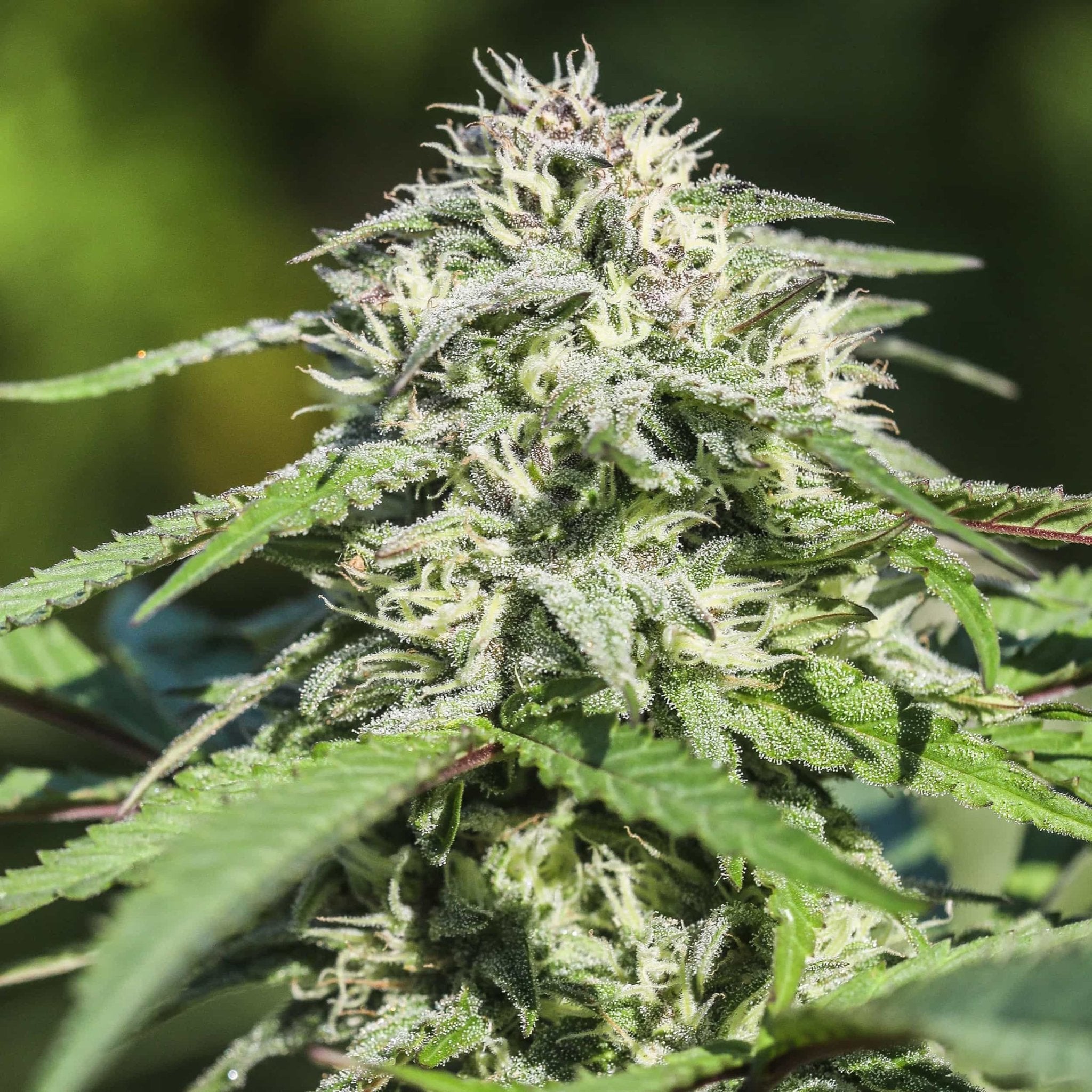


Most people talk about cannabis in terms of strain names, but in reality, the most important difference between cannabis varieties is something far more scientific: chemotype.
A cannabis chemotype is the plant’s chemical identity — specifically, which cannabinoids it naturally produces in the highest amounts. While aroma (terpenes) and morphology matter, chemotype is what truly defines whether a plant is THC-dominant, CBD-rich, or something rarer.
Cannabis is typically grouped into five primary chemotypes: Type I through Type V.
Type I: THC-Dominant
Type I cannabis is the most common in the recreational market. These plants produce high levels of THC / THCV and only trace amounts of CBD.
-
Primary cannabinoids: THC/THCV
-
CBD: Usually very low
-
Typical use: Psychoactive effect, euphoria, pain relief, appetite stimulation
This is what most people mean when they say “high THC weed.”
Type II: Balanced THC + CBD
Type II plants are cannabinoid “middle-ground” genetics, producing meaningful levels of both THC and CBD.
-
Primary cannabinoids: THC or/and THCV + CBD or/and CBDV
-
Typical ratio: Often close to 1:1 (but can vary)
-
Typical use: More functional, smoother effects, reduced anxiety compared to Type I
Type II is often preferred by medical patients and people who want THC benefits without getting overwhelmed.
Type III: CBD-Dominant (Low THC)
Type III cannabis is CBD-forward. It produces high CBD and minimal THC, usually below intoxication thresholds.
-
Primary cannabinoids: CBD/CBDV
-
THC: Typically low
-
Typical use: Calm, inflammation support, recovery, daily wellness
This is the foundation of the modern CBD market — and it’s also the backbone of many minor-cannabinoid breeding programs.
Type IV: “Rare Cannabinoid” Dominant (CBG, CBGV)
Type IV is where things get exciting.
These are cannabis plants that are dominant in cannabinoids outside the THC/CBD pairing — such as:
-
CBG
- CBGV (very rare)
Type IV lines can be difficult to find and even harder to stabilize, which is why they’re so valuable for breeding and research.
Type V: “Cannabinoid-Free” (Terpene-Only)
Type V cannabis produces little to no cannabinoids at all — including THC and CBD — but still produces terpenes and other aromatic compounds.
-
THC/CBD: Essentially none
-
Primary value: Aroma, terpene production, research, breeding
Type V is rare, but it’s scientifically important because it helps breeders and researchers better understand how cannabinoid pathways work.
Why Chemotypes Matter (More Than Strain Names)
Chemotypes cut through the marketing noise.
Instead of relying on strain names that may change from one breeder to another, chemotypes tell you what matters most:
-
How the plant will likely feel
-
What it’s useful for
-
How it can be used in breeding
-
Whether it’s compliant for hemp markets
-
Which cannabinoids you’re actually working with
As cannabis breeding evolves, chemotype classification is becoming one of the most useful tools for growers, breeders, extractors, and consumers alike.
All Things Considered
Cannabis isn’t just “indica vs sativa” or “this strain vs that strain.”
It’s a complex chemical plant — and the Type I–V chemotype system is one of the clearest ways to understand what you’re actually dealing with.
Whether you're chasing potency, balanced effects, wellness-forward CBD, or rare cannabinoids like CBGV and CBDV, chemotype is the roadmap.