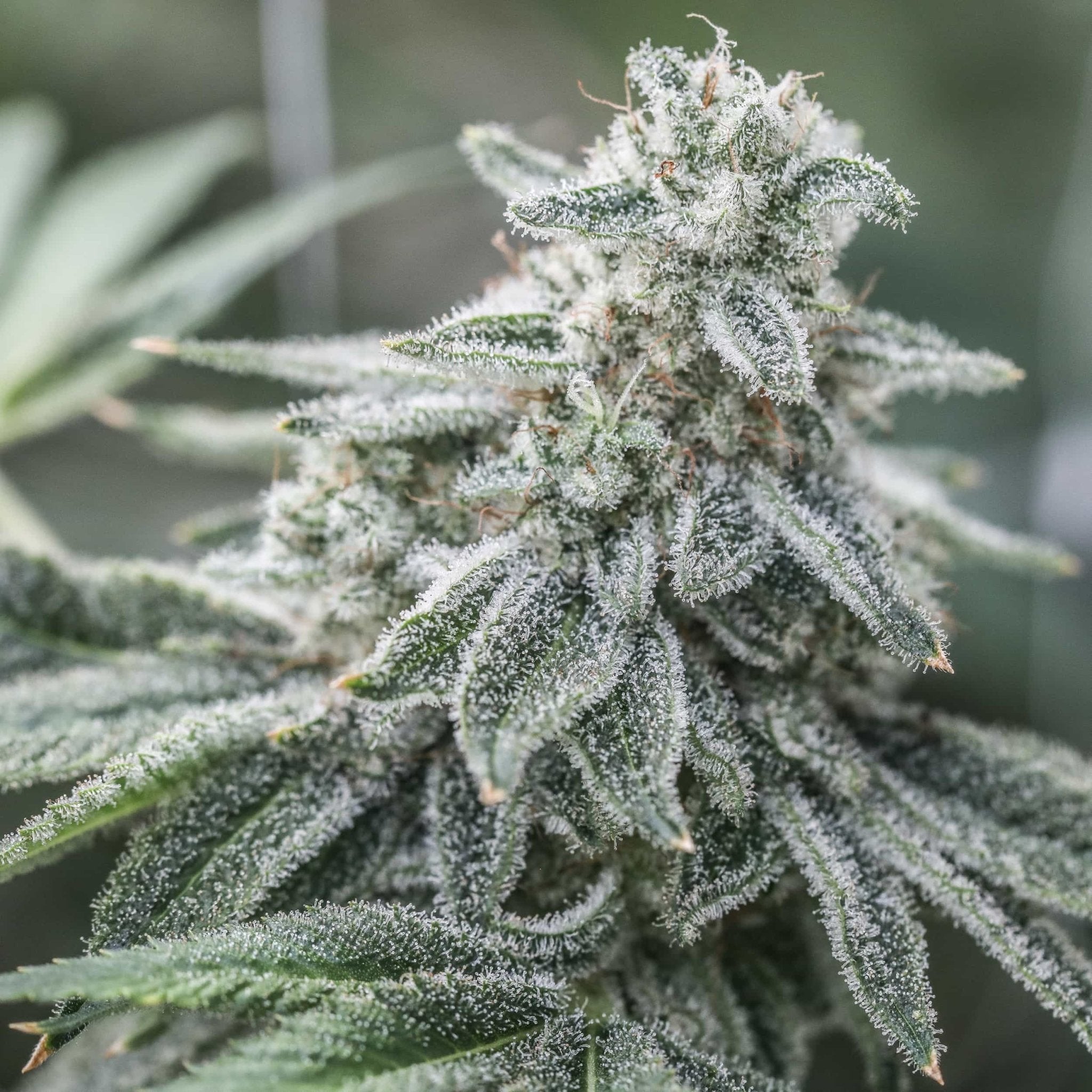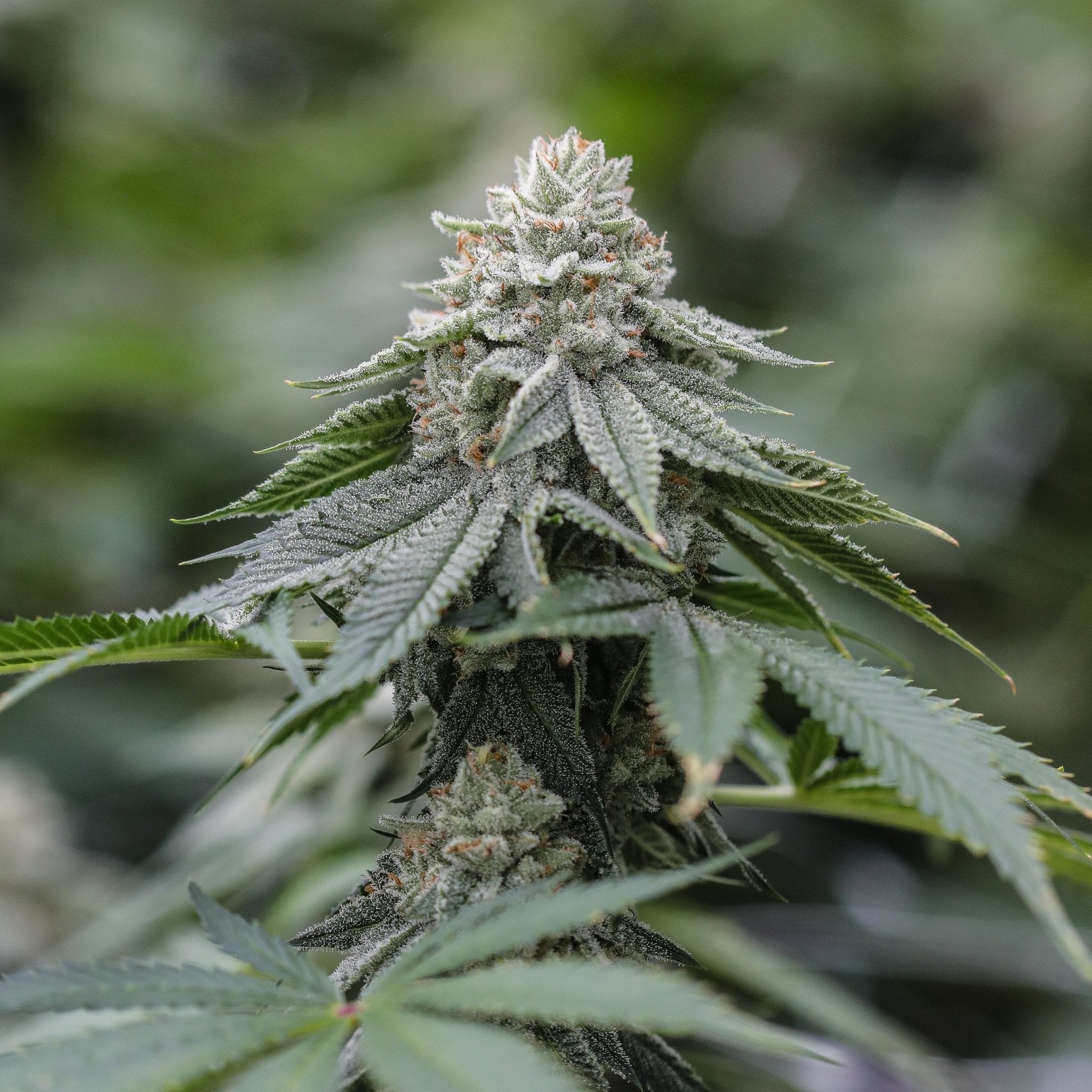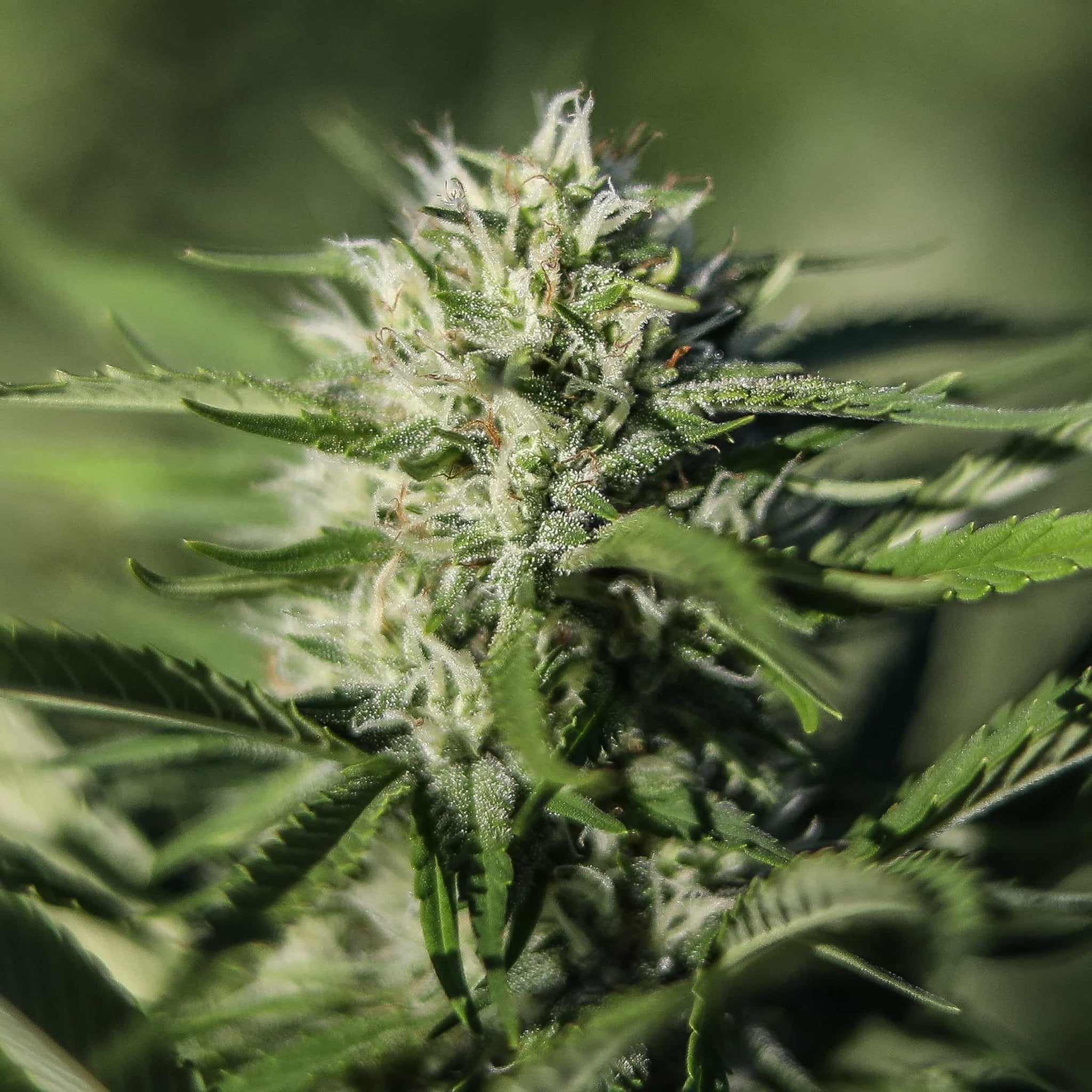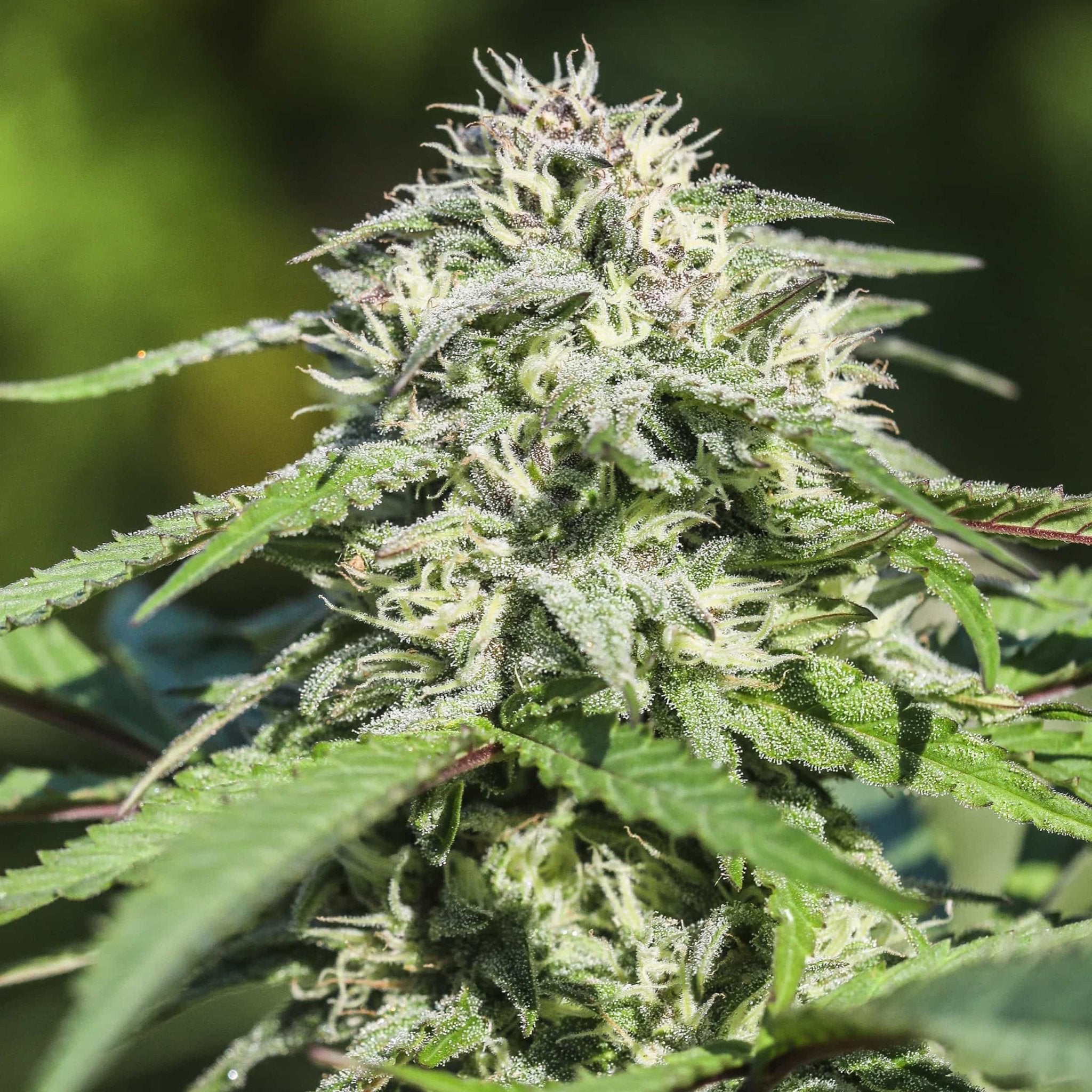


Most cannabis plants make the same handful of cannabinoids. Some make more THC, some make more CBD, and a few make mostly CBG. But almost none make meaningful amounts of CBGV.
CBGV, or cannabigerovarin, is one of the rarest cannabinoids in the plant. For most of cannabis history, it showed up as a trace compound on the rare lab reports that bothered to look for it.
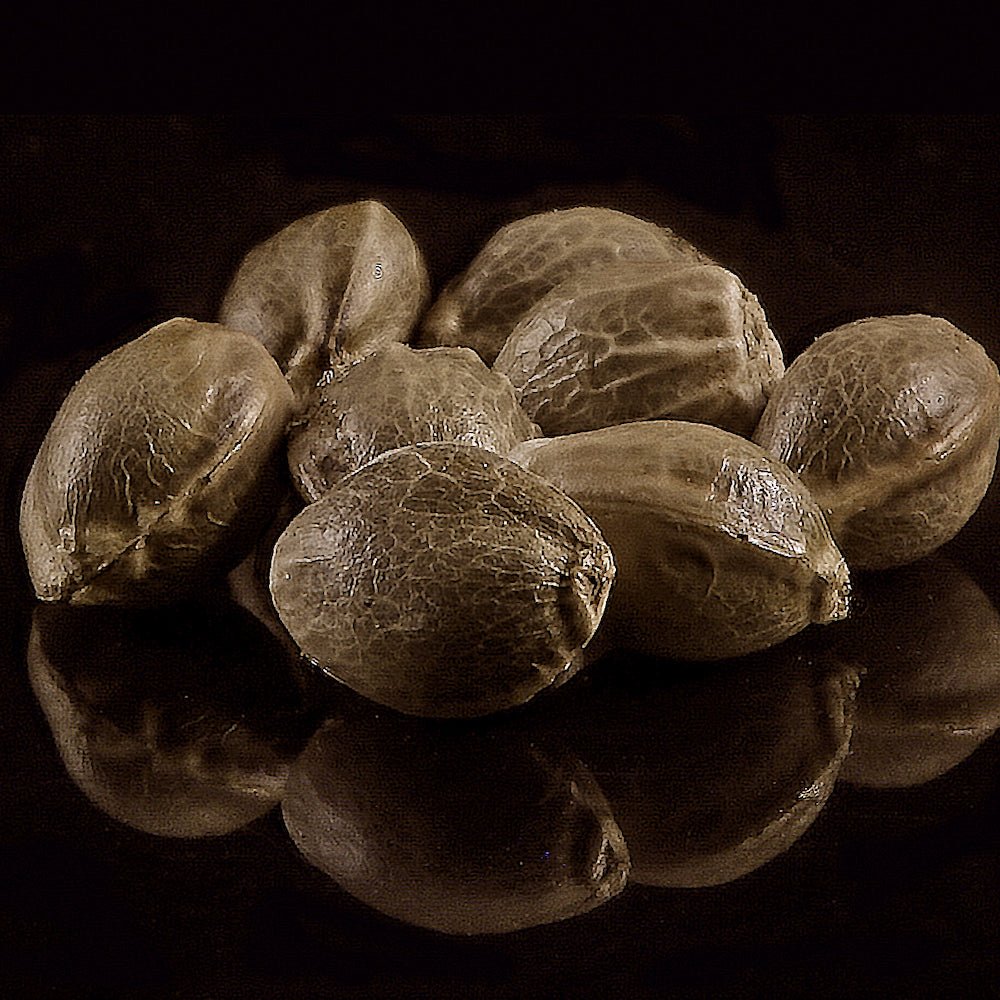
We've spent years changing that. Today, GTR Seeds offers the first high-CBGV seeds we're aware of anywhere on the market.
Here's what makes CBGV so unusual, why it took so long to breed, and why even testing for it is harder than it should be.
What Is CBGV?
CBGV is the "varin" version of CBG. Chemically, it's nearly identical, except that it has a three-carbon side chain instead of five.
That small difference starts at the very beginning of cannabinoid production. Most cannabinoids come from CBGA, the so-called "mother cannabinoid," which the plant builds from olivetolic acid. Varin cannabinoids come from a different starting point: divarinic acid. Combined with the same terpene building block, it forms CBGVA (cannabigerovarinic acid) instead of CBGA.
CBGVA is the mother of the entire varin family. The same enzymes that turn CBGA into THCA and CBDA turn CBGVA into THCVA and CBDVA. Whatever CBGVA is left over becomes CBGV when it's heated and decarboxylated.
In other words, CBGV is to THCV and CBDV what CBG is to THC and CBD.
Why Is CBGV So Rare?
To produce high levels of CBGV, a plant needs two unusual traits at the same time.
- It has to make varins. Most cannabis makes very little divarinic acid, so nearly all of its cannabinoids end up with the standard five-carbon side chain. Plants that make significant amounts of varins are uncommon to begin with.
- It has to stop converting them. In a normal plant, THCA and CBDA synthase enzymes quickly turn CBGVA into THCVA or CBDVA. For CBGVA to build up, those enzymes need to be essentially nonfunctional, the same recessive trait behind CBG-dominant cannabis.
Each trait is hard enough to work with on its own. Stacking them in the same plant, and then making the result stable enough to sell as seed, takes years of crossing, inbreeding, selection, and a lot of lab work.
That's why CBGV has mostly been a footnote. Even an explainer from one CBD supplier stated plainly that it wasn't aware of any cannabis or hemp strains particularly high in CBGV.
How GTR Seeds Pioneered High-CBGV Genetics
Our CBGV work grew directly out of two earlier breeding programs: CBG and varins.
Seth and Eric Crawford developed some of the first commercially available CBG-dominant varieties at Oregon CBD, and our research team has published on the genetics behind CBG dominance. At the same time, we were developing high-varin lines for THCV and CBDV.
Bringing those programs together is what made CBGV possible. By 2019, we had developed what we believe were the first substantially pure CBGV lines in North America. A CBGV inbred line later became a parent of our AVL autoflower program, which gave rise to separate CBD, CBDV, CBGV, and CBG lines from the same population.
Getting a rare chemotype to show up in a test plant is one thing. Getting it into a vigorous, productive, seed-propagated variety a grower can actually use is another. That's where our triploid breeding came in.
Our Current CBGV Varieties
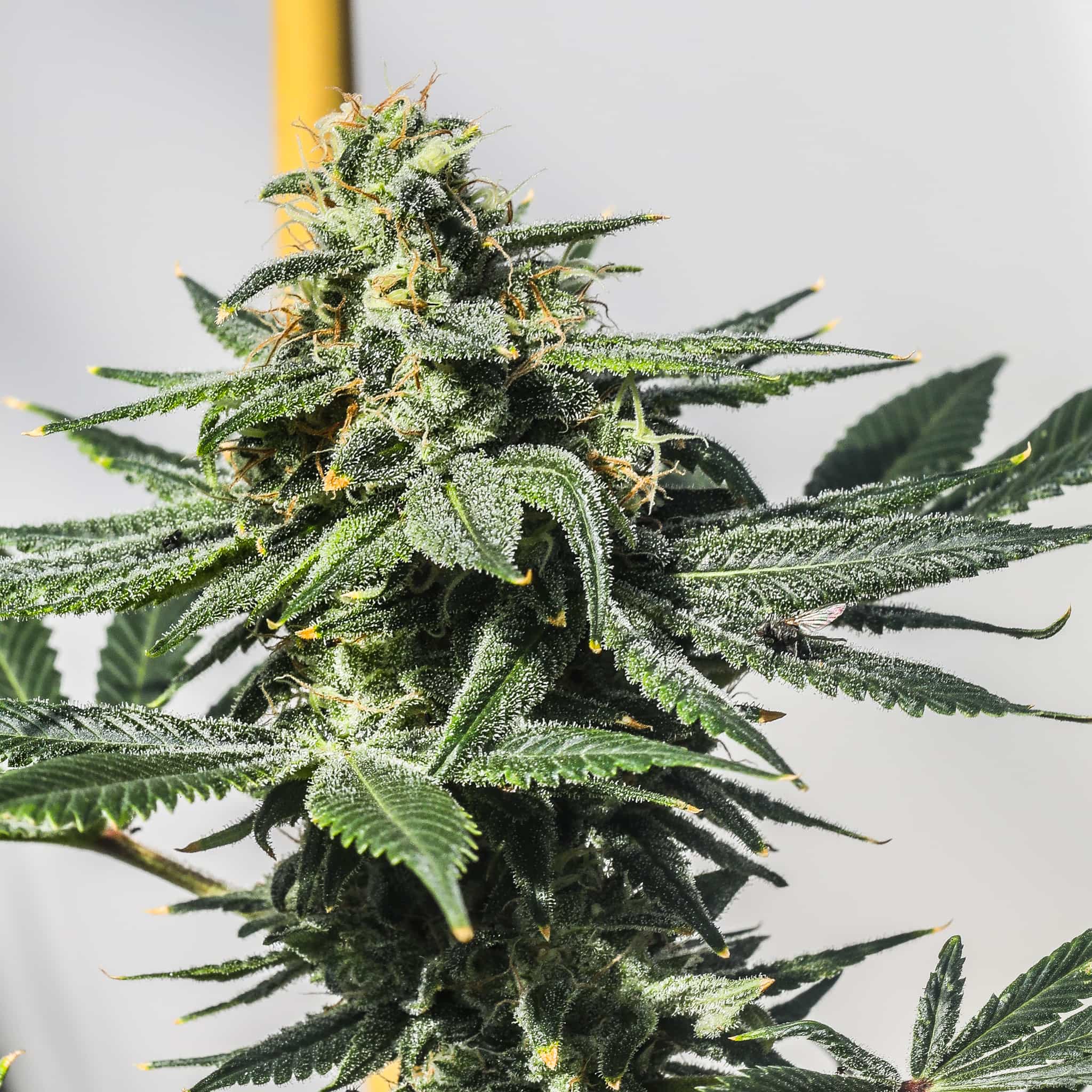
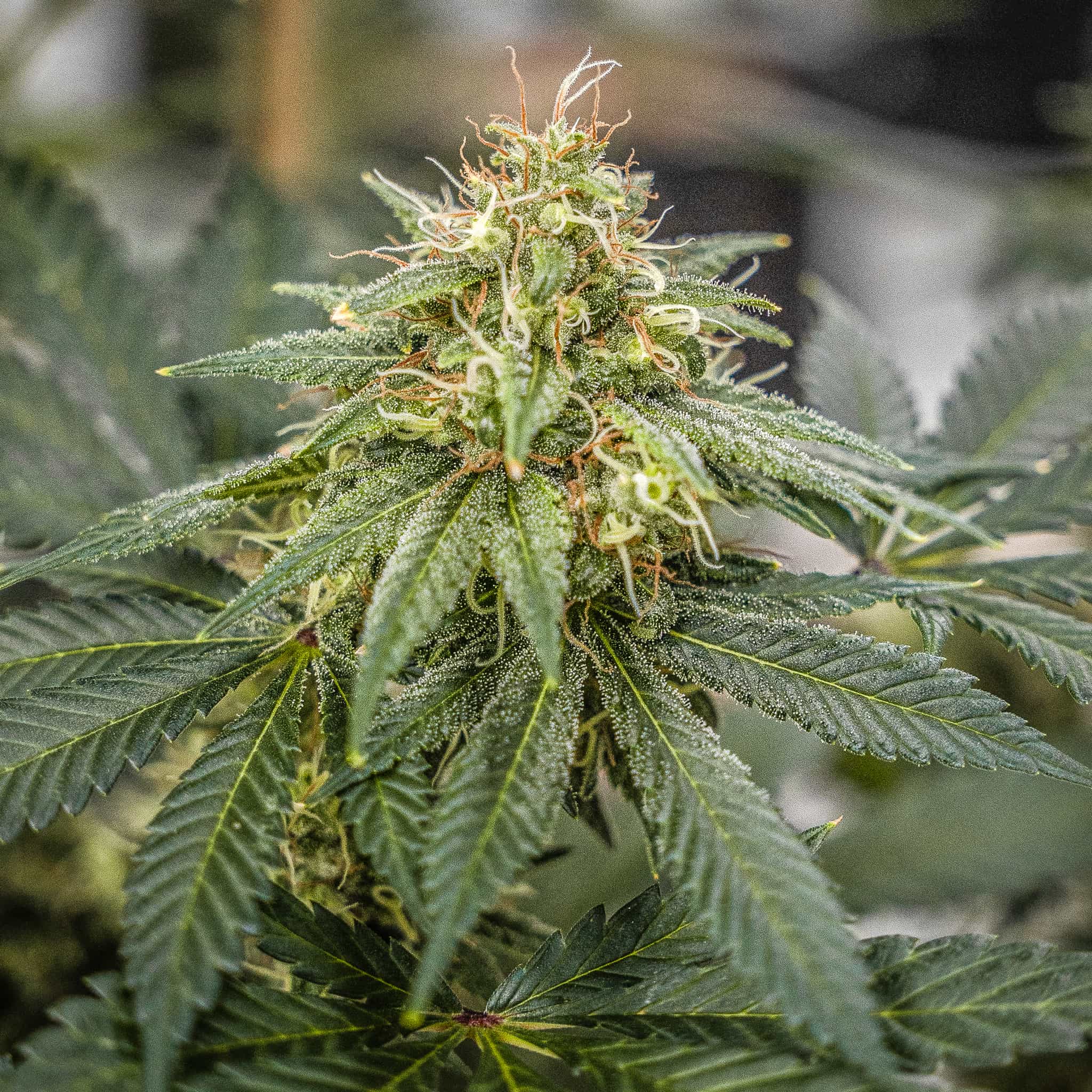
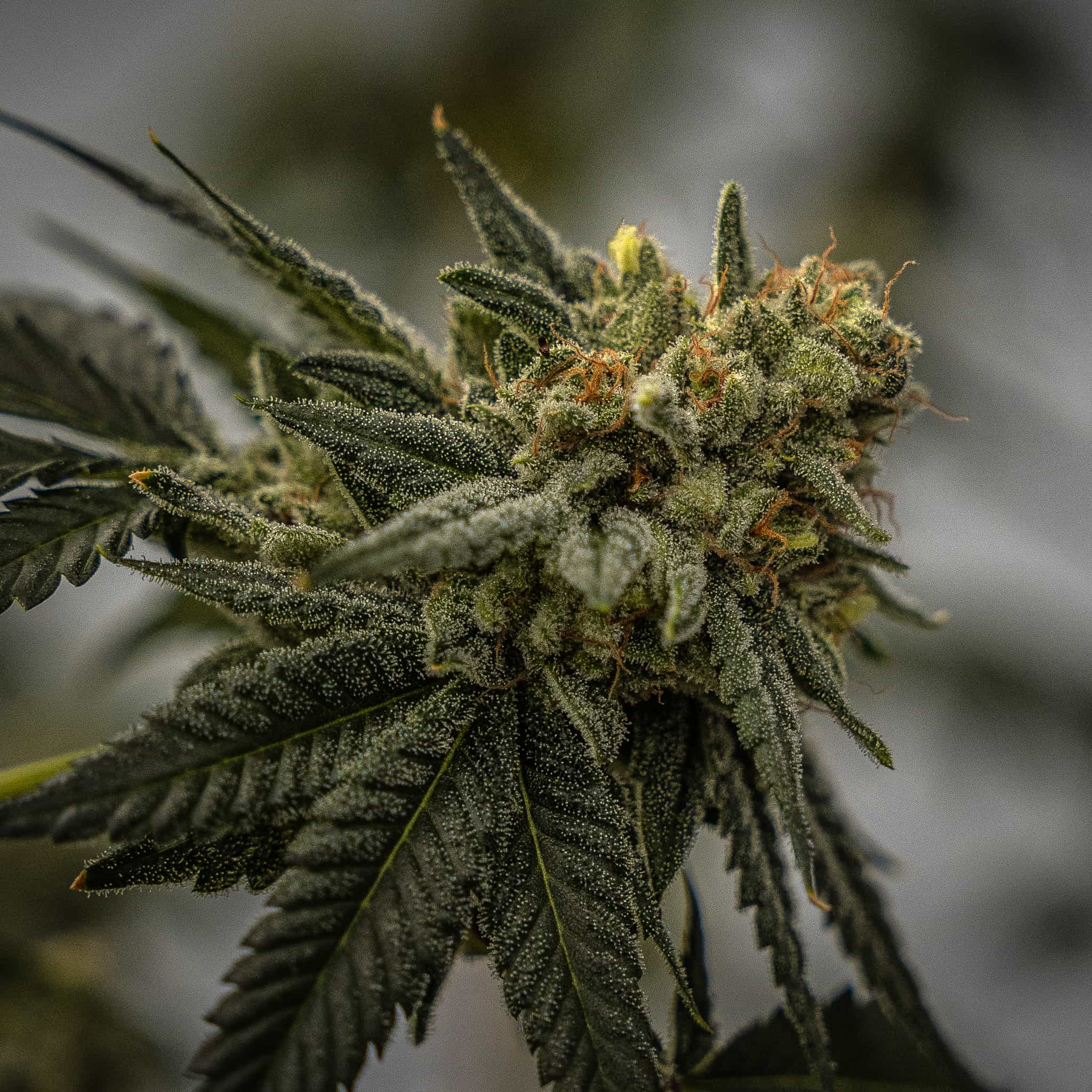
Our CBGV releases are feminized triploid hybrids. Each one crosses a doubled (tetraploid) seed parent with our Auto Skunk CBGV pollen donor:
- Skunkberry CBGV Seedless: roughly 40% of its cannabinoids as CBGV and about 50% as CBG, with very low THC and a skunky berry nose.
- Triangle Kush CBGV Seedless: roughly 35% CBGV and 55% CBG, with very low THC and classic Kush aromas.
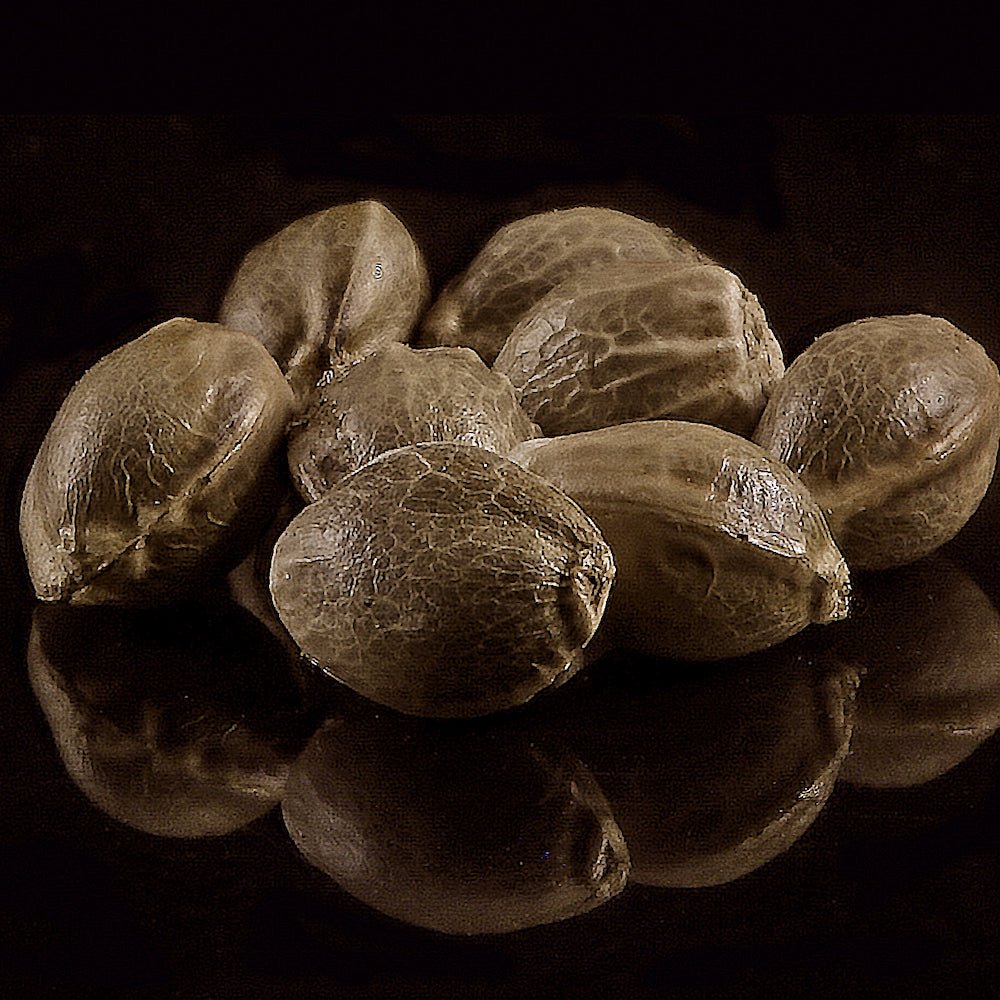
Both stay well below 0.3% THC, even as dried and trimmed flower. Growers who want to try both can start with our CBGV seed sampler.
The First Grower Results Are In
This year's growers are just starting to share their results, and we've seen our first certificate of analysis from a grower. Beleafer's indoor Triangle Kush CBGV was tested by Marin Analytics in November 2026 and came in at 6.16% CBGVA and 10.5% CBGA, with 17.89% total cannabinoids. That puts CBGVA at about 34% of the total, right in line with what we see in our own trials. Total THC came in at just 0.09%, with delta-9 THC below the limit of detection.
We can't wait to see more results as this season's harvests come in.
Under the I–V chemotype system, these are CBG-type (Type IV) plants, but with a large share of that CBG in its rare varin form.
Is Anyone Else Breeding CBGV?
As of November 2026, we couldn't find any other seed company offering high-CBGV seeds.
Several seed banks now sell CBG-dominant varieties, and a few sell THCV or CBDV genetics. Some biotech companies have patented genetic markers associated with varin production, including CBGV. But we found no other commercially available seed line bred specifically to produce CBGV at the levels our varieties express.
We'd honestly love to see more. Every new cannabinoid category gets better when more breeders are working on it. But for now, if you want to grow high-CBGV cannabis from seed, we appear to be the only option.
The Testing Problem: Most Labs Can't See CBGVA
Here's the frustrating part. Even if you grow a beautiful field of high-CBGV plants, there's a good chance your testing lab won't tell you.
Living cannabis makes cannabinoids in their acid forms. In raw flower, nearly all of the CBGV is present as CBGVA. To measure it accurately, a lab needs a validated method and a reference standard for CBGVA specifically.
Most labs don't include it.
When a lab doesn't test for a compound, it doesn't show up as a big number on your certificate of analysis. It just doesn't show up at all. A high-CBGV plant can look like a plant with oddly low total cannabinoids.
Labs That List CBGV or CBGVA
The good news is that the tools exist. Certified reference standards for CBGVA are commercially available from suppliers such as Cayman Chemical, and published HPLC methods, like this one from Sigma-Aldrich, can quantify both CBGV and CBGVA. Labs just have to choose to add them.
Here's what we found:
- Marin Analytics, a cannabis and hemp testing lab in Novato, California, lists CBGVA on its 21-cannabinoid panel. It's one of the few commercial labs we've found that publicly lists the acid form.
-
ACS Laboratory lists CBGV on its National Hemp Potency panel of 39–50 cannabinoids. It doesn't list CBGVA, so ask how raw flower results are handled before you send samples.
Know of another lab that tests for CBGVA? Let us know and we'll add it here.
At GTR Seeds, we run our own in-house HPLC testing with CBGVA reference standards. That's the only way we could have bred these varieties in the first place.
What Growers Should Do
- Ask before you send samples. Ask your lab specifically whether CBGVA and CBGV are on its validated panel, not just "varins."
- Check the acid form. A lab that reports only CBGV may badly understate what's actually in raw flower.
- Ask about custom methods. Some labs offer custom method development and may add CBGVA if enough customers ask.
- Remember what compliance testing measures. Hemp compliance testing focuses on total THC. It won't tell you anything about CBGV.
What Can CBGV Do?
Honestly, we don't know yet, and neither does anyone else.
Research on CBGV and CBGVA is still at a very early stage. One notable study found that CBGVA, along with CBGA and CBDVA, showed anticonvulsant effects in a mouse model of Dravet syndrome. That's interesting, but it's a long way from proving anything in people.
Part of the reason research has lagged is simple: until recently, there wasn't a reliable plant source for it. Researchers studying CBGV have often had to buy or synthesize it. Varieties that actually produce CBGV in meaningful amounts give scientists, processors, and growers something they've never really had before: a way to explore it at scale.
A New Cannabinoid, Grown From Seed
CBGV is a great example of why we breed the way we do. It didn't come from hunting through a pack of hyped-up seeds. It came from years of building parental lines, understanding the genetics behind cannabinoid production, and testing thousands of plants for compounds most labs don't even measure.
For a deeper look at the cannabinoid itself, read CBGV: Unlocking One of Cannabis' Rarest Cannabinoids. Or, if you're ready to grow something genuinely new, explore our CBGV seeds.