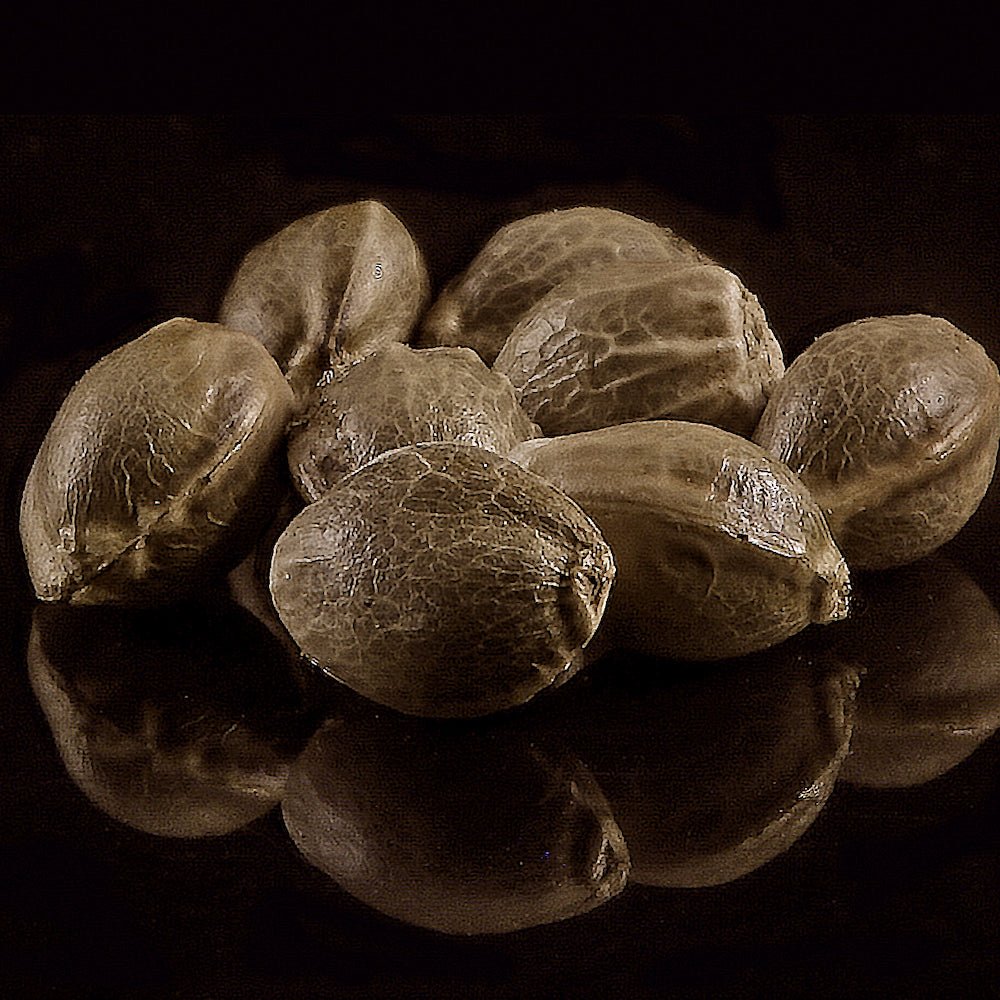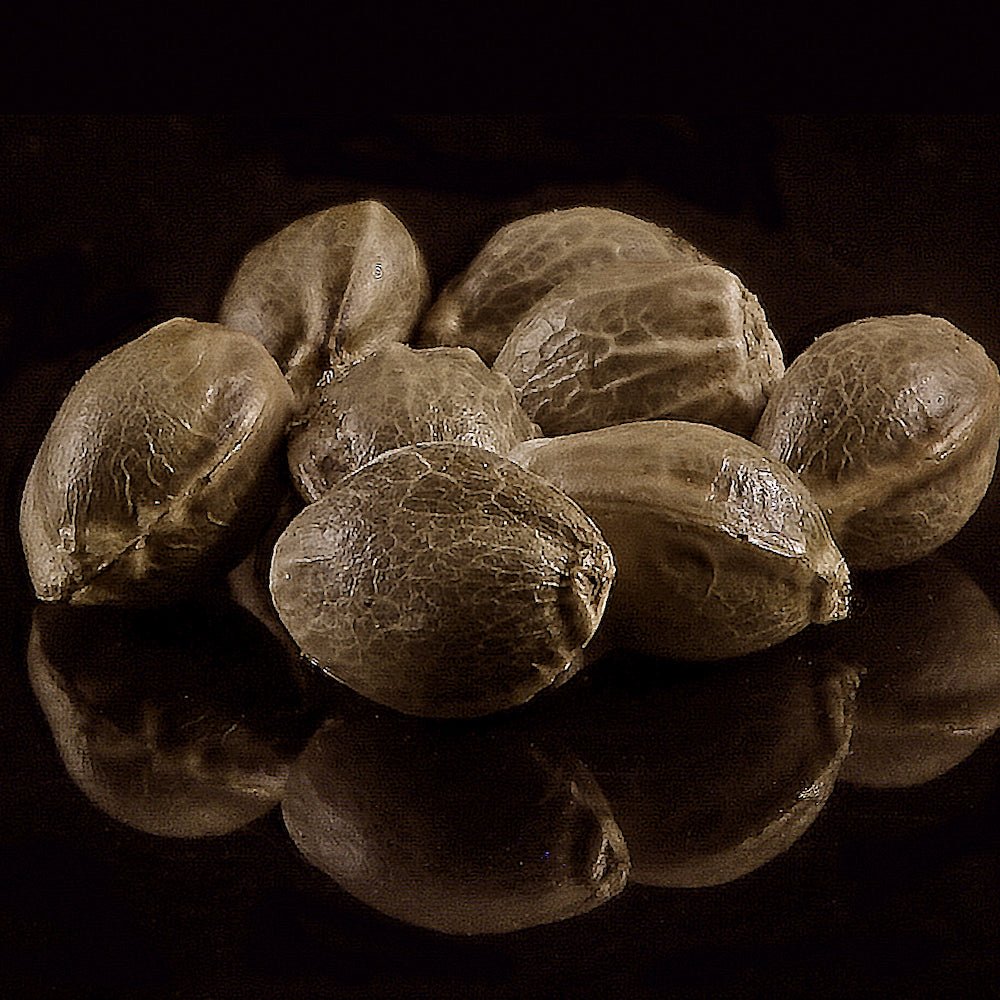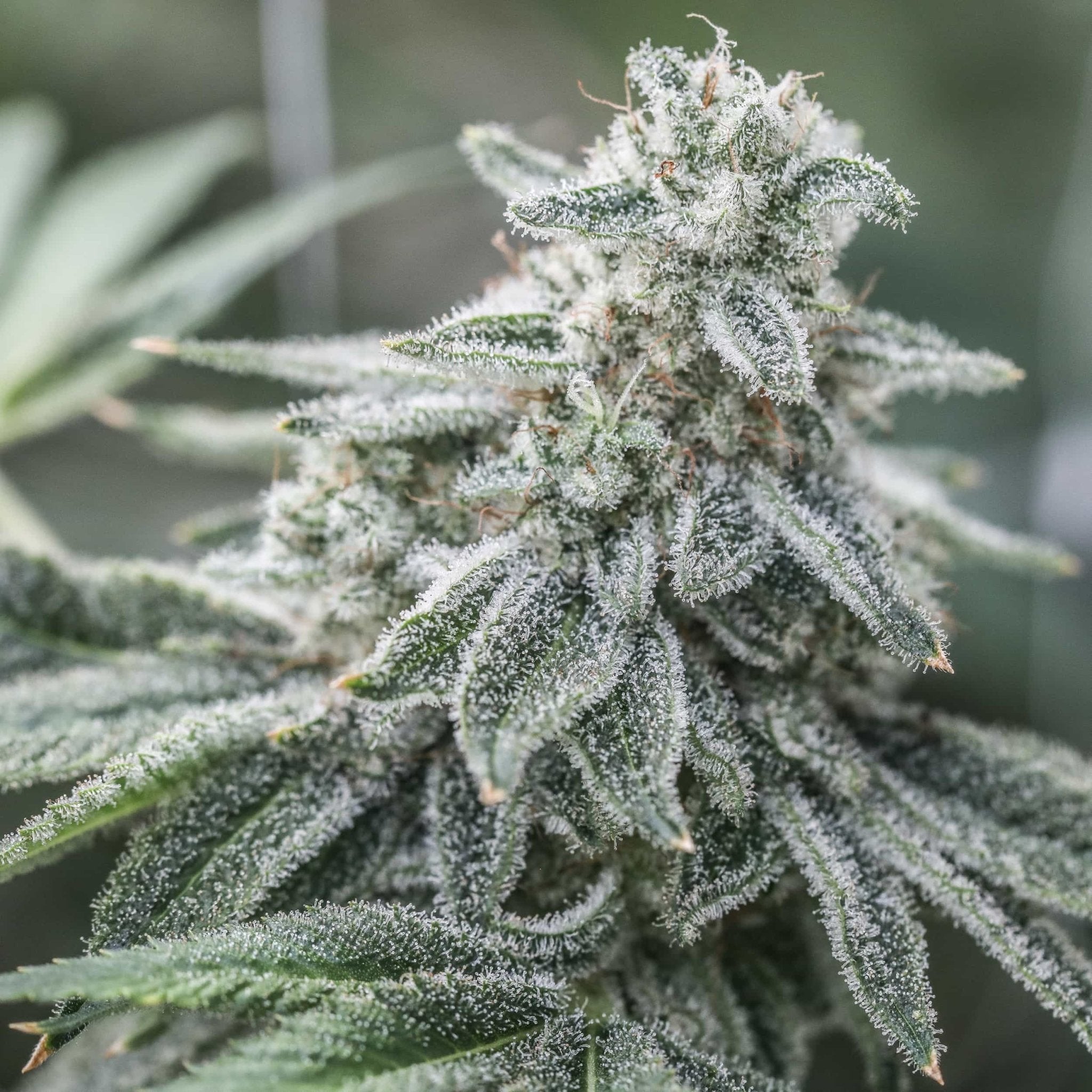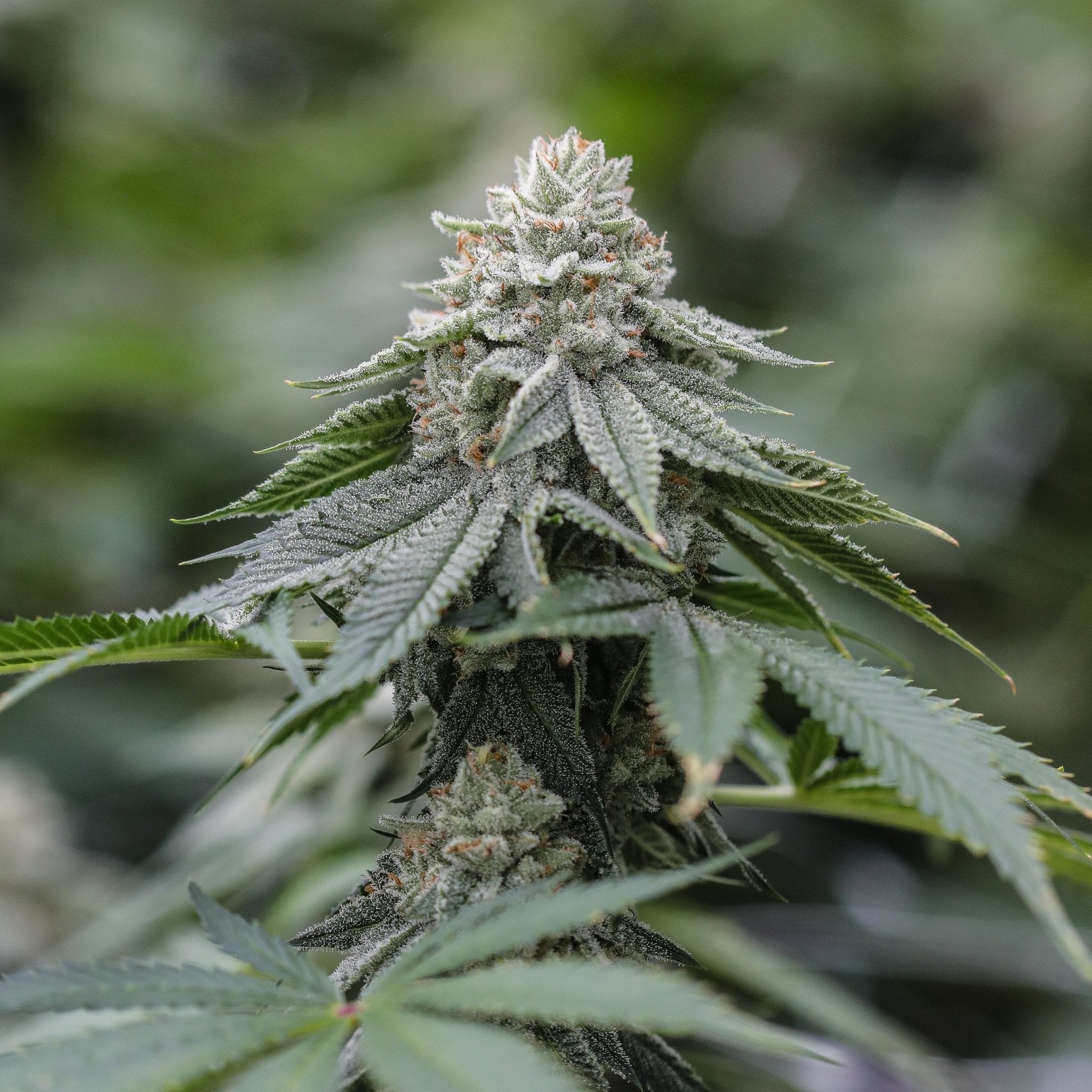


After more than a decade in the hemp industry, we've seen plenty of varieties come and go. But when it comes to growing high-CBD biomass at commercial scale, a few clear winners have emerged from our breeding program.
Heavy yields, high CBD content, reliable feminization, and excellent extraction returns are what matter most. Pretty flowers are great, but if you're growing hundreds of acres for extraction, the numbers need to work.
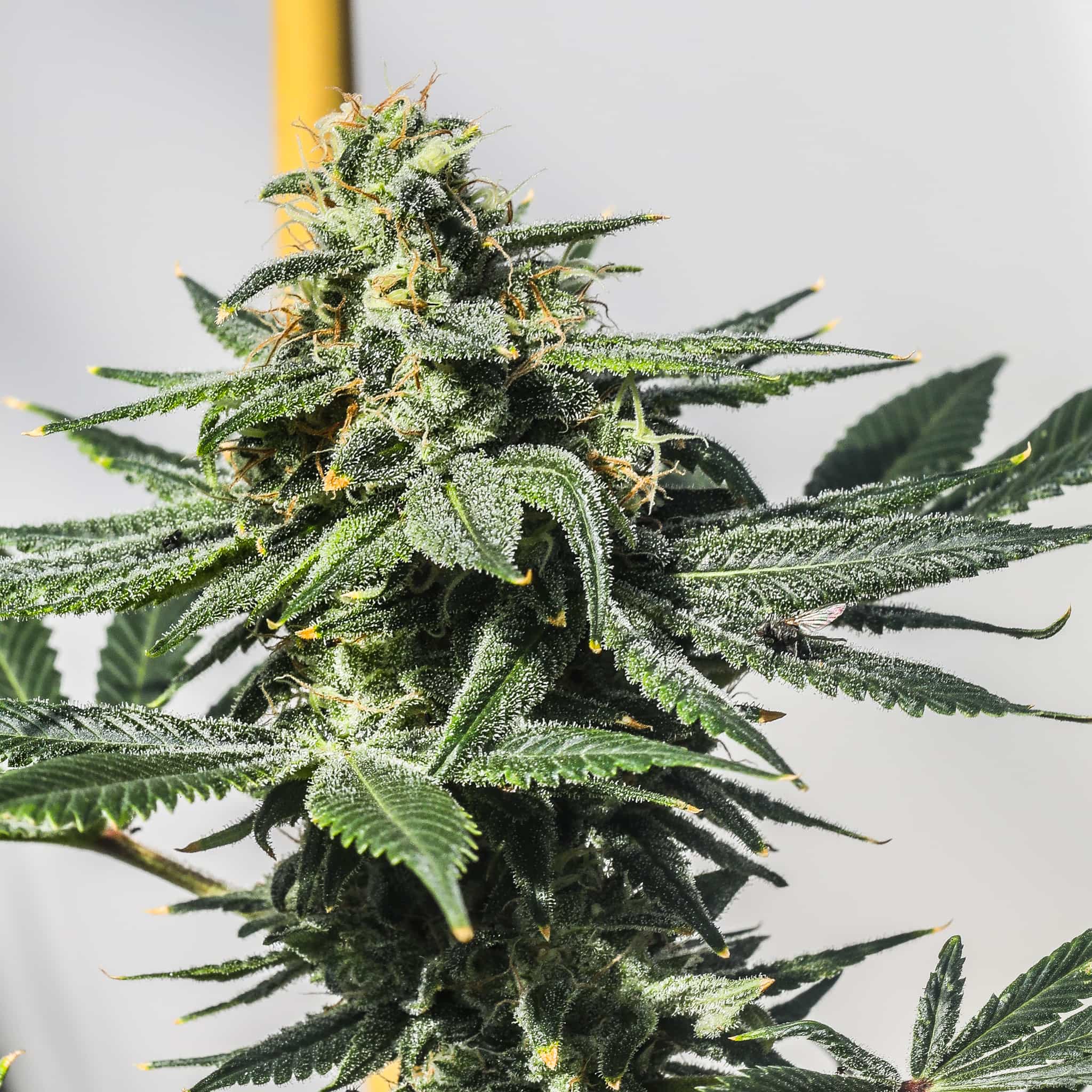
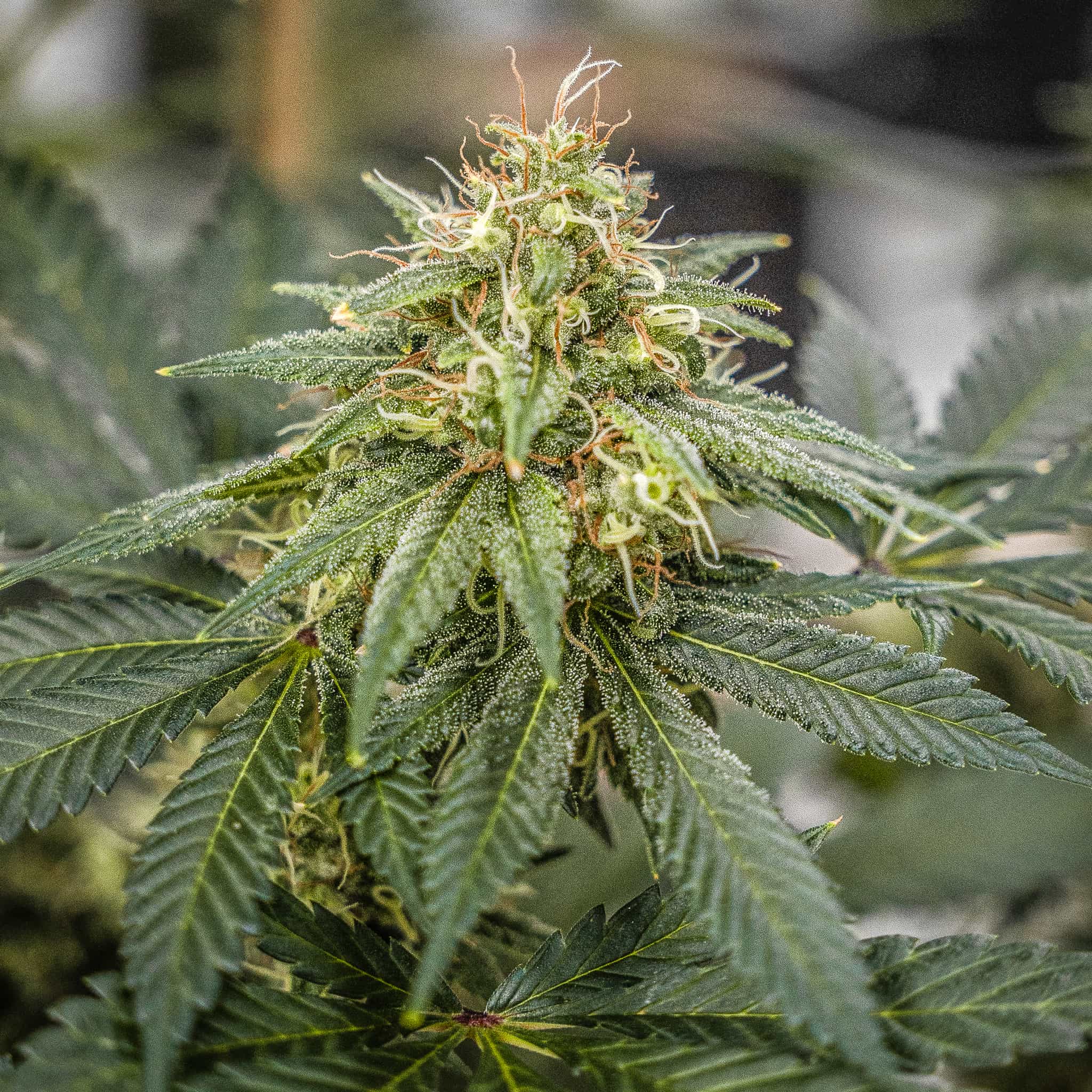
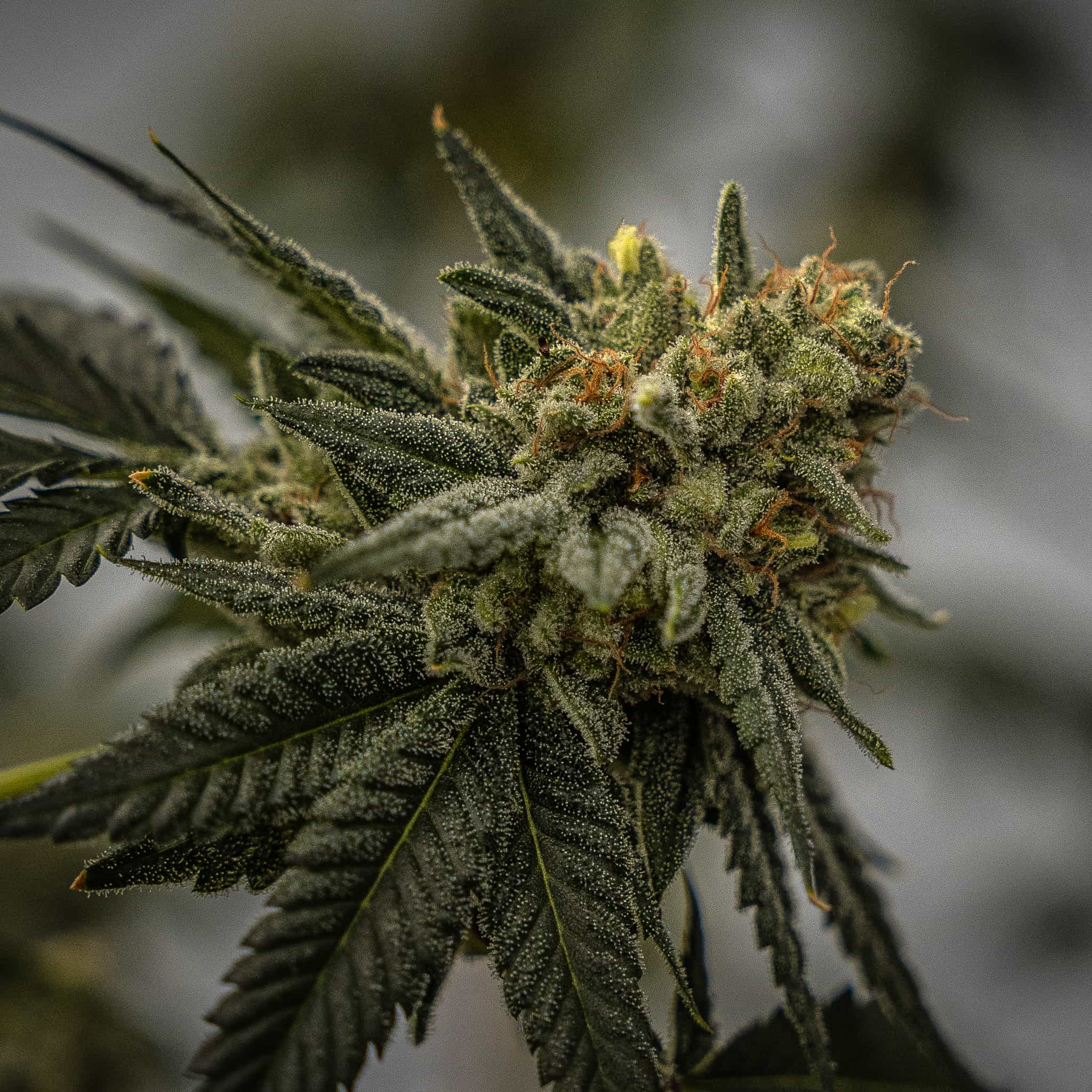
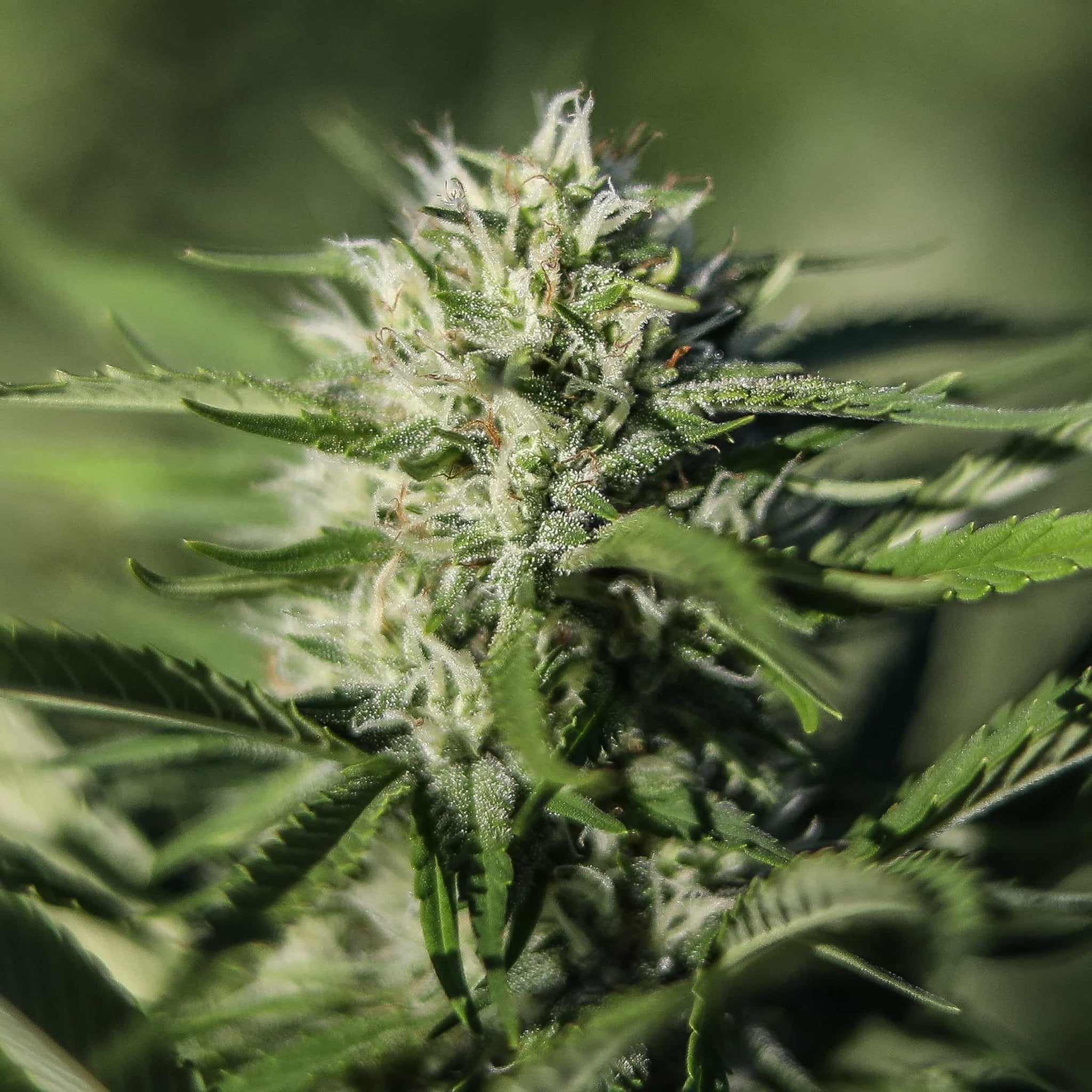
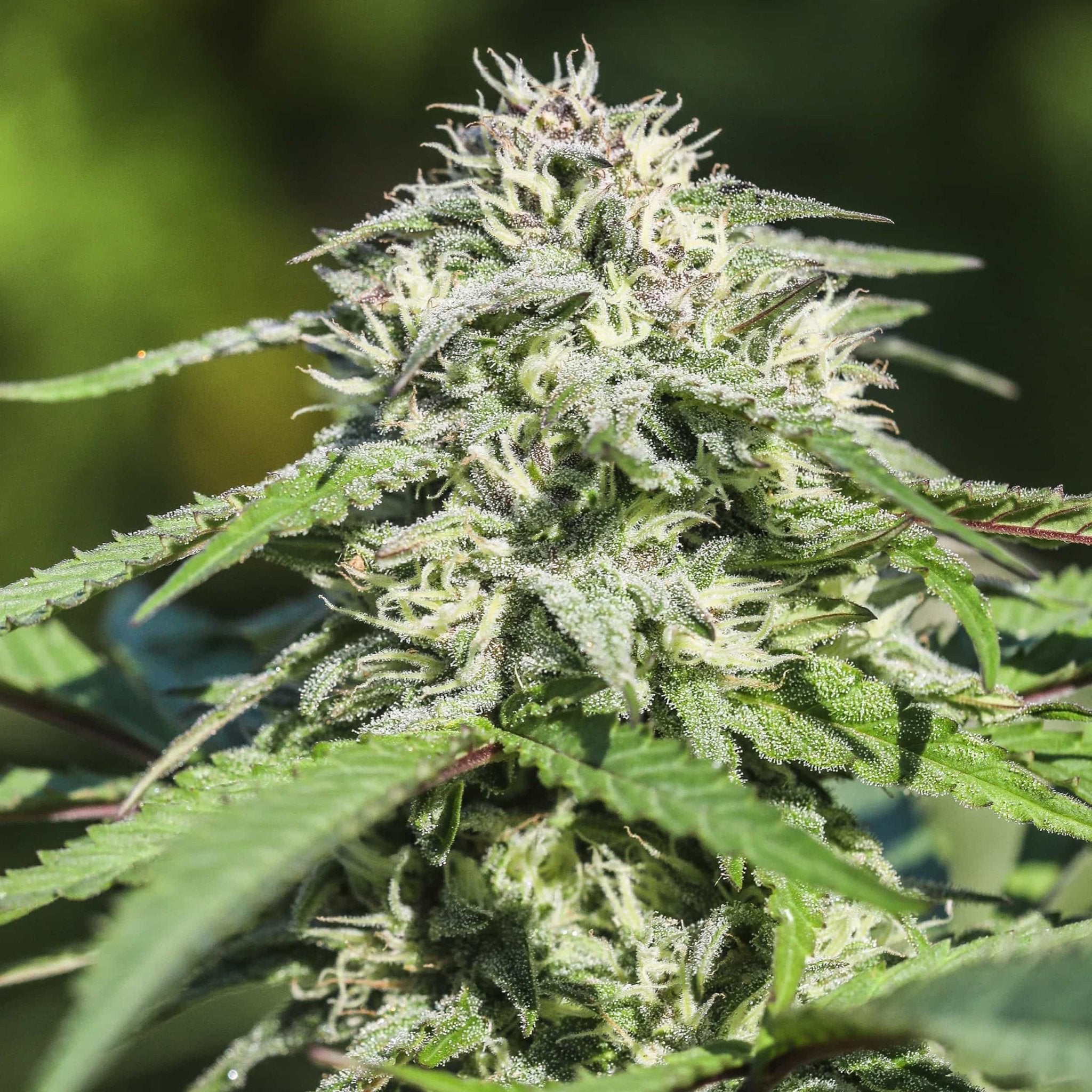
Our three favorites for high-CBD biomass production are Lifter, Sour Lifter, and Suver Haze. All three have been grown commercially across the country, and each offers different advantages depending on your climate, planting schedule, and harvesting equipment.
Below, we'll cover our recommended varieties, planting densities, harvest windows, and some important considerations for anyone shopping for bulk hemp seeds.
Best High CBD Hemp Biomass Seeds
Lifter
In terms of acreage, few CBD varieties have ever covered as much ground as Lifter.
It's been one of the workhorses of the hemp industry for years, and for good reason. Lifter produces enormous plants, impressive cannabinoid content, and consistently strong biomass yields.
We've seen it perform across a wide range of growing environments, from Alabama to Washington State.
Under favorable conditions, experienced growers often aim for 4,000 pounds of dry biomass per acre, with some exceeding that figure. Extractors have reported CBD crude oil returns around 12–13%, although actual recovery depends on the material and extraction process.
Lifter can get absolutely massive, so growers using mechanical harvesting equipment should plan accordingly. Large stems and heavy plants aren't always the easiest things to run through a harvester.
Typical harvest window: October 1–21, depending on location, planting date, and growing conditions.
For farmers who want maximum plant size and heavy CBD biomass production, Lifter remains hard to beat.
Sour Lifter
Sour Lifter has quickly become one of our favorite varieties for commercial biomass production.
It offers much of the heavy production growers love about the original Lifter, but with a slightly smaller, bushier structure that's generally easier to manage.
That's particularly valuable for mechanical harvesting operations that don't want to deal with enormous stems.
Sour Lifter also produces excellent cannabinoid content. We've seen trimmed flower testing above 20% CBD, and in 2024, one commercial grower reported crude oil returns around 15%.
Its earlier maturity is another major advantage.
For farmers trying to finish harvesting before fall rains arrive, a week or two can make a tremendous difference.
Typical harvest window: September 21–October 14.
If you're looking for high CBD content, strong yields, and a more manageable plant structure, Sour Lifter deserves serious consideration.
Suver Haze
Suver Haze is an old-school favorite that continues to earn its place in our lineup.
One of its greatest strengths is its performance under disease pressure. In our experience, Suver Haze has shown excellent resistance to mold and mildew compared with many other CBD varieties.
That makes it particularly appealing to growers in regions where fall moisture can become a problem.
Suver Haze has also produced some of the most impressive CBD concentrations we've seen in our breeding program.
While its biomass production can be slightly lower than Lifter or Sour Lifter, growers who plant it earlier can often make up much of that difference. We've continued to hear reports of yields approaching 5,000 pounds per acre under favorable conditions.
Its structure is also more manageable than the original Lifter for mechanical harvesting.
Typical harvest window: October 1–31.
Suver Haze can often tolerate a longer harvest window because of its disease resistance, although growers should never assume any variety is immune to mold.
Bulk High CBD Seed Pricing
Growing hundreds of acres? We offer bulk pricing on our feminized CBD biomass seeds.
For current inventory, pricing, and variety recommendations, reach out to our team.
You can also shop our high-CBD biomass seed collection.
High CBD Biomass Planting Guide
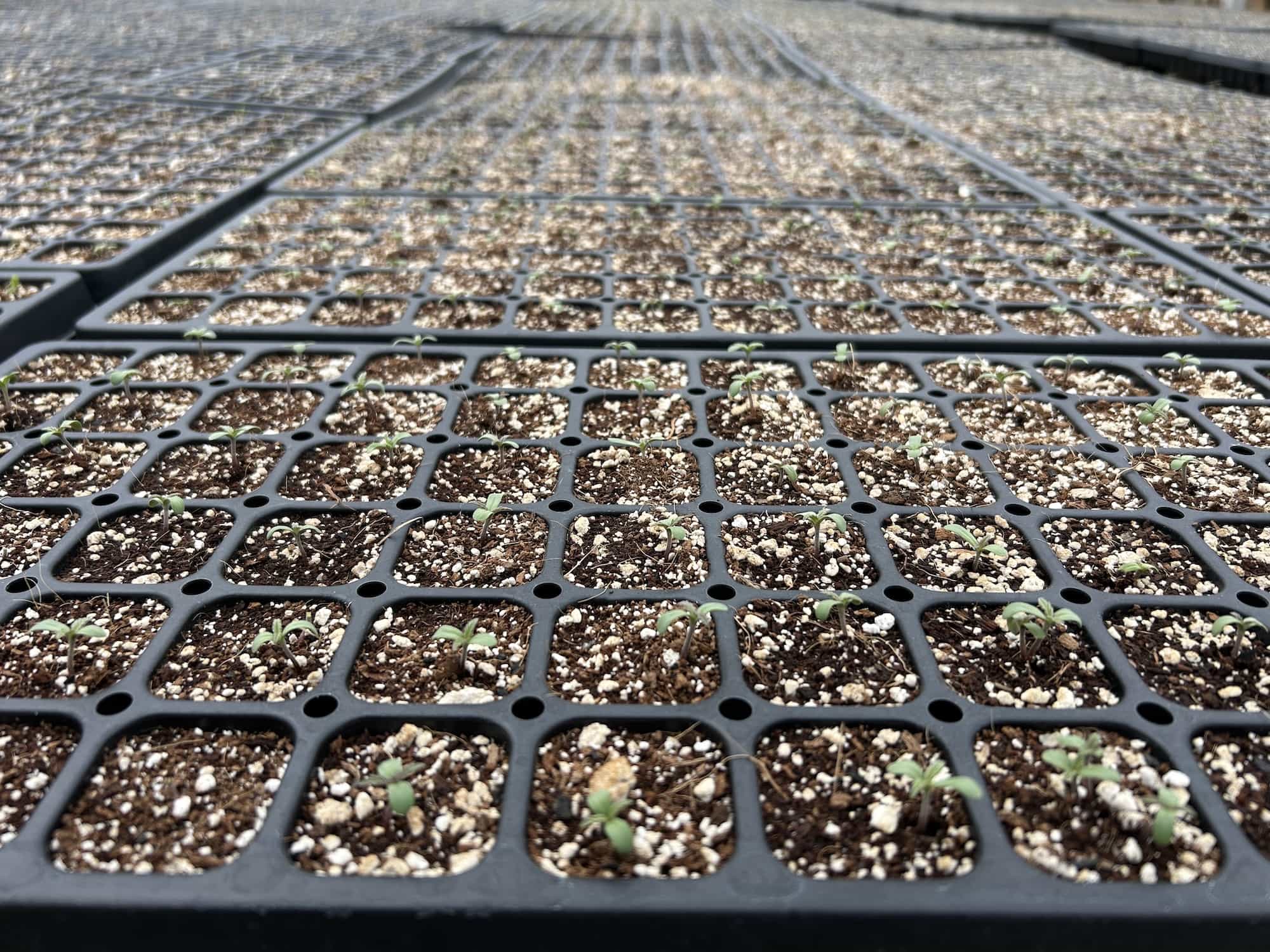
One of the most important decisions commercial hemp farmers make is how many plants to establish per acre.
Earlier plantings generally produce larger individual plants, while later plantings require higher densities to make up for reduced growing time.
With our genetics, we've found that adjusting plant populations according to planting date can help growers maintain strong per-acre production.
Recommended Hemp Plants Per Acre
| Field planting date | Recommended plants per acre |
|---|---|
| May 21 – June 7 | 2,000–2,500 |
| June 8 – June 21 | 2,500–3,500 |
| June 22 – July 15 | 3,500–4,000 |
| July 16 – August 1 | 4,000–5,000 |
| Direct seeding | Approximately 10,000 seeds per acre |
These recommendations are based on our experience growing photoperiod CBD genetics. Actual planting densities should account for your latitude, climate, soil fertility, irrigation, equipment, and expected harvest date.
Direct seeding requires particularly careful management. Germination and establishment losses can be significant, so the number of seeds planted isn't necessarily the number of plants that will survive.
Recommended Harvest Windows
For high-CBD biomass, we generally want plants to reach as much maturity as practical while maintaining healthy flowers and meeting applicable THC compliance requirements.
The goal is to maximize recoverable CBD per acre—not simply to harvest the largest plants possible.
Our typical harvest windows are:
-
Sour Lifter: September 21 – October 14
-
Lifter: October 1 – October 21
-
Suver Haze: October 1 – October 31
These dates are general guidelines based on our growing experience, not universal maturity dates.
Late planting can delay maturity, and growing conditions vary considerably between regions.
Growers should also pay close attention to Botrytis and other diseases. If significant flower rot begins developing, waiting for a little more cannabinoid production may cost considerably more than it's worth.
And remember, high-CBD plants can accumulate THC as they mature. Harvest timing must account for your applicable hemp testing and compliance requirements.
What to Look for When Buying High CBD Biomass Seeds
There are still plenty of questionable hemp seeds on the market.
Before committing to a large purchase, we'd encourage growers to ask breeders some difficult questions.
Better yet, talk to farmers who have actually grown their genetics commercially.
Here are the characteristics we consider most important.
1. Heavy Biomass Yields
For commercial biomass production, total yield per acre is one of the biggest factors affecting profitability.
With transplant-based photoperiod production, many growers target roughly 1–2 pounds of dry, homogenized biomass per plant, depending on spacing, planting date, and growing conditions.
Earlier plantings generally produce larger plants, while later plantings require more plants per acre.
For many operations, producing more than 3,000 pounds of dry biomass per acre is an important target.
But yield alone doesn't tell the whole story.
2. High CBD Content
You can grow 5,000 pounds of biomass per acre, but if it only tests at 4% CBD, the economics may not look particularly attractive.
Extractors want cannabinoid-rich material because higher content generally means processing less biomass to recover the same quantity of CBD.
Consider two crops:
-
4,000 pounds of biomass at 8% CBD contains approximately 320 pounds of CBD before extraction losses.
-
4,000 pounds of biomass at 12% CBD contains approximately 480 pounds of CBD before extraction losses.
That's 50% more potential CBD from the same amount of biomass.
Actual extraction returns depend on processing efficiency, moisture, cannabinoid chemistry, and the composition of the harvested material.
We generally recommend targeting genetics capable of producing at least 10% CBD in homogenized biomass under suitable growing conditions.
High CBD content combined with heavy biomass production is where the real value lies.
3. Reliable Feminized Seeds
This should be a no-brainer by now, but growers still get burned by poorly feminized seed lots.
A field full of male plants can create serious problems for cannabinoid production, particularly if pollination occurs before those plants are identified and removed.
Our breeding program has historically achieved exceptionally high feminization rates, with field observations often averaging approximately one phenotypically male plant per 4,000 plants.
That's the kind of consistency commercial growers should be looking for.
Ask seed suppliers about their feminization testing, population sizes, and historical field performance.
And remember that feminization rates and the occurrence of male flowers on female plants are related but different issues. Even highly feminized populations should be monitored for unwanted pollen production.
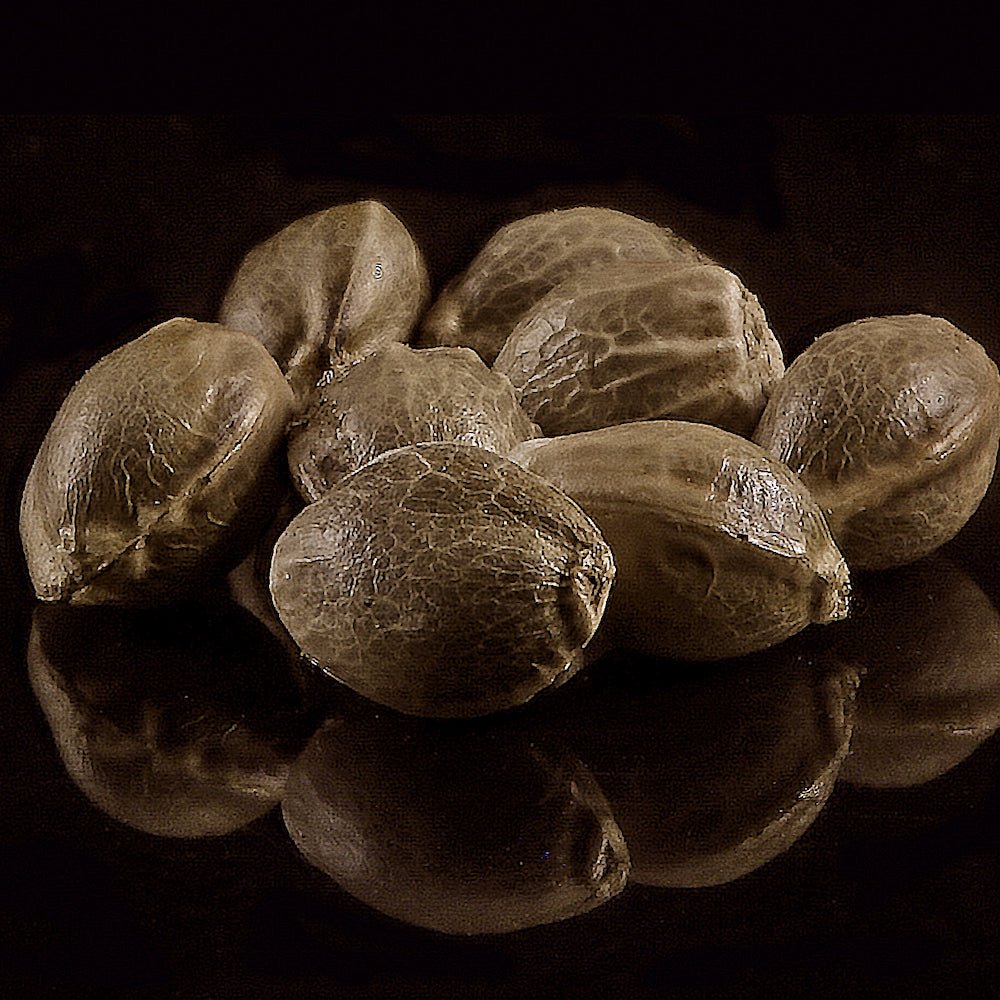
4. Reliable Germination Rates
Poor germination can turn an inexpensive seed purchase into a very expensive mistake.
Following the hemp boom of 2019 and 2020, enormous quantities of seed were produced, and some were stored under less-than-ideal conditions.
Seed age, storage temperature, moisture, and handling can all affect viability.
Before purchasing large quantities from an unfamiliar supplier, ask for recent germination testing and information about seed storage.
A low seed price doesn't mean much if a substantial percentage never emerges.
5. High Flower-to-Leaf Ratio
This is one of the most overlooked traits in commercial biomass production.
A plant can produce enormous amounts of material, but if much of that weight comes from leaves and stems, the extractable cannabinoid yield may be disappointing.
For example, our Sour Space Candy variety has historically been one of our largest biomass producers, with trimmed flowers frequently testing above 16% CBD.
However, because of its substantial leaf production, we've often seen crude oil returns below 10%.
That's why we focus on the relationship between flower production, cannabinoid content, and total biomass.
The goal isn't simply to produce the most pounds per acre. It's to produce the most valuable pounds per acre.
6. Photoperiod vs. Autoflower Hemp Seeds
Autoflower cannabis has attracted considerable attention in commercial hemp production.
On paper, the concept sounds great: direct seed large acreages, eliminate transplanting, and harvest smaller plants using conventional agricultural equipment.
But in our experience, autoflowers have presented some significant challenges for high-CBD biomass production.
Plant size and establishment: Autoflowers begin flowering according to age rather than seasonal day length. If seedlings experience poor establishment, drought, nutrient stress, or other setbacks early in life, they may have limited time to recover before flowering begins.
Seed costs: Direct-seeded autoflower systems often require substantially more seeds per acre than transplant-based photoperiod systems. Even inexpensive seeds can become a major input cost when planting tens of thousands per acre.
Cannabinoid yield: Many of the autoflower populations we've evaluated or heard about from commercial growers have produced lower CBD concentrations and less extractable material per plant than our photoperiod varieties.
Field uniformity: With high plant populations, inconsistent growth and unwanted pollen production can be particularly difficult to manage.
None of this means autoflowers can't work. Well-bred autoflower varieties can perform successfully in appropriately designed production systems.
But for the large-scale CBD biomass growers we work with, high-producing photoperiod genetics have generally offered better economics.
We've written more about these challenges in our guide to growing autoflower cannabis seeds.
Don't Forget About Harvesting and Drying
One final consideration that deserves more attention is what happens after the plants are grown.
Harvesting thousands of pounds of hemp biomass requires equipment, labor, and planning.
Drying that material can be an even bigger challenge.
We've seen growers produce exceptional fields only to lose substantial value because they didn't have adequate drying capacity.
Before planting large acreage, make sure you have a realistic plan for harvesting, drying, storing, and delivering your crop.
And ideally, have a buyer lined up before the first seed goes in the ground.
The Best High CBD Biomass Seeds Come Down to Economics
After years of breeding and working with commercial hemp farmers, our priorities haven't changed much.
We want genetics that produce enormous amounts of cannabinoid-rich biomass, grow consistently across large fields, and offer excellent extraction returns.
Lifter, Sour Lifter, and Suver Haze have earned their place in our lineup because they've repeatedly delivered those traits.
But the best variety for your farm depends on your climate, planting schedule, equipment, and intended market.
If you're planning a commercial hemp crop, do your homework, talk to experienced growers, and choose genetics based on proven field performance rather than marketing claims.
Shop Bulk High CBD Biomass Seeds
For large orders or help selecting varieties, contact GTR Seeds.