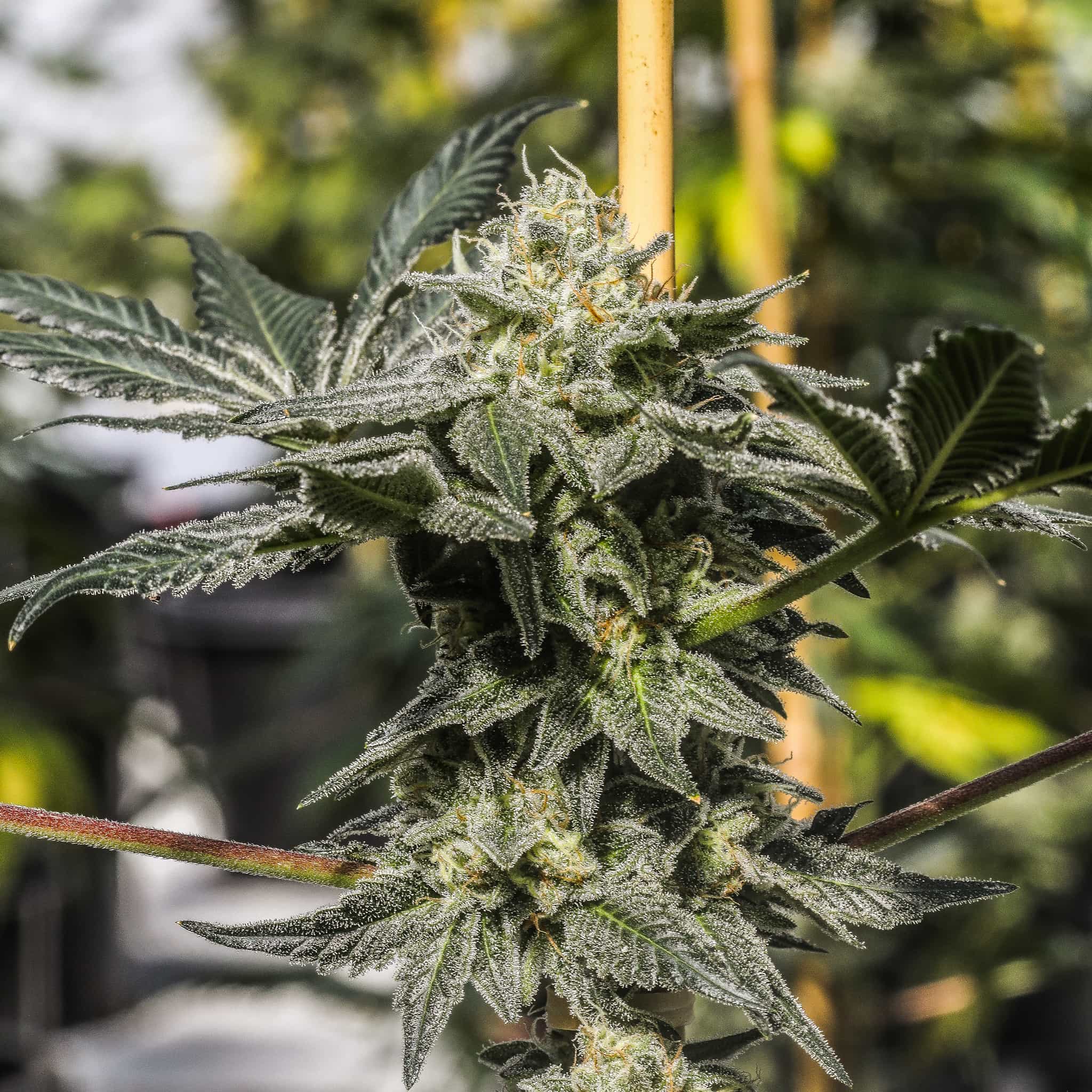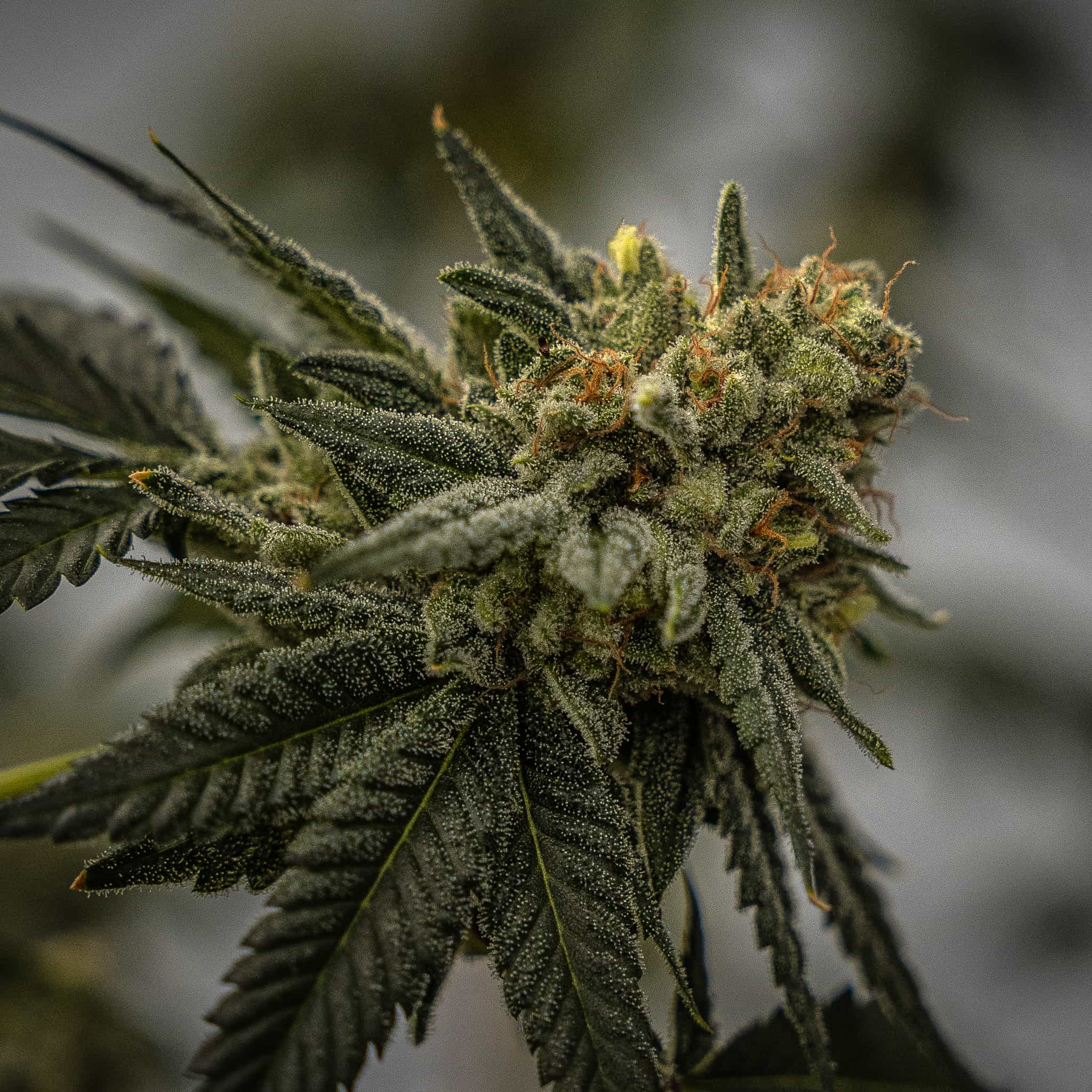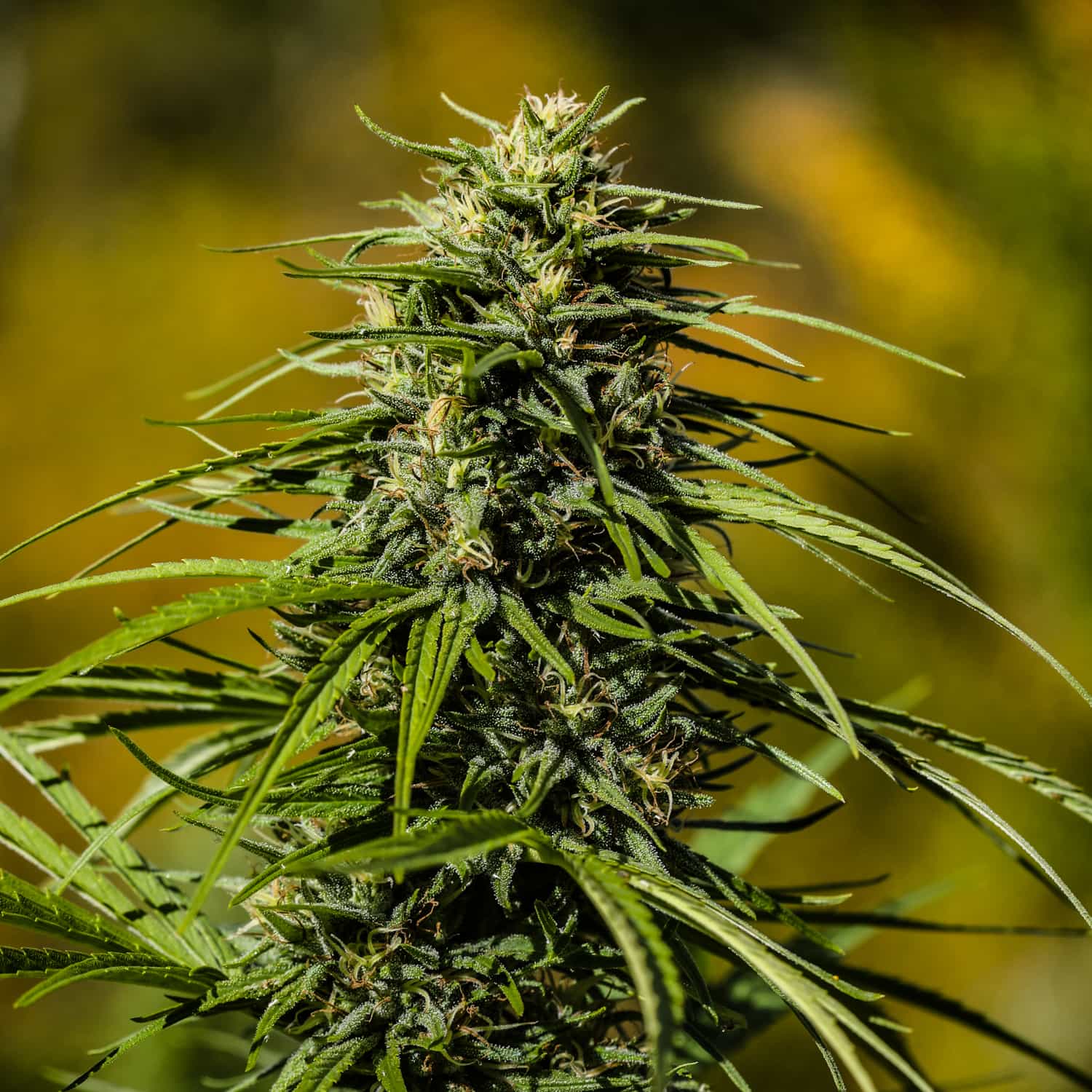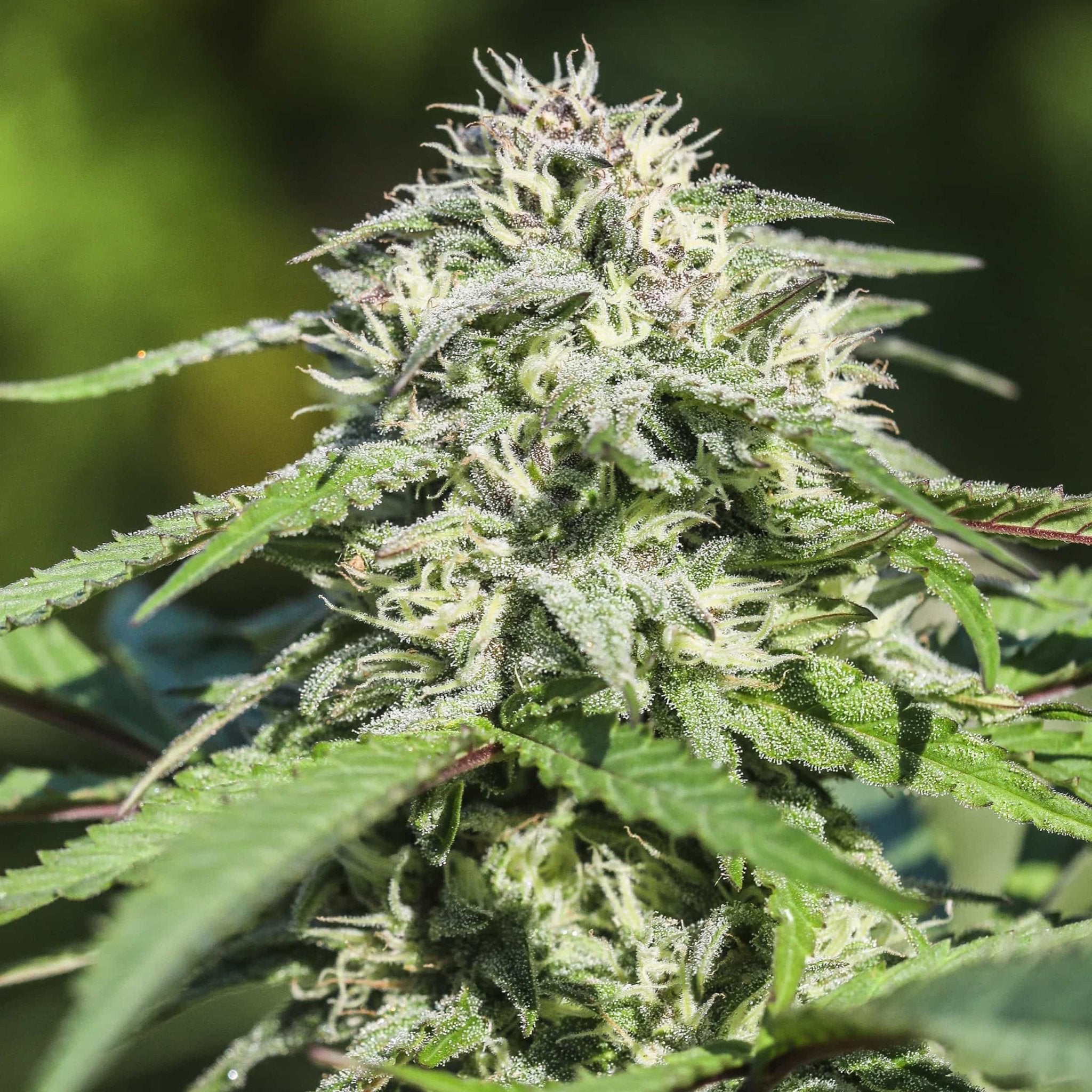


Tetrahydrocannabinol (THC) is undoubtedly the most famous cannabinoid found in cannabis. It's primarily responsible for the intoxicating effects of the plant, but there's a whole lot more to THC than getting high.
For decades, THC has been studied for its potential medical applications, and research has already demonstrated benefits for certain conditions. From chronic pain and chemotherapy-induced nausea to appetite stimulation and muscle spasticity, THC has some genuinely interesting therapeutic properties.
Of course, not every claim about THC is supported by good science. Some applications have decades of research behind them, while others are still in the early stages of investigation.
Let's look at what we know.
How Does THC Work?
THC interacts with the body's endocannabinoid system, a network of receptors and signaling molecules involved in regulating pain, appetite, mood, memory, and other physiological processes.
THC primarily acts on CB1 receptors, which are abundant in the brain and central nervous system, and also interacts with CB2 receptors, which are associated with immune and other tissues.
Interestingly, cannabis plants don't actually produce much THC directly. They primarily produce tetrahydrocannabinolic acid (THCA), which converts into THC through decarboxylation, usually when cannabis is heated.
THCA itself is not considered intoxicating in the same way as THC.
This distinction is important because the acidic and neutral forms of cannabinoids can have very different biological properties. You can learn more in our article on THCA and how it differs from THC.
THC for Chronic Pain
One of the most widely studied potential medical applications of THC is pain management.
Research suggests that THC-containing cannabis products can provide modest short-term relief for certain types of chronic pain, particularly neuropathic pain associated with nerve damage.
THC has also been investigated for pain associated with multiple sclerosis, cancer, and other conditions.
A comprehensive review by the Agency for Healthcare Research and Quality (AHRQ) found that certain THC-containing products may provide small improvements in chronic pain, although adverse effects such as dizziness and sedation are important considerations.
THC certainly isn't a cure-all for pain, but there's enough evidence to justify continued research into its role in pain management.
THC for Nausea and Vomiting
This is one area where THC has a particularly well-established medical history.
Chemotherapy-induced nausea and vomiting can be debilitating for cancer patients, especially when conventional treatments aren't sufficiently effective.
Synthetic THC medications, including dronabinol, have been approved in the United States for treating chemotherapy-related nausea and vomiting in certain patients who haven't responded adequately to conventional antiemetic treatments.
The National Cancer Institute's overview of cannabis and cannabinoids provides an extensive discussion of this research and the clinical use of cannabinoid medications.
These medications have been available for decades, demonstrating that THC's medical applications aren't simply theoretical.
It's worth distinguishing approved THC medications from smoking cannabis, however. They aren't interchangeable treatments, and conventional antiemetic medications are generally preferred as first-line therapy.
THC and Appetite Stimulation
Anyone familiar with cannabis has probably experienced or heard about the munchies.
But THC's appetite-stimulating effects have also been studied in medical settings.
The FDA-approved THC medication dronabinol is prescribed for treating anorexia associated with weight loss in patients with AIDS, as described in the FDA prescribing information for Marinol.
THC can influence appetite-related signaling in the brain, making food more appealing and increasing the desire to eat.
Researchers have also investigated cannabinoids for appetite loss associated with cancer and other illnesses, although the results have been mixed.
While THC can stimulate appetite, that doesn't necessarily mean it reliably improves weight gain or nutritional outcomes in every patient population.
THC and Multiple Sclerosis
Multiple sclerosis (MS) is a neurological disease that can cause muscle stiffness, spasms, pain, and other symptoms.
THC-containing cannabinoid medications have been investigated extensively for managing certain MS symptoms.
One example is nabiximols, an oromucosal spray containing approximately equal amounts of THC and CBD, which is approved in several countries for treating MS-related spasticity.
A Cochrane systematic review of cannabinoids for multiple sclerosis found that nabiximols probably improve patient-reported spasticity symptoms over the short term, although evidence for other outcomes was less certain.
The combination of THC and CBD is particularly interesting because cannabinoids can have different pharmacological effects when used together.
This is one reason researchers continue investigating the interactions among cannabinoids, sometimes discussed under the broader concept of the entourage effect.
THC and Sleep
Cannabis has long been used by people looking to relax or fall asleep.
Some studies suggest THC-containing products may improve certain sleep-related symptoms, particularly when sleep disturbances are associated with chronic pain or other medical conditions.
However, the science is more complicated than simply saying THC improves sleep.
THC can affect sleep architecture, including REM sleep, and its effects may change with repeated use.
Regular consumption can lead to tolerance, and stopping after prolonged use may temporarily worsen sleep.
While THC may help some individuals sleep in the short term, there's insufficient evidence to recommend it as a reliable long-term treatment for insomnia.
Does THC Have Anticancer Properties?
This is one of the more fascinating, but also frequently exaggerated, areas of cannabinoid research.
Laboratory and animal studies have investigated THC and other cannabinoids for their potential effects on cancer cells.
Some experiments have demonstrated changes in tumor-cell signaling, cell proliferation, and programmed cell death.
Researchers have also conducted small early-stage clinical investigations involving cannabinoids and aggressive brain cancers such as glioblastoma.
However, there is currently no convincing clinical evidence that THC cures cancer or reliably shrinks tumors in humans.
The National Cancer Institute's research summary on cannabis and cannabinoids discusses both the potential medical applications and the limitations of current cancer research.
Results from cell cultures and animal studies don't necessarily translate into effective treatments for people.
Cannabinoid research in oncology is worth pursuing, but THC should never be presented as a replacement for established cancer treatments.
Its better-supported role in cancer care remains the management of certain symptoms, particularly chemotherapy-induced nausea and vomiting.
THC and Dementia
Another emerging area of research involves THC and behavioral symptoms associated with dementia.
People living with dementia can experience agitation, aggression, anxiety, and sleep disturbances that are difficult to manage.
Small clinical studies have investigated whether cannabinoids might help reduce some of these symptoms.
The results are mixed, and there isn't enough high-quality evidence to recommend THC routinely for dementia-related agitation.
THC can also impair memory, attention, balance, and coordination, making its potential risks particularly important in older adults.
And despite occasional headlines suggesting otherwise, there's no established evidence that THC prevents dementia or reverses cognitive decline.
What About the Risks of THC?
It's important to recognize that THC isn't without risks.
Its intoxicating effects can impair judgment, memory, coordination, and reaction time. Higher doses may also cause anxiety, paranoia, dizziness, and increased heart rate.
Frequent use can lead to dependence or cannabis use disorder, and regular use of high-potency products may increase the risk of certain adverse mental health outcomes, particularly among susceptible individuals.
THC is also not recommended during pregnancy or breastfeeding, and adolescents face additional concerns because their brains are still developing.
The risks depend on numerous factors, including age, frequency of use, potency, method of consumption, and individual susceptibility.
Acknowledging these risks doesn't diminish the legitimate medical applications of THC. It simply helps distinguish evidence-based cannabis medicine from exaggerated claims.
THC Isn't All About Getting Stoned
For far too long, discussions about THC have focused almost entirely on its intoxicating effects.
But the research tells a much more interesting story.
THC has demonstrated medical value in certain applications, particularly chemotherapy-induced nausea and vomiting and appetite loss associated with AIDS. There's also meaningful, although less definitive, evidence supporting its use for some chronic pain and multiple sclerosis symptoms.
Other areas, including sleep disorders, dementia, and cancer treatment, require considerably more research.
And THC is only one of the many cannabinoids produced by cannabis.
At GTR Seeds and Oregon CBD, we've spent years developing genetics that produce a wide range of cannabinoid profiles, from THC and CBD to less common compounds like THCV, CBDV, CBG, and CBGV.
THCV is particularly interesting because it has a different pharmacological profile from THC. You can read more about the differences in our guide to THCV and THCV-rich cannabis varieties.
As our understanding of cannabis chemistry continues to expand, there's little doubt that researchers will discover more about how these compounds interact with the human body.
We've learned an enormous amount about THC over the past several decades, but there's still plenty left to discover.
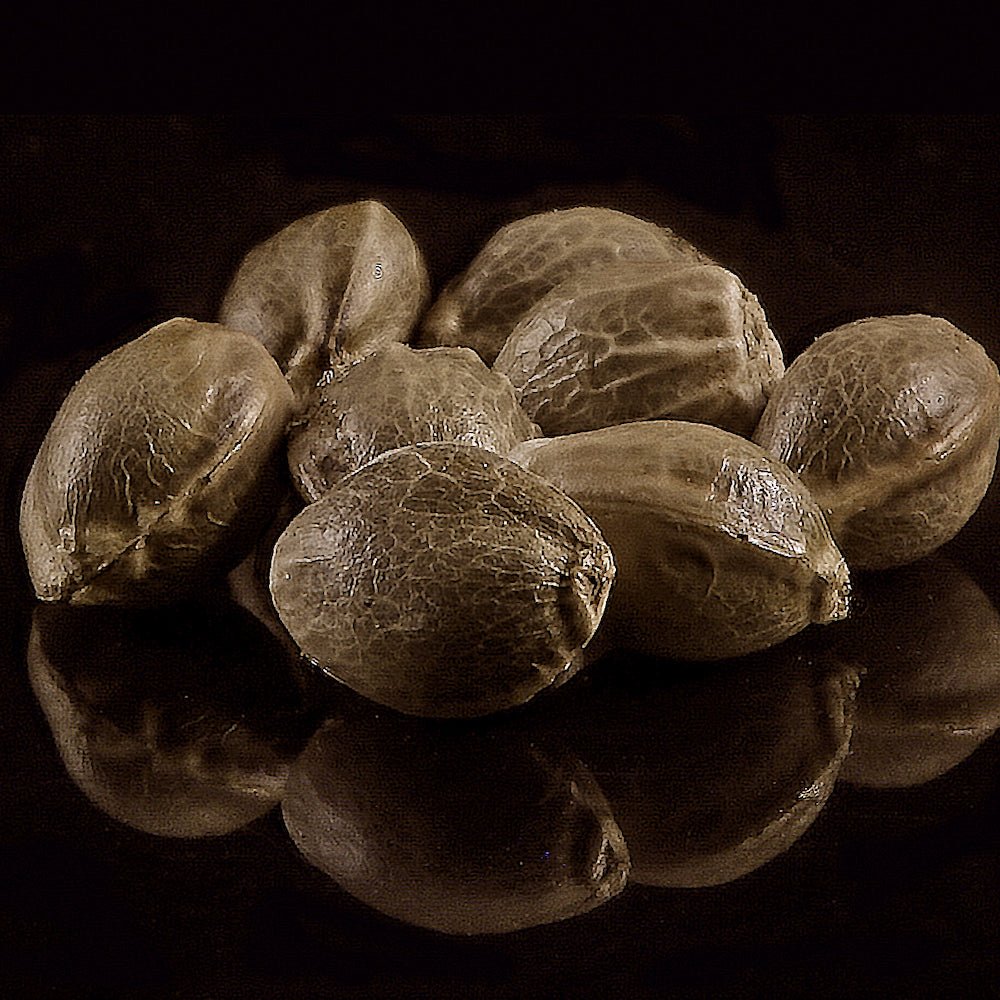
Interested in growing your own THC-rich cannabis? Explore our selection of THC cannabis seeds, including our latest triploid and diploid varieties.
This article is for educational purposes only and is not intended as medical advice. Cannabis products should not replace established medical treatments without guidance from a qualified healthcare professional.