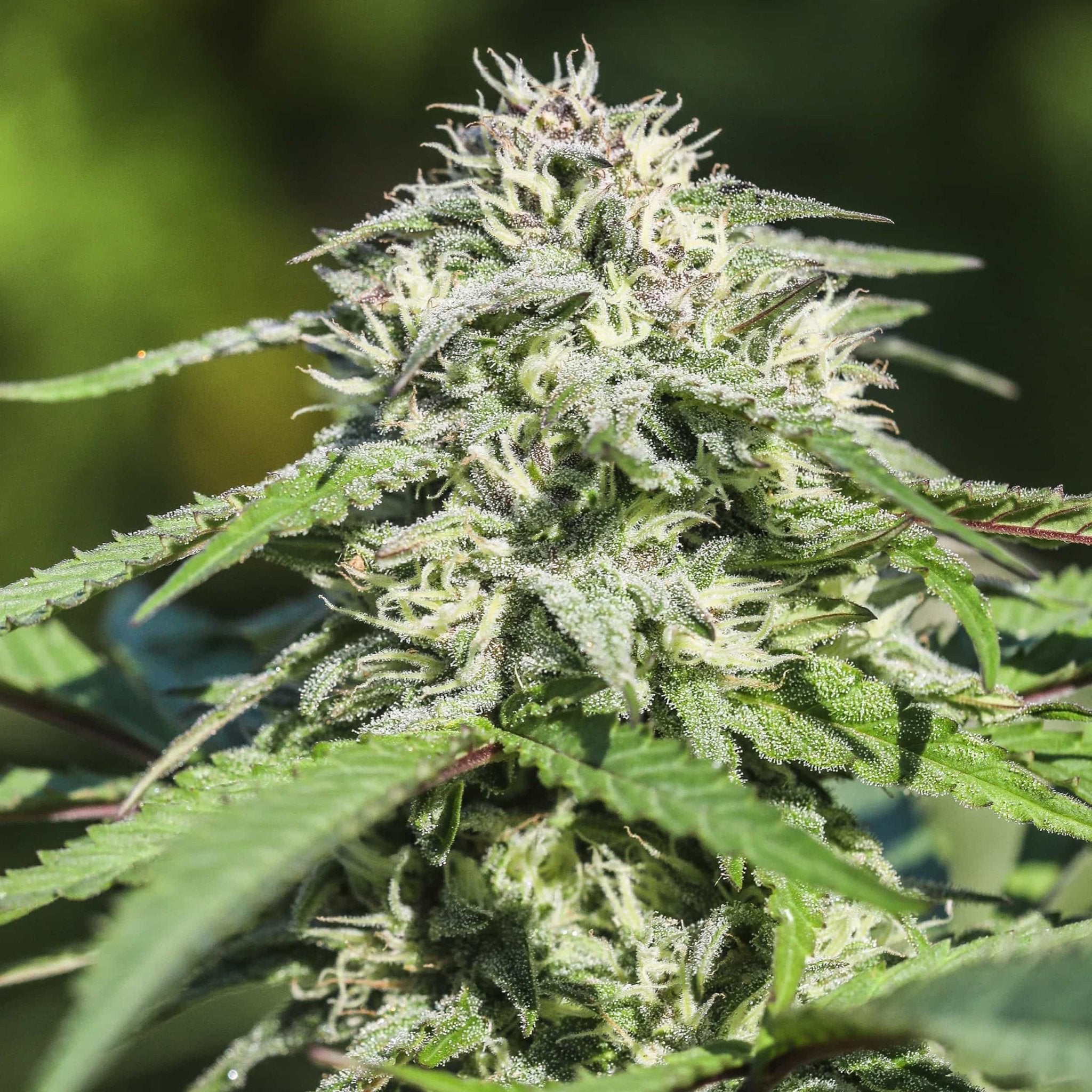


One of the most important things hemp flower growers can do to protect their crop is also one of the simplest: walk their fields and look for plants producing male flowers.
This practice, commonly called rogueing, involves identifying and removing unwanted pollen-producing plants before they can pollinate the crop. Even a single plant producing male flowers can release an enormous amount of pollen, potentially pollinating thousands of female flowers and reducing the quality and value of a hemp harvest.
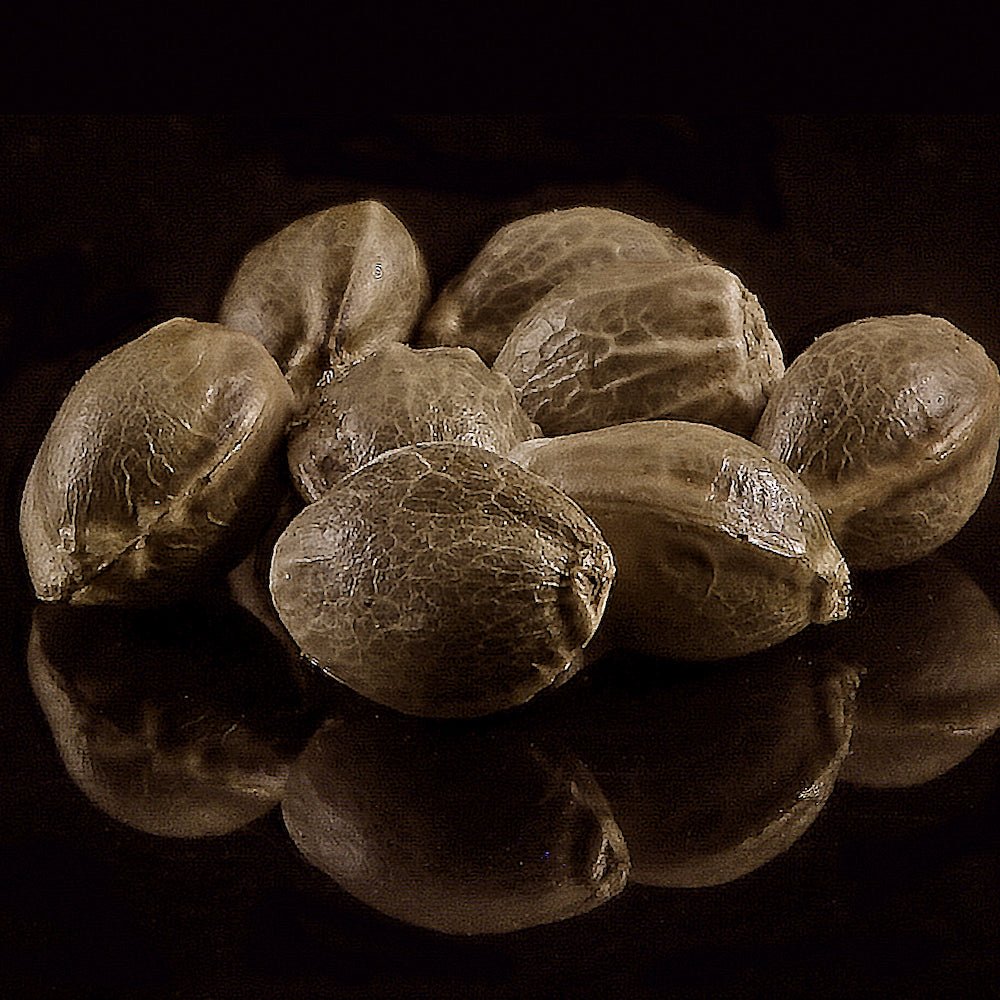
We produce feminized cannabis seeds to minimize the risk of unwanted pollen production. However, no seed production process is absolutely perfect, and we strongly recommend that growers take the time to inspect their fields.
Are There Actually Male Plants in Feminized Cannabis Seeds?
Technically, plants produced from properly feminized cannabis seeds are genetically female, typically possessing two X chromosomes (XX) rather than the XY chromosomes found in genetically male cannabis plants.
However, genetic sex and the flowers a plant produces aren't always the same thing.
Cannabis plants with female chromosomes can occasionally develop male reproductive structures, either through environmental stress, genetic predisposition, or other factors affecting sex expression. Some may produce both male and female flowers, while others can develop predominantly male flowers despite being genetically female.
These plants are often referred to as males by growers, but they're more accurately described as genetically female plants expressing a male or intersex phenotype.
In fact, this ability to produce male flowers on genetically female plants is the basis of feminized cannabis seed production. By inducing male flower development on selected female plants, breeders can produce pollen that generally carries only X chromosomes, allowing them to produce feminized seeds.
For growers, the distinction is scientifically interesting, but the practical concern remains the same: if a plant is producing viable pollen, it can pollinate your crop regardless of its chromosomes.
When Should You Start Rogueing Hemp Fields?
For outdoor hemp crops, we recommend growers begin checking their fields as soon as plants are mature enough to show their sex, with particular attention around the end of the first week of August for typical summer-planted crops.
The exact timing depends on your planting date, latitude, and genetics. Growers should increase the frequency of inspections as flowering approaches.
Plants expressing male flowers often begin developing pollen sacs before female flowers reach full bloom. Catching these plants early is critical, as once pollen is released, there's no putting it back in the bottle.
We recommend walking fields regularly, inspecting plants carefully, and removing any plants producing unwanted male flowers before their pollen sacs open.
How to Identify Male Flowers on Cannabis Plants
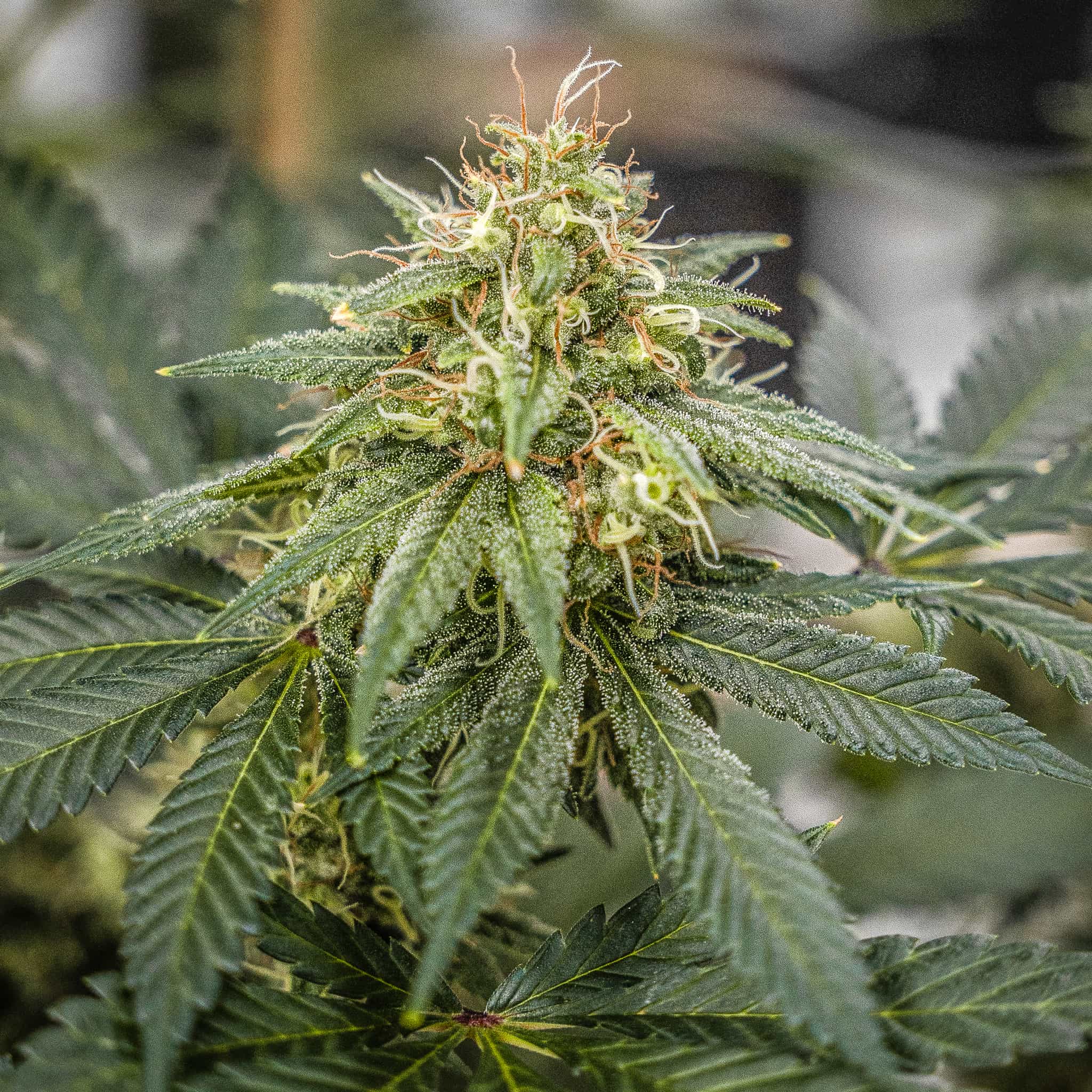
Male cannabis flowers develop small, rounded pollen sacs at the nodes where branches meet the main stem. These sacs often appear in clusters and eventually open to release pollen.
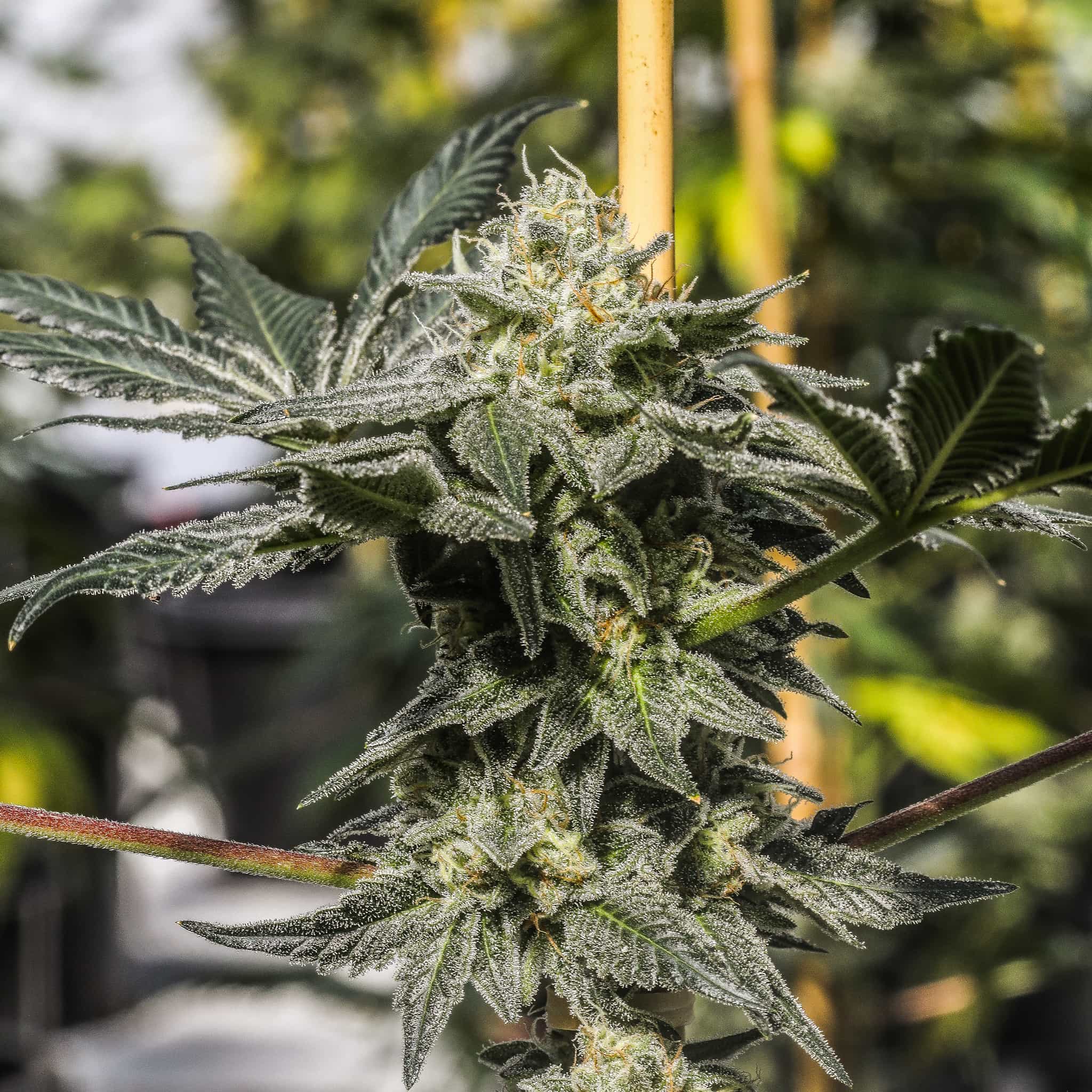
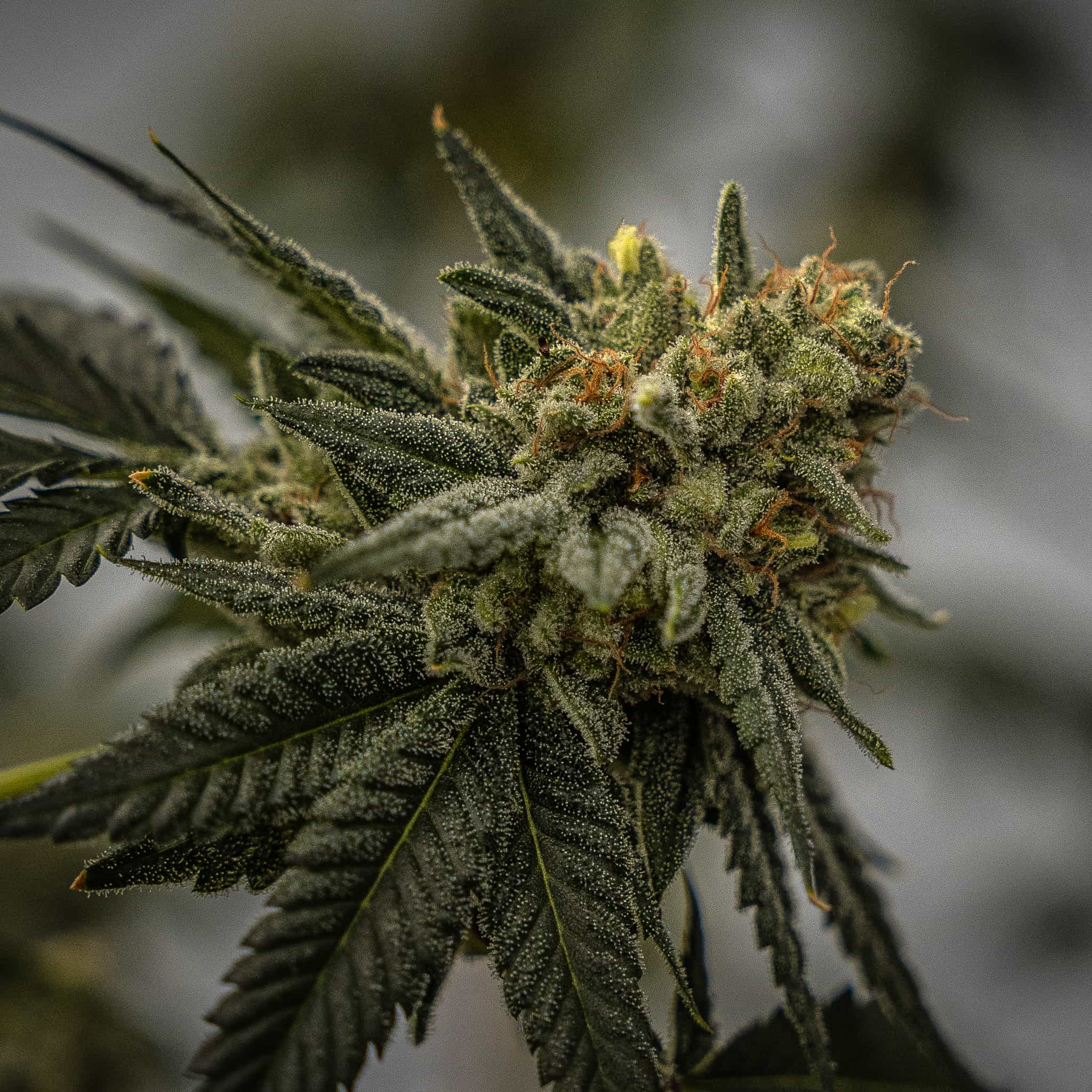
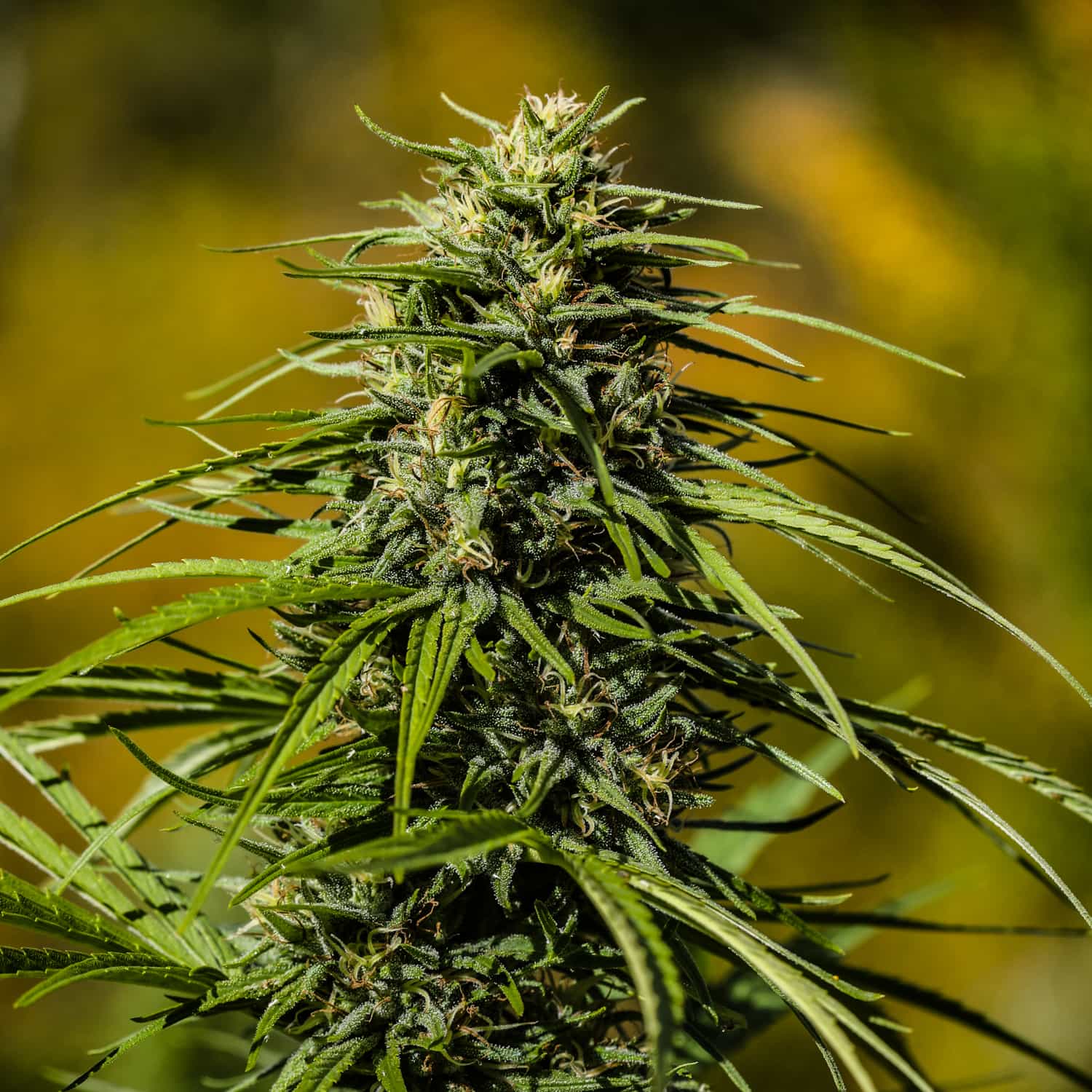
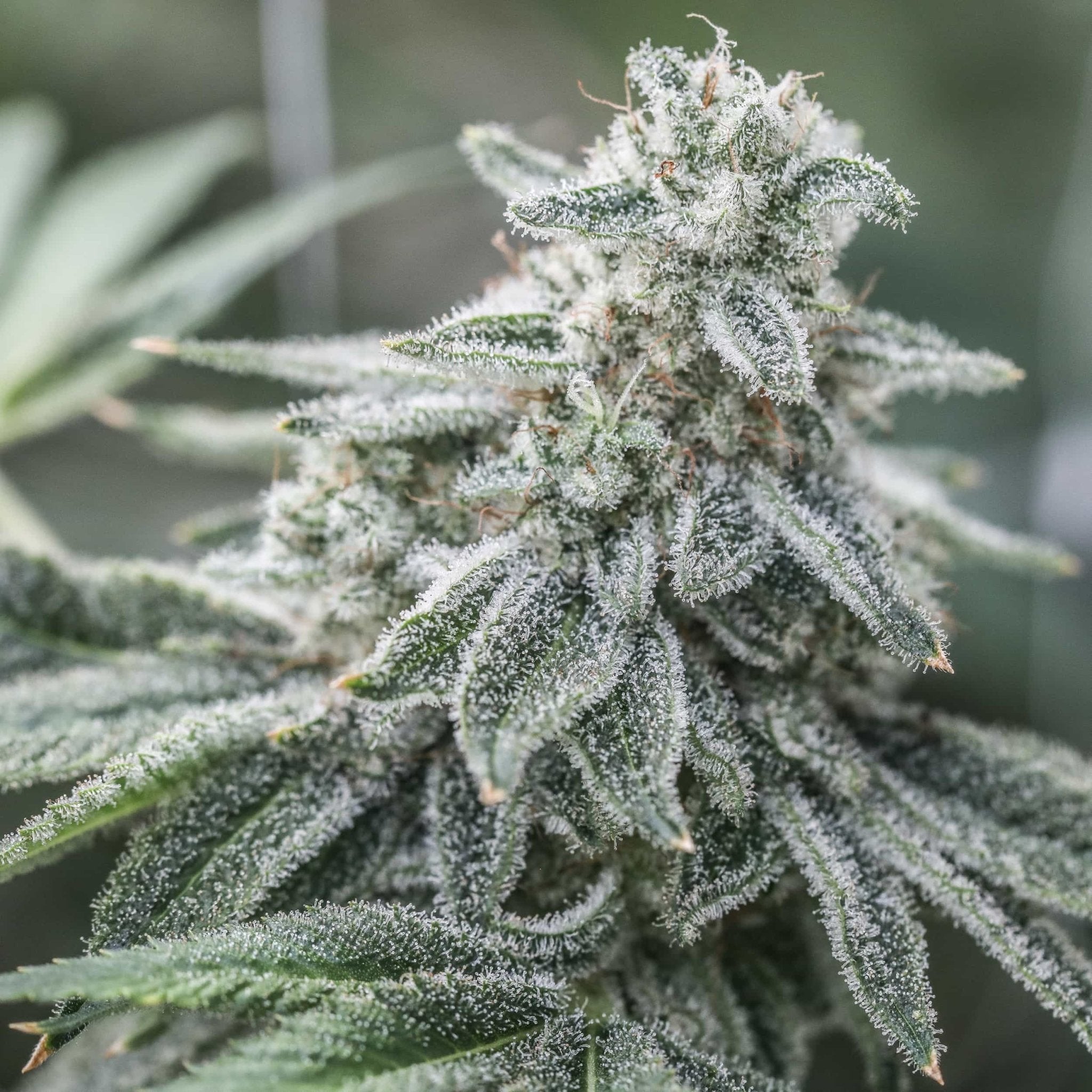
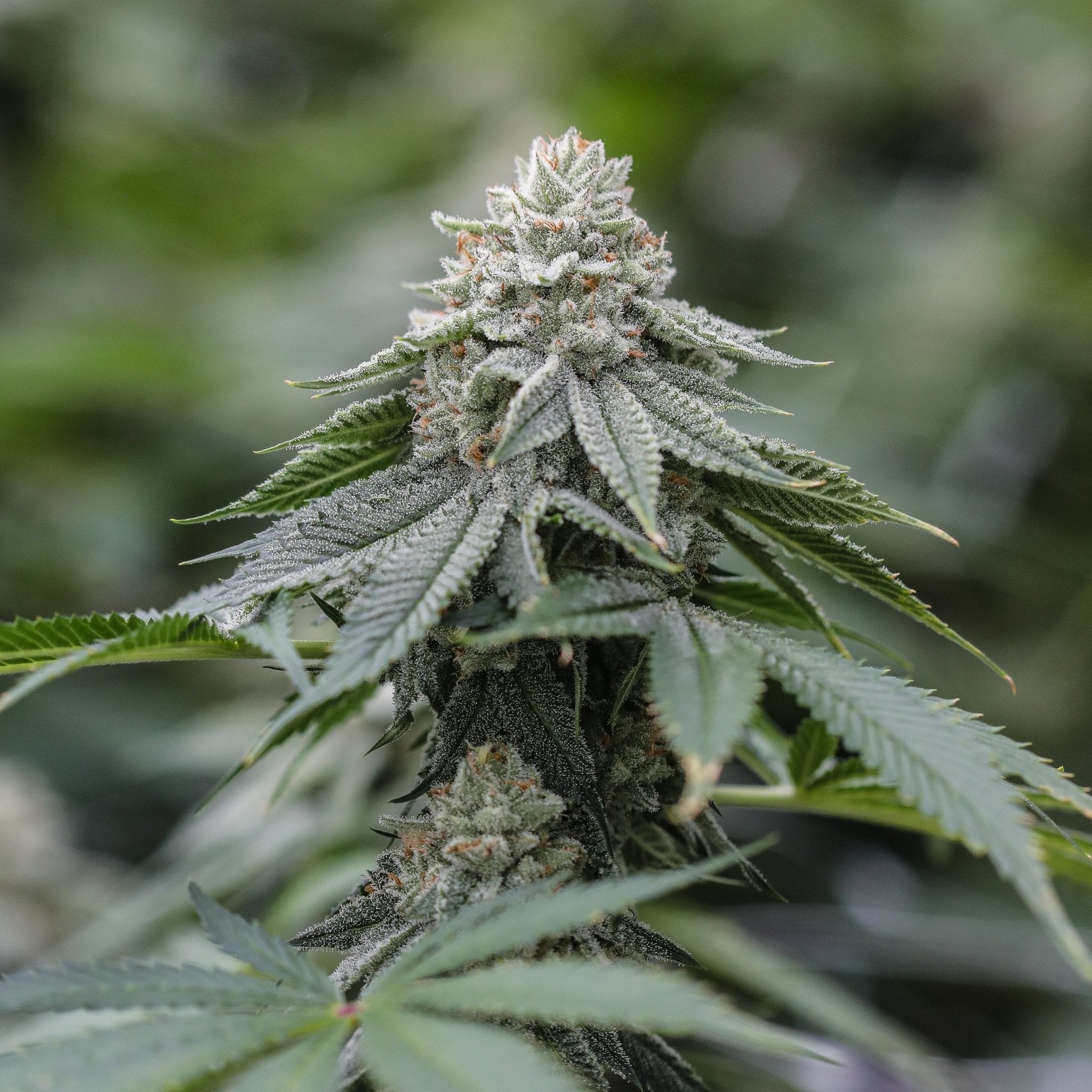
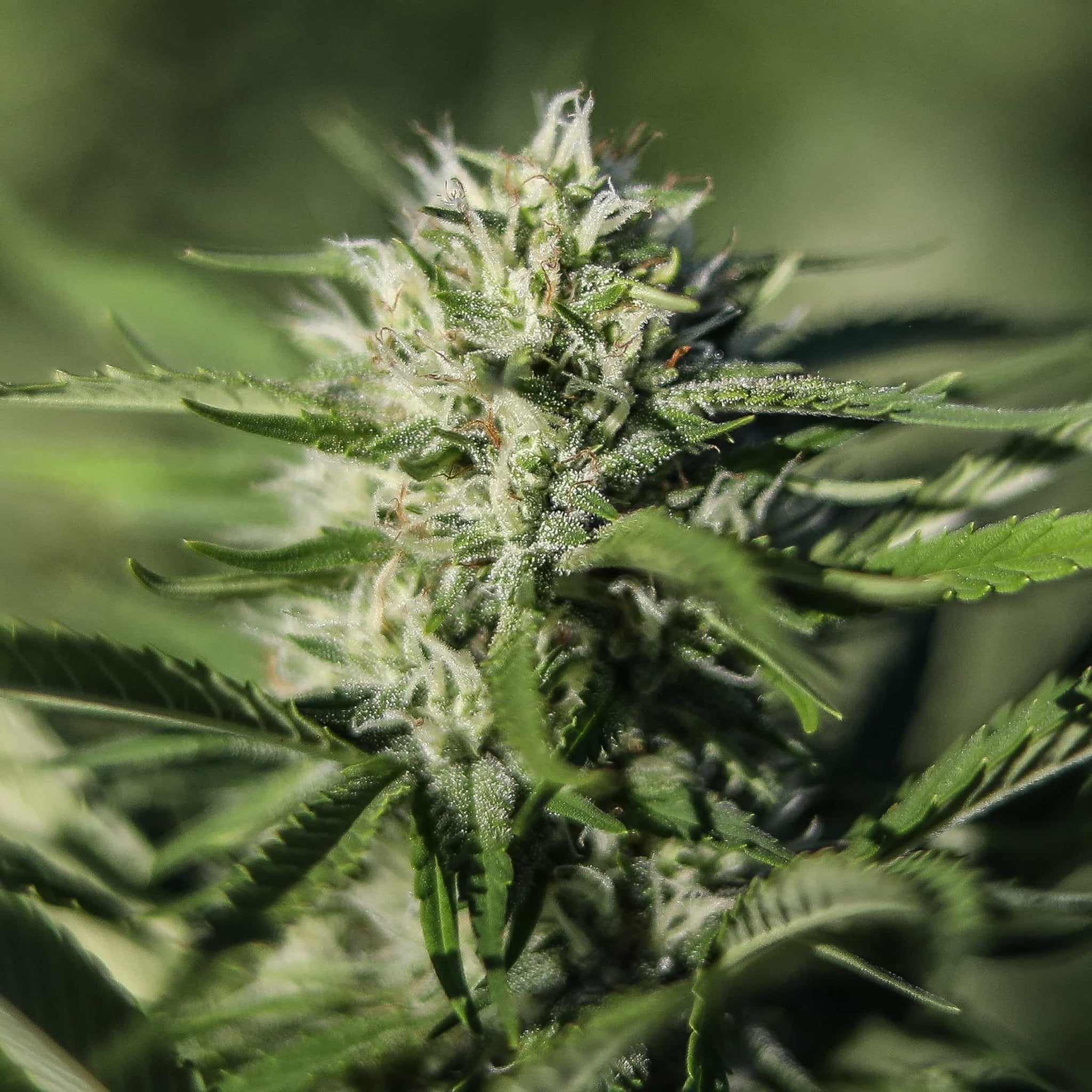
Female flowers, on the other hand, typically develop small, teardrop-shaped reproductive structures with white hairs, called stigmas, emerging from them.
It's important not to confuse immature female flowers with male pollen sacs. When in doubt, inspect the plant again before removing it.
Growers should also watch for plants producing both male and female reproductive structures, commonly referred to as hermaphrodites.
Not sure what you're looking for? Check out our guide to identifying male, female, and hermaphrodite cannabis plants, complete with photos showing the differences between each flower type.
How Pollination Reduces Cannabinoid Content and Yields
One of the biggest reasons to keep pollen-producing plants out of your hemp fields isn't just preventing seeds. It's protecting cannabinoid production.
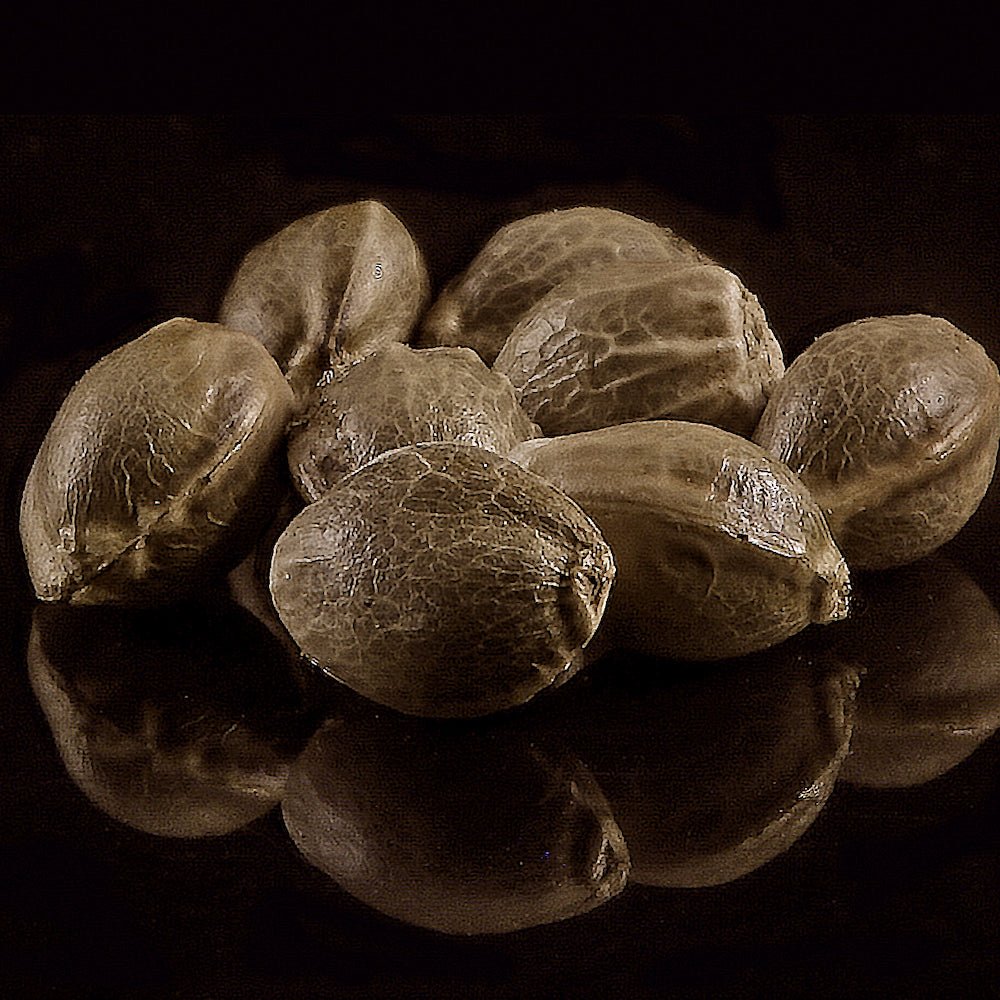
When female cannabis flowers are pollinated, they begin developing seeds, which can significantly reduce the cannabinoid concentration and overall cannabinoid yield of harvested material. Instead of producing the high-quality, seedless flowers growers are after, plants produce seeded flowers with lower concentrations of valuable cannabinoids.
And the losses can be substantial.
Research highlighted by Cornell University's hemp program reports that CBD production can drop two- to threefold following pollination. In their studies, plants were absolutely coated with pollen, having been grown interspaced with grain and fiber hemp crops.
In a separate 2018 Cornell field study, researchers found that plants producing more seeds tended to have lower total potential CBD concentrations and lower overall cannabinoid content. Plants growing farther from pollen sources also generally had higher CBD concentrations.
That's a potentially enormous loss for growers producing hemp for smokable flower or cannabinoid extraction. The magnitude of the loss depends on the variety and degree of pollination, but the message is clear: keeping pollen out of your fields matters.
From our experience, cannabinoid yields drop around 30% in lightly dusted crops, but significantly more under higher pollen loads.
What About Triploid Cannabis? Is Rogueing Still Necessary?
Absolutely.
One of the biggest advantages of triploid cannabis seeds is their greatly reduced fertility. Triploid cannabis plants have three sets of chromosomes rather than the usual two, which disrupts normal reproductive development and significantly reduces seed production when exposed to pollen.
But triploid cannabis is not completely sterile.
Cornell University conducted extensive triploid pollen-challenge trials in 2021 and 2022 using several of our Oregon CBD genetics, including Lifter, Suver Haze, and White CBG alongside their triploid counterparts.
The results were particularly interesting:
-
At pollen-free locations, diploid and triploid plants produced similar cannabinoid concentrations.
-
Under pollen pressure, triploid plants generally maintained higher cannabinoid concentrations than diploids.
-
Triploid plants produced significantly fewer seeds, although some viable seeds were still produced.
A subsequent peer-reviewed study published in Agronomy Journal in 2024 found that triploid Lifter and White CBG produced 87% and 77% fewer seeds, respectively, than their diploid counterparts under pollen pressure.
These findings demonstrate why triploid genetics can be so valuable for hemp flower production, particularly in regions where pollen contamination is a concern.
However, even with the substantial protection offered by triploids, rogueing remains a worthwhile part of protecting your investment.
What If You Find a Plant That's Already Releasing Pollen?
Ideally, every pollen-producing plant is identified and removed before it starts shedding pollen. But anyone who has grown enough cannabis knows that things don't always go according to plan.
Occasionally, a plant expressing male flowers gets missed and isn't discovered until well into flowering, when its pollen sacs are already open.
If we discover a plant that's actively releasing pollen, our first step is to try to contain the pollen before removing the plant.
At our farm, we will carefully hose down the plant with water, thoroughly wetting the pollen sacs and surrounding foliage. Water causes airborne pollen to become wet and settle, dramatically reducing its ability to spread through the air. Wetting can also impair pollen viability, although it shouldn't be considered a guarantee that every pollen grain has been rendered useless.
Once the plant is thoroughly wet, we'll carefully wrap it in a large trash bag, trying to contain as much of the plant as possible before cutting it down and removing it from the field.

A few things to keep in mind:
-
Avoid shaking the plant. Any unnecessary movement can release additional pollen.
-
Wet the plant first. Thoroughly dampening the pollen sacs can help minimize pollen becoming airborne during removal.
-
Bag the entire plant if possible. Carefully enclose the pollen-producing branches before cutting the plant at its base.
-
Remove it from the field immediately. Keep the bag closed and dispose of the plant away from production areas.
We also try to avoid disturbing an actively shedding plant on particularly windy days, when possible.
This approach won't reverse pollination that's already occurred, but it can help prevent additional pollen from spreading throughout the crop.
And if you discover one pollen-producing plant, it's a good idea to thoroughly inspect the surrounding plants. There may be others that haven't started shedding pollen yet.
Don't Forget About Volunteer Hemp Plants
One often overlooked source of pollen is volunteer cannabis plants growing outside cultivated fields.
Seeds left behind from previous harvests can germinate the following season, producing plants that may be genetically male, genetically female, or express both male and female flowers. Unlike plants grown from feminized seeds, volunteers from conventional seed production can include true XY males.
These volunteers can grow along field edges, irrigation ditches, roadsides, and other disturbed areas.
It's worth checking the surrounding property, not just the planted crop. A pollen-producing plant growing outside the field can still be a significant source of contamination.
And remember, cannabis pollen is windborne. Even perfectly maintained fields can experience pollen contamination from neighboring farms growing grain, fiber, or other seed-producing cannabis crops.
A Little Prevention Goes a Long Way
Whether you're growing conventional feminized CBD hemp, CBG varieties, or our latest triploid genetics, regularly checking for pollen-producing plants is one of the easiest ways to protect your harvest.
Feminized seeds dramatically reduce the likelihood of unwanted male flower development, and triploid genetics provide an additional layer of protection against unwanted pollination. Neither eliminates the value of good field management.
Walk your fields, check your plants, and remove unwanted pollen-producing plants before they release pollen. A little time spent rogueing can save a lot of headaches come harvest.