
CBD has become one of the most talked-about compounds in cannabis, and for good reason.
Over the past decade, researchers have investigated cannabidiol (CBD) for everything from anxiety and chronic pain to epilepsy, inflammation, and neurological diseases.
But with all the excitement surrounding CBD, it's sometimes difficult to separate legitimate scientific findings from exaggerated marketing claims.
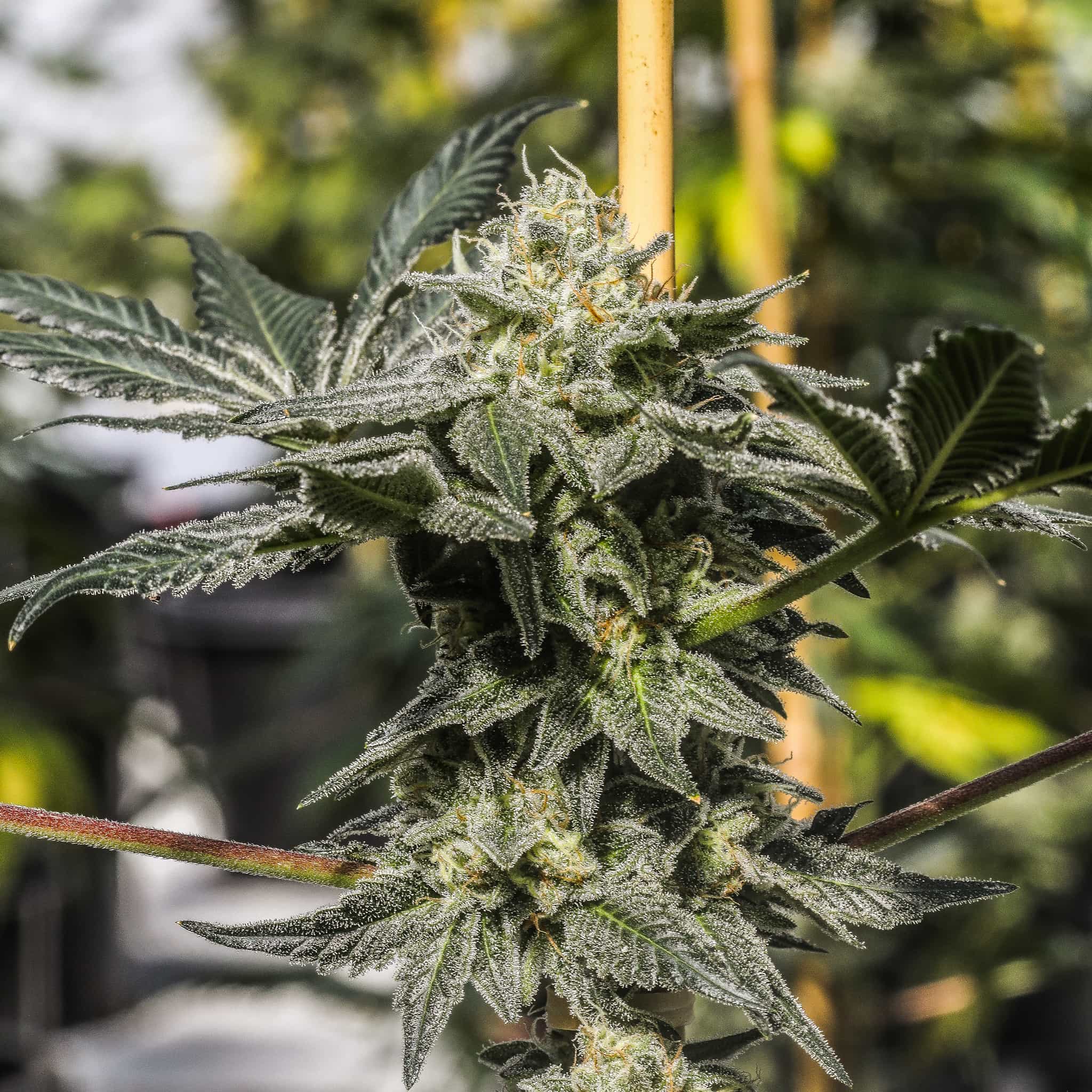
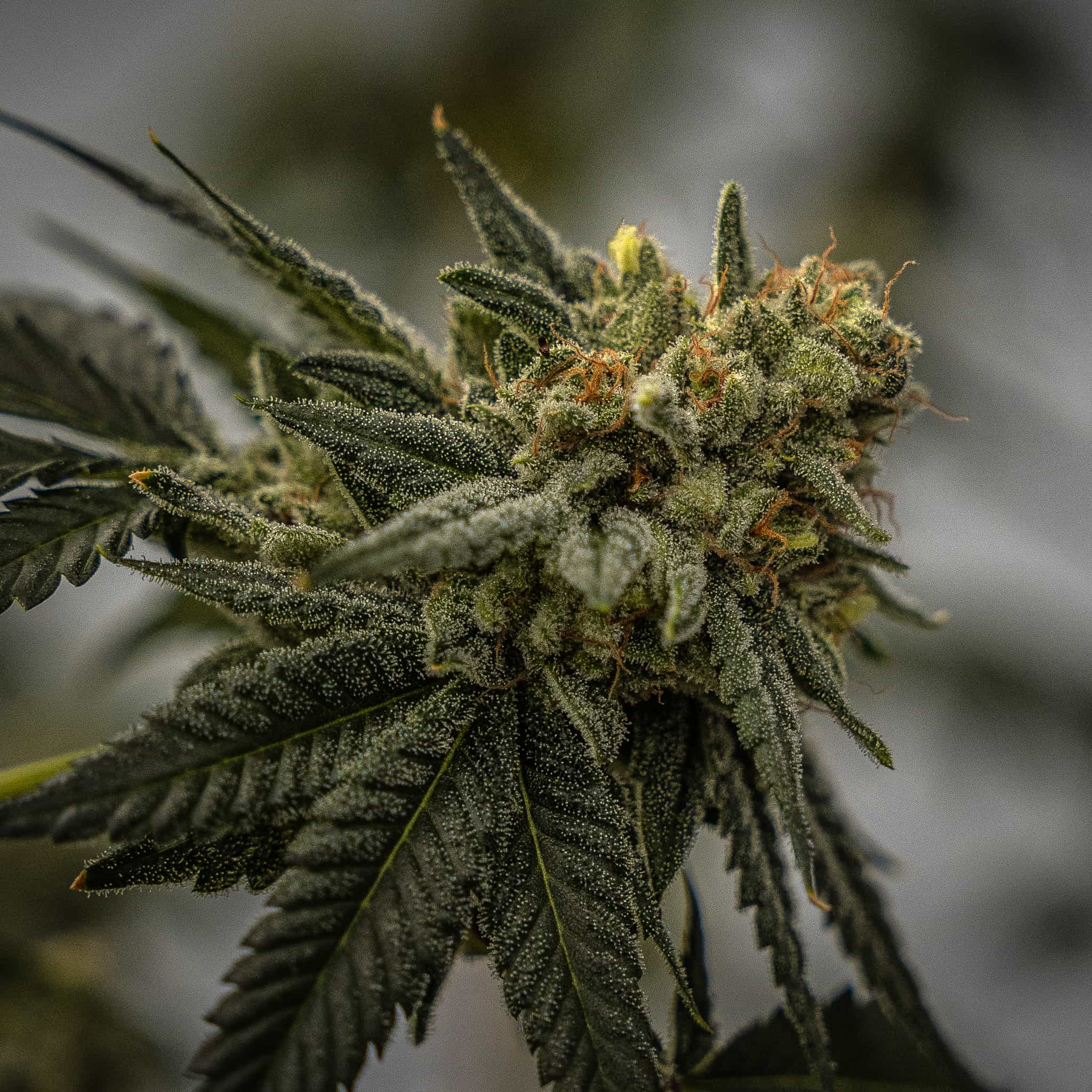
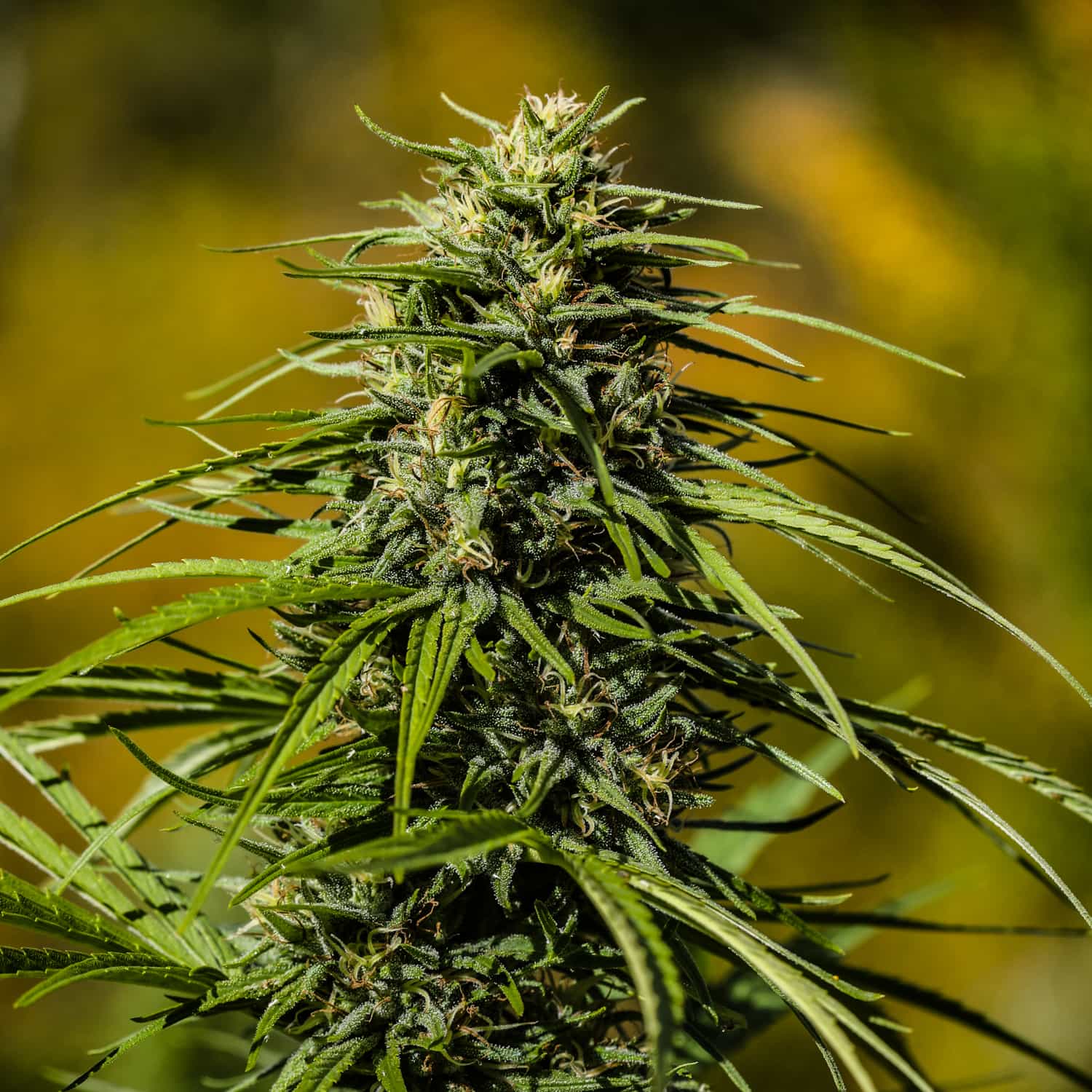
At GTR Seeds, we've spent years breeding CBD-rich cannabis genetics, and we're particularly interested in the science behind the cannabinoids our plants produce.
So what do we actually know about CBD's potential health benefits? And where does the research still fall short?
Let's take a look at some of the most interesting findings.
What Is CBD, and How Does It Work?
Cannabidiol, or CBD, is one of the many naturally occurring cannabinoids produced by Cannabis sativa L.
Unlike THC, CBD does not typically produce the intoxicating high associated with cannabis.
However, that doesn't mean CBD is biologically inactive.
Researchers have identified several ways CBD interacts with molecular signaling systems in the body, including pathways involved in neurological activity, inflammation, and responses to stress.
CBD's pharmacology is complex, and scientists are still working to understand which mechanisms are responsible for its different observed effects.
It's also important to distinguish between purified CBD used in clinical trials and the wide variety of commercially available CBD oils, extracts, and flower products.
They aren't necessarily equivalent.
CBD for Anxiety and Stress
One of the most widely studied potential applications of CBD is anxiety.
Several small human studies have reported reductions in anxiety-related symptoms following CBD administration.
A frequently cited 2011 study published in Neuropsychopharmacology investigated CBD in people with social anxiety disorder during a simulated public speaking test.
Researchers found that participants receiving CBD experienced reduced anxiety compared with those receiving a placebo.
It's an interesting finding, particularly because public speaking is a reliable way to induce anxiety in a controlled research setting.
But one small study doesn't establish CBD as an effective treatment for anxiety disorders.
A 2024 systematic review of randomized controlled trials examined the available human research and found some encouraging results, alongside considerable differences between studies and inconsistent findings.
Researchers concluded that larger, better-designed clinical trials are needed to determine whether CBD can reliably treat specific anxiety disorders.
What the science suggests: CBD may have anxiety-reducing properties, but the evidence remains preliminary. It isn't an established replacement for evidence-based anxiety treatments.
CBD for Pain and Inflammation
Pain relief is another major reason people are interested in CBD.
Laboratory and animal studies have identified anti-inflammatory effects, raising questions about whether CBD could help with arthritis, neuropathy, and other painful conditions.
For example, a 2016 animal study published in the European Journal of Pain found that topical CBD reduced certain measures of inflammation and pain-related behavior in rats with experimentally induced arthritis.
That's promising research, but results in rodents don't necessarily translate into meaningful pain relief for people.
Human studies have produced more mixed findings.
A 2025 evidence review of cannabis-based treatments for chronic pain found that some products containing both THC and CBD may provide small short-term improvements in certain types of neuropathic pain.
However, the evidence did not show meaningful improvements in pain or physical function from oral CBD alone.
That's an important distinction.
Research involving THC-and-CBD combinations should not automatically be interpreted as evidence that CBD by itself is an effective pain treatment.
What the science suggests: CBD has demonstrated interesting anti-inflammatory activity in preclinical research, but convincing evidence that CBD alone provides substantial relief from chronic pain remains limited.
CBD and Epilepsy: Where the Evidence Is Strongest
Of all CBD's potential medical applications, epilepsy has some of the strongest clinical evidence.
In fact, CBD has already become an FDA-approved prescription medication for certain seizure disorders.
The medication, called Epidiolex, contains highly purified cannabidiol and is approved to treat seizures associated with Dravet syndrome, Lennox-Gastaut syndrome, and tuberous sclerosis complex in patients one year of age and older.
This approval followed controlled clinical trials demonstrating that CBD could reduce seizure frequency in patients with these conditions.
A landmark 2017 clinical trial involving Dravet syndrome provided important evidence supporting CBD's effectiveness in this difficult-to-treat form of epilepsy.
This is an extraordinary development for cannabinoid research.
But it's important to recognize that Epidiolex is a standardized prescription medication administered under medical supervision.
It should not be confused with commercially available CBD flower, tinctures, or other unapproved products.
The doses used in epilepsy trials can also be substantially higher than those commonly found in consumer CBD products.
What the science shows: Purified prescription CBD is an established treatment for certain seizure disorders. This does not mean ordinary CBD products are proven to treat epilepsy or other neurological conditions.
Could CBD Help With Alzheimer's and Other Neurological Diseases?
CBD has also attracted interest for its possible neuroprotective properties.
Researchers have investigated its effects on oxidative stress, inflammatory signaling, and other biological processes that may contribute to neurological disease.
Some laboratory and animal studies have reported findings that warrant further investigation.
For example, research discussed in Frontiers in Pharmacology explores CBD's interactions with neurological pathways and their potential relevance to brain function.
However, there's a substantial difference between observing a protective effect in laboratory cells and demonstrating that CBD can prevent or slow Alzheimer's disease in humans.
At present, clinical evidence is insufficient to establish CBD as a treatment for Alzheimer's disease, Parkinson's disease, or other neurodegenerative conditions.
What the science suggests: CBD's effects on neurological signaling and inflammation are worth investigating, but claims that CBD prevents dementia or slows neurodegenerative disease are not supported by adequate clinical evidence.
CBD and Cancer Research
CBD has also been studied in connection with cancer, although this is an area where scientific findings are frequently exaggerated.
In laboratory experiments, researchers have observed that CBD can influence processes involved in cancer cell growth, cell death, and inflammation.
Some animal studies have also produced interesting results.
A review of CBD research involving cancer patients discusses both the potential applications and substantial limitations of the existing evidence.
However, laboratory findings do not demonstrate that CBD treats cancer in humans.
There is currently no reliable clinical evidence establishing CBD as a cancer cure or as a treatment that prevents cancer from spreading.
Researchers have also investigated cannabinoids for symptoms associated with cancer and cancer treatment, including pain, nausea, and appetite changes. But evidence involving THC-containing medications or other cannabinoids should not be attributed to CBD alone.
CBD can also interact with medications, including some used during cancer treatment.
What the science suggests: CBD is an interesting subject of cancer-related research, but it is not an established cancer treatment and should never replace proven medical care.
CBD and Cardiovascular Health
Another interesting area of research involves CBD's potential effects on blood pressure and cardiovascular function.
A 2017 study published in JCI Insight investigated the effects of a single 600 mg dose of CBD in nine healthy male volunteers.
Researchers observed a reduction in resting blood pressure following CBD administration compared with placebo.
They also examined cardiovascular responses to different stress tests.
These findings attracted considerable attention, but the study was very small and evaluated the effects of a single dose.
We don't yet know whether CBD provides meaningful long-term cardiovascular benefits, whether the effects persist with repeated use, or how the findings apply to people with hypertension and other cardiovascular conditions.
What the science suggests: Early research has identified possible cardiovascular effects, but CBD is not an established treatment for high blood pressure or heart disease.
Is CBD Safe?
CBD is often described as natural, non-intoxicating, and well tolerated.
But natural doesn't automatically mean harmless.
The FDA has identified several potential risks associated with CBD, including:
-
Liver injury, particularly at certain doses or in combination with some medications
-
Drug interactions that may increase side effects or alter medication effectiveness
-
Drowsiness, fatigue, and changes in alertness
-
Gastrointestinal side effects
-
Uncertainties surrounding long-term use, reproductive health, and use during pregnancy
CBD may interact with prescription medications, including certain antiseizure medications, blood thinners, and sedatives.
People who are pregnant or breastfeeding should avoid CBD unless specifically directed otherwise by an appropriate medical professional.
Product quality is another important consideration.
Commercial CBD products can vary in cannabinoid concentration, purity, and labeling accuracy. Some may contain more THC than expected or potentially harmful contaminants.
Anyone considering CBD for a medical condition, particularly while taking prescription medications, should discuss it with a qualified healthcare professional.
CBD Research Is Still Evolving
One of the most exciting things about cannabis science is how much remains to be discovered.
CBD is only one of the many cannabinoids produced by cannabis, and we're still learning about the biological activity of compounds such as CBG, CBDV, THCV, and CBGV.
At GTR Seeds, we've spent years developing genetics rich in these different cannabinoids and contributing to research that expands our understanding of cannabis.
We believe the future of cannabinoid science is incredibly promising.
But good science also means recognizing the difference between a compelling hypothesis, a successful animal experiment, and a treatment proven to work in people.
Not every interesting laboratory finding becomes a useful medication.
And that's okay. It's part of the research process.
So, Is CBD Worth Exploring?
CBD is a fascinating compound with genuine medical potential.
Its effectiveness in certain seizure disorders has already been demonstrated through rigorous clinical trials, and research into anxiety, inflammation, neurological conditions, and other applications continues.
But many of the broad health claims surrounding CBD have gotten well ahead of the evidence.
We're excited about what researchers may discover in the coming years, and we're proud to play a role in advancing cannabis genetics and science.
In the meantime, consumers deserve accurate information rather than exaggerated promises.
Plant medicine is fascinating. But the science matters.
Disclaimer: This article is intended for educational purposes only and does not constitute medical advice. GTR Seeds does not claim that its seeds or the plants grown from them diagnose, treat, cure, or prevent any disease. Consult a qualified healthcare professional before using CBD for a medical condition.