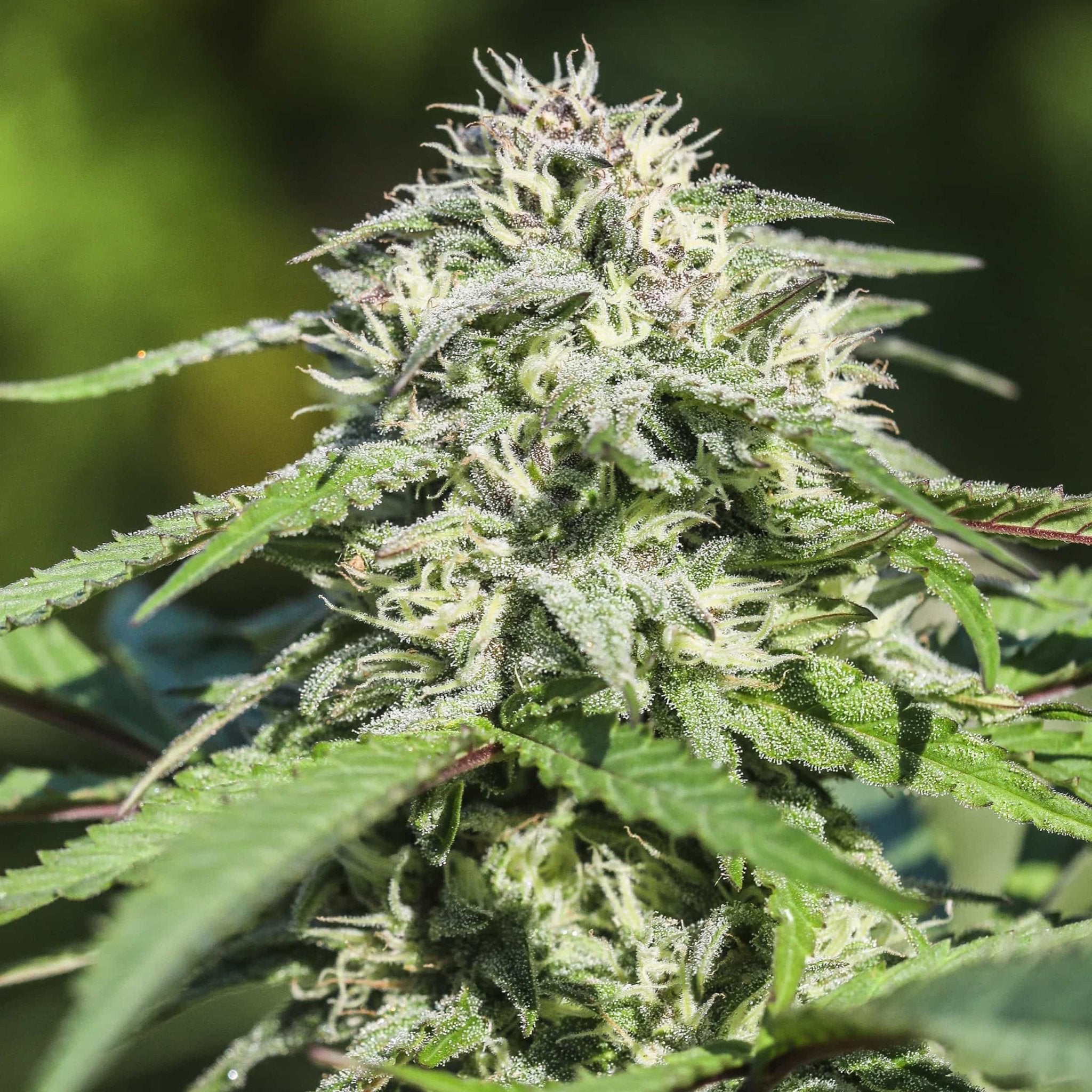


Cannabis-infused butter, better known as cannabutter, is one of the easiest and most versatile ways to make homemade cannabis edibles.
From brownies and cookies to pasta, mashed potatoes, and just about anything else that calls for butter, cannabutter allows you to incorporate cannabinoids into your favorite recipes.
And you don't necessarily need high-THC cannabis to make it. CBD, CBG, and other cannabinoid-rich flowers can also be used to make infused butter.
At GTR Seeds, we're obviously big fans of growing your own cannabis. And making cannabutter is a great way to put some of that homegrown flower to use, particularly smaller buds and other usable material that might not make the cut for your premium flower jars.
Here's how to make it.
What You'll Need to Make Cannabutter
Ingredients:
-
1 cup (2 sticks) unsalted butter
-
7 grams (¼ ounce) dried cannabis flower
-
Approximately 1 cup of water
Equipment:
-
Oven and baking sheet
-
Double boiler or slow cooker
-
Cheesecloth or fine-mesh strainer
-
Heat-resistant container
-
Thermometer (recommended)
The amount of cannabis you use will depend on its cannabinoid content and how strong you want your finished butter.
Keep in mind that even a relatively small amount of high-THC flower can produce extremely potent edibles.
Step 1: Decarboxylate Your Cannabis
Before making cannabutter, you'll generally want to decarboxylate your cannabis.
Fresh and dried cannabis flowers contain cannabinoids primarily in their acidic forms, such as THCA and CBDA.
Heating converts much of the THCA into THC and CBDA into CBD through a process called decarboxylation.
This is particularly important when making THC edibles, since THCA itself is not intoxicating in the same way as THC.
To decarboxylate your flower:
-
Preheat your oven to approximately 240°F (115°C).
-
Break the dried cannabis into small pieces and spread it evenly on a baking sheet.
-
Heat for approximately 30–40 minutes, stirring occasionally.
-
Remove the cannabis and allow it to cool.
Oven temperatures vary, and decarboxylation efficiency depends on time, temperature, moisture content, and the cannabinoid being processed. The goal is to heat the flower without scorching it.
There's no need to grind your cannabis into a fine powder. Breaking it into small pieces provides plenty of surface area and makes straining easier later.
Step 2: Melt the Butter
Add one cup of butter and approximately one cup of water to a double boiler or slow cooker.
Heat gently until the butter has melted.
The water helps regulate temperature and reduces the risk of scorching the butter during the infusion process.
Keep the heat low. You want a gentle infusion, not a rolling boil.
Step 3: Add Your Cannabis and Infuse
Add the decarboxylated cannabis to the melted butter and stir gently.
Maintain a low temperature, ideally around 160–190°F (71–88°C), for approximately two to three hours.
Stir occasionally and check the temperature if possible.
Cannabinoids are fat-soluble, meaning they dissolve into the butterfat during infusion.
Avoid overheating the mixture or allowing the water to boil away. Excessive heat can affect cannabinoid content, flavor, and butter quality.
You don't need to cook the mixture all day. A few hours of gentle infusion is generally sufficient for a basic homemade recipe.
Step 4: Strain the Cannabutter
Once the infusion is complete, remove the mixture from the heat.
Place cheesecloth or a fine-mesh strainer over a heat-resistant container and carefully pour the mixture through it.
Allow the liquid to drain, gently pressing the plant material if needed.
Avoid squeezing excessively, as this can force more fine plant particles into your finished butter and produce a stronger grassy flavor.
Discard the remaining plant material. Most of the readily extractable cannabinoids will have transferred into the butter, although extraction is never perfectly efficient.
Step 5: Cool and Store Your Cannabutter
Allow the strained mixture to cool briefly, then refrigerate it.
As the mixture chills, the butter will solidify above the water.
Once fully chilled, remove the solid butter and discard the water underneath.
Pat the butter dry and transfer it to a clean, airtight container.
Because homemade cannabutter can retain moisture and plant particles, we recommend refrigerating it and using it within about one to two weeks, or freezing portions for longer storage.
Always label the container clearly with the type of cannabis used and the estimated cannabinoid content.
And most importantly, keep all cannabis-infused foods securely away from children and pets.
How Strong Is Homemade Cannabutter?
This is where things get interesting.
The potency of your finished butter depends on several factors, including the cannabinoid concentration of your flower, the amount used, decarboxylation efficiency, and how much THC or CBD actually transfers into the butter.
For example, let's say you use 7 grams of cannabis flower containing 20% potential THC.
That's approximately:
7,000 mg of flower × 0.20 = 1,400 mg of potential THC before processing losses.
Not all of that THC will make it into the finished butter.
If you assume 70% overall recovery, your cup of butter would contain approximately 980 mg THC.
That's roughly 61 mg per tablespoon, or 20 mg per teaspoon.
This is only an estimate, not a reliable measurement of the finished butter's potency. Actual concentrations can vary considerably, and homemade infusions are difficult to dose accurately without laboratory testing.
For that reason, we strongly recommend using caution with homemade THC edibles, particularly when working with high-potency flower.
Can You Make Cannabutter With CBD or CBG Flower?
Absolutely.
Cannabutter doesn't have to contain large amounts of THC.
You can use CBD-dominant or CBG-dominant cannabis flowers to make infused butter with very different cannabinoid profiles.
-
THC flower: Produces butter containing intoxicating THC after appropriate decarboxylation.
-
CBD flower: Produces CBD-rich butter that is generally non-intoxicating, although some CBD flowers also contain THC.
-
CBG flower: Can be used to produce CBG-rich butter, typically without the intoxicating effects associated with high-THC cannabis.
The cannabinoid content of your starting material matters much more than the name of the variety.
Different cannabinoids also have different chemical properties, so the same heating process won't necessarily produce identical conversion or extraction efficiencies.
For growers interested in making their own cannabinoid-rich foods, starting with well-characterized genetics can help provide a more predictable starting material.
How to Use Cannabis-Infused Butter
Once your cannabutter is ready, you can use it in many recipes that normally call for butter.
Some popular options include:
-
Brownies and cookies: The classic cannabis edibles.
-
Cakes and muffins: Replace a measured portion of regular butter with infused butter.
-
Pasta and savory dishes: Stir into finished sauces or vegetables.
-
Toast and baked potatoes: Use a carefully measured amount as a spread.
For THC-infused butter, remember that homemade edibles can be much stronger than expected.
Edible THC may take 30 minutes to two hours to begin producing noticeable effects, and peak effects can take up to four hours. The experience can last six to eight hours or longer.
For adults choosing to consume THC edibles, a low starting dose of approximately 2.5 mg THC or less is a cautious approach, particularly for beginners. Wait at least four hours before considering additional THC.
Avoid combining THC edibles with alcohol, and never drive while impaired.
Tips for Making Better Cannabutter
Use quality cannabis. The flower you start with determines the cannabinoids and many of the flavors in your finished product.
Don't overgrind. Finely powdered flower is harder to strain and can leave more plant material in the butter.
Keep temperatures low. Gentle heating helps avoid scorching and unnecessary cannabinoid degradation.
Be patient. Both decarboxylation and infusion require time. Rushing either step can affect the final product.
Label everything. Homemade cannabutter looks just like ordinary butter, making proper labeling and secure storage especially important.
Be careful with potency. Without laboratory testing, you won't know the exact cannabinoid concentration of your finished product.
From Homegrown Cannabis to Homemade Edibles
One of the great things about growing your own cannabis is having the opportunity to experiment with different varieties and cannabinoid profiles.
Whether you're growing THC-rich flower, CBD, or CBG, making cannabutter is a relatively simple way to turn your harvest into something different.
And you don't need fancy equipment or complicated techniques to get started.
Just quality flower, some butter, gentle heat, and a little patience.
If you're interested in other ways to use your harvest, check out our guide to making cannabis salves and tinctures and explore more of our cannabis growing and processing resources.