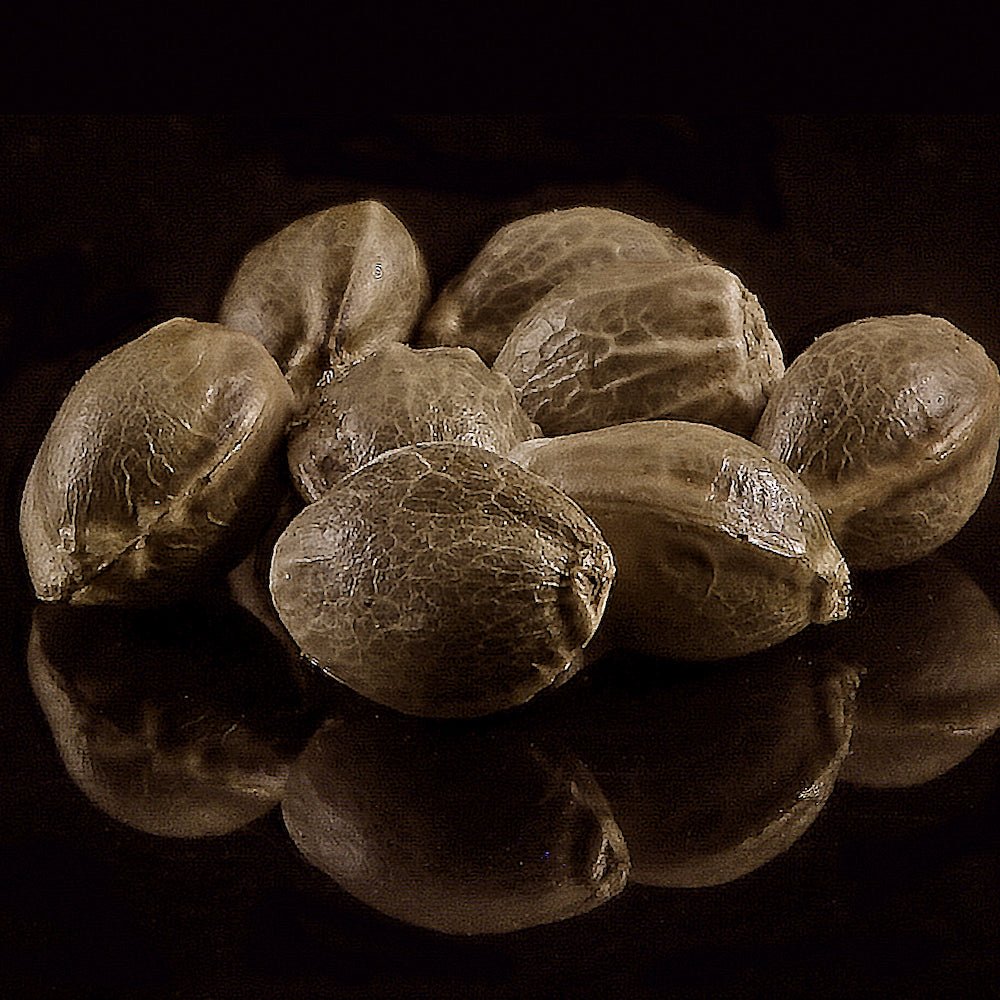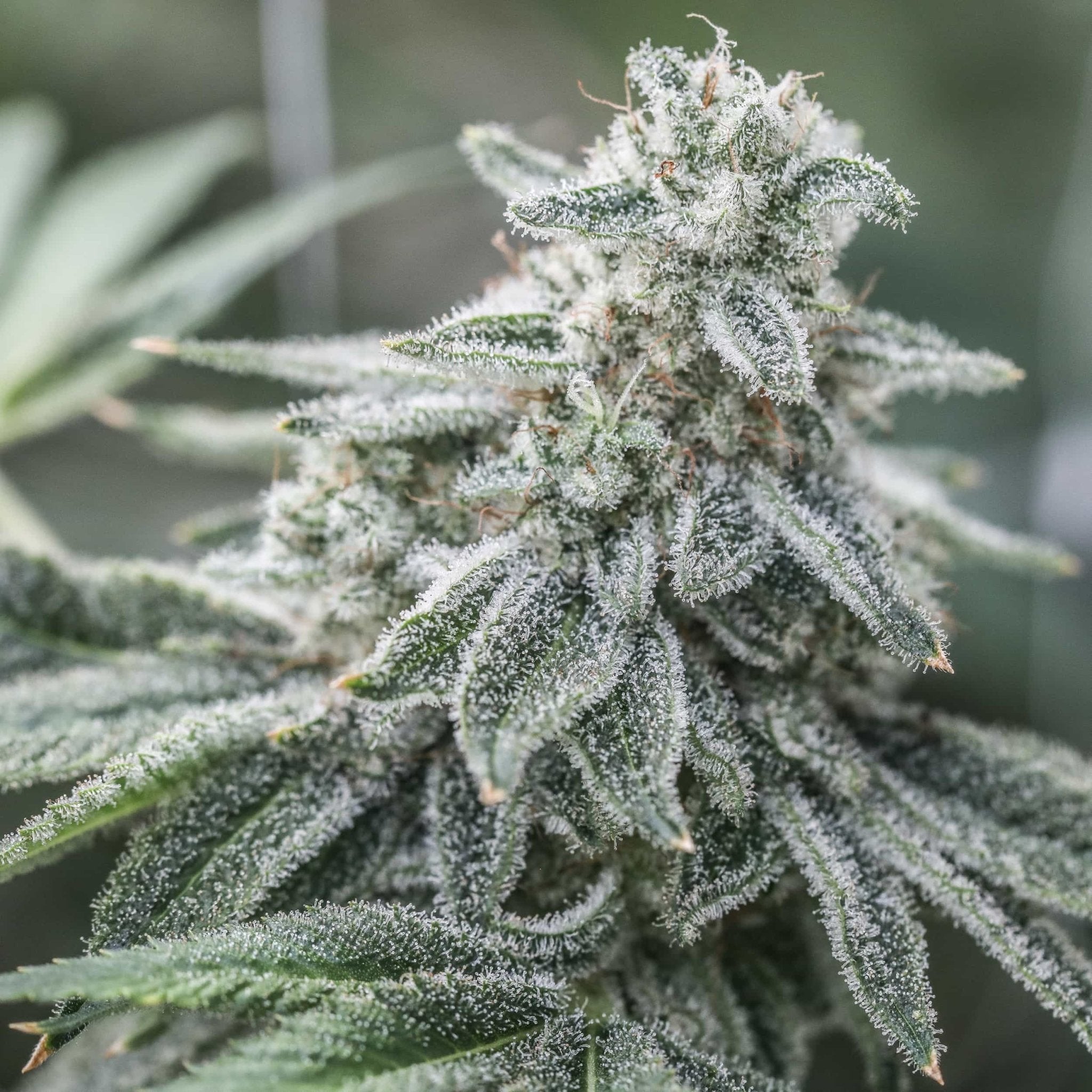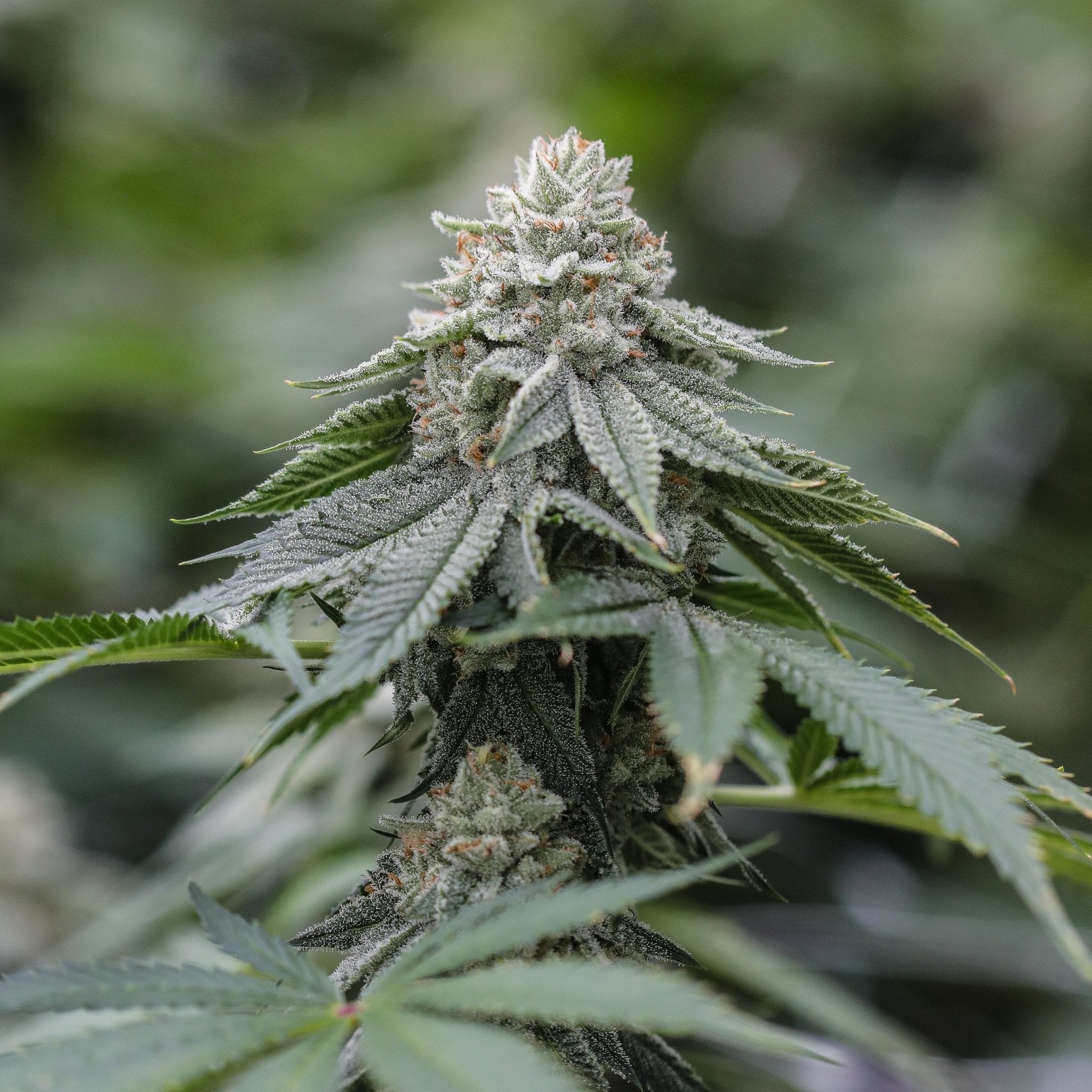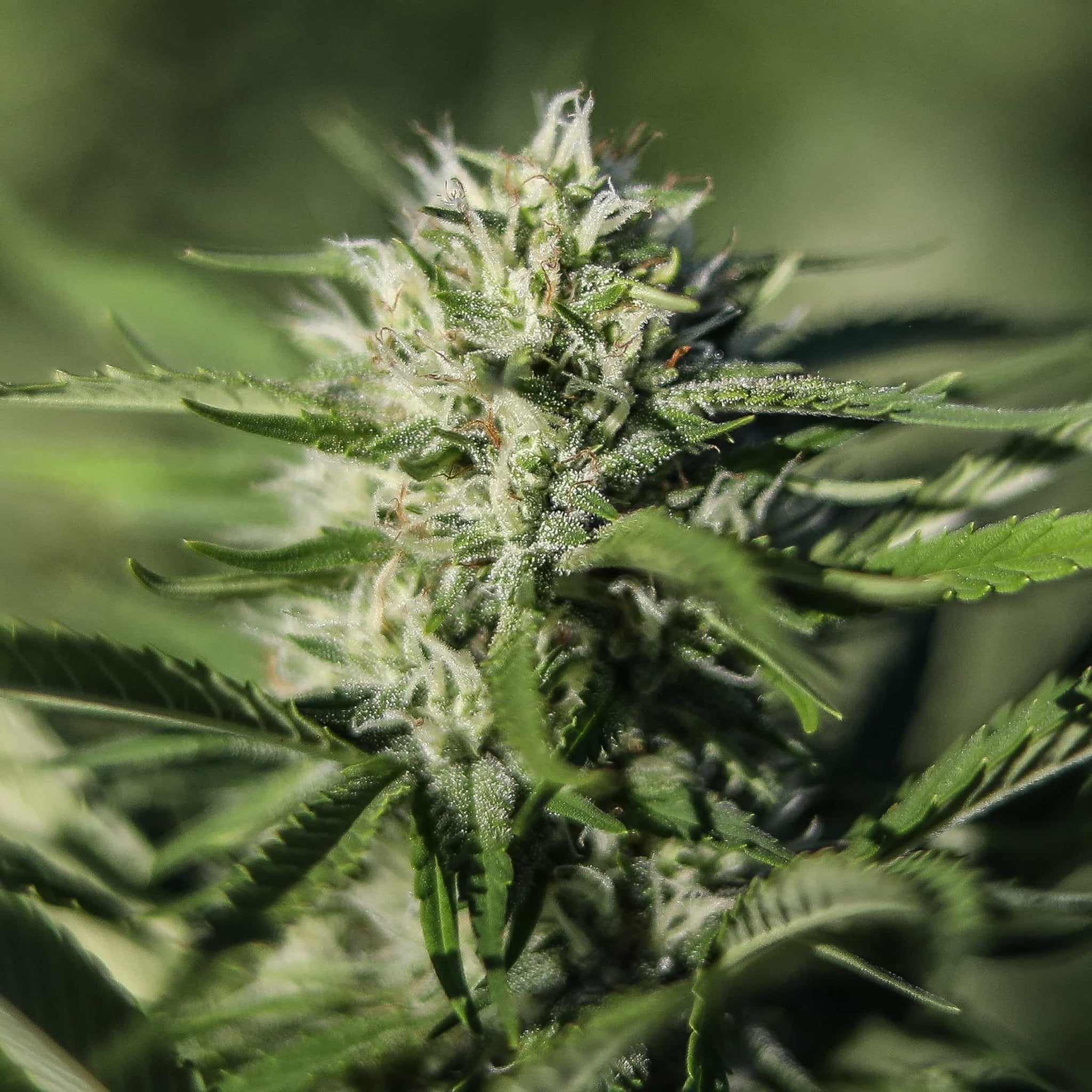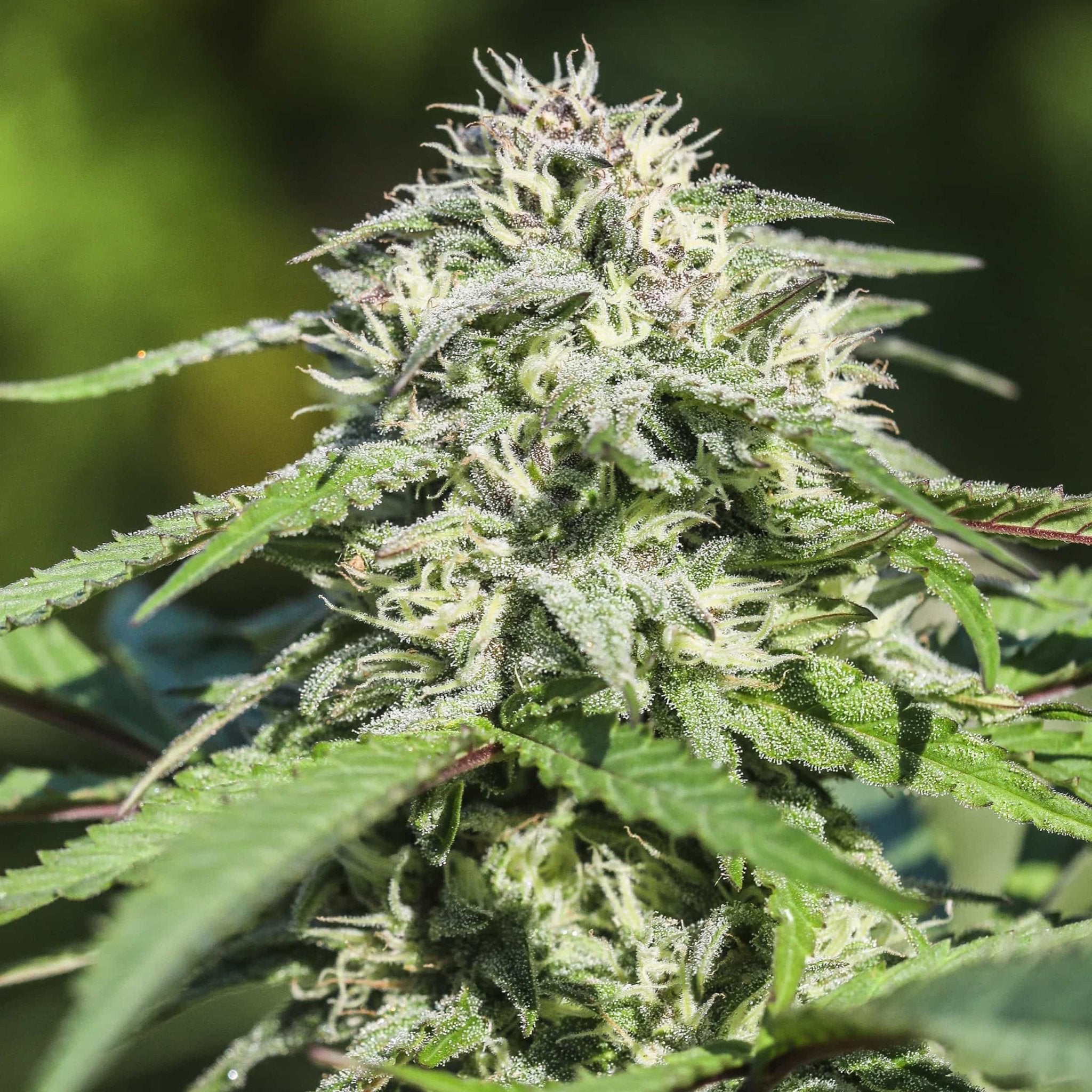


When shopping for cannabis seeds, you'll encounter several different classifications. Some describe whether a plant produces male or female flowers, others determine how it enters flowering, and some refer to its chromosome count.
Understanding these differences will help you choose the right genetics for your growing environment and production goals.
1. Regular vs. Feminized Cannabis Seeds
The primary difference between regular and feminized seeds is the likelihood of producing male or female plants.
Regular Cannabis Seeds
Regular seeds are produced through conventional pollination between male and female cannabis plants. They can develop into either sex, with approximately half of a typical population expected to be male and half female.
Regular seeds are primarily used by breeders who need access to both male and female plants for crossing, selecting, and developing new genetics. We don't offer any regular seeds.
Best for: Breeding, genetic preservation, and growers interested in working with both sexes.
Feminized Cannabis Seeds
Feminized seeds are produced using female plants induced to produce pollen. That pollen is used to fertilize another female plant, resulting in seeds bred to produce predominantly female offspring.
Feminized seeds are popular with growers focused on flower production because they reduce the need to identify and remove male plants.
Although feminized seeds are highly reliable, environmental stress and genetic factors can occasionally cause plants to develop intersex characteristics.
At GTR Seeds, all of our cannabis seeds are feminized. Curious about the breeding process? Read our guide on how to make feminized cannabis seeds using STS.
Best for: Flower production, commercial cultivation, and growers who don't need male plants for breeding.
2. Autoflower vs. Photoperiod Cannabis Seeds
This classification describes how a cannabis plant transitions from vegetative growth into flowering.
Photoperiod Cannabis Seeds
Photoperiod plants flower in response to changes in the length of their light and dark periods.
Most traditional cannabis varieties are photoperiod-dependent. As daylight hours decrease, plants receive the signal to begin flowering. Indoor growers can control this process by adjusting their lighting schedules, while outdoor growers generally rely on seasonal changes.
Photoperiod varieties allow growers to control how long plants remain in vegetative growth, providing flexibility over plant size and flowering schedules.
Best for: Growers who want control over vegetative growth, plant size, and flowering timing.
Autoflower Cannabis Seeds
Autoflowering plants transition into flowering primarily based on age rather than changes in daylight hours. This trait originated from Cannabis ruderalis ancestry and has been incorporated into modern cannabis genetics through breeding.
Autoflowers generally begin flowering automatically after a genetically determined period of vegetative growth. They don't require a change in lighting schedule and typically have shorter seed-to-harvest cycles than photoperiod varieties.
Because flowering begins automatically, growers have less control over vegetative growth and plant size.
GTR Seeds offers feminized autoflower cannabis seeds, including CBD, CBG, and THCV genetics for growers interested in faster production cycles.
Best for: Growers looking for shorter production cycles, simplified lighting requirements, and automatic flowering.
3. Diploid vs. Triploid Cannabis Seeds
Diploid and triploid describe the number of chromosome sets in a plant. This is an important distinction in modern cannabis breeding, particularly for growers concerned about unwanted seed production.
Diploid Cannabis Seeds
Diploid plants have two complete sets of chromosomes, one inherited from each parent. This is the normal chromosome arrangement found in most cannabis varieties.
Diploid plants are generally fertile and can reproduce through conventional pollination. When female plants receive viable pollen, they can produce seeds.
Diploid genetics are the foundation of traditional cannabis cultivation and breeding.
Best for: Conventional cultivation, breeding programs, and genetic preservation.
Triploid Cannabis Seeds
Triploid plants have three complete sets of chromosomes instead of the usual two. They are developed through specialized breeding techniques that combine different chromosome arrangements.
The additional chromosome set interferes with normal reproductive processes, significantly reducing fertility. As a result, triploid female plants are much less likely to produce viable seeds when exposed to unwanted pollen.
The concept isn't unique to cannabis. Triploid genetics are also used in agricultural crops such as seedless watermelons.
For cannabis growers, the primary advantage is reduced unwanted seed production, particularly in outdoor and commercial flower operations where pollen exposure can be difficult to control.
Triploid plants are not necessarily completely sterile. Fertility and seed development can vary depending on genetics and pollen compatibility.
At GTR Seeds, we've developed an extensive selection of triploid cannabis seeds, including triploid THC seeds, triploid CBD genetics, and CBG-dominant varieties.
Want to understand the science behind them? Visit our educational guide, The Magic of Triploid Cannabis Seeds.
Best for: Commercial flower production and growers looking to reduce unwanted seed development.
4. Can Cannabis Seeds Be Feminized, Autoflowering, and Triploid?
Yes. These classifications describe three separate genetic characteristics and can be combined in the same variety.
For example, a cannabis seed can be:
-
Feminized and photoperiod.
-
Feminized and autoflowering.
-
Feminized, photoperiod, and triploid.
-
Feminized, autoflowering, and triploid.
Feminized describes sex expression, autoflowering describes flowering behavior, and triploid describes chromosome count.
One classification does not automatically determine the others.
An example is Sour RNA Seedless, a feminized triploid autoflower available from GTR Seeds.
5. Which Cannabis Seeds Should You Choose?
The right seeds depend on your growing environment and production goals.
| Seed type | Primary characteristic |
|---|---|
| Regular | Produces male and female plants |
| Feminized | Bred to produce predominantly female plants |
| Photoperiod | Flowers in response to light-cycle changes |
| Autoflower | Flowers primarily based on age |
| Diploid | Contains two sets of chromosomes |
| Triploid | Contains three sets of chromosomes and has reduced fertility |
For growers focused on flower production, feminized seeds are generally the most practical choice. Photoperiod varieties offer greater control over plant development, while autoflowers provide a more automatic flowering cycle.
Diploid genetics remain the standard for conventional breeding and cultivation. Triploid genetics offer an additional option for growers looking to reduce the risk of unwanted seed production.
Your desired cannabinoid profile is another important consideration. Growers can choose from high-CBD seeds, CBG seeds, THC-dominant varieties, and other specialized genetics depending on their goals.
Explore Cannabis Genetics at GTR Seeds
GTR Seeds offers a diverse selection of cannabis genetics, including feminized, autoflowering, and advanced triploid varieties. Our breeding programs have helped pioneer commercially available CBD and CBG genetics, and we continue to develop innovative varieties across multiple cannabinoid categories.
Whether you're looking for traditional diploid F1 hybrids, fast-finishing autoflowers, or innovative triploid genetics with reduced fertility, we have options for a wide range of growing environments.
Explore our complete cannabis seed catalog to find genetics suited to your growing goals.