
We're incredibly proud to have played a major role in one of the most comprehensive cannabis genetics studies ever published. After years of collaboration with researchers at the Salk Institute, Oregon State University, and other institutions, our work was published in Nature, one of the most respected scientific journals in the world.
Even better? The research is open access, meaning anyone can read it, explore the data, and build upon the findings.
The study, Domesticated cannabinoid synthases amid a wild mosaic cannabis pangenome, was published in May 2025 and provides an unprecedented look at the genetic diversity of Cannabis sativa.
For us, it's another exciting step toward understanding the plant we've spent so many years breeding.
Mapping the Cannabis Genome Like Never Before
Most people are familiar with the idea of sequencing a genome, but a single reference genome can only tell us so much about a species as genetically diverse as cannabis.
That's where a pangenome comes in.
Rather than looking at just one plant, a pangenome compares genetic information from many individuals to better understand the full range of diversity within a species.
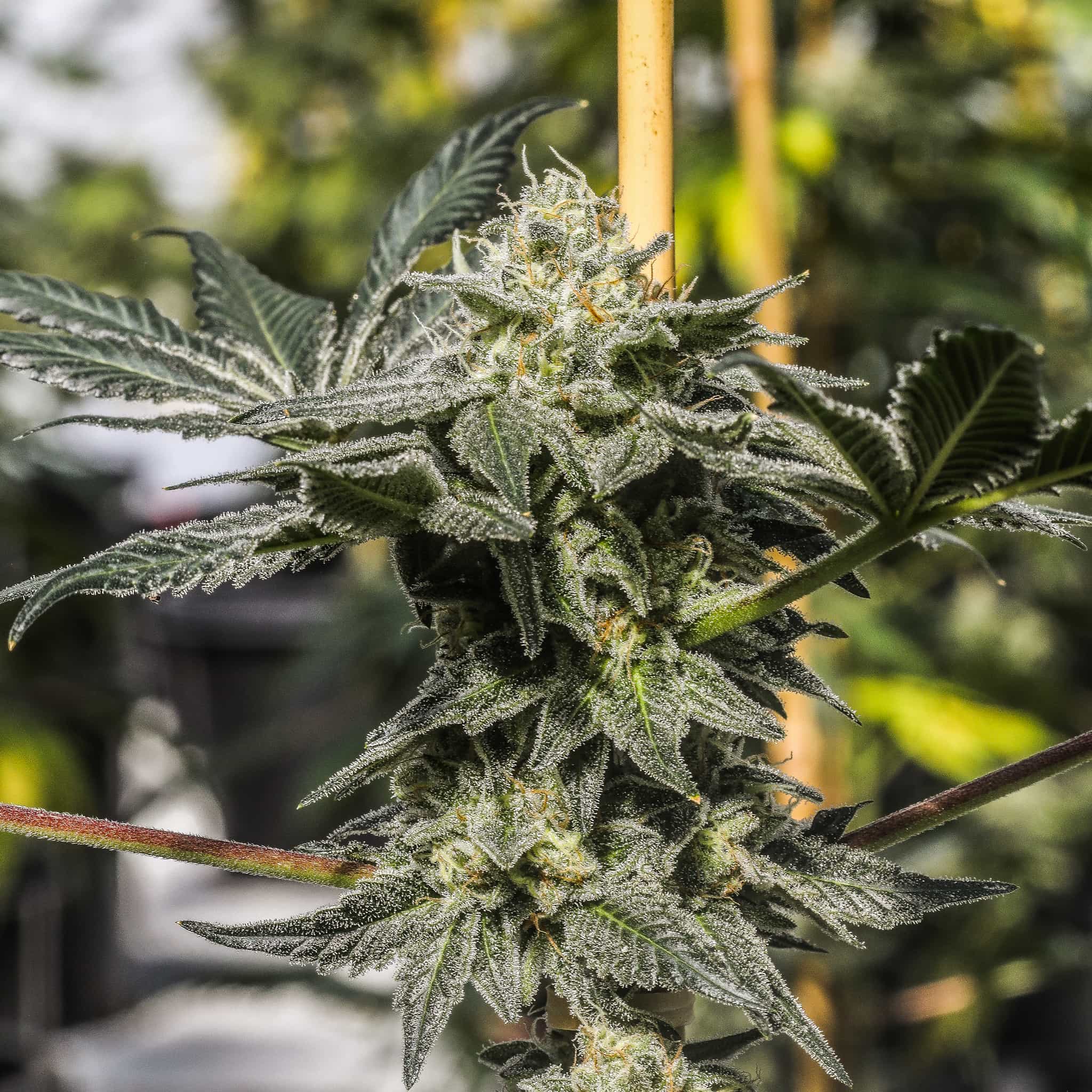
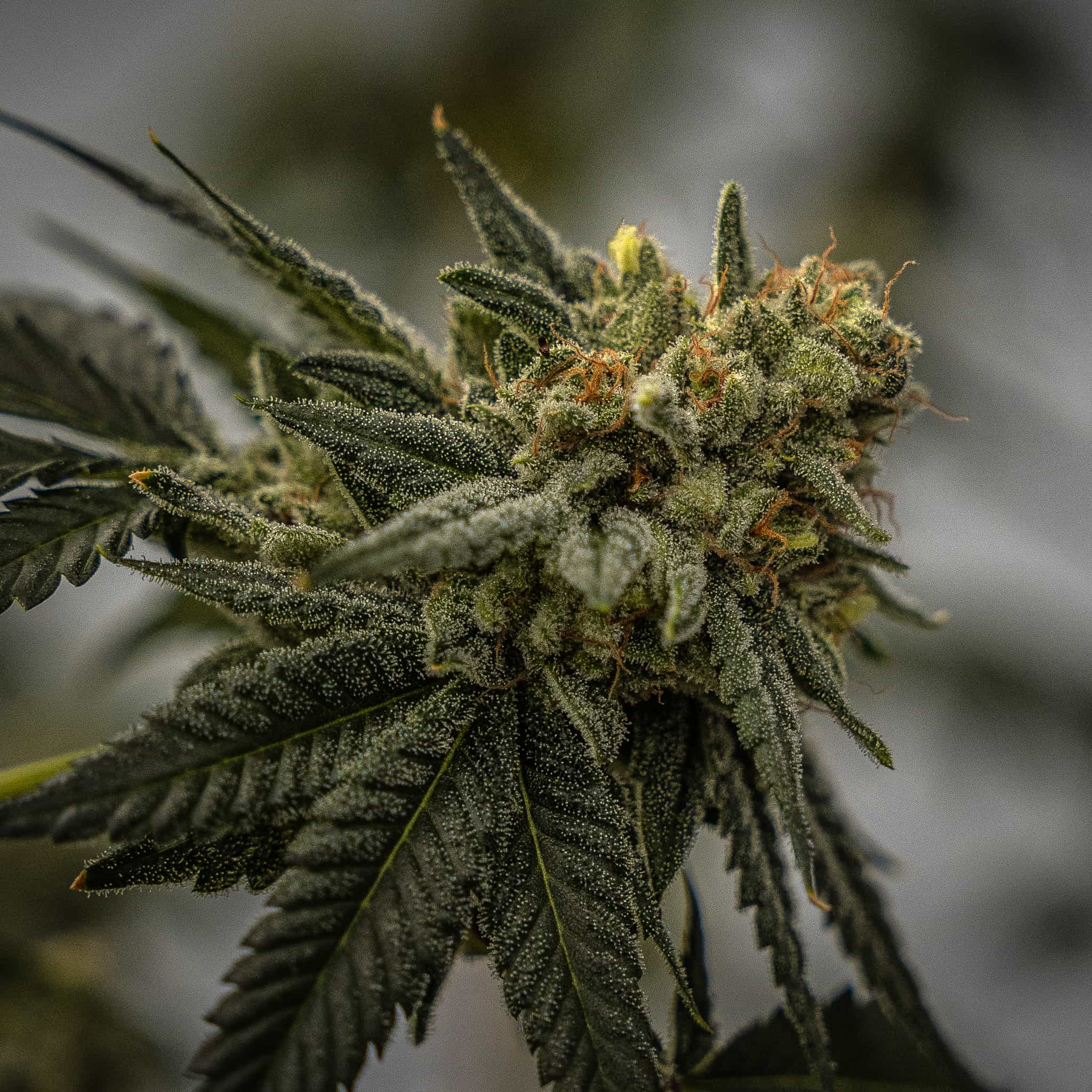
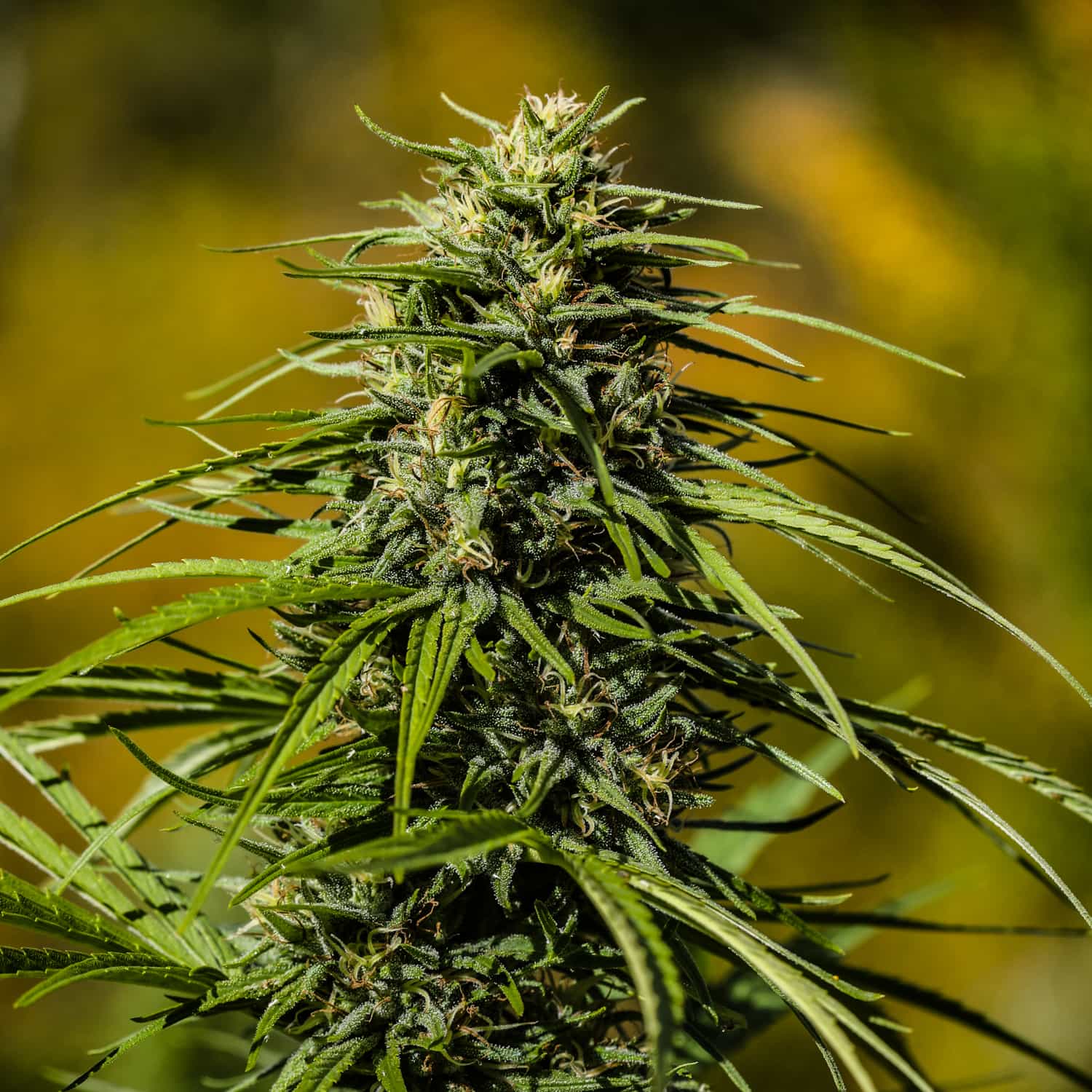
This project assembled 193 cannabis genomes, including 181 newly assembled genomes and 12 previously published genomes, representing 144 biological samples.
The collection included male and female plants, THC-dominant cannabis, CBD and CBG hemp, rare cannabinoid varieties, and diverse fiber and grain genetics.
A substantial portion of the genetic material came directly from our Oregon CBD breeding program, including elite cultivars, foundational breeding lines, and unique cannabinoid-producing plants.
What Did the Cannabis Pangenome Reveal?
The findings were fascinating, even for those of us who have spent decades working with cannabis genetics.
An incredible amount of genetic diversity. Cannabis contains far more structural variation than earlier reference genomes could fully capture. Much of that diversity remains unexplored, particularly among Asian cannabis populations and potential wild relatives.
Surprisingly conserved THC and CBD genes. Despite enormous variation throughout much of the cannabis genome, the functional cannabinoid synthase genes responsible for THCA and CBDA production showed relatively little diversity. This provides important insight into how humans have shaped cannabis through domestication and selective breeding.
New insights into male and female plants. Researchers mapped complex regions of the X and Y chromosomes, revealing differences in sex-determining regions and genes associated with flowering. These findings could eventually help breeders better understand sex expression and flowering behavior.
Genetic clues behind rare cannabinoids. One of the most exciting discoveries involved genetic variants associated with the production of THCV and CBDV. These findings help explain some of the genetic mechanisms behind varin cannabinoid production, an area we've invested heavily in through our breeding program.
Why This Research Matters for Cannabis Breeding
For decades, cannabis breeding has relied heavily on phenotype selection: growing plants, observing their characteristics, testing their flowers, and selecting the best individuals for future generations.
That approach remains incredibly valuable, but understanding the underlying genetics gives breeders an entirely new set of tools.
Research like this can help us better understand the genes associated with cannabinoid production, flowering time, plant structure, and other commercially important traits.
At GTR Seeds, our breeding program has always focused on developing unique cannabinoid profiles, consistent F1 hybrids, and improved agricultural performance.
From our THCV seeds to our CBG seeds and triploid cannabis genetics, understanding the science behind the plant is fundamental to what we do.
And we're excited to see how this publicly available research helps advance cannabis breeding around the world.
More University Research Featuring GTR Seeds and Oregon CBD Genetics
Our involvement in this Nature publication is just one part of our longstanding relationship with the scientific community.
Over the years, GTR Seeds and Oregon CBD genetics have been featured in research projects and agricultural trials at universities across the United States.
These collaborations include work on cannabinoid production, hemp flower yields, plant performance, and genetic diversity.
Researchers at institutions including the University of Vermont, Cornell University, North Carolina State University, and Oregon State University have worked with or evaluated genetics from our breeding programs.
Some of these studies have provided valuable independent insights into how our varieties perform under different growing conditions.
We've put together a collection of these projects, including links to published reports and university trial results.
Explore University Hemp Research Featuring GTR Seeds and Oregon CBD Genetics
Cannabis Research Should Be Accessible to Everyone
One of the things we're most excited about with this publication is that the information isn't locked away.
The full paper is open access, and the researchers have made extensive genomic data publicly available for other scientists, breeders, and institutions to use.
Cannabis prohibition held back agricultural research for generations. Now, we're finally beginning to develop the genetic resources that have long been available for crops like corn, wheat, and soybeans.
There's still an enormous amount to learn about Cannabis sativa, and we're proud to have contributed to a project that will help move the entire industry forward.
Read the full research paper:
Domesticated cannabinoid synthases amid a wild mosaic cannabis pangenome — Nature (2025)
You can also explore the publicly available cannabis genomic resources from the Salk Institute.