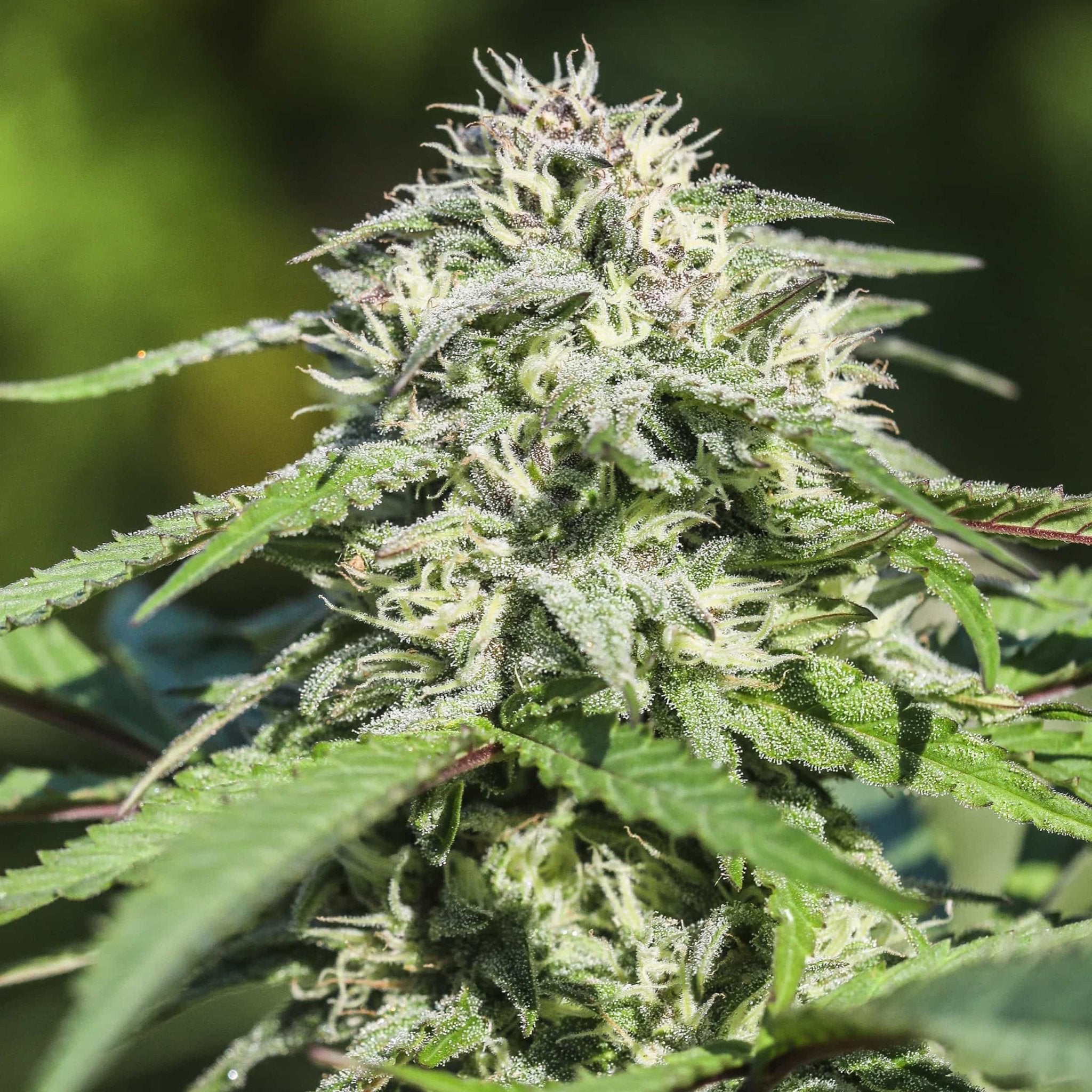


One of the great things about growing your own cannabis is finding different ways to use the harvest. Not every flower needs to be smoked or vaporized, and some of the most useful applications involve turning your homegrown cannabis into oils, salves, and tinctures.
Making your own cannabis salves and tinctures is relatively straightforward, requires minimal equipment, and gives you control over the varieties and cannabinoids used in the finished products.
And we're not just talking about THC and CBD. Cannabis varieties rich in CBG, CBDV, THCV, and CBGV can also be used to make these preparations.
At GTR Seeds, we've spent years developing genetics that produce a wide range of cannabinoids, and we love seeing growers put their harvests to use.
Here's a simple guide to making cannabis salves and tinctures at home.
Grow Your Own Cannabis — Save 20% on Seeds!
Interested in growing your own cannabis for homemade salves and tinctures? As a thank-you for reading, we're offering 20% off your seed order at GTR Seeds!
Use discount code DIY20 at checkout to save 20% on your order.
Explore our CBD seeds, CBG seeds, and other cannabinoid-rich varieties to get started.
How to Make Cannabis Salves
A cannabis salve is a topical preparation made by combining cannabis-infused oil with beeswax or another thickening ingredient.
Unlike tinctures, which are generally consumed orally, salves are applied directly to the skin.
Cannabis topicals are commonly marketed for muscle soreness, skin care, and localized discomfort. However, clinical evidence supporting specific medical benefits remains limited, and homemade salves shouldn't be considered proven treatments for pain, inflammation, eczema, or other conditions.
What You'll Need
Ingredients:
-
7–14 grams of dried cannabis flower
-
1 cup of carrier oil (coconut oil, olive oil, or sweet almond oil)
-
Approximately ¼ cup of beeswax pellets, adjusted for your preferred consistency
-
Optional: a small amount of skin-safe fragrance or essential oil
Equipment:
-
Double boiler or slow cooker
-
Baking sheet and oven (if decarboxylating)
-
Cheesecloth or fine-mesh strainer
-
Glass jars or salve containers
-
Thermometer
Step 1: Prepare Your Cannabis
Start with dried cannabis flower.
You can use THC, CBD, CBG, or other cannabinoid-rich varieties depending on the type of salve you want to make.
For preparations intended to contain more neutral cannabinoids such as THC or CBD, you can decarboxylate the flower before infusion.
Decarboxylation uses heat to convert acidic cannabinoids such as THCA and CBDA into THC and CBD.
To decarboxylate:
-
Preheat your oven to approximately 240°F (115°C).
-
Break the cannabis into small pieces and spread it evenly on a baking sheet.
-
Heat for approximately 30–40 minutes, stirring occasionally.
-
Allow the flower to cool before infusing.
Is decarboxylation necessary for cannabis salves?
Not always.
Unlike making THC edibles, where decarboxylation is important for producing intoxicating THC, topical preparations can also contain acidic cannabinoids such as THCA and CBDA.
Research into the topical applications of these compounds is still developing, and there is no established evidence that decarboxylating flower makes a homemade salve more effective.
Step 2: Infuse Your Carrier Oil
Add your cannabis and carrier oil to a double boiler or slow cooker.
Gently heat the mixture for approximately two to three hours, stirring occasionally.
Try to maintain a temperature around 160–190°F (71–88°C). Avoid boiling or scorching the oil.
During infusion, cannabinoids and other fat-soluble compounds transfer from the cannabis into the carrier oil.
Coconut oil is a popular option because of its texture and stability, but olive oil and other skin-compatible carrier oils can also work well.
The finished cannabinoid concentration will depend on the potency of the flower, the amount used, and extraction efficiency.
Step 3: Strain the Cannabis Oil
Once the infusion is complete, remove the mixture from the heat and allow it to cool slightly.
Pour the oil through cheesecloth or a fine-mesh strainer to remove the plant material.
Avoid squeezing the material excessively, as this can introduce fine particles into the oil.
You now have cannabis-infused carrier oil that can be used as the base for your salve.
Step 4: Add Beeswax
Return the strained oil to the double boiler and gently warm it.
Add approximately ¼ cup of beeswax pellets per cup of infused oil.
Stir until the beeswax has completely melted.
The amount of beeswax determines the consistency of the finished product.
More beeswax produces a firmer salve, while less beeswax produces a softer, more easily spreadable ointment.
To test the consistency, place a small spoonful on a cool plate and allow it to solidify. Adjust the beeswax as needed.
If using essential oils, add only skin-safe amounts after removing the mixture from the heat. Essential oils can cause irritation or allergic reactions, so they're entirely optional.
Step 5: Pour, Cool, and Store
Carefully pour the warm mixture into clean, dry glass jars or salve containers.
Allow it to cool completely before sealing.
Store your salve in a cool, dark location, away from direct sunlight and excessive heat.
Because homemade preparations aren't standardized or preserved like commercial products, shelf life varies depending on the ingredients, moisture, and storage conditions.
Always use clean utensils, avoid introducing water into the finished product, and discard any salve that develops an unusual odor, mold, or other signs of spoilage.
Before using a new topical preparation, test a small amount on an area of intact skin and watch for irritation. Avoid applying homemade salves to open wounds, eyes, or mucous membranes.
How to Make Cannabis Tinctures
Cannabis tinctures are concentrated liquid extracts traditionally made using alcohol.
Unlike salves, tinctures are generally taken orally, including under the tongue, depending on the formulation.
Alcohol is an effective solvent for extracting cannabinoids from cannabis flower, and properly prepared tinctures can be stored in small bottles for convenient use.
It's important to distinguish traditional alcohol tinctures from cannabis oils. Products made with MCT oil or other carrier oils are often marketed as tinctures, but they're technically infused oils rather than alcohol-based extracts.
What You'll Need
Ingredients:
-
7 grams of dried cannabis flower
-
Approximately ½–1 cup of food-grade ethanol, or enough to fully submerge the flower
Equipment:
-
Clean glass jar with a tight-fitting lid
-
Baking sheet and oven
-
Cheesecloth or fine-mesh strainer
-
Amber glass storage bottles
-
Funnel
Use only food-grade alcohol intended for human consumption. Never use rubbing alcohol, denatured alcohol, or other industrial solvents.
High-proof ethanol is flammable, so keep it away from flames, sparks, hot appliances, and other ignition sources.
Step 1: Decarboxylate the Cannabis
As with cannabis salves, start by preparing your flower.
For a tincture intended to contain THC or CBD rather than primarily THCA or CBDA, decarboxylation is an important step.
-
Preheat your oven to approximately 240°F (115°C).
-
Break the cannabis into smaller pieces.
-
Spread evenly on a baking sheet.
-
Heat for approximately 30–40 minutes.
-
Allow the cannabis to cool completely.
Decarboxylation conditions vary by cannabinoid, and some cannabinoid loss can occur during heating.
Step 2: Combine Cannabis and Alcohol
Place your cooled, decarboxylated cannabis in a clean glass jar.
Add enough food-grade alcohol to completely cover the plant material.
Seal the jar tightly.
There's no need to grind the flower into a fine powder. Smaller pieces are sufficient and will make straining easier.
Step 3: Allow the Cannabis to Extract
Store the sealed jar in a cool, dark place, away from heat and ignition sources.
Gently agitate the mixture periodically to help expose the plant material to the alcohol.
Cannabinoid extraction begins relatively quickly, although the time needed depends on alcohol concentration, temperature, particle size, and other variables.
Some traditional recipes recommend steeping for several weeks, but longer extraction doesn't necessarily mean a stronger or better tincture.
Extended contact can also extract additional chlorophyll and other plant compounds, creating a darker color and more pronounced grassy flavor.
There's no single extraction time that guarantees a particular potency.
Step 4: Strain the Tincture
Once extraction is complete, strain the mixture through cheesecloth or a fine-mesh strainer.
A second filtration through an appropriate coffee filter can help remove finer plant particles.
Transfer the filtered tincture into clean amber glass bottles.
Do not attempt to boil or evaporate the alcohol using a stove or open flame. Alcohol vapors are highly flammable, and concentrating a homemade extract can make its potency even harder to estimate.
Step 5: Store and Label Your Tincture
Keep your finished tincture tightly sealed and stored away from heat, sunlight, children, and pets.
Label the bottle with the cannabis variety, preparation date, ingredients, and any available cannabinoid information.
A note about dosage: Homemade tinctures can contain highly variable concentrations of THC and other cannabinoids. Counting drops is not a reliable way to determine milligrams of THC, and without laboratory testing, the exact potency is unknown.
Oral and sublingual products can have different onset times. Swallowed THC may take 30 minutes to two hours to become noticeable, with peak effects sometimes taking up to four hours. Effects may last six to eight hours or longer.
Avoid driving after using intoxicating cannabis products, and never combine THC with alcohol or other impairing substances.
Which Cannabinoids Should You Use for Salves and Tinctures?
One of the most interesting aspects of making your own cannabis preparations is the variety of cannabinoid profiles available.
While THC and CBD receive most of the attention, cannabis produces numerous other cannabinoids that researchers are still learning about.
CBD (Cannabidiol)
CBD is a non-intoxicating cannabinoid widely used in commercial oils, topicals, and other preparations. Research into its possible health applications is ongoing, although many marketed benefits remain unproven.
CBG (Cannabigerol)
CBG is another generally non-intoxicating cannabinoid. It's gaining attention in cannabinoid research, but human clinical evidence supporting specific therapeutic uses is still limited.
CBDV (Cannabidivarin)
CBDV is a less common cannabinoid structurally related to CBD. Researchers have investigated its biological activity, including potential neurological applications, but its clinical benefits have not been established.
CBGV (Cannabigerovarin)
CBGV is a relatively uncommon cannabinoid found in specialized cannabis genetics. Very little human clinical research is available, making it an interesting subject for future study.
THC (Tetrahydrocannabinol)
THC is the primary intoxicating cannabinoid in most recreational cannabis varieties. THC-rich preparations require particular attention to potency, labeling, and safe storage.
THCV (Tetrahydrocannabivarin)
THCV is a cannabinoid structurally related to THC, but with different pharmacological properties. Its effects depend on dose and formulation, and research into its potential applications is still developing.
The cannabinoid profile of your starting flower will have a major influence on the composition of your finished preparation.
Recommended Cannabis Varieties for Salves and Tinctures
At GTR Seeds, we've developed a wide range of cannabinoid-rich varieties that growers can use for homemade preparations.
Here are a few worth considering.
CBD Seeds: Lifter and Sour Lifter
Lifter and Sour Lifter are two of our most productive and well-established CBD varieties.
Both produce substantial quantities of CBD-rich flower, making them excellent choices for growers looking to produce larger amounts of plant material for extraction.
Their vigor, consistency, and high cannabinoid production have made them favorites among commercial hemp growers and home cultivators alike.
CBDV Seeds: Pine Walker Seedless
Pine Walker Seedless is one of our standout CBDV varieties, producing impressive amounts of flower rich in this uncommon cannabinoid.
For growers interested in experimenting with cannabinoid profiles beyond CBD, CBDV genetics offer something different.
CBG Seeds: Stem Cell CBG
Stem Cell CBG is an excellent choice for growers looking to produce CBG-rich flower.
It's a productive, easy-to-grow variety that provides plenty of material for making infused oils and salves.
CBGV Seeds: Skunkberry CBGV Seedless
Skunkberry CBGV Seedless is one of our newer varieties developed for its unusual CBGV-rich cannabinoid profile.
With impressive aromas and high cannabinoid production, it's an exciting option for growers interested in exploring lesser-known cannabinoids.
THC Seeds: Barnyard High Test and Barnyard High Test Seedless
Barnyard High Test and Barnyard High Test Seedless are among our most productive high-THC genetics.
These varieties can produce substantial quantities of cannabinoid-rich flower, making them suitable for growers interested in THC-dominant preparations.
Keep in mind that high-potency THC flower can produce extremely concentrated homemade extracts, so careful handling and storage are essential.
THCV Seeds: Gigantor THCV Seedless
Gigantor THCV Seedless lives up to its name.
This vigorous, high-producing variety was developed for its THCV-rich cannabinoid profile and offers growers an opportunity to work with one of the more unusual cannabinoids found in cannabis.
Tips for Making Better Cannabis Salves and Tinctures
Start with quality flower. The cannabinoid profile and condition of your starting material will influence your finished preparation.
Understand decarboxylation. Heating changes the cannabinoid profile of cannabis, and the appropriate approach depends on which cannabinoids you're trying to preserve or produce.
Avoid excessive heat. Gentle temperatures help prevent scorching oils and unnecessary cannabinoid degradation.
Don't assume homemade products have predictable potency. Even when you know the laboratory results of your starting flower, extraction and processing introduce additional uncertainty.
Use appropriate storage containers. Clean, airtight containers help protect your finished products from contamination and degradation.
Keep products away from children and pets. Cannabis extracts and infused products should always be clearly labeled and securely stored.
Make the Most of Your Cannabis Harvest
Growing your own cannabis opens up a world of possibilities beyond simply smoking flower.
Whether you're interested in CBD, CBG, THC, THCV, CBDV, or CBGV, homemade salves and tinctures are two ways to explore the cannabinoid diversity of the plant.
And with the right genetics, you can grow the flower yourself rather than relying entirely on commercially available extracts.
At GTR Seeds, we're excited about the future of cannabinoid research and the expanding diversity of cannabis genetics available to growers.
There's still plenty to learn about these compounds and their potential applications, but that's part of what makes cannabis such a fascinating plant.
Disclaimer: This article is for educational purposes only. Homemade cannabis preparations are not standardized medications, and their safety, potency, and effectiveness can vary. They are not intended to diagnose, treat, cure, or prevent disease. Consult a qualified healthcare professional before using cannabis products for medical purposes.