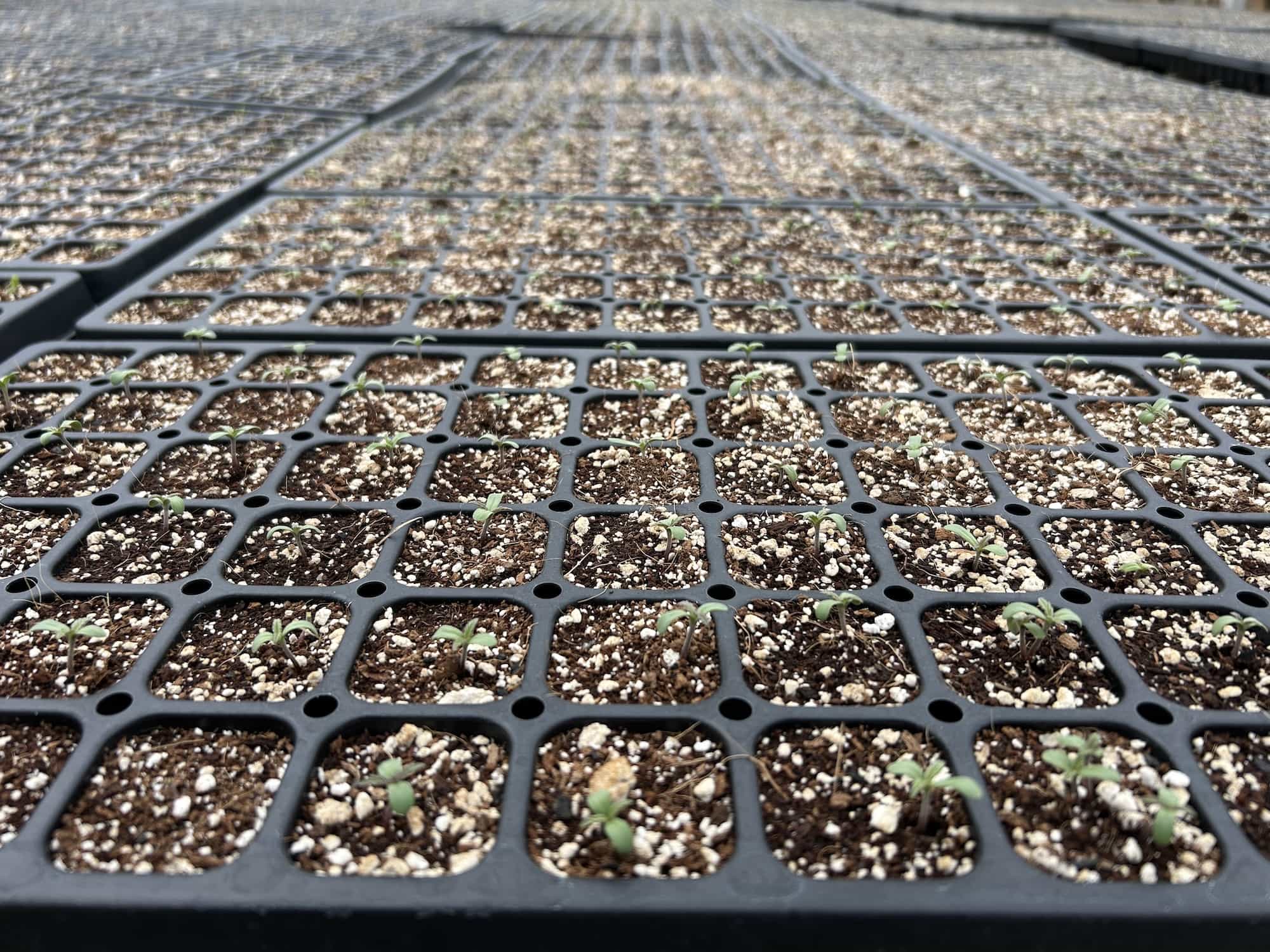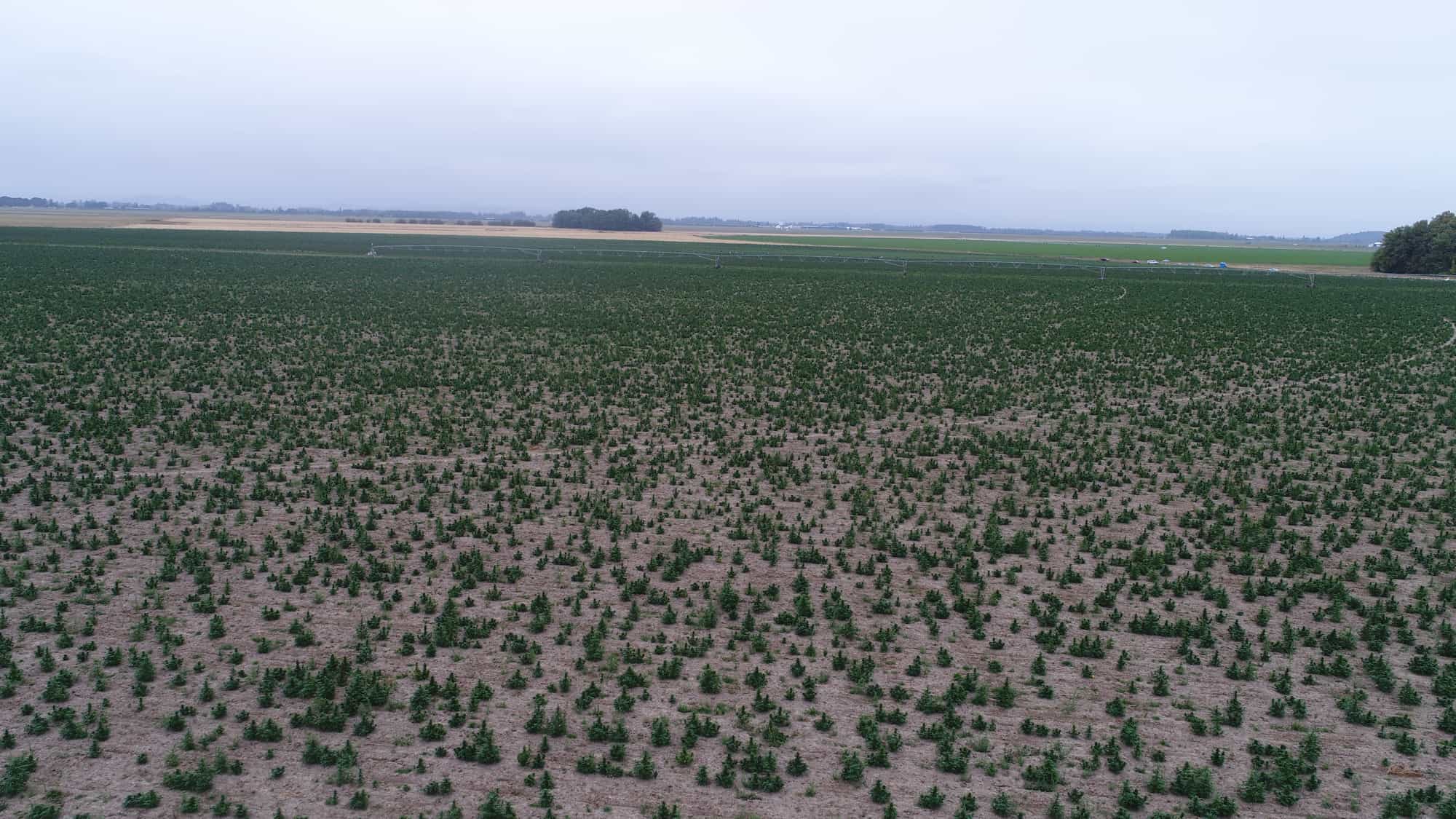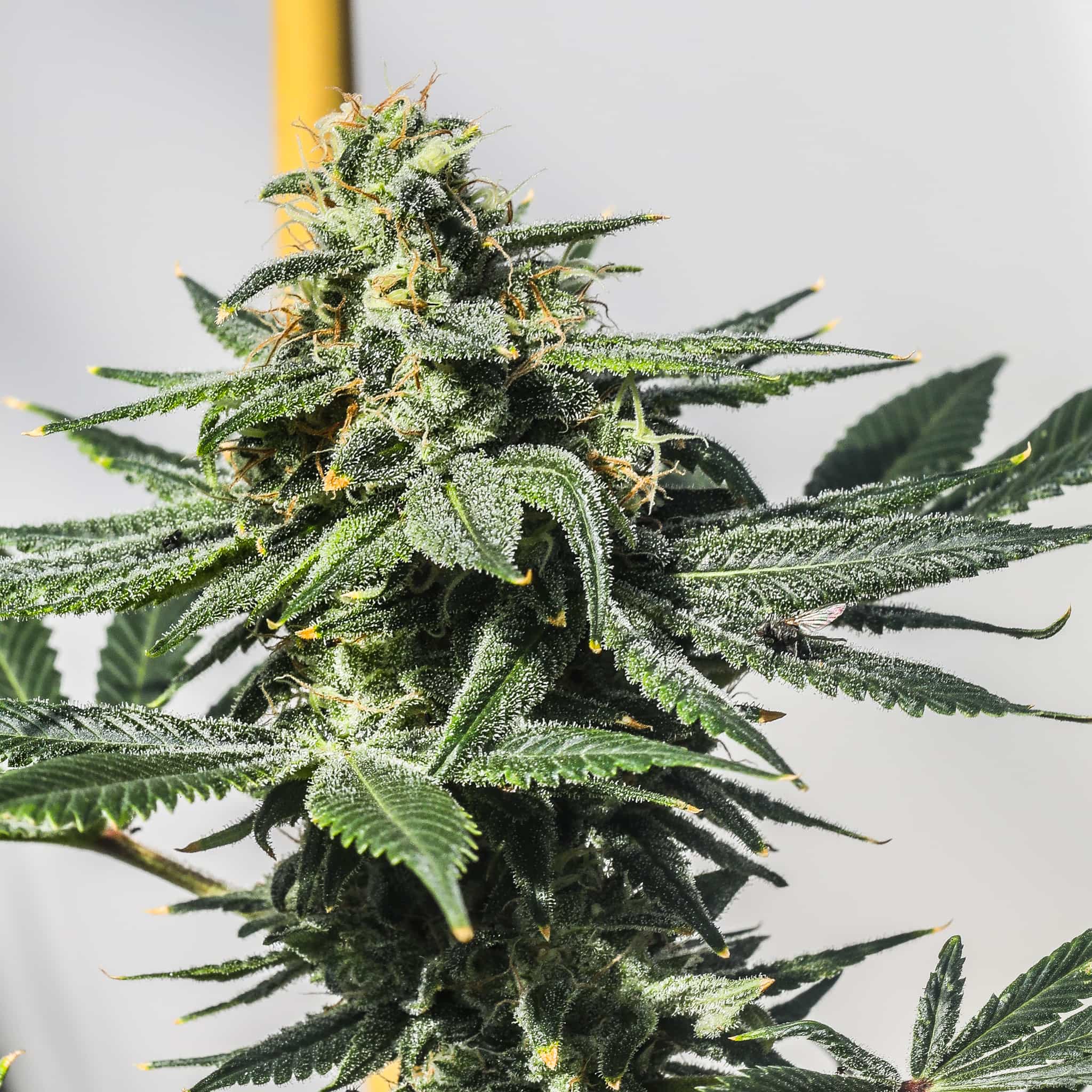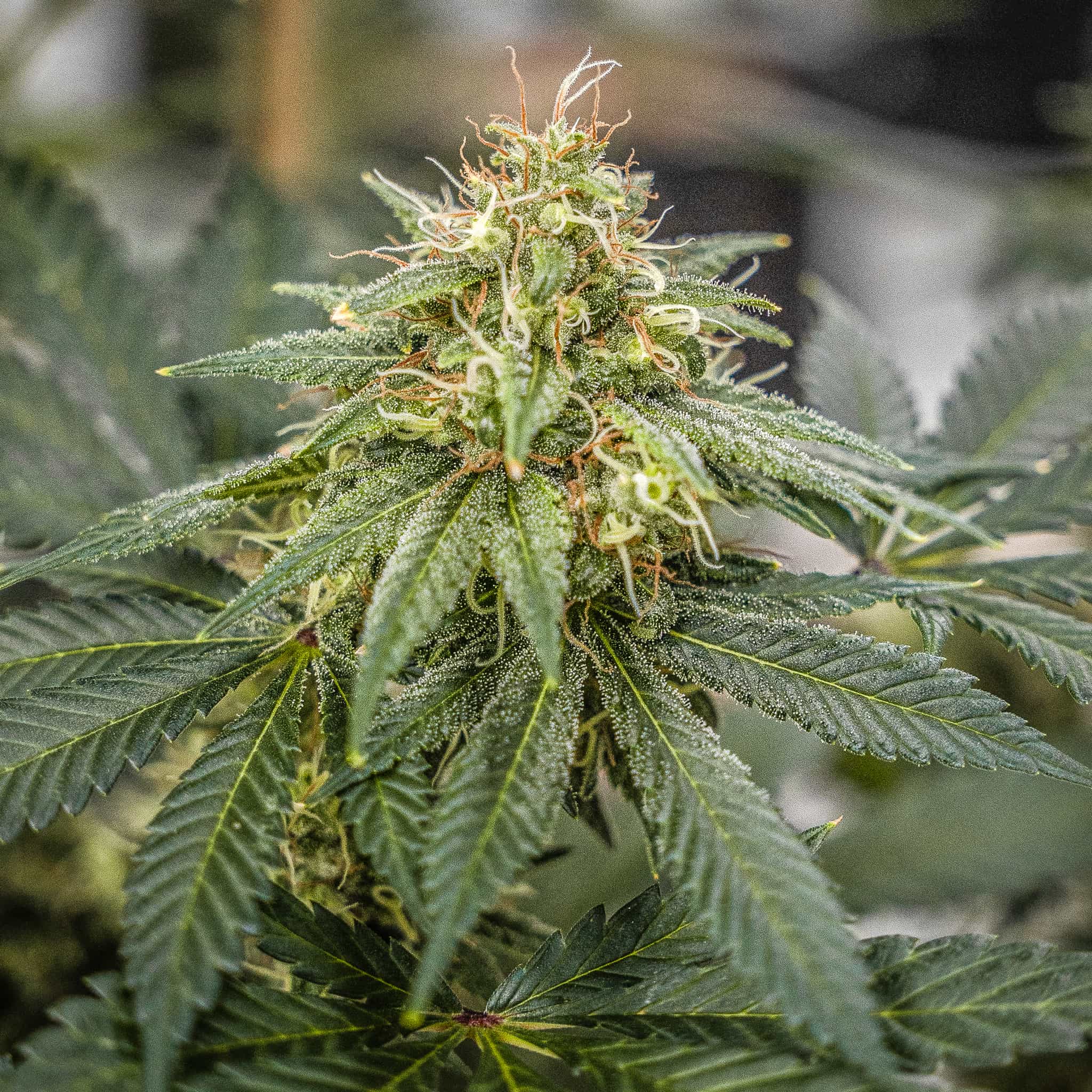


The U.S. cannabis seed industry is approaching one of the biggest regulatory disruptions in its history. As new federal hemp regulations take effect, many cannabis seed banks could find themselves unable to continue operating as they have for years.
For nearly a decade, cannabis seed banks have benefited from a relatively straightforward interpretation of federal law: cannabis seeds containing less than 0.3% delta-9 THC were considered hemp, regardless of the cannabinoid profile the resulting plants might produce.
That interpretation helped create a thriving national market for cannabis genetics. Breeders could develop new varieties, seed banks could distribute them nationwide, and consumers could purchase seeds from companies across the country.
That era may be coming to an end.
Changes to federal hemp law, scheduled to take effect in November 2026 unless further legislative action intervenes, will fundamentally alter which cannabis seeds qualify as federally legal hemp.
For many seed banks, the consequences could be devastating.
Why the New Federal Regulations Matter for Cannabis Seeds
Under the 2018 Farm Bill, hemp was defined primarily by its delta-9 THC concentration. Because mature cannabis seeds generally contain negligible amounts of THC, seeds capable of producing high-THC plants could still qualify as hemp under federal law.
A 2022 Drug Enforcement Administration interpretation reinforced this understanding, helping establish the legal framework under which numerous cannabis seed companies have operated.
However, legislation passed in November 2025 changes that definition.
Under the new rules, viable seeds from cannabis plants exceeding 0.3% total THC, including THCA, are specifically excluded from the federal definition of hemp.
This is a dramatic change.
Rather than determining the federal classification of a seed primarily by its own chemical composition, the law introduces restrictions based on the THC concentration of the plant that produced it.
For seed banks specializing in traditional high-THC cannabis varieties, this creates an enormous problem.
Could Hundreds of Cannabis Seed Banks Disappear?
Nobody knows exactly how many cannabis seed banks will close as a result of the new regulations. However, the potential disruption is substantial.
Many seed companies operate primarily online, selling seeds to customers across state lines. Their business models depend on the ability to distribute cannabis genetics nationally without operating within individual state-regulated marijuana markets.
If their seeds no longer qualify as hemp, those businesses could lose the federal legal foundation supporting their interstate operations.
Companies may face several difficult choices:
-
Shut down entirely if their existing business model becomes legally unsustainable.
-
Restrict sales to individual states where properly licensed operations are possible.
-
Relocate internationally to countries with more favorable cannabis seed regulations.
-
Transition toward compliant hemp genetics, including CBD, CBG, and other low-THC varieties.
-
Suspend operations while waiting for Congress to establish a clearer regulatory framework.
For smaller breeders and independent seed banks, the financial and administrative challenges of restructuring could be insurmountable.
The result could be a dramatic consolidation of the American cannabis seed industry.
The Biggest Loss May Be Genetic Diversity
While the economic consequences could be significant, there is another concern that deserves attention: the potential loss of cannabis genetic diversity.
Over the past several decades, independent breeders have developed and preserved an extraordinary range of cannabis varieties.
These include rare landraces, heirloom cultivars, unique terpene profiles, disease-resistant plants, and genetics carrying unusual cannabinoid combinations.
Many of these breeding programs are maintained by small businesses or individual breeders rather than large corporations.
If those breeders can no longer legally distribute their seeds nationwide, valuable genetics could become harder to obtain, preserve, and improve.
Some varieties may survive through state-licensed businesses or international seed companies. Others could disappear from commercial circulation.
The loss of a seed company is not necessarily just the loss of a business. It can also mean the loss of years, or even decades, of breeding work.
That should concern anyone who values cannabis biodiversity and the continued development of improved genetics.
Will Hemp Seed Companies Have an Advantage?
One important distinction in the new regulations is that they do not eliminate federally compliant hemp seeds.
Cannabis genetics produced within the applicable hemp requirements may continue to qualify as hemp under federal law.
This creates a very different outlook for seed companies specializing in compliant CBD, CBG, CBDV, CBGV, and other low-THC varieties.
At GTR Seeds, our breeding programs have long emphasized the development of cannabinoid-rich genetics, including varieties specifically selected for low THC production.
Our catalog includes high-CBD seeds, CBG seeds, CBDV seeds, CBGV seeds, THCV-rich genetics, and an extensive selection of triploid cannabis seeds.
Our breeding programs also emphasize cannabinoid consistency, agronomic performance, and compliance with applicable hemp production requirements.
These characteristics could become increasingly important as the regulatory landscape changes.
However, the distinction is not simply between CBD seeds and THC seeds. The legal status of a particular seed lot depends on the applicable federal definitions and production circumstances. Cannabinoid labels alone do not establish compliance.
For companies with established compliant hemp breeding programs, the new regulations may provide greater opportunities to serve growers seeking federally permissible genetics.
What About Triploid Cannabis Seeds?
Triploid cannabis genetics represent another interesting part of this discussion.
Triploid cannabis plants contain three sets of chromosomes rather than the two typically found in diploid plants. This often results in substantially reduced fertility and lower viable seed production.
At GTR Seeds, we have invested heavily in triploid breeding across multiple cannabinoid categories.
Triploid genetics offer growers potential advantages in crop uniformity, reduced seed formation, and production efficiency.
However, triploidy does not automatically make cannabis seeds federally compliant.
Triploid varieties must still satisfy the applicable legal requirements. A triploid plant's reduced fertility does not exempt its seeds from federal cannabis classifications.
For growers seeking compliant hemp genetics, the combination of triploid breeding and carefully selected low-THC cannabinoid profiles may become particularly valuable.
Will the Cannabis Seed Industry Move Overseas?
Another possible consequence of the regulations is the movement of cannabis breeding and seed distribution outside the United States.
Cannabis genetics are already traded internationally, and breeders in Europe, Canada, and other markets have established significant seed businesses.
If American companies face greater restrictions on interstate seed distribution, international competitors may gain market share.
Some U.S. breeders may decide that operating abroad offers a more practical route to continuing their work.
That would be an unfortunate outcome for an industry in which American breeders have played such an important role.
The United States has developed considerable expertise in cannabis genetics, breeding technology, and agricultural production. Regulations that make it more difficult to commercialize those innovations could shift investment and intellectual capital to other countries.
Could Congress Still Change the Rules?
Absolutely.
The future of federal hemp policy remains politically contested, and lawmakers have introduced proposals intended to modify or delay portions of the new restrictions.
There is also considerable pressure from farmers, hemp businesses, breeders, and other industry stakeholders to establish a more practical regulatory framework.
It is possible that Congress will eventually distinguish more clearly between viable cannabis seeds, intoxicating consumer products, and agricultural hemp production.
Such an approach could preserve legitimate seed businesses while addressing concerns about intoxicating products.
Until those changes become law, however, seed companies must prepare for the possibility that the new federal definitions will take effect.
What Does This Mean for Cannabis Growers?
For growers, the most immediate concern may be access to genetics.
If numerous seed banks stop operating, certain varieties could become more difficult to purchase. Growers may also have fewer choices when searching for specialized cannabinoid profiles, unusual terpene combinations, or established breeding lines.
At the same time, the changes may encourage more attention toward professional breeding programs, documented production practices, and genetics developed with regulatory compliance in mind.
Growers should pay close attention to the evolving legal landscape and understand that the legality of purchasing or possessing a particular cannabis seed may depend on federal law, state law, and the circumstances of the transaction.
The Future of Cannabis Seeds in America
The coming regulatory changes could reshape the cannabis seed industry more dramatically than almost any federal policy since the 2018 Farm Bill.
Some businesses will adapt. Others may move overseas, transition into new markets, or cease operations entirely.
What remains uncertain is how many companies will survive and what the American cannabis genetics marketplace will look like afterward.
At GTR Seeds, we believe the future of cannabis breeding should be built on scientific research, genetic innovation, agricultural performance, and responsible compliance.
Our work developing CBD, CBG, CBDV, CBGV, THCV, and triploid cannabis genetics reflects a long-term commitment to improving the crop rather than simply following short-lived market trends.
Whatever happens to the federal regulatory framework, the need for high-quality, professionally bred cannabis genetics is not going away.
The seed companies that survive this transition may look very different from those that dominated the industry over the past decade.
And the American cannabis seed marketplace may never be quite the same.
Explore the genetics and breeding programs available at GTR Seeds.
Regulatory note: This article discusses potential consequences of federal legislation and is not legal advice. The implementation timeline and interpretation of the law remain subject to legislative and regulatory developments.