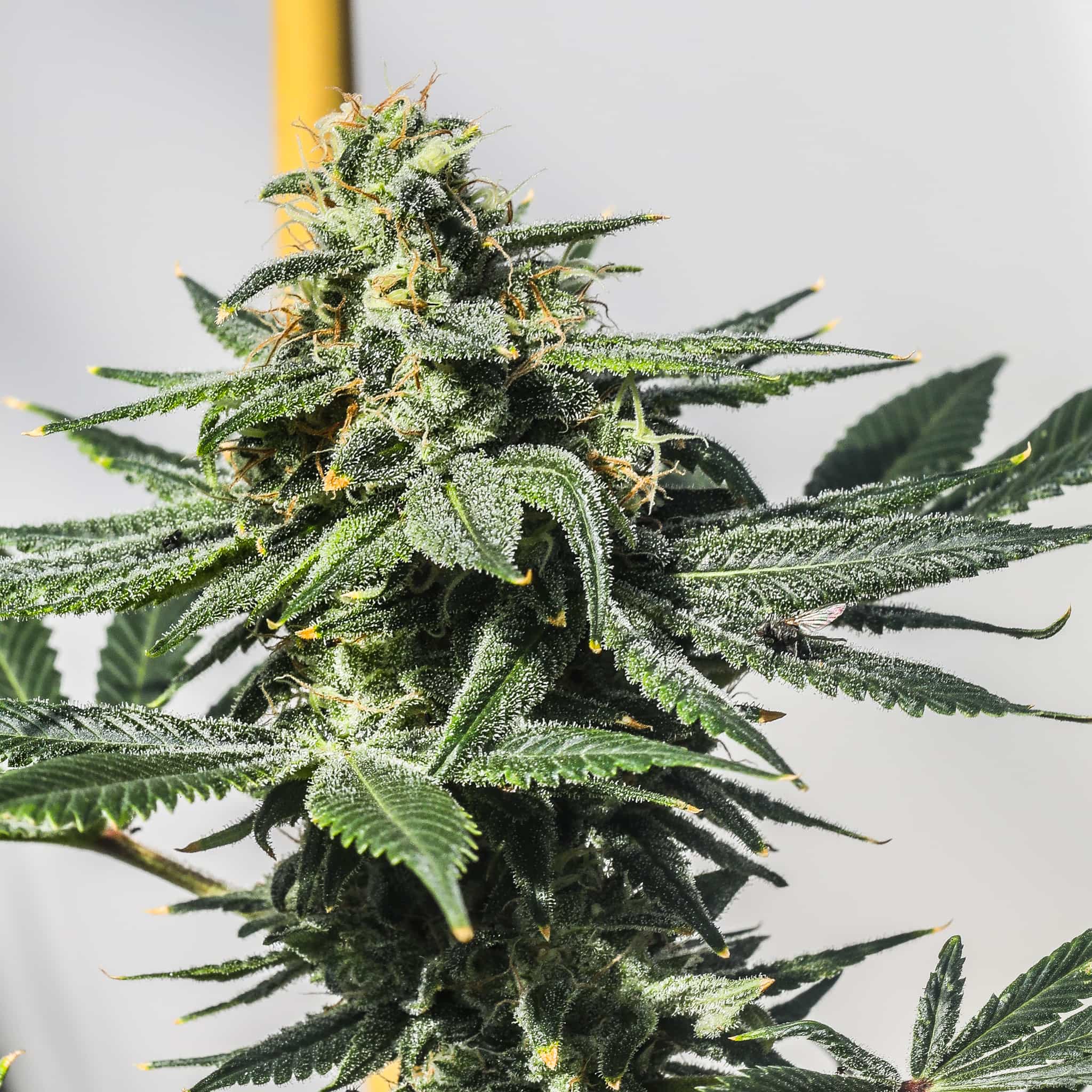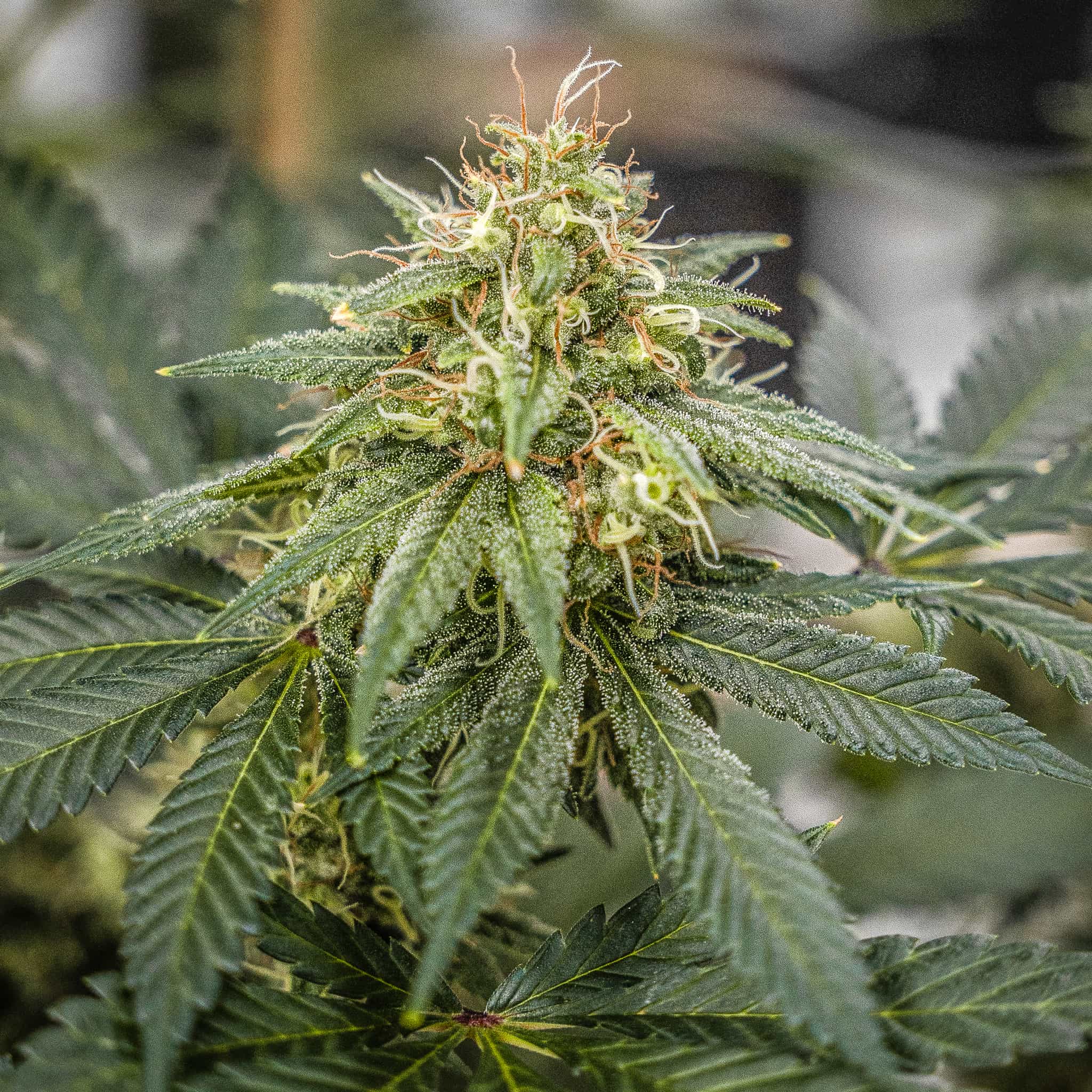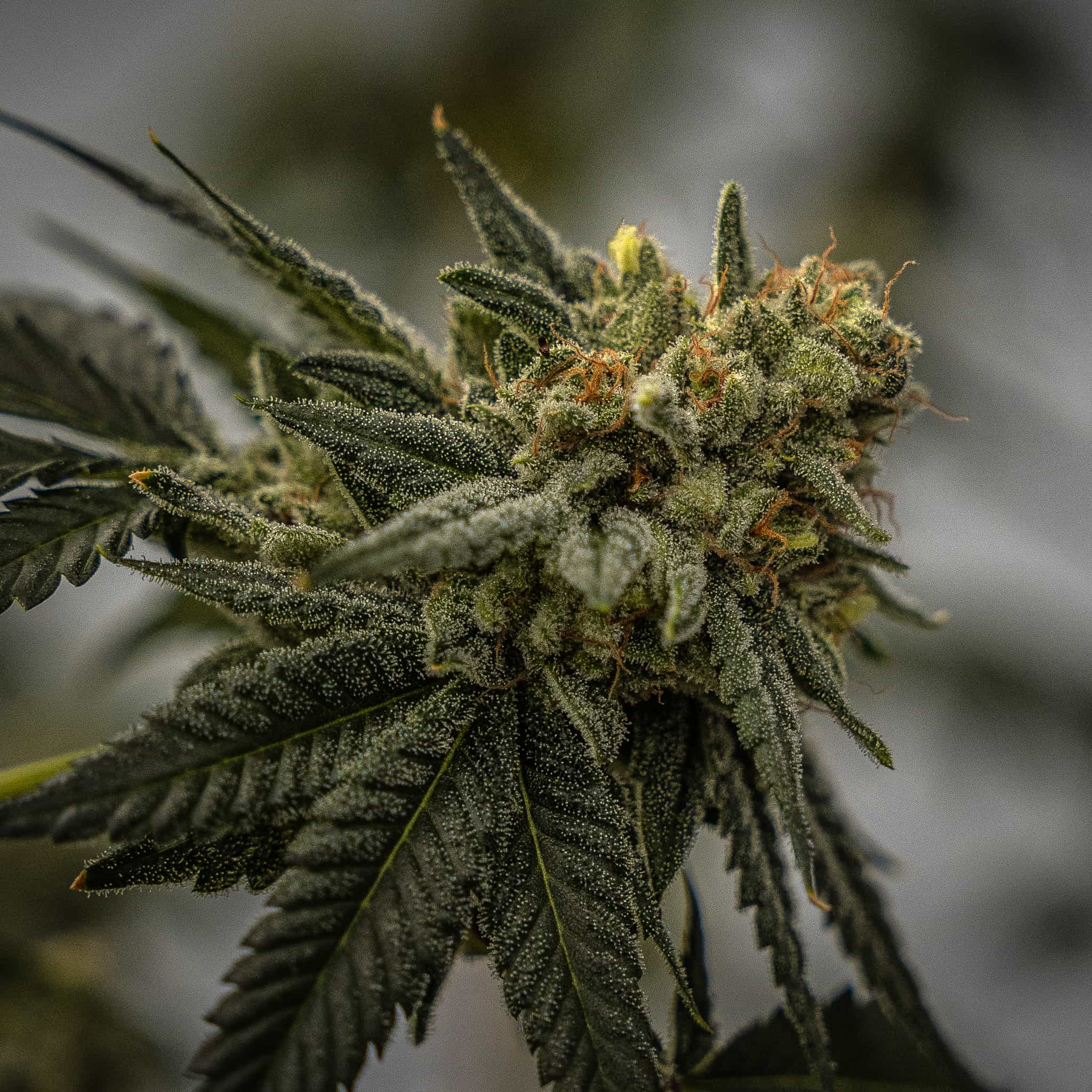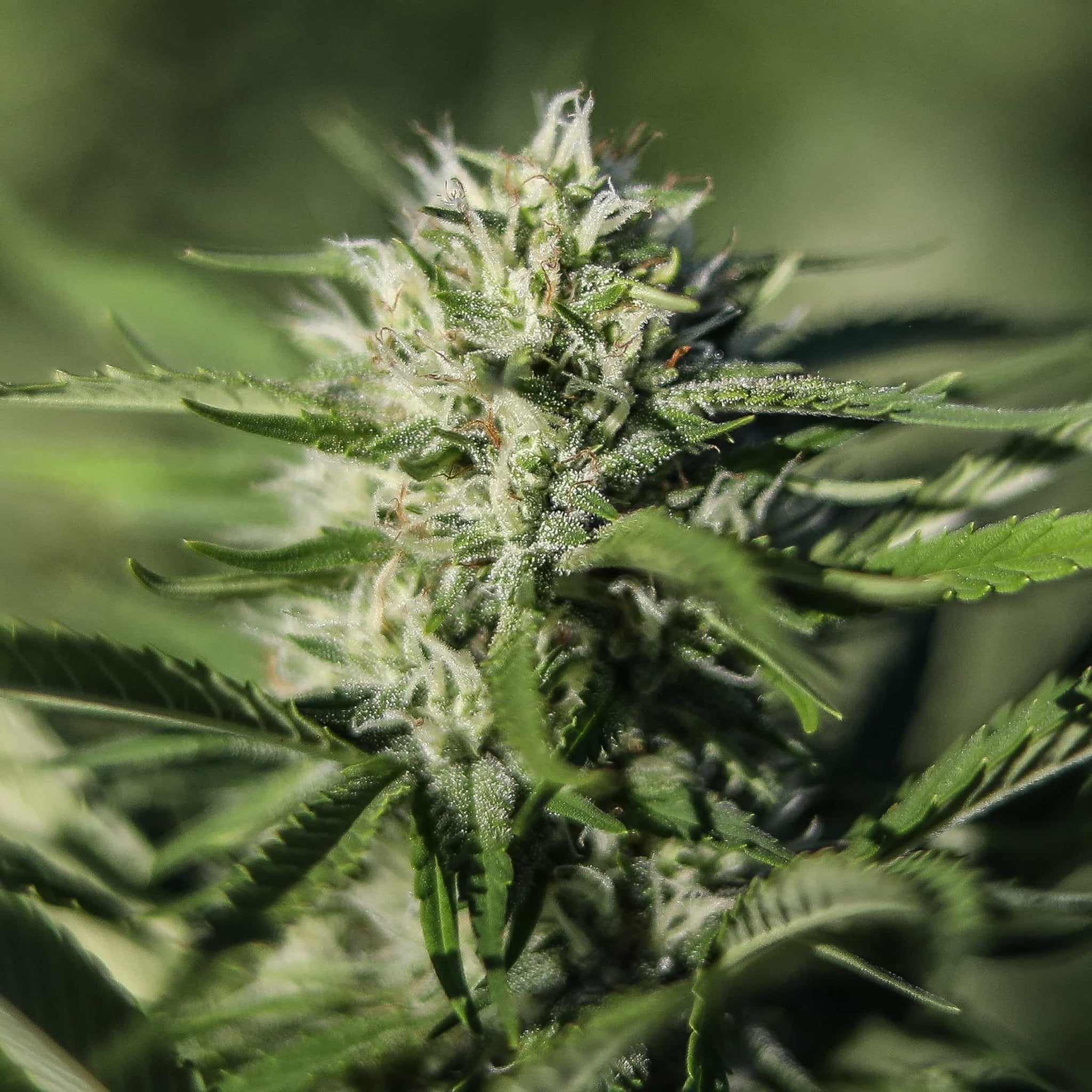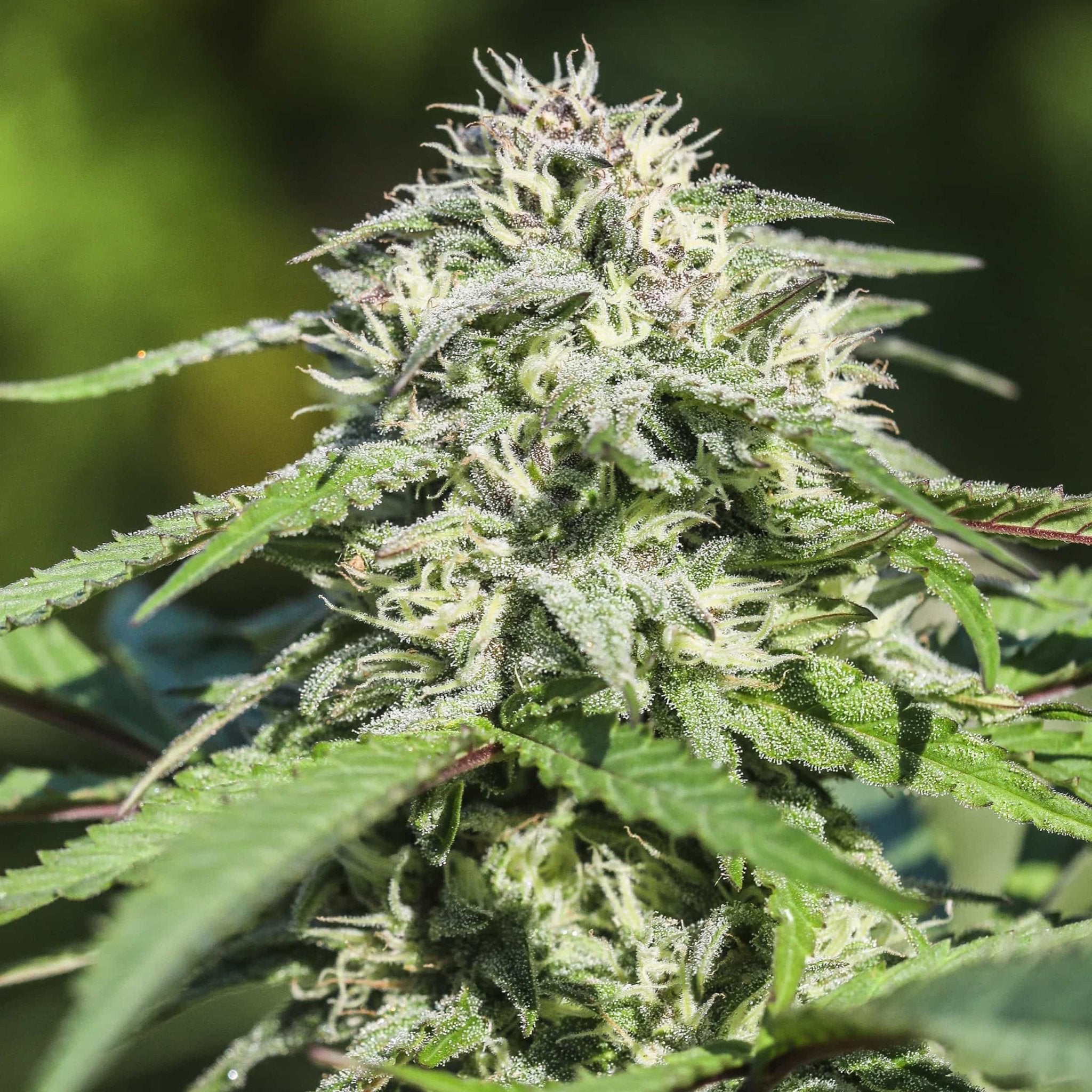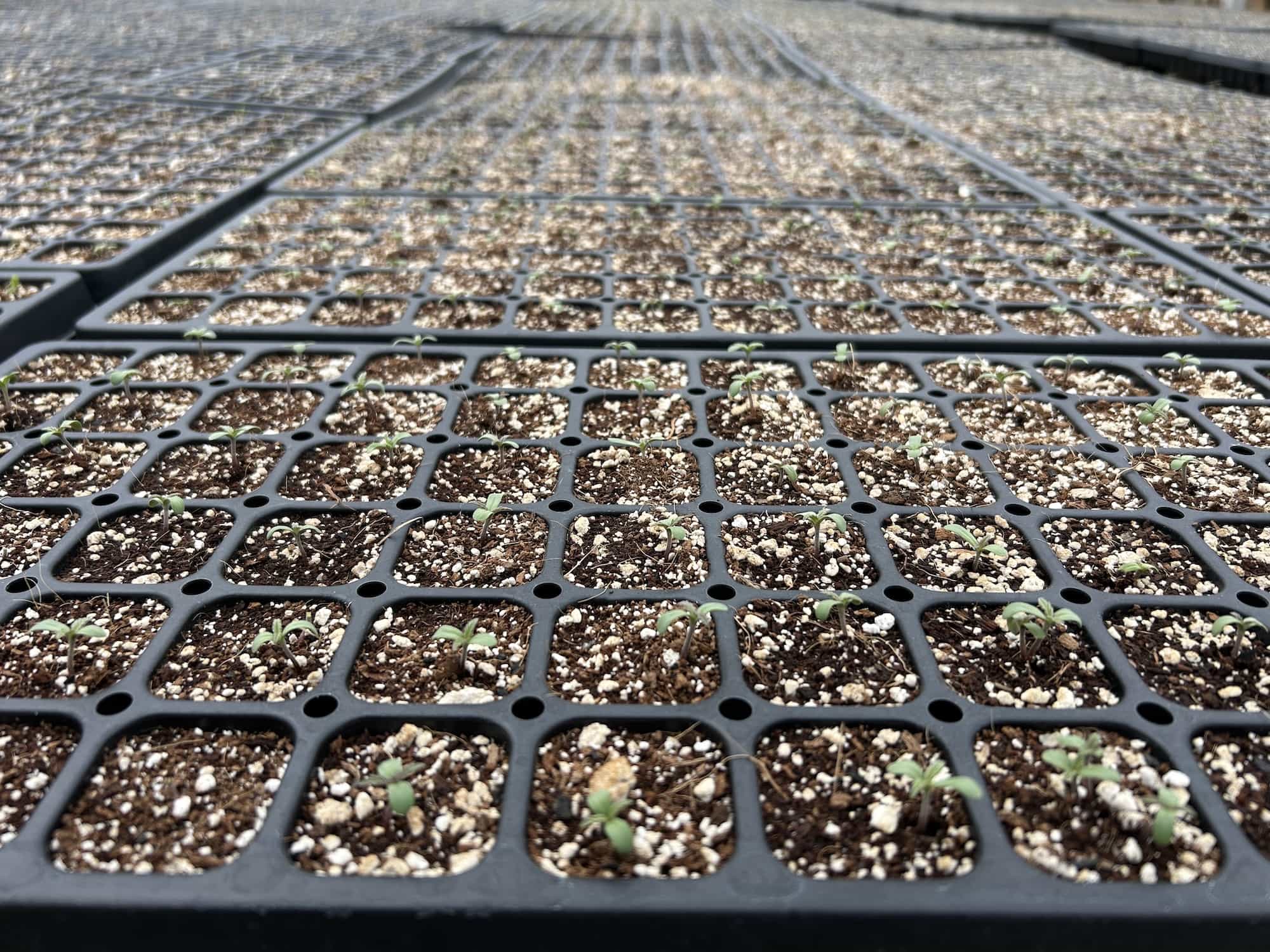


Can you grow your way out of bad genetics? Unfortunately, not when it comes to CBD-to-THC ratios.
One of the most common misconceptions in hemp cultivation is that environmental conditions can dramatically change a plant's cannabinoid profile. Growers often worry that a hot summer, a little drought, nutrient deficiencies, or other environmental stressors will turn their perfectly compliant hemp crop into a field of "hot" plants.
The good news? That's generally not how cannabis genetics work.
While growing conditions can significantly influence how much CBD and THC a plant produces, the relationship between the two is primarily established by genetics. In other words, the environment influences how much a plant produces, but its genetics largely determine what it produces.
Understanding that distinction can make a big difference when choosing seeds and planning a commercial hemp crop.
Understanding CBD-to-THC Ratios
CBD and THC originate from a common cannabinoid precursor called cannabigerolic acid (CBGA). Specialized enzymes convert CBGA into different acidic cannabinoids, including CBDA and THCA, which eventually become CBD and THC.
The plant's genetics largely determine how these pathways function and the relative proportions of CBD and THC it produces.
For example, our CBD-dominant hemp varieties commonly produce approximately 25–28 parts CBD for every one part THC. This is known as the cannabinoid ratio.
Research has demonstrated that cannabinoid ratios are highly heritable traits. A plant genetically predisposed to produce a 25:1 or 28:1 ratio will generally maintain a similar relationship across a range of growing conditions, although some variation is possible.
Research: The Inheritance of Chemical Phenotype in Cannabis sativa L. (de Meijer et al., 2003)
Genetics Determine the Ratio, Environment Influences the Amount
Environmental conditions absolutely matter. Light intensity, temperature, water availability, soil fertility, and plant maturity all influence cannabinoid production.
But here's the important distinction: these factors have a greater influence on total cannabinoid concentration than on the genetically established CBD-to-THC ratio.
Imagine a variety that consistently produces a 25:1 ratio. Under one set of conditions, it might test at 5% CBD and 0.20% THC. Under more favorable cannabinoid-producing conditions, it might reach 10% CBD and 0.40% THC.
The plant hasn't necessarily changed its cannabinoid profile. It's simply producing more of both cannabinoids.
Unfortunately, that also means a plant can go over the legal THC limit without ever changing its underlying CBD-to-THC ratio.
Research from Cornell University supports this understanding. Studies examining hemp genetics and environmental stress found that cannabinoid chemotypes are strongly genetically controlled, with relatively limited changes in CBD-to-THC ratios across several environmental stress treatments.
In other words, a little bad weather doesn't automatically turn a CBD variety into a THC powerhouse.
Additional research: Development and Validation of Genetic Markers for Sex and Cannabinoid Chemotype in Cannabis sativa L. (2020)
The Challenge of Producing High-CBD Hemp That Remains Compliant
Here's where things get interesting for commercial CBD growers.
One of the biggest challenges in hemp breeding is developing varieties that produce high CBD concentrations while keeping THC levels sufficiently low.
In conventional CBD-dominant cannabis genetics, CBD and THC production are closely related. As total cannabinoid production increases, THC concentrations can increase alongside CBD, even when the overall ratio remains favorable.
At GTR Seeds, our breeding program has focused on developing CBD varieties that consistently approach a 28:1 CBD-to-THC ratio.
That's a very favorable ratio, but even good genetics have their limits.
At a 28:1 ratio, a variety producing approximately 7% CBD would be expected to contain around 0.25% total THC. That leaves just 0.05 percentage points between the expected THC level and the federal 0.30% threshold.
Put another way, approximately 7% CBD is the mathematical ceiling for a variety producing at a 28:1 ratio if it is to remain below 0.30% THC.
And here's the catch: a crop-wide average of 7% CBD and 0.25% THC is still risky. Individual plants can vary, and some portions of a field may produce considerably more THC than the average suggests.
That doesn't leave much room for surprises. And no one wants flower that only tests at 7% CBD
This is why choosing genetics based solely on maximum CBD production can be a costly mistake. A variety that produces slightly less CBD but maintains a more favorable and consistent cannabinoid profile may offer a much better margin for commercial production.
The goal shouldn't simply be to grow the highest CBD percentage possible. It's to grow as much CBD as possible while maintaining a comfortable safety margin for THC compliance.
Why You Can't Grow Your Way Out of Poor Genetics
Some growers attempt to manage THC compliance by adjusting irrigation, fertilization, lighting, or harvest timing.
While these practices can influence cannabinoid concentrations, they cannot reliably compensate for unfavorable cannabinoid-ratio genetics.
If a variety has a genetically unfavorable CBD-to-THC ratio, even the best growing conditions in the world aren't going to magically fix it.
Research, including The Inheritance of Chemical Phenotype in Cannabis sativa L. (de Meijer et al., 2003) and Cannabinoid Inheritance Relies on Complex Genetic Architecture (Campbell et al., 2020), demonstrates the importance of genetic selection in developing predictable cannabinoid profiles.
For commercial hemp farmers, breeding programs should prioritize:
-
High CBD production combined with extremely low THC accumulation.
-
Consistent cannabinoid ratios across individual plants and generations.
-
Stable performance across different geographic locations and growing environments.
-
Extensive analytical testing to identify undesirable genetic variation.
Genetic uniformity matters, too. A field containing plants with substantially different cannabinoid profiles creates additional compliance risk, even when the average cannabinoid profile looks favorable on paper.
The Importance of Breeding and Genetic Selection
Developing reliable hemp varieties takes more than finding a few plants with impressive cannabinoid percentages. It requires identifying desirable genetics, evaluating those traits across generations, and testing plants under different environmental conditions.
At GTR Seeds, our breeding philosophy is rooted in understanding the genetic mechanisms responsible for cannabinoid production.
Through years of breeding, selection, and field testing, we've developed feminized CBD genetics that commonly achieve CBD-to-THC ratios approaching 28:1.
But we also believe growers deserve realistic expectations. Even favorable ratios don't guarantee THC compliance. Individual plants can vary, and a commercially successful crop needs sufficient room below the legal threshold.
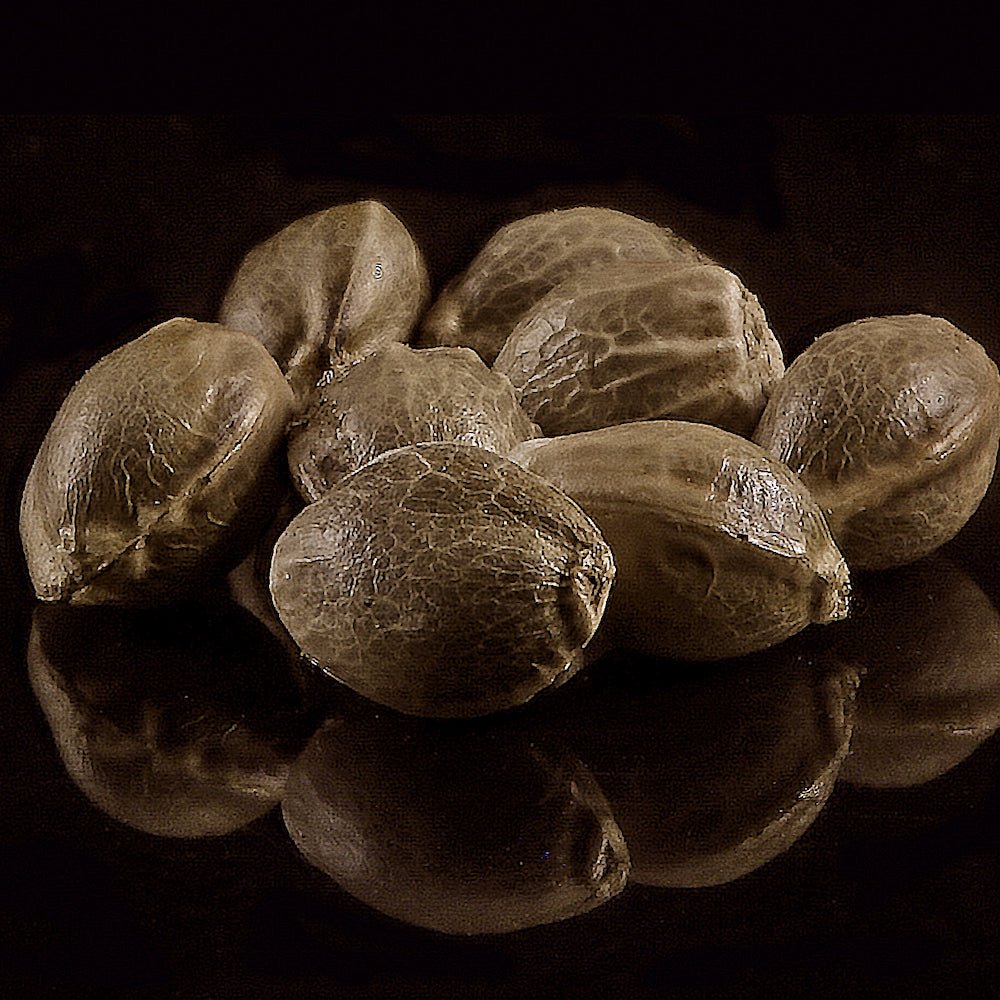
For farmers, choosing well-bred, genetically consistent hemp seeds is one of the most important ways to reduce production variability and manage THC compliance risk.
The bottom line: You can manage your irrigation, dial in your nutrients, watch the weather forecast, and cross your fingers at harvest. But you can't reliably grow your way out of unfavorable genetics.
Environmental conditions influence how much CBD and THC a plant produces, but genetics establish the foundation of its cannabinoid profile. Starting with the right genetics is one of the best ways to produce consistent, high-quality hemp while managing compliance risk.
Looking for reliable high-CBD genetics for your next grow?
Explore our collection of feminized CBD seeds, including proven favorites like Lifter, Sour Lifter, Suver Haze, and our newest triploid CBD varieties.