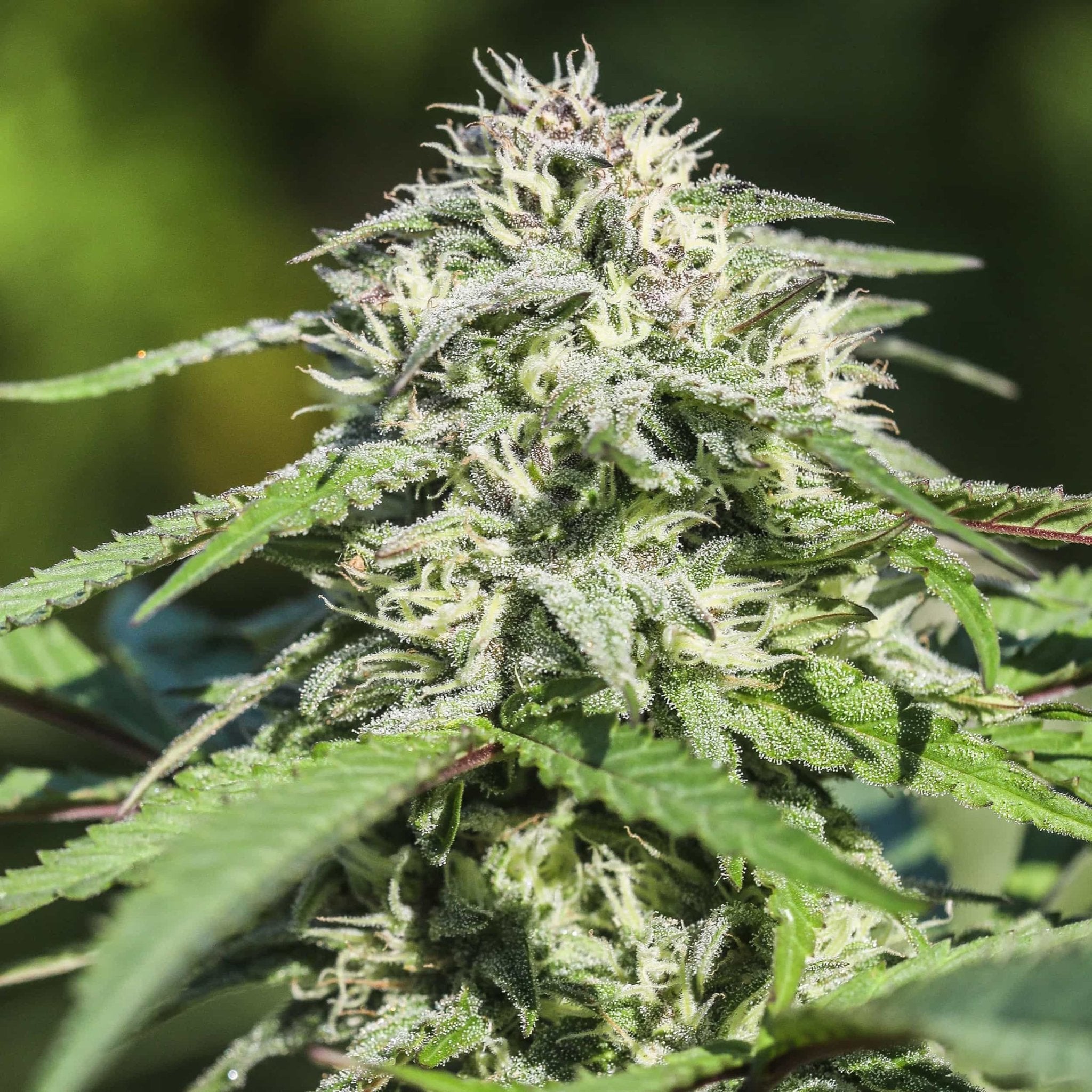


Great flower doesn't always make great hash. Here's why developing cannabis genetics specifically for solventless extraction is one of the most challenging objectives in modern cannabis breeding.
The cannabis industry has seen an explosion of interest in solventless concentrates, particularly ice water hash and live rosin. As consumers increasingly seek high-quality, flavorful concentrates, growers are looking for cannabis genetics specifically suited to hash production.
But there's a problem: some of the best cannabis flower in the world makes terrible washing material.
A variety can produce beautiful, resin-covered flowers with impressive cannabinoid percentages and exceptional terpene profiles, yet deliver disappointing returns when washed for hash. Conversely, a plant that isn't particularly impressive as smokable flower may produce exceptional yields of high-quality resin.
This creates a unique challenge for cannabis breeders.
We've spent years studying cannabis genetics, cannabinoid production, and the inheritance of commercially important traits. One thing we've learned is that breeding for a specific end product requires much more than simply selecting plants with desirable appearances or laboratory results.
And when that end product is premium hash rosin, the breeding process becomes particularly complicated.
Not All Trichomes Are Created Equal
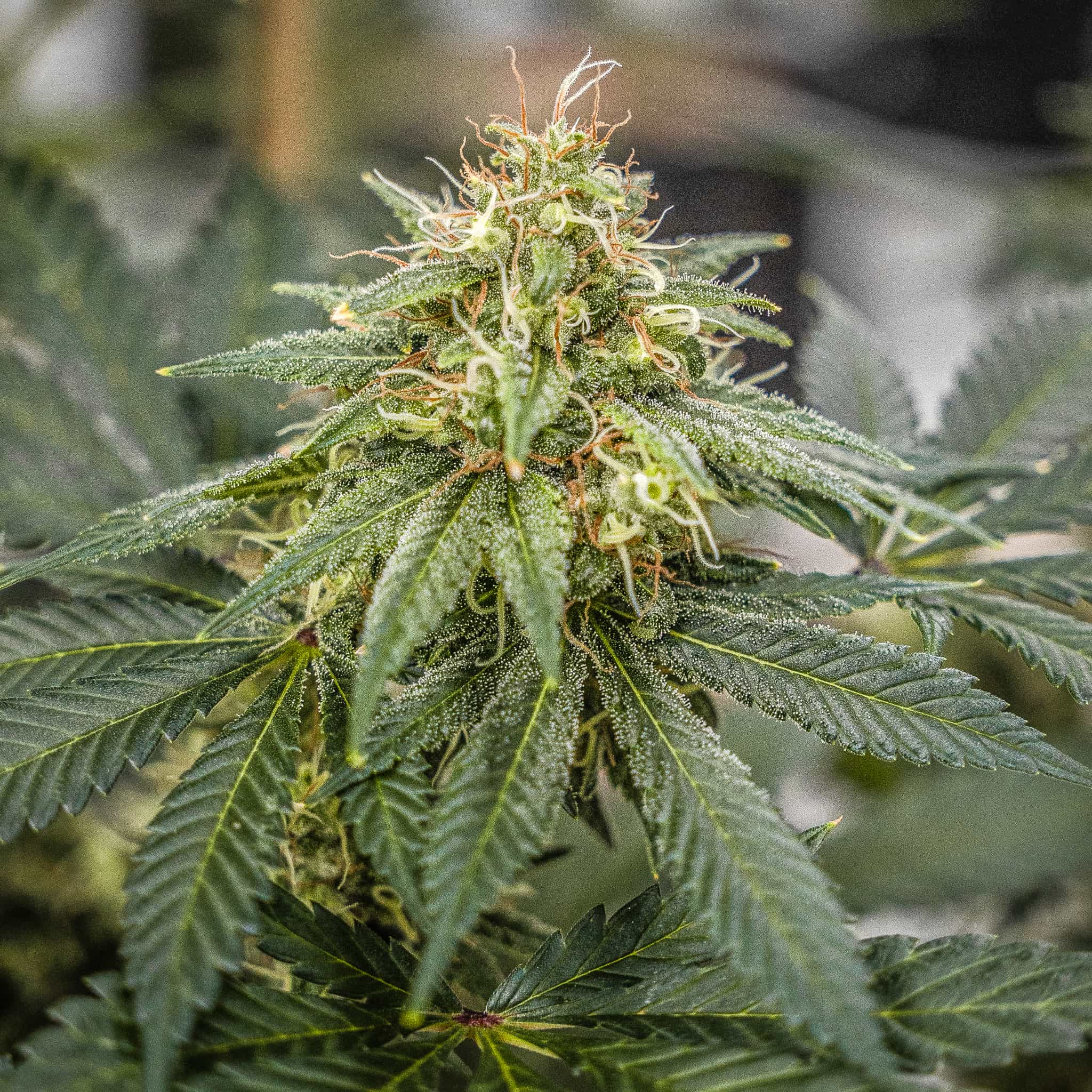
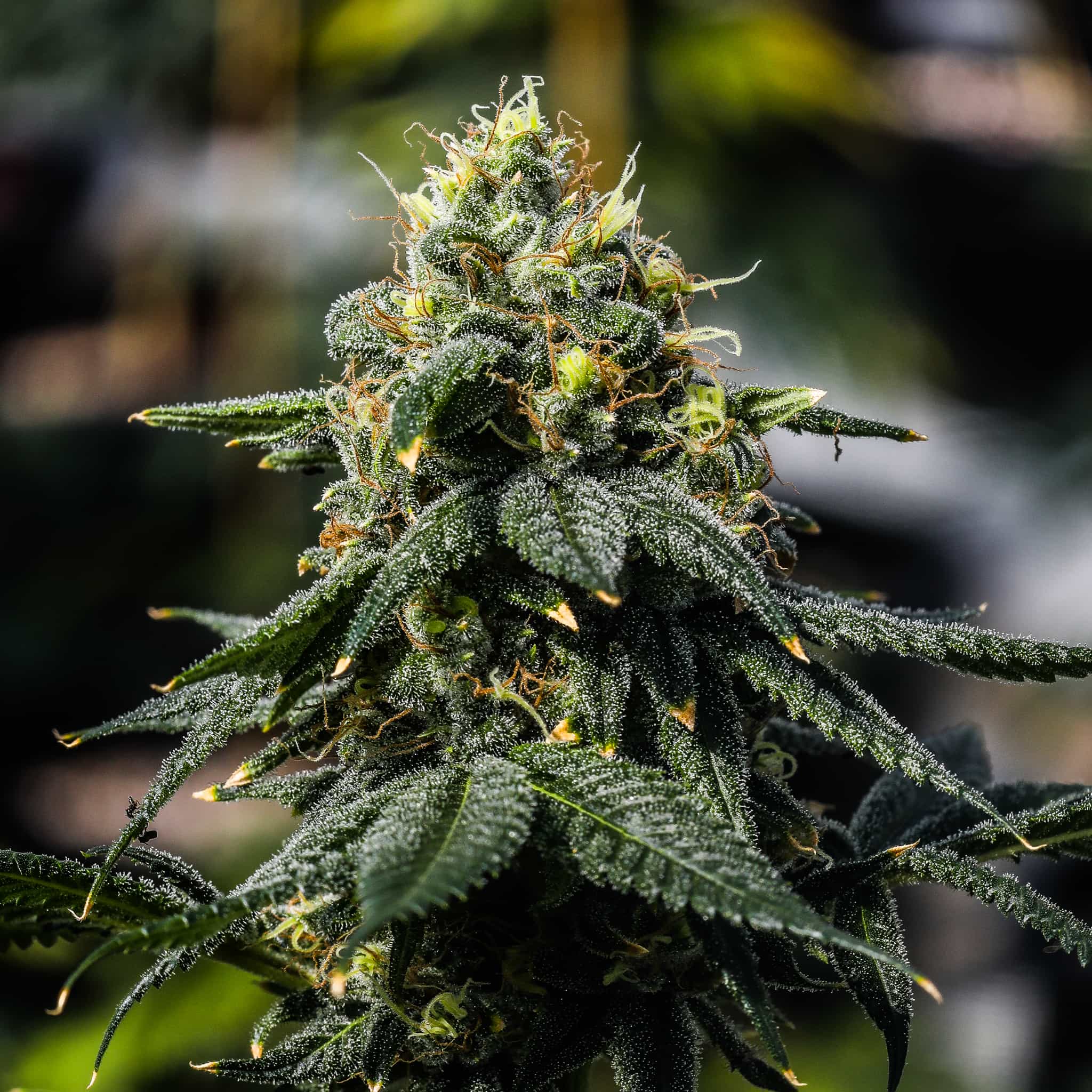
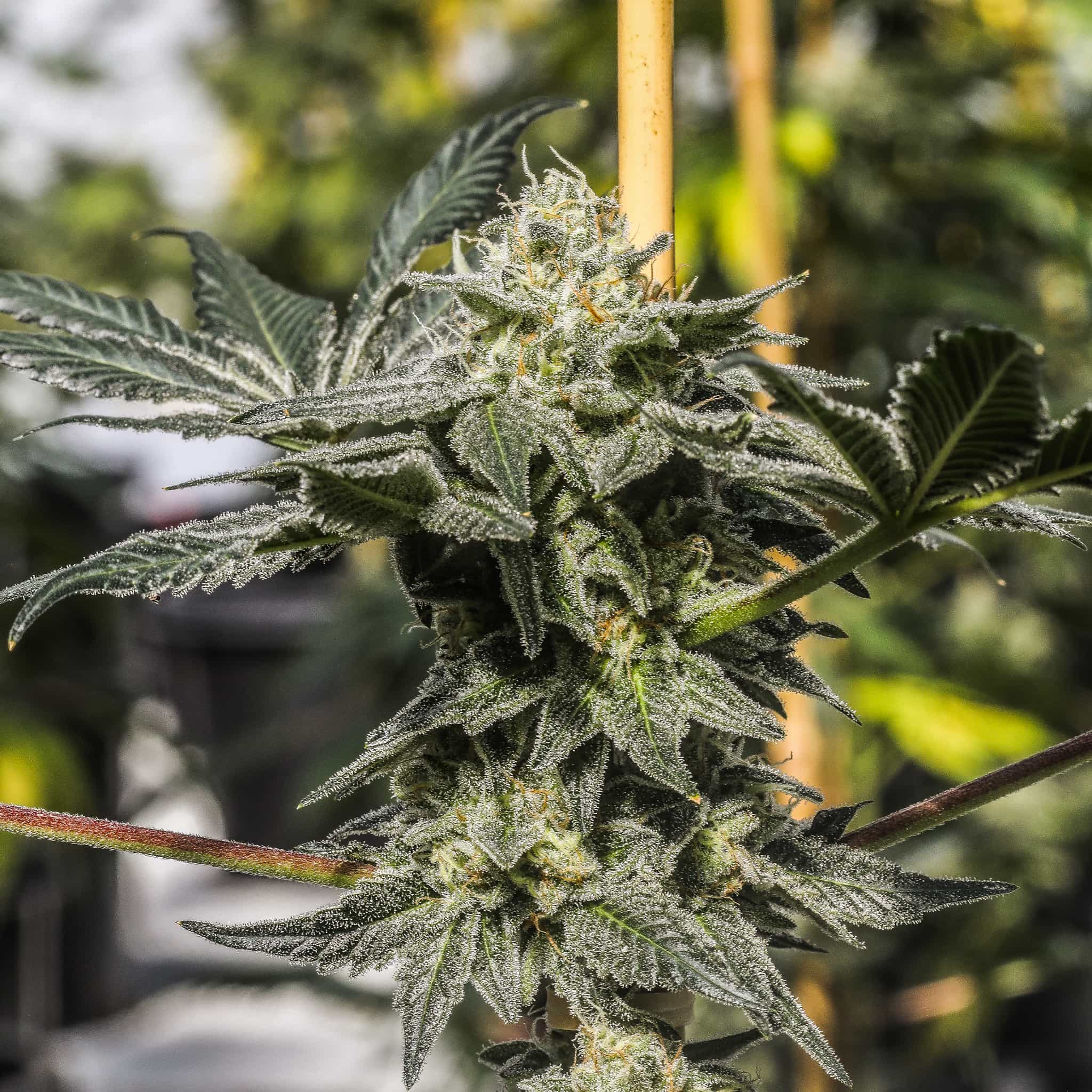
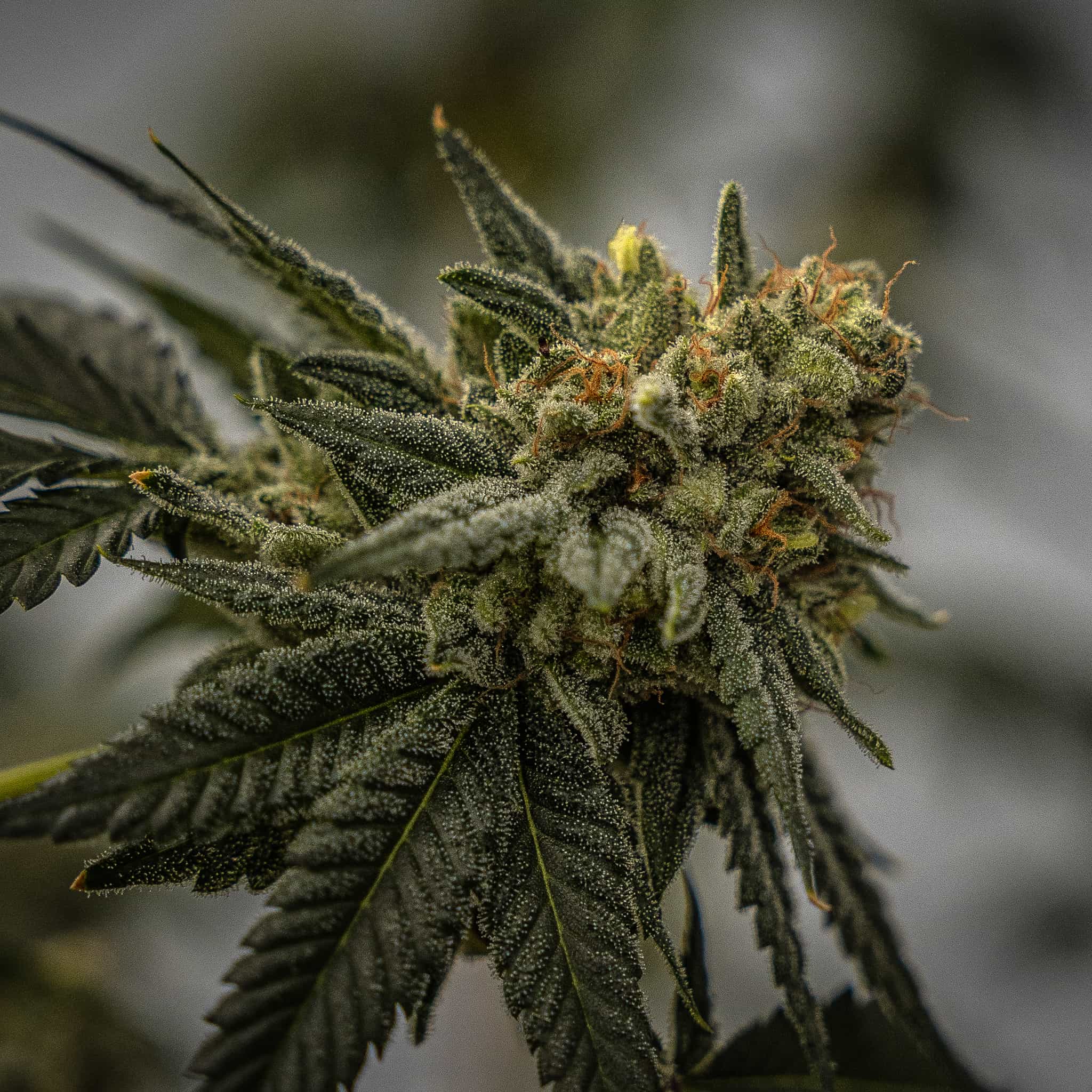
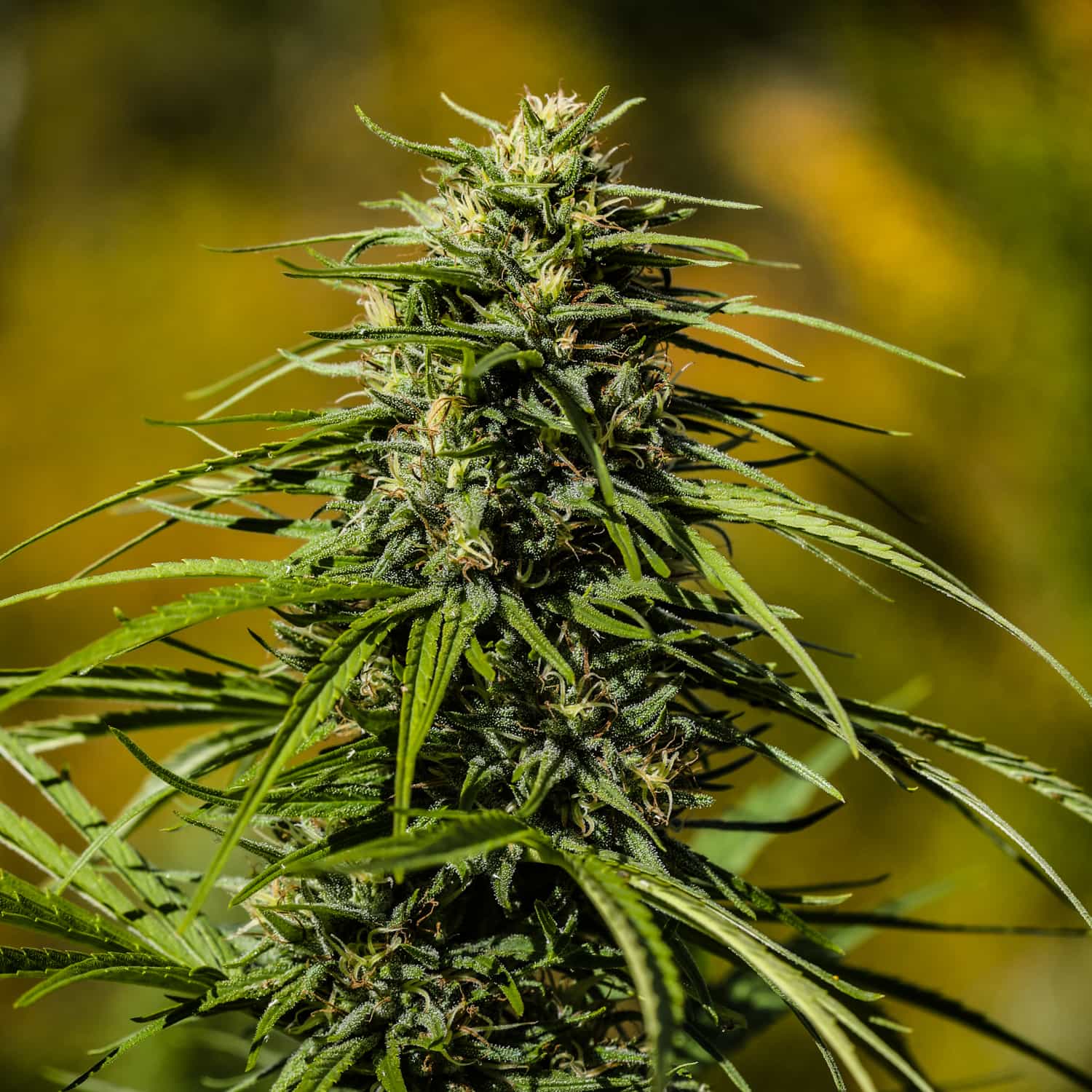
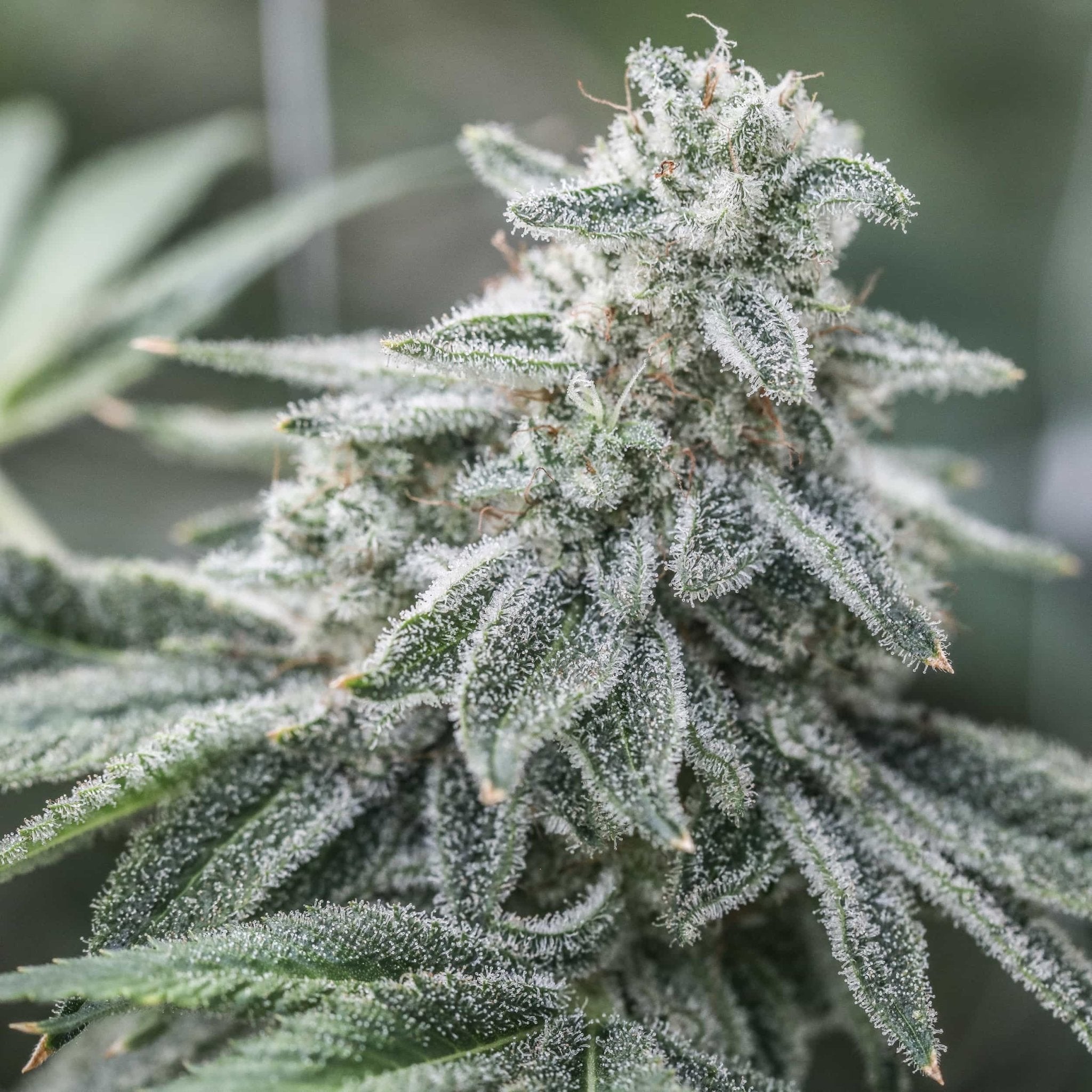
Cannabis produces several types of glandular trichomes, but capitate-stalked trichomes are especially important for commercial hash production.
These structures contain the resin-rich glandular heads responsible for producing and storing cannabinoids and many of the terpenes that contribute to cannabis aroma.
For solventless extraction, however, simply having a large number of trichomes isn't enough.
The physical characteristics of those trichomes can dramatically influence how efficiently resin is separated from plant material.
Important characteristics include:
-
Trichome head size: The size and distribution of glandular heads influence which collection screens capture the resin.
-
Trichome density: More resin-bearing glands can increase the potential amount of recoverable material.
-
Stalk and attachment characteristics: The ease with which glandular heads separate from their stalks and surrounding tissue influences wash efficiency.
-
Resin properties: The physical behavior of the resin can influence collection, handling, and subsequent processing.
-
Trichome maturity: The developmental stage of glandular trichomes can affect both resin composition and extraction performance.
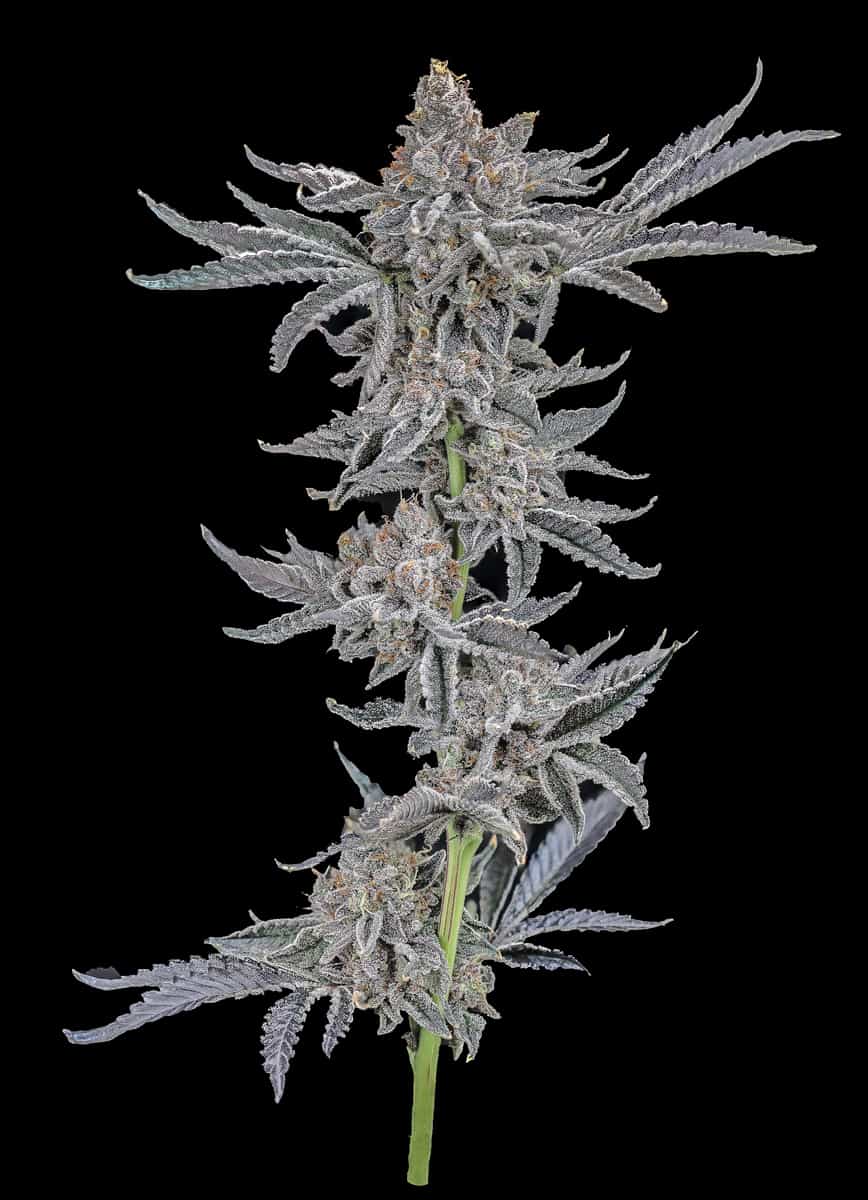
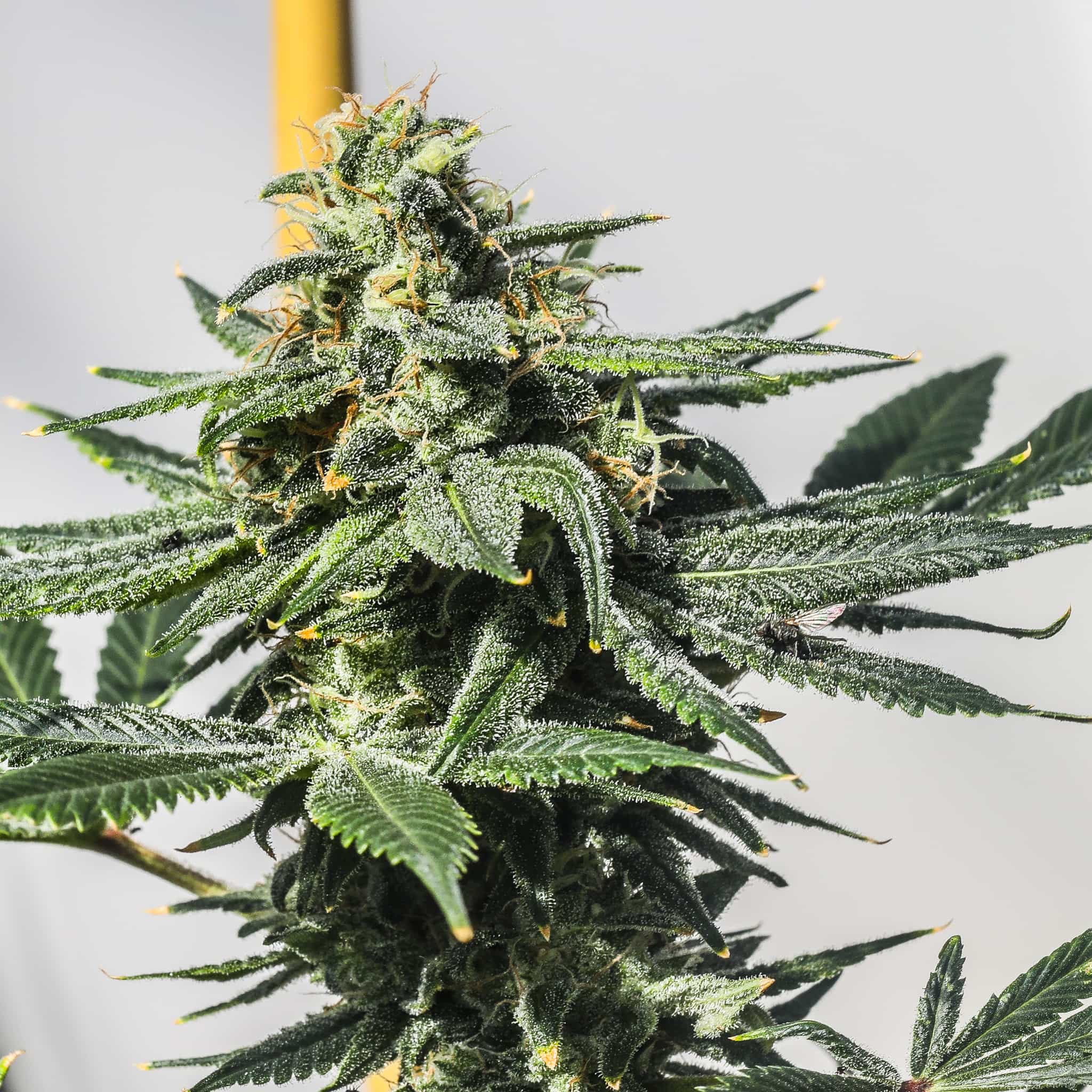
Two cannabis plants can appear equally frosty to the naked eye while producing dramatically different results in an ice water hash extraction.
This is one reason visual selection alone is an unreliable way to identify exceptional hash-producing genetics.
High Cannabinoid Percentages Don't Guarantee High Hash Yields
One of the biggest misconceptions about cannabis breeding is that high cannabinoid production automatically translates into high solventless extraction yields.
It doesn't.
A plant testing at 30% total cannabinoids may produce disappointing hash returns, while another testing considerably lower may wash exceptionally well.
Why?
Because laboratory cannabinoid testing and ice water extraction measure different things.
Cannabinoid testing generally estimates the concentration of cannabinoids in sampled plant material. Hash washing, on the other hand, depends on how much resin can be physically separated and recovered under a particular extraction process.
A plant may produce abundant cannabinoids but retain much of its resin during washing because its glandular heads don't detach efficiently.
Other plants may release their trichome heads readily, producing excellent extraction returns despite having lower overall cannabinoid concentrations.
For breeders, this means cannabinoid testing is useful but insufficient.
To identify genuinely superior hash-producing genetics, the plants need to be evaluated through actual solventless extraction.
That adds substantial time, labor, and expense to the breeding process.
Trichome Detachment Is a Complex Breeding Trait
One of the most important characteristics of a successful washing variety is the ability of its glandular trichome heads to separate efficiently from the plant.
However, the biological mechanisms governing trichome detachment in cannabis are not yet fully understood.
The strength and structure of the attachment between the glandular head and stalk, the physical characteristics of the trichome, and the condition of the plant material may all influence separation.
These characteristics are not necessarily controlled by a single gene.
Instead, hash recovery may depend on several interacting genetic and developmental factors.
This presents a significant challenge for seed breeders.
Even when a breeder identifies an individual plant that washes exceptionally well, that doesn't guarantee its offspring will inherit the same characteristics.
The breeder must determine whether those traits are heritable, how consistently they appear in offspring, and whether they can be combined with other desirable characteristics.
Finding one excellent hash plant is an achievement.
Developing a seed variety that reliably produces excellent hash plants is a much more difficult task.
Hash Yield and Rosin Yield Are Two Different Things
Another complication is that successful solventless extraction involves multiple stages.
A variety that produces impressive quantities of bubble hash does not necessarily produce equally impressive rosin returns.
Hash yield measures how much collected resin is recovered from the starting plant material. Rosin yield measures how much rosin can subsequently be pressed from that hash.
The two are related, but they aren't interchangeable.
Different resin compositions and physical properties can influence pressing behavior, rosin recovery, texture, and final product quality.
For example, two plants might produce similar quantities of collected hash, but one may yield substantially more rosin during pressing.
A successful breeding program therefore needs to evaluate more than a single extraction metric.
Ideally, breeders would measure:
-
Fresh-frozen biomass production
-
Ice water hash recovery
-
Hash quality across different collection fractions
-
Rosin recovery from the collected hash
-
Final cannabinoid and terpene composition
-
Aroma, flavor, texture, and overall concentrate quality
Evaluating all these characteristics across hundreds or thousands of plants becomes an enormous undertaking.
Exceptional Terpenes Make Breeding Even More Complicated
Hash rosin enthusiasts are often looking for more than high extraction yields.
They want exceptional flavor.
Some of the most sought-after solventless concentrates are prized for distinctive aromatic characteristics that translate from the living plant into the finished product.
But terpene production introduces another layer of complexity.
A plant can produce abundant resin and wash exceptionally well while delivering a relatively unremarkable flavor profile.
Another plant may have extraordinary aromas but poor trichome separation and disappointing extraction returns.
Breeders are therefore attempting to combine multiple desirable characteristics that don't necessarily occur together.
And it isn't enough for the plant to smell good.
The aromatic compounds must also be preserved through harvesting, freezing, washing, drying, and pressing.
Genetics establish the potential for a desirable terpene profile, but postharvest handling and extraction methods strongly influence the final result.
The challenge is developing plants that combine high resin recovery with exceptional concentrate quality.
Why Breeding Hash Rosin Seeds Is Harder Than Finding a Great Clone
Many popular hash-producing cannabis varieties are maintained as clones.
That makes sense.
When a grower discovers an exceptional individual plant, cloning allows that exact genotype to be reproduced repeatedly.
But producing seeds is fundamentally different.
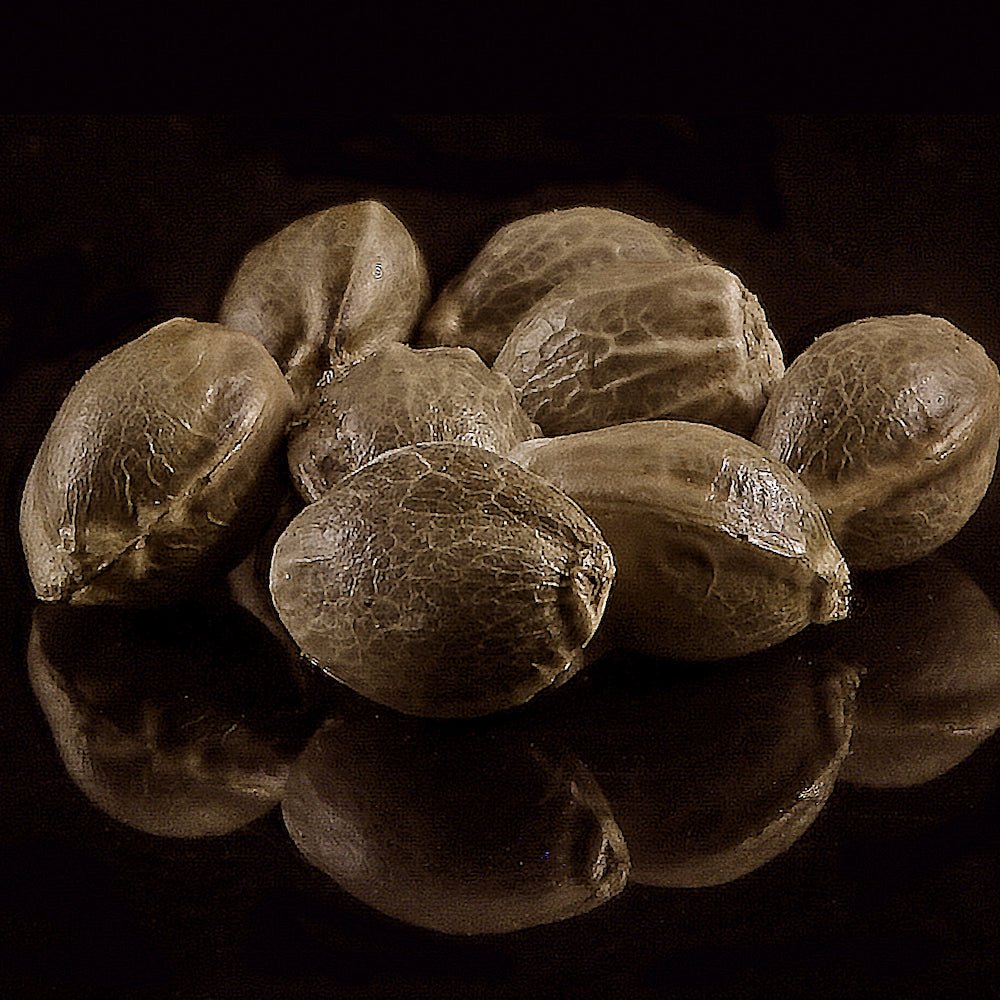
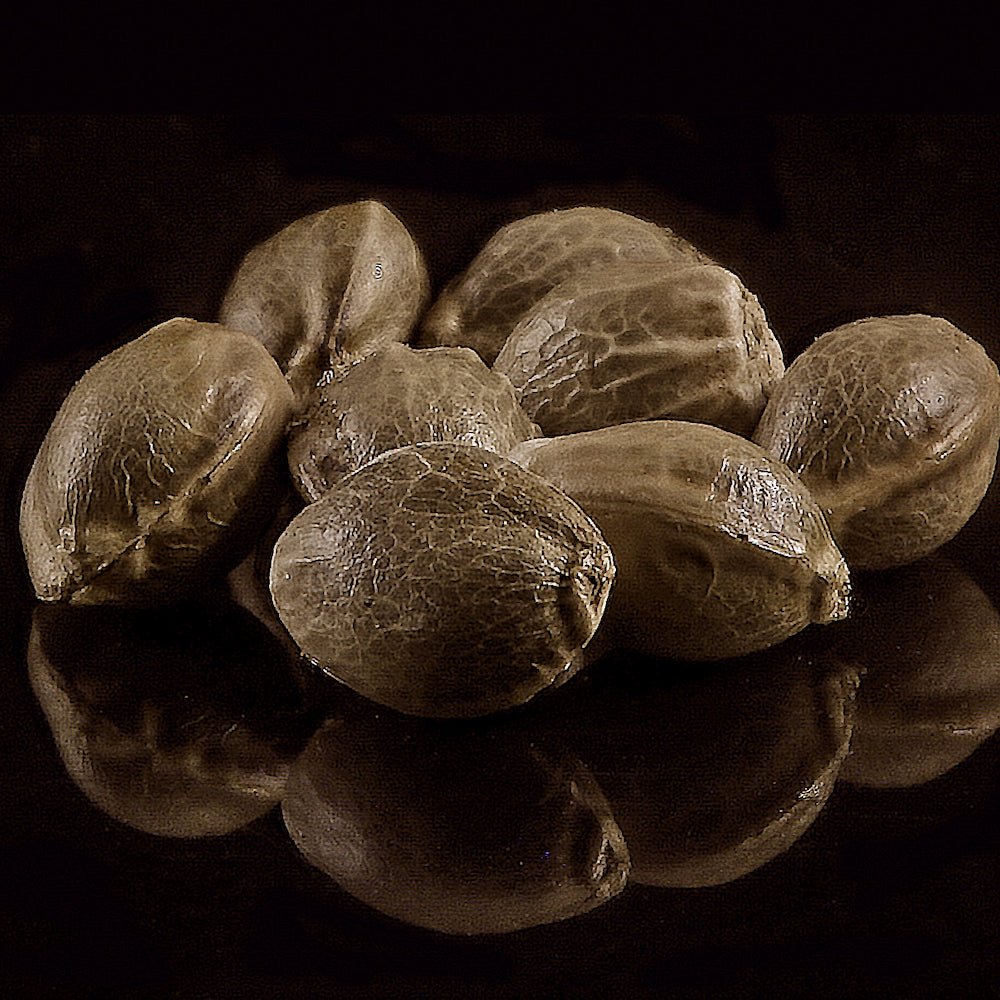
Seeds are the result of sexual reproduction, and offspring inherit different combinations of genetic material from their parents.
Even if two parent plants are excellent hash producers, their offspring may vary substantially in trichome characteristics, resin production, terpene profiles, and extraction performance.
This is particularly true when working with genetically diverse breeding parents.
A breeder might cross two outstanding washing varieties and discover that only a portion of their offspring perform as well as expected.
Others may produce excellent flower but poor hash yields.
For a breeder focused on producing commercial cannabis seeds, this variability presents a major obstacle.
The objective isn't simply to find one exceptional plant.
The objective is to develop a seed variety that produces a high percentage of exceptional hash-producing plants.
That requires extensive selection, progeny testing, and multiple generations of breeding.
F1 Hybrid Breeding Offers Opportunities, but It Isn't a Shortcut
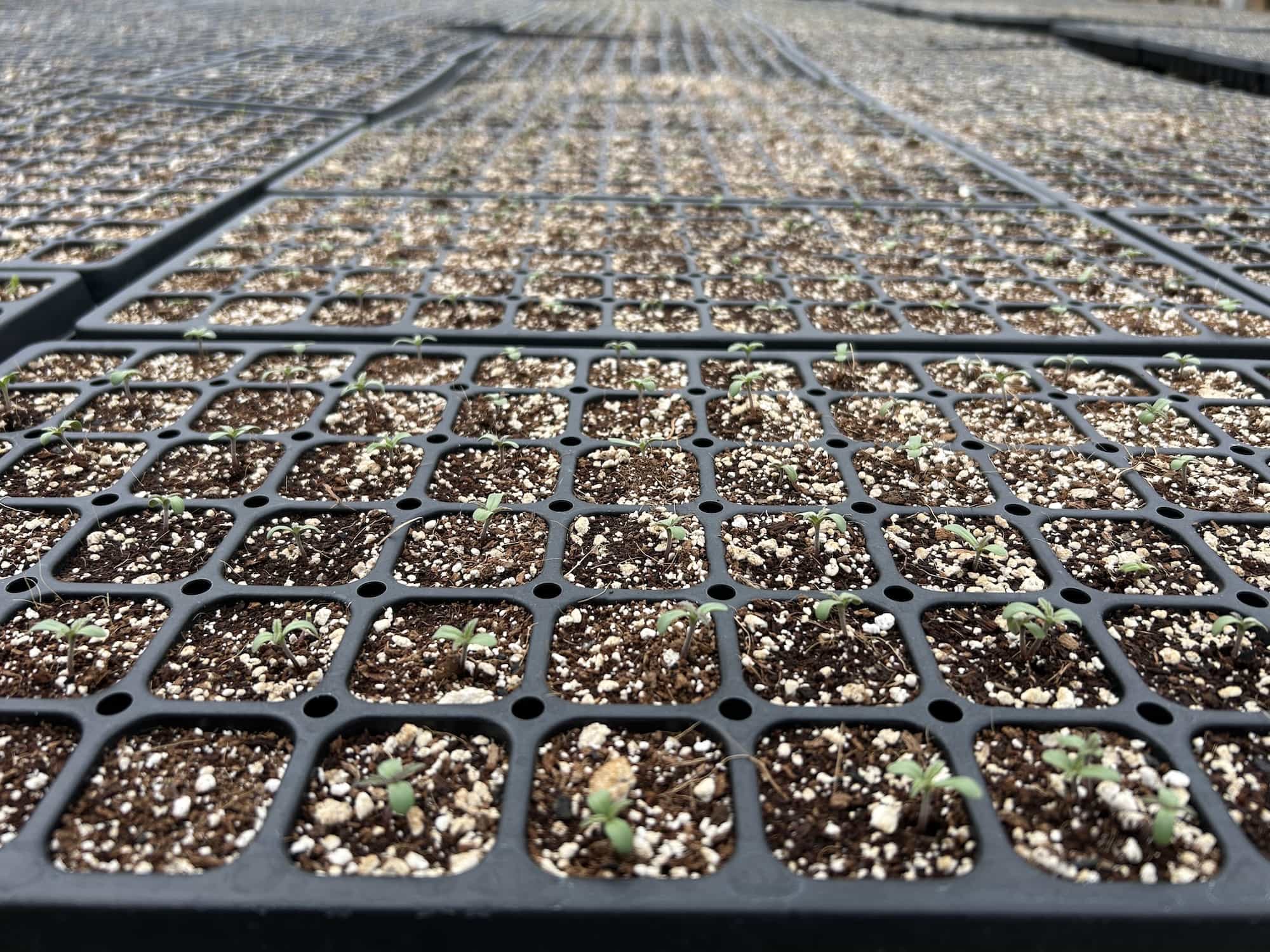
At GTR Seeds, much of our breeding work focuses on developing feminized F1 hybrid cannabis seeds.
F1 hybrids produced from sufficiently uniform parental lines can offer improved consistency, predictable growth characteristics, and desirable combinations of traits.
This approach has enormous potential for developing cannabis varieties specifically suited to solventless extraction.
However, it doesn't eliminate the underlying challenges.
Before breeders can produce reliable F1 hybrids for hash production, they need parental lines that consistently transmit desirable extraction characteristics.
That means identifying excellent washing plants, determining which traits are heritable, and developing breeding populations that reliably express those characteristics.
It also means evaluating the offspring through actual extraction trials.
A visually impressive F1 hybrid isn't necessarily an excellent hash producer.
The final product must be tested.
Ultimately, the same principles that apply to other agricultural crops apply here: identifying desirable traits is only the beginning. The real challenge is making those traits predictable and repeatable through seed.
The Economics of Hash Breeding Are Particularly Challenging
Breeding cannabis specifically for hash rosin production can be expensive.
Traditional flower breeding programs can evaluate many desirable characteristics through visual inspection, plant measurements, and laboratory testing.
Hash-focused breeding requires additional processing.
To accurately evaluate extraction performance, breeders may need to grow large populations, harvest and freeze plant material, conduct standardized ice water extraction trials, and measure both hash and rosin recovery.
Each evaluation consumes time, equipment, labor, and plant material.
And because extraction performance can be influenced by environmental conditions and processing techniques, a single successful wash may not provide enough information to establish a plant's true genetic potential.
Ideally, promising selections should be evaluated repeatedly and across different growing environments.
This dramatically increases the cost of identifying and validating superior breeding parents.
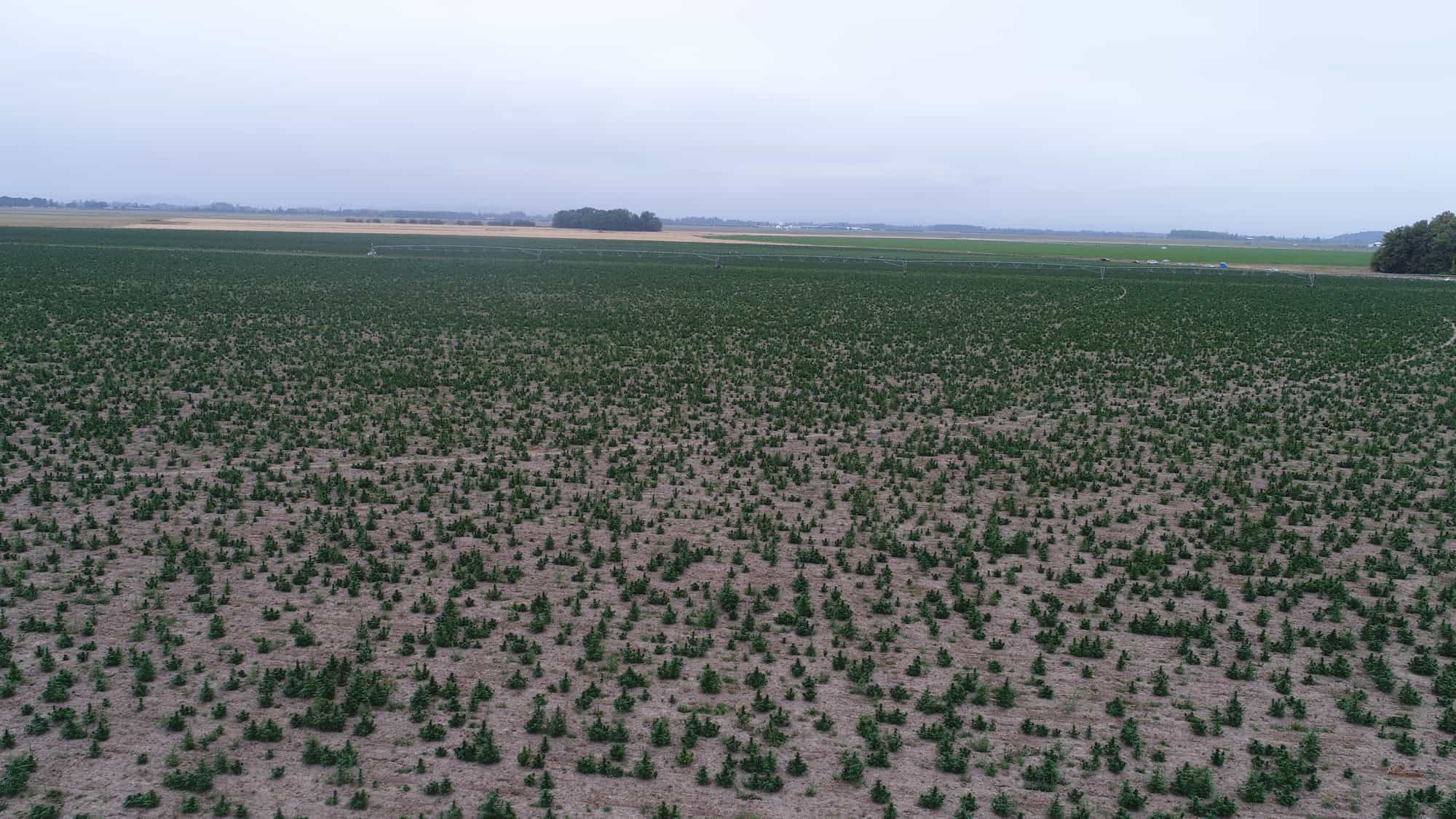
For commercial seed production, the challenge becomes even greater because the breeder must evaluate not just individual selections but entire populations of offspring.
That level of testing is difficult to accomplish without substantial investment in research and development.
Cannabis Seeds for Solventless Extraction
Despite these challenges, we believe hash-focused cannabis breeding represents an important opportunity for the industry.
As solventless extraction continues to mature, growers will increasingly demand genetics selected for more than flower appearance and cannabinoid percentages.
They'll want varieties that combine high resin production, efficient trichome separation, desirable terpene profiles, and reliable agricultural performance.
We also expect the industry to move toward more standardized measurements of hash and rosin production.
Today, extraction results can vary considerably depending on the operator, equipment, washing procedures, and how yields are calculated.
Standardized testing protocols would allow breeders to compare varieties more accurately and identify the genetic factors that contribute to superior extraction performance.
As cannabis genetic research advances, it may also become possible to identify molecular markers associated with desirable trichome characteristics and resin recovery.
Such developments could eventually make breeding for solventless extraction more efficient and predictable.
But for now, there's no substitute for growing plants, washing material, collecting data, and evaluating the results.
Great Hash Genetics Require More Than Hype
The cannabis industry is full of breeders claiming to have the next great washing variety.
And some of those genetics undoubtedly produce exceptional concentrates.
But there's an important distinction between finding an individual plant that produces great hash rosin and developing a reliable seed variety specifically bred for solventless extraction.
The latter requires a much deeper understanding of plant genetics, trichome biology, cannabinoid production, and the inheritance of complex traits.
At GTR Seeds and Oregon CBD, we believe the future of cannabis breeding lies in combining exceptional product quality with scientific breeding practices and agricultural consistency.
We're not interested in promising that every frosty plant will make exceptional hash.
We're interested in understanding why some plants perform better than others, and how those characteristics can eventually be incorporated into reliable cannabis seed varieties.
Because when it comes to hash rosin, the best genetics aren't necessarily the ones that look the frostiest or test the highest. They're the ones that consistently produce exceptional results.
And breeding those genetics into seed is where the real challenge begins.
Explore Hash Cannabis Genetics from GTR Seeds
Below are some varieties we've had great feedback on for washin'!
91 Diamonds
Barnyard High Test / Barnyard High Test Seedless
Bermuda Triangle / Bermuda Triangle Seedless
Derailed/Derailed Seedless
Garlic Thunder Seedless
Gauva Cheesecake Seedless
Olfactory Overdrive Seedless
Pine Tar N' Lime Seedless
You can find them all here ->
Explore our complete selection of cannabis seeds at GTRSeeds.com.
GTR Seeds — Real Science. Real Breeding. Great Genetics.