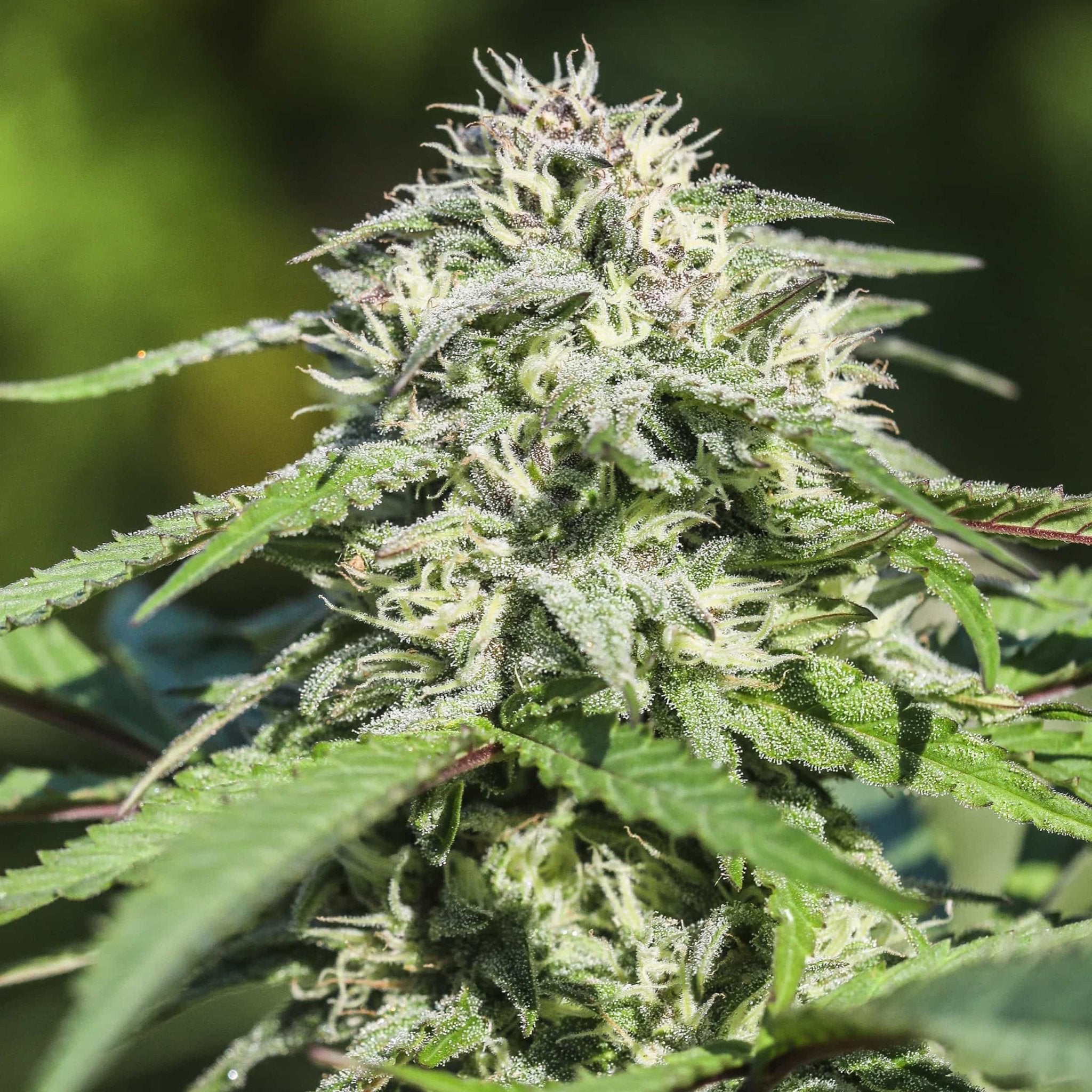

CBD has come a long way since we first started breeding high-CBD cannabis. What was once a relatively obscure cannabinoid has become one of the most widely recognized compounds in the plant.
And for good reason.
Unlike THC, cannabidiol (CBD) doesn't produce the characteristic cannabis high. That has made it particularly interesting to researchers investigating the potential therapeutic applications of cannabis without the intoxicating effects.
But with CBD's popularity came a whole lot of questionable claims. Depending on where you look, it's been marketed as a treatment for just about everything.
So what does the science actually say?
Let's look at some of the most interesting research into CBD, where the evidence is strongest, and where we still have plenty to learn.
What Is CBD, and How Does It Work?
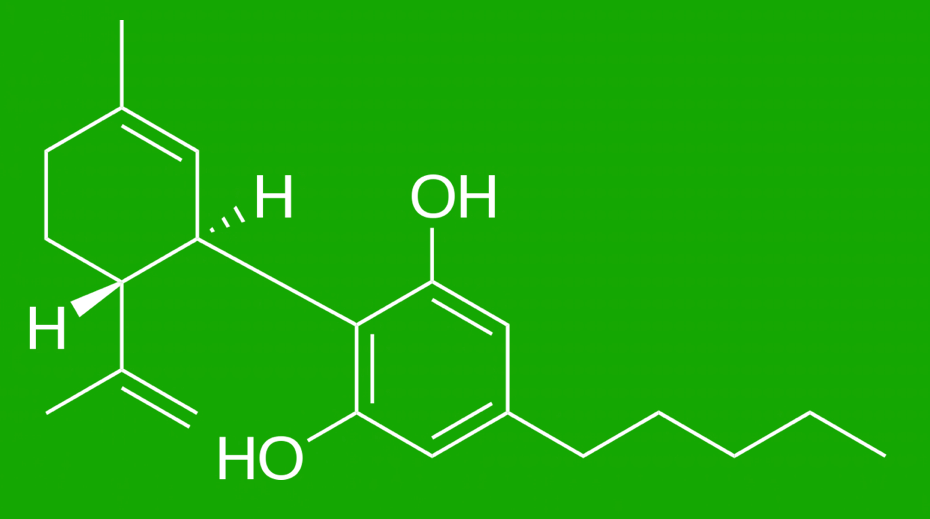
CBD, or cannabidiol, is one of the major cannabinoids naturally produced by cannabis plants.
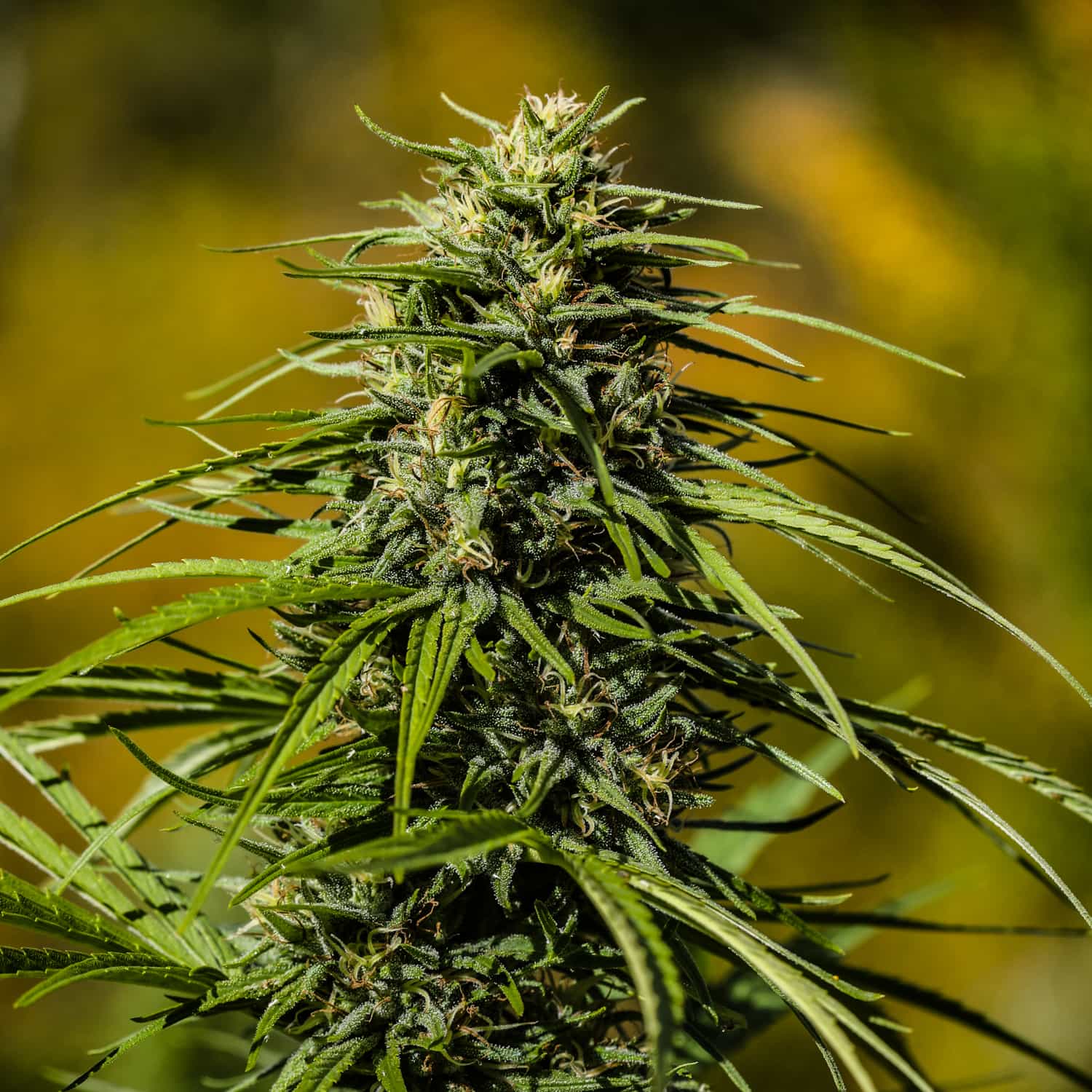
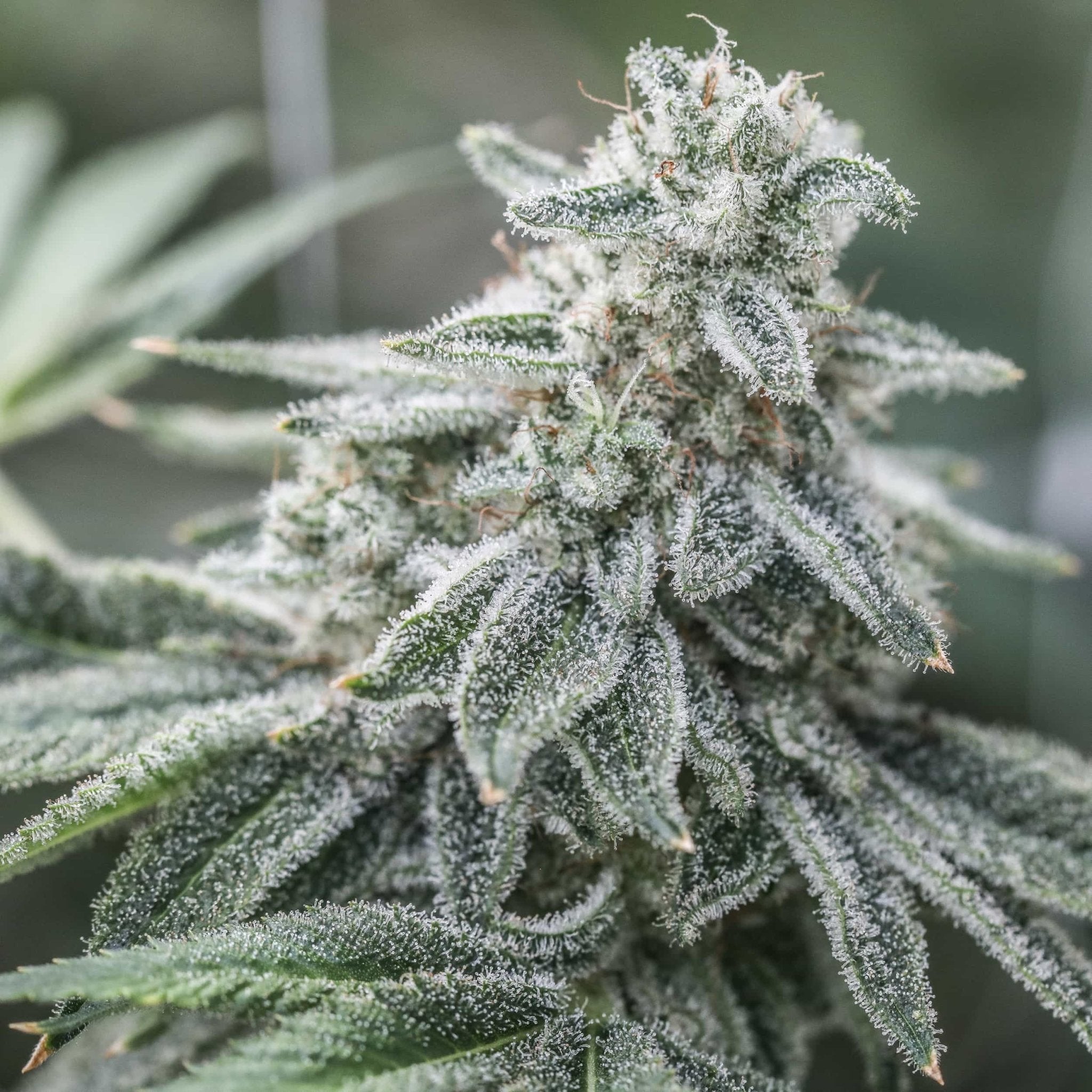
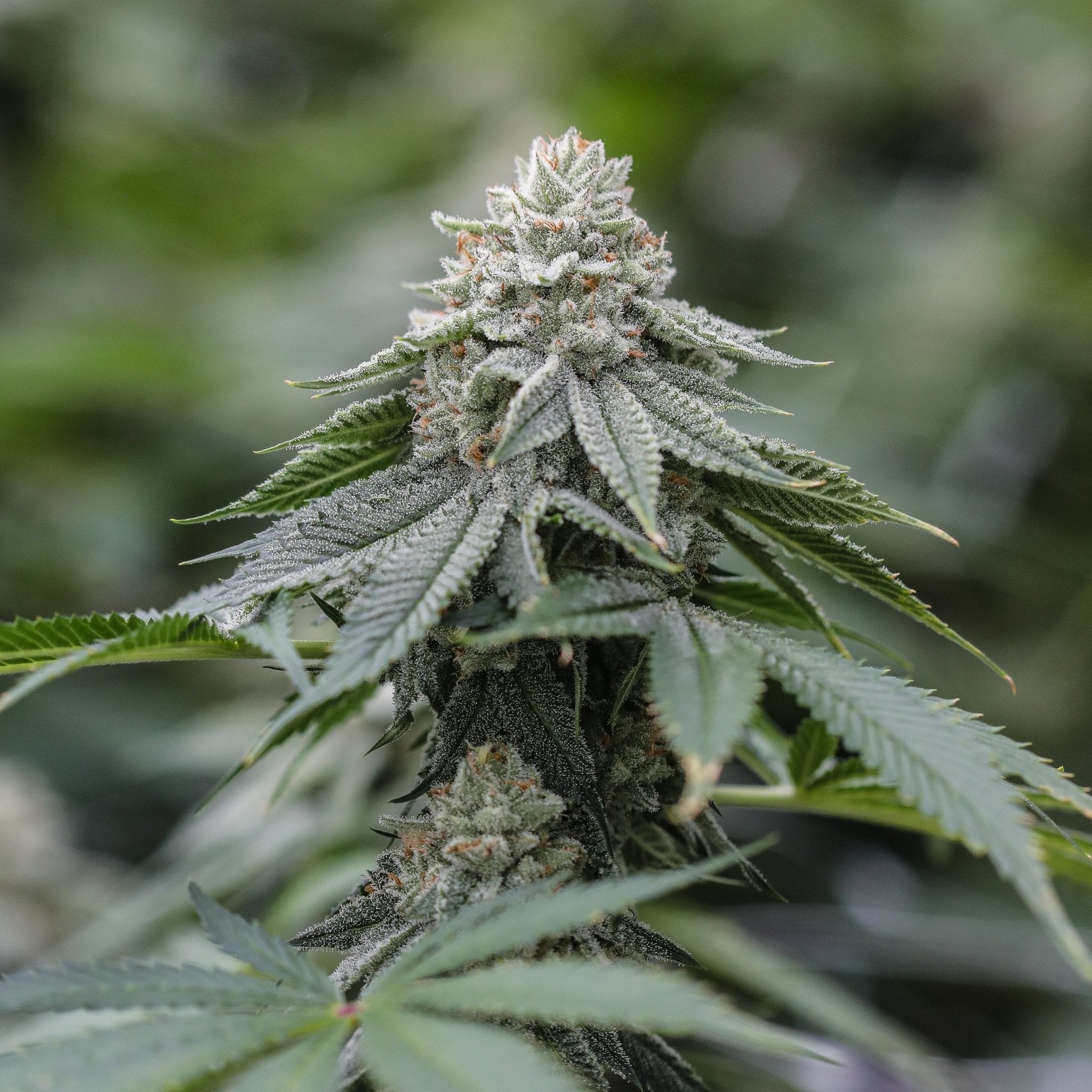
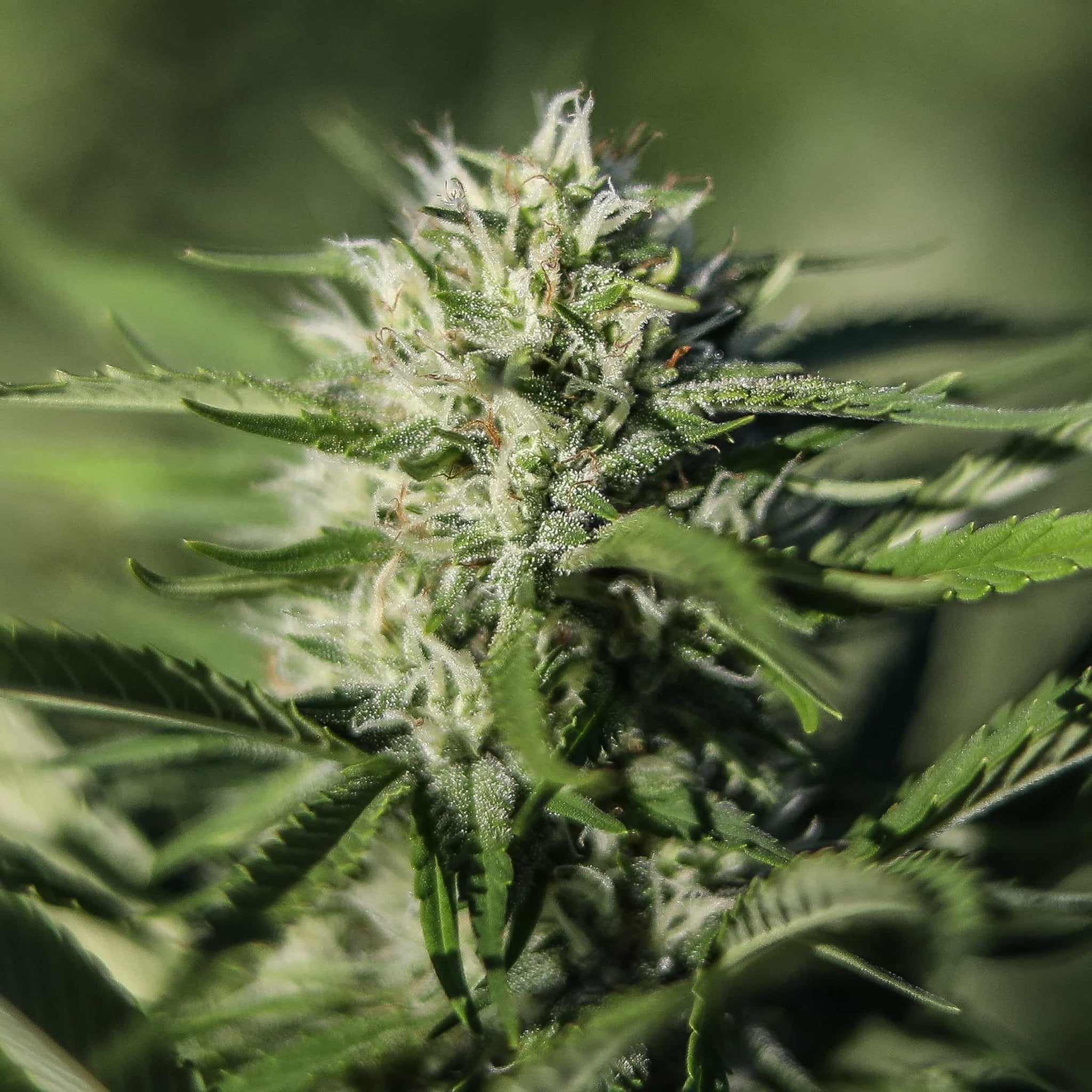
In CBD-dominant, or Type III, cannabis varieties, CBD is produced in much greater quantities than THC.
Unlike THC, CBD doesn't produce the same intoxicating effects through activation of the brain's CB1 cannabinoid receptors.
Instead, CBD interacts with a variety of biological pathways, including components of the endocannabinoid system and other receptors involved in neurological signaling.
These interactions have attracted scientific interest in CBD's potential effects on seizures, anxiety, inflammation, sleep, and other aspects of human health.
However, understanding how a compound interacts with the body isn't the same as proving that it treats a particular medical condition.
That's where clinical research becomes important.
CBD and Epilepsy: The Strongest Clinical Evidence
Of all the potential medical applications of CBD, epilepsy has some of the strongest supporting evidence.
In 2018, the FDA approved Epidiolex, a prescription medication containing purified CBD, for certain rare seizure disorders.
The medication is now approved for seizures associated with:
-
Lennox-Gastaut syndrome
-
Dravet syndrome
-
Tuberous sclerosis complex
Clinical trials demonstrated that pharmaceutical CBD can reduce seizure frequency in some patients with these conditions.
This was a major milestone for cannabinoid research. It demonstrated that a cannabis-derived compound could meet the rigorous testing standards required for an FDA-approved prescription medication.
But there's an important distinction here.
Epidiolex is a standardized, pharmaceutical-grade CBD medication. Its approval doesn't mean that ordinary CBD oils, cannabis flowers, or homemade extracts have been proven to treat epilepsy.
You can read more about the medication and its approved uses through the FDA's information on cannabis-derived products.
CBD for Anxiety and Stress
Anxiety is one of the most common reasons people report using CBD.
And there is some interesting research supporting its potential.
Early clinical studies found that CBD reduced anxiety during simulated public-speaking tasks, particularly in participants with social anxiety.
More recently, a 2024 systematic review and meta-analysis examined eight studies involving 316 participants and found evidence suggesting CBD may reduce anxiety symptoms.
However, the researchers cautioned that the available studies were relatively small and that additional clinical trials are needed.
Another 2024 review of randomized controlled trials found mixed results across different doses and anxiety conditions.
So while CBD's potential effects on anxiety are promising, we don't yet have enough consistent clinical evidence to establish it as an effective treatment for anxiety disorders.
It's also worth remembering that the doses used in clinical research can be considerably different from those found in commercially available CBD products.
CBD for Pain and Inflammation
CBD has been extensively investigated for its potential anti-inflammatory and pain-relieving properties.
Laboratory and animal studies have shown that CBD can influence several biological pathways associated with inflammation.
For example, a 2016 study published in the European Journal of Pain found that topical CBD reduced inflammation and pain-related behaviors in rats with experimental arthritis.
That's interesting research, but it isn't proof that CBD creams treat arthritis in humans.
Human studies investigating CBD for chronic pain have produced mixed results, and many studies involve products containing both CBD and THC, making it difficult to determine CBD's independent contribution.
For now, the evidence supporting CBD alone as a reliable treatment for chronic pain remains limited.
That doesn't mean the research isn't worthwhile. It simply means we need better human trials before making broad medical claims.
Can CBD Improve Sleep?
Sleep is another area where CBD has received enormous attention.
Some people report feeling more relaxed after using CBD, and researchers have investigated whether it might improve sleep quality or help with insomnia.
One frequently cited 2019 study published in The Permanente Journal examined CBD use in 72 patients experiencing anxiety or poor sleep.
Sleep scores initially improved in many participants, but the results fluctuated over time.
Importantly, the study was not a randomized, placebo-controlled trial, so it couldn't establish that CBD caused those improvements.
More rigorous studies have produced inconsistent results.
It's possible that CBD may indirectly influence sleep in certain circumstances, particularly where anxiety is involved, but claims that CBD reliably treats insomnia or improves deep sleep are not yet well established.
CBD and Neurological Health
Beyond epilepsy, researchers have investigated CBD in relation to several neurological conditions, including Parkinson's disease, Alzheimer's disease, and other neurodegenerative disorders.
Some laboratory and animal studies have demonstrated antioxidant, anti-inflammatory, and other potentially neuroprotective effects.
However, these findings haven't yet translated into convincing clinical evidence that CBD can prevent or treat neurodegenerative diseases in humans.
This is an important distinction because CBD's demonstrated effectiveness for certain seizure disorders is sometimes used to imply that it has proven benefits for neurological conditions more broadly.
That simply isn't the case.
The research is interesting, but there's still a long way to go.
CBD and Skin Health
CBD has also become a popular ingredient in topical products, including lotions, creams, and salves.
Some early research suggests CBD may influence inflammatory signaling and sebum production in skin cells.
A 2014 study published in The Journal of Clinical Investigation found that CBD affected sebum production and inflammatory responses in laboratory experiments involving human sebocytes.
Those findings helped generate interest in CBD for acne and other skin conditions.
But laboratory results aren't the same as clinical effectiveness.
More controlled human studies are needed to determine whether CBD-based skincare products offer meaningful benefits for conditions such as acne, eczema, or psoriasis.
For growers interested in producing their own cannabis-based topical preparations, we've also put together a guide to making cannabis salves and tinctures.
CBD and Substance Use Research
One particularly interesting area of CBD research involves substance use disorders.
Researchers have investigated whether CBD might influence cravings and anxiety associated with certain forms of substance dependence.
A 2019 randomized clinical study published in the American Journal of Psychiatry found that CBD reduced cue-induced craving and anxiety in people with heroin use disorder who were abstinent from heroin.
The results were encouraging, but the study was relatively small and examined specific short-term outcomes.
CBD hasn't been established as a treatment for addiction, and larger clinical trials are needed to determine whether these findings translate into meaningful long-term benefits.
Still, it's an interesting example of how cannabinoid research continues to explore applications well beyond the ones most people associate with cannabis.
Is CBD Safe?
CBD is often described as natural and non-intoxicating, but that doesn't automatically make it harmless.
CBD can cause side effects, including drowsiness, diarrhea, and changes in appetite.
At certain doses, it can also affect liver function and interact with prescription medications.
These interactions are particularly important for people taking medications metabolized by some of the same liver enzymes affected by CBD.
The FDA has highlighted concerns about liver injury, medication interactions, and the limited safety data available for many nonprescription CBD products.
Anyone considering CBD for a medical condition should discuss it with a qualified healthcare professional, particularly if they're taking prescription medications, pregnant, or breastfeeding.
Read more in the FDA's CBD safety guidance.
Not All CBD Products Are the Same
One of the challenges in interpreting CBD research is the enormous variation between products.
Clinical studies may use purified CBD at precisely controlled doses.
Commercial products, on the other hand, can contain CBD alongside THC, CBG, terpenes, and other cannabis compounds.
Concentrations and formulations can vary considerably.
There's also an important difference between CBD and CBDA.
Cannabis plants naturally produce most of their CBD in the acidic form, cannabidiolic acid (CBDA). Heating converts CBDA into CBD through decarboxylation.
That means fresh cannabis flower and decarboxylated extracts don't necessarily contain the same proportions of these compounds.
Research involving purified CBD shouldn't automatically be applied to raw cannabis flowers or full-spectrum extracts.
Understanding exactly what's in a product matters.
Why We Continue Breeding High-CBD Cannabis
CBD is the cannabinoid that helped launch our breeding program, and despite all the ups and downs of the hemp industry, we remain excited about its future.
We've spent years developing CBD-dominant cannabis genetics with consistent cannabinoid profiles, excellent flower quality, and strong agricultural performance.
Varieties like Lifter, Sour Lifter, and Suver Haze have been grown across enormous acreages for everything from premium smokable flower to large-scale biomass production.
And while the commercial market has changed considerably, the scientific interest in CBD hasn't disappeared.
There's still an enormous amount we don't understand about cannabinoids and how they interact with the human body.
We hope continued research helps separate legitimate therapeutic applications from the marketing hype that has surrounded CBD for years.
Because CBD doesn't need exaggerated medical claims to be interesting.
The science is fascinating enough on its own.
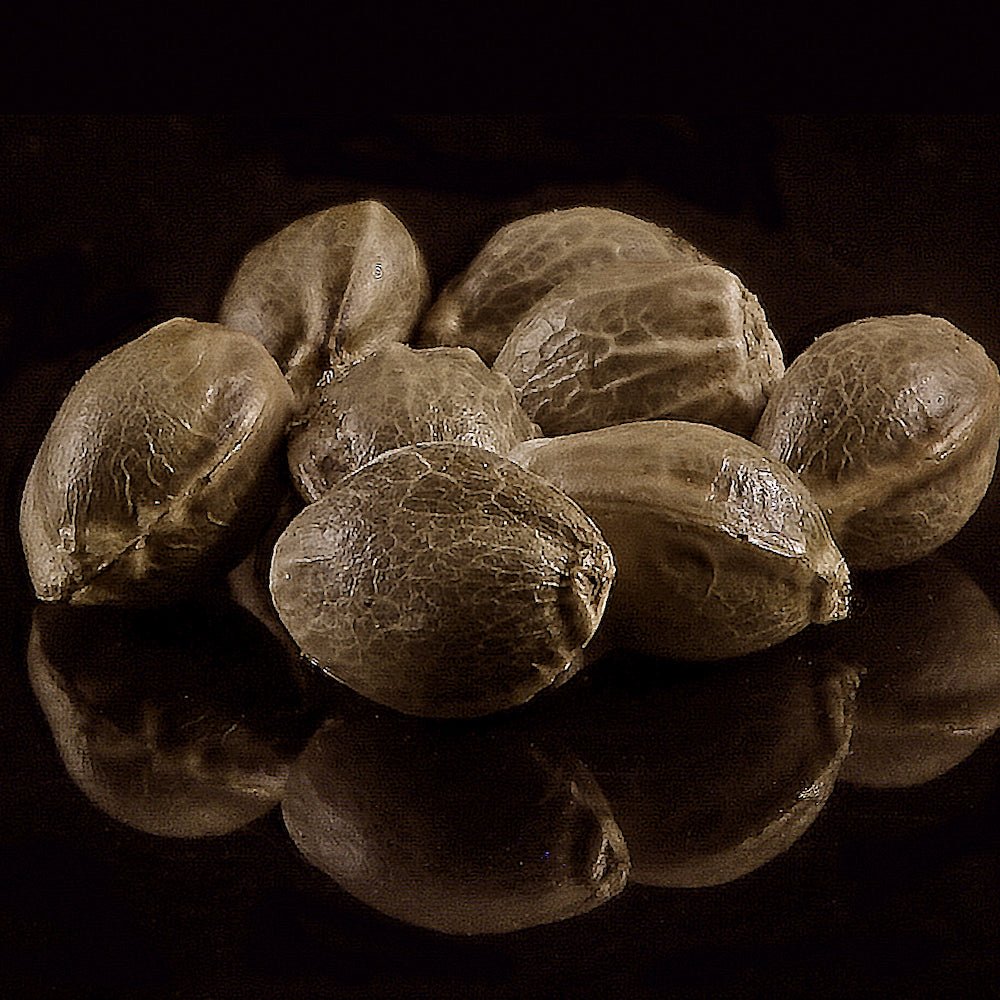
Interested in growing CBD-rich cannabis? Explore our CBD cannabis seeds, including feminized varieties developed for flower and biomass production.
This article is for educational purposes and does not constitute medical advice. Research involving purified CBD medications does not establish equivalent benefits from cannabis flowers, homemade preparations, or nonprescription CBD products.