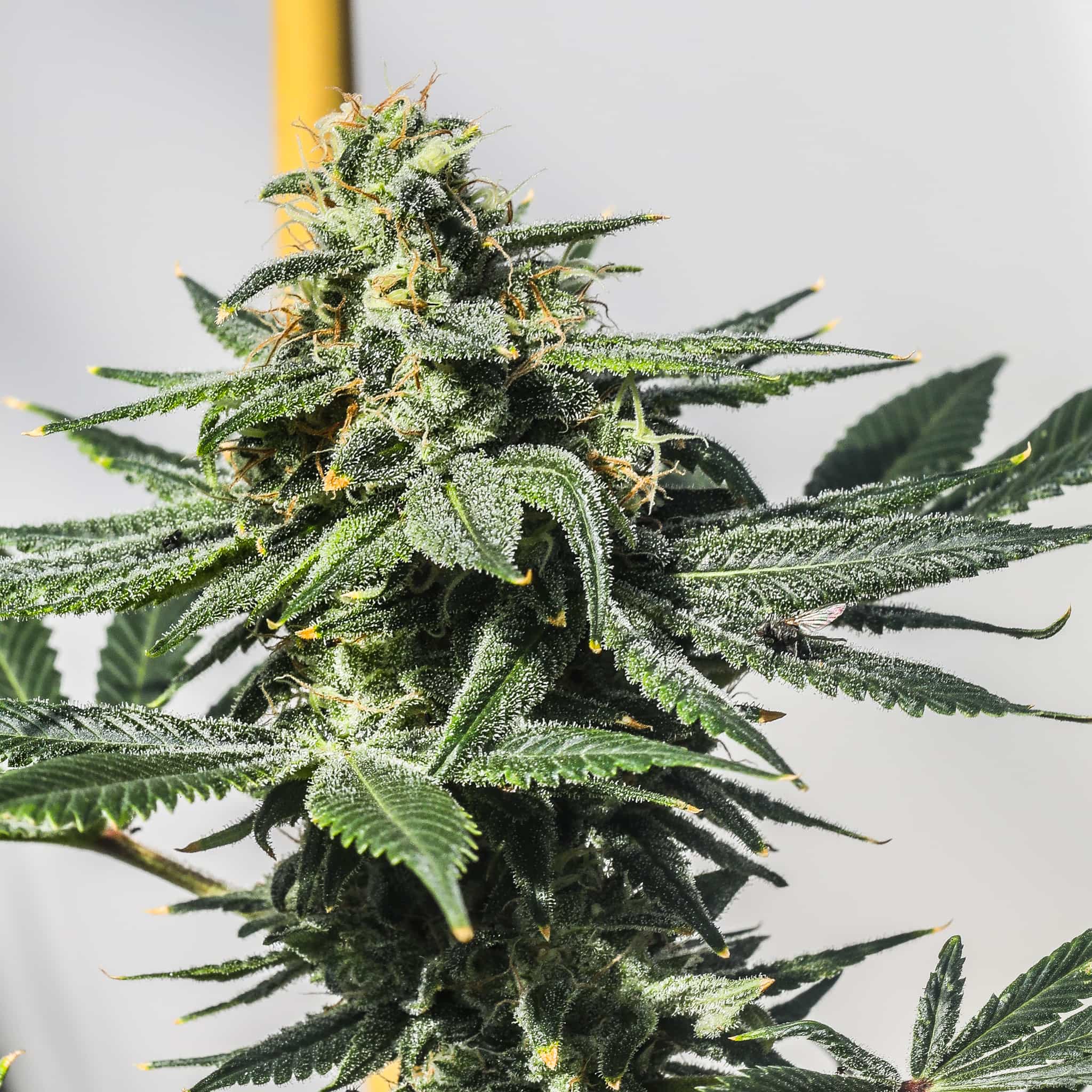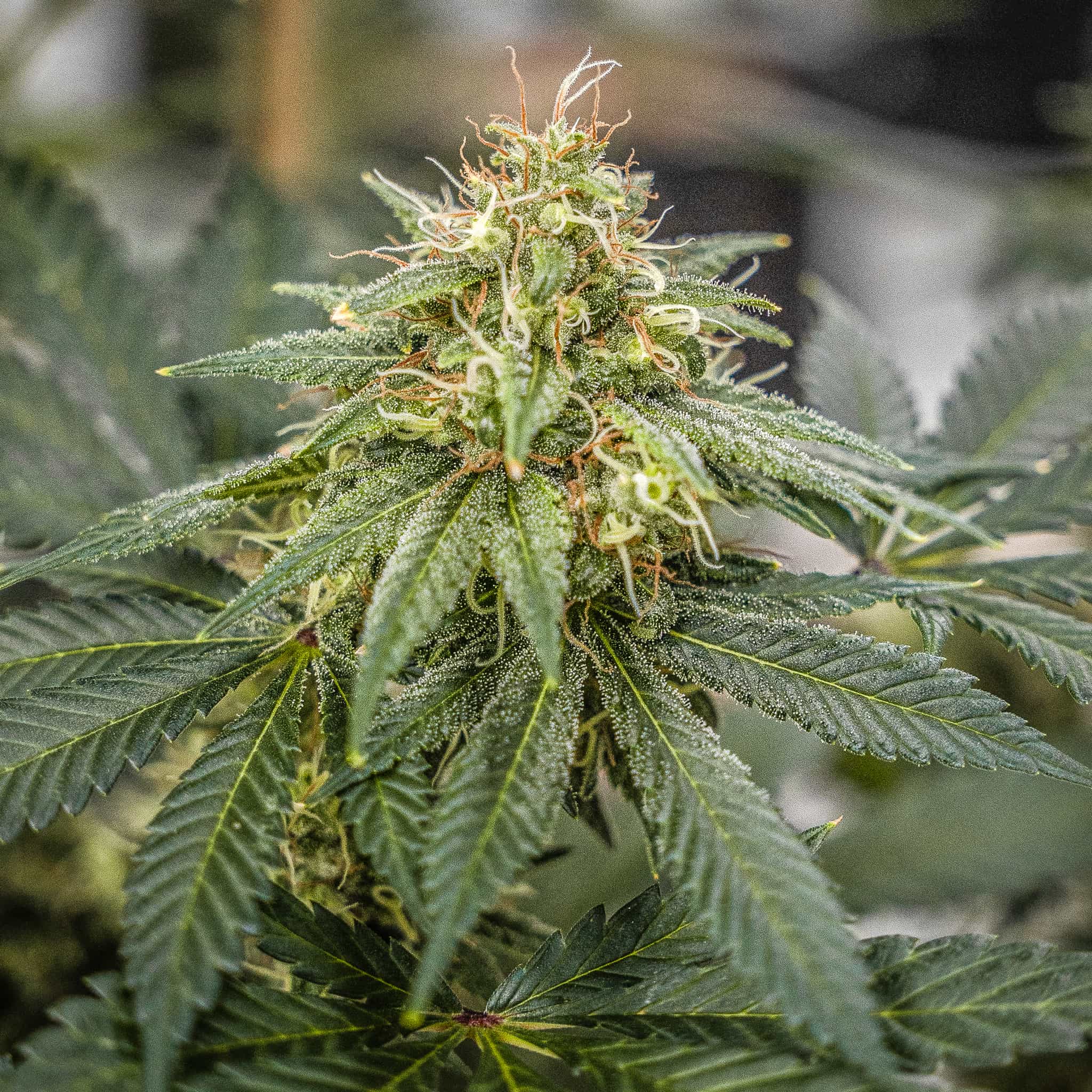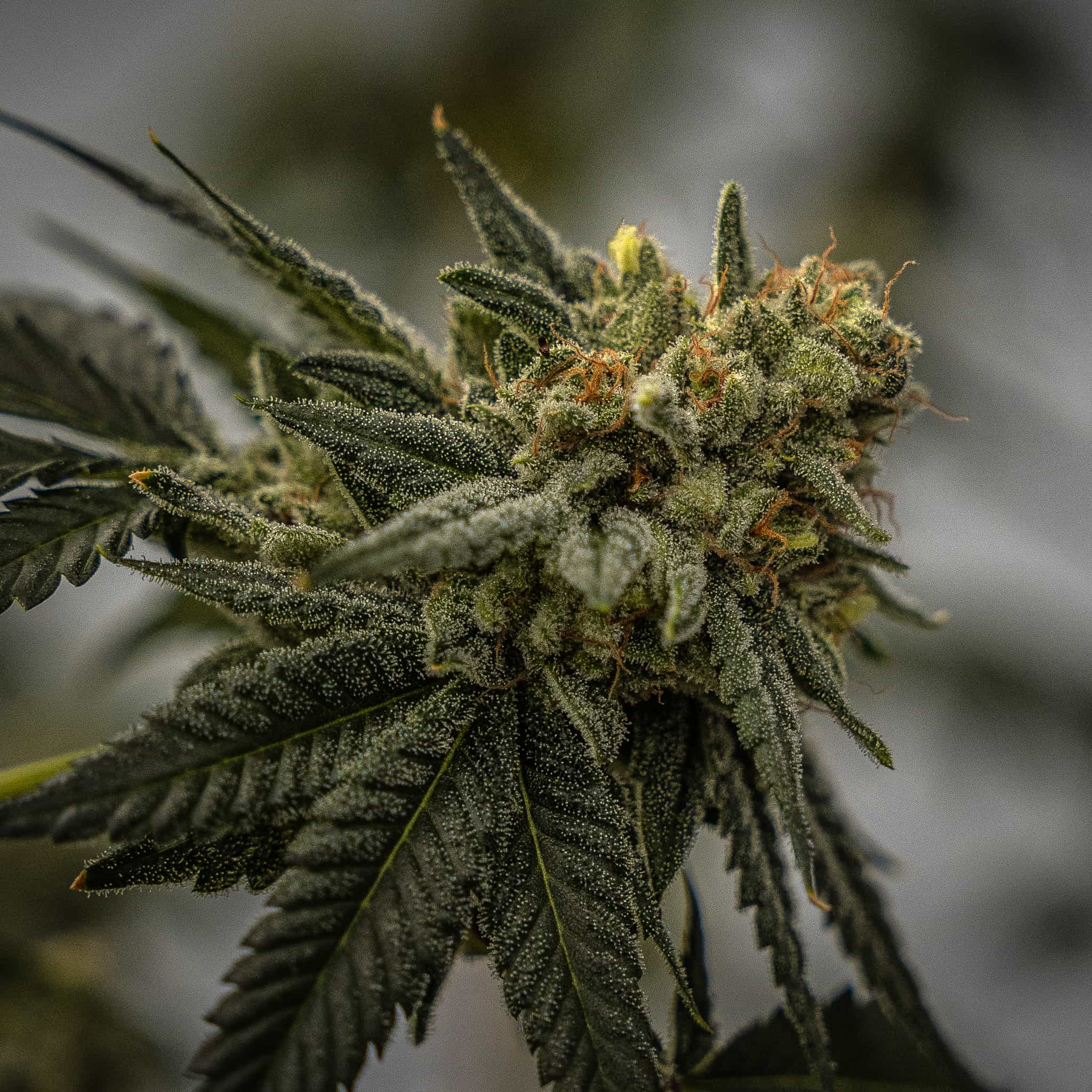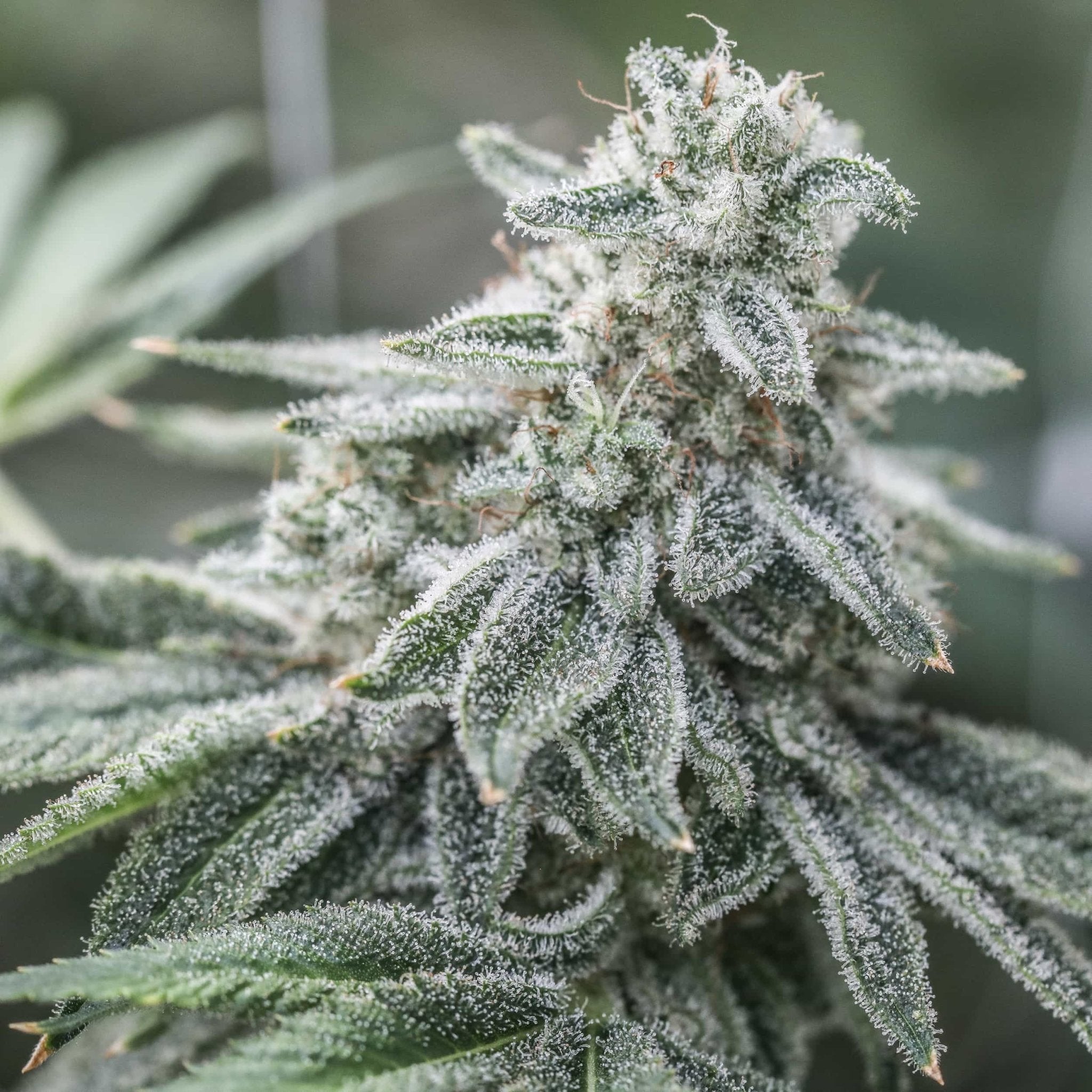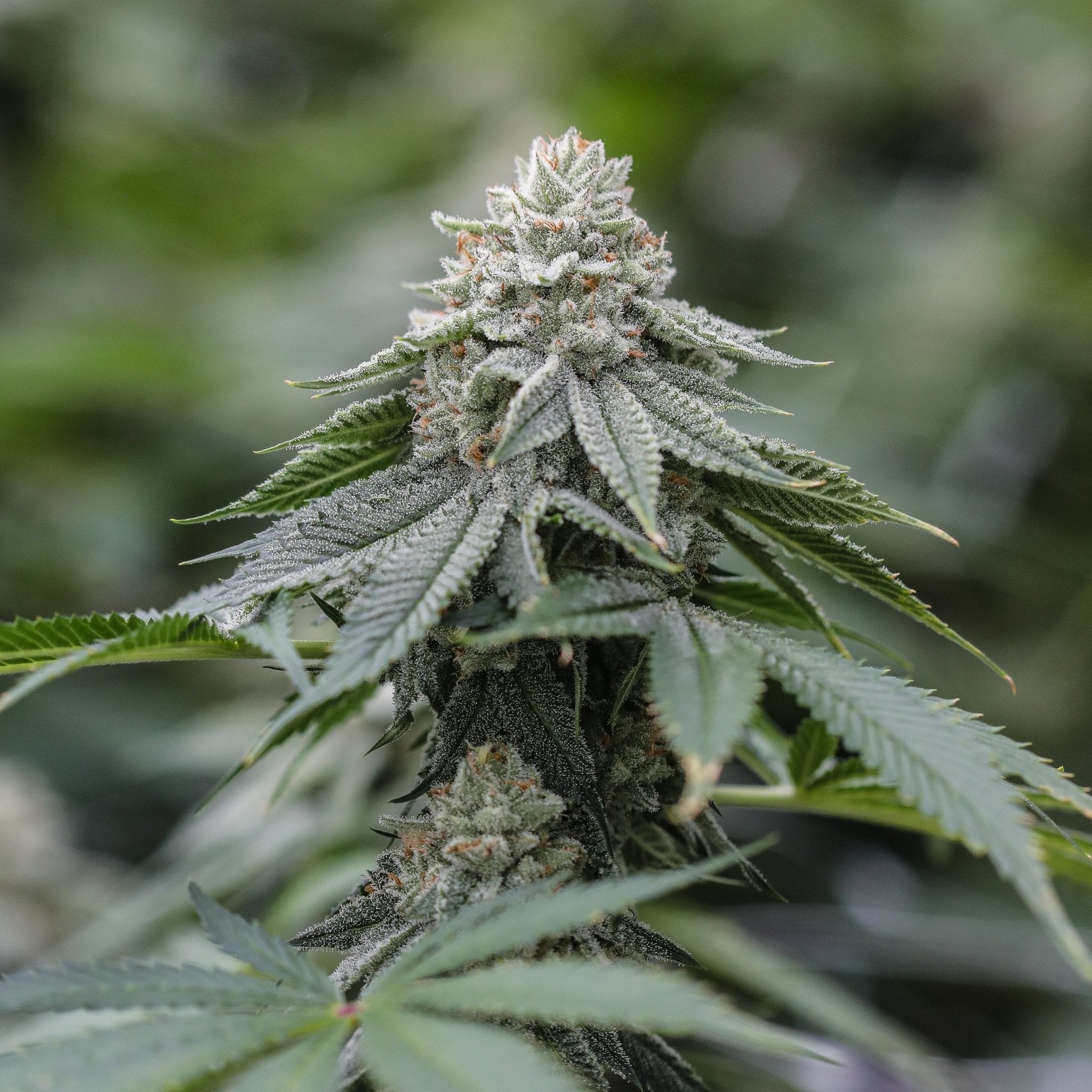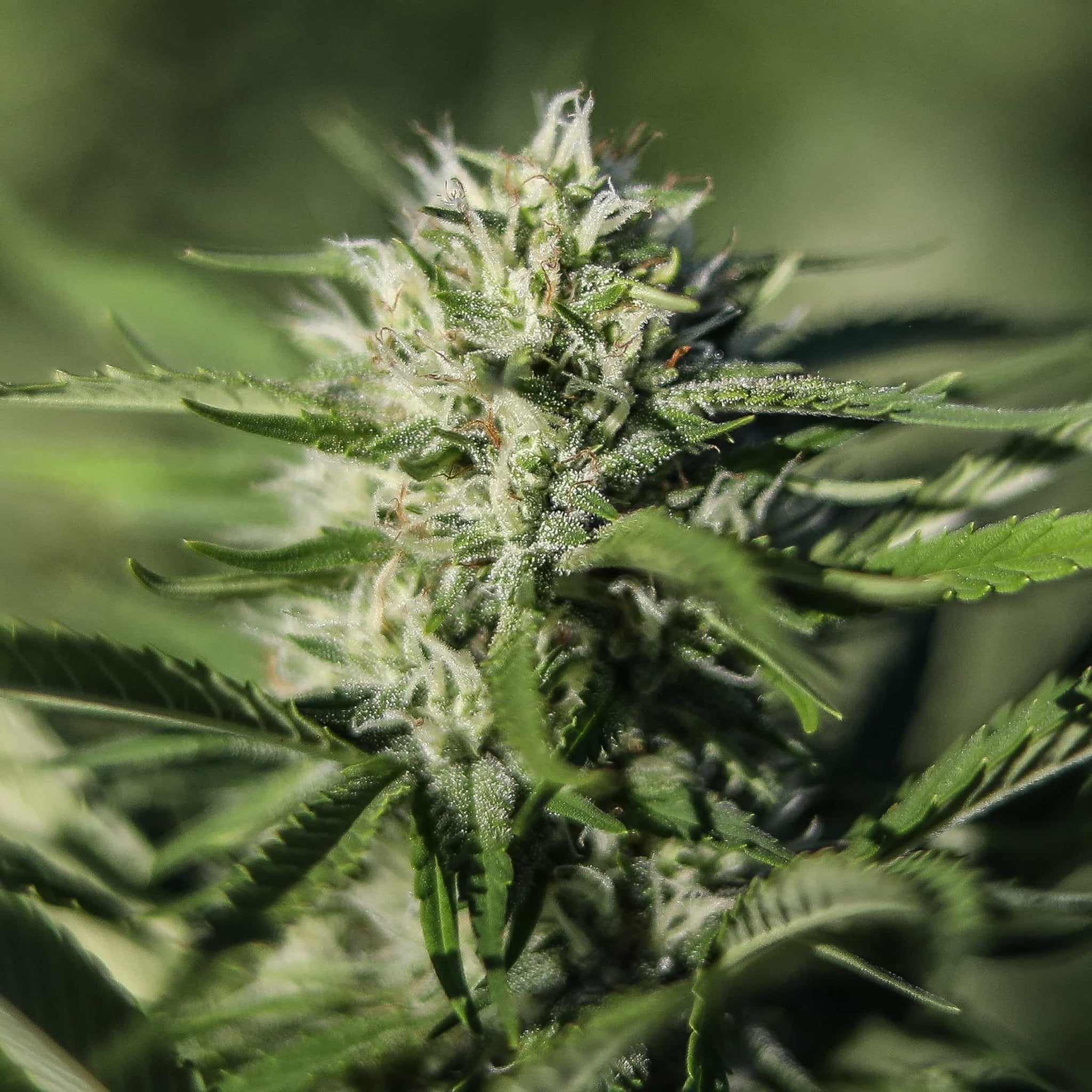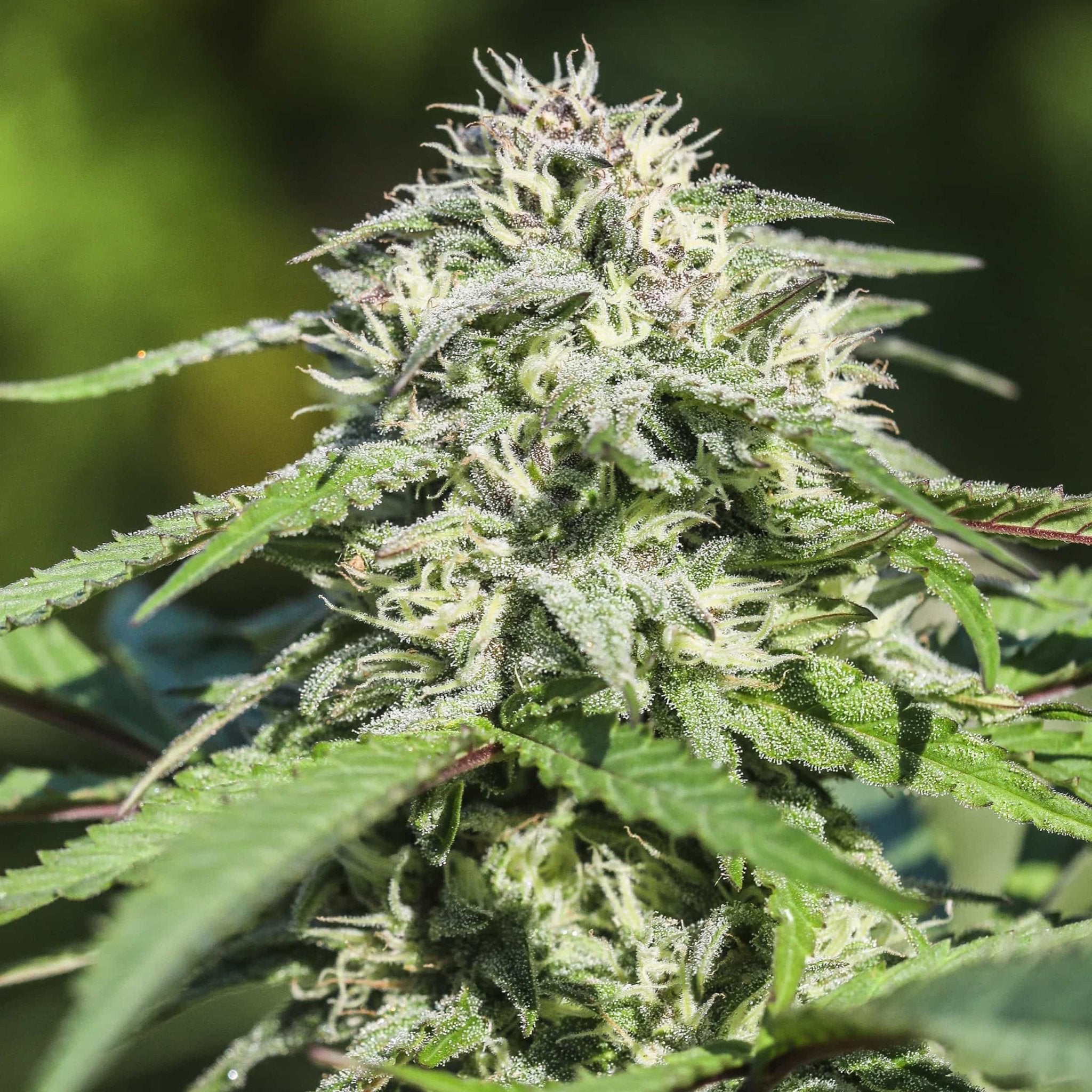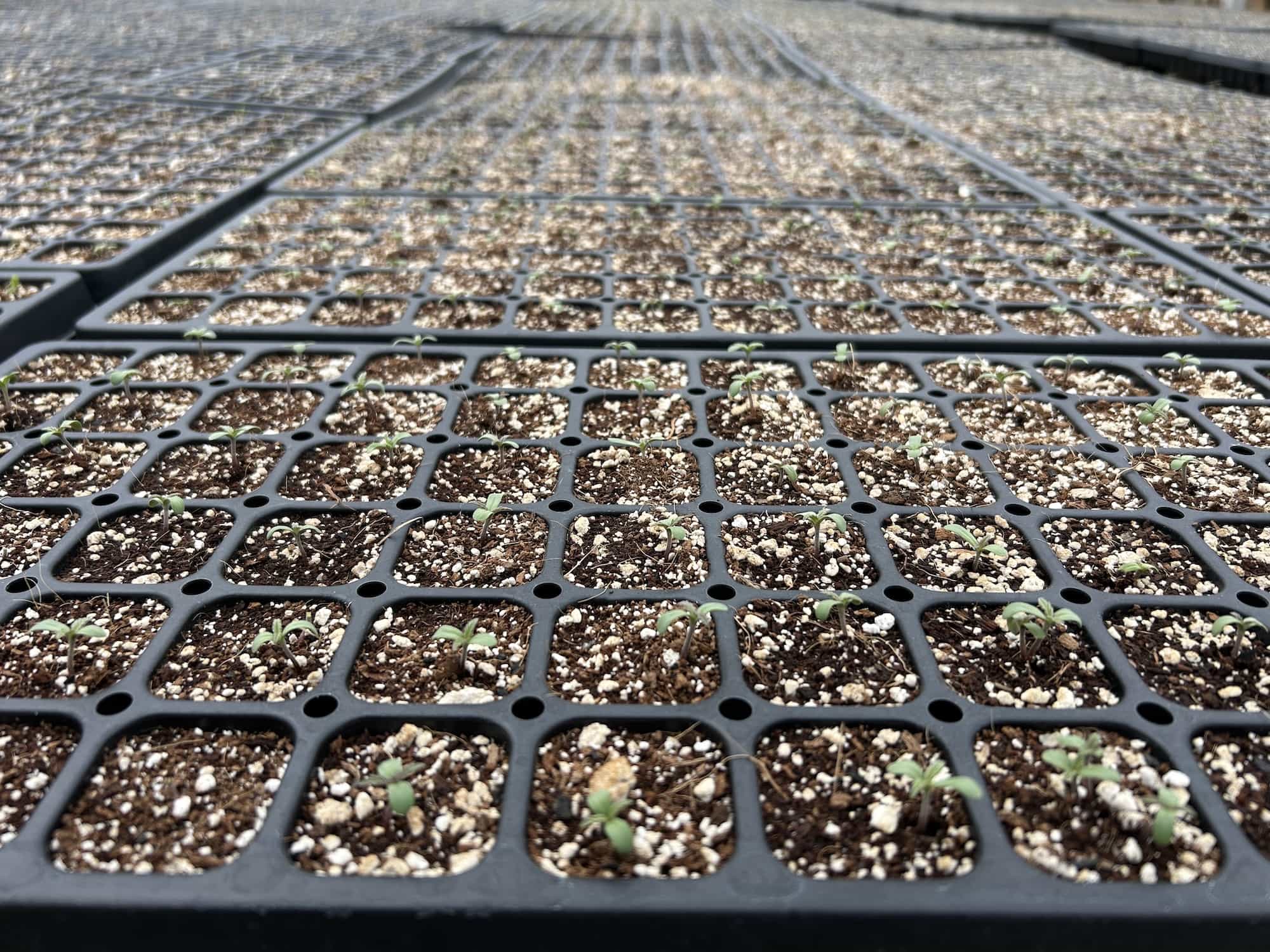

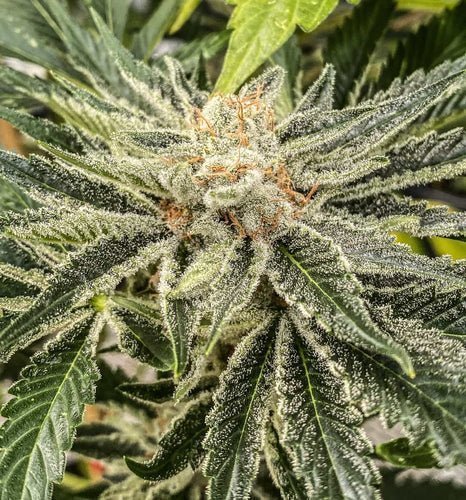
We're thrilled to see so many growers making the switch to triploid cannabis seeds. From their impressive vigor and flower production to their dense, frosty colas, we believe triploids are one of the biggest advancements in modern cannabis breeding.
And of course, there's their biggest advantage: triploid cannabis plants really don't like making seeds.
But that doesn't mean they're completely sterile. Triploids can still produce male flowers, release small amounts of pollen, and occasionally develop seeds.
So what happens when a triploid cannabis plant hermaphrodites? And should growers be concerned?
New to triploids? Learn more about triploid cannabis and how it works.
Can Triploid Cannabis Plants Produce Male Flowers?
Absolutely! One thing that surprises growers is that triploid cannabis plants can still develop male flowers, just like conventional diploid plants.
This is commonly referred to as hermaphroditism, or intersex flower development.
While not common in our varieties, we occasionally hear from growers who discover a male flower or two on an otherwise beautiful female plant.
Generally, these are isolated male flowers appearing at lower nodes or small yellow anthers emerging directly from female flowers. Growers often refer to these as "nanners."
The important thing to understand is that triploidy doesn't prevent a plant from developing male reproductive structures. It primarily affects the plant's ability to reproduce successfully.
Genetics and environmental stress can both influence the development of unwanted male flowers, regardless of whether a plant is diploid or triploid.
For more information on identifying male flowers, check out our guide to male, female, and hermaphrodite cannabis plants.
Is Triploid Cannabis Pollen Sterile?
This is where things get interesting.
Triploid cannabis plants have three sets of chromosomes rather than the usual two. During meiosis, those chromosomes have difficulty dividing evenly, which greatly reduces the production of viable pollen and seeds.
In other words, triploid cannabis pollen is generally far less fertile than pollen produced by conventional diploid plants.
But reduced fertility isn't the same as complete sterility.
We've conducted some pretty entertaining experiments to see just how much pollen our triploids could produce and whether it could actually make seeds.
In one greenhouse trial, we grew thousands of triploid plants, deliberately stressed them, and left every male flower we could find.
We even brought in leaf blowers to blow whatever pollen was present throughout the greenhouse.
The result? Hardly a seed in pounds and pounds of harvested flower.
That's the beauty of triploids. Even when conditions favor pollination, successful seed production is extremely limited.
Of course, we don't recommend trying this at home, particularly if you're growing conventional diploid cannabis nearby.
What Should You Do If Your Triploid Hermaphrodites?
If you find an isolated male flower or two on your triploid cannabis plants, don't panic.
We generally recommend simply removing the flowers and continuing to monitor the plant.
If an entire branch develops male flowers, remove the branch.
If you encounter a plant with extensive male flowering or a fully male phenotype, we recommend removing the entire plant.
While triploid pollen has greatly reduced fertility, it isn't guaranteed to be completely sterile. Some viable pollen may still be produced, and we certainly wouldn't recommend taking unnecessary risks around conventional diploid plants.
The good news is that a single male flower on a triploid doesn't necessarily mean your crop is going to end up full of seeds.
In our experience, quite the opposite.
Can Triploid Cannabis Plants Still Produce Seeds?
Yes, although generally at a fraction of the rate of conventional diploid cannabis.
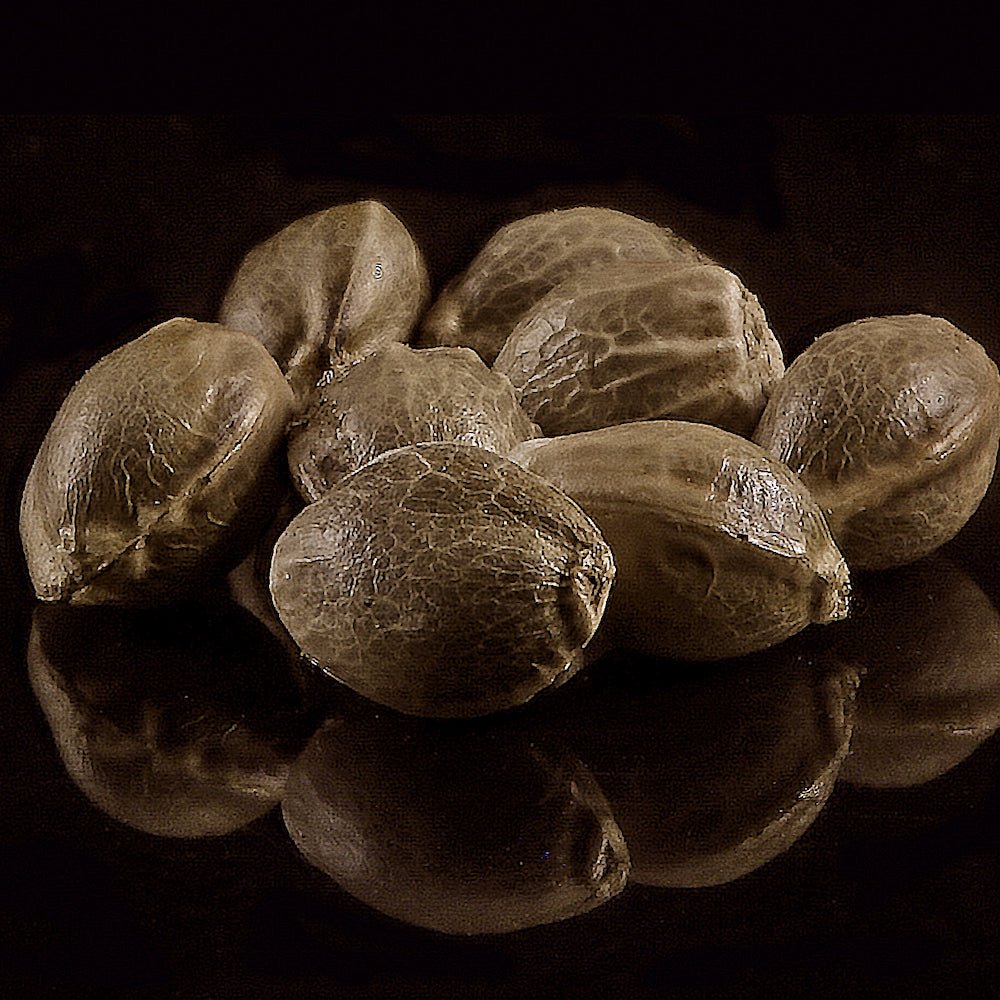
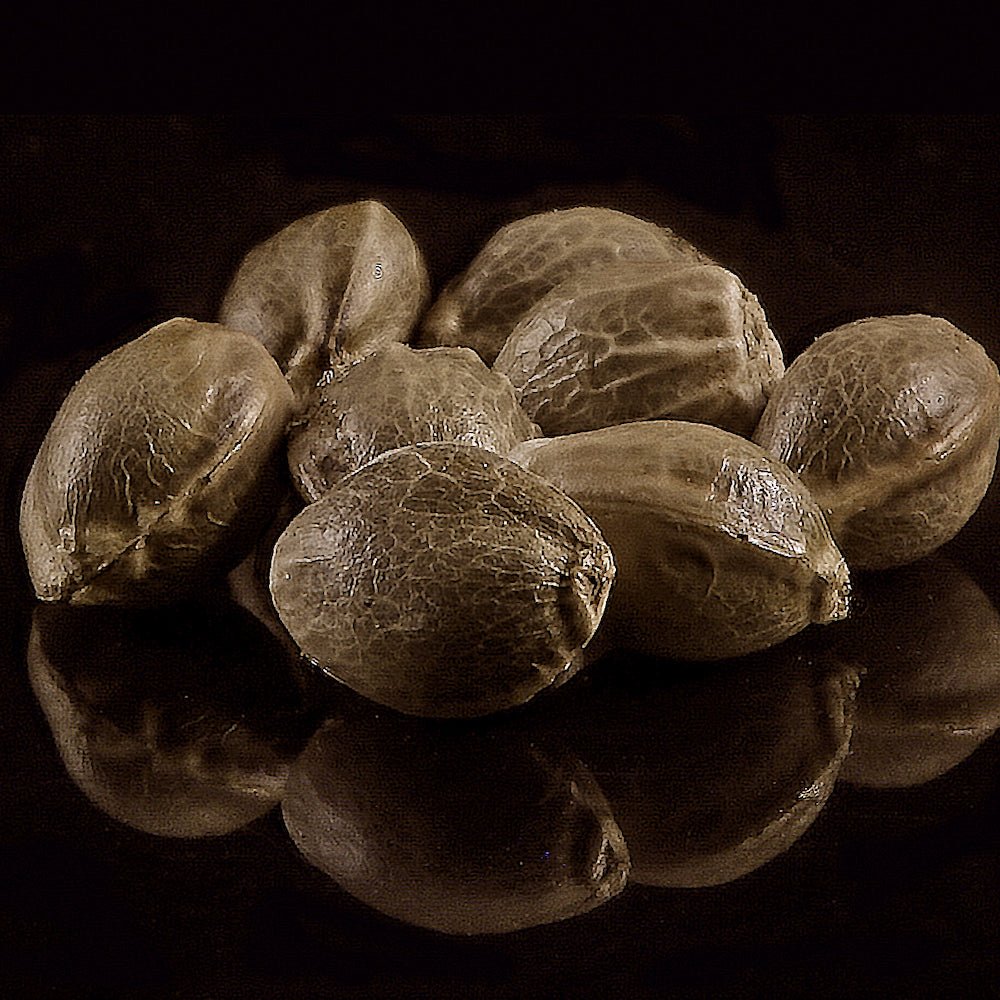
Just like seedless watermelons, triploid cannabis plants can occasionally produce seeds under the right conditions.
Researchers at Cornell University investigated this in their Triploid Cannabis Pollen Challenge Trials.
In these trials, triploid cannabis plants developed from our genetics were exposed to substantial pollen pressure from neighboring grain and fiber hemp crops.
Despite these conditions, the triploids produced very few seeds compared with conventional fertile cannabis plants.
We've observed similar results in our own breeding program.
In another experiment, we chemically induced male flower production across an entire room of triploid cannabis plants. We allowed the flowers to develop and release pollen, then examined the resulting harvest.
Even with all that pollen floating around, we found only a handful of seeds.
These experiments demonstrate why triploid cannabis is so exciting for growers producing premium seedless flowers.
Triploids aren't completely sterile, but their dramatically reduced fertility can provide a tremendous advantage in environments where unwanted pollination is a concern.
You can also explore additional independent field trials and university research featuring our genetics on our University Hemp Research page.
Why Do Some Triploid Cannabis Varieties Hermaphrodite More Than Others?
Not all triploid cannabis genetics are created equal.
Just like conventional diploid varieties, some triploid lines are more prone to developing unwanted male flowers than others.
The biggest factor is often the genetics used to create them.
Triploid cannabis plants are typically produced by crossing a tetraploid parent, containing four sets of chromosomes, with a conventional diploid parent containing two sets.
The resulting offspring inherit two sets of chromosomes from the tetraploid parent and one set from the diploid parent.
If either parent carries a genetic predisposition toward hermaphroditism, that tendency may be passed along to the offspring.
The additional chromosome contribution from the tetraploid parent can influence how inherited traits are expressed, although the relationship isn't as simple as doubling the likelihood of hermaphroditism.
This is why parental selection and extensive testing are so important.
At GTR Seeds, we've spent years developing and evaluating our breeding lines, selecting for stable sex expression, desirable flower characteristics, cannabinoid production, and overall performance.
Triploidy is an incredible breeding tool, but it isn't a substitute for good genetics.
Are Triploid Cannabis Seeds Worth Growing?
We certainly think so!
The advantages of triploid cannabis extend well beyond reduced seed production.
Depending on the variety, growers may see improved vigor, excellent flower production, dense colas, and outstanding cannabinoid and terpene profiles.
But the biggest benefit remains their greatly reduced fertility.
For growers surrounded by other cannabis fields, or anyone concerned about accidental pollination, triploids offer a level of protection that conventional diploid plants simply can't match.
That doesn't mean every triploid will outperform every diploid, or that triploids are immune to hermaphroditism. Variety selection, environmental conditions, and good growing practices still matter.
But after years of breeding, growing, and testing these plants, we're convinced that triploids have an enormous future in cannabis cultivation.
Explore Our Triploid Cannabis Seeds
We've expanded our triploid breeding program to include a wide range of cannabinoid types, from traditional THC and CBD varieties to CBG, THCV, and other rare cannabinoids.
Whether you're growing indoors, outdoors, or commercially, there's a lot to get excited about.
And if you find a stray male flower on one of your triploids, don't lose sleep over it. Pull it off, keep an eye on the plant, and keep on growin'!