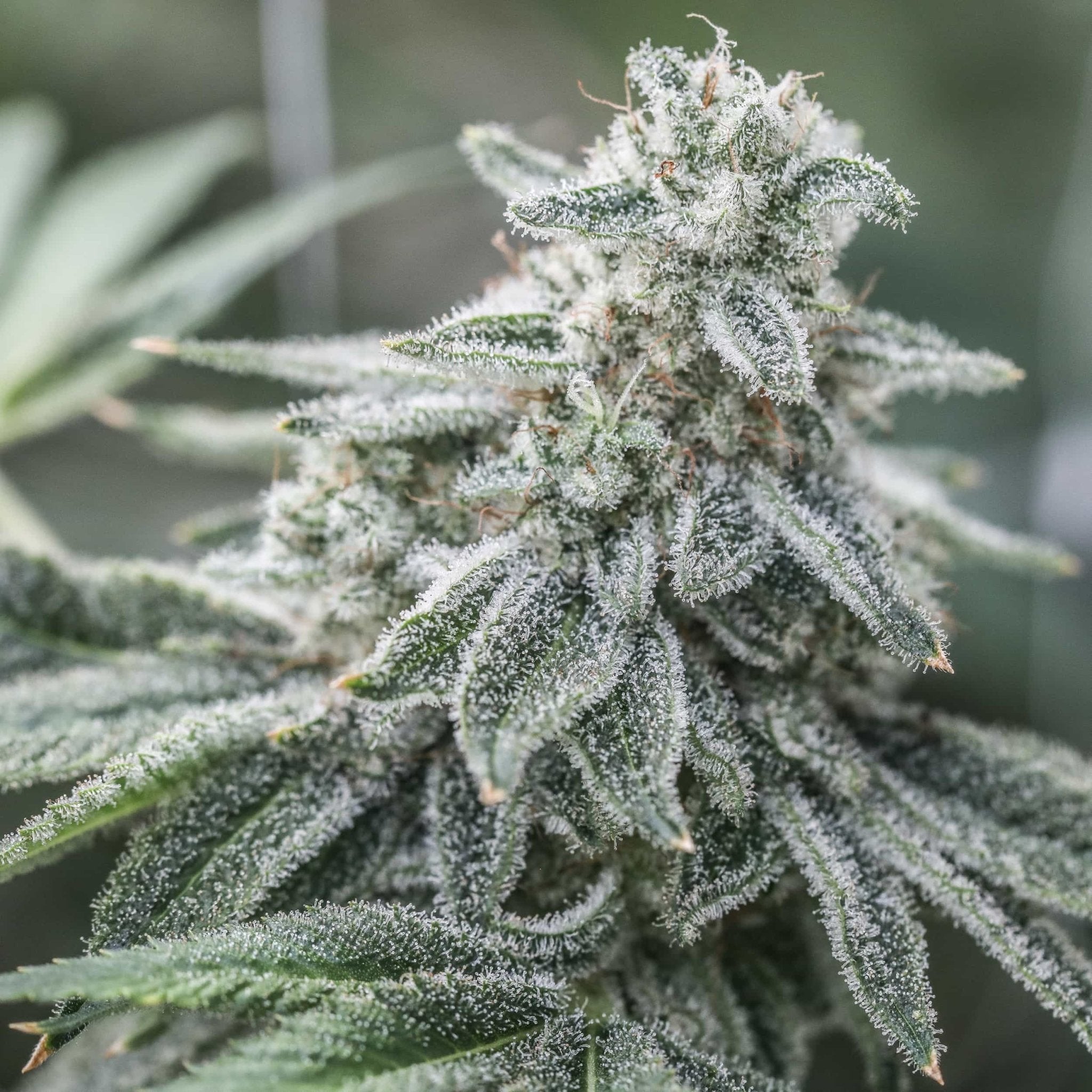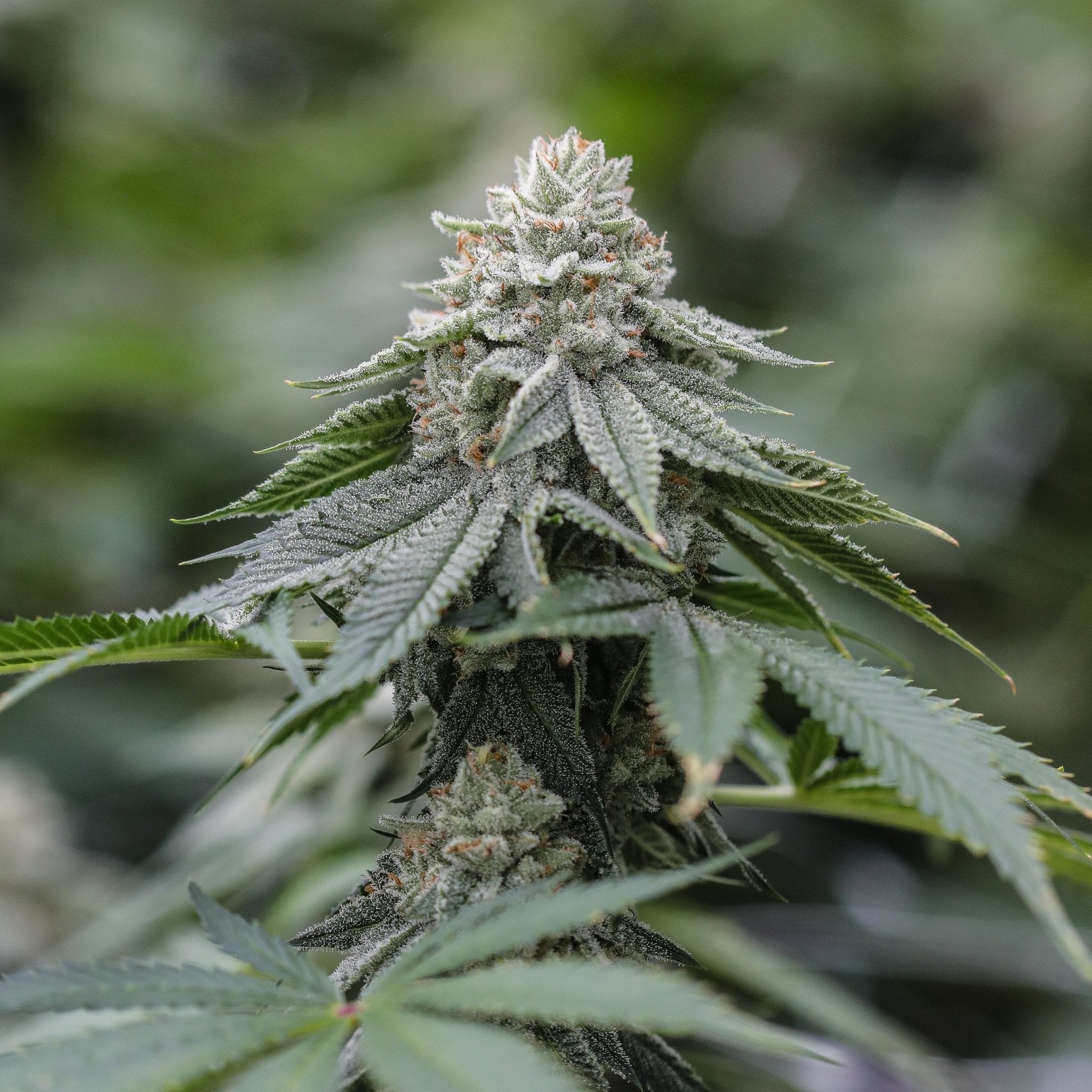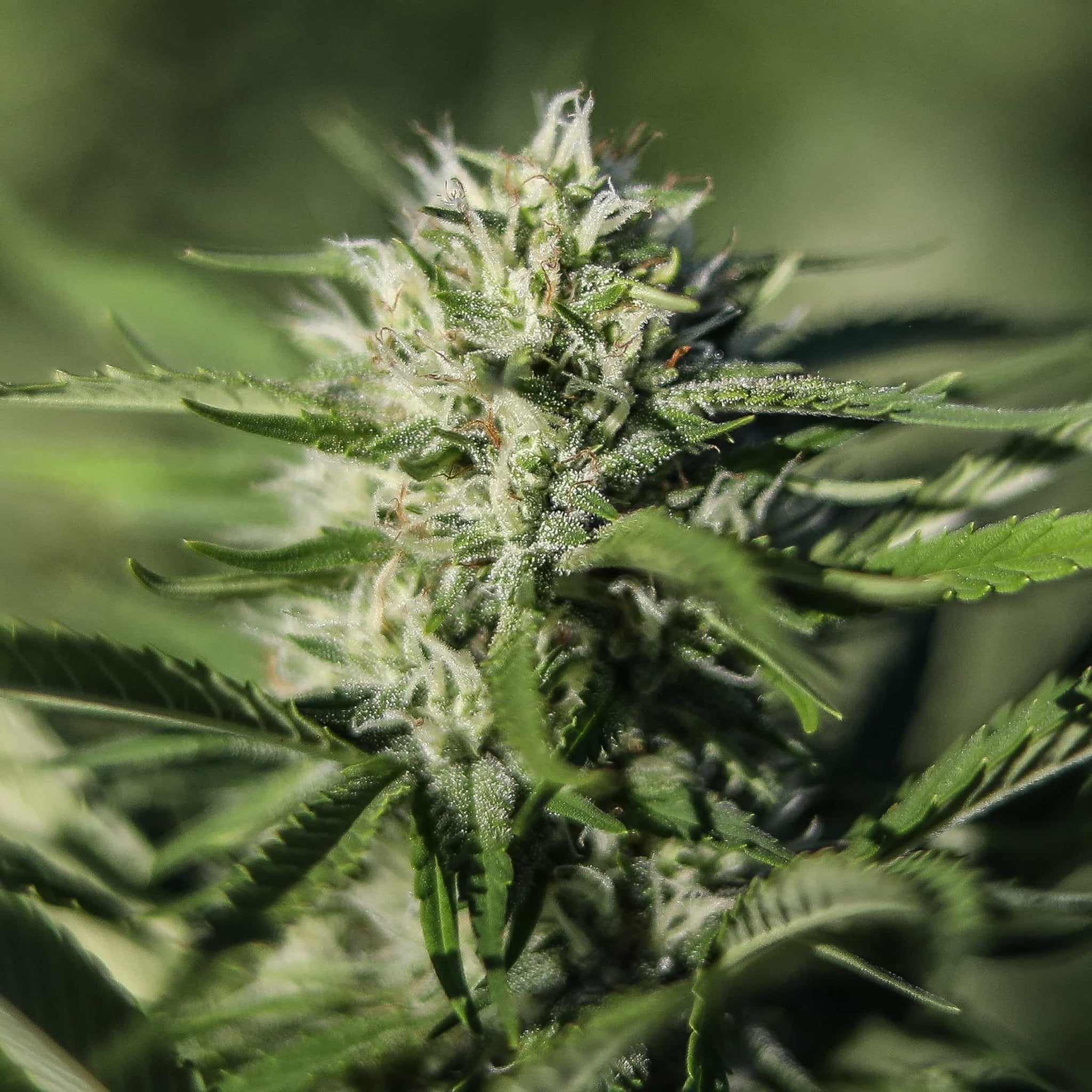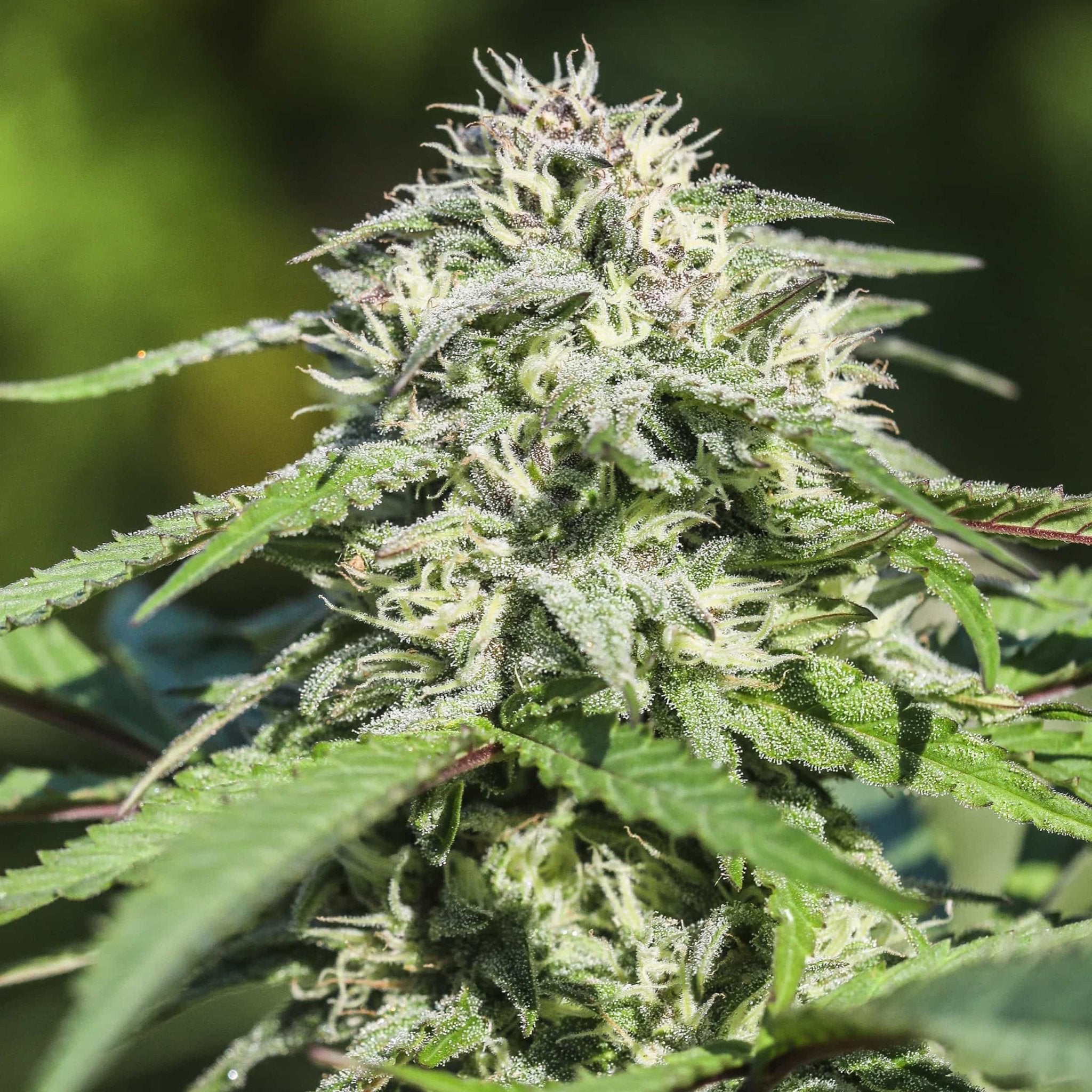


 Eric Crawford wanders a field of happy CBG plants
Growing healthy, productive cannabis plants doesn't have to be complicated. While some growers follow elaborate nutrient schedules with dozens of products, others achieve excellent results with a handful of basic fertilizers and good soil management.
At GTR Seeds, we've grown cannabis on a commercial scale for years, and we've learned that a straightforward feeding program can produce excellent results. As a certified organic farm, we use organic-approved fertilizers and amendments throughout our growing operations.
In this guide, we'll share our approach to fertilizing outdoor cannabis plants, from preparing the soil and feeding seedlings to managing nutrients during flowering.
Understanding Cannabis Nutrient Requirements
Like most plants, cannabis requires three primary macronutrients:
-
Nitrogen (N): Supports vegetative growth, healthy leaves, and plant development.
-
Phosphorus (P): Plays an important role in root development, energy transfer, and flowering.
-
Potassium (K): Supports water regulation, plant metabolism, and overall plant health.
Cannabis also requires secondary nutrients, including calcium, magnesium, and sulfur, along with smaller amounts of micronutrients.
Fertilizer labels typically display three numbers representing nitrogen, phosphorus, and potassium, commonly called the N-P-K ratio.
For example, a 5-4-3 fertilizer contains 5% nitrogen, 4% available phosphate, and 3% soluble potash by weight.
Cannabis nutrient requirements change throughout the growing season. Plants generally need substantial nitrogen during vegetative growth, while nutrient management during flowering should support healthy flower development without encouraging excessive leafy growth.
1. Preparing Soil Before Planting Cannabis Outdoors
One of the most important steps in growing healthy outdoor cannabis plants is preparing the soil before transplanting.
We typically incorporate an all-purpose dry organic fertilizer into our fields before planting.
Our preferred fertilizers include:
-
5-4-3 all-purpose organic fertilizer
-
5-3-2 all-purpose organic fertilizer
-
Similar balanced organic soil amendments
How Much Fertilizer Should You Apply Per Acre?
For commercial outdoor cannabis production, we've used approximately 500–2,000 pounds of dry fertilizer per acre, depending on the application method, planting date, and field conditions.
| Application method | Example application rate |
|---|---|
| Concentrated application into planting rows | Approximately 1,000 lbs/acre |
| Broadcast application across the field | Up to approximately 2,000 lbs/acre |
| Late-season planting | Reduced nitrogen application |
These are examples from our farming practices, not universal recommendations. Soil nutrient levels, fertilizer analysis, application area, and crop requirements should determine actual rates.
If you're using plastic mulch with concentrated planting rows, applying fertilizer directly to the growing area can be more efficient than broadcasting across the entire field.
Important tip: For cannabis planted later in the season, consider reducing nitrogen applications. Excessive nitrogen can encourage continued vegetative growth when plants should be transitioning into flowering.
A soil test before planting is one of the best ways to avoid overfertilizing and identify nutrients that may already be available.
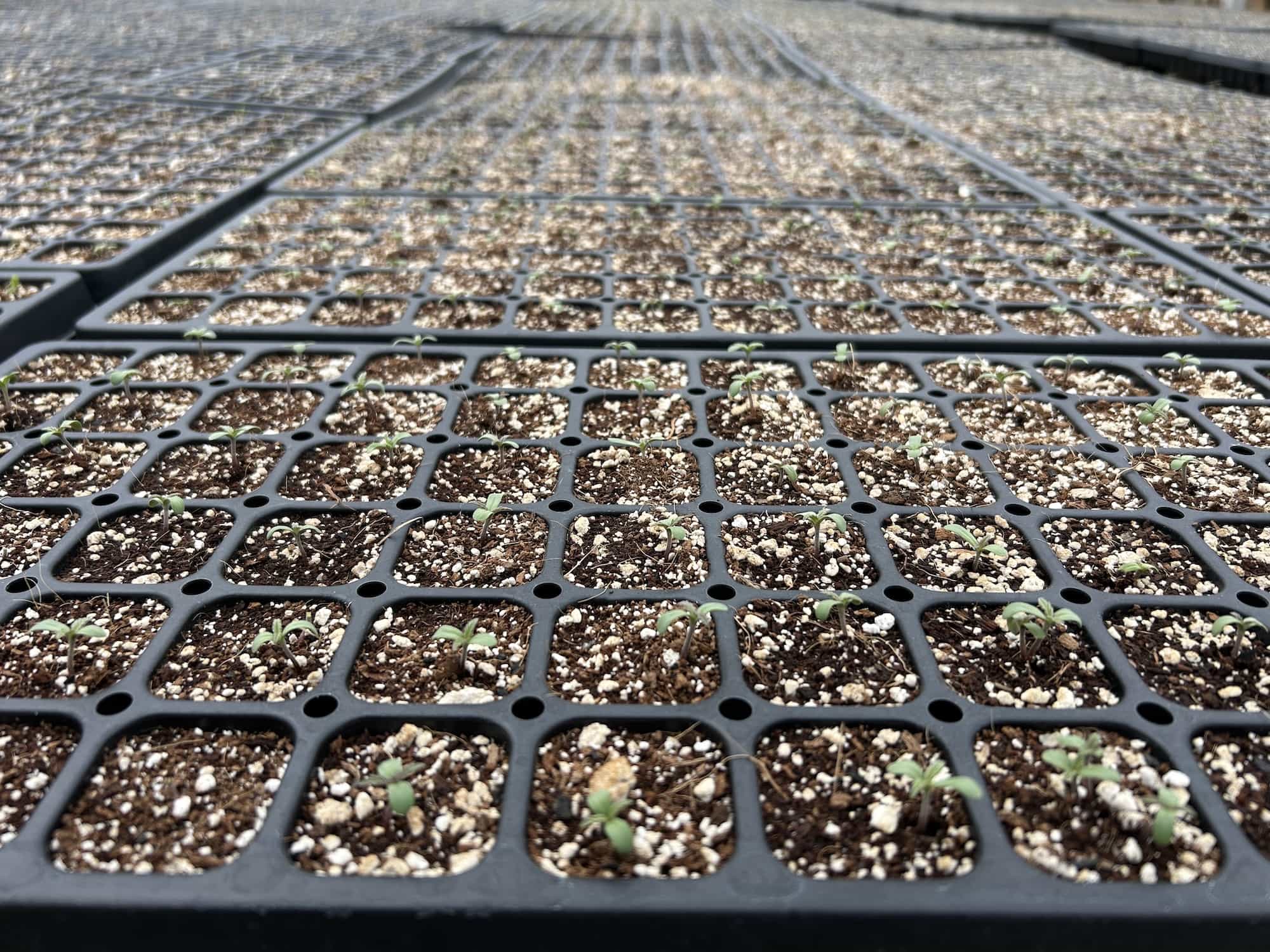
2. Fertilizing Cannabis Seedlings in the Greenhouse
Young cannabis seedlings need nutrients, but overfertilizing them can cause more problems than underfeeding.
We typically begin feeding seedlings approximately two weeks after emergence, using an all-purpose liquid organic fertilizer.
Common fertilizer formulations include:
-
5-1-1 fish-based fertilizer
-
4-3-2 plant-based fertilizer
-
3-3-3 balanced organic fertilizer
Our approach: Start with approximately half the manufacturer's recommended concentration and gradually increase if the seedlings respond well.
Watch for signs of fertilizer burn, including browned leaf tips, unusually dark foliage, or stunted growth.
Seedlings growing in nutrient-rich potting soil may require little supplemental fertilizer initially, while seedlings in relatively inert media may need feeding sooner.
If seedlings become rootbound, transplanting them into larger containers is generally preferable. Foliar feeding can temporarily supplement nutrition, but it won't resolve restricted root growth.
For more information on establishing healthy seedlings, see our guide to starting cannabis seeds.
3. Fertilizing Cannabis When Transplanting Outdoors
Transplanting is an important stage in cannabis production. Healthy root establishment helps plants transition from greenhouse conditions into outdoor fields.
When hand planting or using a water-wheel transplanter, our planting solution may include:
-
Mycorrhizal inoculants: Beneficial fungi that can help plants acquire nutrients under suitable conditions.
-
Liquid kelp: A seaweed-based amendment commonly used during transplanting.
-
All-purpose liquid organic fertilizer: Supplies nutrients during establishment.
-
Vitamin B1: A traditional component of some transplant solutions, although evidence that supplemental B1 independently improves transplant success is limited.
Avoid applying concentrated fertilizers directly against sensitive roots, and follow product-specific application rates.
Adequate irrigation, healthy root systems, and appropriate planting conditions are generally more important than any individual transplant additive.
4. Feeding Cannabis During Vegetative Growth (June–Mid-July)
During early summer, outdoor cannabis plants typically experience rapid vegetative growth.
This is when plants establish their structure, expand their root systems, and develop the branches that will eventually support flowers.
Our general feeding program during this period includes:
Every other watering, as needed:
-
All-purpose fish- or plant-based liquid fertilizer
-
Calcium and magnesium supplements (CalMag), when necessary
Nitrogen is particularly important during this phase because it supports leaf and stem development.
However, more nitrogen isn't always better. Excessive applications can produce overly lush growth and contribute to nutrient imbalances.
A note about CalMag: Calcium and magnesium are essential, but not every growing operation needs a separate supplement. Your soil, irrigation water, and existing fertilizer program may already provide adequate amounts.
We recommend evaluating plant health and soil conditions rather than automatically adding supplemental nutrients.
5. Fertilizing Cannabis During Flowering (Mid-July Through Harvest)
As outdoor cannabis plants transition toward flowering, their nutrient requirements and growth patterns begin to change.
At GTR Seeds, our traditional feeding program shifts toward a bloom-oriented fertilizer during the second half of the growing season.
Our flowering-stage feeding program:
Every other watering, as needed:
-
Organic bloom fertilizer with reduced nitrogen and a higher relative proportion of phosphorus and potassium
-
Calcium and magnesium supplements when indicated by soil or tissue testing
Flowering fertilizers are often marketed as high-phosphorus or high-potassium products. However, excessive phosphorus doesn't automatically produce larger flowers, and cannabis plants still require nitrogen during flowering.
The goal is to provide sufficient nutrients without encouraging unnecessary vegetative growth or creating nutrient imbalances.
When Should You Switch to Bloom Fertilizer?
Our traditional schedule begins transitioning around mid-July, but the ideal timing depends on your latitude, cultivar, planting date, and whether you're growing photoperiod or autoflowering cannabis.
Rather than following a calendar date alone, watch for the onset of flowering and adjust your fertilizer program accordingly.
Outdoor Cannabis Fertilizer Schedule
Here's a simplified overview of our organic feeding approach.
| Growth stage | Fertilizer approach |
|---|---|
| Before planting | All-purpose dry organic fertilizer incorporated into soil |
| Seedling stage | Half-strength liquid organic fertilizer, starting around week two if needed |
| Transplanting | Diluted organic fertilizer, optional kelp and mycorrhizae |
| Vegetative growth | Balanced liquid fertilizer, with CalMag as needed |
| Early flowering | Transition toward bloom-oriented nutrition |
| Mid-to-late flowering | Continue feeding based on plant condition and nutrient availability |
| Approaching harvest | Reduce or discontinue feeding when appropriate for the crop and soil conditions |
Remember: This schedule is a starting point, not a rigid formula. Soil fertility, weather, irrigation, plant size, and genetics all influence nutrient demand.
Why Are My Cannabis Leaves Turning Yellow?
Yellowing leaves are one of the most common concerns among cannabis growers.
Nitrogen deficiency can cause older, lower leaves to turn yellow as the plant reallocates nutrients to newer growth.
If your plants are actively growing and showing signs of nitrogen deficiency, a modest application of nitrogen-containing fertilizer may help.
However, yellow leaves don't always mean your cannabis plants need more fertilizer.
Other potential causes include:
-
Overwatering or poor drainage
-
Root damage or restricted root growth
-
Incorrect root-zone pH
-
Magnesium or other nutrient deficiencies
-
Natural leaf aging during late flowering
Before adding fertilizer, examine the pattern of yellowing, check soil moisture, and consider whether the symptoms are affecting older or newer leaves.
Adding nutrients without identifying the cause can sometimes make the problem worse.
Does Cannabis Need Expensive Fertilizer?
Not necessarily.
We've found that relatively simple organic fertilizer programs can work well for large-scale outdoor cannabis production.
The most important factors are healthy soil, appropriate nutrient availability, consistent irrigation, and good genetics.
Expensive fertilizers aren't automatically superior to affordable, balanced products. What matters is whether they provide the nutrients your plants actually need.
Likewise, organic fertilizers aren't automatically more effective than conventional fertilizers. We choose organic-approved products because they fit our farming practices and certification requirements.
Frequently Asked Questions About Fertilizing Cannabis
How often should I fertilize outdoor cannabis plants?
Our traditional approach involves feeding with liquid organic fertilizer approximately every other watering during periods of active growth. However, frequency should depend on fertilizer concentration, soil fertility, and plant condition. Many outdoor plants growing in well-amended soil need less frequent feeding.
What is the best fertilizer for outdoor cannabis?
A balanced organic fertilizer can work well during vegetative growth. During flowering, growers may adjust their program to reduce excess nitrogen while maintaining adequate phosphorus, potassium, and other essential nutrients. There is no single ideal fertilizer for every soil or growing environment.
Should I fertilize cannabis every time I water?
Not necessarily. Overfertilization can lead to nutrient imbalances, salt accumulation, or root stress. Follow fertilizer directions and adjust based on plant needs.
Does cannabis need more phosphorus during flowering?
Phosphorus is essential for flowering, but applying more than the plant requires doesn't necessarily increase flower production. Adequate nutrition is more important than using extremely high-phosphorus fertilizers.
Can you grow cannabis without liquid fertilizer?
Yes. Cannabis can be grown successfully in fertile, well-amended soil without routine liquid feeding, provided sufficient nutrients remain available throughout the growing season.
Healthy Soil, Good Genetics, and Simple Fertilization
Our philosophy is straightforward: Growing great cannabis doesn't require an overly complicated fertilizer program.
Start with healthy soil, provide balanced nutrition during vegetative growth, adjust feeding as plants enter flowering, and pay attention to what your plants are telling you.
At GTR Seeds, we apply these principles to our organic growing operations and breeding program, where plant health, field performance, and genetic consistency are central to our work.
Of course, fertilizer is only part of the equation. Genetics also influence plant vigor, structure, flowering time, and overall productivity.
Explore our cannabis seeds and genetics to learn more about the varieties we've developed for outdoor and greenhouse growers.
Story By: Eric Crawford, Seth Crawford, & Emery Garcia