
If you've grown cannabis for any amount of time, you've probably dealt with bugs. And if you haven't, you will.
Aphids, spider mites, thrips, hemp russet mites, and caterpillars can turn a beautiful crop into a nightmare in a hurry. Commercial cannabis production is particularly vulnerable, with large populations of the same crop providing an ideal environment for pests to establish themselves.
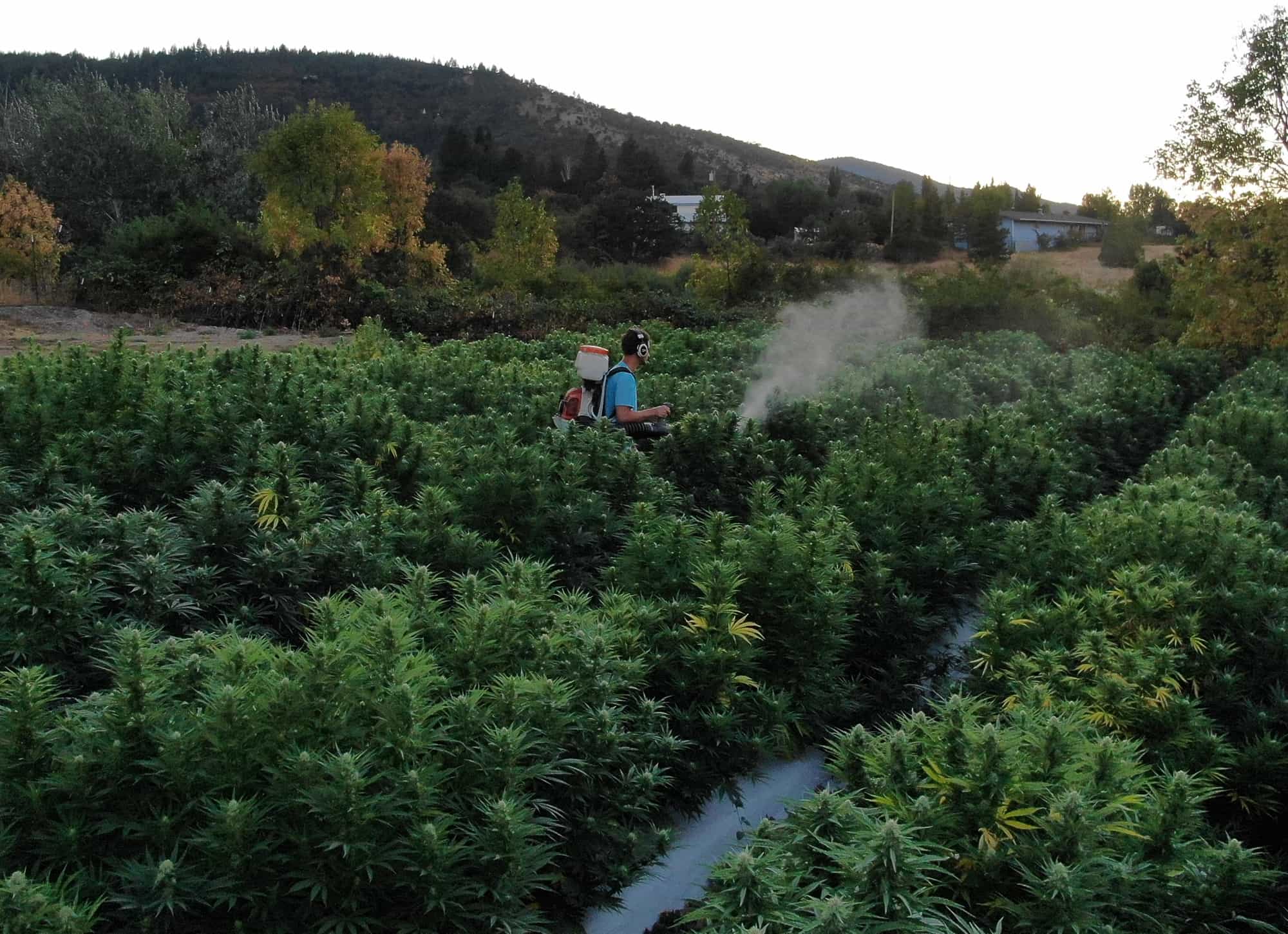
Fortunately, growers have plenty of tools available to manage pest populations. But when it comes to pesticides, particularly on a crop that's going to be smoked or processed into concentrates, just because something kills bugs doesn't mean you should spray it on cannabis.
Let's look at some of the more common pesticides used in cannabis cultivation, their limitations, and why prevention is almost always your best option.
Pesticides and Cannabis: Know the Rules
Pesticide use in cannabis is heavily regulated, and the rules vary considerably between states and countries.
One of the biggest challenges is that relatively few pesticide products are specifically labeled for cannabis. A product approved for tomatoes, grapes, or other agricultural crops isn't necessarily legal or appropriate for cannabis production.
And there's another important consideration: cannabis is frequently consumed through inhalation.
Pesticide residues that might be acceptable on certain food crops aren't automatically safe when heated and inhaled. Some residues can also become concentrated during extraction, creating additional concerns for growers producing oils, distillates, or other concentrates.
For this reason, we recommend avoiding pesticide applications to developing flowers whenever possible. Even products considered relatively low risk can leave residues, damage flowers, or interfere with the finished product.
If you're growing commercially, always check your state's current regulations, product registration, and label instructions before making an application.
Two particularly useful resources are:
Washington State University's PICOL pesticide database is another useful resource for reviewing pesticide labels and registration information.
Keep in mind that appearing on a state's pesticide guide list doesn't necessarily mean a product is recommended, effective, or guaranteed to pass cannabis residue testing.
Integrated Pest Management: Prevention Beats Treatment
The best pesticide program is one that rarely needs pesticides.
Integrated Pest Management (IPM) is an approach to controlling pests through prevention, monitoring, environmental management, and targeted treatments when necessary.
At GTR Seeds, we're big believers in keeping things simple and preventing problems before they start.
Some of the most important practices include:
-
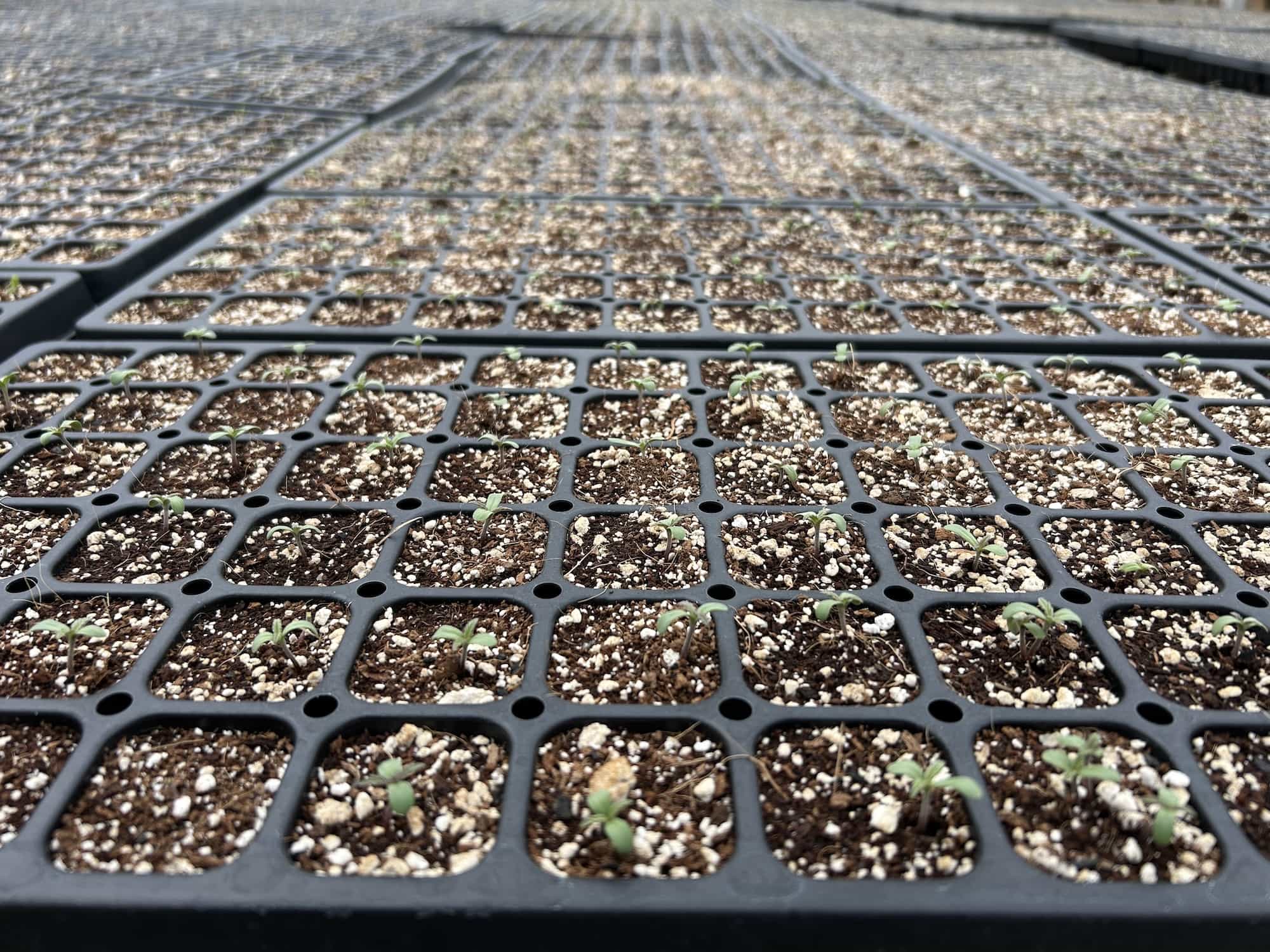
Start with clean planting material. Seeds generally present fewer risks of introducing established insect populations than bringing in uninspected clones, although they aren't a guarantee against every pest or pathogen.
-
Keep growing areas clean. Remove dead plant material, weeds, and other places pests can establish themselves.
-
Inspect plants regularly. Check the undersides of leaves and new growth. Catching an infestation early makes an enormous difference.
-
Quarantine new plants. Never introduce clones or outside plants into an established grow without inspecting and isolating them first.
-
Use beneficial insects. Predatory mites, lacewings, and other natural enemies can be incredibly effective when introduced at the right time.
-
Manage your environment. Excessive humidity, poor airflow, and overcrowded plants can contribute to pest and disease problems.
Sticky traps, routine scouting, and proper pest identification can also help you determine whether treatment is actually necessary.
The goal isn't necessarily to eliminate every insect from your farm. It's to prevent pest populations from reaching levels that cause significant damage.
Common Pesticides Used in Cannabis Cultivation

There are several categories of pesticides commonly discussed among cannabis growers. Some are naturally derived, others are synthetic, and each comes with its own advantages and limitations.
None of the products or ingredients below should be considered automatically approved for cannabis. Always verify the exact formulation, product label, and local regulations.
1. Pyrethrins and Pyrethroids
Pyrethrins are naturally occurring insecticides derived from chrysanthemum flowers. Pyrethroids are synthetic compounds designed to produce similar insecticidal effects.
Both act on insect nervous systems and can be effective against a wide range of pests, including aphids, whiteflies, and certain mites.
However, there are some significant drawbacks.
Pyrethrins are broad-spectrum insecticides, meaning they can kill beneficial insects along with the pests you're targeting. Repeated use can also contribute to resistance in pest populations.
Pyrethroids are a separate category with different persistence and regulatory considerations. Don't assume that because a pyrethrin product is permitted, a synthetic pyrethroid is also allowed.
Pesticide residues are another concern, particularly when producing smokable flower or concentrates.
Our advice: Be extremely cautious with these products, particularly during flowering. Verify the exact product's legal status and consider the potential consequences for residue testing before using it.
2. Bacillus thuringiensis (Bt)
Bacillus thuringiensis, commonly called Bt, is a naturally occurring bacterium used in biological pest control.
Certain strains produce proteins that are toxic to specific insect larvae when ingested.
For outdoor cannabis growers, Bt products targeting caterpillars can be particularly useful.
Corn earworms and other caterpillars can cause enormous damage to cannabis flowers. They burrow into developing buds, leaving behind waste and damaged tissue that can encourage secondary infections and flower rot.
We've seen firsthand how destructive these pests can be in commercial fields.
Bt products containing the appropriate strains, such as Bt kurstaki, can help control susceptible caterpillars when applied according to their labels.
One important distinction: not all Bt products control the same pests. Different strains target different insect groups.
Bt also works best when caterpillars are small and actively feeding, before they've burrowed deep into flowers.
While Bt is generally considered relatively selective, don't assume every formulation is approved for cannabis or can be applied immediately before harvest. Check the label and applicable regulations.
3. Insecticidal Soaps
Insecticidal soaps typically contain potassium salts of fatty acids.
They work primarily through direct contact, disrupting the membranes and protective surfaces of susceptible soft-bodied insects.
They can be useful against pests such as aphids, whiteflies, and certain mite populations.
One advantage is that they generally have limited residual activity, making them a useful option in some IPM programs.
However, they also have limitations.
Insecticidal soaps must contact the pest to be effective, and repeated applications may be necessary. They can also cause leaf burn or other plant damage, particularly when used at inappropriate concentrations or under stressful growing conditions.
And while they're often considered relatively low-risk products, that doesn't automatically make them suitable for spraying onto cannabis flowers.
We generally prefer using contact treatments early in the crop cycle rather than on mature flowers.
4. Sulfur
Sulfur has been used in agriculture for an extremely long time, primarily as a fungicide and miticide.
In cannabis cultivation, it's commonly discussed for controlling powdery mildew and certain mite species, including hemp russet mites.
Hemp russet mites are particularly nasty pests. They're nearly impossible to see without magnification and can cause severe damage before growers realize what's happening.
Sulfur can be an effective tool in some production systems, but it comes with important limitations.
High temperatures can increase the risk of phytotoxicity, and sulfur applications may be incompatible with certain oils or other treatments.
Sulfur burners and vaporizers also introduce worker exposure and equipment concerns.
We strongly recommend avoiding sulfur treatments during flowering, particularly when producing smokable flower. Sulfur residues can affect flower quality, and inappropriate use can create additional safety concerns.
Sulfur is not a universal solution for cannabis diseases, either. Powdery mildew and Botrytis are different pathogens, and growers should not assume that a treatment effective against one will adequately control the other.
5. Spinosad
Spinosad is an insecticide derived from compounds produced by the soil bacterium Saccharopolyspora spinosa.
It's effective against several insect pests, particularly thrips, leafminers, and certain caterpillars.
Because it's naturally derived, spinosad is sometimes marketed as an organic-friendly pest control option.
But this is a perfect example of why natural doesn't necessarily mean appropriate for cannabis.
Spinosad is restricted or prohibited for cannabis production in many regulated markets, and detectable residues can create serious compliance problems.
It can also harm beneficial insects, particularly pollinators exposed to treated surfaces before residues have dried.
For commercial cannabis growers, our recommendation is simple: don't use spinosad unless you've specifically confirmed that the product and application are legal in your jurisdiction and compatible with your testing requirements.
There are usually better options to consider first.
6. Neem Oil and Azadirachtin
Neem-derived pesticides are widely used in horticulture, but it's important to distinguish between neem oil products and formulations containing concentrated azadirachtin.
Neem oil can act through physical contact and other mechanisms, while azadirachtin interferes with insect feeding, growth, and development.
Depending on the formulation, these products may help manage pests such as aphids, whiteflies, and certain mites.
However, neem products aren't without drawbacks.
Oil-based sprays can damage plants under certain environmental conditions, and applying oils to developing flowers can leave unwanted residues or affect flower quality.
Neem products can also vary considerably in their composition and regulatory status.
For smokable cannabis, we would avoid spraying neem oil onto flowers. Growers producing concentrates should be particularly cautious about residues and the effects of extraction.
Again, organic certification or natural origin does not automatically establish that a product is appropriate or legal for cannabis.
7. Biological Insecticides
Some of the most interesting developments in agricultural pest management involve biological pesticides.
These products use microorganisms or compounds derived from them to suppress insect pests.
Common examples include:
-
Beauveria bassiana, an insect-pathogenic fungus used against certain insects.
-
Chromobacterium subtsugae, a bacterium used in some biological insecticide formulations.
-
Burkholderia rinojensis, a bacterium associated with certain microbial pest control products.
These products can be useful components of an IPM program, particularly when conventional pesticide options are limited.
But they're not magic bullets.
Biological insecticides often require specific environmental conditions, careful application timing, and repeated treatments to achieve satisfactory control.
They can also be relatively expensive, especially for large commercial operations.
And contrary to a common misconception, biological pesticides are not automatically nontoxic, exempt from regulation, or excluded from all residue testing.
The exact product and its ingredients still matter.
What About Beneficial Insects?
One of our favorite approaches to pest management is using other bugs to fight the bugs we don't want.
Predatory mites can help control spider mites and certain other pests, while lacewing larvae and other beneficial insects can reduce populations of aphids, whiteflies, and more.
Beneficial insects are especially useful in greenhouses and indoor growing environments where populations can be introduced and monitored.
However, timing matters.
Releasing beneficial insects after a severe infestation has already taken hold may not be enough to save the crop.
They generally work best as part of a preventive IPM program, with regular scouting and early intervention.
Broad-spectrum pesticide applications can also wipe out beneficial populations, undermining the biological control program you've spent time and money establishing.
Be Especially Careful During Flowering
Cannabis flowers are very different from the leaves and fruits of many conventional agricultural crops.
Dense, resinous flowers can retain residues, and products intended for smoking or vaporizing introduce exposure concerns that aren't necessarily addressed by conventional agricultural pesticide testing.
Extraction adds another layer of complexity. Depending on the pesticide and extraction method, certain residues may become concentrated in the final product.
That's why we encourage growers to address pest problems as early as possible, preferably before flowering begins.
Once flowers are developing, prevention, environmental management, beneficial insects, and careful scouting become even more important.
There is no universal rule that every biological or organic pesticide is safe to apply during flowering, even when the product has a short preharvest interval on another crop.
The Best Cannabis Pest Control Starts Before You Have Bugs
If there's one thing we've learned from years of growing cannabis, it's that preventing pest problems is a whole lot easier than fixing them.
Start with clean genetics and planting material, maintain a healthy growing environment, scout your plants regularly, and don't wait until an infestation is out of control before taking action.
And if you do need to use pesticides, read the label, check your local regulations, and consider what will happen to those residues when the flower is harvested, smoked, or processed.
There's no shortage of products that can kill insects. Finding a treatment that's effective, legal, and appropriate for the finished cannabis product is a much more complicated question.
When in doubt, prevention is still your best investment. Learn about the most common pathogens and pests before you grow!