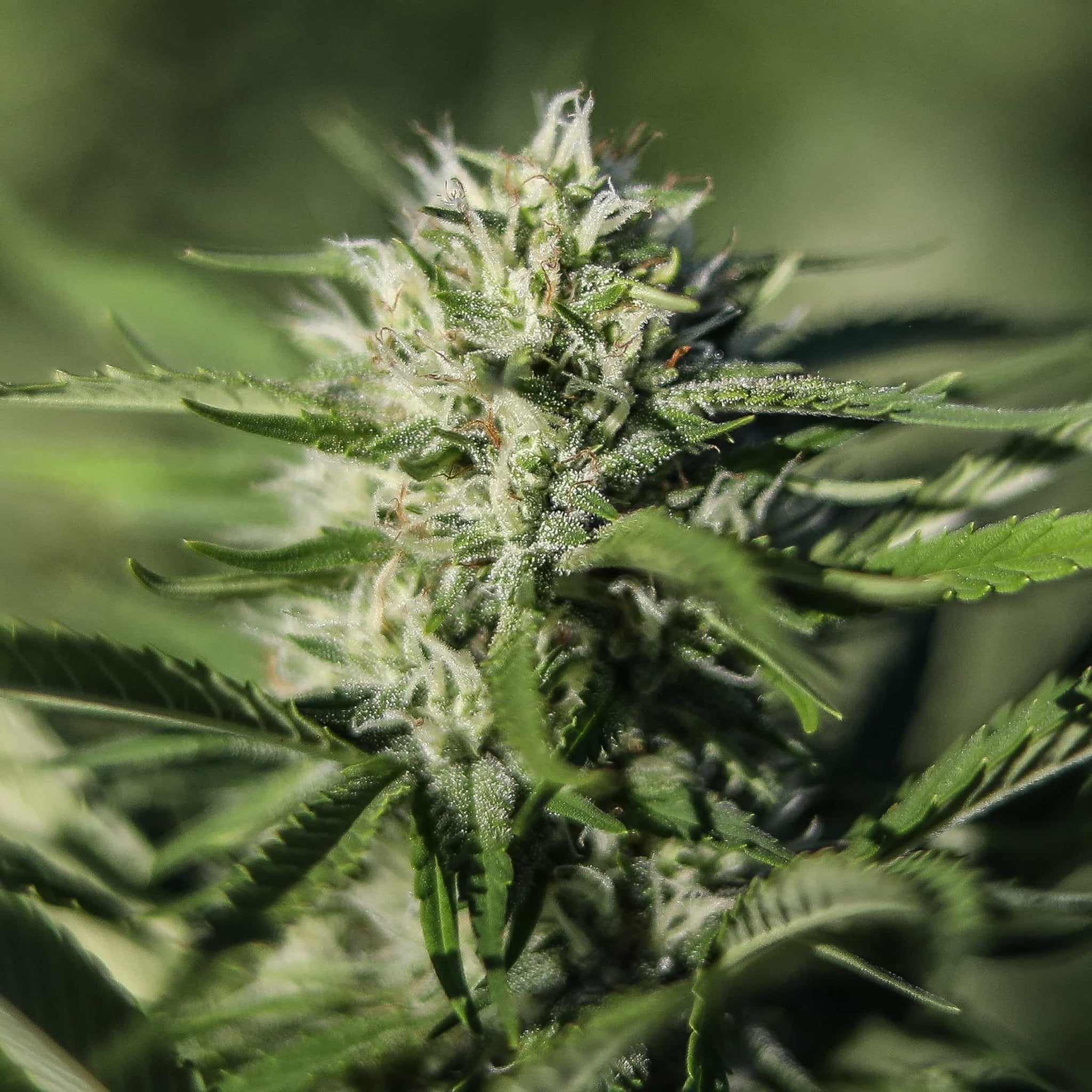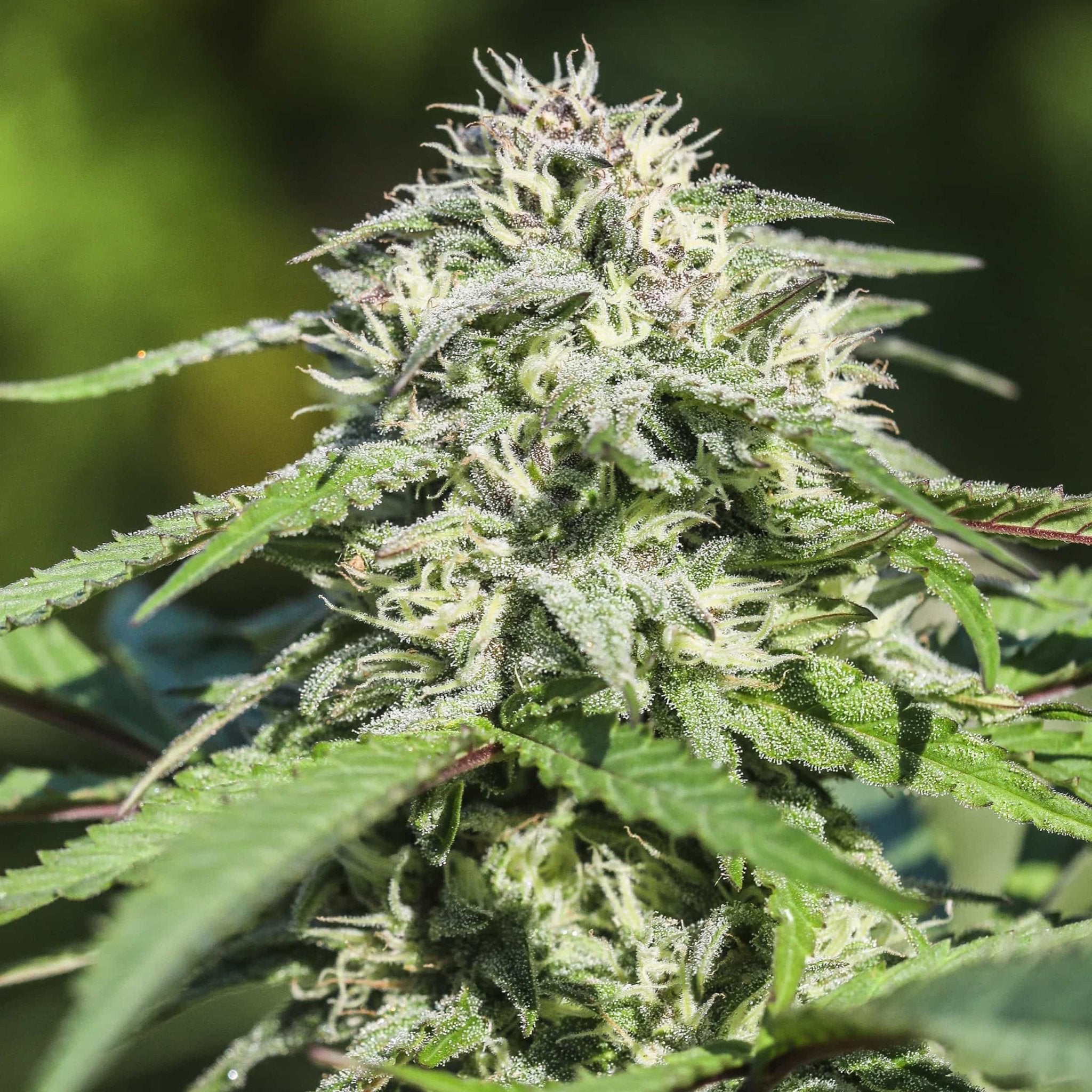


CBN (cannabinol) has become one of the more popular minor cannabinoids in the cannabis industry, particularly in products marketed for sleep and relaxation. From gummies to tinctures, CBN is frequently promoted as a natural alternative for people struggling to get a good night's rest.
But what exactly is CBN, how does cannabis produce it, and does the science support its reputation as a sleep aid?
Unlike cannabinoids such as THC, CBD, and CBG, CBN has a rather unusual origin. And while interest in its potential health benefits continues to grow, there's still plenty we don't know.
What Is CBN?
Cannabinol, or CBN, is a naturally occurring cannabinoid found in cannabis, generally in very small concentrations in freshly harvested flowers.
CBN is closely related to THC, but its chemical structure and effects are different. While THC is well known for its intoxicating properties, CBN is considerably less intoxicating and generally isn't associated with the same pronounced psychoactive effects.
One of the most interesting things about CBN is how it's produced.
Unlike THC and CBD, which are produced through specific cannabinoid synthase enzymes, CBN primarily forms as THC and THCA undergo oxidation and degradation.
As cannabis ages and is exposed to oxygen, light, and heat, some of its THC can gradually convert into CBN. This explains why older cannabis flowers frequently contain higher CBN concentrations than freshly harvested material.
CBN and Sleep: Does It Actually Work?
CBN has developed a reputation as the "sleep cannabinoid," and it's easy to see why. Many products containing CBN are marketed specifically for nighttime use, often combined with CBD, THC, or melatonin.
However, the science behind these claims is still developing.
A 2024 randomized, placebo-controlled clinical study evaluated CBN alone and in combination with CBD in adults reporting poor sleep.
Researchers found that participants receiving 20 mg of CBN experienced fewer nighttime awakenings and less overall sleep disturbance compared with placebo. However, the study did not demonstrate significant improvements in the time required to fall asleep, and adding CBD did not improve the results.
A more recent 2026 clinical trial published in the Journal of Sleep Research investigated CBN in 20 adults diagnosed with insomnia.
Researchers found that a 300 mg dose improved some secondary sleep measures, including reported sleep quality and time required to fall asleep. However, the study did not find a statistically significant improvement in its primary outcome, time spent awake after initially falling asleep.
These studies suggest CBN may have some potential for improving aspects of sleep, but they don't establish it as a proven treatment for insomnia.
The bottom line? CBN is interesting, but its reputation as a sleep aid is still ahead of the science.
What Other Potential Health Benefits Does CBN Have?
Beyond sleep, researchers have investigated CBN for several other possible therapeutic applications.
Pain and Inflammation
Early laboratory and animal studies suggest CBN may interact with biological pathways involved in pain and inflammation.
Like other cannabinoids, CBN interacts with components of the body's endocannabinoid system, although its receptor activity differs from THC and CBD.
These findings have generated interest in CBN's potential for pain management and inflammatory conditions, but convincing human clinical evidence remains limited.
Neuroprotection
CBN has also attracted attention for its potential neuroprotective properties.
Preclinical research has investigated whether CBN and related compounds can help protect nerve cells against certain forms of cellular stress and damage.
While these findings are intriguing, they are still largely limited to laboratory research. There is currently insufficient clinical evidence to recommend CBN for treating neurological diseases.
Relaxation and General Wellness
CBN is frequently included in products marketed for relaxation, stress reduction, and general wellness.
However, these uses are supported primarily by preliminary research and consumer experiences rather than large, well-controlled clinical trials.
As with many minor cannabinoids, more research is needed before we can confidently determine which benefits are real, what doses may be effective, and how CBN compares with other cannabinoids.
How Is Commercial CBN Produced?
One particularly interesting aspect of CBN is that, despite its popularity, cannabis plants don't naturally produce large quantities of it.
Because CBN primarily forms through the degradation of THC, there is no known dedicated CBN synthase gene that breeders can simply select to create a CBN-dominant cannabis plant.
Consequently, much of the concentrated CBN used in commercial products is produced through laboratory conversion of THC or THC-derived compounds rather than direct extraction from naturally CBN-rich flowers.
This is an important distinction.
A product containing CBN may originate from cannabis, but that doesn't necessarily mean the cannabinoid was extracted directly from a plant that naturally produced high concentrations of it.
The source, conversion process, purification, and testing of CBN products are therefore important considerations for consumers.
Are There High-CBN Cannabis Seeds?
With the growing popularity of CBN products, it's understandable that growers are interested in CBN seeds or cannabis varieties capable of producing high concentrations of this cannabinoid.
Unfortunately, conventional cannabis breeding doesn't currently offer a straightforward way to develop truly CBN-dominant plants.
Breeders can select plants that produce high concentrations of THCA, which may eventually degrade into CBN. But this is fundamentally different from selecting plants that directly synthesize large quantities of CBN.
At GTR Seeds, our breeding programs focus on cannabinoids with identifiable biosynthetic pathways, including THC, CBD, CBG, THCV, CBDV, and CBGV.
If you're interested in the genetics behind minor cannabinoid production, read our article on CBN and CBC: Understanding the Genetics Behind These Minor Cannabinoids.
Is CBN Safe?
CBN has been studied in a limited number of human clinical trials, but there is still relatively little information about its long-term safety, particularly with regular use or higher doses.
Potential concerns include drowsiness, interactions with medications, and variability in the purity and composition of commercial products.
Consumers should also be aware that CBN products may contain other cannabinoids, including THC, which can significantly influence their effects.
Products should be independently tested for cannabinoid concentrations, residual solvents, contaminants, and other potentially unwanted compounds.
Anyone considering CBN for a medical condition or taking prescription medications should consult a qualified healthcare professional.
The Future of CBN Research
CBN is an excellent example of how much there is still to learn about cannabis.
Despite being one of the earliest cannabinoids identified by researchers, it remains relatively poorly understood compared with THC and CBD.
Its popularity in sleep products has encouraged more scientific investigation, and recent clinical trials are beginning to provide useful information about its potential benefits and limitations.
At GTR Seeds, we believe the future of cannabis lies in understanding the science behind these compounds rather than simply following the latest cannabinoid trends.
From our work developing high-CBD cannabis seeds to our breeding programs involving rare cannabinoids, we're continually exploring how cannabis genetics influence cannabinoid production.
CBN may ultimately prove useful for certain wellness applications, particularly sleep. But as with all cannabinoids, good science and reliable research should come before the marketing claims.
This article is intended for educational purposes and does not constitute medical advice. CBN has not been established as a treatment for insomnia or other medical conditions.