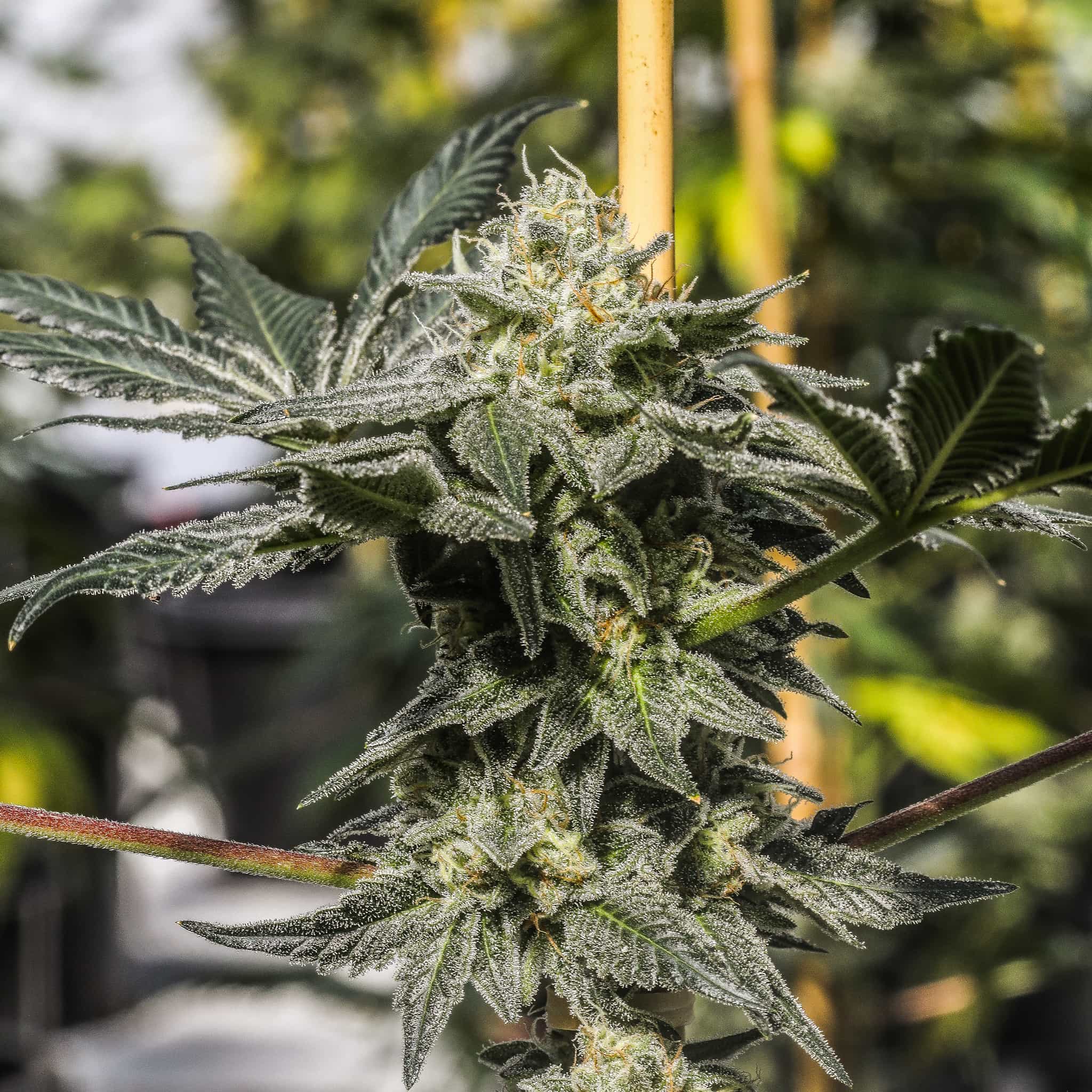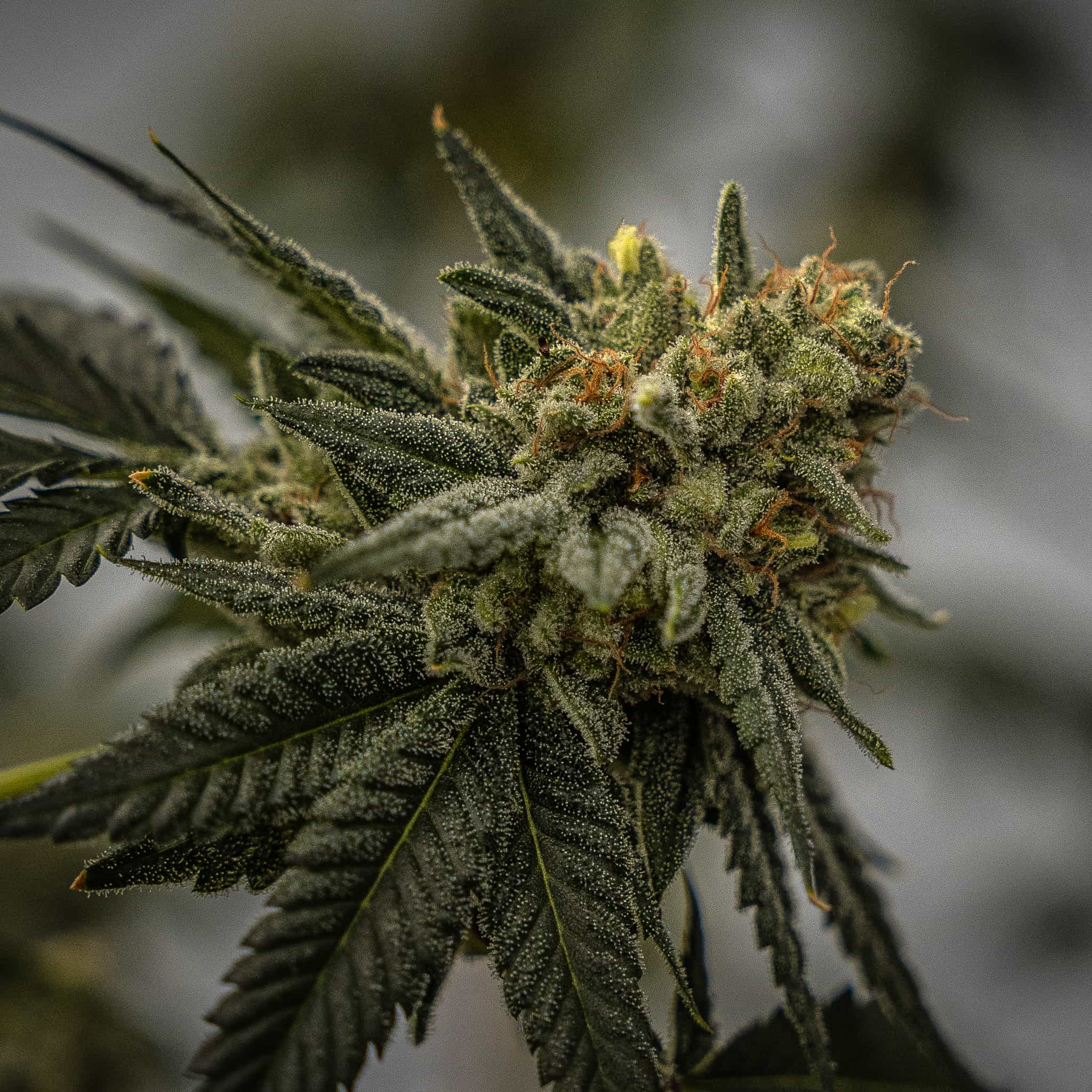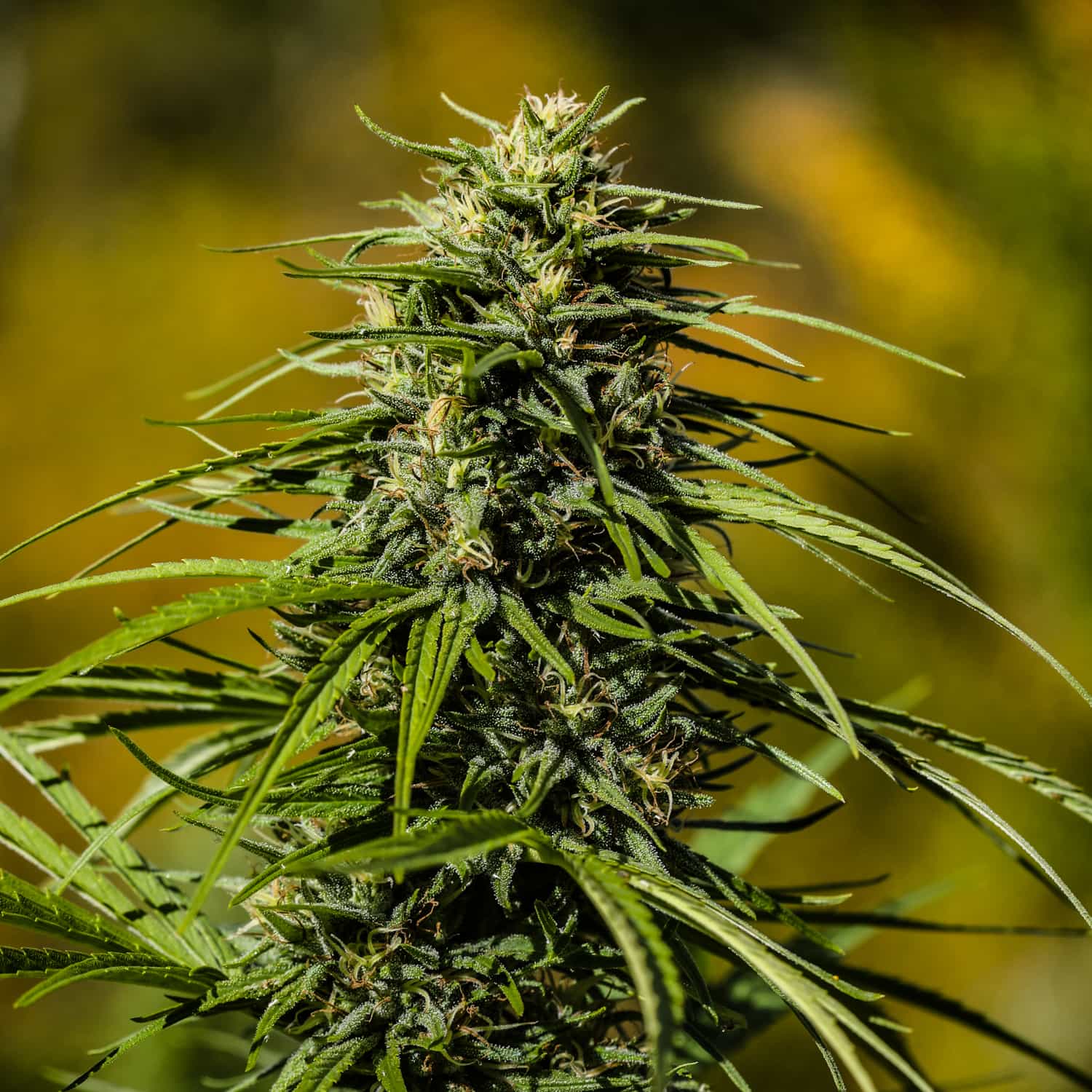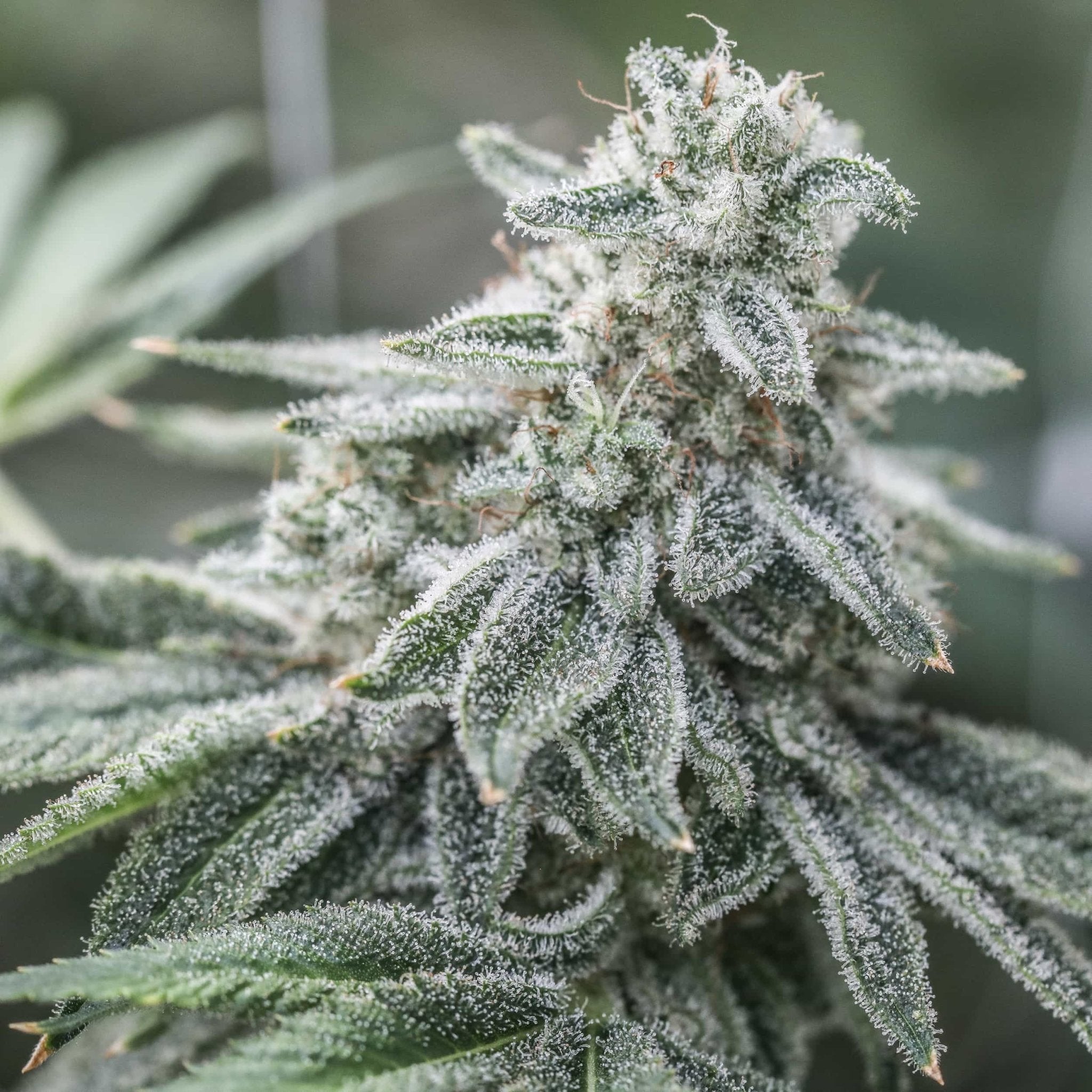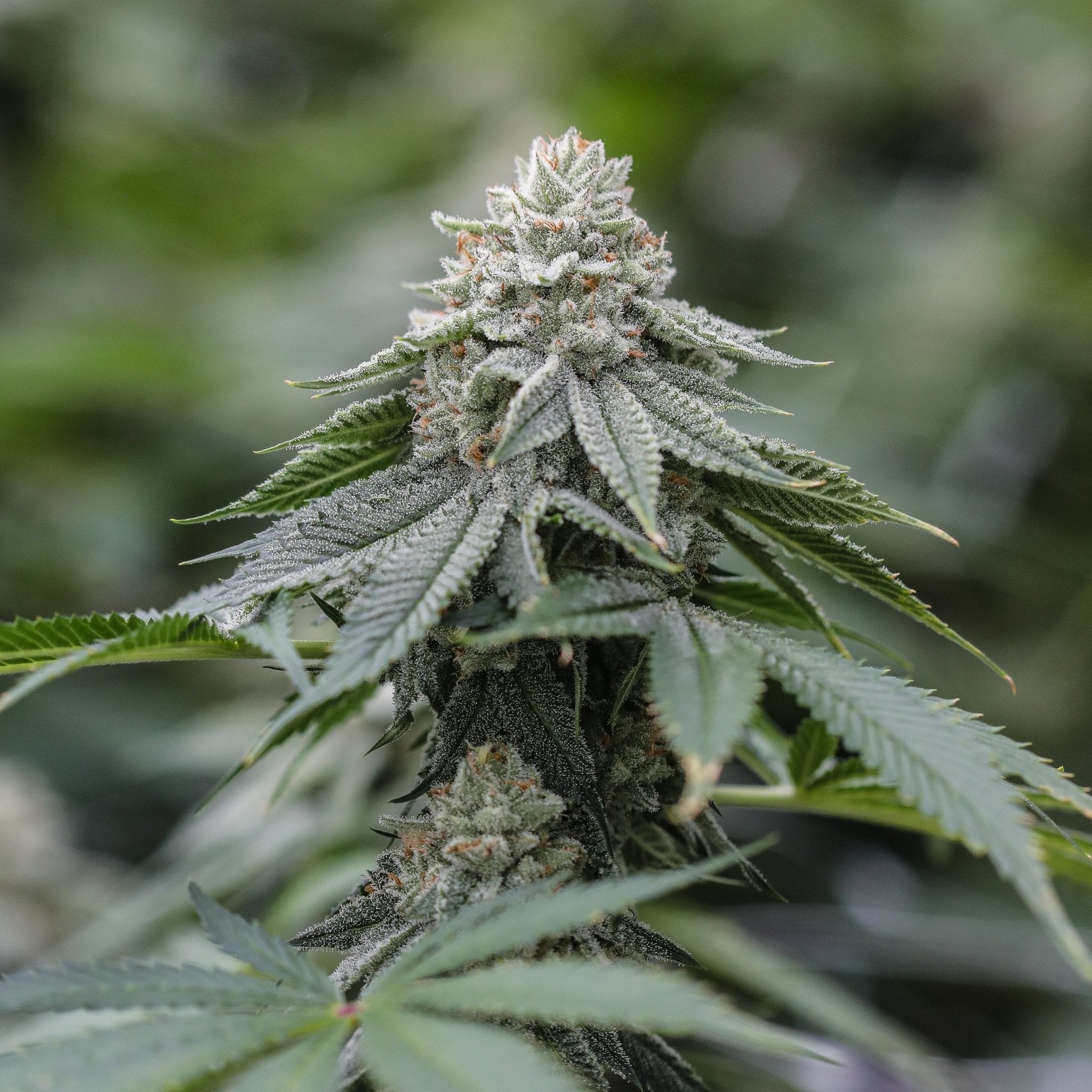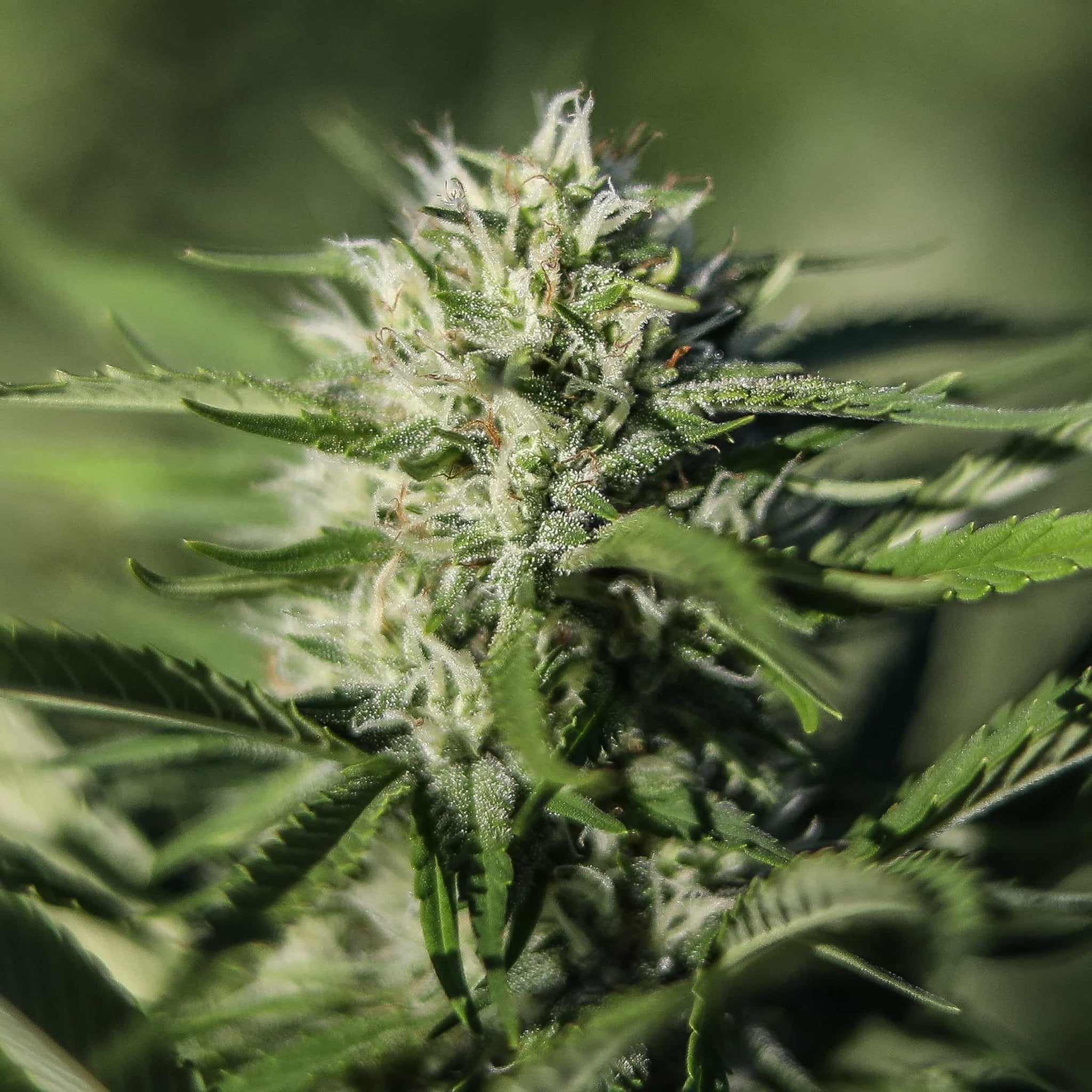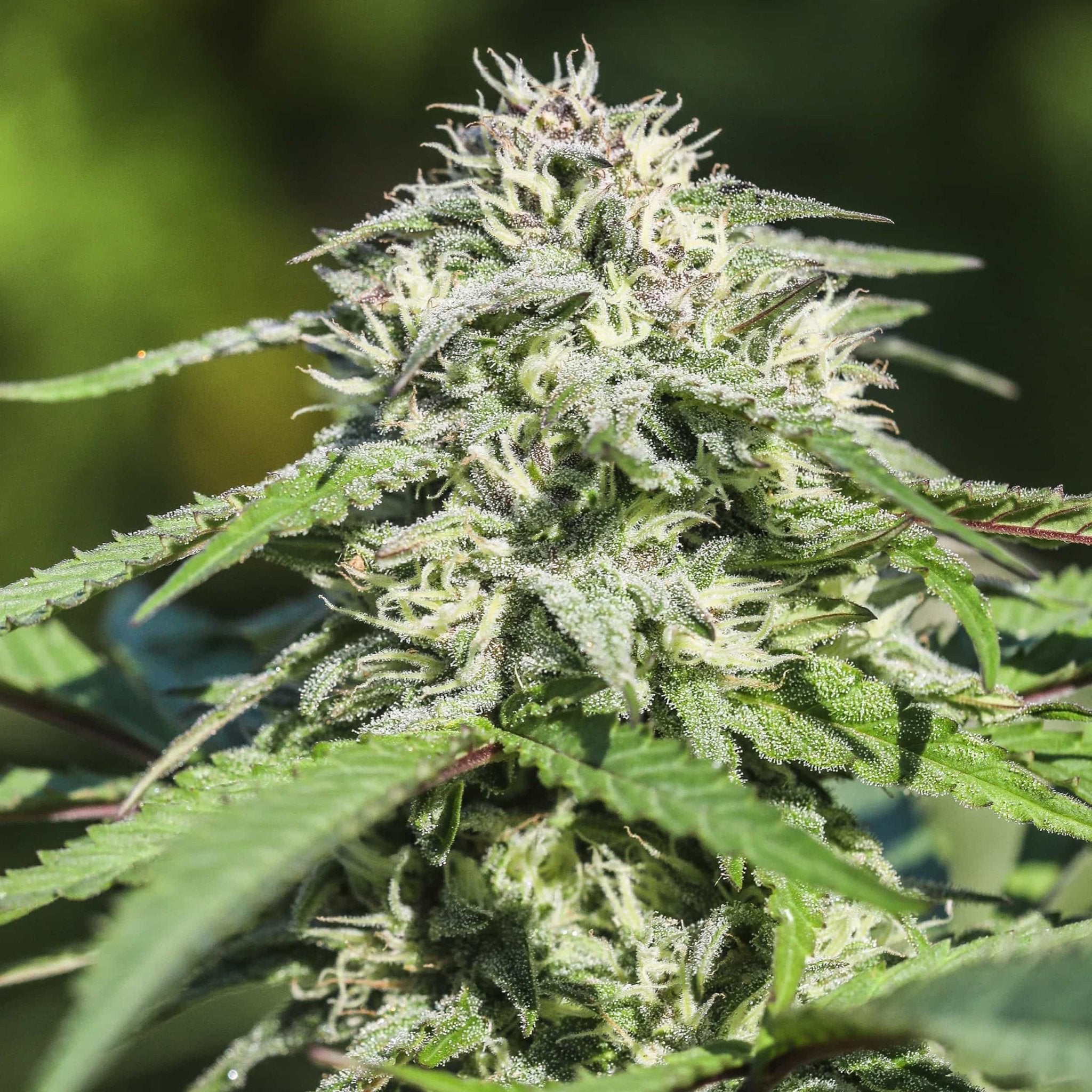


CBGV (cannabigerovarin) is one of the rarest and least understood cannabinoids naturally produced by the cannabis plant. Closely related to CBG (cannabigerol), CBGV belongs to the varin family of cannabinoids and has attracted growing scientific interest because of its distinctive molecular structure and pharmacological properties.
Although CBGV has been identified in cannabis for decades, plants capable of producing substantial quantities of this cannabinoid have historically been extremely uncommon.
Until recently, growers interested in CBGV had very few options for obtaining genetics capable of producing meaningful concentrations.
At GTR Seeds, we've spent years developing rare cannabinoid genetics, culminating in the release of some of the industry's first commercially available high-CBGV cannabis seeds.
Our new feminized triploid CBGV varieties represent an exciting advancement in cannabis breeding, offering growers access to cannabinoid profiles that were previously difficult to achieve.
What Is CBGV (Cannabigerovarin)?
Cannabigerovarin, commonly abbreviated CBGV, is a naturally occurring phytocannabinoid found in Cannabis sativa.
CBGV is chemically related to cannabigerol (CBG), but differs in one important structural characteristic.
While CBG contains a five-carbon alkyl side chain, CBGV contains a shorter three-carbon side chain.
This structural difference places CBGV in the varin family of cannabinoids, alongside THCV (tetrahydrocannabivarin) and CBDV (cannabidivarin).
Although these cannabinoids share similar structural characteristics, each has its own pharmacological properties.
CBGV is generally regarded as a non-intoxicating cannabinoid, although direct human research into its effects remains extremely limited.
CBGV vs. CBG: What's the Difference?
CBG and CBGV are closely related cannabinoids, but they differ in chemical structure, biosynthesis, availability, and the extent of scientific research.
| Characteristic | CBG | CBGV |
|---|---|---|
| Full name | Cannabigerol | Cannabigerovarin |
| Molecular formula | C₂₁H₃₂O₂ | C₁₉H₂₈O₂ |
| Carbon side chain | Five carbons | Three carbons |
| Intoxicating effects | Generally non-intoxicating | Not established; expected to be non-intoxicating |
| Naturally occurring | Common in small quantities | Typically found in trace amounts |
| Commercial genetics | Available | Extremely rare |
| Scientific research | Emerging | Very limited |
The most significant difference for growers is availability.
While high-CBG cannabis genetics have become increasingly common, commercially viable CBGV-dominant varieties have remained largely unavailable.
This is because producing substantial CBGV concentrations requires specialized genetic traits that are uncommon in conventional cannabis populations.
Why Is CBGV So Rare in Cannabis?
The rarity of CBGV comes down primarily to cannabinoid biosynthesis and genetics.
Cannabis plants produce cannabinoids through complex biochemical pathways involving precursor molecules and specialized enzymes.
Most conventional cannabis varieties predominantly produce cannabinoids with five-carbon side chains, including THC, CBD, and CBG.
CBGV follows a related but distinct pathway involving three-carbon precursors.
One important starting compound is divarinolic acid, which contributes to the formation of cannabigerovarinic acid (CBGVA).
CBGVA is the acidic precursor of CBGV and also serves as an important intermediate in the production of other varin cannabinoids.
For example:
CBGVA → CBGV (through decarboxylation)
CBGVA → THCVA → THCV
CBGVA → CBDVA → CBDV
In most conventional cannabis varieties, relatively little cannabinoid production is directed through these varin pathways.
As a result, CBGV is typically present only in trace amounts, if it can be detected at all.
Producing high concentrations of CBGV requires genetics capable of generating substantial quantities of varin precursors while retaining CBGVA rather than converting most of it into other cannabinoids.
This combination of genetic characteristics is exceptionally uncommon.
Why Are High CBGV Cannabis Seeds So Difficult to Breed?
Developing CBGV-rich cannabis genetics presents several significant challenges.
First, breeders must identify plants with the genetic ability to produce meaningful quantities of varin cannabinoids.
Because most commercial cannabis varieties contain little CBGV, suitable breeding material can be difficult to find.
Second, breeders must develop plants that accumulate CBGVA rather than converting most of it into other varin cannabinoids such as THCVA or CBDVA.
Third, these rare cannabinoid characteristics must be combined with desirable agricultural traits, including vigorous growth, high flower yields, favorable plant structure, and genetic consistency.
Finally, breeders must develop varieties that maintain low THC production while producing substantial concentrations of CBGV and other desirable cannabinoids.
Achieving all of these goals simultaneously requires extensive breeding, selection, and cannabinoid testing.
GTR Seeds and the Development of High CBGV Genetics
GTR Seeds and Oregon CBD have spent years pioneering rare cannabinoid genetics, including high-CBG, CBDV, and THCV varieties.
Building on this experience, our breeding program has now produced some of the first commercially available CBGV-rich cannabis seeds.
These genetics were developed through extensive selection and outcrossing involving our elite White CBG breeding material and plants expressing elevated varin cannabinoid production.
The result is a new generation of cannabis varieties capable of producing substantial concentrations of both CBGV and CBG.
Our CBGV-rich genetics have demonstrated cannabinoid profiles containing approximately 35–40% CBGV and 50–55% CBG as proportions of the cannabinoid profile, along with minor quantities of THCV and exceptionally low THC.
These figures describe the relative proportions of cannabinoids, not the percentage of total flower weight.
For growers interested in rare cannabinoids, this represents a major advancement in cannabis breeding.
What Does Scientific Research Say About CBGV?
CBGV remains one of the least studied cannabinoids, with very limited published research and no established clinical applications.
However, a small number of scientific studies have investigated its interactions with cannabinoid receptors, analytical chemistry, and the biological properties of its acidic precursor, CBGVA.
Here are three peer-reviewed publications worth exploring.
1. CBGV and Cannabinoid Receptor Activity (2020)
A study published in Pharmacological Research investigated how several cannabinoids, including CBGV, interact with CB1 and CB2 cannabinoid receptors.
Researchers examined receptor binding and signaling using laboratory systems expressing human cannabinoid receptors.
The study found that CBGV exhibited distinctive activity across several receptor signaling pathways, including relatively strong responses in some experimental measurements.
These findings suggest that CBGV may have pharmacological characteristics different from those of CBG and other related cannabinoids.
However, the research was conducted in laboratory systems and does not establish specific physiological or therapeutic effects in humans.
2. Identifying and Measuring CBGV in Hemp Extracts (2021)
A study published in the Journal of Pharmaceutical and Biomedical Analysis investigated analytical methods for identifying and quantifying CBGV and related cannabinoids.
Researchers used high-performance liquid chromatography and high-resolution mass spectrometry to characterize CBGV in commercial CBG samples.
The study demonstrated that CBGV could be identified and measured using appropriate analytical techniques, while also revealing variability among samples.
This research is particularly relevant to growers and processors because accurate cannabinoid testing is essential when working with rare compounds such as CBGV.
3. CBGVA and Cannabinoid Research (2021)
A study published in the British Journal of Pharmacology investigated several acidic cannabinoids, including cannabigerovarinic acid (CBGVA), in experimental models of epilepsy.
Researchers identified biological activity associated with CBGVA and other cannabinoid acids in preclinical experiments.
Although CBGVA is chemically related to CBGV, it is a distinct compound, and the findings cannot automatically be applied to CBGV.
Nevertheless, the research demonstrates growing scientific interest in the broader family of varin cannabinoids and their acidic precursors.
Important: CBGV has not been established as a treatment for any medical condition. Research involving CBGVA or other related cannabinoids does not demonstrate equivalent effects from CBGV or CBGV-rich cannabis flower.
Why Accurate CBGV Testing Matters
One of the biggest challenges associated with CBGV-rich cannabis is accurate laboratory analysis.
Because CBGV has historically been present only in trace amounts, not every cannabinoid testing laboratory routinely measures it.
Some testing methods may fail to identify CBGV accurately or may produce misleading results when cannabinoid peaks are not adequately separated.
At GTR Seeds, we've encountered laboratories that incorrectly categorize CBGV as CBD.
For growers cultivating CBGV-rich varieties, this can create significant confusion when interpreting cannabinoid test results.
We strongly recommend working with laboratories that have validated methods and appropriate reference standards for CBGV and CBGVA.
Accurate testing is essential for understanding cannabinoid production, evaluating genetic performance, and determining regulatory compliance.
High CBGV Seeds from GTR Seeds
GTR Seeds is proud to offer some of the first commercially available feminized triploid CBGV-rich cannabis genetics.
Our CBGV breeding program focuses on combining rare cannabinoid production with excellent flower quality, vigorous growth, and exceptionally low THC levels.
Triangle Kush CBGV Seedless
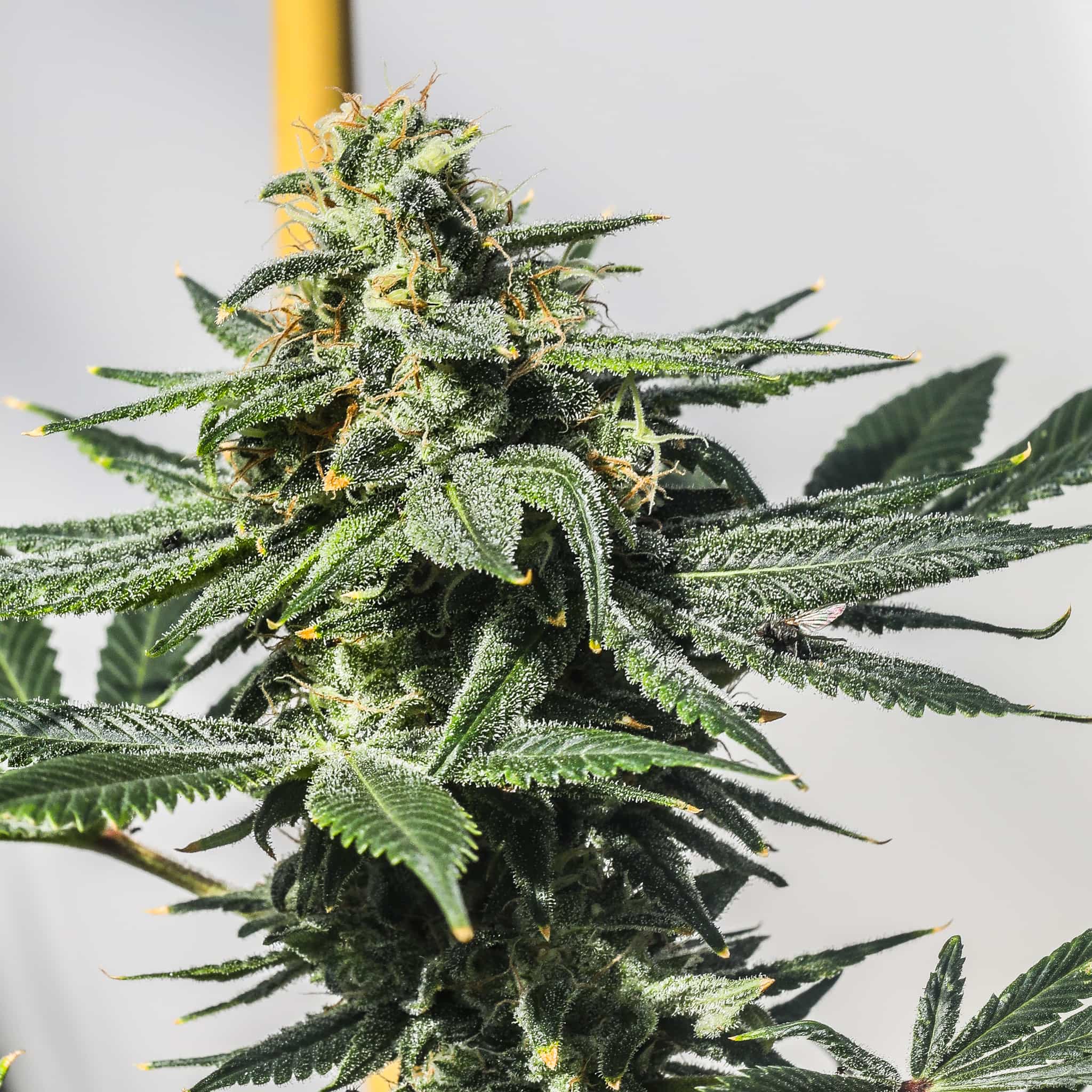
Triangle Kush CBGV Seedless combines classic Triangle Kush genetics with specialized CBGV-rich breeding material.
This feminized Type IV triploid produces an unusual cannabinoid profile featuring approximately 35% CBGV and 55% CBG as proportions of the measured cannabinoids, along with minor THCV and very low THC.
With its distinctive aromatic characteristics and attractive flowers, Triangle Kush CBGV Seedless demonstrates that rare cannabinoid genetics can also deliver desirable flower quality.
Variety highlights include:
-
Approximately 35% CBGV and 55% CBG in the cannabinoid profile.
-
Very low total THC production.
-
Feminized triploid genetics.
-
Approximately nine-week flowering period.
-
Outdoor harvest around early October in suitable climates.
-
Excellent flower structure and aromatic characteristics.
Explore Triangle Kush CBGV Seedless
Skunkberry CBGV Seedless
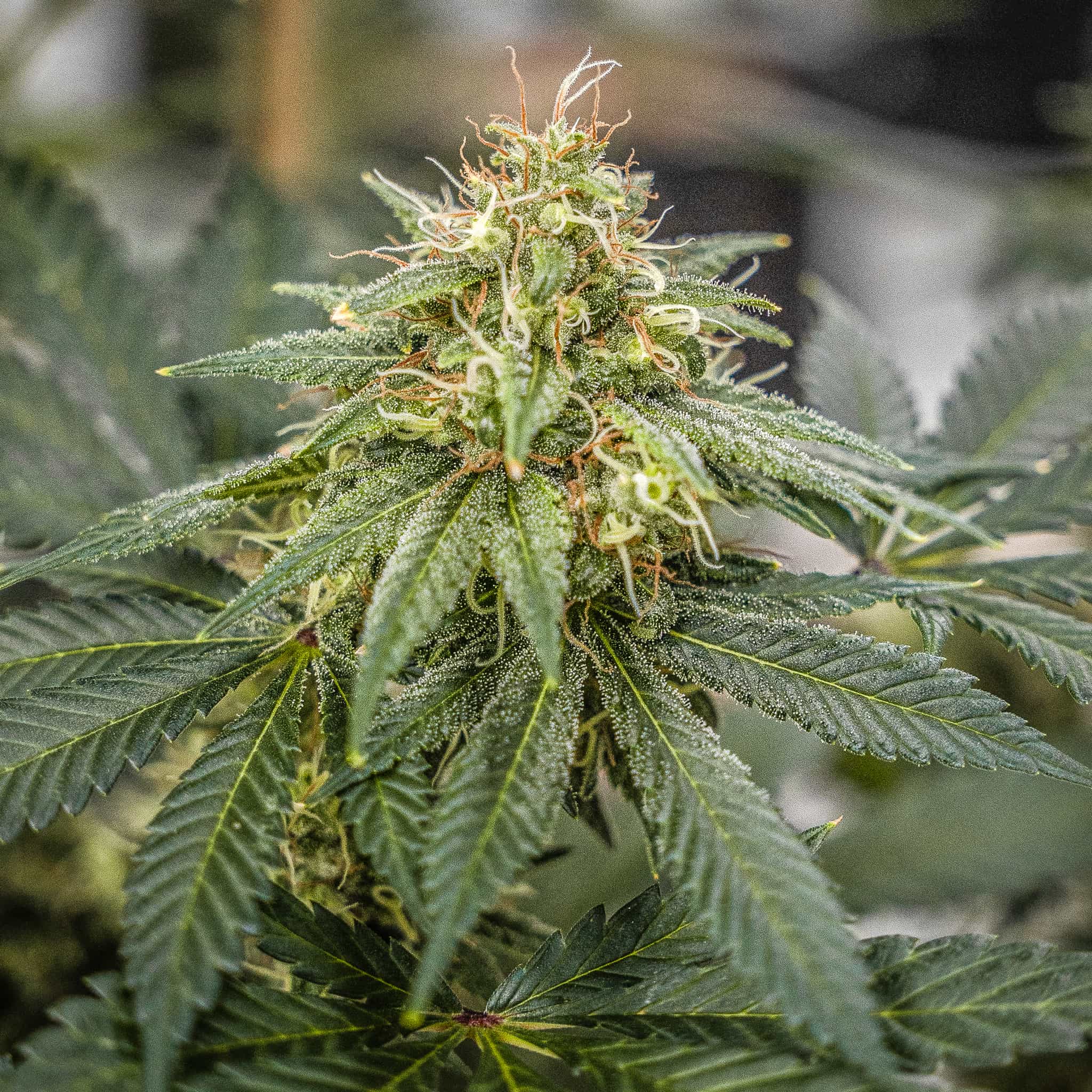
Skunkberry CBGV Seedless offers another exciting option for growers interested in rare varin cannabinoids.
This feminized triploid combines CBGV-rich cannabinoid production with a distinct genetic background, offering growers an alternative to Triangle Kush CBGV Seedless.
Like our other CBGV varieties, Skunkberry was developed to provide meaningful CBGV concentrations while maintaining strong plant vigor and very low THC production.
Explore Skunkberry CBGV Seedless
CBGV Seed Sampler
For growers interested in comparing CBGV genetics, our CBGV Seed Sampler provides an opportunity to explore multiple varieties within this emerging cannabinoid category.
This is an excellent option for growers who want to evaluate differences in plant structure, aromatic characteristics, and cannabinoid production.
Why Triploid CBGV Seeds?
One of the most exciting aspects of GTR Seeds' CBGV breeding program is the use of triploid cannabis genetics.
Conventional cannabis plants are diploid, meaning they contain two sets of chromosomes. Triploid cannabis plants contain three sets.
This difference generally results in significantly reduced fertility, making triploid plants much less likely to produce mature seeds following pollen exposure.
For growers producing premium CBGV flower, reduced seed formation can be especially valuable.
Triploid genetics also provide opportunities to combine rare cannabinoid profiles with desirable agricultural characteristics.
However, triploidy does not automatically increase CBGV concentrations. High CBGV production still depends on the underlying genetics and breeding selections.
Frequently Asked Questions About CBGV
Is CBGV the same as CBG?
No. CBGV and CBG are chemically related but distinct cannabinoids. CBGV contains a three-carbon side chain, while CBG contains a five-carbon side chain.
This structural difference contributes to their distinct pharmacological characteristics.
Does CBGV get you high?
CBGV is generally expected to be non-intoxicating, but direct human research remains extremely limited.
CBGV-rich cannabis products may also contain other cannabinoids, including THC, so their effects depend on the complete cannabinoid profile.
Is CBGV naturally found in cannabis?
Yes. CBGV occurs naturally in cannabis, although most conventional varieties produce only trace amounts.
Specialized breeding has made substantially higher CBGV concentrations possible.
What is the difference between CBGV and THCV?
Both belong to the varin cannabinoid family.
CBGV is structurally related to CBG, while THCV is structurally related to THC.
The two cannabinoids have different biosynthetic pathways and pharmacological properties.
What is the difference between CBGV and CBDV?
CBGV and CBDV are both varin cannabinoids, but they have different molecular structures.
CBGV is produced through decarboxylation of CBGVA, while CBDV is produced through decarboxylation of CBDVA.
Why are CBGV seeds so rare?
High-CBGV production requires specialized genetics capable of producing substantial quantities of varin cannabinoid precursors.
These traits are uncommon in conventional cannabis varieties, making the development of commercially viable CBGV seeds a significant breeding challenge.
Can CBGV-rich cannabis be legally grown as hemp?
Potentially, depending on the jurisdiction and the plant's THC concentrations.
GTR Seeds' CBGV genetics have demonstrated exceptionally low THC production in breeding trials, but legal compliance depends on applicable regulations and required testing.
Growers should review current laws and cannabinoid testing information before cultivation.
The Future of CBGV Cannabis Genetics
CBGV represents an exciting new frontier in cannabis breeding.
What was once an obscure cannabinoid found only in trace amounts can now be produced in substantial quantities through specialized genetics.
As scientists continue investigating rare cannabinoids, access to genetically consistent, CBGV-rich plant material may help support future research and commercial development.
At GTR Seeds, we're proud to be among the first breeders making these unusual genetics commercially available.
Our work with CBGV builds on years of innovation in high-CBG breeding, varin cannabinoid development, and triploid cannabis genetics.
Interested in growing CBGV-rich cannabis? Explore our CBGV seed collection and discover the next generation of rare cannabinoid genetics from GTR Seeds.
This article is provided for educational purposes. Cannabinoid concentrations, yields, and plant performance vary with genetics and growing conditions. The research discussed does not establish medical benefits from CBGV-rich cannabis products.