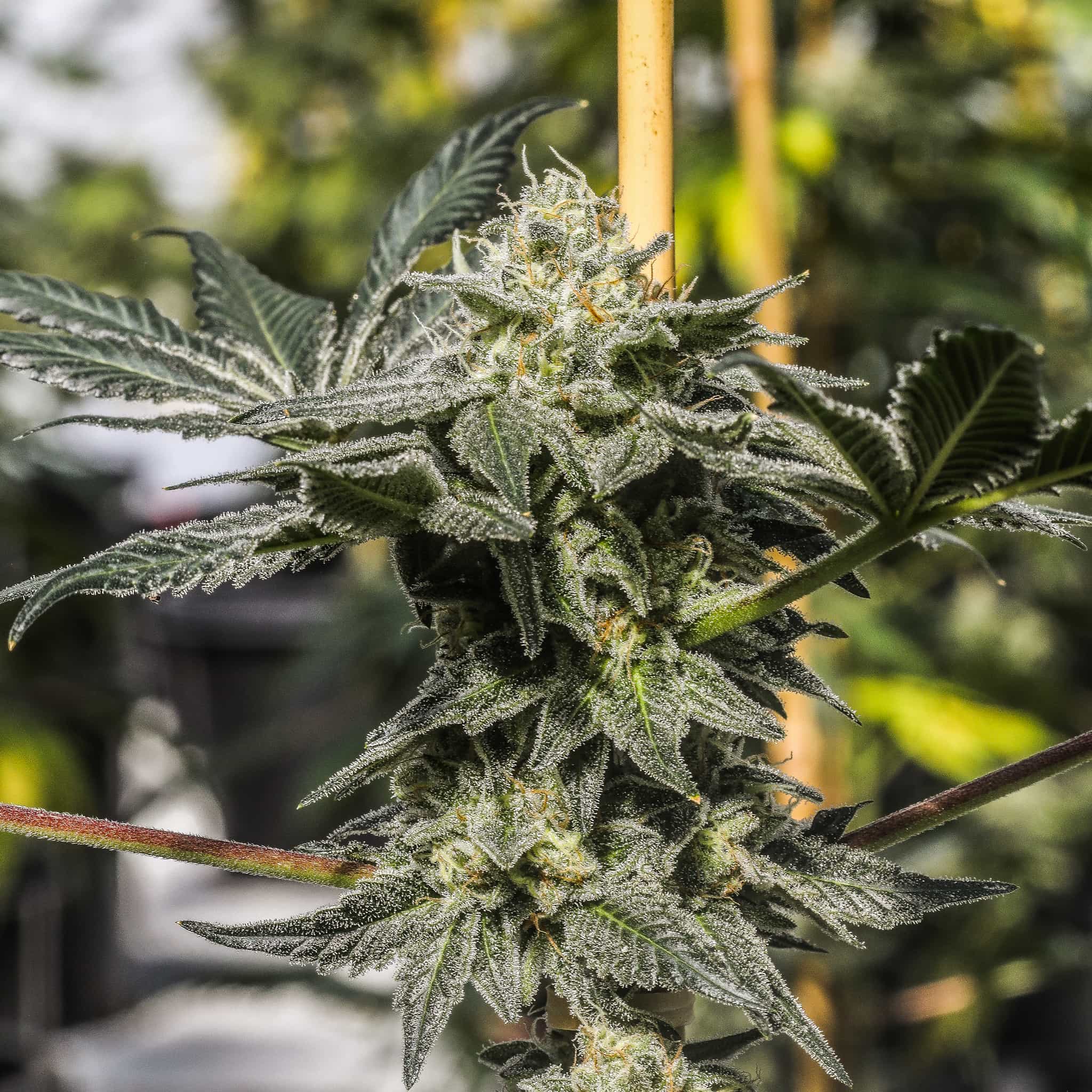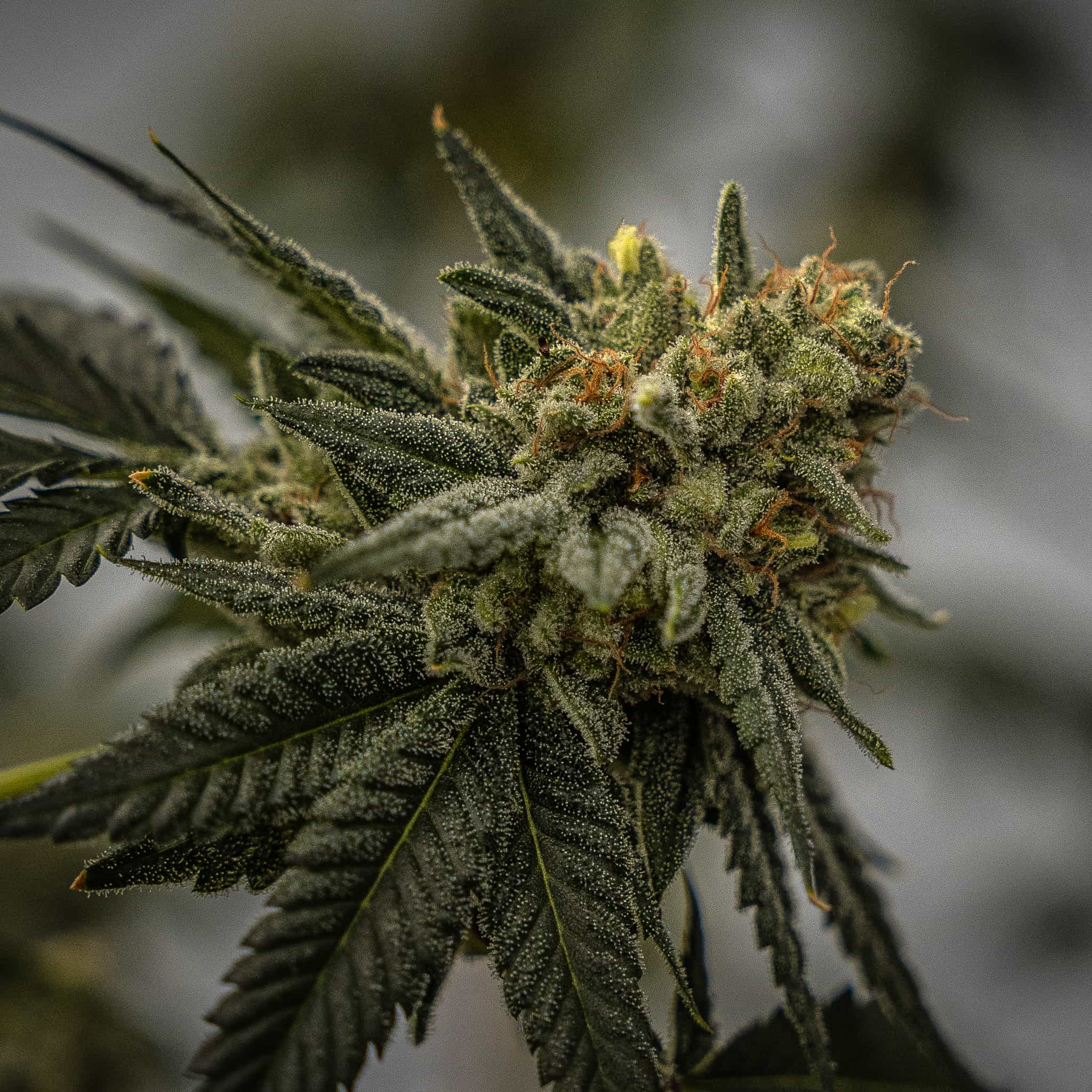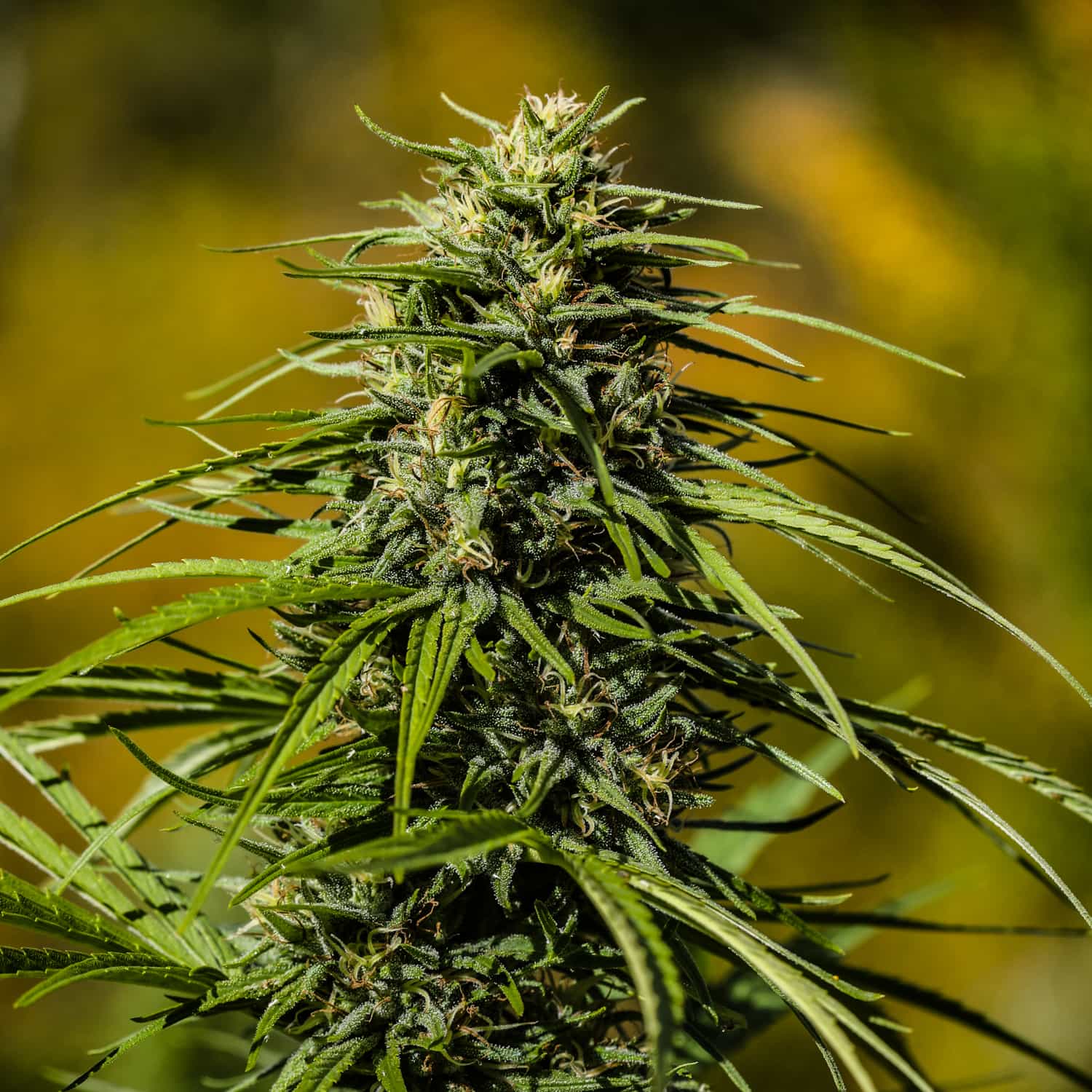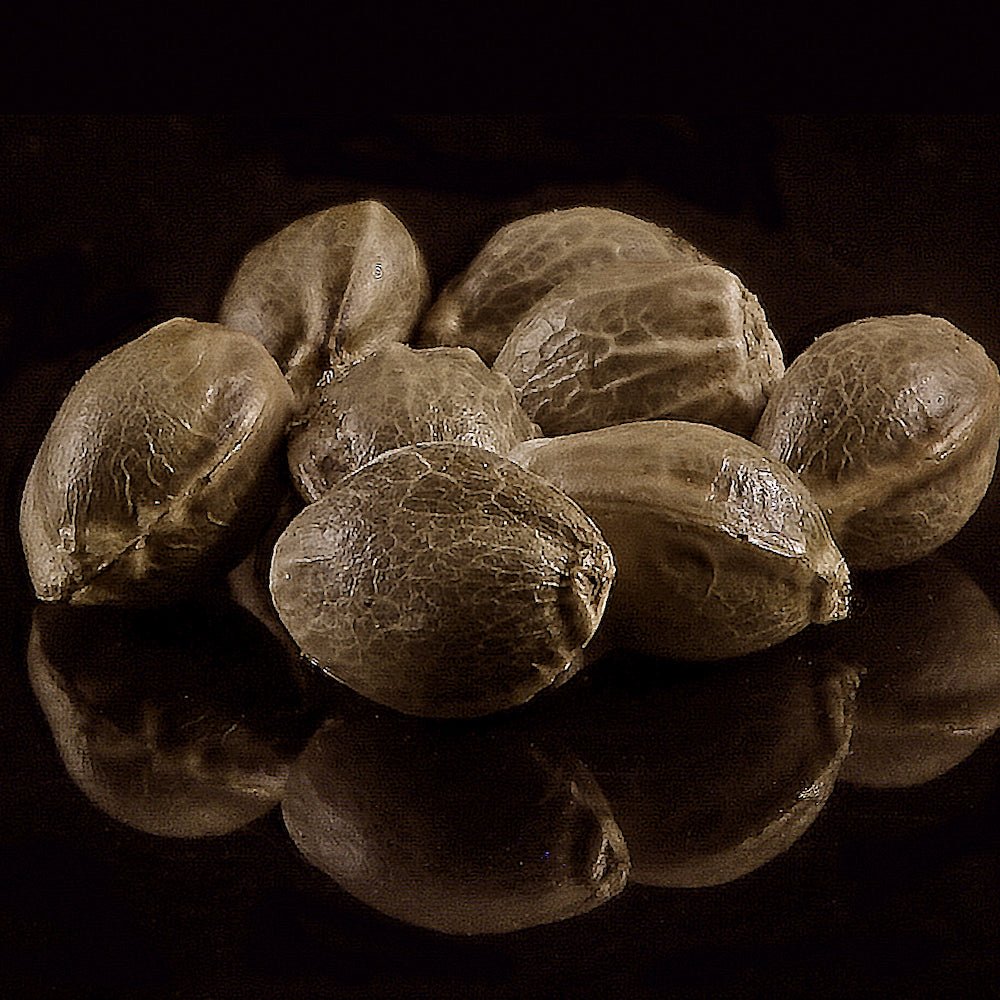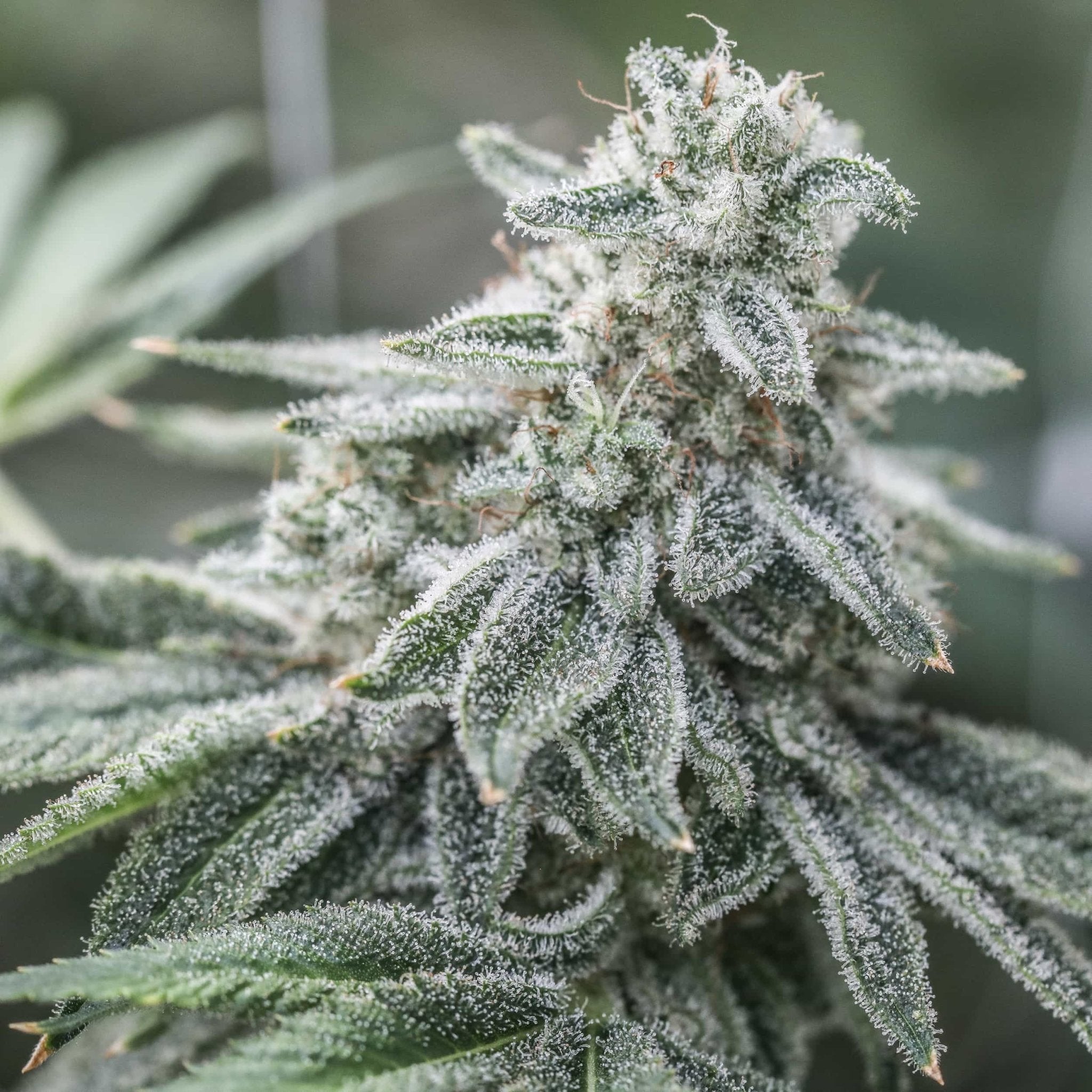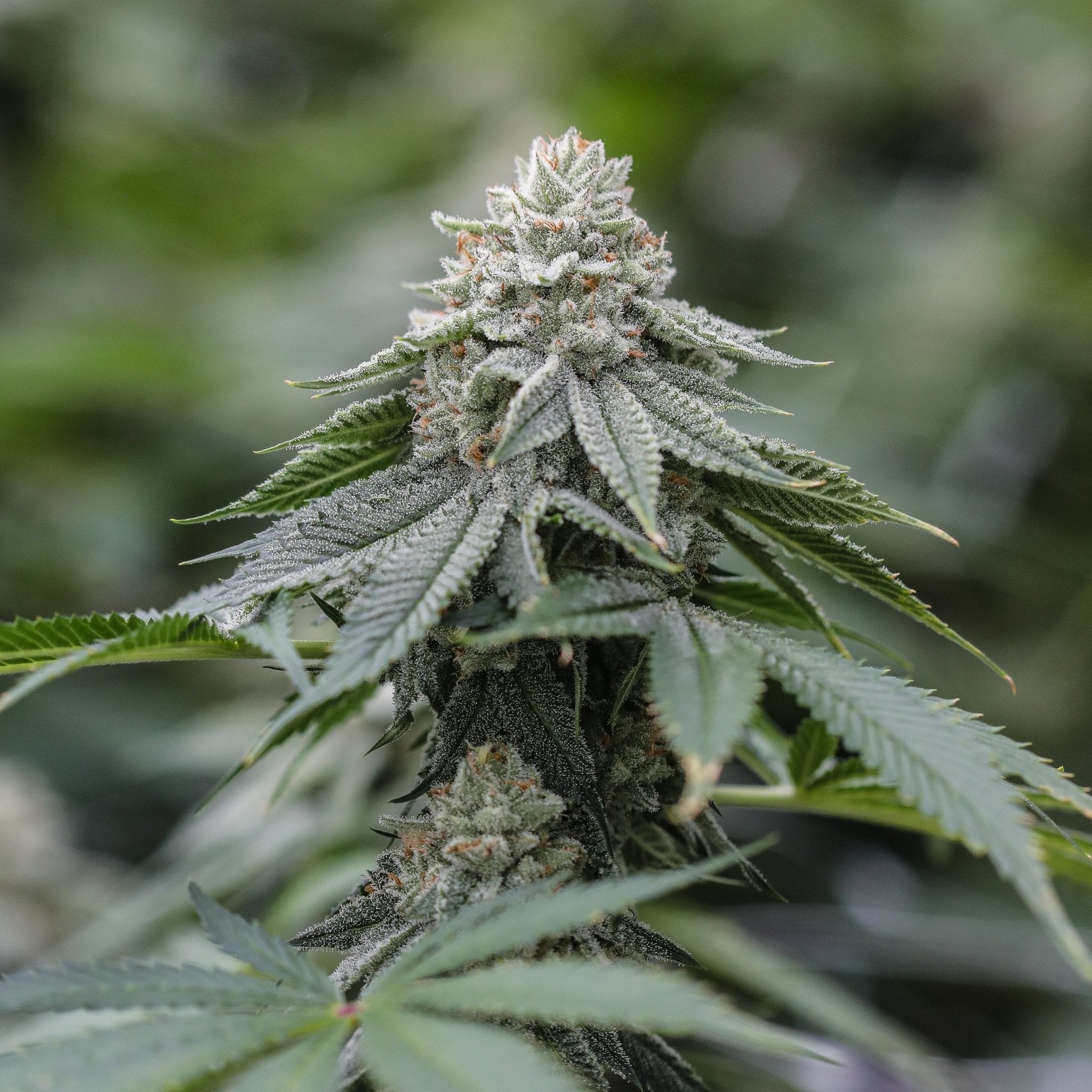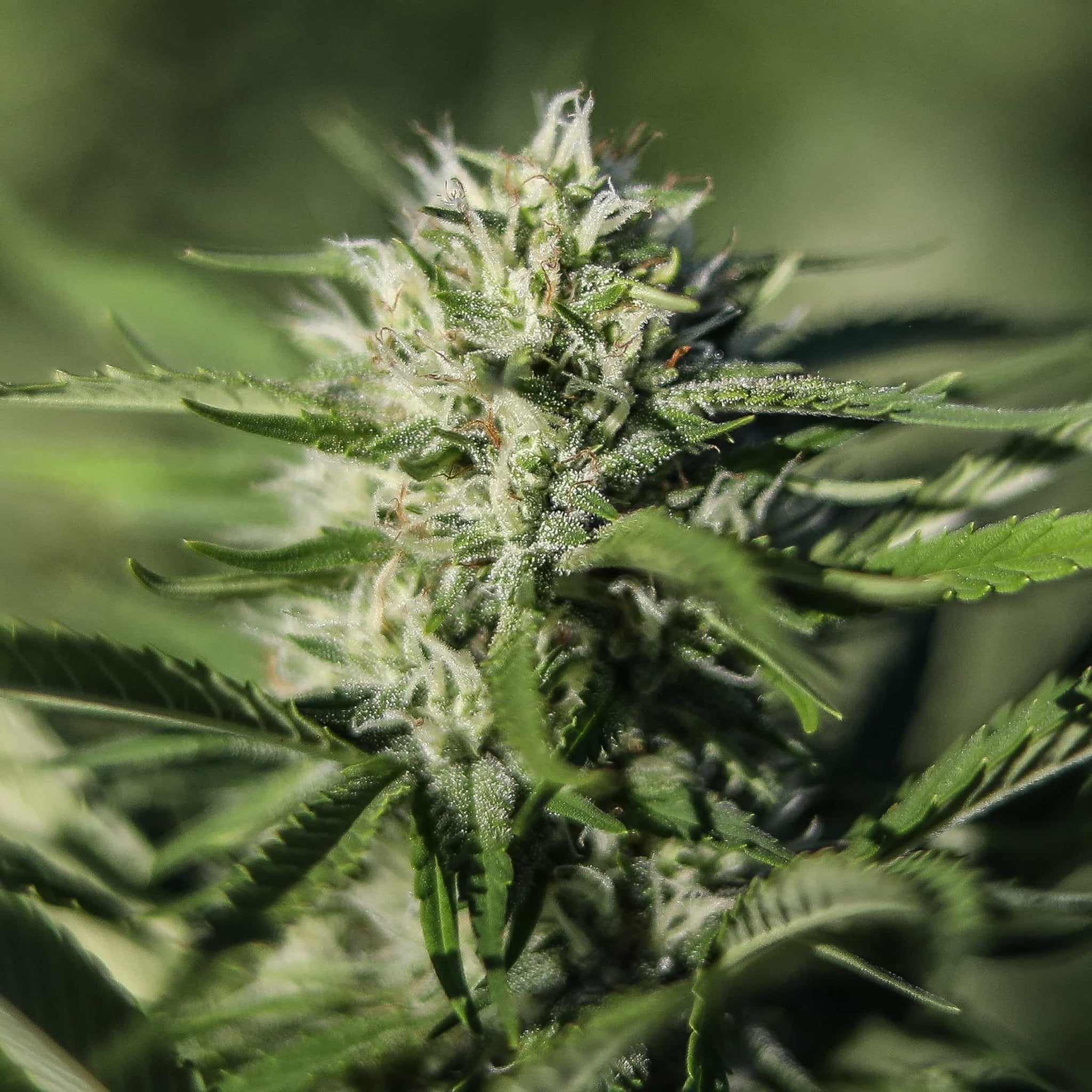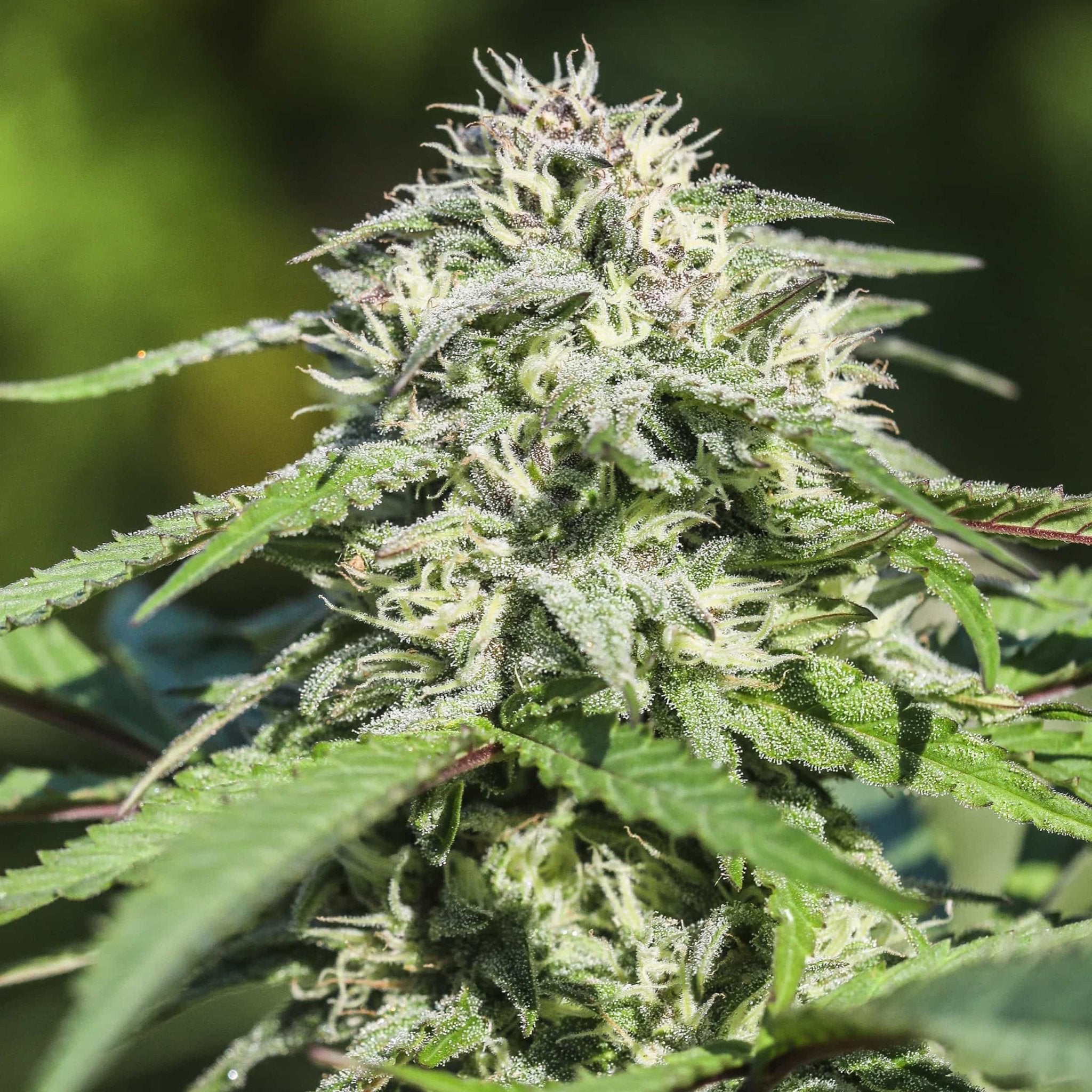


CBDV (cannabidivarin) is one of the most fascinating minor cannabinoids found in cannabis. Closely related to CBD, this naturally occurring, non-intoxicating cannabinoid has attracted growing scientific interest for its unique chemical structure and potential biological properties.
Although CBDV was identified decades ago, cannabis varieties capable of producing substantial quantities of this rare cannabinoid have historically been difficult to find.
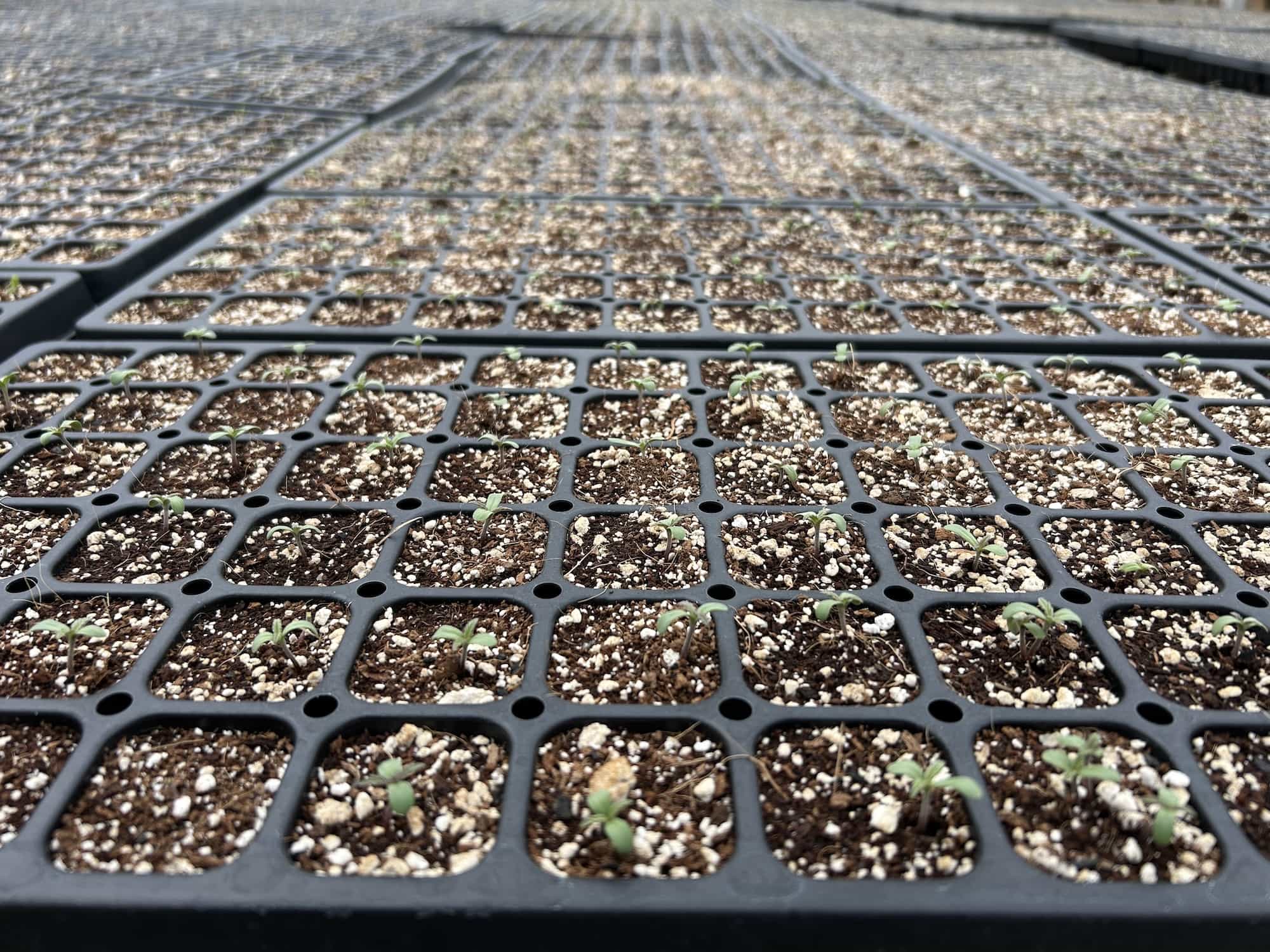
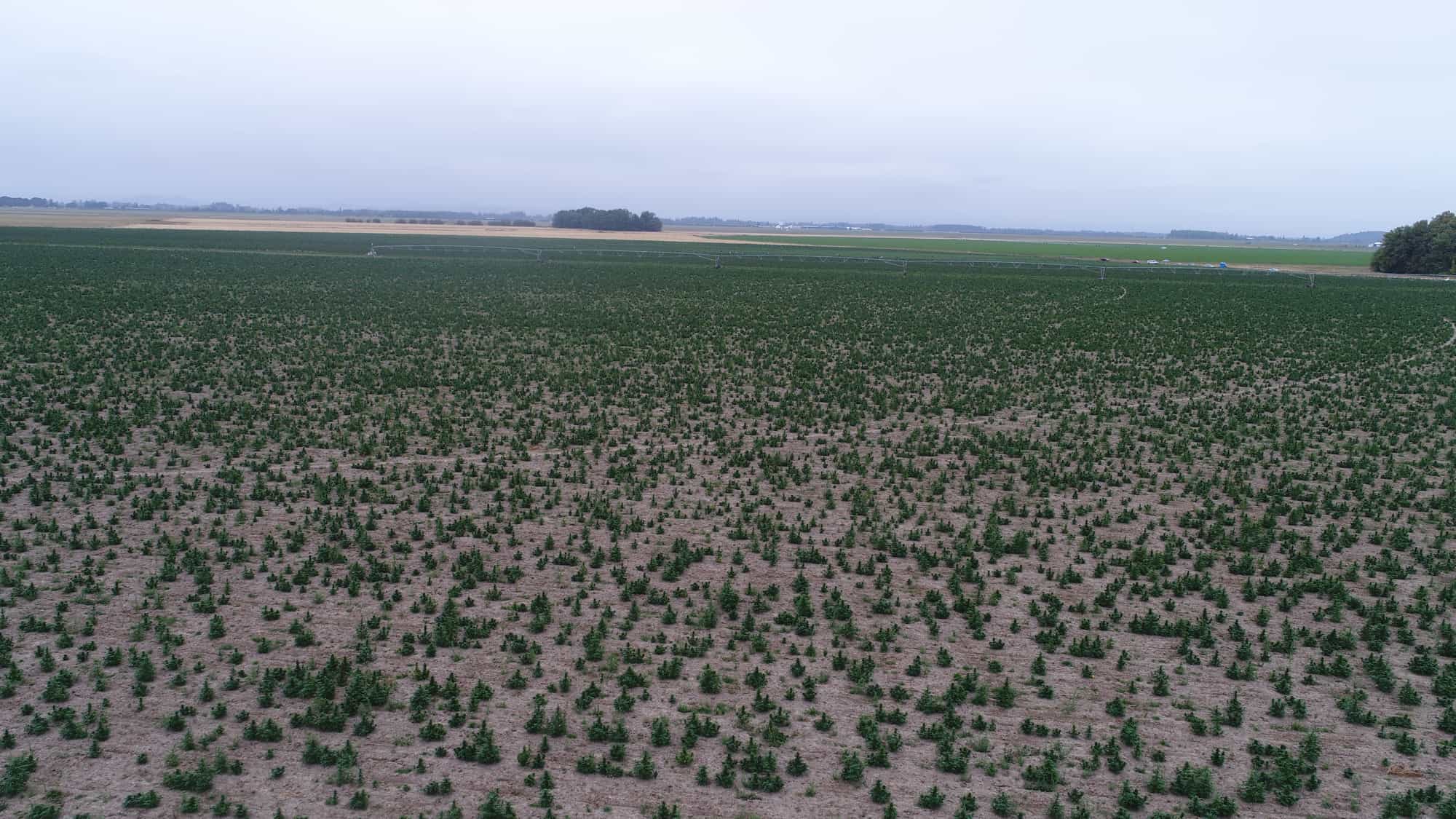
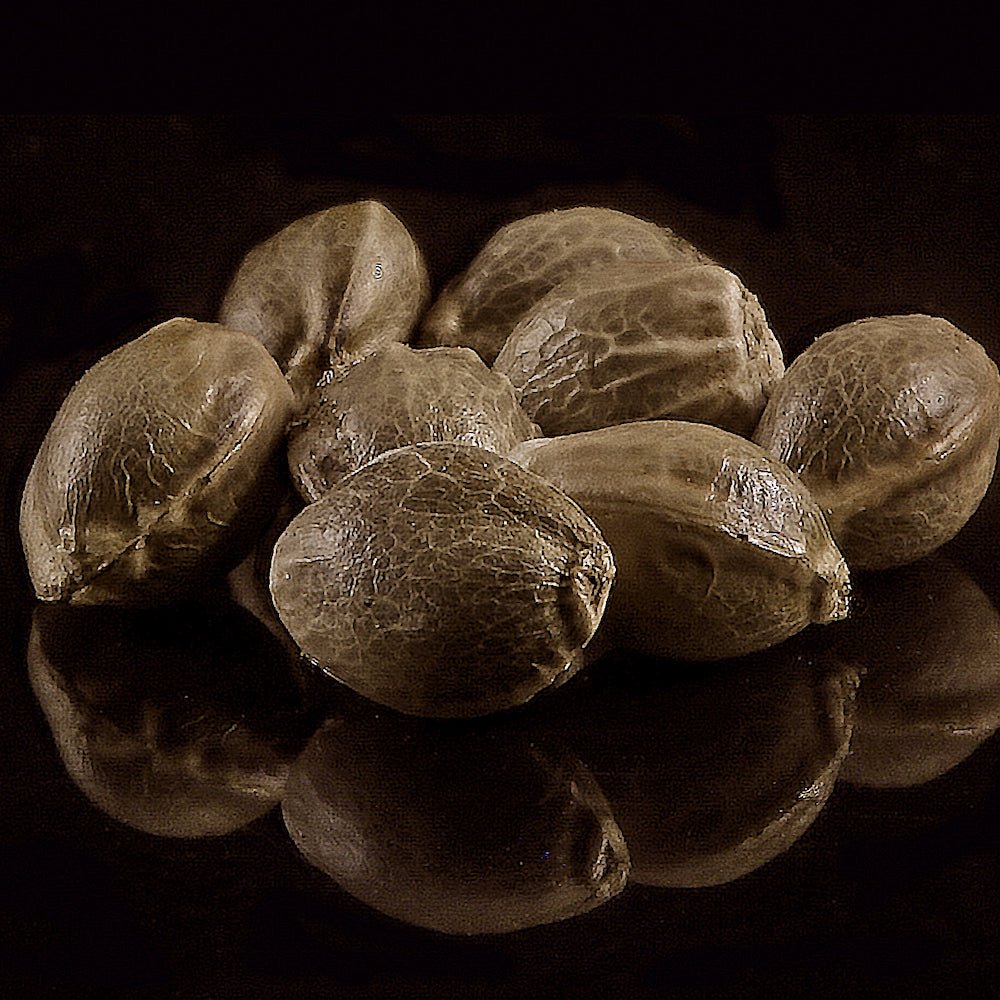
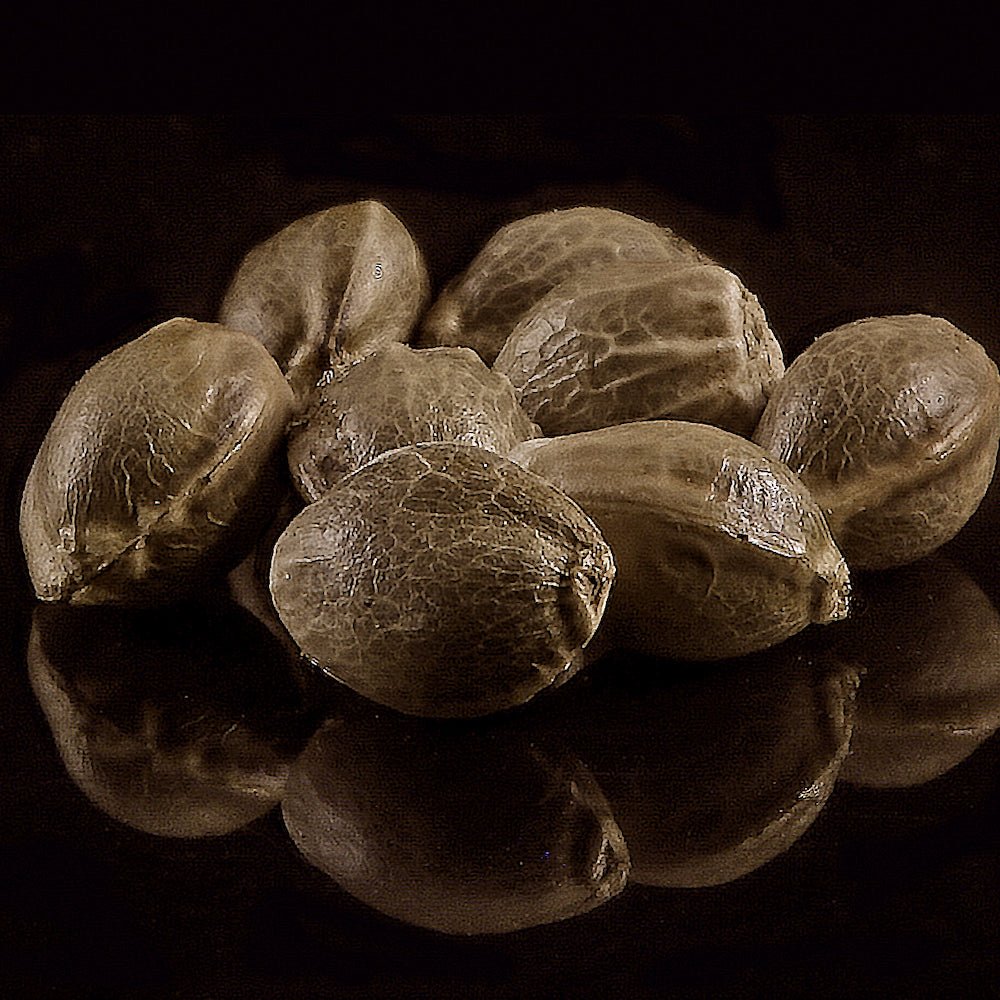
Thanks to advances in cannabis breeding, growers can now cultivate specialized CBDV-rich cannabis genetics developed specifically for cannabinoid production.
At GTR Seeds, we've spent years developing high-CBDV seeds, including innovative feminized triploid varieties that combine rare cannabinoid production with excellent agricultural characteristics.
What Is CBDV (Cannabidivarin)?
Cannabidivarin, commonly abbreviated CBDV, is a naturally occurring phytocannabinoid produced by the cannabis plant.
CBDV belongs to the varin family of cannabinoids, which also includes THCV (tetrahydrocannabivarin) and CBGV (cannabigerovarin).
What makes varin cannabinoids unique is their molecular structure. While conventional CBD and THC have five-carbon alkyl side chains, CBDV and THCV have shorter three-carbon side chains.
This seemingly small chemical difference can significantly influence how these cannabinoids interact with biological systems.
Like CBD, CBDV is generally considered non-intoxicating. However, CBDV has its own pharmacological characteristics and should not be viewed simply as another version of CBD.
CBDV vs. CBD: What's the Difference?
Although CBD and CBDV share many chemical similarities, they are distinct cannabinoids with different biosynthetic pathways and pharmacological properties.
| Characteristic | CBD | CBDV |
|---|---|---|
| Full name | Cannabidiol | Cannabidivarin |
| Carbon side chain | Five carbons | Three carbons |
| Intoxicating | No | No |
| Naturally occurring | Common in CBD-rich cannabis | Usually present in small amounts |
| Commercial availability | Widely available | Relatively rare |
| Scientific research | Extensive | Emerging |
One of the most important differences is availability.
Conventional CBD hemp varieties have been selectively bred for high CBD production for many years. In contrast, relatively few cannabis breeding programs have focused on developing plants capable of producing substantial CBDV concentrations.
This makes specialized CBDV genetics particularly interesting for growers, cannabinoid processors, and researchers.
Why Is CBDV So Rare in Cannabis?
The rarity of CBDV comes down primarily to genetics and cannabinoid biosynthesis.
Cannabis plants produce cannabinoids through biochemical pathways involving specialized enzymes and precursor molecules.
The production of CBDV begins with divarinolic acid, a precursor associated with the formation of varin cannabinoids. Through subsequent enzymatic reactions, plants can produce cannabidivarinic acid (CBDVA), the acidic precursor of CBDV.
When CBDVA undergoes decarboxylation, it converts into CBDV.
Most conventional cannabis varieties predominantly produce cannabinoids derived from five-carbon precursors, which is why CBD and THC are much more common than CBDV and THCV.
Producing high CBDV concentrations requires specialized genetics capable of directing substantial cannabinoid production through the varin pathway.
Simply growing a conventional CBD variety under different environmental conditions will not transform it into a high-CBDV plant.
That distinction is important for growers searching for genuine CBDV seeds.
What Does Scientific Research Say About CBDV?
CBDV has attracted scientific attention primarily because of its potential neurological and pharmacological properties.
Researchers have investigated CBDV in relation to epilepsy, autism spectrum disorder, and other neurological conditions. Although early laboratory and clinical research has produced interesting findings, the evidence remains preliminary.
Here are three peer-reviewed publications worth exploring.
1. CBDV and Epilepsy: A Randomized Clinical Trial (2021)
A Phase 2 clinical trial involving 162 adults investigated CBDV as an additional treatment for inadequately controlled focal seizures.
Although seizure frequency decreased in both treatment groups, researchers found no statistically significant difference between CBDV and placebo.
The results illustrate both the scientific interest in CBDV and the importance of larger, carefully controlled clinical studies.
Read the study in Cannabis and Cannabinoid Research
2. CBDV Research in Rett Syndrome (2022)
A small Phase 1 clinical trial investigated CBDV in five girls with Rett syndrome and drug-resistant epilepsy.
Researchers observed reductions in seizure frequency during treatment, and CBDV was generally tolerated. However, the study was extremely small and did not include a placebo control group.
The findings support further investigation but do not establish clinical effectiveness.
3. CBDV and Neurological Research: A Scientific Review (2021)
A review titled Therapeutic Potential of Cannabidivarin for Epilepsy and Autism Spectrum Disorder examined available animal and human research involving CBDV.
The authors discussed CBDV's pharmacological properties and the growing interest in its potential neurological applications.
The review also highlighted the need for additional human clinical research.
Read the scientific review on PubMed
While CBDV is scientifically interesting, it has not been established as an effective treatment for epilepsy, autism, or other medical conditions. Research involving purified CBDV also does not establish equivalent effects from CBDV-rich cannabis flower.
Can Cannabis Plants Produce High Concentrations of CBDV?
Yes! Although CBDV is typically found only in trace amounts in conventional cannabis, specialized breeding has made high-CBDV cannabis production possible.
By selecting and combining plants with favorable varin cannabinoid genetics, breeders can develop varieties that produce substantial CBDV concentrations alongside CBD.
This is an important advancement for commercial growers interested in alternative cannabinoids.
However, not all cannabis seeds marketed as CBDV-rich are necessarily equal.
Growers should look for genetics supported by cannabinoid testing, documented breeding history, and consistent performance across multiple plants.
High CBDV Seeds from GTR Seeds
GTR Seeds and Oregon CBD have invested years in developing specialized cannabinoid genetics, including varieties that produce meaningful concentrations of CBDV.
Our CBDV breeding program focuses on combining high cannabinoid production with vigorous growth, desirable flower characteristics, and low THC levels.
Some of our standout CBDV varieties include:
Forbidden V Seedless
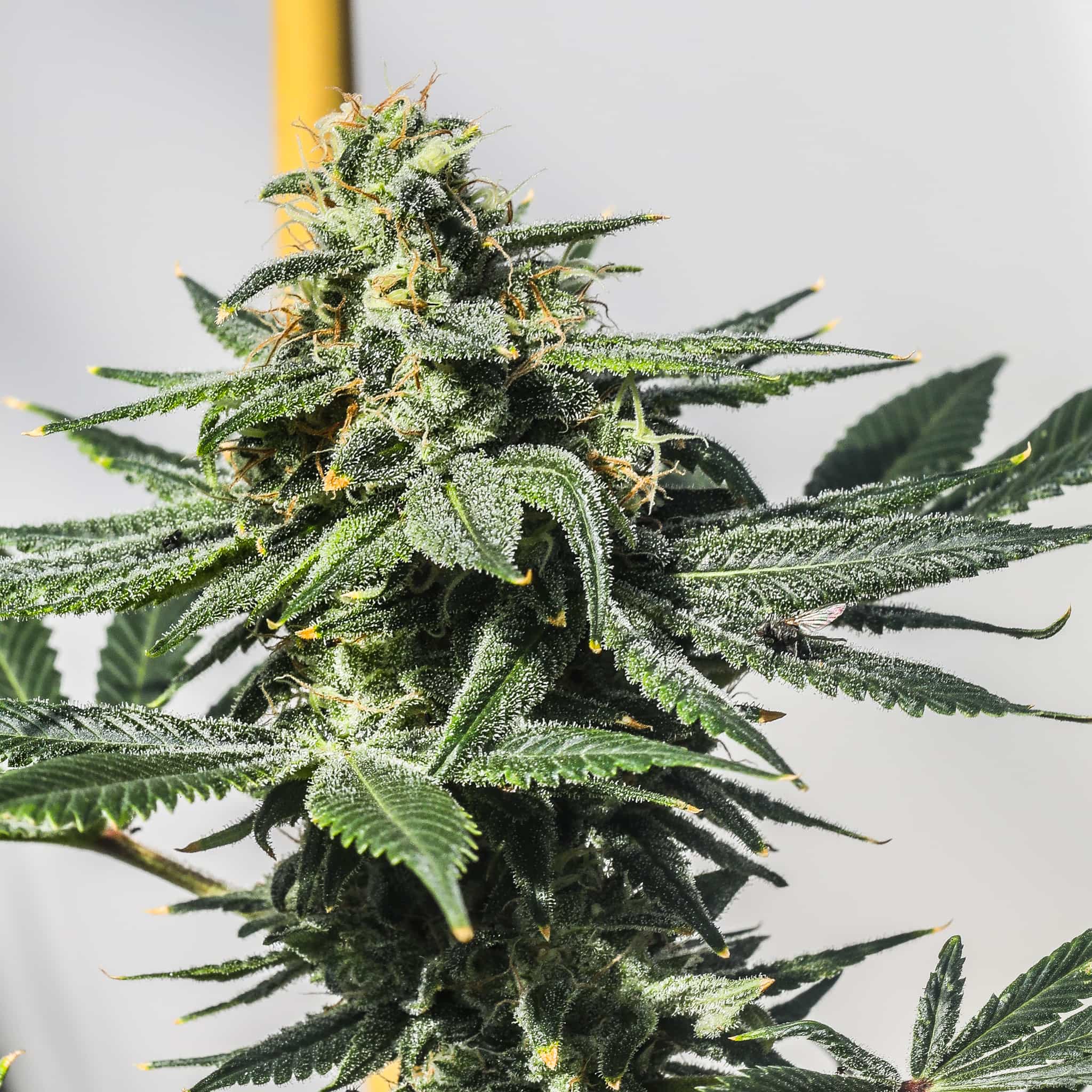
Forbidden V Seedless is a feminized triploid CBDV variety developed for exceptional cannabinoid production and premium flower quality.
With tropical fruit aromas and attractive, resin-rich flowers, it offers growers a combination of CBDV-rich genetics and desirable flower characteristics.
Pine Walker Seedless
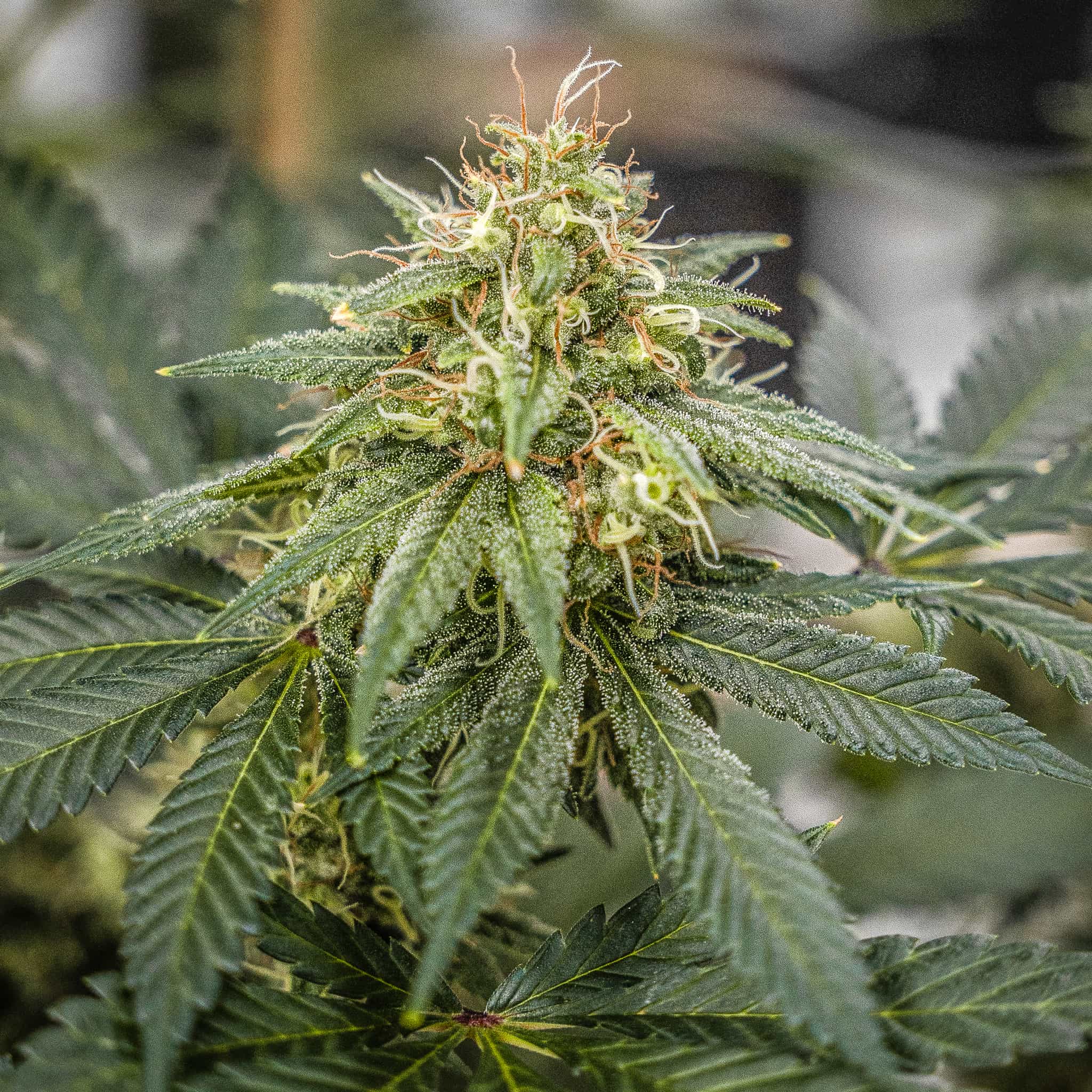
Pine Walker Seedless is another standout from our triploid CBDV lineup.
Developed for substantial CBDV production, this variety combines specialized varin genetics with the reduced fertility associated with triploid cannabis.
It's an excellent option for growers interested in CBDV-rich flower and cannabinoid extraction.
Castaway CBDV Seedless
Castaway CBDV Seedless represents another exciting addition to GTR Seeds' expanding selection of CBDV-rich triploid cannabis seeds.
Like our other CBDV varieties, it was developed to offer growers access to rare cannabinoid genetics while maintaining the advantages of feminized triploid breeding.
Explore GTR Seeds' CBDV Seed Collection
Why Triploid CBDV Seeds?
One of the most exciting developments in our CBDV breeding program is the introduction of triploid cannabis genetics.
Conventional cannabis plants are diploid, meaning they contain two sets of chromosomes. Triploid cannabis plants contain three sets.
This difference results in significantly reduced fertility, making triploid plants far less likely to produce mature seeds when exposed to pollen.
For growers producing premium CBDV flower, this can be especially valuable in environments where unwanted pollination is a concern.
Triploid breeding also allows GTR Seeds to explore new combinations of cannabinoid production, plant structure, and agricultural performance.
It's important to recognize that triploidy does not automatically increase CBDV concentrations. High CBDV production still depends on the underlying genetics and breeding selections.
Frequently Asked Questions About CBDV
Is CBDV the same as CBD?
No. CBDV and CBD are closely related but chemically distinct cannabinoids. CBDV has a three-carbon side chain, while CBD has a five-carbon side chain. This difference contributes to their distinct pharmacological characteristics.
Does CBDV get you high?
CBDV is generally considered non-intoxicating and is not known to produce the characteristic intoxicating effects associated with THC. However, CBDV-rich cannabis products may contain other cannabinoids, including THC.
Is CBDV naturally found in cannabis?
Yes. CBDV occurs naturally in cannabis, although most conventional varieties produce only small amounts. Specialized breeding can significantly increase CBDV production.
Are CBDV seeds different from CBD seeds?
Yes. High-CBDV seeds are bred from genetics capable of producing substantial amounts of varin cannabinoids. Conventional CBD seeds typically produce predominantly CBD with relatively little CBDV.
What is the difference between CBDV and THCV?
Both belong to the varin cannabinoid family, but CBDV is structurally related to CBD, while THCV is structurally related to THC. They have different pharmacological properties and are produced through different branches of cannabinoid biosynthesis.
Can CBDV-rich cannabis be legally grown as hemp?
Potentially, depending on the jurisdiction and the plant's THC concentrations. CBDV itself does not determine hemp compliance. Growers should review applicable laws, required testing procedures, and the cannabinoid profiles of the varieties they intend to cultivate.
The Future of CBDV Cannabis Genetics
CBDV represents an exciting example of how modern cannabis breeding is expanding beyond traditional THC and CBD production.
As researchers continue investigating minor cannabinoids, demand for genetically consistent, CBDV-rich plant material may grow among cultivators, processors, and research organizations.
At GTR Seeds, we're committed to developing innovative cannabis genetics that make rare cannabinoids more accessible to growers.
From CBDV and THCV to CBGV and other emerging cannabinoids, our breeding program continues to explore the genetic diversity of cannabis and the opportunities it presents.
Interested in growing CBDV-rich cannabis? Explore our CBDV cannabis seeds and discover the next generation of rare cannabinoid genetics.
This article is provided for educational purposes. Cannabinoid concentrations and plant performance vary with genetics and cultivation conditions. The research discussed does not establish medical benefits from CBDV-rich cannabis products.