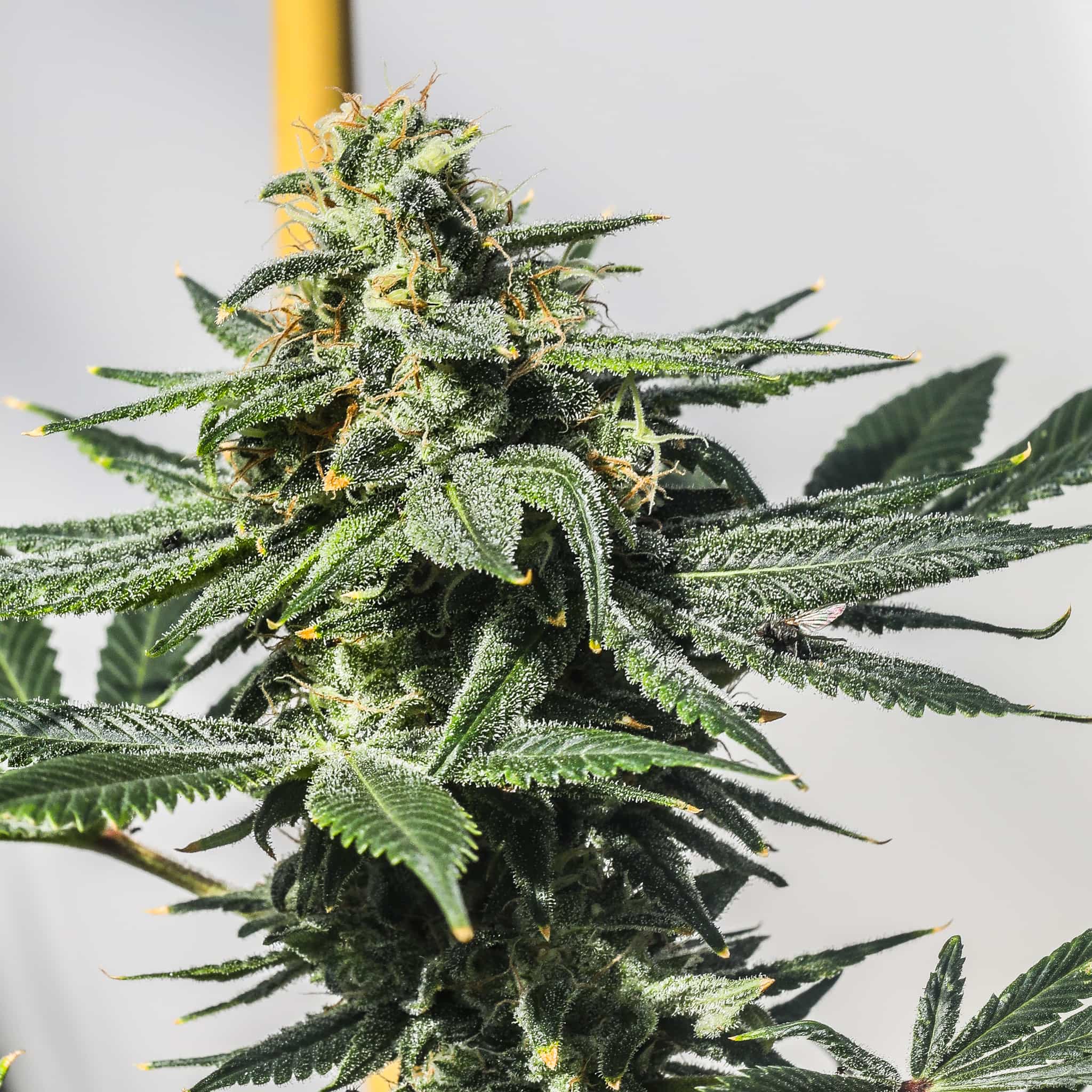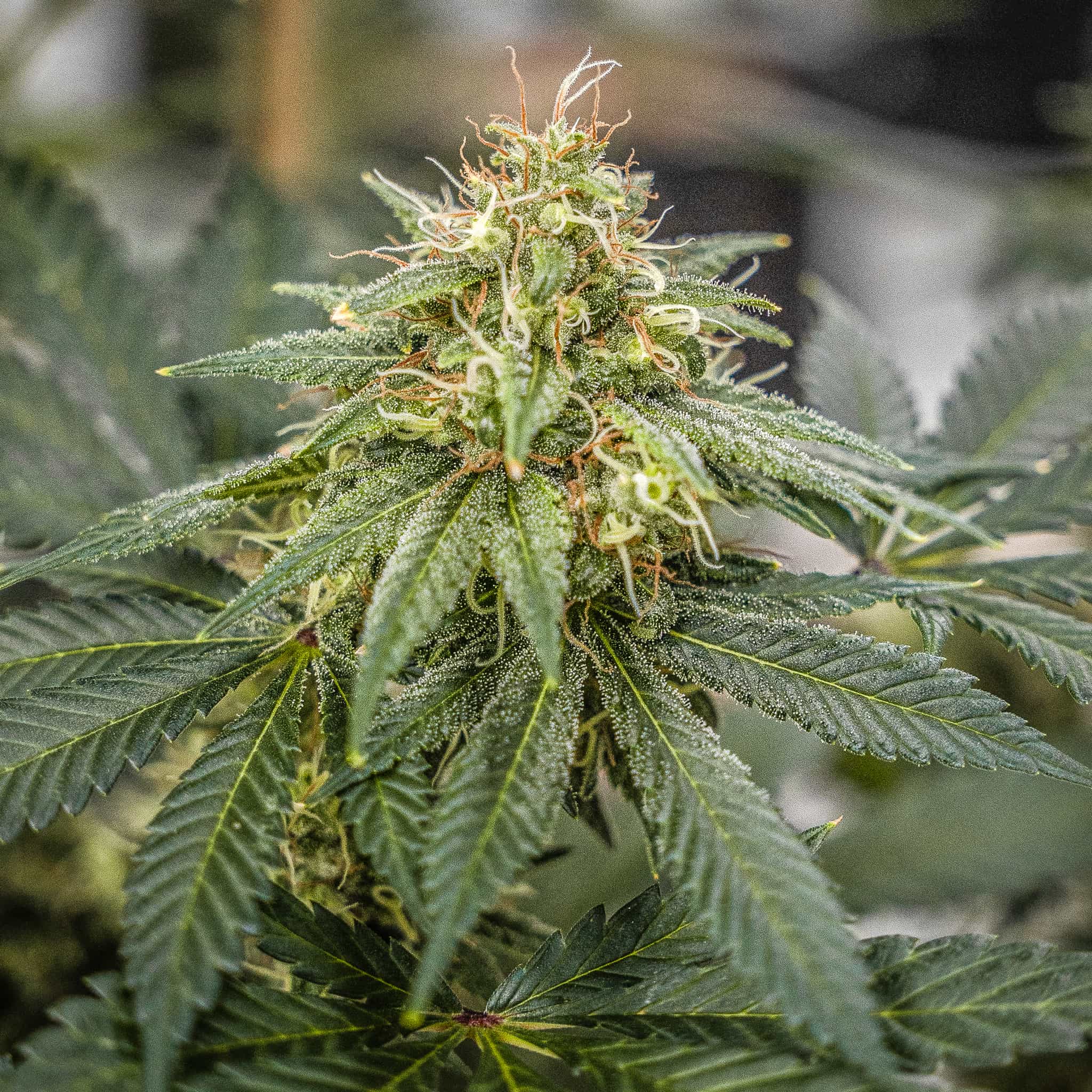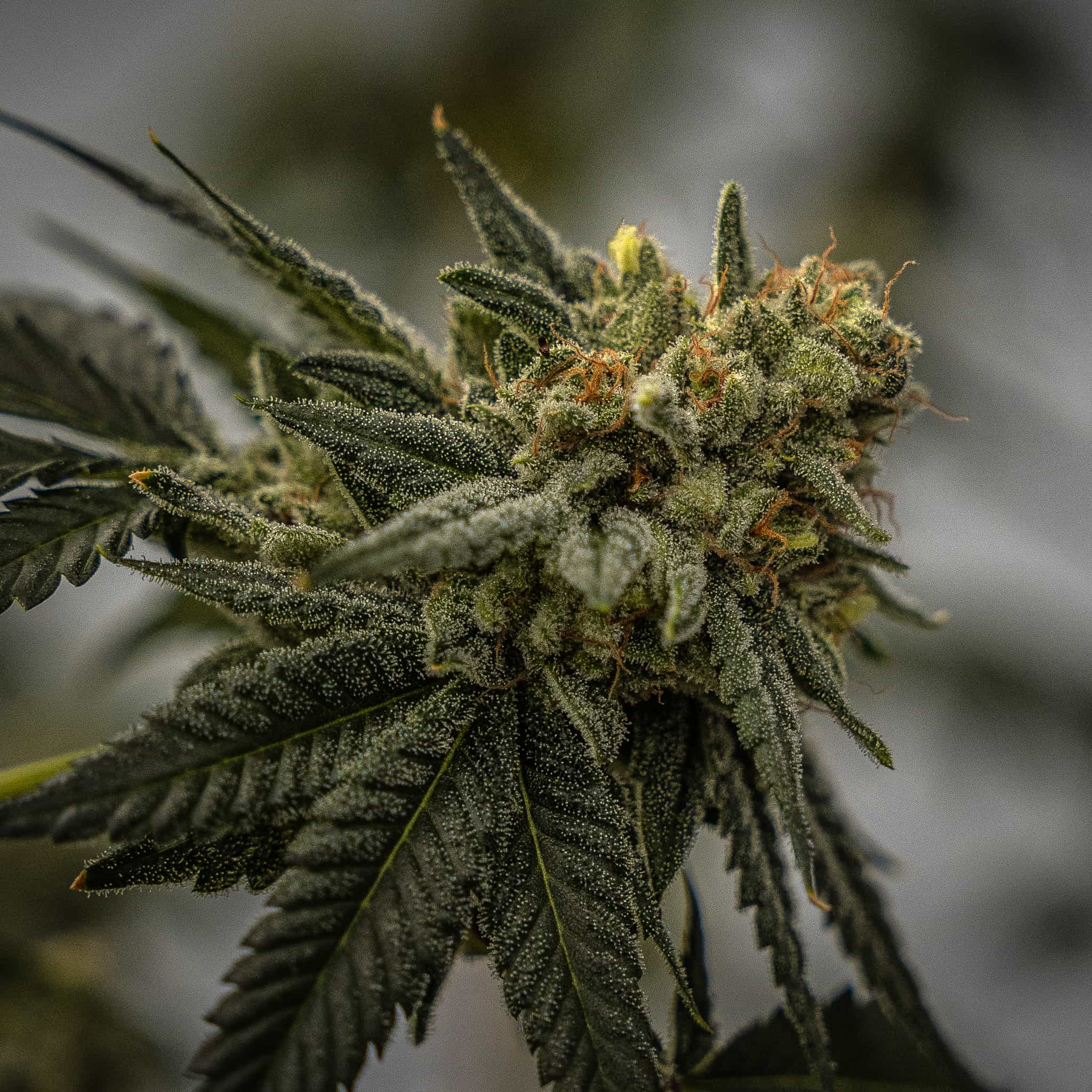


Cannabis is an incredibly adaptable plant. From the mountains of Afghanistan to the humid tropics of Southeast Asia, cannabis has evolved to thrive in a remarkable range of environments.
But just because cannabis can grow somewhere doesn't mean it's going to produce exceptional flowers.
Temperature, humidity, sunlight, rainfall, and the length of the growing season all play enormous roles in plant development, flower quality, and overall yield. And perhaps just as importantly, choosing genetics suited to your local climate can make the difference between a fantastic harvest and a disappointing one.
At GTR Seeds, we've spent years growing and evaluating cannabis varieties in the fields of Southern Oregon, where hot, dry summers and cool autumn nights create excellent conditions for flower production.
Here's what growers should consider when choosing cannabis varieties for their climate.
What Is the Ideal Temperature for Growing Cannabis?
Cannabis generally performs best in moderate to warm temperatures, although the ideal range depends on the variety and stage of growth.
For most varieties, daytime temperatures between 70°F and 85°F (21°C–29°C) provide excellent growing conditions.
Nighttime temperatures between 60°F and 70°F (15°C–21°C) are generally favorable, although established outdoor plants can tolerate considerably wider fluctuations.
Temperature preferences also change throughout the growing cycle.
-
Seedlings: Approximately 70°F–80°F (21°C–27°C). Young plants are particularly sensitive to extreme temperatures and drying out.
-
Vegetative growth: Approximately 75°F–85°F (24°C–29°C). Warm temperatures, adequate moisture, and long days promote vigorous plant development.
-
Flowering: Approximately 65°F–80°F (18°C–27°C). Moderate temperatures can help preserve flower quality and reduce heat-related stress.
Cannabis can tolerate temperatures outside these ranges, but prolonged exposure to extreme heat or cold can reduce growth and yield.
High temperatures can increase water demand, cause heat stress, and negatively affect flower development. Cold temperatures slow growth and can increase the risk of disease, particularly when combined with high humidity.
Interestingly, cool nighttime temperatures can also encourage colorful purple and red pigmentation in genetically predisposed varieties. But color alone isn't an indication of quality or maturity.
Humidity: One of the Biggest Challenges for Cannabis Growers
Humidity is often just as important as temperature, especially during flowering.
Cannabis plants generally tolerate higher humidity during early growth, but dense, mature flowers become increasingly vulnerable to fungal diseases as humidity rises.
Typical indoor growing targets include:
| Growth stage | Relative humidity |
|---|---|
| Seedlings | 60–70% |
| Vegetative growth | 50–65% |
| Early flowering | 45–55% |
| Late flowering | 40–50% |
These are general guidelines rather than strict requirements. Temperature, airflow, and vapor pressure deficit (VPD) also influence how plants respond to humidity.
For outdoor growers, humidity is largely out of your control.
In humid regions, particularly the Southeastern United States, prolonged moisture can create serious problems with powdery mildew, Botrytis (bud rot), and other fungal pathogens.
In drier climates, such as much of the Western United States, fungal pressure may be lower during the summer, although irrigation requirements are often considerably higher.
Choosing varieties with appropriate flower structure, disease resistance, and maturity dates is particularly important in humid growing regions.
How Much Sunlight Does Cannabis Need?
Cannabis loves sunlight. In general, the more direct sunlight your plants receive, the greater their potential for vigorous growth and flower production, provided water and nutrients aren't limiting.
For outdoor cultivation, six to eight or more hours of direct sunlight per day is a good starting point.
However, sunlight intensity and day length are two different things.
Most conventional cannabis varieties are photoperiod sensitive, meaning they begin flowering in response to increasingly long nights.
Indoor growers typically use 18 hours of light during vegetative growth and switch to 12 hours of light and 12 hours of darkness to initiate flowering.
Outdoors, flowering is influenced by genetics, latitude, and seasonal changes in daylight. Many varieties begin flowering well before natural daylight reaches 12 hours.
This is why cannabis varieties can behave very differently depending on where they're grown.
A variety that finishes in September in Oregon may flower and mature on a different schedule when grown at a lower latitude.
Autoflowering, or day-neutral, cannabis varieties are different. They initiate flowering primarily based on plant age rather than changes in day length.
Soil Quality and Drainage
While climate is important, even the best growing environment won't compensate for poor soil conditions.
Cannabis generally prefers well-draining soil with good structure, adequate organic matter, and a pH around 6.0–7.0 for soil-based cultivation.
Heavy clay soils can retain too much water, leading to poor root development and increased disease pressure. Sandy soils drain quickly but may require more frequent irrigation and fertilization.
Loamy soils that balance moisture retention and drainage are generally ideal.
For commercial growers, soil testing before planting is one of the best investments you can make. Understanding nutrient availability, pH, organic matter, and soil structure can prevent costly problems later in the season.
Growing Cannabis in Different Regions of the United States
There isn't one perfect climate for growing cannabis. Every region has advantages and challenges, and selecting the right varieties is often more important than having textbook growing conditions.
Pacific Northwest: Oregon and Washington
Southern Oregon has become one of the country's most recognized cannabis-growing regions for good reason.
Hot, dry summers, abundant sunshine, and relatively low summer humidity provide excellent conditions for producing high-quality flowers.
However, autumn weather can be unpredictable. As temperatures cool and rainfall returns, late-maturing varieties become increasingly vulnerable to mold and other problems.
Here in Southern Oregon, we've found that harvest timing is one of the most important traits to consider when selecting genetics.
Early-maturing varieties can finish before fall rains arrive, while later varieties may require a longer stretch of favorable weather.
California: Long Growing Seasons and Diverse Microclimates
California offers some of the most favorable outdoor cannabis-growing conditions in the country, particularly in regions with Mediterranean climates.
Long, sunny summers and relatively dry weather create excellent opportunities for large plants and high-quality flowers.
However, coastal fog, inland heat waves, water availability, and wildfire smoke can all present challenges.
Growers should select varieties suited to their specific microclimate rather than assuming all of California has similar growing conditions.
Southeastern United States: Heat and Humidity
The Southeast can be a challenging environment for premium outdoor cannabis flower production.
Long growing seasons and warm temperatures encourage vigorous plant growth, but high humidity, frequent rainfall, and persistent disease pressure can make flowering difficult.
Dense flowers may be especially vulnerable to Botrytis and other fungal pathogens.
Growers in these regions should prioritize disease resistance, early maturity, good airflow, and varieties with flower structures suited to humid conditions.
Northeast and Upper Midwest: Short Growing Seasons
Growers in northern states often face a different challenge: limited time.
Late spring frosts, shorter growing seasons, and cool, wet autumn weather can make it difficult for late-flowering varieties to finish successfully.
Early-maturing genetics are particularly valuable in these regions.
Choosing varieties that finish before persistent autumn rain and freezing temperatures arrive can dramatically improve the likelihood of a successful harvest.
Mountain West: Colorado and High-Elevation Growing
High-elevation regions can provide intense sunlight, low humidity, and favorable daytime temperatures.
However, large temperature swings, cool nights, early frosts, and occasional severe weather can make outdoor cultivation unpredictable.
Growers should pay particular attention to frost dates, irrigation needs, and maturity timing.
Why Cannabis Genetics Matter More Than Perfect Weather
One of the biggest mistakes growers make is assuming that a variety performing exceptionally well in one region will perform exactly the same somewhere else.
Cannabis genetics differ enormously in their responses to temperature, humidity, photoperiod, disease pressure, and seasonal conditions.
A variety bred for long, dry summers may struggle in a humid region with frequent rainfall. Likewise, a late-maturing variety that performs beautifully in California may never reach its full potential in northern climates.
At GTR Seeds, we select and evaluate our genetics for characteristics including vigor, uniformity, flower quality, cannabinoid production, and maturity timing.
Our varieties have also been included in independent university field trials across the country, helping growers understand how different genetics perform under a range of environmental conditions.
You can explore these studies on our University Hemp Research page.
For outdoor growers, we generally recommend paying particularly close attention to flowering time, disease resistance, and the typical weather conditions during your expected harvest window.
Choosing Cannabis Varieties for Your Climate
When selecting seeds, consider more than just cannabinoid content, terpene profiles, or potential yield.
Ask yourself a few important questions:
-
When does the first significant autumn rainfall typically arrive?
-
How humid is your region during flowering?
-
How long is your frost-free growing season?
-
Does your area experience extreme summer heat?
-
Are neighboring cannabis or hemp fields a potential source of unwanted pollen?
That last question is particularly important for growers producing premium seedless flowers.
In regions with significant commercial cannabis or hemp production, unwanted pollination can be a major concern.
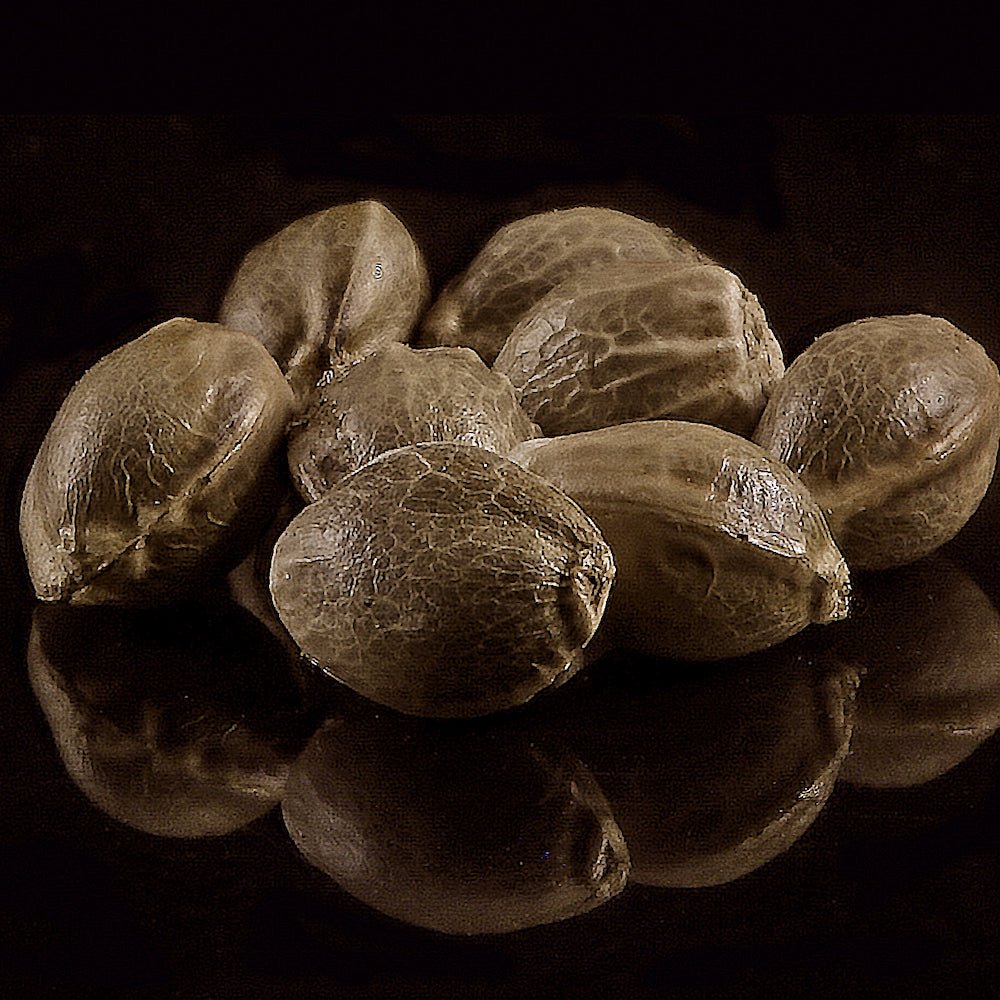
Our triploid cannabis seeds offer greatly reduced fertility, helping protect flower crops against unwanted seed production from neighboring fields.
While triploids aren't completely sterile, their reduced fertility can provide a significant advantage in areas where pollen exposure is difficult to control.
Cannabis Is a Weed, But It Doesn't Grow Everywhere
Well, technically cannabis can grow in an enormous range of climates. But growing a plant and producing exceptional flowers are two very different things.
The best cannabis-growing climate depends on the variety, the intended use, and the grower's ability to manage environmental challenges.
Warm temperatures, abundant sunlight, moderate humidity, and well-draining soils provide a great starting point. But successful cultivation ultimately comes down to matching genetics with the environment.
Whether you're growing in the dry summers of Southern Oregon, the humid Southeast, or the short seasons of the Northeast, choosing the right varieties can make all the difference.
And that's exactly why we spend so much time developing and testing our genetics before putting seeds into growers' hands.