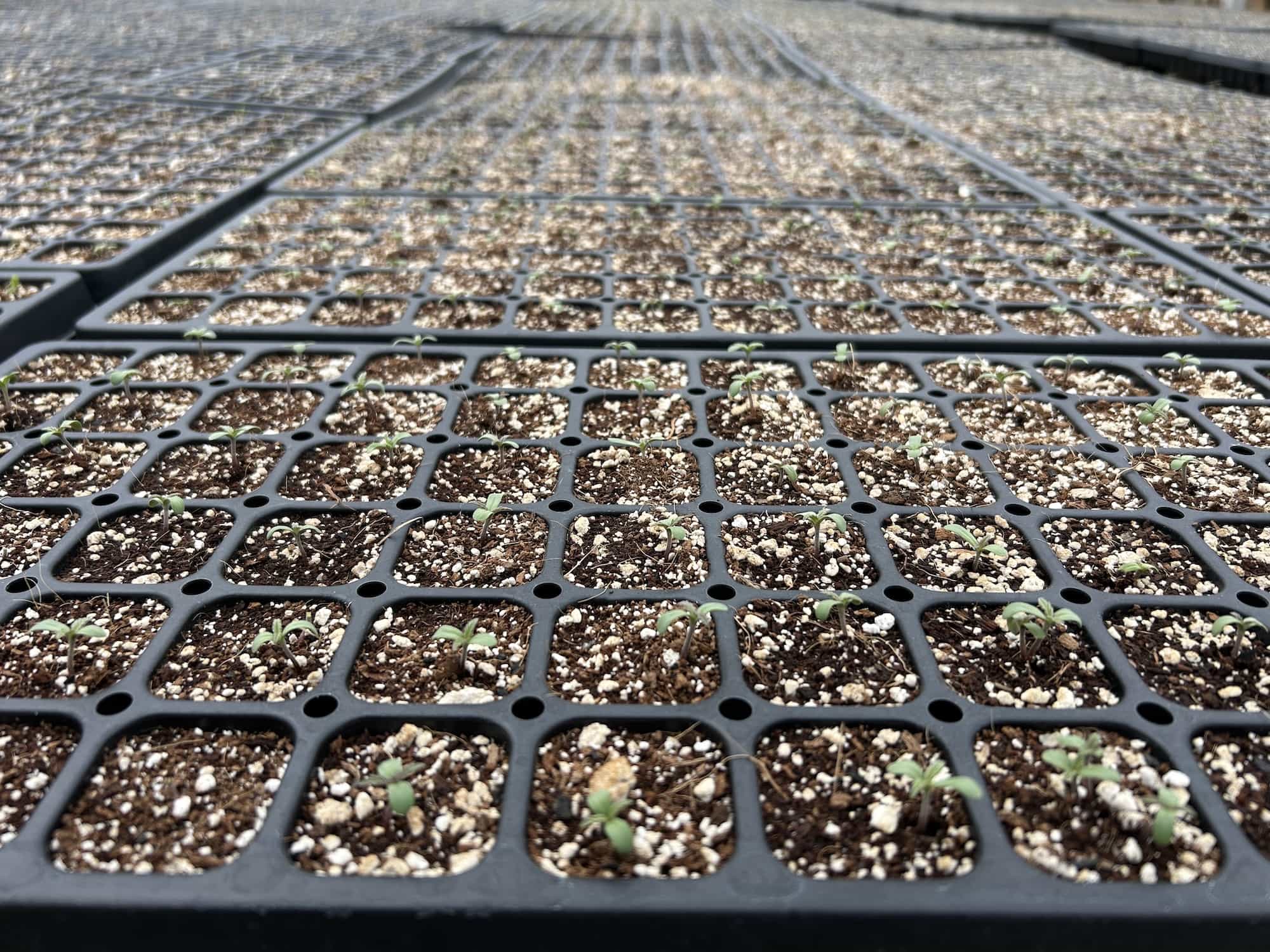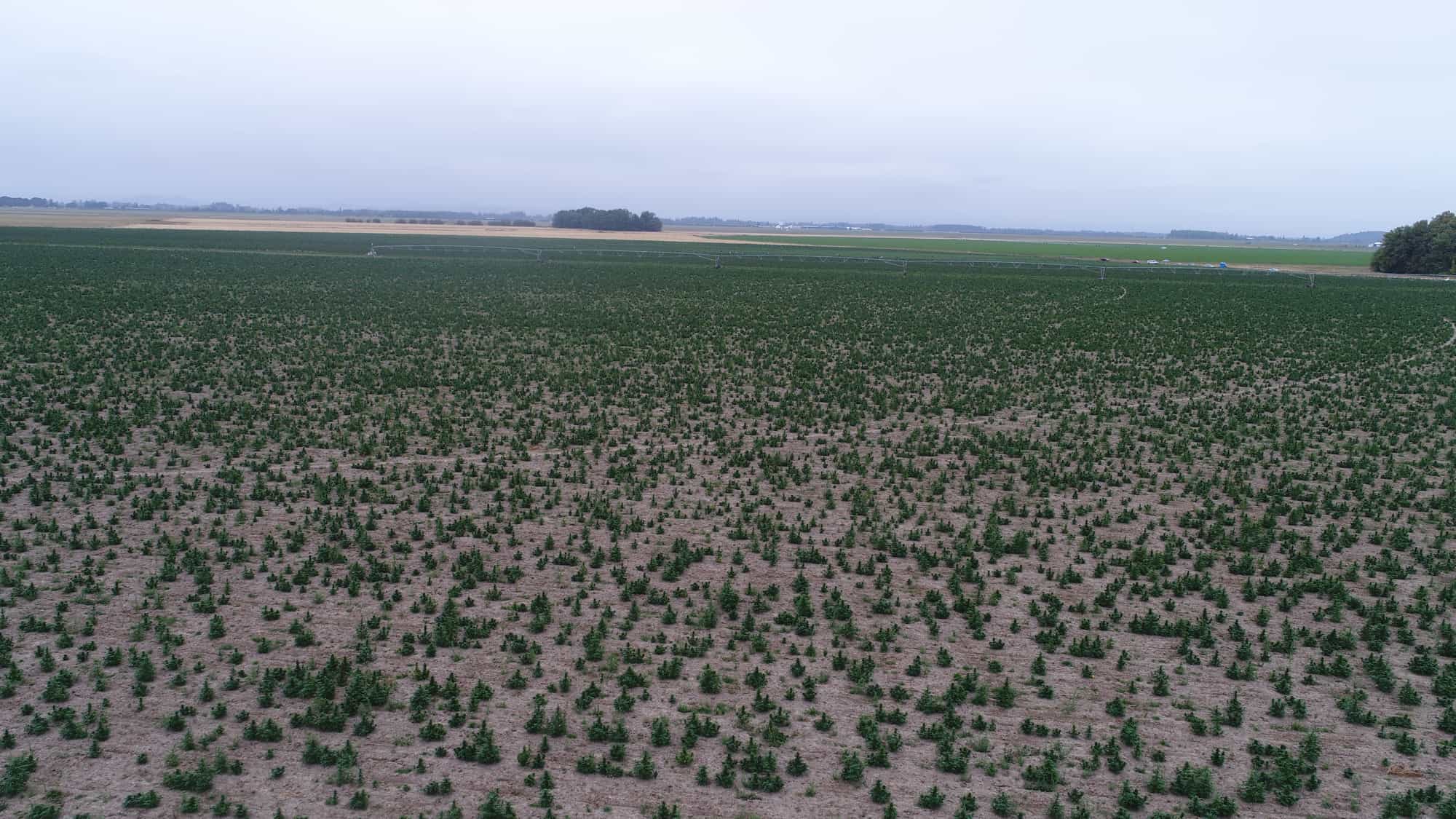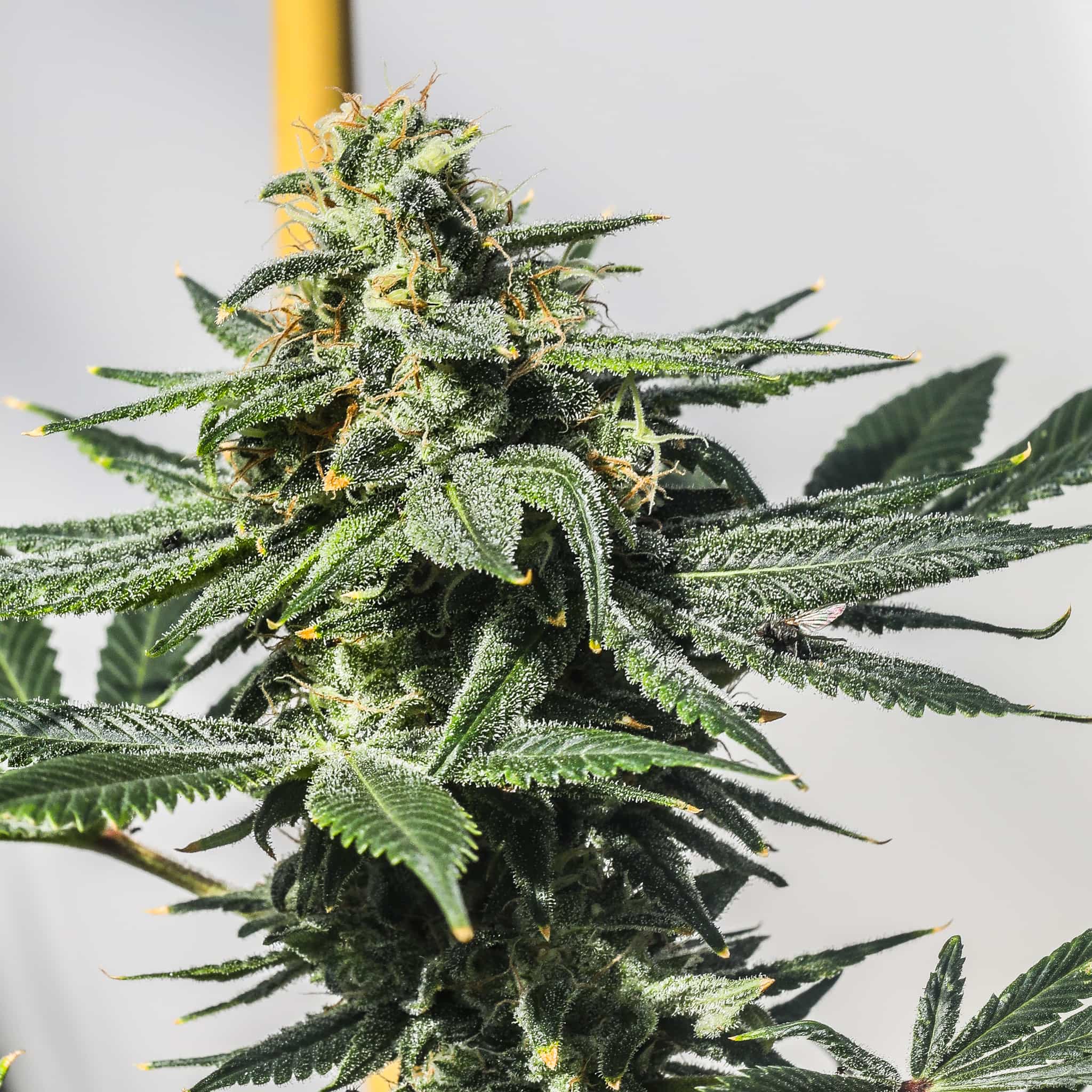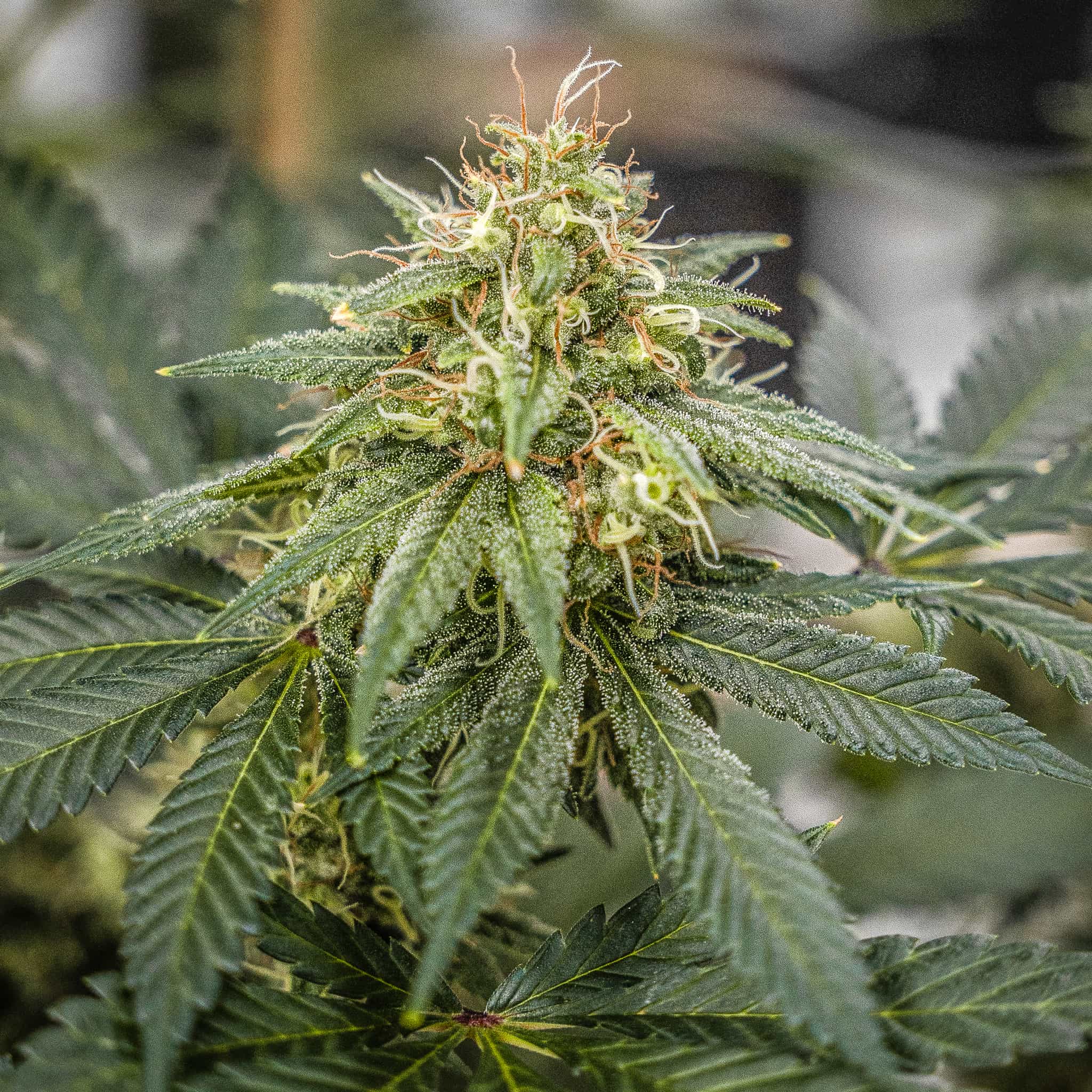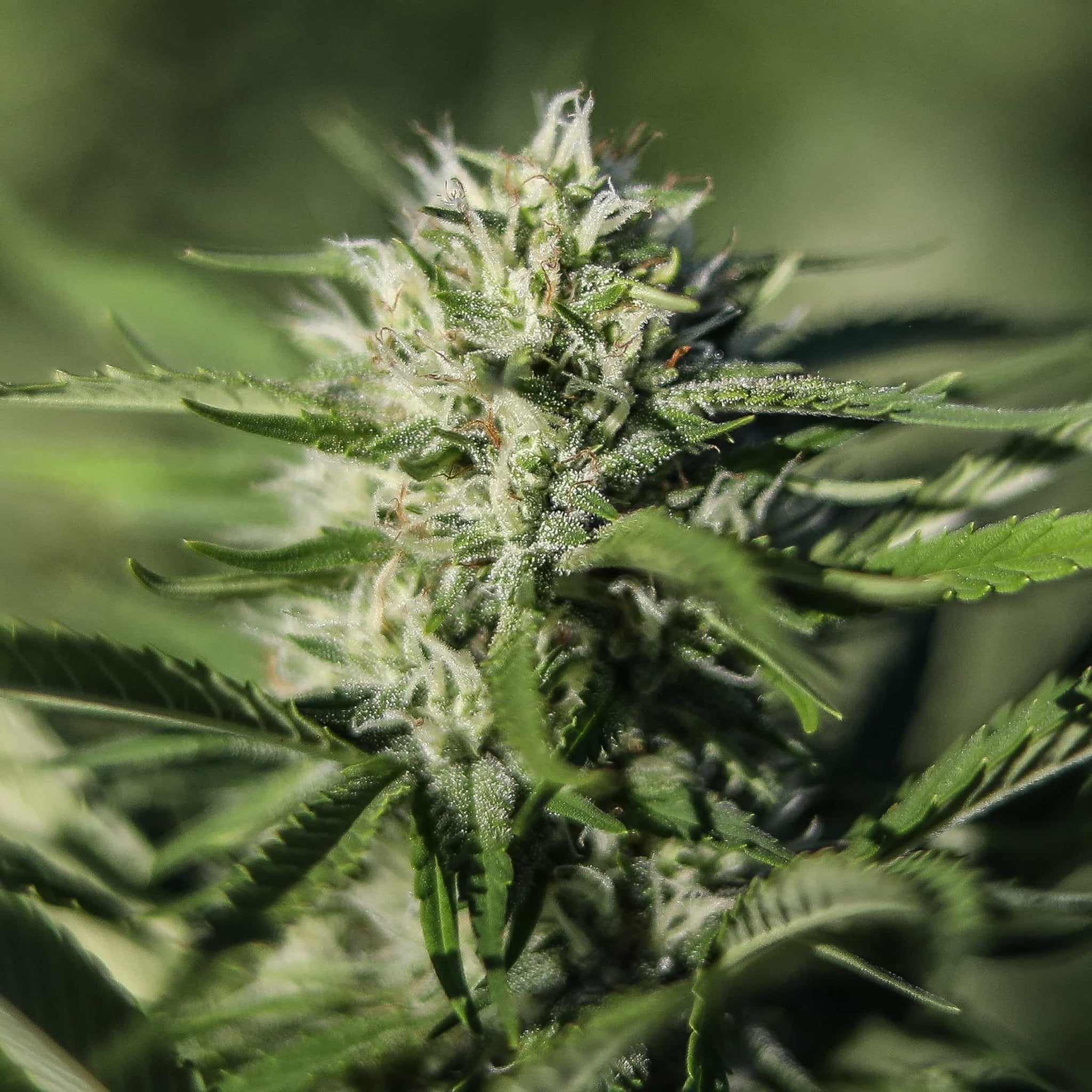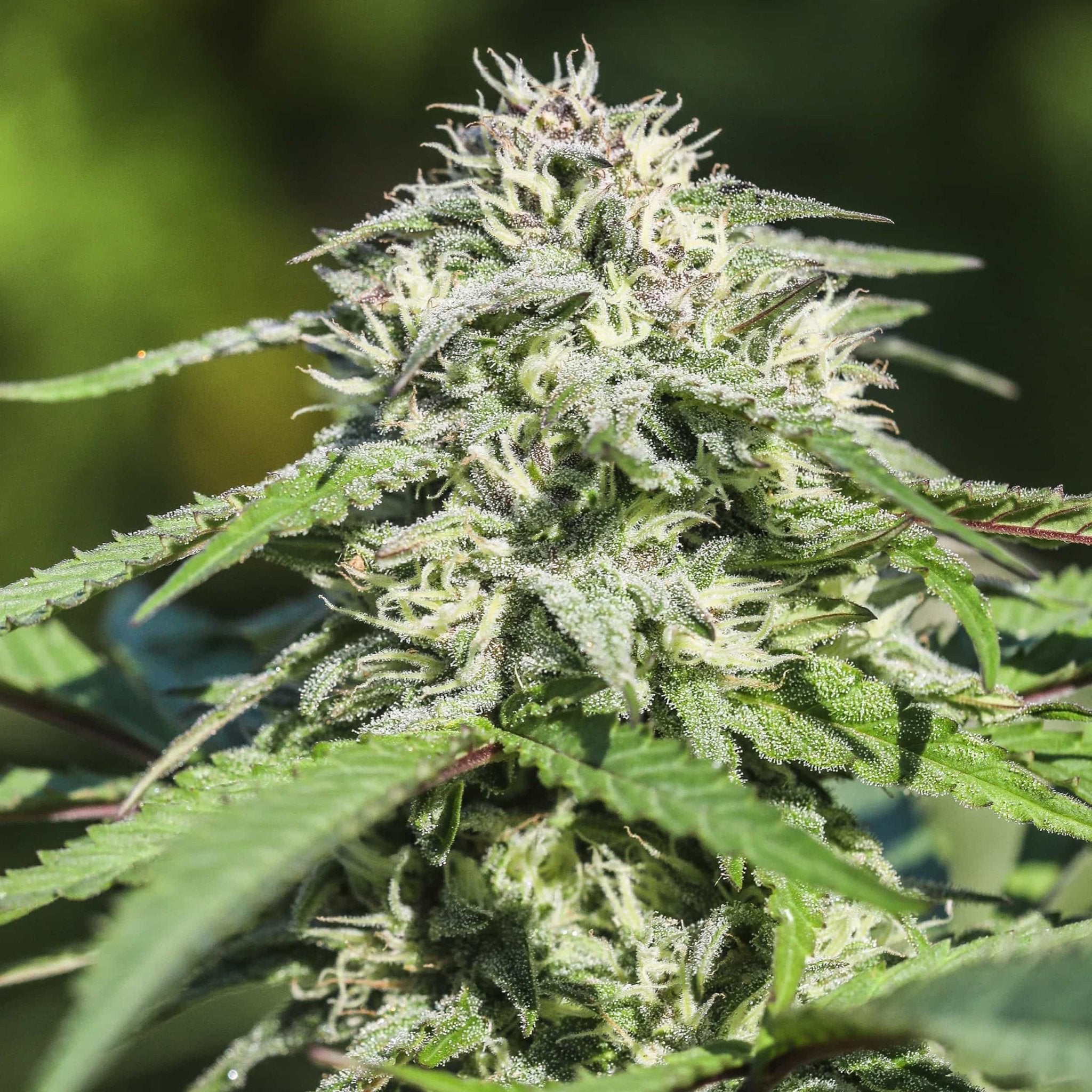


What if we could identify the genes responsible for producing the highest possible cannabinoid yields in cannabis plants?
That's the question driving one of our most exciting research initiatives at GTR Seeds: Project TAC.
TAC stands for Total Active Cannabinoids, and our objective is ambitious: identify the genetic markers associated with maximum cannabinoid production and use that knowledge to develop the next generation of high-performing cannabis genetics.
For decades, cannabis breeding has focused heavily on individual cannabinoids, particularly THC and CBD. While breeders have made tremendous progress developing plants with specific cannabinoid profiles, there's still a great deal we don't understand about what determines a plant's total cannabinoid production.
Project TAC aims to help answer that question.
Watch our video about Project TAC on YouTube
Cannabinoid Potency vs. Total Cannabinoid Production
When growers talk about cannabis potency, they're usually referring to the percentage of THC, CBD, or another cannabinoid found in dried flower.
But cannabinoid percentage is only part of the equation.
Consider two plants:
-
Plant A: Produces 20% total cannabinoids and yields two pounds of dried flower.
-
Plant B: Produces 25% total cannabinoids but yields only one pound of dried flower.
Assuming comparable testing and processing, Plant A produces approximately 181 grams of cannabinoids, while Plant B produces approximately 113 grams.
Despite having a lower cannabinoid percentage, Plant A produces significantly more total cannabinoids.
For commercial growers, extractors, and processors, that distinction can have enormous economic implications.
Our ultimate goal isn't simply to breed plants with impressive laboratory percentages. It's to develop genetics capable of producing the greatest possible cannabinoid yield per plant and per acre.
The Genetics Behind Cannabinoid Production
Cannabis produces cannabinoids through a complex biochemical pathway involving multiple enzymes and precursor compounds.
One of the most important molecules in this process is cannabigerolic acid (CBGA), which serves as a precursor for several major cannabinoids.
Specialized enzymes convert CBGA into compounds such as THCA, CBDA, and CBCA.
Other pathways contribute to the production of varin cannabinoids, including THCV and CBDV.
Scientists have identified important genetic regions associated with cannabinoid type, particularly those involving THC and CBD synthase genes.
However, the genes determining which cannabinoids a plant produces are not necessarily the same genes controlling how much cannabinoid it can produce.
Research published in Genome Research identified a genetic marker associated with total cannabinoid content near a gene involved in cannabinoid precursor production.
Additional studies have identified genetic regions associated with cannabinoid abundance and variation in cannabinoid profiles.
These findings suggest that cannabinoid productivity is influenced by a more complex genetic system than simply possessing functional THC or CBD synthase genes.
Relevant scientific research:
-
A Physical and Genetic Map of Cannabis sativa — Genome Research
-
Validating a Predictive Model of Cannabinoid Inheritance — Published Research
-
Discovery of Major Genetic Regions Associated With Cannabinoid Biosynthesis
What Is Project TAC Trying to Discover?
Project TAC is focused on identifying genetic markers associated with unusually high cannabinoid production.
A genetic marker is an identifiable DNA sequence or variation that can be associated with a particular characteristic.
In agricultural breeding, markers can help researchers identify plants carrying desirable genetic traits without relying exclusively on the appearance or performance of mature plants.
For cannabis, this could eventually mean identifying genetic combinations associated with exceptionally high total cannabinoid production.
Our research seeks to improve our understanding of questions such as:
-
Why do some cannabis plants consistently produce more cannabinoids than others?
-
Which genetic regions influence the amount of cannabinoid precursor a plant can produce?
-
Can genetic markers help predict high cannabinoid productivity?
-
Can these traits be combined with exceptional flower yield, resin production, and desirable cannabinoid profiles?
-
Can the same discoveries improve THC, CBD, CBG, THCV, and other cannabinoid-rich genetics?
Identifying reliable markers could provide breeders with powerful new tools for developing more productive cannabis varieties.
Moving Beyond Traditional Cannabis Breeding
Traditional cannabis breeding depends heavily on growing large populations, evaluating mature plants, conducting laboratory testing, and selecting the best individuals.
This process works, but it's expensive and time-consuming.
At GTR Seeds, we already invest years developing the parental lines used to produce our F1 hybrid cannabis seeds.
Project TAC represents an opportunity to make that process more precise.
Rather than relying exclusively on plant performance and cannabinoid testing, genetic markers could eventually help us identify promising breeding candidates earlier in development.
This approach, known as marker-assisted selection, is widely used in modern agricultural breeding.
It doesn't eliminate the need for field trials or laboratory testing. Environmental conditions, plant development, and other genetic factors still influence final cannabinoid production.
But it could allow breeders to make better-informed decisions about which plants deserve further evaluation.
The potential result is a more efficient breeding process and greater progress toward consistently high cannabinoid yields.
Why This Matters for CBD and THC Growers
For commercial cannabis producers, cannabinoid yield is a major driver of profitability.
A plant producing more total cannabinoids from the same cultivation area can potentially improve extraction efficiency and overall agricultural returns.
This is particularly important for large-scale CBD and THC biomass production, where the value of a harvest is closely tied to the amount of recoverable cannabinoids.
Our high-CBD cannabis varieties, including Lifter, Sour Lifter, and Suver Haze, were developed with commercial production in mind.
Likewise, our expanding lineup of triploid THC cannabis seeds emphasizes flower production, resin development, and agricultural performance.
Project TAC could help advance both breeding programs by improving our understanding of the genetic factors influencing cannabinoid productivity.
Ultimately, we want to develop plants that don't force growers to choose between high cannabinoid concentrations and heavy flower production.
What About CBG, THCV, CBDV, and Other Cannabinoids?
One of the most exciting possibilities is applying this research to specialty cannabinoids.
GTR Seeds has spent years developing genetics capable of producing cannabinoids that were once extremely difficult to find in meaningful concentrations.
Our breeding programs include CBG seeds, THCV-rich varieties, CBDV genetics, and CBGV-dominant cannabis.
While the genetic pathways responsible for these cannabinoids differ in important ways, understanding the broader factors influencing cannabinoid precursor production and accumulation could provide valuable insights across multiple breeding programs.
For example, identifying genetic factors associated with increased cannabinoid production might eventually help us develop higher-yielding CBG or THCV varieties.
However, these applications will require additional research and validation. Genetic factors that improve one cannabinoid profile won't necessarily produce the same results in another.
That's precisely why projects like TAC are important.
The Future of Cannabis Breeding Is in the DNA
Modern agriculture has benefited enormously from advances in genetics.
Plant breeders now routinely use genetic information to improve crop productivity, disease resistance, nutritional characteristics, and other economically important traits.
Cannabis breeding is beginning to benefit from many of these same technologies.
At GTR Seeds, we believe the future of cannabis genetics will involve combining traditional plant breeding with increasingly sophisticated genetic research.
Project TAC is part of that effort.
By identifying the genetic factors associated with maximum cannabinoid production, we hope to establish new breeding tools that can improve productivity across multiple cannabinoid types.
The project is focused on discovery, and identifying useful markers is only the beginning. Any promising genetic associations must ultimately be validated through breeding, cultivation, and laboratory testing.
But the potential is enormous.
Imagine a future where cannabis breeders can identify plants with exceptional cannabinoid production potential through their DNA, long before those plants reach maturity.
That's the future we're working toward.
Follow the Progress of Project TAC
GTR Seeds and Oregon CBD have a long history of developing original cannabis genetics through extensive breeding, testing, and scientific research.
From pioneering high-CBG varieties to developing new triploid cannabis genetics, our work has consistently focused on pushing the boundaries of what's possible in cannabis agriculture.
Project TAC represents another step forward.
We're excited to share more about this research as it progresses and to explore how these discoveries could shape the next generation of cannabis varieties.
Watch our introduction to Project TAC:
Project TAC — Cannabis Genetics and Maximum Cannabinoid Production (YouTube)
Explore GTR Seeds Cannabis Genetics
Grow the Revolution.