


The story of GTR Seeds and Oregon CBD doesn't begin in a laboratory, a greenhouse, or even a cannabis grow room. It begins in a log cabin, deep in the mountains of Southern Oregon.
Brothers Seth Crawford and Eric Crawford, co-founders of Oregon CBD and GTR Seeds, grew up off the grid on a remote mining claim. Their childhood was shaped by self-reliance, hard work, and a healthy skepticism of conventional thinking.
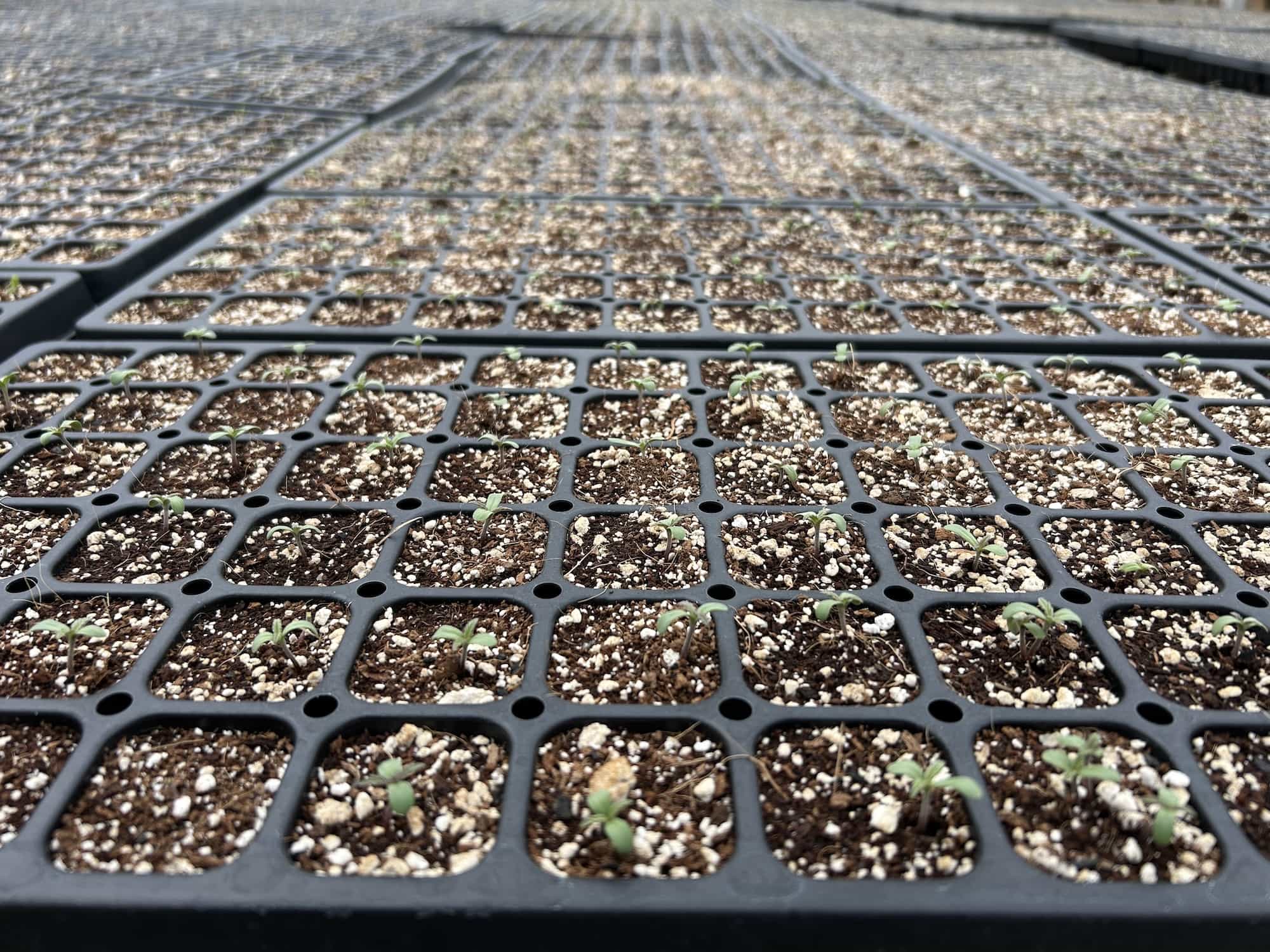
Their mother, still known locally as the "Tomato Queen," raises thousands of heirloom vegetable starts every spring. She passed along a passion for plants, seeds, and growing things. Their father contributed a different kind of education: rebellion, independence, and a revolutionary spirit.
Those influences would eventually shape one of the cannabis industry's most ambitious genetics and breeding programs.
Oregon Roots: From College to Cannabis Cultivation
Both brothers attended Oregon State University, but their paths into cannabis were slightly different.
Seth earned a master's degree in public policy from Oregon State University and later completed a Ph.D. at the University of Oregon. Following surgery for a herniated disc in 2005, he obtained an Oregon medical marijuana card and began cultivating and breeding cannabis.
By 2008, much of his house had been converted into grow rooms and breeding chambers. What began as personal cultivation quickly developed into a serious interest in cannabis genetics, agricultural production, and public policy.
Seth also studied cannabis policy academically and taught courses on the subject at Oregon State University.
Eric, meanwhile, studied horticulture at OSU and began growing and breeding cannabis in his closet around 2004. By 2008, he had moved into larger outdoor cultivation projects, gaining practical experience with plant selection, field performance, and breeding.
Both brothers were active during the formative years of Oregon's medical marijuana program, when cannabis cultivation was still largely an underground industry.
But they were already thinking beyond growing flower. They wanted to understand how to breed better plants.
Recognizing the Future of CBD Before the Hemp Boom
In 2014, while completing his doctoral research, Seth began investigating cannabis production in Oregon.
His research, published as Estimating the Quasi-Underground Oregon's Informal Marijuana Economy, examined the scale of cannabis production across the state.
The findings reinforced something the brothers already suspected: Oregon growers were producing far more cannabis than the state's residents could consume.
With recreational legalization approaching, Seth recognized that overproduction and falling prices were likely to become serious challenges. Southern Oregon's excellent growing climate made the region particularly well suited to large-scale cannabis production, but that same advantage would eventually contribute to a saturated market.
Around the same time, Seth's aging dog was battling cancer, sparking his interest in CBD and its potential therapeutic applications.
CBD-rich cannabis flower was still relatively uncommon, and wholesale prices could rival or exceed those of THC-dominant flower.
The brothers saw an opportunity.
The 2014 Farm Bill had opened the door to state-authorized industrial hemp research programs. Although commercial hemp production remained subject to significant restrictions, the legislation created a pathway for developing low-THC, high-CBD cannabis genetics.
Unlike the relatively limited market for intoxicating cannabis, CBD appeared to have the potential to reach a much broader audience.
The Crawford brothers believed that CBD genetics could become the foundation of an entirely new agricultural industry.
The Creation of Oregon CBD
With a clear direction in mind, Seth began traveling across the country, meeting established cannabis breeders and collecting diverse genetics while conducting his academic research.
Those genetic resources became the foundation of an intensive breeding program and ultimately the creation of Oregon CBD.
The brothers moved their breeding work out of closets and spare bedrooms and into commercial greenhouse facilities. Working within Oregon's industrial hemp program gave them opportunities to expand their research and develop genetics on a much larger scale.
Their initial objective was surprisingly simple:
Make CBD-dominant cannabis smell, taste, and perform as well as the best THC-dominant varieties.
At the time, much of the available CBD hemp genetics lacked the aromas, flower quality, and consistency that cannabis consumers had come to expect.
The brothers wanted to change that.

Bringing F1 Hybrid Breeding to Commercial Hemp Production
As Oregon CBD grew, the brothers focused on developing reliable, feminized F1 hybrid cannabis seeds suitable for large-scale agricultural production.
Rather than relying on loosely selected crosses and unpredictable offspring, they emphasized controlled breeding, genetic selection, uniformity, and repeatable field performance.
Their goal was to develop varieties that farmers could plant across hundreds or thousands of acres with greater confidence in their growth characteristics, flowering times, cannabinoid profiles, and harvest potential.
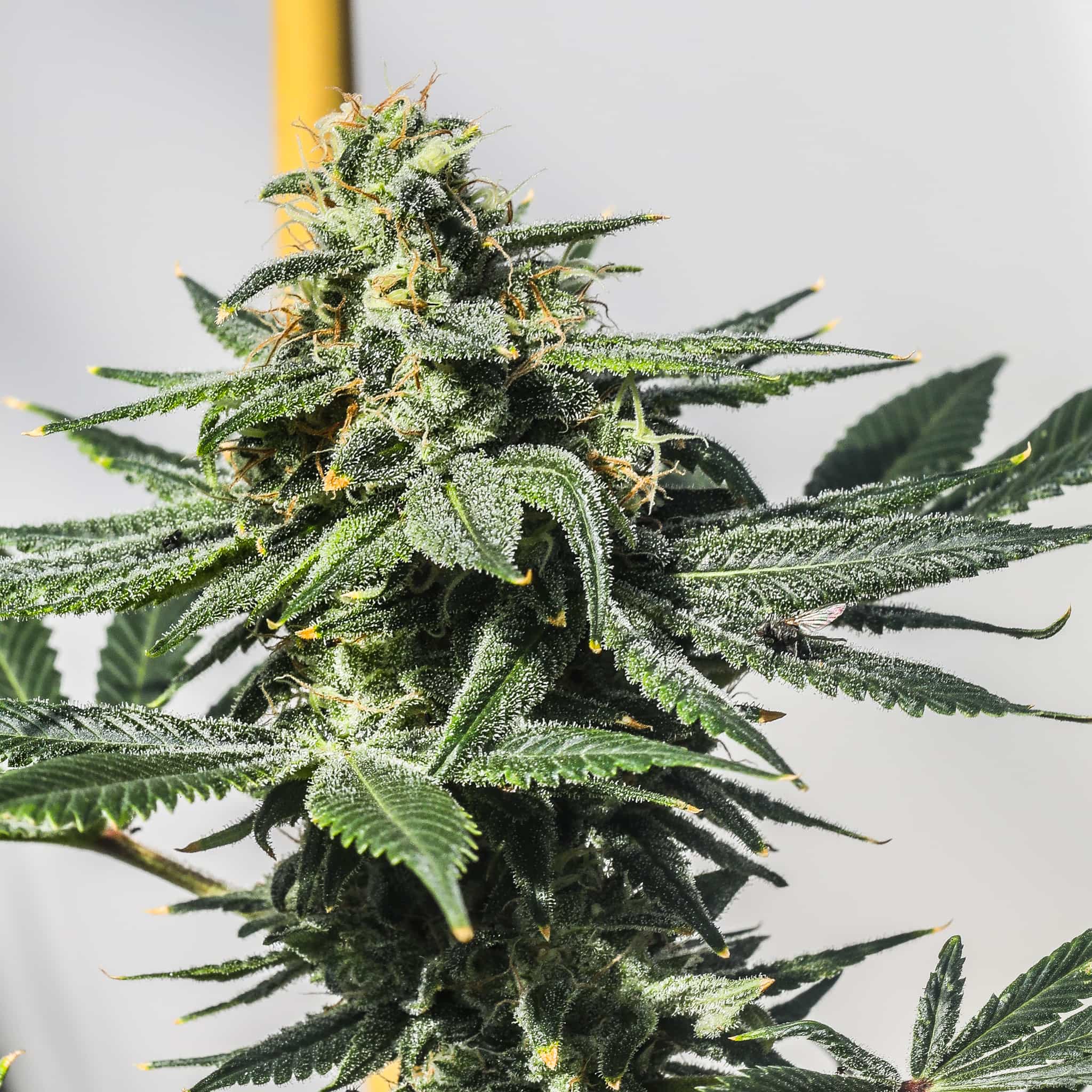
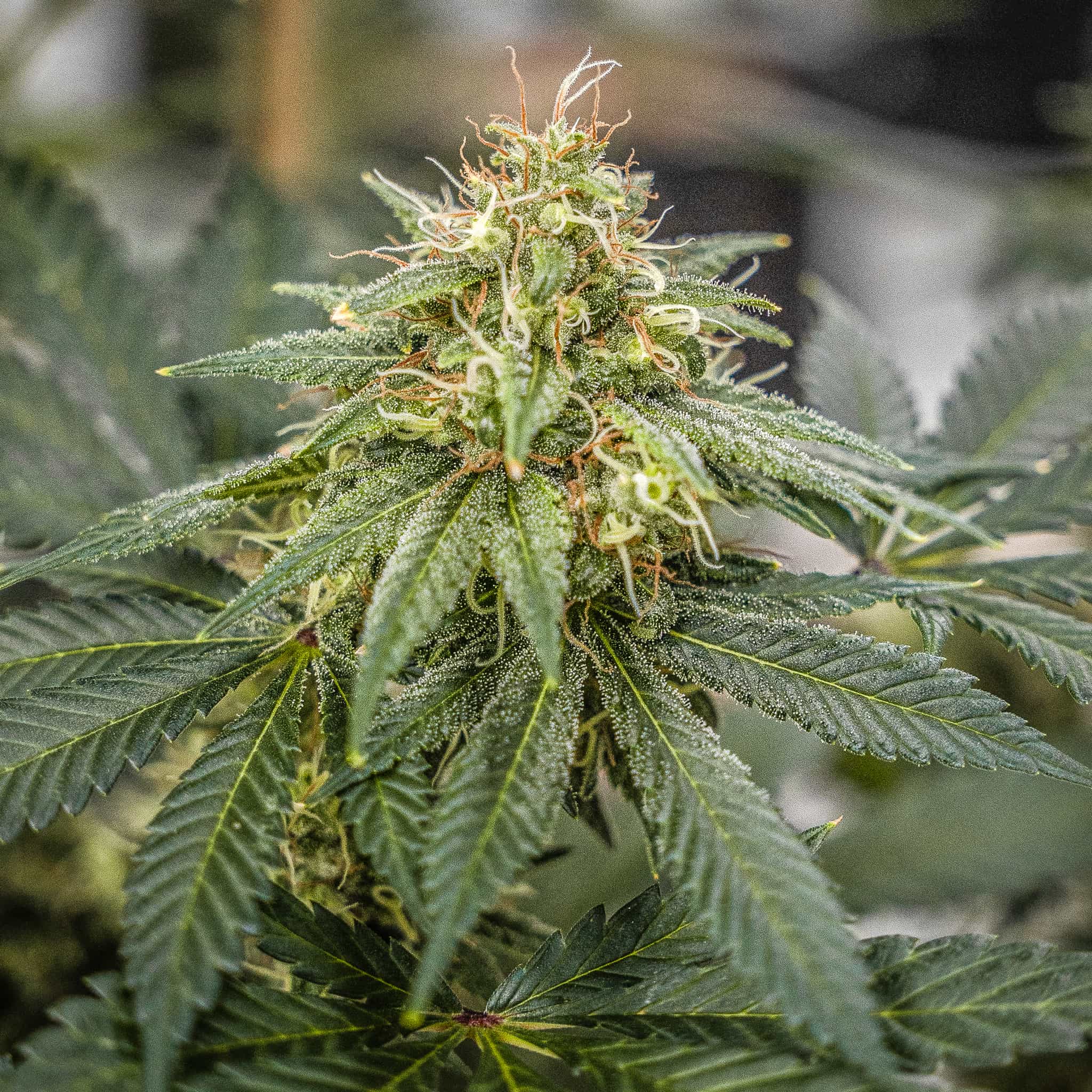
This scientific approach helped produce some of the most recognizable CBD hemp varieties in the industry, including Lifter, Suver Haze, Sour Space Candy, and Hawaiian Haze.
The results were remarkable.
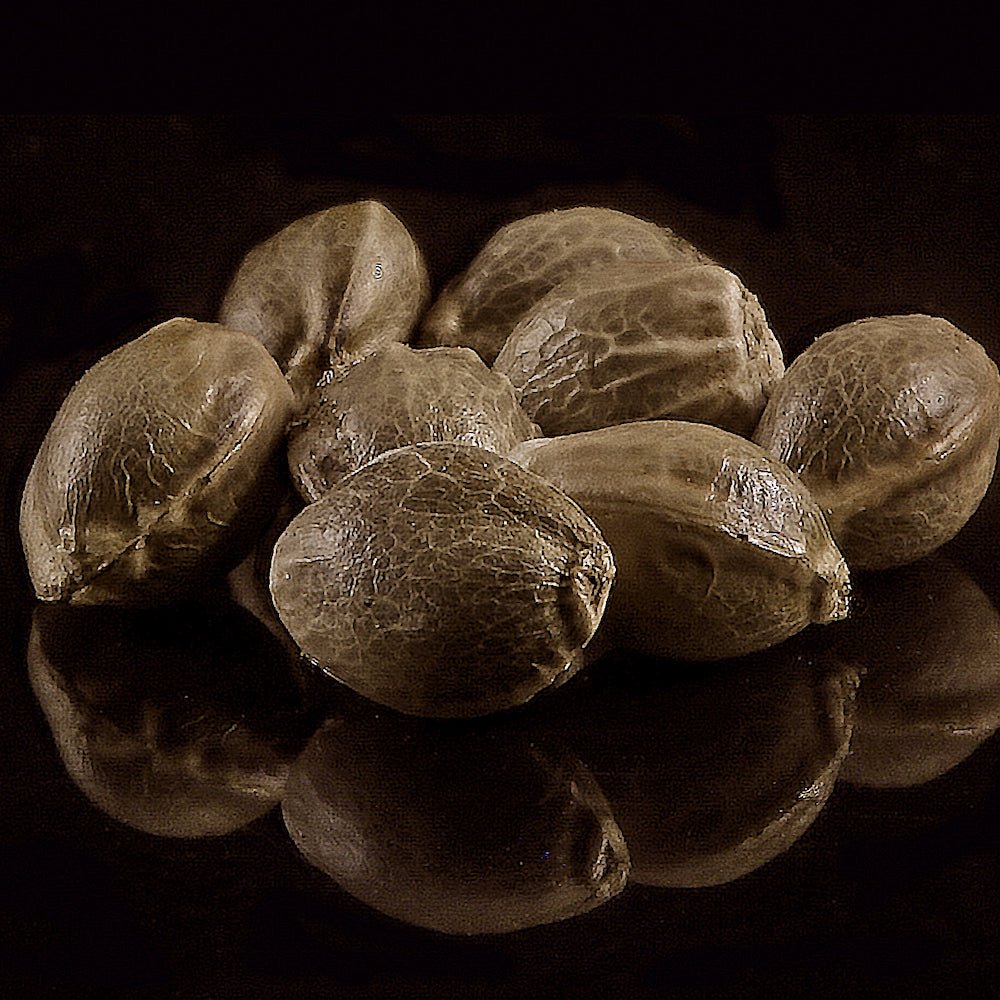
At the height of the hemp boom in 2019, Oregon CBD produced and sold more than 60 million seeds, with an estimated 30,000 acres planted using the company's genetics across the United States.
In just a few years, the Crawford brothers had gone from small-scale cannabis breeders to major suppliers of commercial hemp genetics.

Pioneering CBG, CBDV, THCV, and Triploid Cannabis
The success of Oregon CBD allowed the company to reinvest heavily in research and development.
The brothers expanded their facilities to include specialized breeding laboratories, extensive greenhouse production space, and a team that grew to nearly 50 employees with backgrounds across agriculture and plant science.
But they weren't content simply producing more CBD seeds.
They wanted to understand cannabis at the genetic level and develop varieties with traits that had previously been difficult or impractical to breed consistently.
Their work helped advance several important areas of cannabis breeding:
-
CBG genetics: Developing commercially viable CBG-dominant cannabis seeds, including varieties such as Stem Cell CBG and White CBG.
-
CBDV and THCV breeding: Expanding access to uncommon cannabinoid profiles and developing varieties suitable for commercial cultivation.
-
Triploid cannabis: Pioneering the commercial development of triploid cannabis seeds, offering reduced fertility and the potential for improved flower production.
-
F1 hybrid development: Improving genetic uniformity, predictability, and performance through structured breeding programs.
-
Cannabis genomics: Contributing to scientific research identifying genetic variation, cannabinoid synthase genes, and important agricultural traits.
The company's triploid cannabis breeding program became particularly important, bringing a technique already familiar in other agricultural crops to commercial cannabis production.
Triploid cannabis plants carry three sets of chromosomes rather than the usual two, resulting in greatly reduced fertility. Carefully selected triploid varieties can also offer impressive flower density, resin production, and agricultural performance.
These developments helped establish Oregon CBD and GTR Seeds as research-driven cannabis breeding companies rather than conventional seed resellers.
Cannabis Genetics Backed by Published Science
The Crawford brothers' work also extends into academic research.
Their research team and collaborators have contributed to scientific publications covering cannabinoid inheritance, polyploid genetics, powdery mildew resistance, and cannabis genomics.
Among these contributions is the Nature publication Domesticated Cannabinoid Synthases Amid a Wild Mosaic Cannabis Pangenome, which examines cannabis genetic diversity and the evolutionary history of cannabinoid synthase genes.
This research reflects the company's long-standing commitment to understanding the biological mechanisms behind cannabis traits rather than relying exclusively on observation and trial and error.
Meanwhile, Oregon CBD varieties were collecting awards at cannabis competitions across the country, demonstrating that high-quality CB
The Rise and Fall of the Hemp Boom
Unfortunately, the explosive growth of the hemp industry proved unsustainable.
After peaking in 2019, U.S. hemp acreage declined sharply as the market became oversupplied and wholesale prices collapsed.
Oregon CBD was not immune.
Despite developing some of the industry's most successful genetics, seed demand declined dramatically. The alternative cannabinoid market also developed more slowly than many had anticipated.
Maintaining a large workforce, research laboratories, and extensive greenhouse facilities became increasingly difficult.
For several years, the company shifted resources toward THC-dominant flower production for Oregon's adult-use market. But that market was also struggling with oversupply and falling prices.
Eventually, the brothers were forced to make difficult decisions and significantly reduce their workforce.
The scale of Oregon CBD changed, but one thing remained constant.
The breeding never stopped.
The Birth of GTR Seeds: Grow the Revolution

For years, the Crawford brothers had maintained an extensive collection of THC-dominant cannabis genetics alongside their hemp breeding programs.
However, operating under Oregon's regulated industrial hemp framework had limited their ability to commercialize those genetics through Oregon CBD.
A significant federal clarification arrived in 2022, when the DEA confirmed its interpretation that cannabis seeds containing no more than 0.3% delta-9 THC by dry weight fell within the federal definition of hemp, regardless of the THC potential of the plants they might produce.
This clarification helped open the door for the brothers to bring years of THC-dominant breeding work to a broader market.
GTR Seeds — Grow the Revolution — became the home for their expanding cannabis genetics portfolio.
The name wasn't new. Grow the Revolution had long reflected the brothers' philosophy: challenge convention, embrace innovation, and improve cannabis through science.
Now it had become a brand.

GTR Seeds Today: Science Over Hype
The modern cannabis seed industry is crowded with flashy strain names, celebrity collaborations, and constant promises of the next revolutionary cultivar.
GTR Seeds takes a different approach.
The company focuses on developing original genetics through long-term breeding, scientific research, and extensive plant selection.
While GTR may not generate the same hype as some cannabis seed brands, its strength lies in the depth of its breeding program.
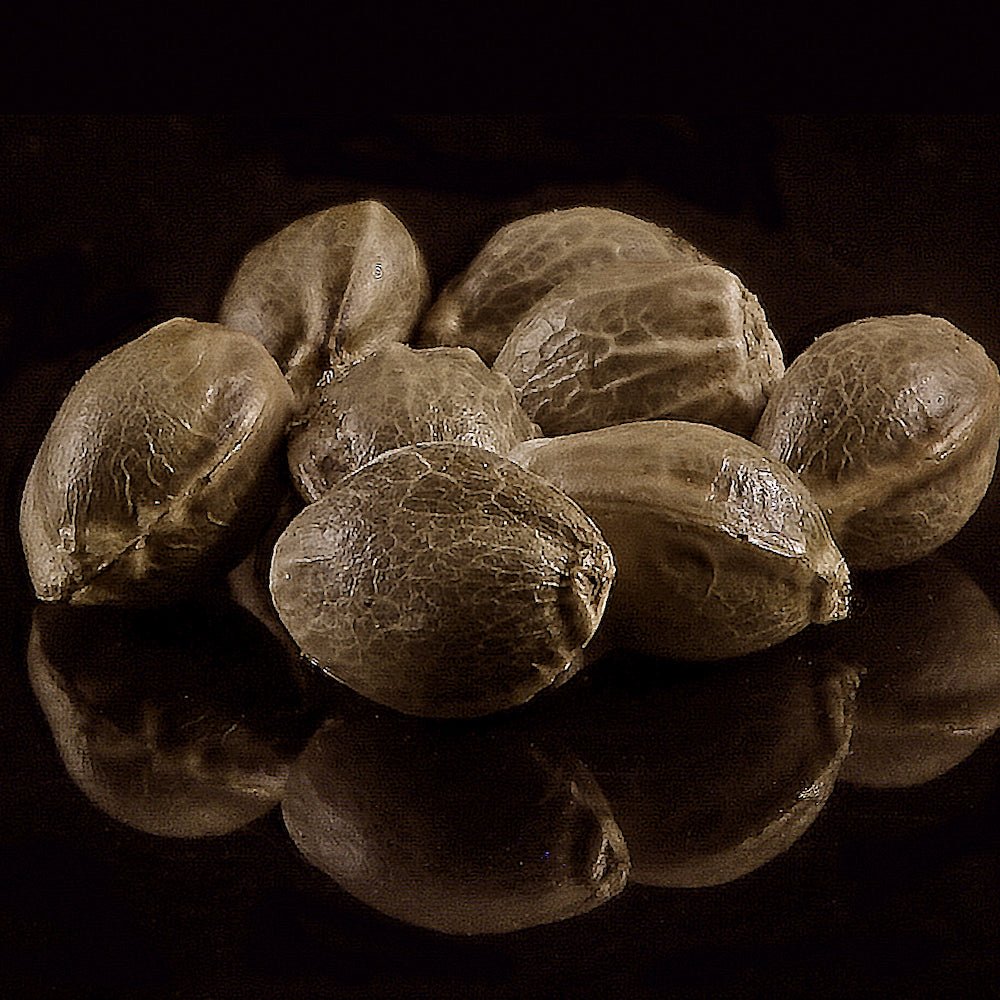
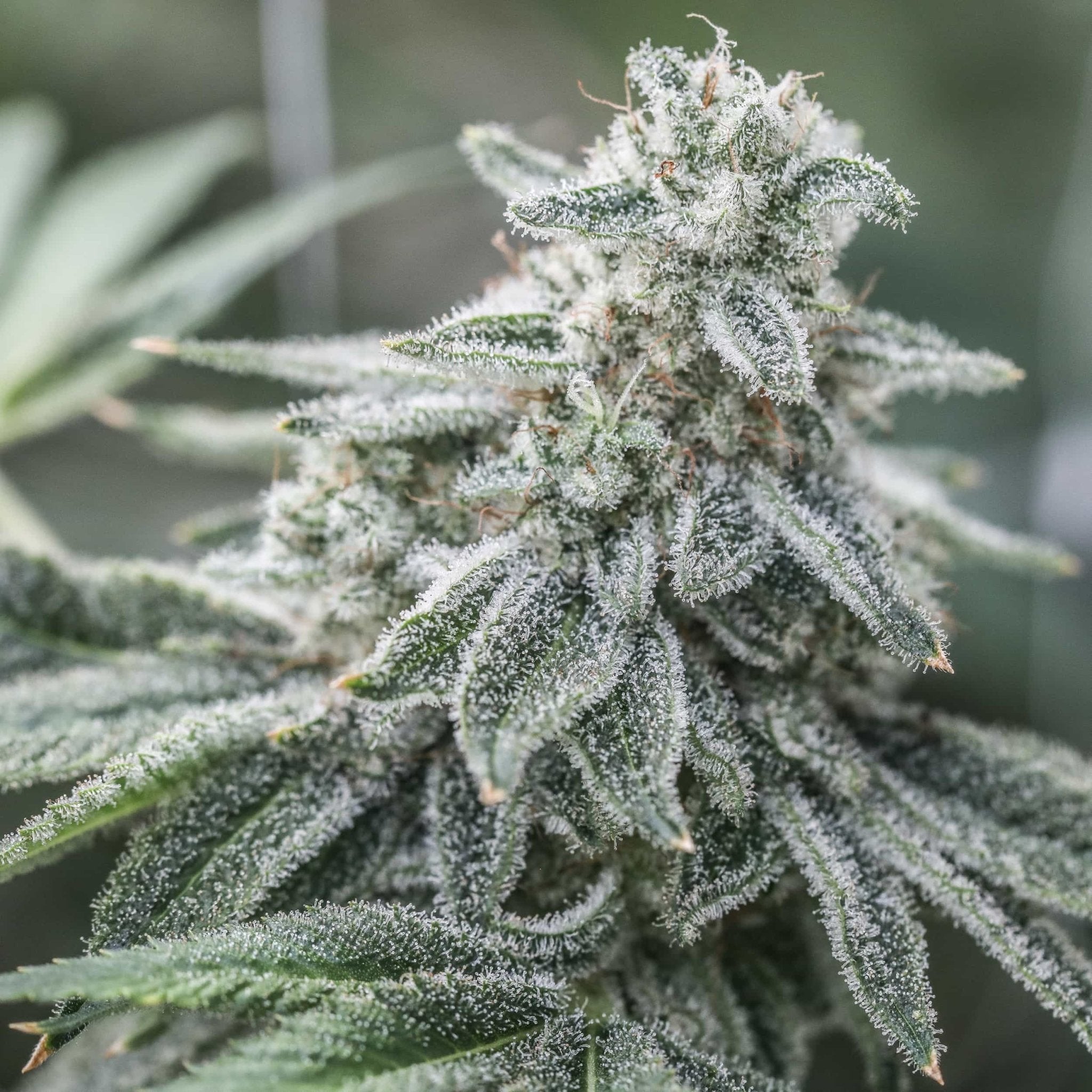
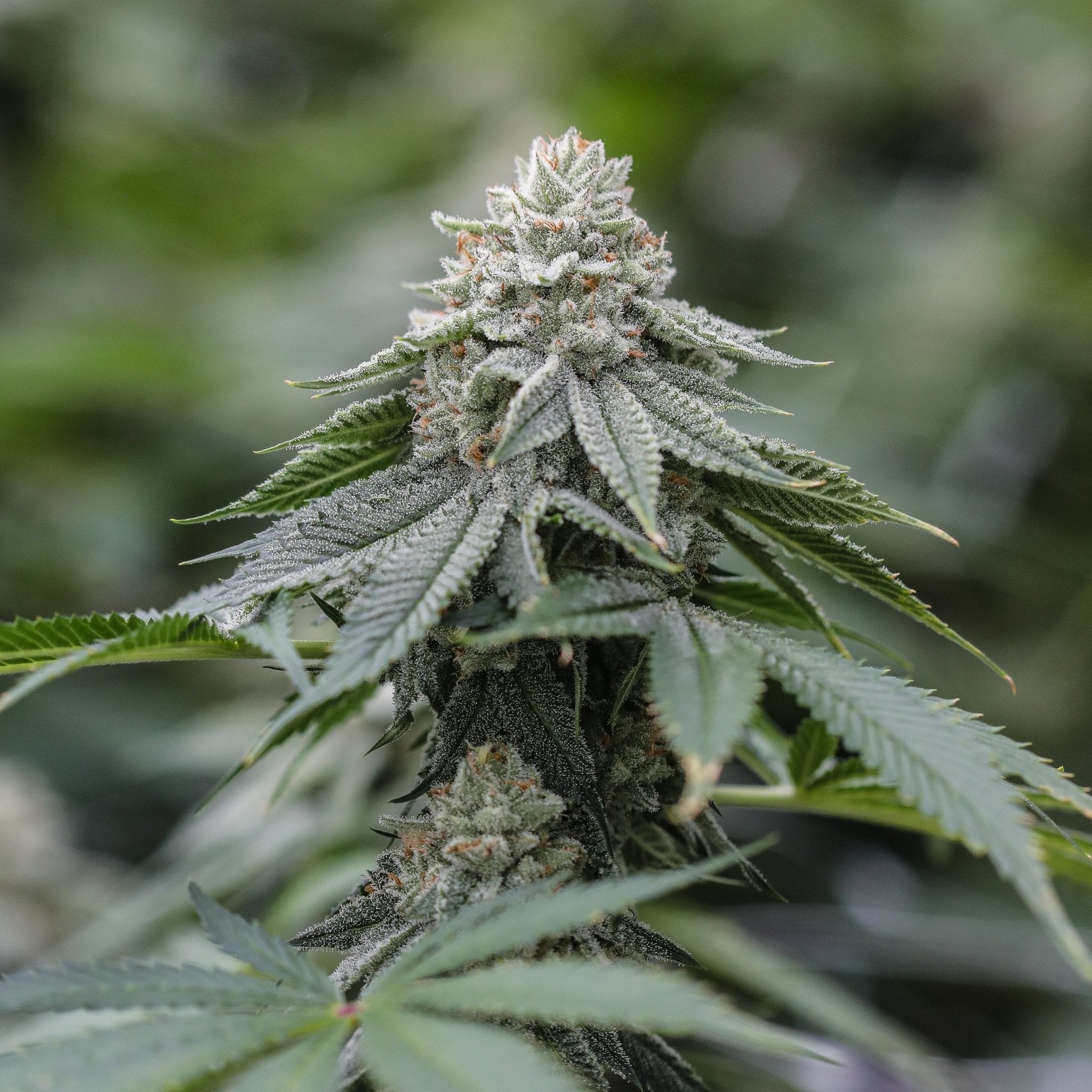
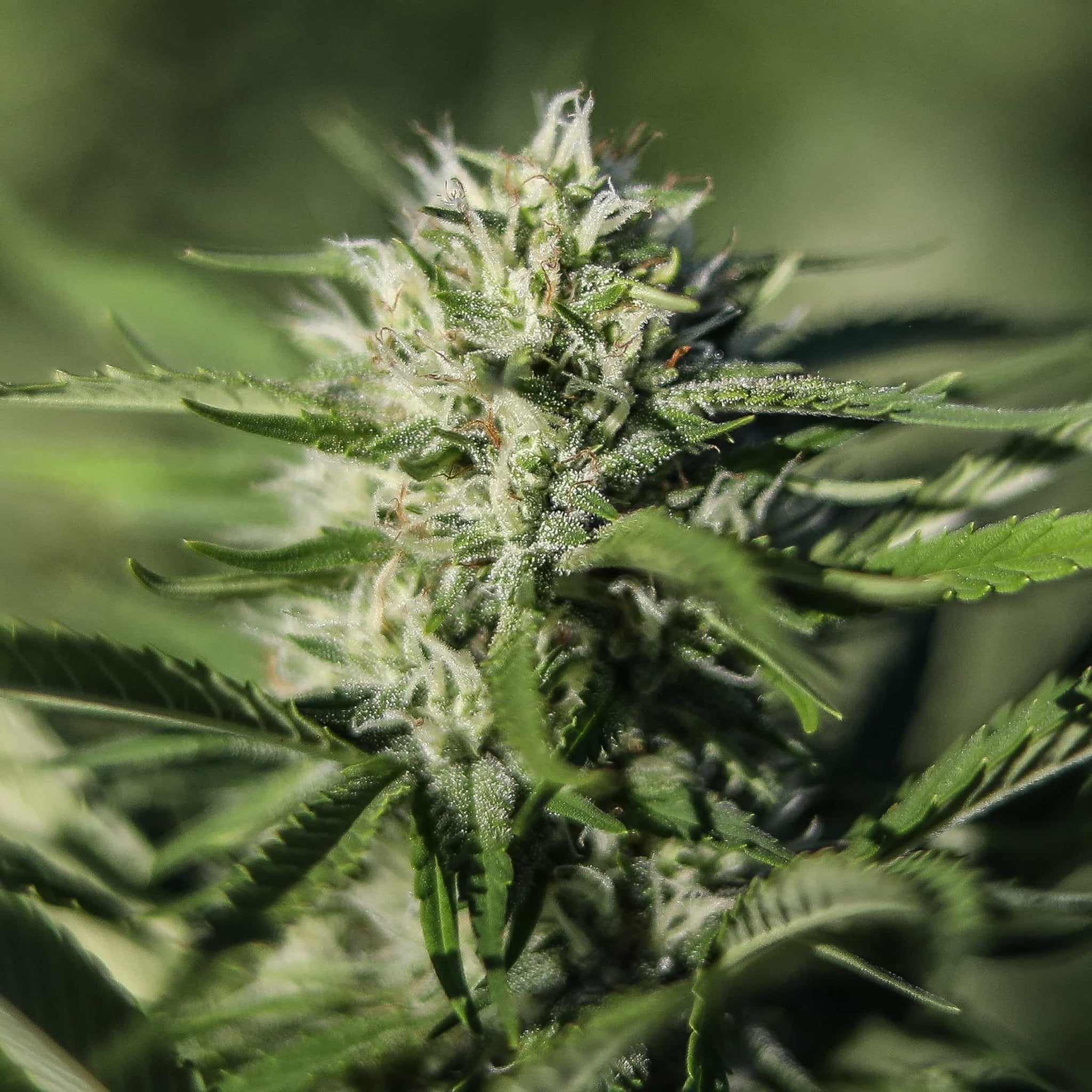
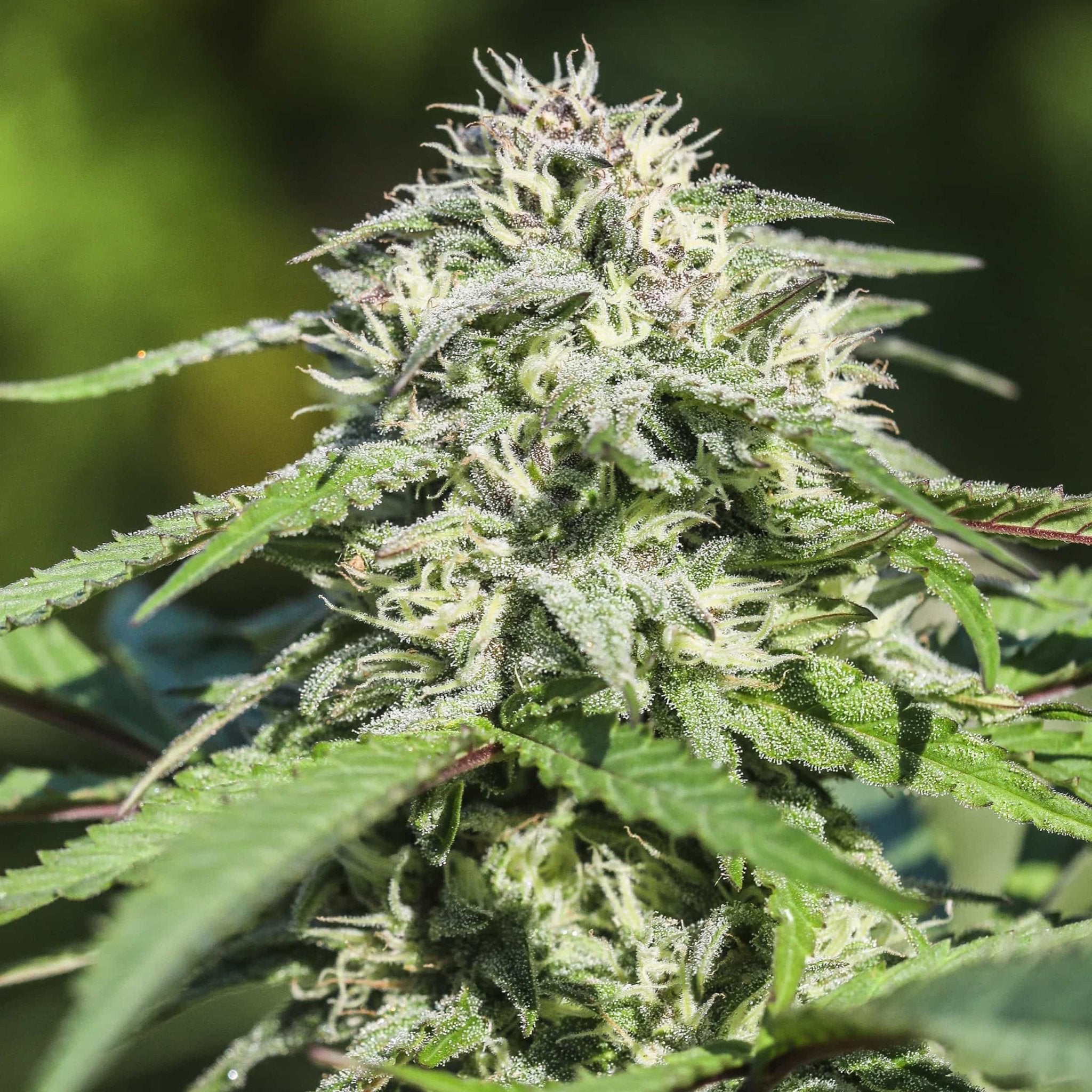
Today, the GTR Seeds catalog includes an extensive selection of feminized cannabis genetics, including:
The company continues to develop new varieties emphasizing cannabinoid production, resin content, distinctive terpene profiles, reduced seed formation, and reliable agricultural performance.
What's Next for GTR Seeds?
From an off-grid childhood in Southern Oregon to building one of the country's most ambitious cannabis breeding programs, Seth and Eric Crawford have spent decades challenging conventional approaches to cannabis cultivation.
They helped transform CBD hemp into a commercial agricultural crop, pioneered new cannabinoid genetics, and advanced the development of triploid cannabis.
Along the way, they experienced the extraordinary growth of the hemp industry, its subsequent collapse, and the difficult process of rebuilding around a changing market.
Today, their work continues through GTR Seeds.
With ongoing projects involving new cannabinoid ratios, higher total cannabinoid production, improved triploid genetics, and advanced F1 hybrid breeding, the next chapter is already underway.
Grow the Revolution isn't just a slogan. It's the story of two brothers who never stopped planting seeds, asking questions, and challenging what's possible.





Komentář
Please send news letters and any upcoming new seed drops. Enjoyed all the info on your website. Hope that you are wildly successful