

Over the past decade, the high-cannabinoid hemp industry has evolved into several very different markets.
While there's certainly some overlap, the most successful growers we've worked with generally understand exactly who they're growing for before they ever put a seed in the ground.
Growing premium smokable CBD flower is a completely different business from producing hundreds of acres of hemp biomass for extraction. The genetics, equipment, labor, growing environment, and potential returns can vary enormously.
And unfortunately, we've watched plenty of farmers learn that lesson the hard way.
Here are three major markets for cannabinoid-rich hemp flower, along with some of the biggest considerations for growers looking to enter them.
1. Premium Smokable Hemp Flower
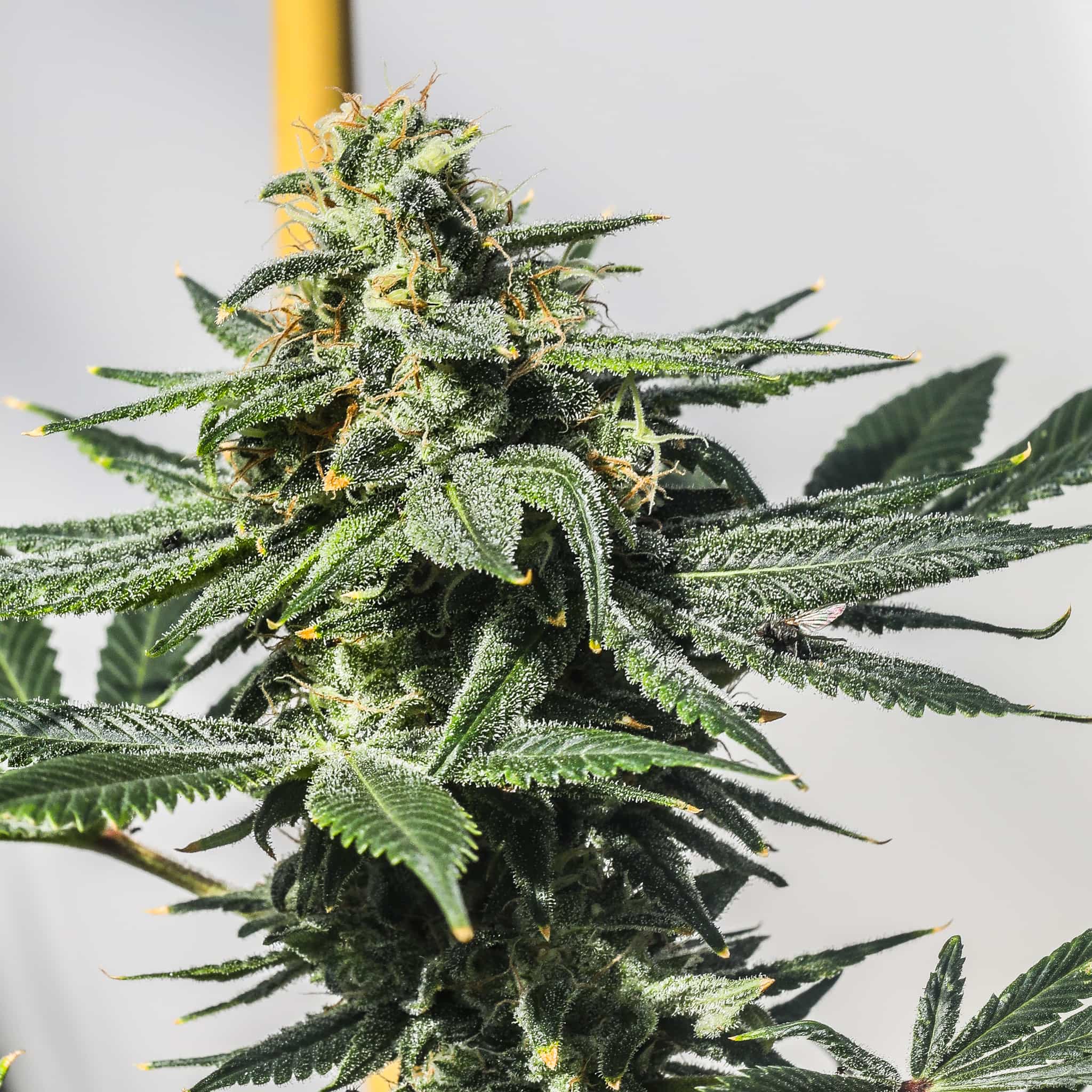
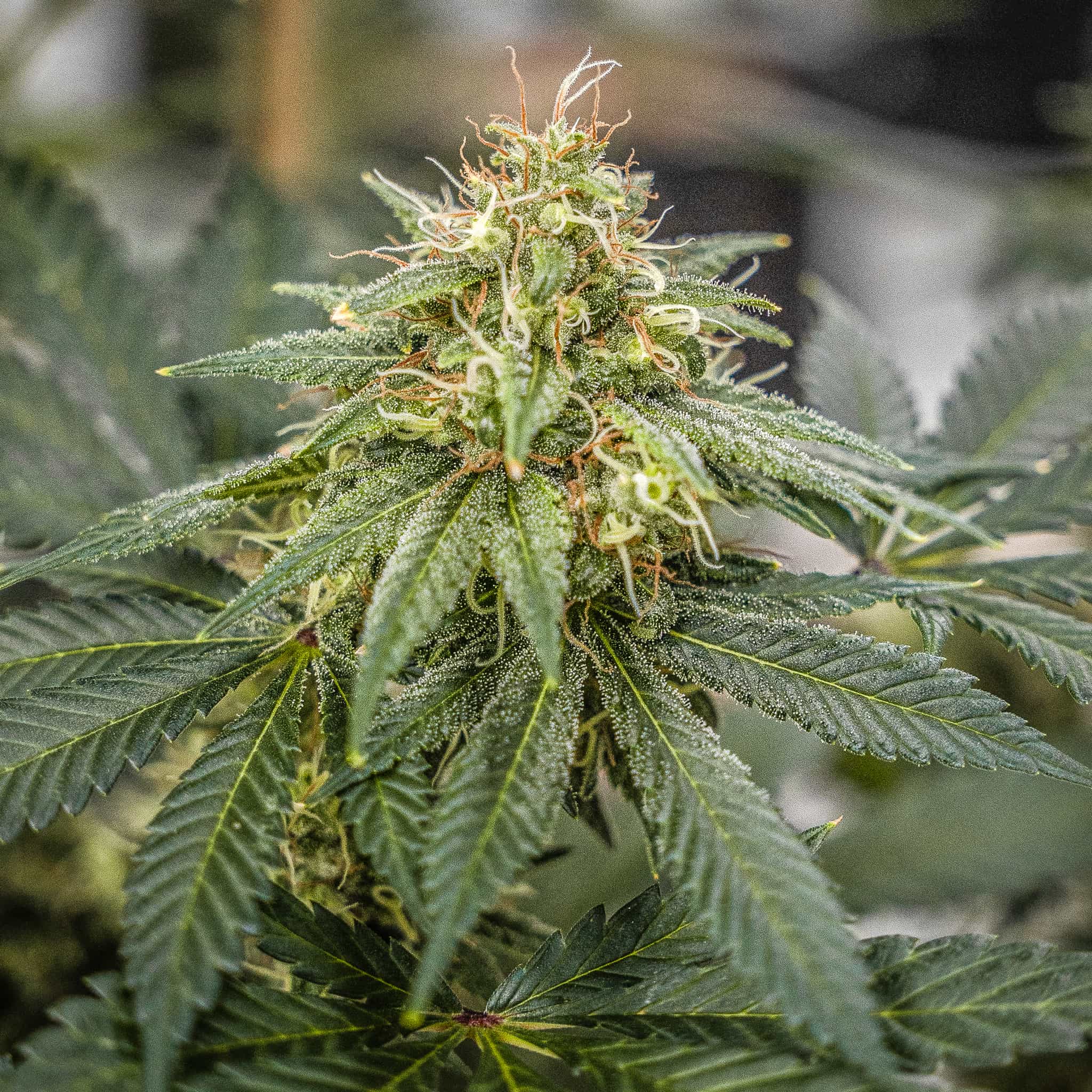
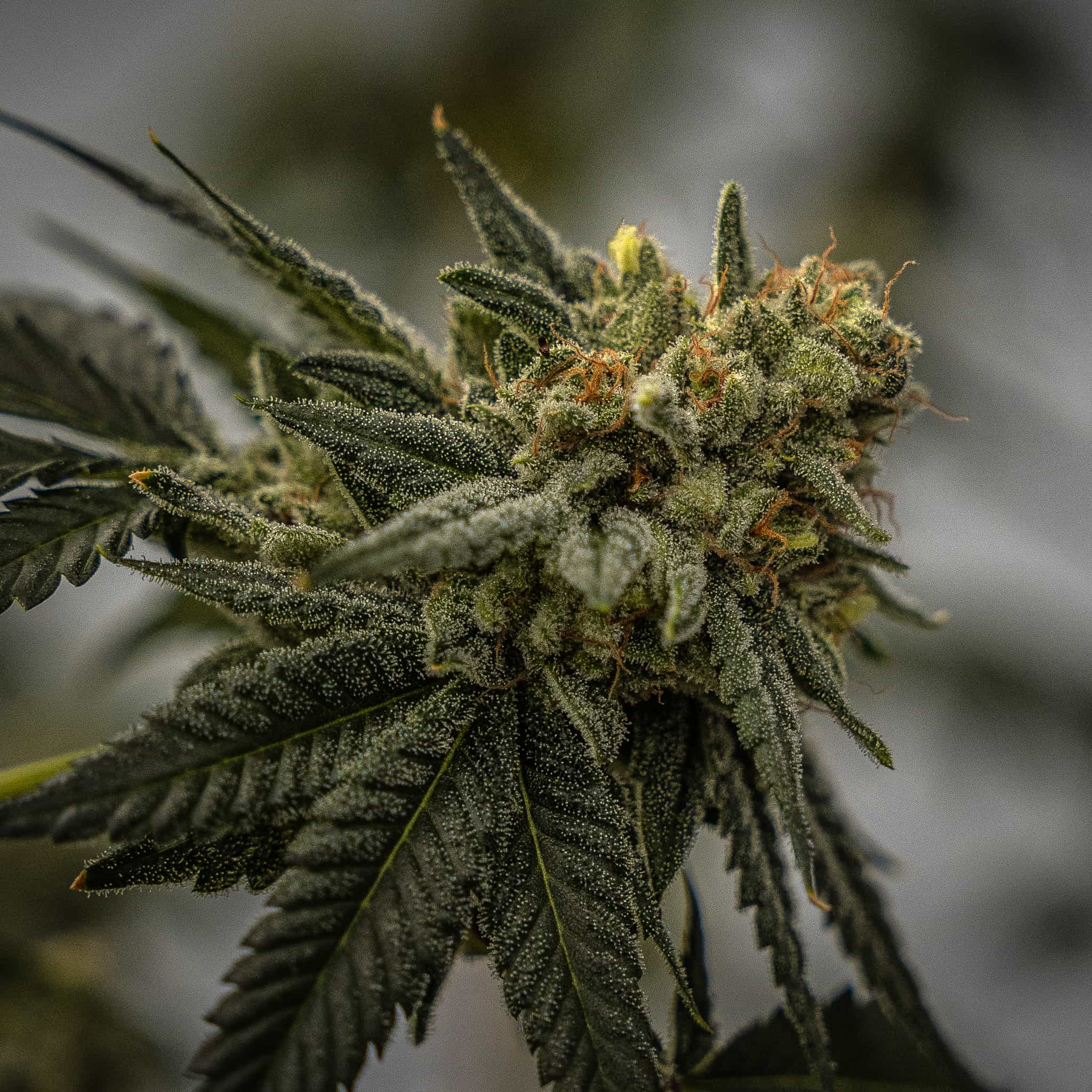
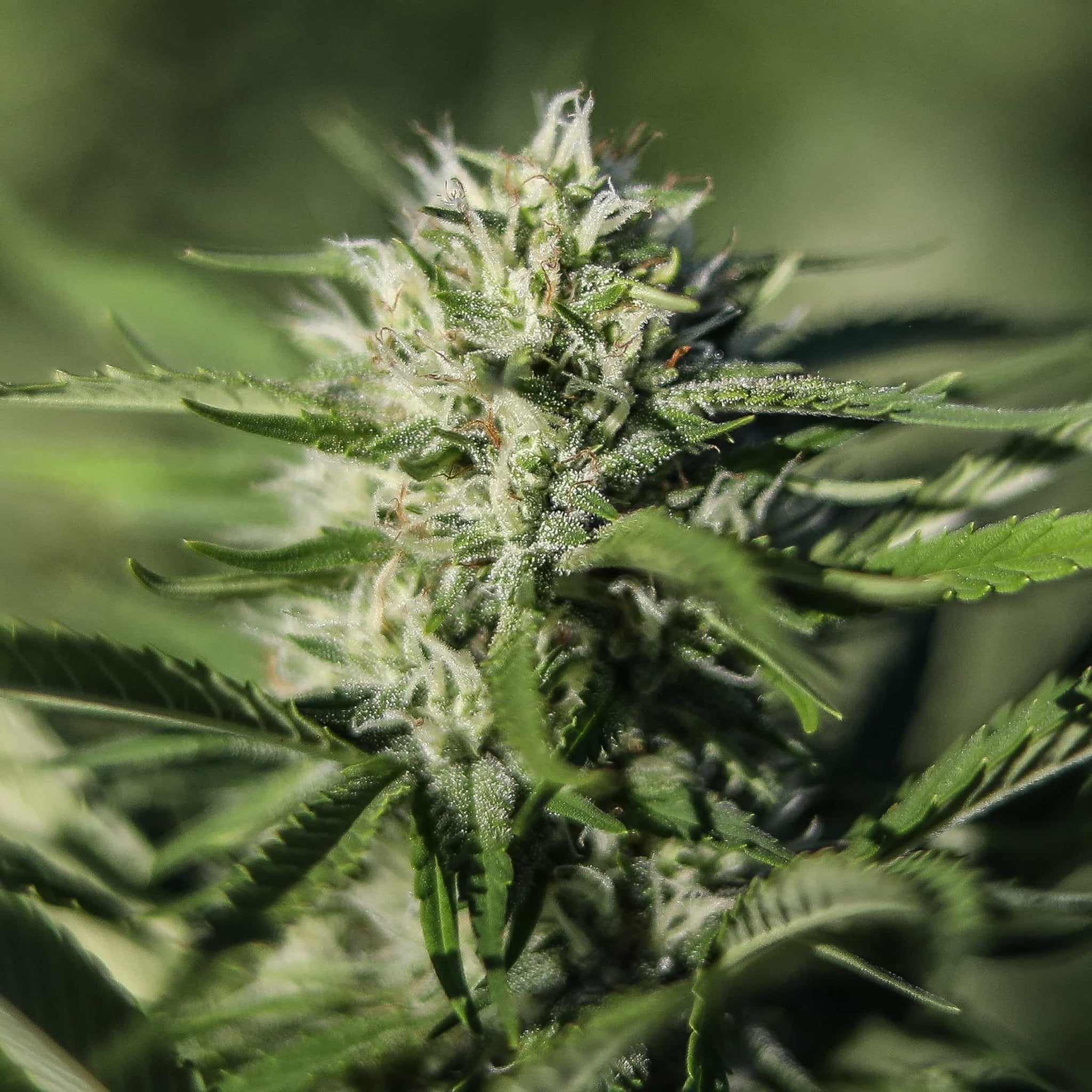
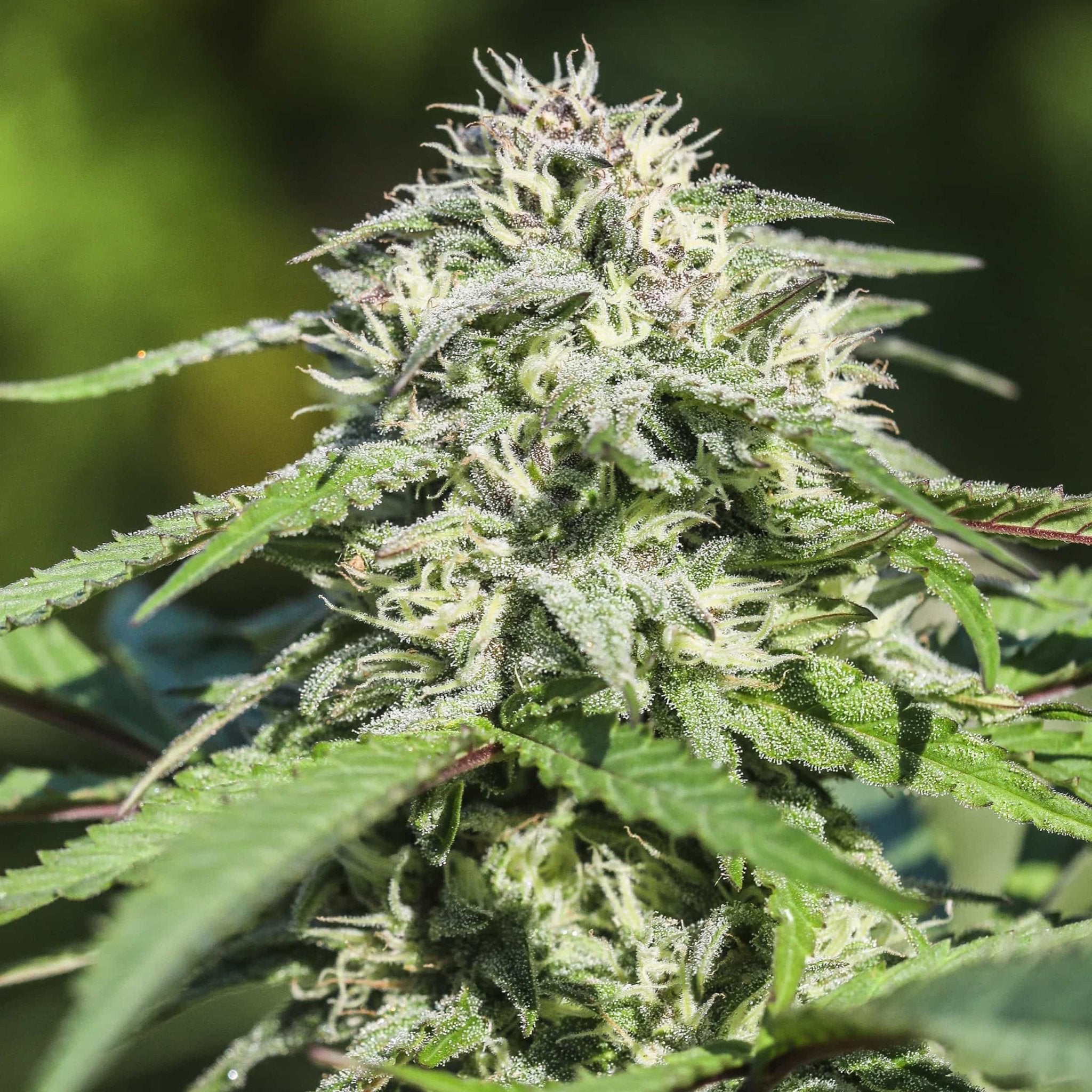
High-quality smokable hemp flower remains an interesting niche in the cannabis industry.
Growers producing exceptional CBD, CBG, and CBDV flower can sometimes command prices comparable to THC flower, particularly when selling directly to consumers.
But this isn't necessarily a market where bigger is better.
Premium smokable flower requires tremendous attention to detail, from selecting genetics and managing the growing environment to drying, curing, trimming, and packaging.
The market is also relatively small compared with the broader THC flower industry, making direct relationships with customers particularly important.
Growing Conditions Matter
When the hemp boom hit the United States, farmers across the country swapped traditional crops for cannabis, often without considering whether their growing environment was suitable.
Cannabis might be called a weed, but producing beautiful, aromatic, mold-free flowers is another story entirely.
Outdoor Growing
Sun-grown hemp can produce absolutely fantastic flower, particularly in regions with warm, dry conditions during the final weeks of flowering.
Unfortunately, growers in humid climates face significant challenges with mold, particularly Botrytis and other pathogens that thrive in dense flowers.
If your region regularly experiences heavy rain and high humidity during harvest season, premium outdoor smokable flower may not be the most practical market to pursue.
That doesn't mean it can't be done, but the risks are considerably higher.
Greenhouse Growing
Greenhouses can be a great middle ground between outdoor and indoor production.
They offer protection from rainfall and greater control over growing conditions while still taking advantage of natural sunlight.
But greenhouses aren't without challenges.
Ventilation, humidity management, temperature control, and pest pressure all require careful attention.
We've seen plenty of greenhouse-grown cannabis that rivals indoor flower in appearance and quality, but achieving those results requires a well-managed environment.
Indoor Growing
Indoor hemp flower often commands premium prices because growers can control light, temperature, humidity, and other environmental factors.
Of course, that control comes at a substantial cost.
Lighting, climate control, infrastructure, electricity, and labor can quickly eat into profits.
Indoor gardens also aren't immune to pests, disease, or environmental problems.
A failed HVAC system or an unchecked pest infestation can become an expensive problem in a hurry.
Post-Harvest Handling Can Make or Break Your Crop
One of the biggest mistakes we saw during the early hemp boom was growers spending months producing beautiful flowers, only to ruin them during drying.
Barns and warehouses were packed with freshly harvested hemp, often with little environmental control beyond fans and heaters.
The result?
Plenty of flower that smelled and tasted like hay.
Drying: Premium smokable flower benefits from controlled drying conditions that preserve aroma while reducing moisture sufficiently to prevent microbial growth. Many growers aim for temperatures around 60–65°F and relative humidity near 55–60%, adjusting airflow and drying time based on flower density and environmental conditions. Final moisture and water activity matter more than following a rigid number of drying days.
Curing: Properly dried cannabis may benefit from additional conditioning in clean, controlled storage environments. Growers need to monitor moisture carefully, as overly wet flower stored in sealed containers can develop mold.
Trimming: Hand-trimmed flower often has the best visual presentation, but the labor costs can be enormous. Gentle machine trimming followed by hand cleanup can provide a reasonable compromise between quality and profitability.
The takeaway is simple: growing great flower is only half the battle. You still have to preserve that quality through harvest, drying, processing, and storage.
Selling Premium Hemp Flower
This is where plenty of growers get into trouble.
Just because you've grown beautiful flower doesn't mean someone is waiting to buy it.
Direct-to-consumer sales can provide the highest revenue per pound, but they also require packaging, marketing, customer service, website management, regulatory compliance, and a steady stream of customers.
Retail hemp shops may offer wholesale opportunities, although competition is substantial and many retailers have shifted their focus toward intoxicating hemp products.
Licensed cannabis dispensaries may provide another outlet in some states, but requirements vary considerably, and hemp flower cannot simply enter regulated marijuana markets without following applicable rules.
International markets can also offer opportunities, although import requirements, cannabinoid limits, and product classifications vary significantly by country.
Before planting, growers should understand their prospective buyers, product requirements, testing standards, and payment terms.
We've seen too many farmers produce fantastic crops with no realistic plan for selling them.
2. Lower-Grade Hemp Flower and the Sprayed Flower Market
Not every hemp crop produces premium smokable flower.
Over the years, enormous quantities of lower-grade CBD and CBG flower have entered the market.
Some of that material has been sold for extraction, while other flower has been processed into products marketed with added cannabinoids or flavoring compounds.
One particularly controversial segment involves hemp flower sprayed or coated with cannabinoid formulations, including products containing delta-8 THC and other intoxicating compounds.
What Is Sprayed Hemp Flower?
Sprayed hemp flower is typically dried cannabis flower that has been treated with additional cannabinoid-containing material.
Some products also contain added terpenes or other flavoring compounds.
The process can substantially change the cannabinoid profile of the finished product.
But it also introduces questions about product safety, uniformity, accurate labeling, and chemical residues.
Certain cannabinoids used in these products are manufactured through chemical conversion processes rather than extracted directly from cannabis in meaningful quantities.
Depending on the manufacturing process, poorly purified materials may contain unwanted reaction byproducts or residual chemicals.
And applying a cannabinoid formulation to flower doesn't guarantee uniform distribution.
One portion of a batch may contain considerably more added cannabinoids than another.
Legal and Safety Concerns
The sprayed hemp market has faced growing regulatory scrutiny.
The legal status of intoxicating hemp products varies by jurisdiction and continues to change.
A low delta-9 THC concentration in the original flower does not automatically make the finished product legal, particularly when intoxicating cannabinoids have been added.
Nor does it establish that the product is safe for inhalation.
Growers considering this market should carefully evaluate applicable regulations, testing requirements, product liability, and the reputation of prospective buyers.
At GTR Seeds, we're far more interested in developing plants that naturally produce desirable cannabinoids than relying on post-harvest treatments to change the character of a flower.
What Matters for Lower-Grade Flower Markets?
For growers selling flower into further-processing channels, buyers may prioritize characteristics differently from premium smokable flower purchasers.
Flower appearance: Size, color, density, and consistency can influence how material is graded and processed.
Processing efficiency: Large quantities of flower often need to be harvested, dried, and trimmed mechanically to keep labor costs manageable.
Cannabinoid content: The importance of cannabinoid concentration depends on the buyer and intended end use. For extraction, cannabinoid content is often critical. For other processing markets, specifications may focus on different characteristics.
Brokers and buyers: Bulk transactions can move substantial quantities of flower, but typically at much lower prices per pound than direct retail sales.
For most growers, the greatest risk is producing a crop without a committed buyer or clear product specifications.
And with the uncertainty surrounding intoxicating hemp regulations, this is a market we would approach cautiously.
3. High-CBD, CBG, and CBDV Biomass for Extraction
The third major market is cannabinoid-rich hemp biomass grown for extraction.
This is a completely different approach to farming cannabis.
Instead of producing individually trimmed, beautiful smokable flowers, biomass growers focus on producing as much recoverable cannabinoid content per acre as possible, at the lowest practical cost.
The hemp biomass industry experienced an enormous boom-and-bust cycle following the 2019 harvest.
Growers planted vast acreages, processors became overwhelmed with material, and prices collapsed.
The market has changed considerably since then, but large-scale biomass production still requires careful planning and substantial investment.
Genetics: Cannabinoid Yield Is Everything
For extraction growers, genetics are arguably the most important decision they'll make.
Extractors generally want material with high concentrations of the cannabinoids they're targeting.
The higher the recoverable cannabinoid content, the less plant material they need to process to produce a given amount of extract.
Consider two hypothetical crops:
-
A field producing 3,000 pounds of dry biomass per acre at 10% CBD contains approximately 300 pounds of CBD before extraction losses.
-
A field producing the same biomass at 15% CBD contains approximately 450 pounds of CBD before extraction losses.
That's a 50% increase in potential CBD production from the same dry biomass yield.
Of course, real-world extraction efficiency, moisture content, cannabinoid profiles, and processing costs all affect the final economics.
But the principle remains: high cannabinoid content combined with high biomass yield can dramatically improve extraction efficiency.
This is why we've spent so many years breeding productive, high-cannabinoid varieties such as Lifter and Sour Lifter.
Seed Starting and Propagation
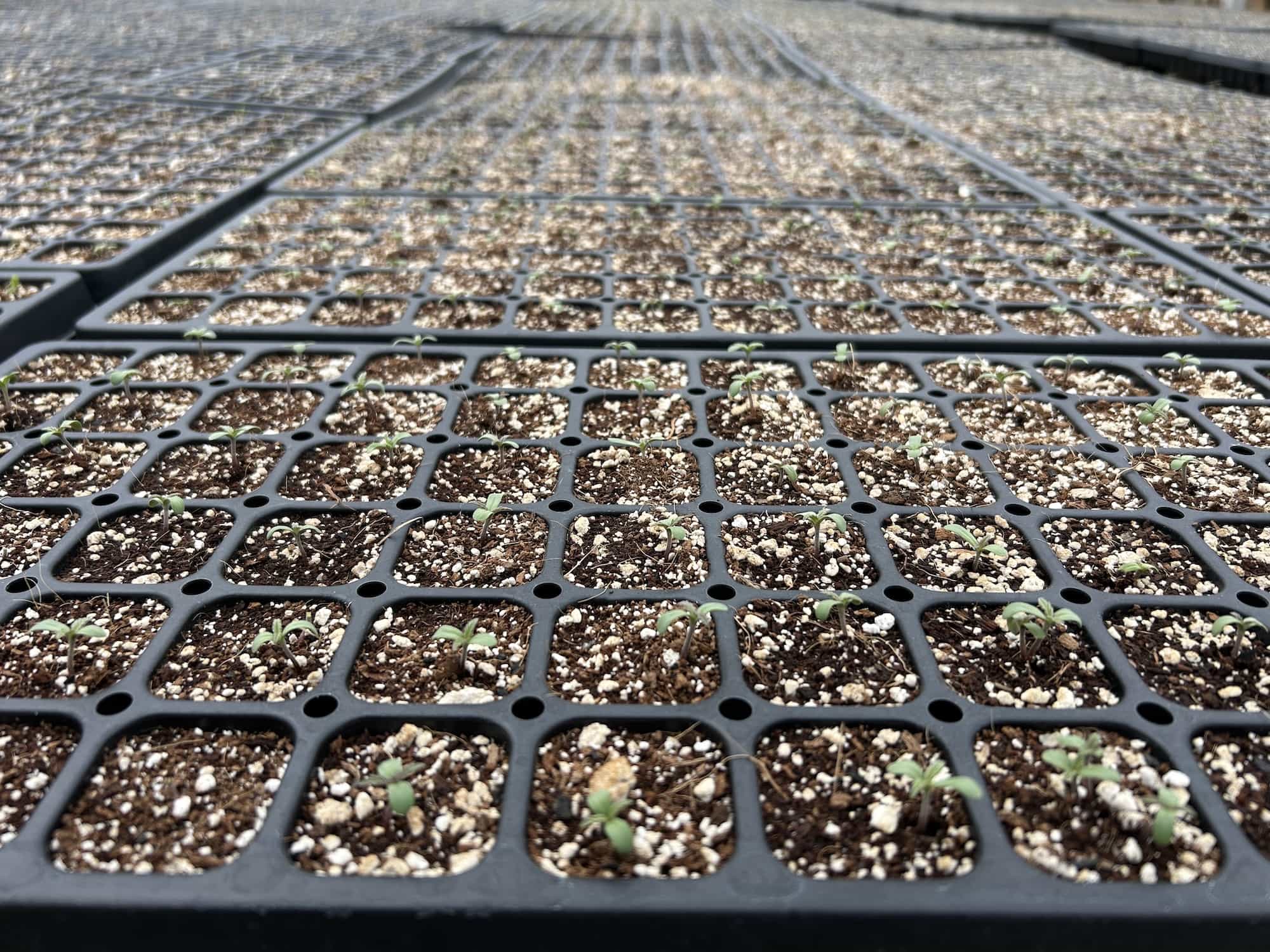
Starting hundreds of thousands—or even millions—of cannabis plants is no small undertaking.
Many commercial hemp farmers rely on professional propagation facilities to produce transplants, while others operate their own greenhouses.
Either way, the costs add up quickly.
Seed trays, growing media, greenhouse space, irrigation, and labor all need to be accounted for.
Some growers have experimented with direct seeding to reduce transplanting costs.
While direct seeding can be successful under the right conditions, cannabis seedlings are vulnerable to inconsistent moisture, soil crusting, weed competition, and other field challenges.
Achieving consistent stands at commercial scale requires the right equipment, genetics, and field preparation.
Planting Large Acreages
Even with mechanical planters, establishing a large hemp crop takes substantial labor and coordination.
Equipment needs to be prepared, transplants must be ready at the correct time, and planting crews need to move quickly.
Delays can become expensive, particularly when seedlings outgrow their containers or weather conditions interfere with planting.
Large-scale hemp farming rewards careful scheduling.
Rogueing and Pollen Management
For growers producing cannabinoid-rich biomass, unwanted pollination can be a serious problem.
Seed production redirects plant resources and can reduce the value of flower intended for cannabinoid extraction.
Traditionally, growers have sent crews through fields repeatedly to identify and remove male plants or female plants producing male flowers.
This process, known as rogueing, can become extremely labor-intensive across large acreages.
Feminized seed helps reduce the risk of unwanted male plants, but it doesn't eliminate every source of pollen.
At GTR Seeds, we've also spent years developing triploid cannabis genetics, which can provide reduced fertility and improved resistance to unwanted seed production compared with conventional diploid plants.
Triploids aren't completely sterile, but reduced seed production can be a valuable characteristic for commercial growers.
Harvesting Biomass
Harvest is often one of the most expensive and logistically challenging parts of commercial hemp production.
Hand-harvesting thousands of plants is labor-intensive, while specialized mechanical harvesting equipment can require substantial capital investment.
Farmers need to evaluate their acreage, available labor, equipment costs, and processing capacity well before harvest season.
And timing matters.
A field ready for harvest doesn't do you much good if you don't have the people or equipment available to bring it in.
Drying and Storage
This is another area where inexperienced hemp farmers have gotten themselves into trouble.
Freshly harvested cannabis contains substantial moisture.
Drying thousands of pounds of material requires enormous capacity, whether through controlled drying facilities, specialized equipment, or carefully managed field-drying methods.
Improper drying can lead to mold, cannabinoid degradation, and rejected material.
Before planting large acreage, growers should know exactly how they plan to harvest, dry, store, and deliver their crop.
If you don't have a realistic drying plan, you probably shouldn't be planting hundreds of acres of hemp.
Which Hemp Market Is Right for Your Farm?
There's no single answer.
A small farm with excellent growing conditions and a strong direct-to-consumer business may do extremely well producing premium smokable flower.
A large agricultural operation with mechanized equipment and established processor relationships may be better suited for biomass production.
And some growers may choose to serve multiple markets, directing their highest-quality flower toward retail sales while selling the remaining usable material for extraction.
But each market requires different economics.
Before choosing genetics, we'd encourage growers to consider:
-
Your growing environment: Can you consistently produce premium flower, or is your climate better suited to biomass?
-
Your labor availability: Can you afford the intensive trimming and post-harvest handling required for smokable flower?
-
Your equipment: Are you prepared for the planting, harvesting, and drying demands of your intended acreage?
-
Your buyers: Do you have established sales channels or contracts?
-
Your genetics: Are you growing varieties selected for the specific market you're targeting?
-
Your regulatory requirements: Can your crop and finished products legally enter the intended market?
The answers should guide your planting decisions.
Choose Your Market Before You Choose Your Seeds
We've been involved in the hemp industry long enough to see plenty of farmers make money—and plenty lose it.
One of the most common mistakes is growing a crop first and trying to figure out what to do with it afterward.
The hemp industry isn't one market. It's a collection of very different markets, each with its own requirements, risks, and opportunities.
Premium smokable flower growers need exceptional quality and strong retail relationships.
Biomass growers need productive genetics, efficient field operations, and dependable processors.
And growers considering further-processing markets need to pay particular attention to regulatory uncertainty and buyer requirements.
At GTR Seeds, we breed cannabis genetics for a wide range of production goals, from beautiful smokable flowers to high-yielding cannabinoid biomass.
But even the best genetics won't make up for a poor business plan.
Know your market, understand your costs, and have a plan to sell your harvest before you plant it.