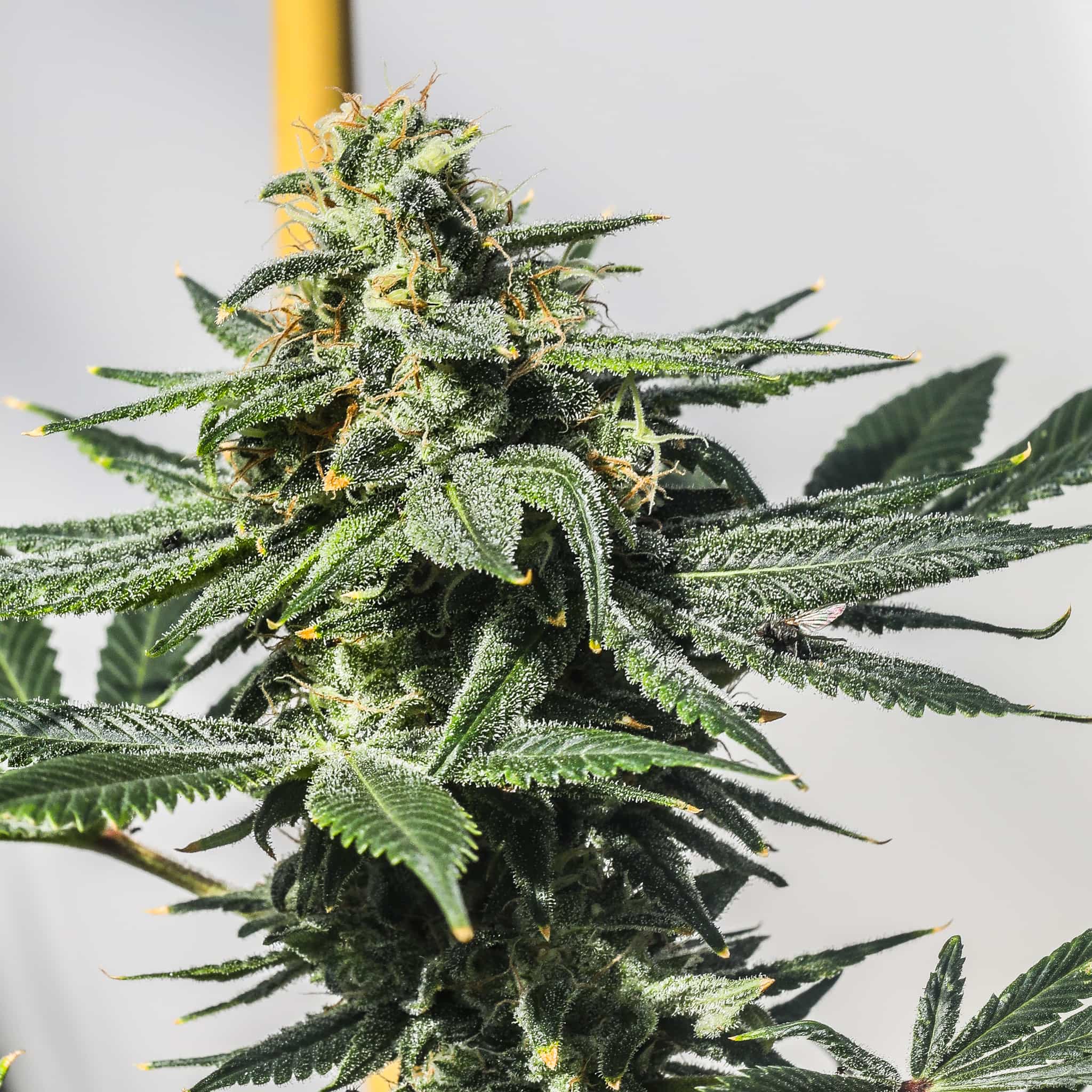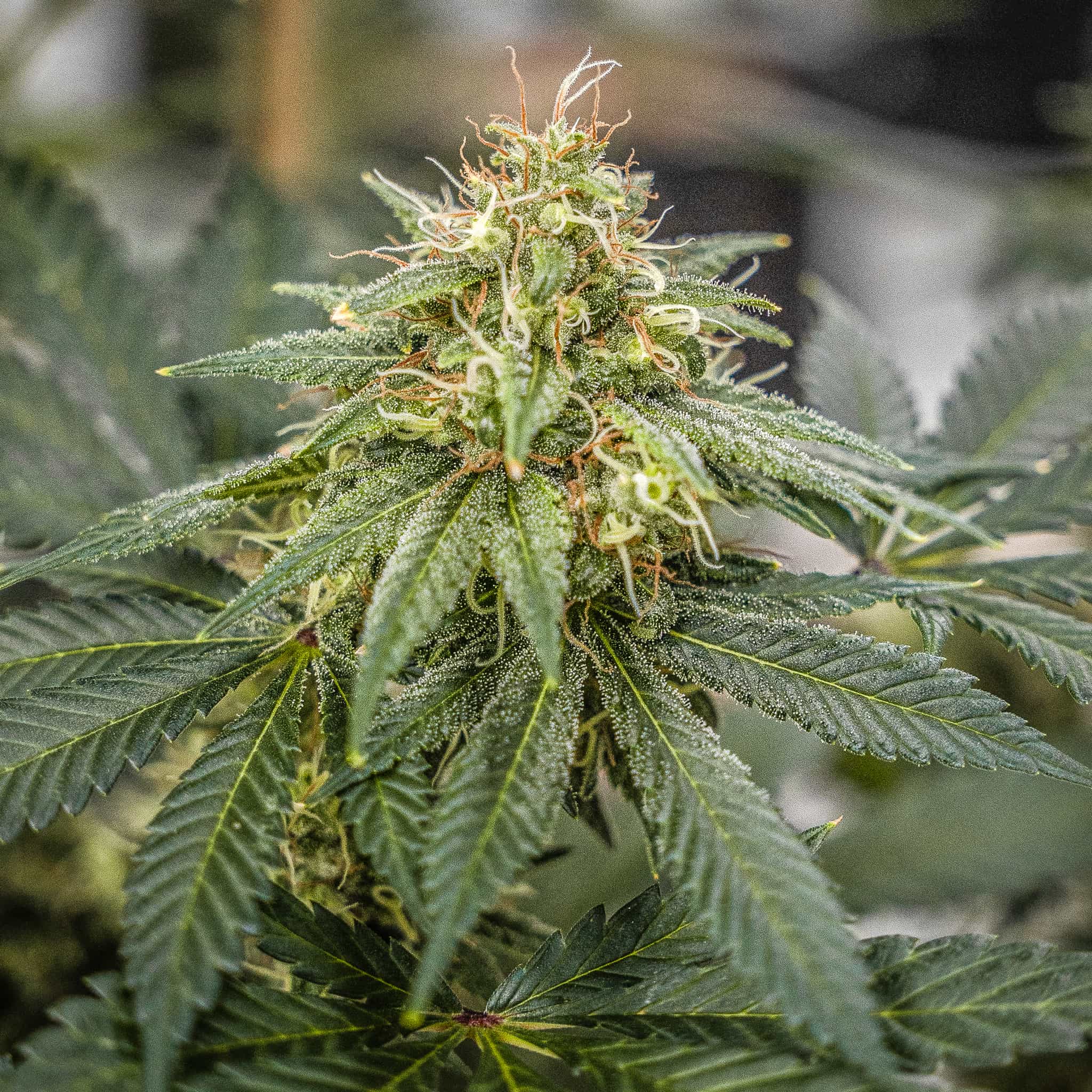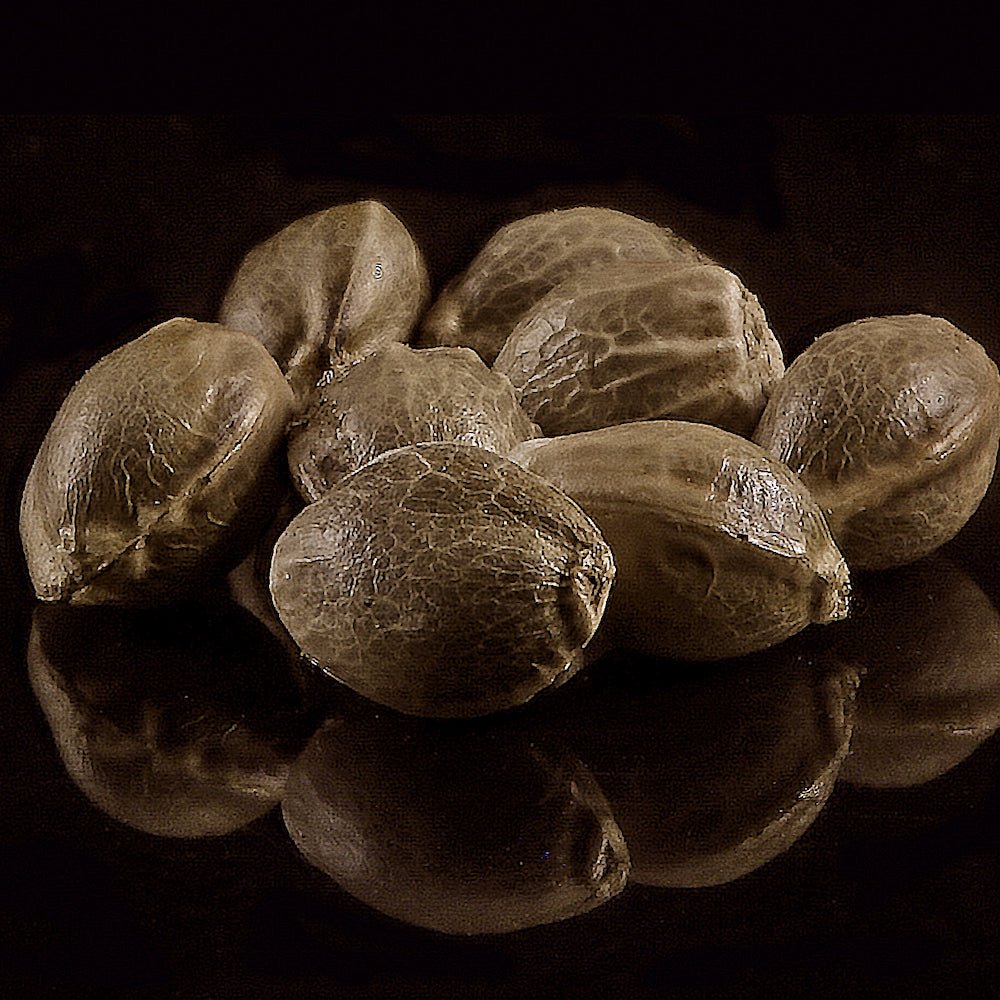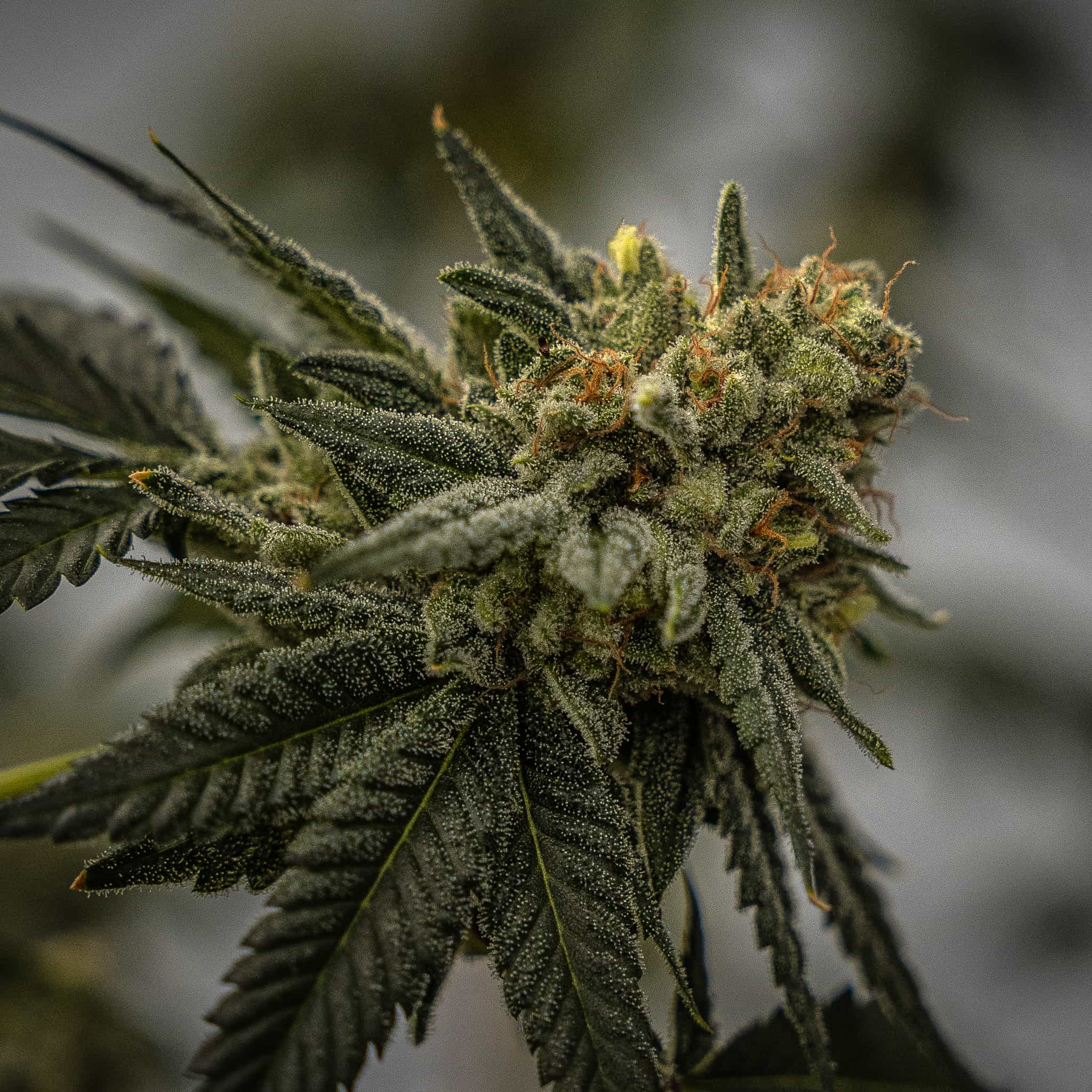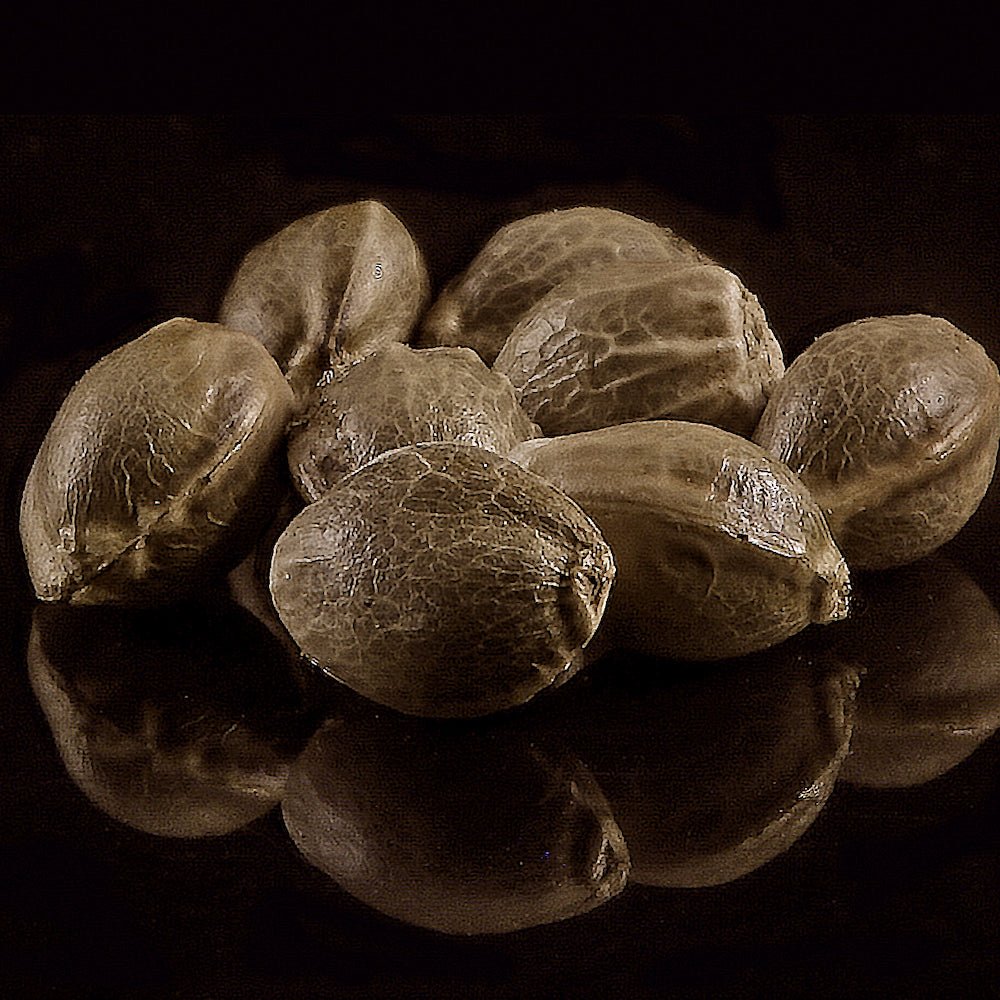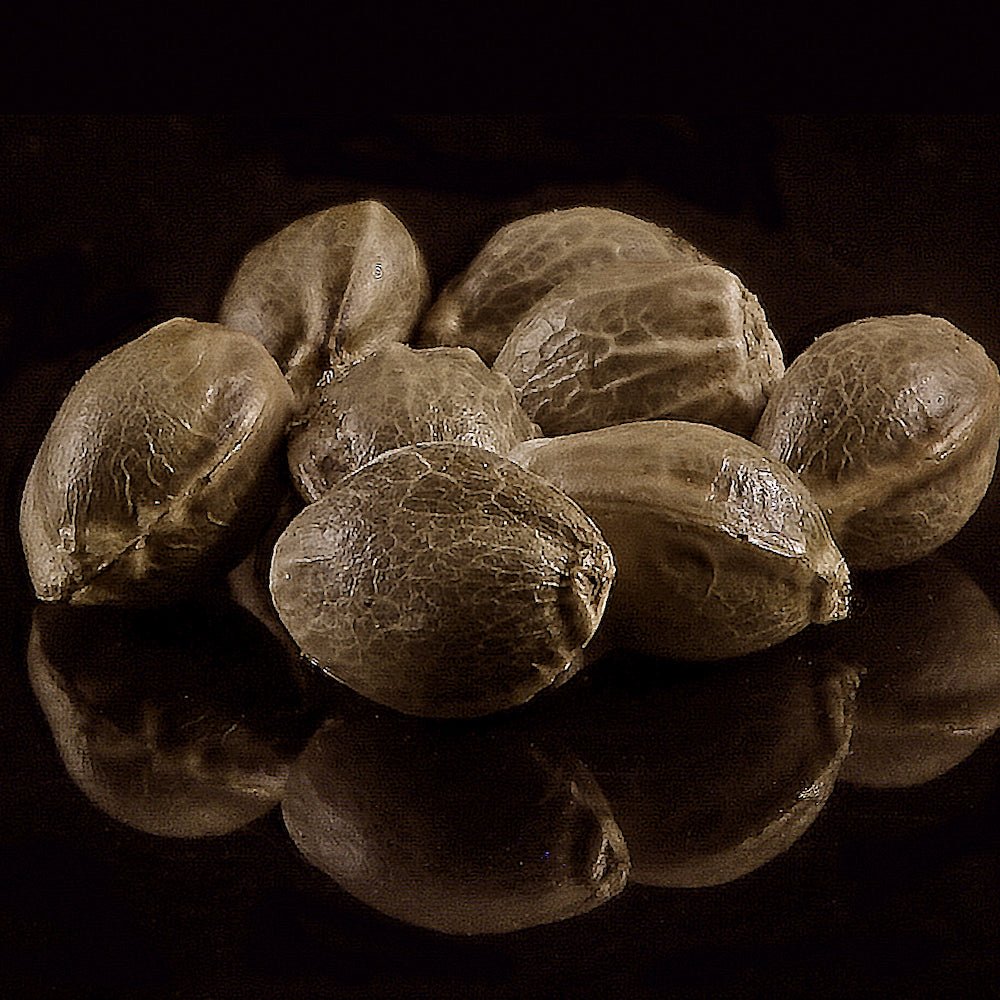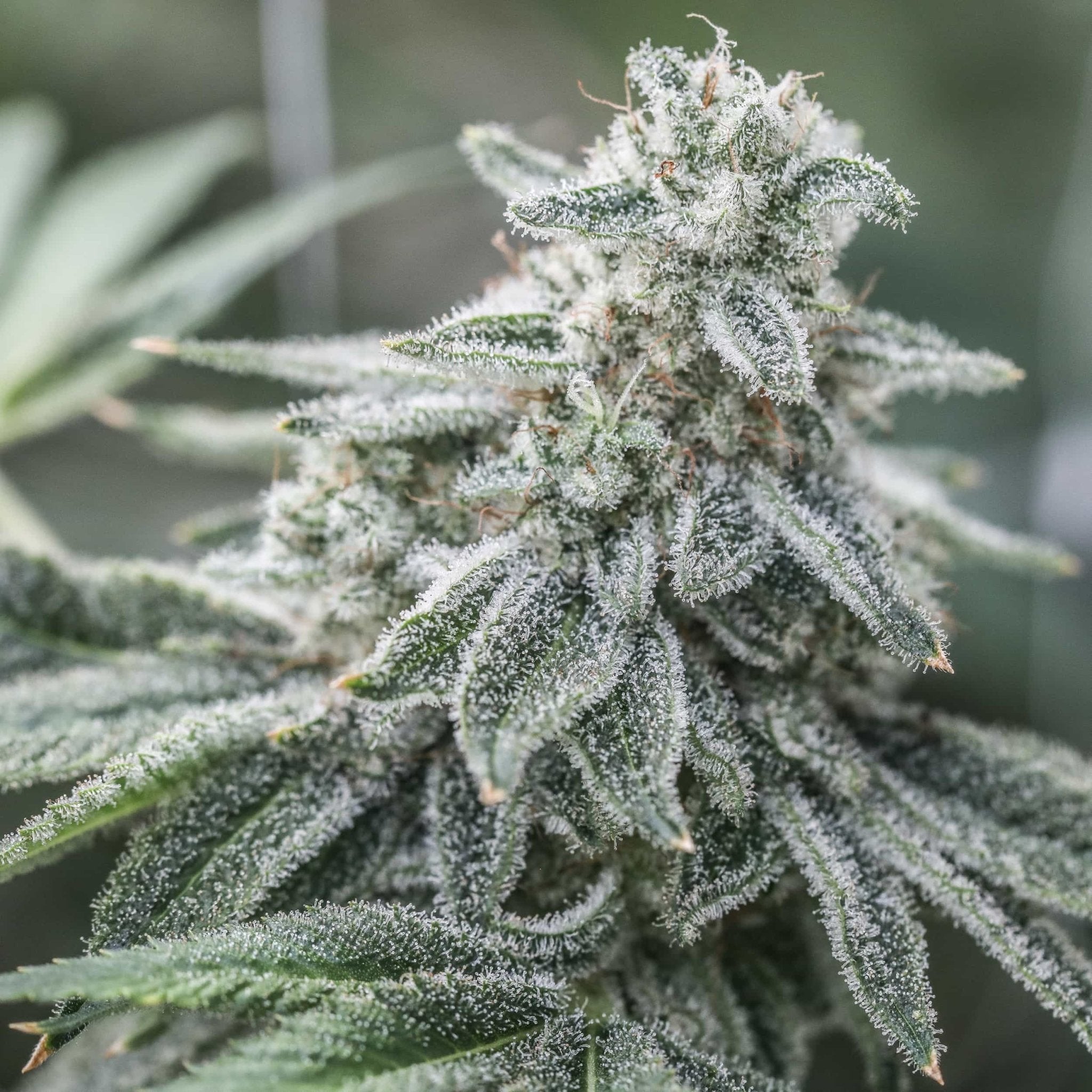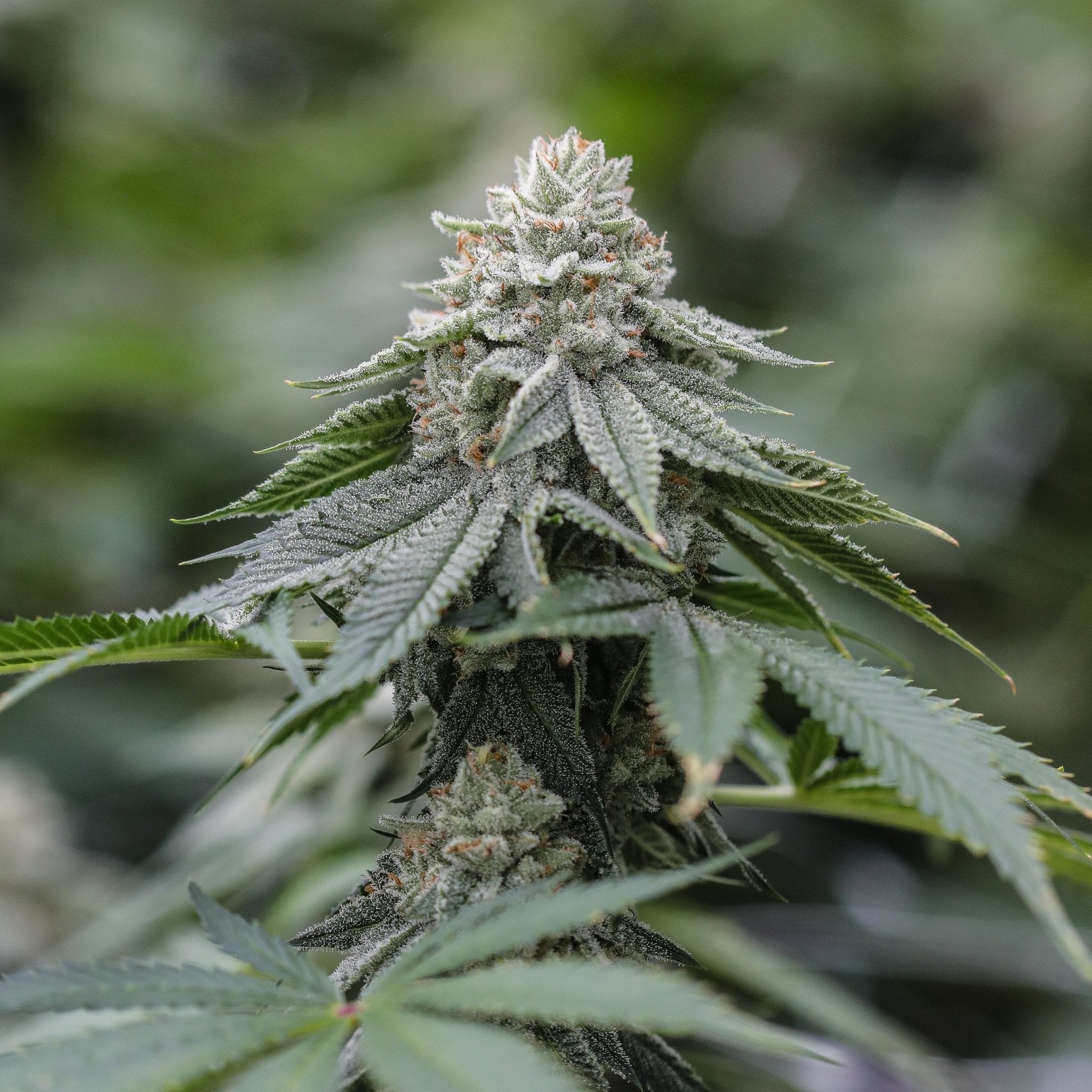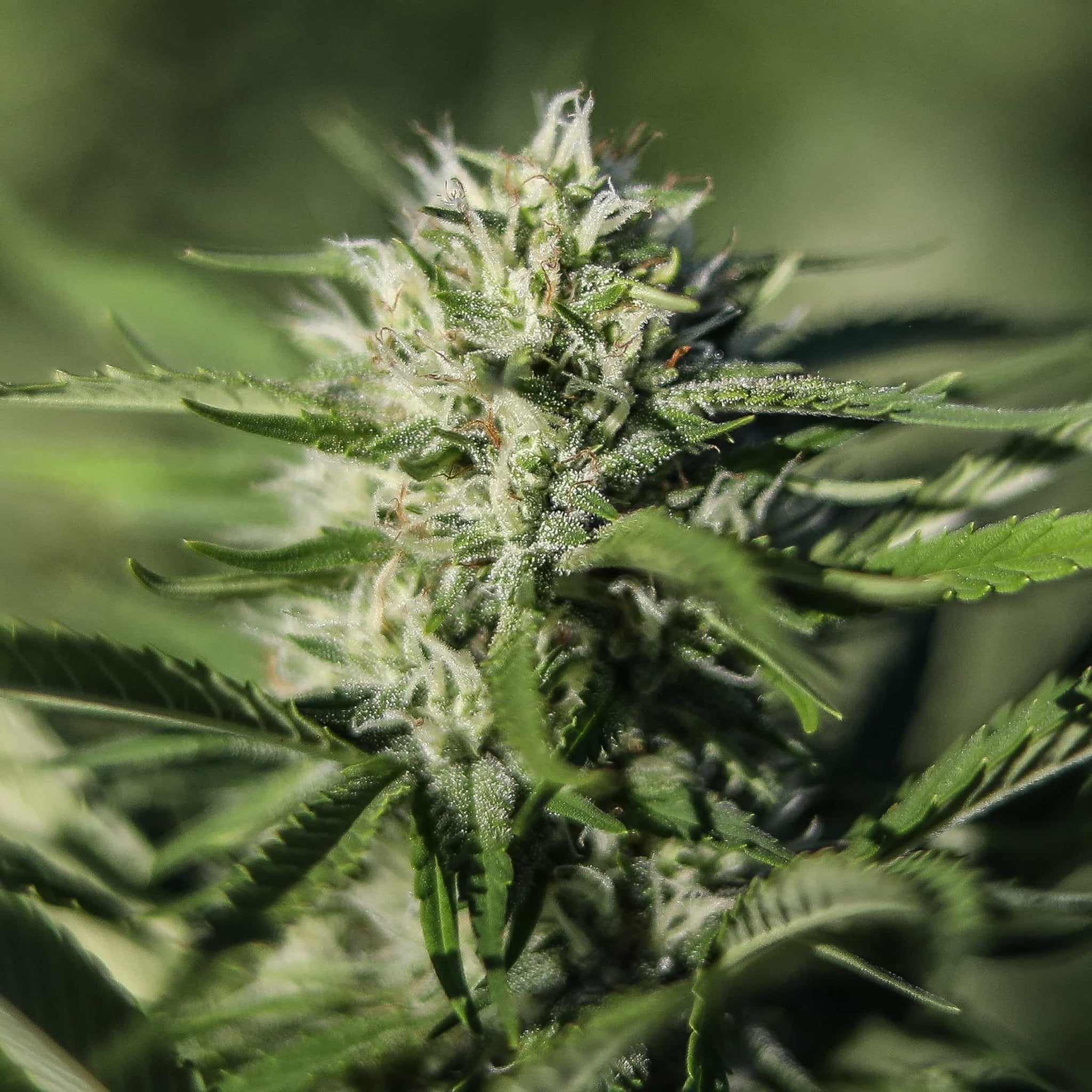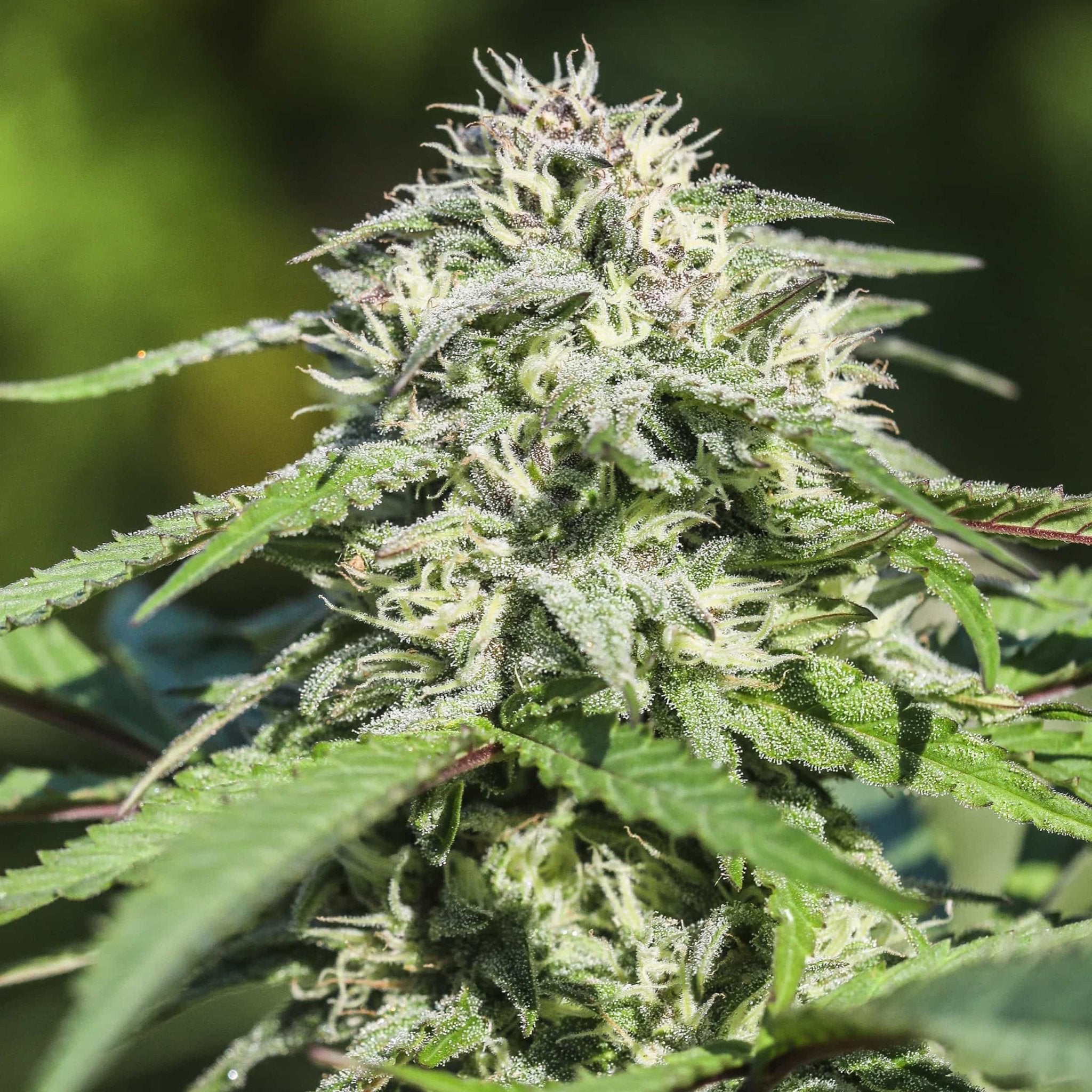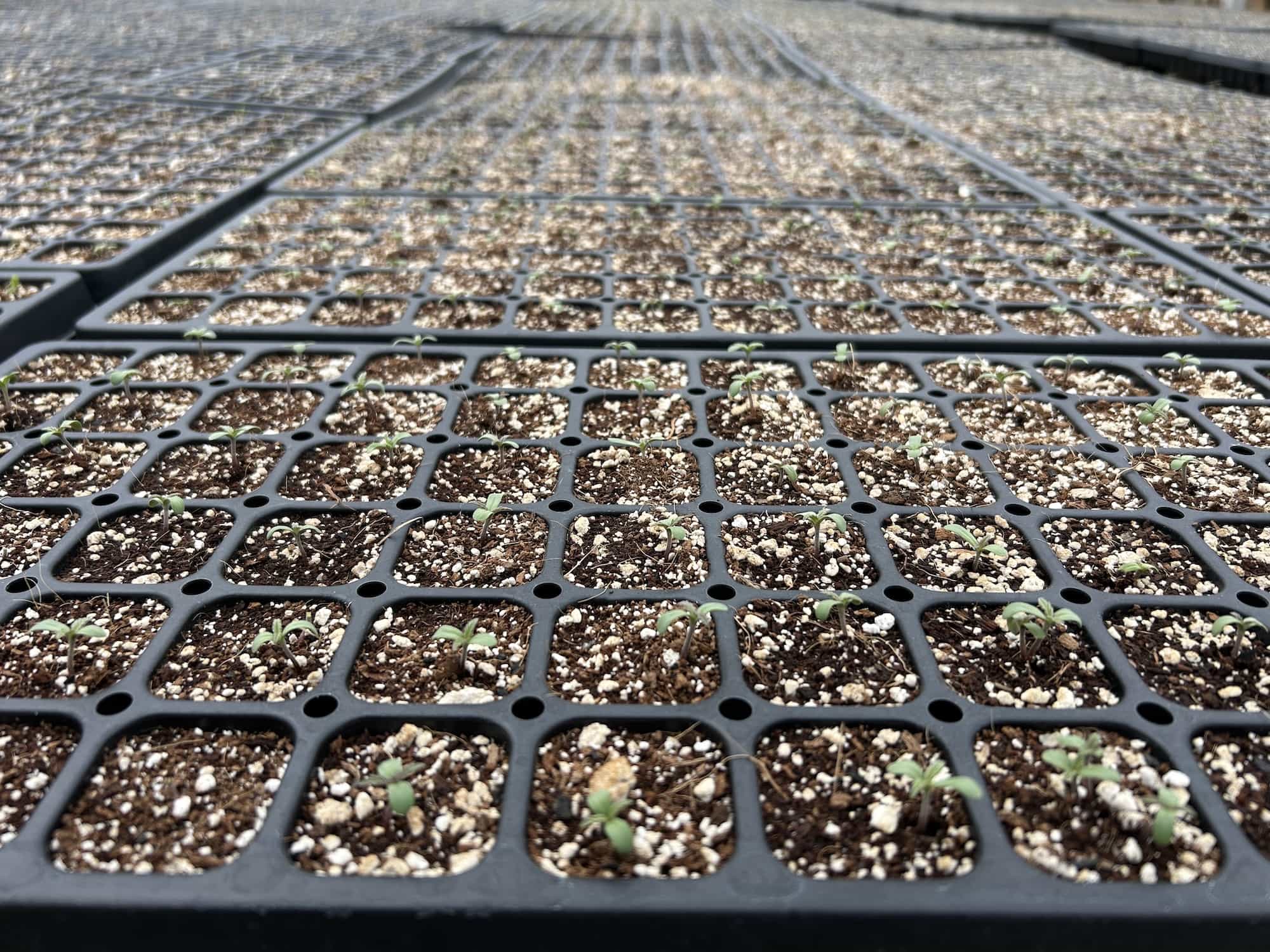


A common misconceptions about feminized cannabis seeds is that the plants they produce cannot make seeds themselves. After all, if every plant is genetically female, where would the pollen come from?
The short answer is yes, feminized cannabis plants can absolutely produce seeds. In fact, that's exactly how we produce our feminized seeds at GTR Seeds.
However, there is a big difference between a feminized plant producing seeds intentionally and a grower discovering a bunch of unwanted seeds in what was supposed to be a seedless harvest.
Let's explain how it happens.
Why Do Feminized Cannabis Plants Produce Seeds?
Cannabis is a flowering plant, and female flowers are biologically designed to produce seeds when they receive viable pollen.
Feminized seeds are bred to produce genetically female plants, generally possessing two X chromosomes (XX). But being female doesn't prevent a plant from being pollinated.
If pollen reaches the flowers of a feminized cannabis plant, seeds can develop just as they would on a female plant grown from regular seeds.
That pollen might come from a neighboring cannabis crop, an overlooked male plant, or even the feminized plant itself.
Feminized doesn't mean sterile. It simply means the seeds were bred to produce female plants.
Can a Feminized Cannabis Plant Pollinate Itself?
Yes, and this is where things get interesting.
Although feminized cannabis plants are genetically female, they can sometimes develop male reproductive structures capable of producing pollen.
This is commonly referred to as hermaphroditism or intersex expression.
In some cases, a plant may develop just a few pollen-producing flowers. In others, entire branches can develop male flowers. If viable pollen from those flowers reaches receptive female flowers on the same plant, self-pollination can occur.
The resulting seeds are often referred to as selfed seeds, or S1 seeds when produced from a first-generation self-pollination.
Because the pollen originates from a genetically female plant, the resulting offspring are generally female as well.
However, there's a catch.
Seeds produced from plants that naturally develop unwanted male flowers may inherit a greater tendency toward intersex expression. This is particularly concerning when the parent has a genetic predisposition to the trait.
If you discover seeds in a feminized plant that pollinated itself, those seeds might germinate and grow just fine. But we wouldn't recommend relying on them for a commercial crop without evaluating their genetic stability.
For a closer look at what causes this behavior, read our guide to male, female, and hermaphrodite cannabis plants.
Can Feminized Plants Produce Seeds Without Male Plants?
Absolutely. In fact, we don't use conventional male plants in our breeding program at GTR Seeds.
Instead, we use a controlled process that induces carefully selected genetically female plants to produce pollen.
That pollen is then used to fertilize other female plants, producing feminized seeds.
This is an important distinction from simply allowing plants with a natural tendency toward hermaphroditism to pollinate a crop.
We spend years developing and selecting our parental lines, and plants that demonstrate undesirable intersex characteristics are removed from our breeding program.
The goal is to produce seeds that grow into stable female plants, not plants that randomly decide to produce pollen halfway through flowering.
If you're curious about the actual breeding process, we've already covered it in detail in our article on how to make feminized cannabis seeds using STS.
Why Did My Feminized Cannabis Plant Have Seeds?
If you've harvested a feminized cannabis plant and discovered seeds in the flowers, there are several possible explanations.
Pollen from another cannabis plant: Cannabis pollen can travel considerable distances on the wind. Even if you're growing nothing but feminized plants, a neighboring crop could be responsible.
Unnoticed male flowers: A plant may develop a handful of pollen-producing flowers that go unnoticed until harvest. Sometimes it only takes a small amount of viable pollen to produce seeds.
Environmental stress: In genetically susceptible plants, inconsistent lighting, extreme stress, or other unfavorable conditions can contribute to unwanted male flower development.
Genetic instability: Some cannabis varieties are simply more prone to intersex expression than others. This is one reason we put so much effort into selecting stable breeding parents.
It's also worth mentioning that finding a few seeds doesn't necessarily mean the entire plant became hermaphroditic. External pollen is always a possibility, particularly for outdoor growers.
Will Seeds From a Feminized Plant Also Be Feminized?
That depends on where the pollen came from.
If a genetically female plant pollinates itself using pollen produced from its own male flowers, the resulting seeds are generally expected to be genetically female.
If the plant was pollinated by a conventional XY male, the resulting seeds will typically include both male and female offspring.
And if you have no idea where the pollen came from, you really don't know what you've got.
Even when seeds are genetically female, that doesn't mean they'll be identical to the mother plant. Sexual reproduction reshuffles genetic information, and the offspring may differ considerably in growth, flowering time, cannabinoid production, and other characteristics.
This is why finding seeds in an exceptional flower doesn't necessarily mean you've discovered a reliable new variety.
What About Triploid Cannabis Plants?
Triploid cannabis plants are a little different.
Conventional diploid cannabis plants contain two sets of chromosomes, while triploids contain three. This extra chromosome set interferes with normal reproduction and can dramatically reduce fertility.
At GTR Seeds, we released our first commercial triploid cannabis seeds in 2021, and reduced seed production has been one of the most exciting advantages of this technology.
Triploids can still develop male flowers, and they aren't completely sterile. However, their reproductive biology makes successful seed formation much less likely than in conventional diploid plants.
This can be particularly valuable for outdoor growers surrounded by other cannabis farms, where avoiding airborne pollen isn't always possible.
You can learn more about the science and advantages of triploid cannabis.
Can You Grow the Seeds You Find in Feminized Cannabis?
Sure. A mature, viable cannabis seed can potentially germinate regardless of whether it was produced intentionally.
But whether you should grow those seeds is another question.
If the seeds resulted from accidental pollination, their parentage may be unknown. If they came from a plant that spontaneously produced pollen, there may be concerns about genetic stability.
For someone experimenting in a home garden, planting a few mystery seeds might be interesting.
For commercial growers investing thousands of dollars into a crop, it's a gamble we wouldn't recommend.
One of the biggest advantages of professionally bred F1 hybrid seeds is predictability. Growers want to know what they're planting, how the crop will perform, and approximately when it will be ready to harvest.
That's why we spend so much time developing our parental lines rather than simply crossing two plants with desirable flowers.
Learn more about our approach to breeding feminized F1 hybrid cannabis seeds.
Nature Finds A Way
Feminized cannabis plants can absolutely produce seeds, and there's nothing unusual about that. They're female plants, and producing seeds is part of their reproductive biology.
What matters is how those seeds were produced.
Intentional pollination using carefully selected female genetics is the foundation of modern feminized cannabis seed production. Accidental pollination, on the other hand, can leave growers with seeded flowers and a collection of seeds with uncertain genetics.
At GTR Seeds, our goal is pretty simple: give growers the best possible chance of producing beautiful, consistent, seedless flowers.
That starts with stable genetics, carefully developed breeding lines, and years of research and selection.
Explore our complete selection of feminized cannabis seeds to see what we've been working on.