

Nearly all of us at GTR Seeds got our start in the cannabis industry under the Oregon Medical Marijuana Program. Yet these days, you'll rarely hear any of us use the "M" word.
Why? It's played out. Let's move on.
But the difference between marijuana, hemp, and cannabis goes much deeper than terminology. From federal regulations to the cannabinoids plants produce, there's a better, more scientific way to describe this incredibly diverse species.
What's Wrong With the Word Marijuana?
As a team rooted in science and plant breeding, it has always been, and will always be, cannabis to us. After all, that's its scientific name: Cannabis sativa L.
There's nothing inherently wrong with the word "marijuana." However, the term carries a complicated history, particularly in the United States, where it became associated with anti-cannabis propaganda, criminalization, and decades of misinformation.
The word's origins are debated, but its widespread adoption in American drug policy helped reinforce the negative stigma surrounding the plant.
As public attitudes toward cannabis continue to evolve, we think it's time our terminology evolved too. Besides, doesn't "cannabis" just have a nicer ring to it?
Marijuana vs. Hemp: What's the Difference?
Botanically speaking, marijuana and hemp are the same species of plant: Cannabis sativa L.
The distinction is largely legal and agricultural rather than botanical.
Under the 2018 Farm Bill, hemp was federally defined as cannabis containing no more than 0.3% delta-9 THC by dry weight. Cannabis exceeding that threshold generally fell under the federal definition of marijuana.
However, the distinction becomes much more complicated when you consider that cannabis plants naturally produce THC primarily in its acidic form, THCA.
Federal hemp regulations have also continued to evolve. Legislation passed in 2025 introduced a revised definition based on total THC, including THCA, with major provisions scheduled to take effect in December 2026.
But here's the bigger point: THC concentration alone tells you very little about the agricultural characteristics, appearance, or potential uses of a cannabis plant.
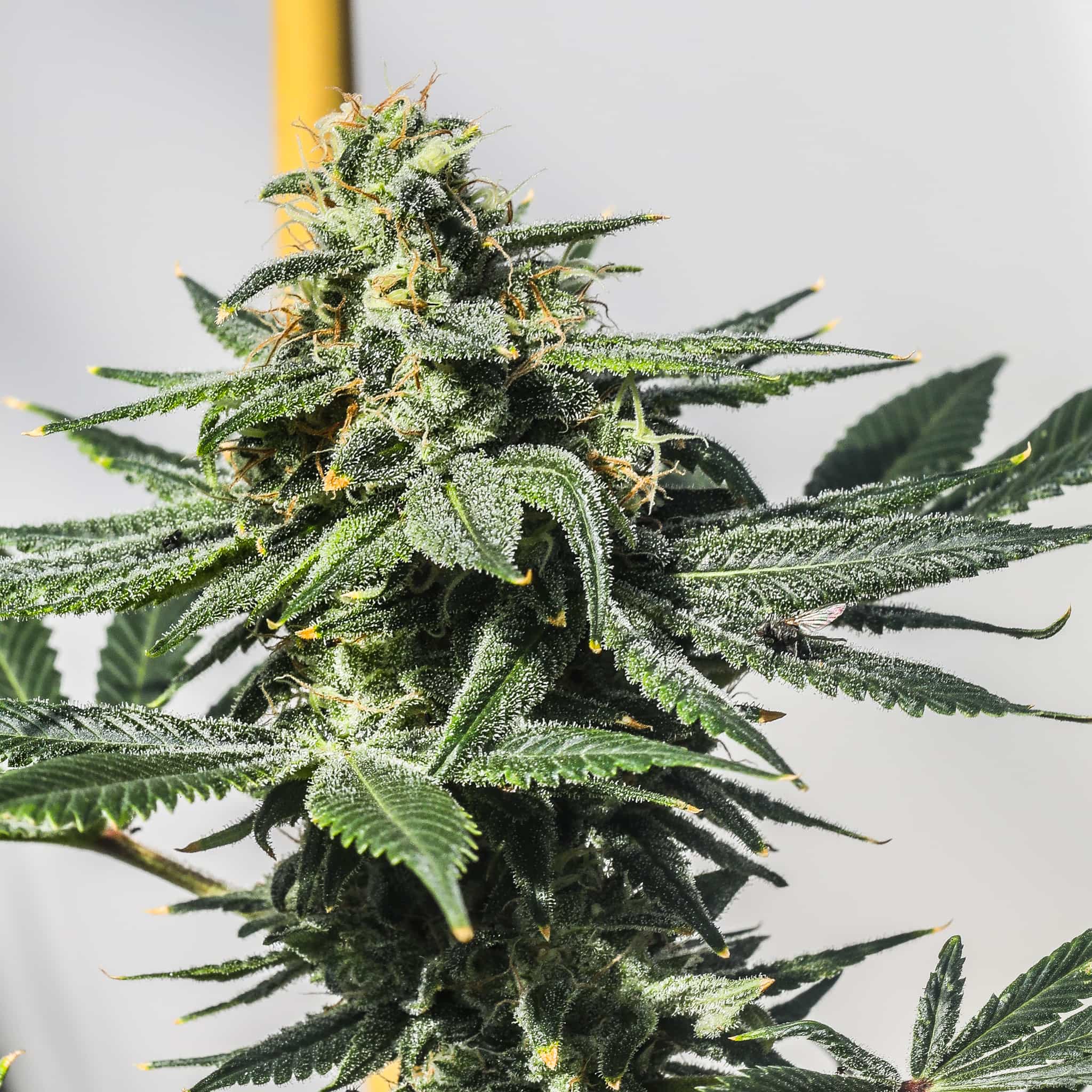
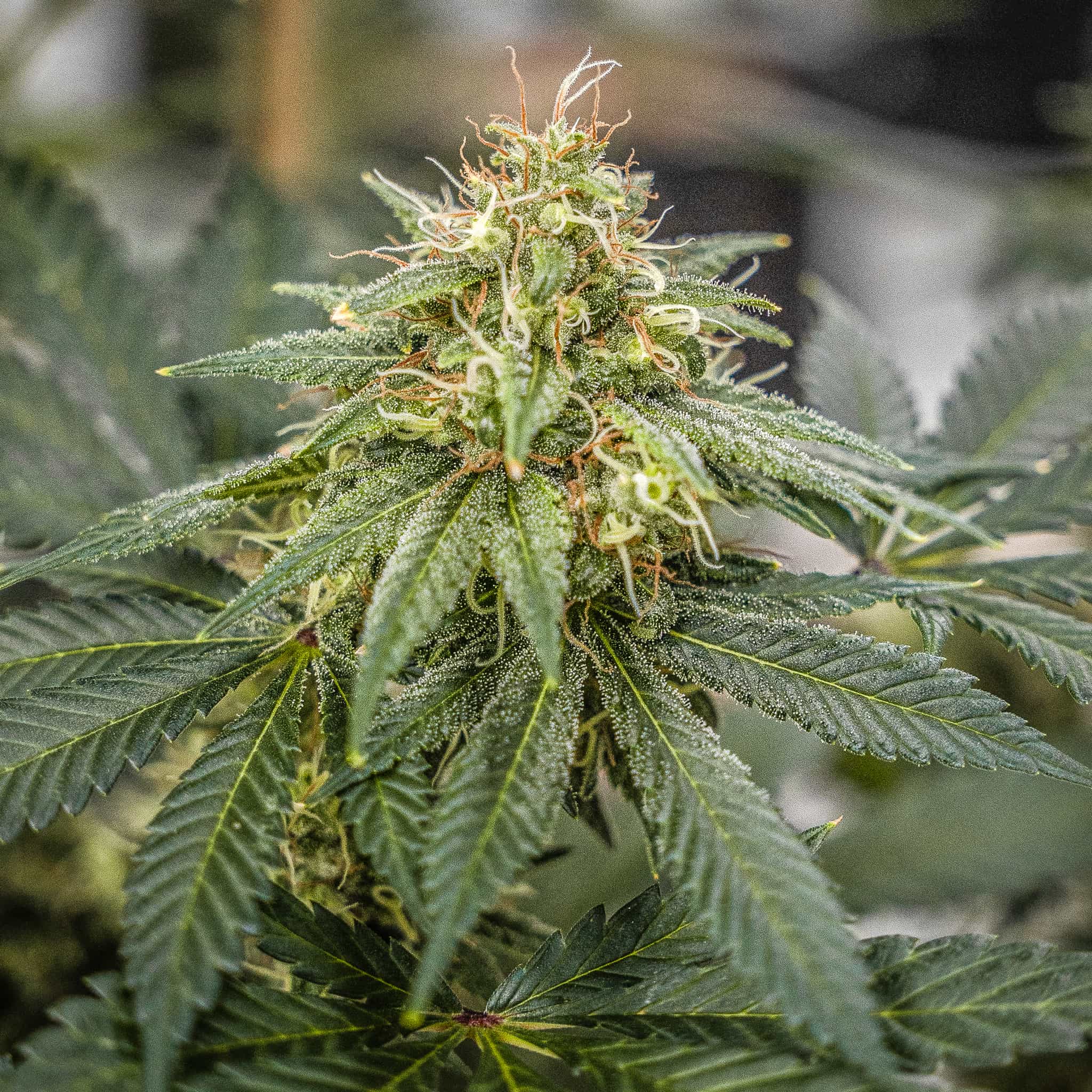
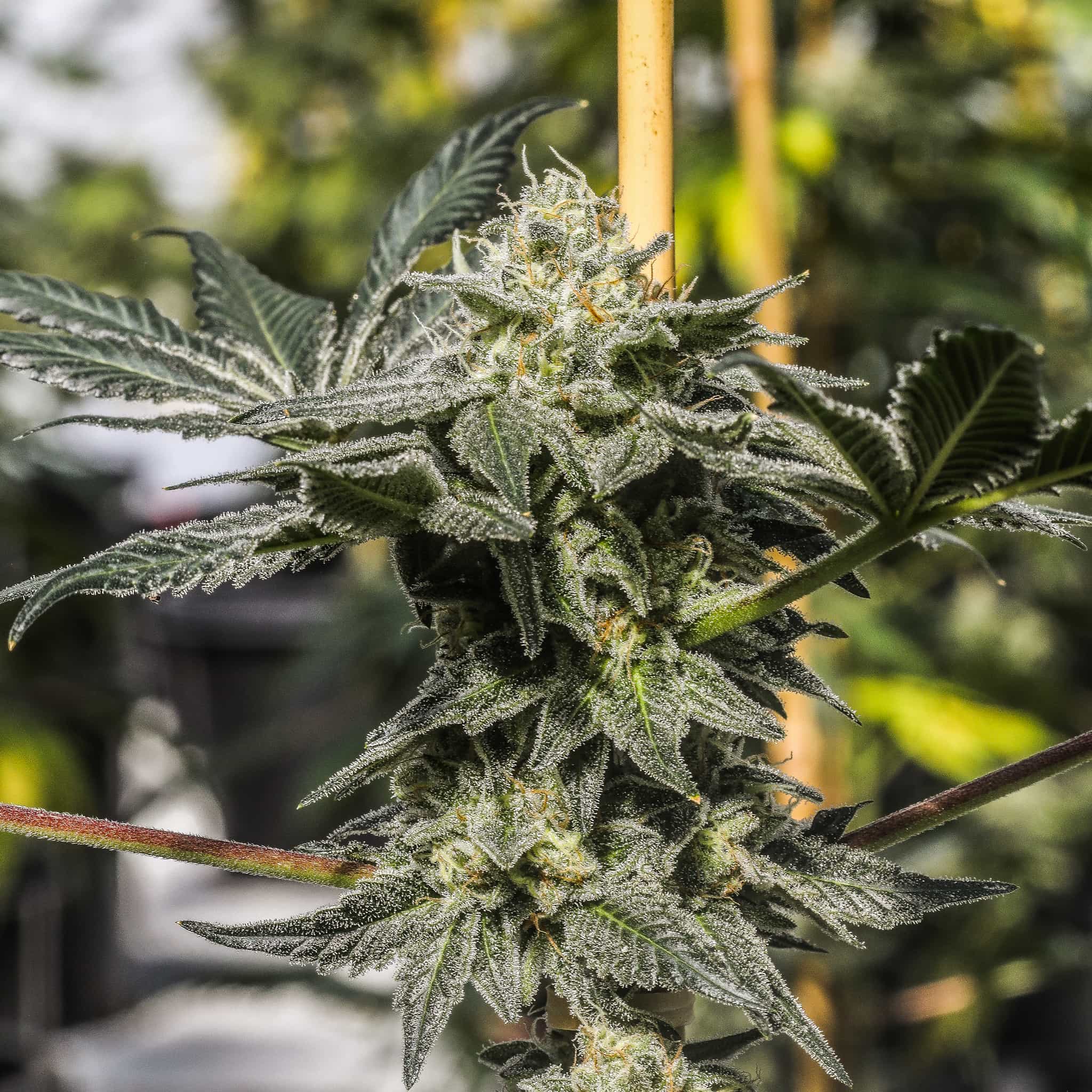
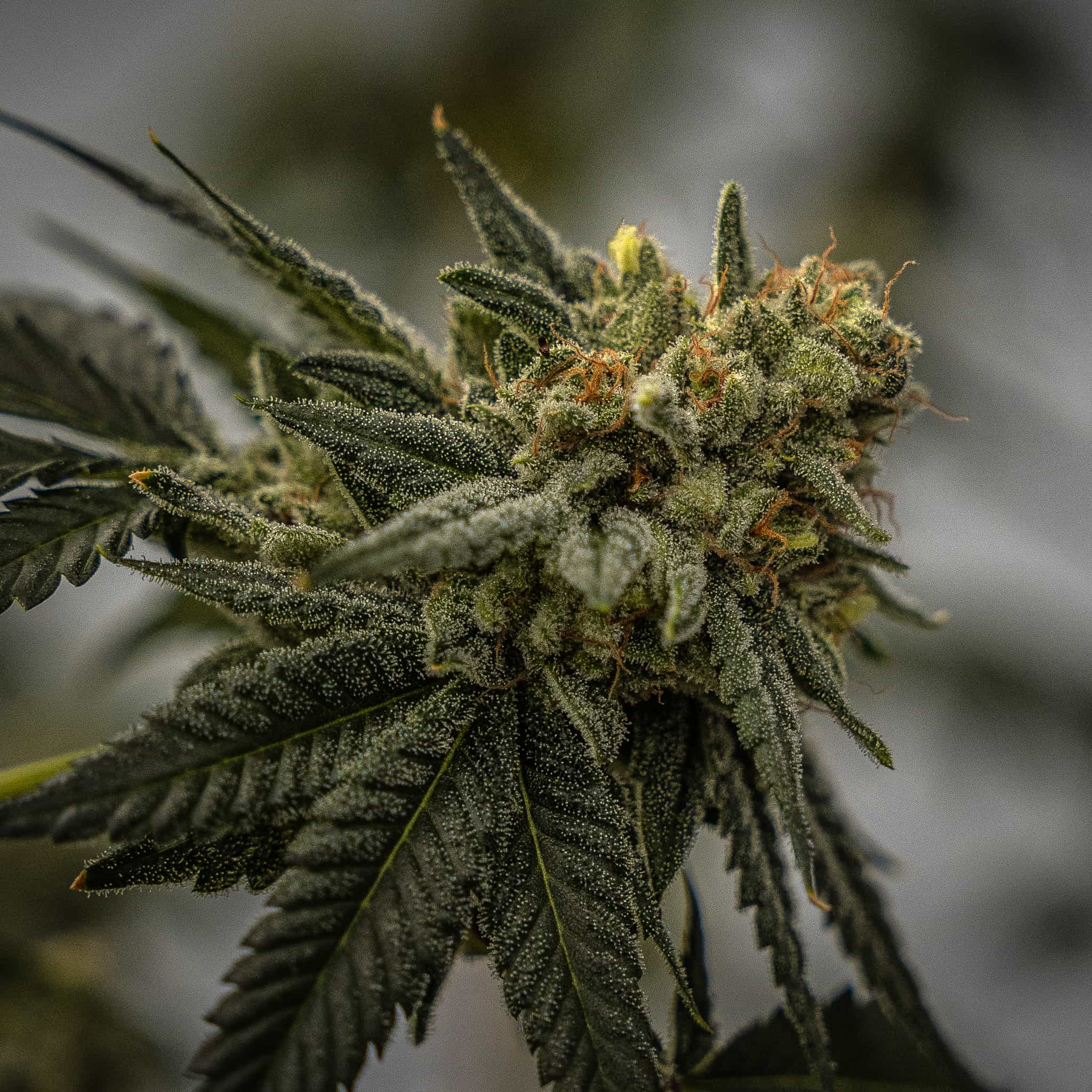
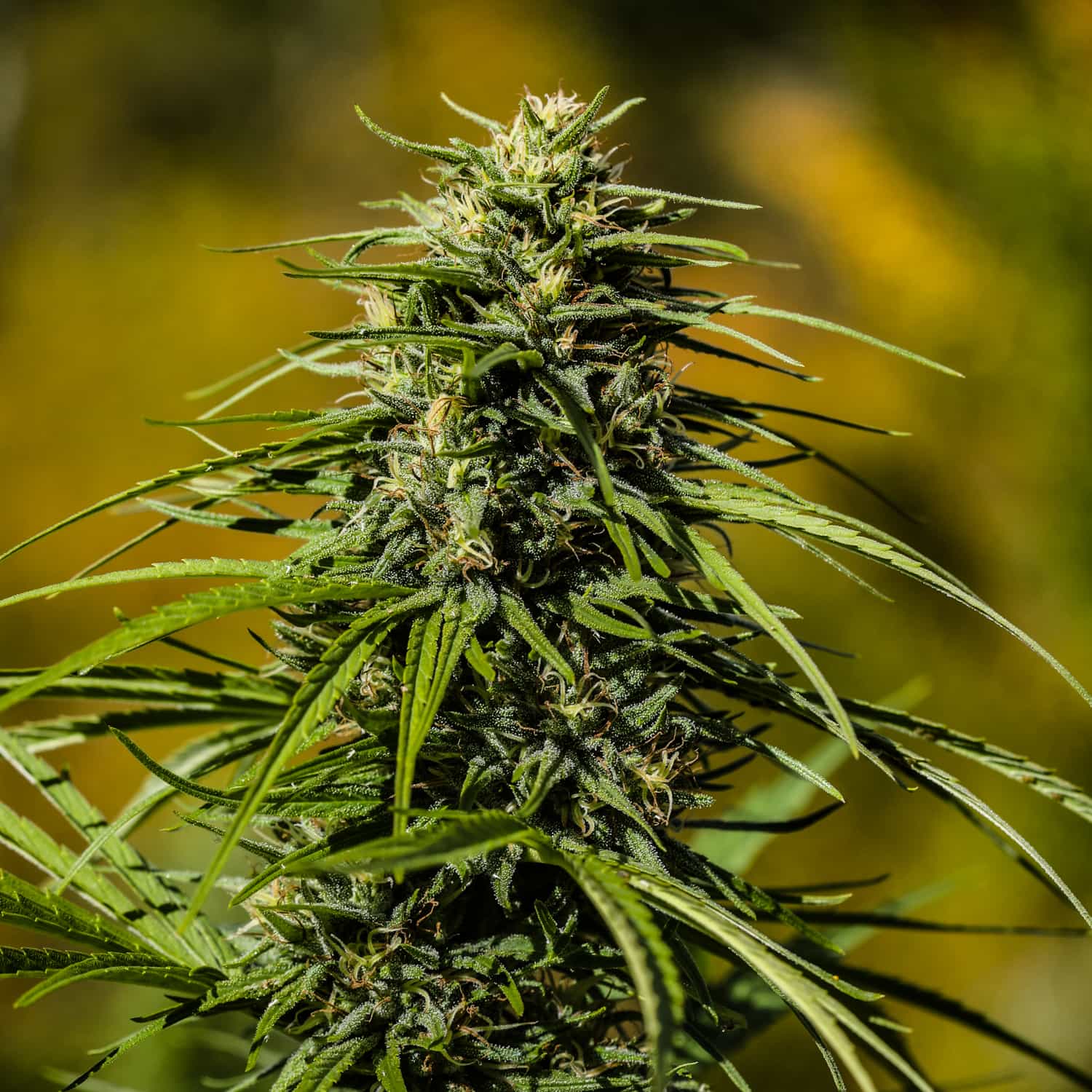
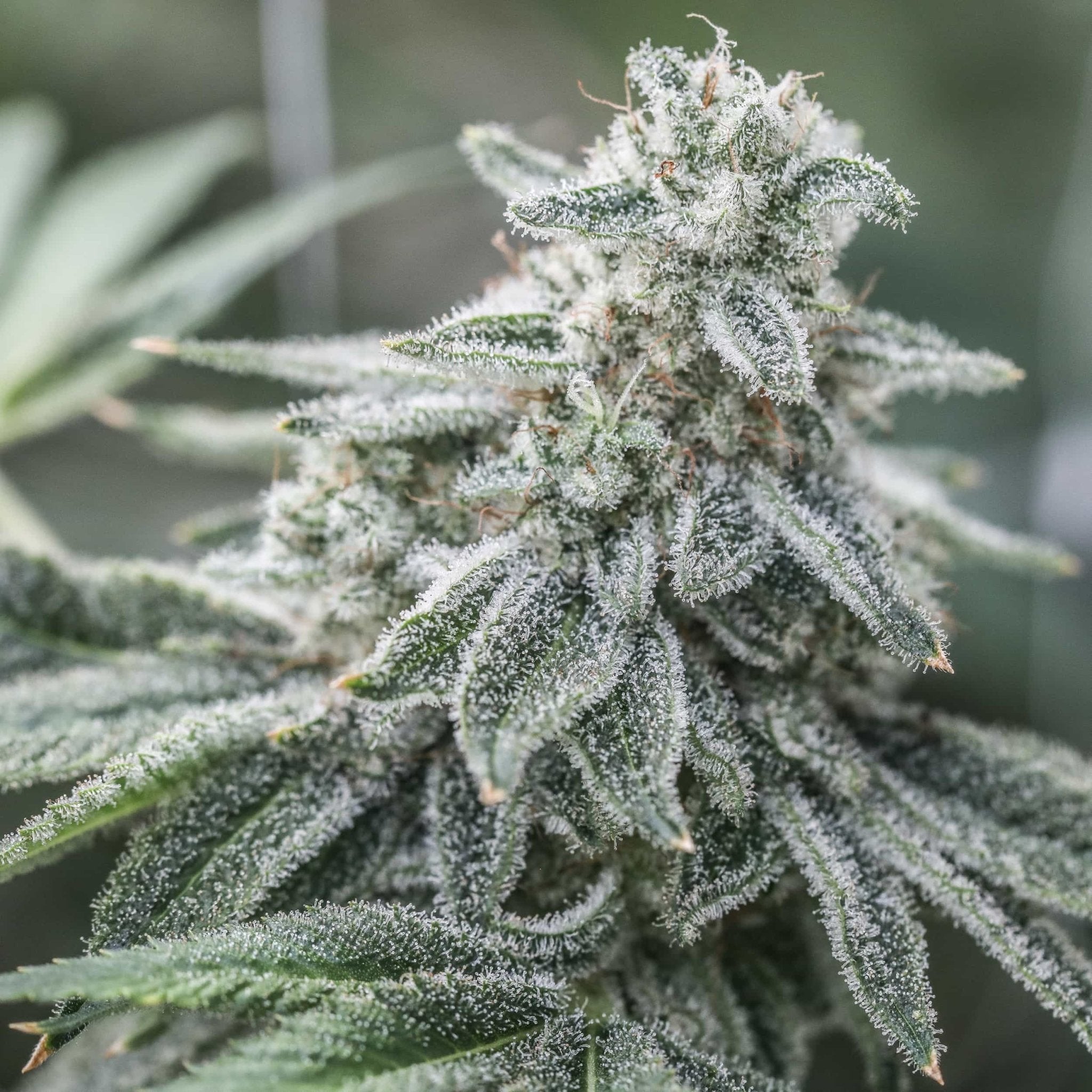
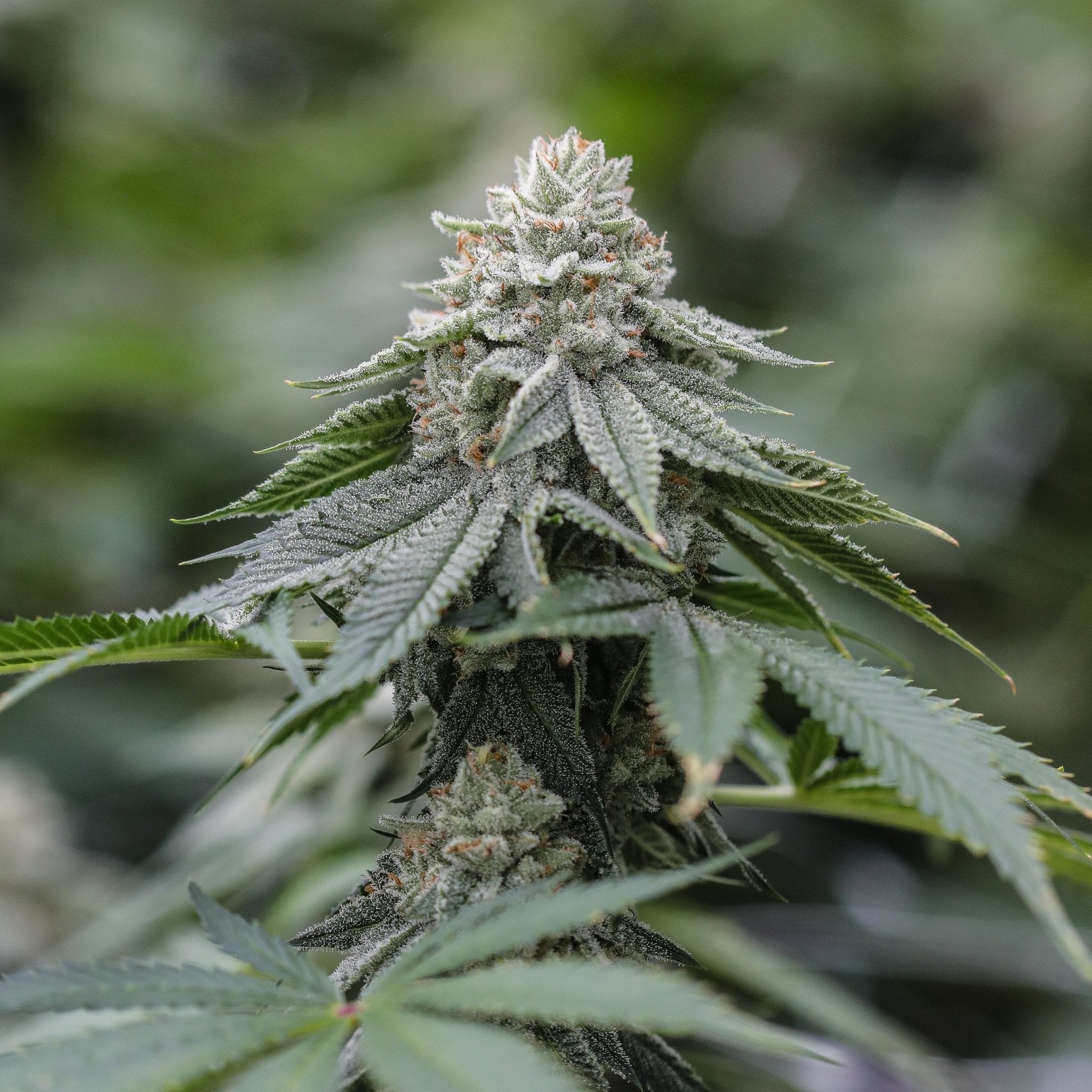
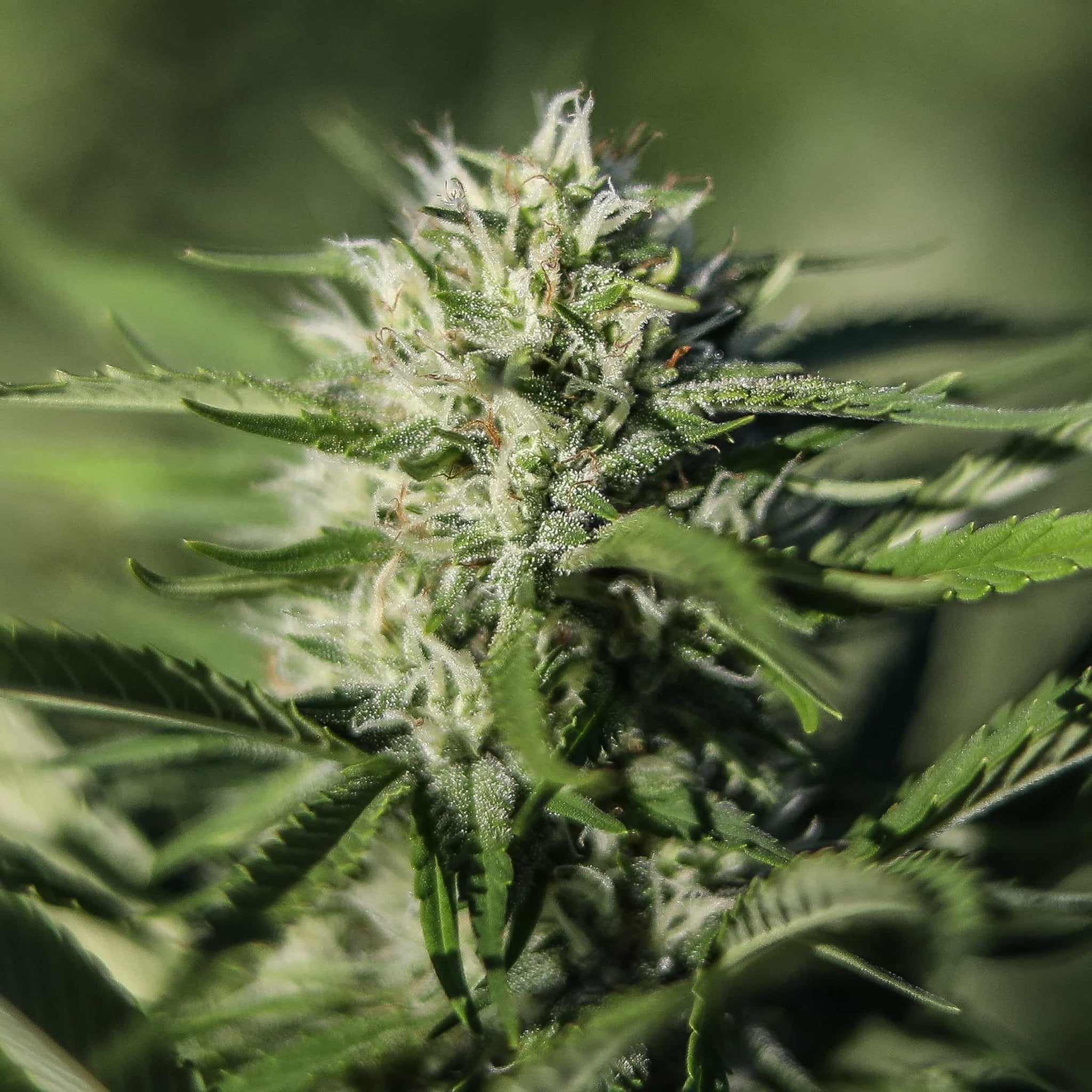
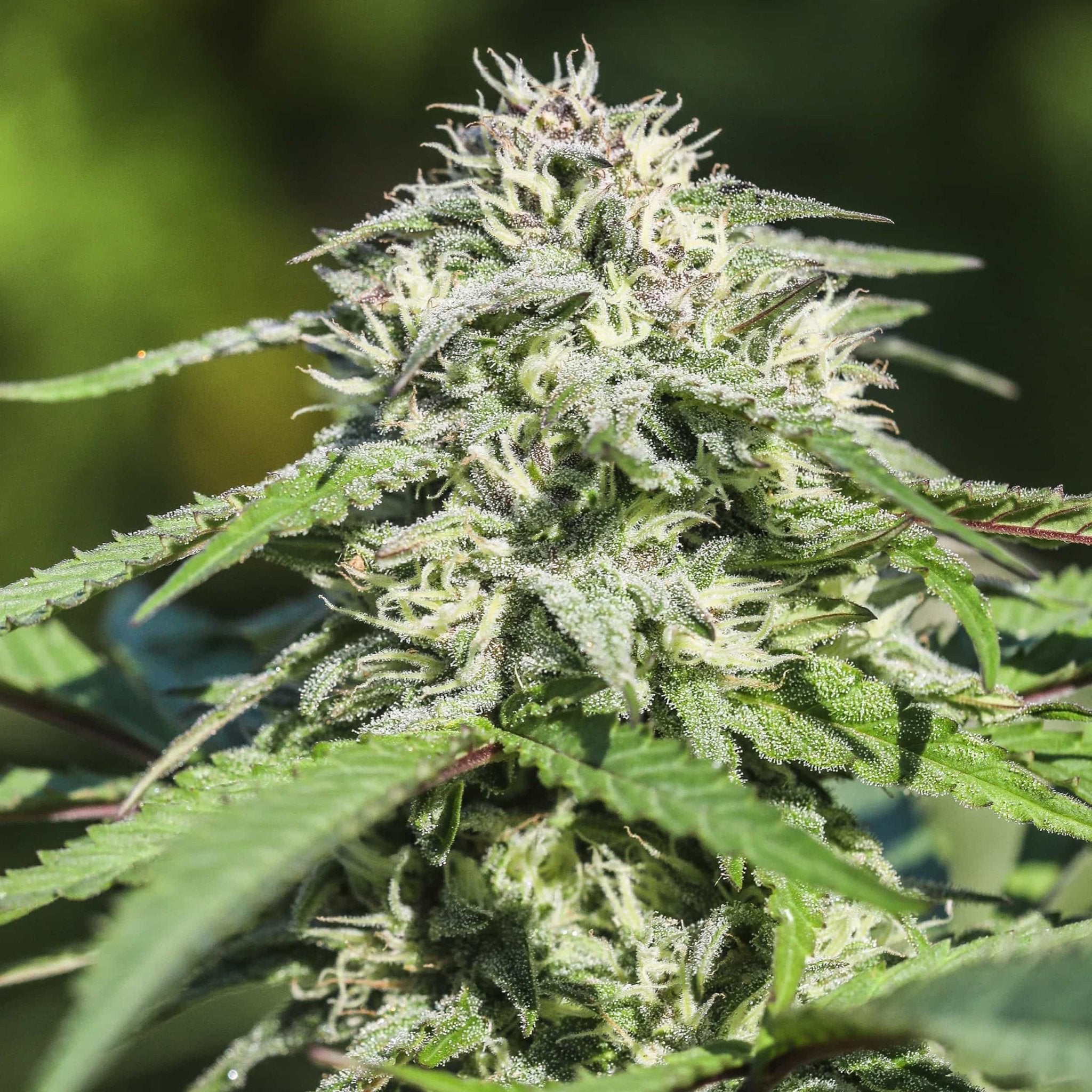
A CBD-rich flower can look and smell nearly identical to a THC-rich flower. Likewise, a heavily frosted CBG flower can resemble traditional high-THC cannabis despite containing almost no THC.
We believe the terms hemp and marijuana are poor ways to describe the remarkable diversity of cannabis genetics.
Fortunately, there's a much better system.
The Five Types of Cannabis: Understanding Chemotypes
Rather than separating cannabis into hemp and marijuana, scientists commonly classify cannabinoid-producing varieties by their chemotype, or the dominant cannabinoids they produce.
Cannabis plants primarily synthesize cannabinoids in their acidic forms, such as THCA, CBDA, and CBGA. These compounds can convert into their neutral counterparts, THC, CBD, and CBG, through decarboxylation, typically involving heat or time.
Here are the five major cannabis chemotypes.
Type I Cannabis: THC-Dominant
Type I cannabis produces predominantly THCA, the precursor to THC.
These are the varieties traditionally associated with recreational and medical marijuana. Type I plants generally produce high concentrations of THC-related cannabinoids and comparatively small amounts of CBD.
At GTR Seeds, we've developed numerous THC-dominant cannabis varieties, including diploid and triploid genetics.
Type I cannabis is generally intoxicating when consumed in a form that converts THCA into THC.
Type II Cannabis: Balanced THC and CBD
Type II cannabis produces substantial amounts of both THCA and CBDA, often approaching a 1:1 ratio.
These balanced cannabinoid strains have become popular among consumers seeking a combination of THC and CBD.
Although CBD can influence the overall experience, Type II cannabis can still produce intoxicating effects.
Interestingly, you generally cannot distinguish Type I and Type II plants by appearance alone. Their cannabinoid profiles tell the real story.
Type III Cannabis: CBD-Dominant
Type III cannabis produces predominantly CBDA, the precursor to CBD, with comparatively low THC production.
These varieties are commonly marketed as hemp, although their legal classification depends on THC content, testing procedures, and applicable regulations.
Here's where things get interesting.
Many conventional CBD-dominant varieties produce THC and CBD in relatively consistent proportions, often around 1 part total THC to 20–30 parts total CBD.
For example, a plant containing 20% total CBD might produce approximately 0.7–1% total THC, depending on its genetics.
That's well above the 0.3% threshold used in federal hemp regulations, even though the plant is overwhelmingly CBD-dominant.
This is one reason hemp compliance has historically depended heavily on genetics, sampling procedures, and harvest timing.
At GTR Seeds, we've spent years developing high-CBD cannabis seeds with consistent cannabinoid profiles, including varieties such as Lifter, Sour Lifter, and Suver Haze.
CBDV-dominant varieties are also commonly grouped within the broader Type III category, although their cannabinoid profiles differ from conventional CBD strains.
Type IV Cannabis: CBG-Dominant
Type IV cannabis produces predominantly CBGA, the precursor to CBG.
Unlike most THC- and CBD-dominant varieties, properly bred CBG genetics can produce exceptionally low concentrations of THC.
Our CBG breeding program has developed varieties with extremely low THC production, often below 0.2% total THC.
And here's the remarkable part: our CBG varieties can be every bit as frosty, aromatic, and visually impressive as traditional THC-rich cannabis.
Place a premium CBG flower next to a THC-rich flower, and you may have no idea which is which without laboratory testing.
Our CBG seeds include classic varieties such as White CBG and Stem Cell CBG, along with newer aromatic and triploid genetics.
CBGV-dominant varieties represent another exciting direction in our Type IV breeding program.
Unlike THC, CBG is not generally considered intoxicating, although research into its biological activity and potential applications is ongoing.
Type V Cannabis: Cannabinoid-Free
Type V cannabis is perhaps the most unusual category.
These plants produce little to no detectable cannabinoids because of differences in their cannabinoid biosynthesis pathways.
While extremely rare in commercial cannabis production, cannabinoid-free genetics are particularly interesting from a plant breeding and research perspective.
We've developed some of these unusual plants in our breeding program, although we've never released them commercially.
Interestingly, Type V cannabis should not be confused with conventional industrial hemp grown for fiber or grain. Those plants can still produce cannabinoids in their flowers.
As for the future commercial applications of cannabinoid-free cannabis? We'll have to wait and see.
What About THCV, CBDV, and CBGV Strains?
The traditional five-type classification system is useful, but modern cannabis breeding has introduced increasingly diverse cannabinoid profiles.
For example, THCV, CBDV, and CBGV are varin cannabinoids, distinguished by differences in their molecular structures.
At GTR Seeds, our breeding programs have produced varieties rich in these uncommon cannabinoids, including THCV seeds and CBGV-dominant genetics.
These varieties demonstrate why cannabinoid profiles are often much more informative than simply calling a plant hemp or marijuana.
Marijuana Seeds vs. Hemp Seeds
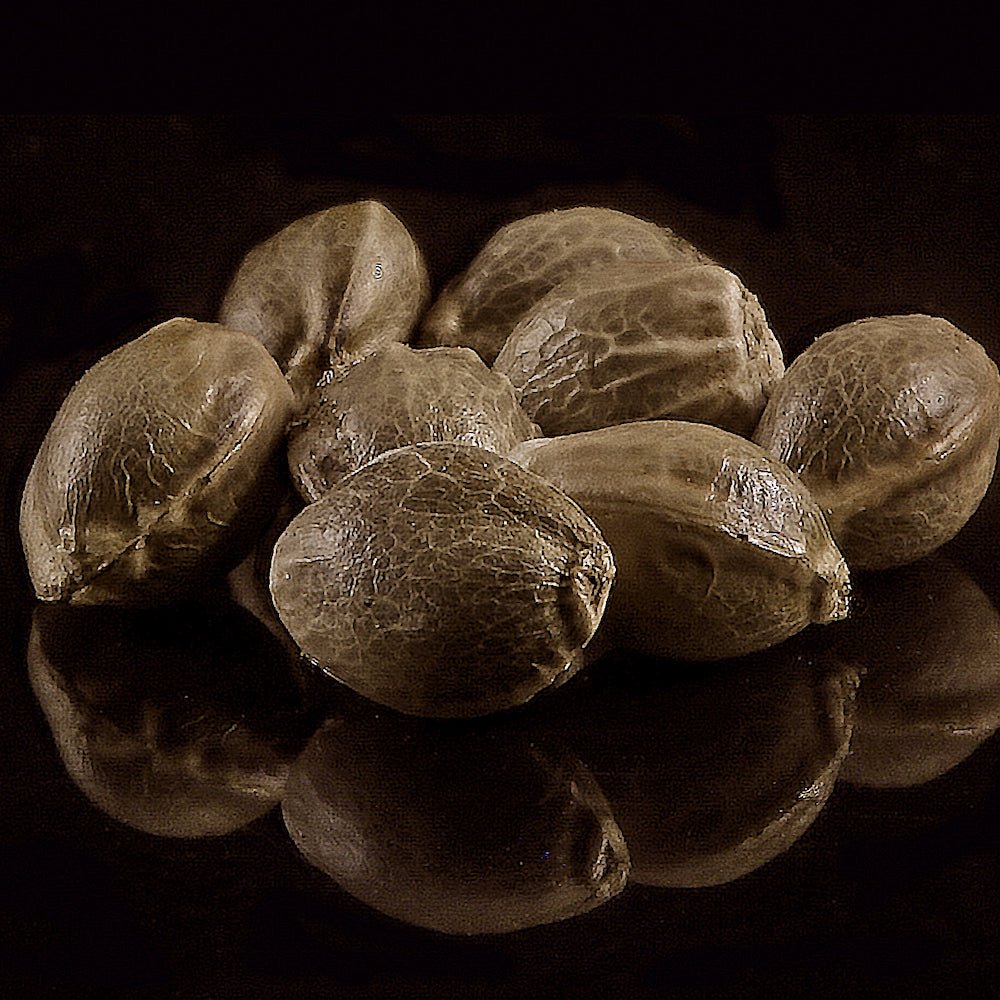
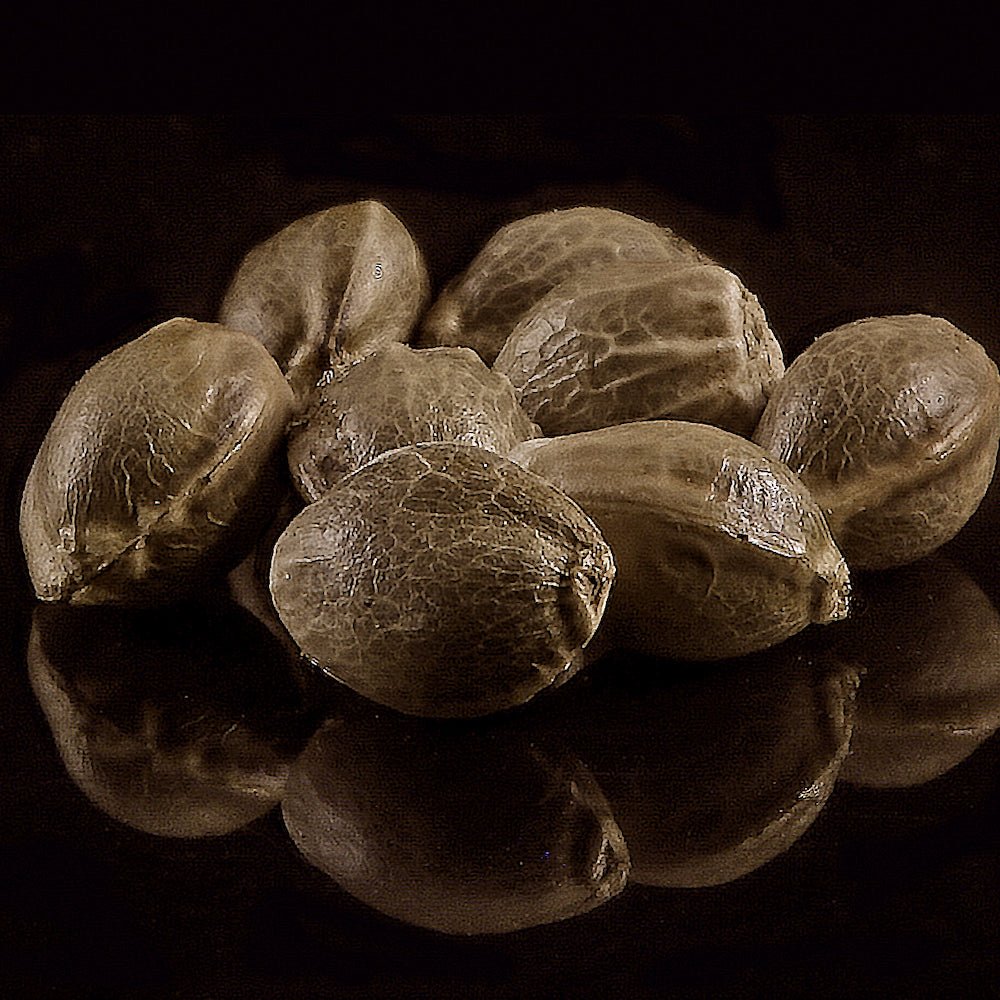
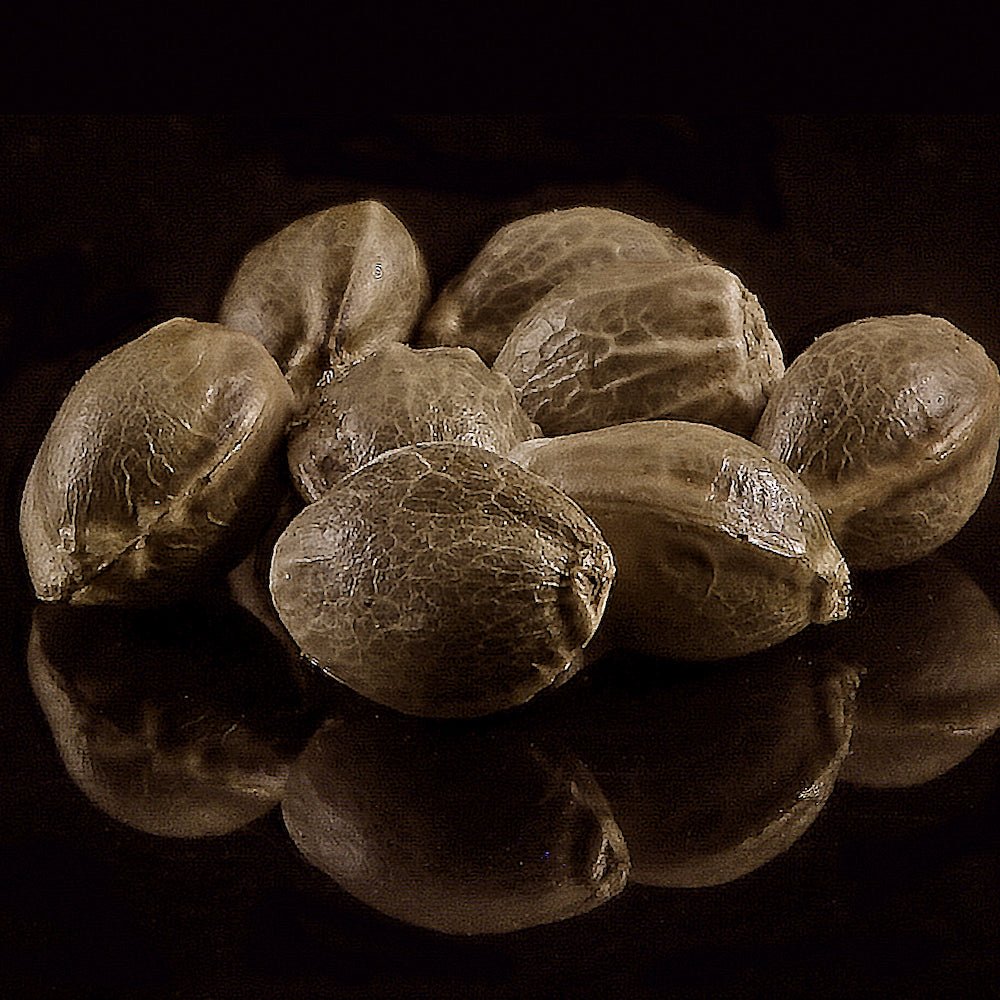
Here's another interesting distinction: you cannot reliably determine a mature cannabis plant's cannabinoid profile by examining its seed.
A seed destined to produce a 30% THC flower may look identical to one that will produce a nearly THC-free CBG flower.
Under the 2018 Farm Bill framework, federal authorities generally classified cannabis seeds containing no more than 0.3% delta-9 THC as hemp, regardless of the cannabinoid profile of the plant they might eventually produce.
However, federal legislation enacted in 2025 introduced additional restrictions concerning viable seeds from THC-producing plants, with significant changes scheduled for December 2026.
The legal treatment of cannabis seeds is therefore changing, even though the biological reality remains the same: a seed's appearance tells you virtually nothing about the cannabinoids its mature plant will produce.
Moving Beyond Marijuana and Hemp
To some people, the word marijuana carries no negative associations. To others, it represents decades of stigma and misinformation.
But regardless of your preferred terminology, cannabis deserves to be understood for what it actually is: an extraordinarily diverse plant with tremendous agricultural, scientific, and commercial potential.
From THC-rich flowers to CBD, CBG, THCV, and even cannabinoid-free genetics, modern cannabis breeding has moved far beyond the simple distinction between hemp and marijuana.
At GTR Seeds, we'll continue to focus on the science, the genetics, and the plants themselves.
Cannabis is cannabis. It comes in many types, produces many cannabinoids, and serves countless purposes.
Maybe it's time we started talking about it that way.