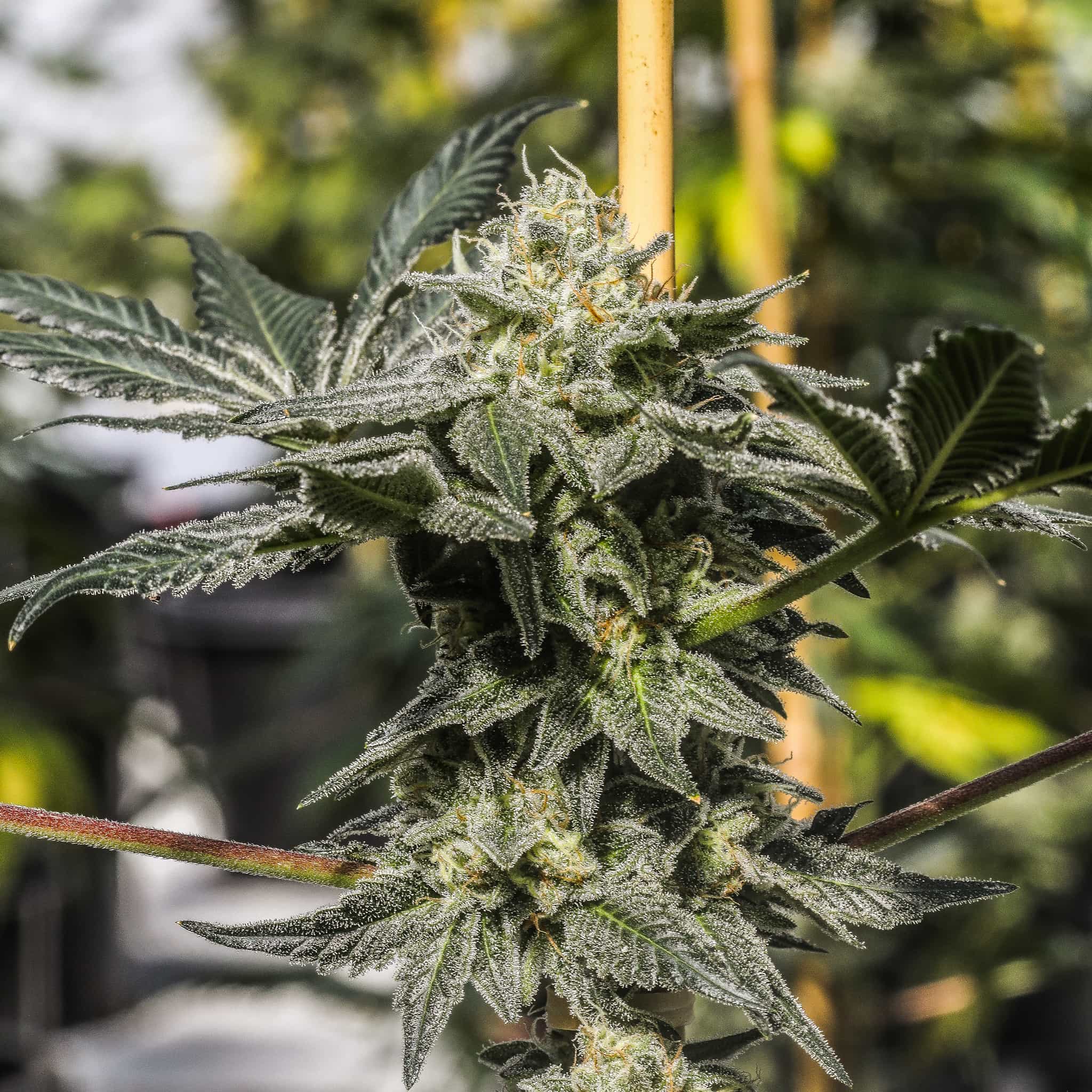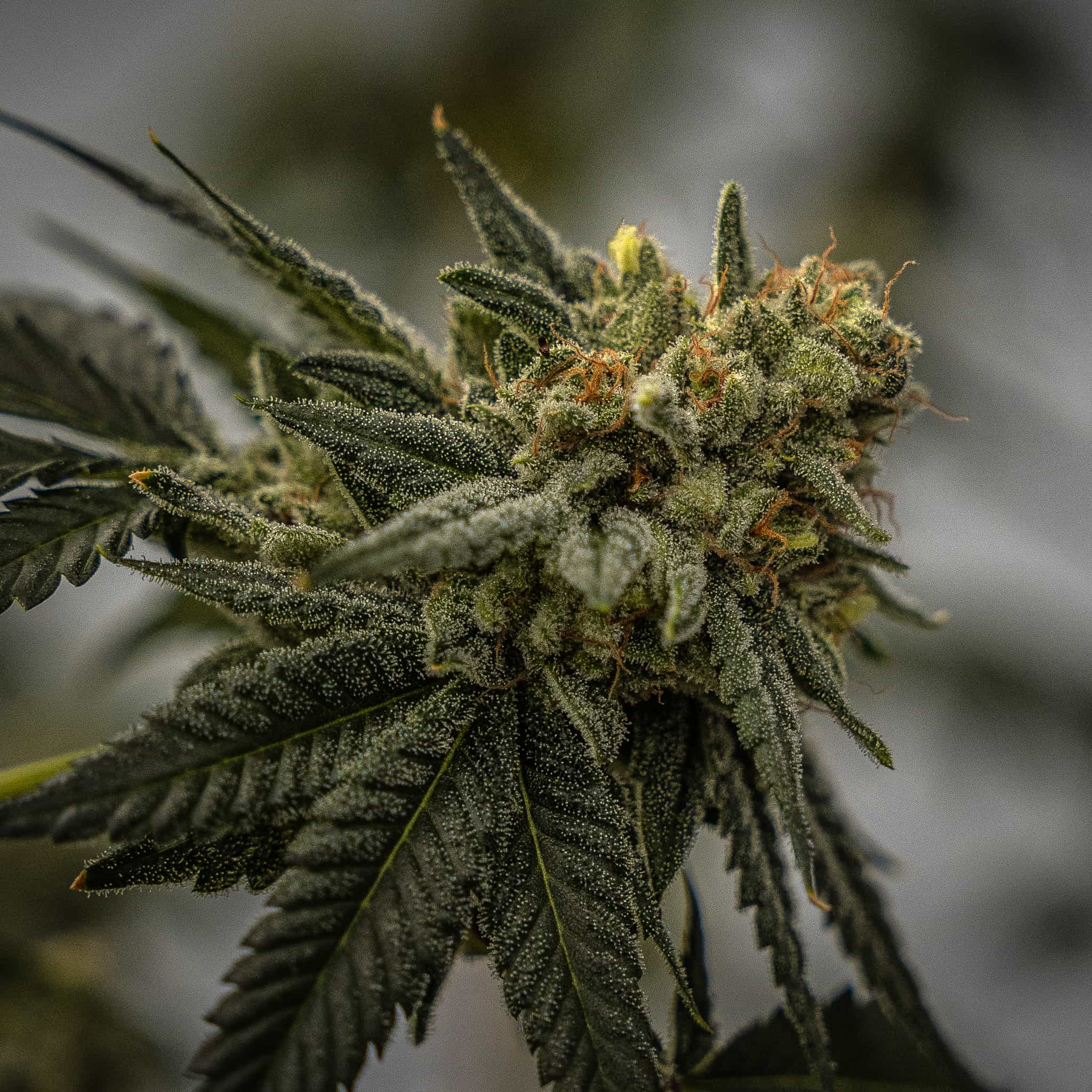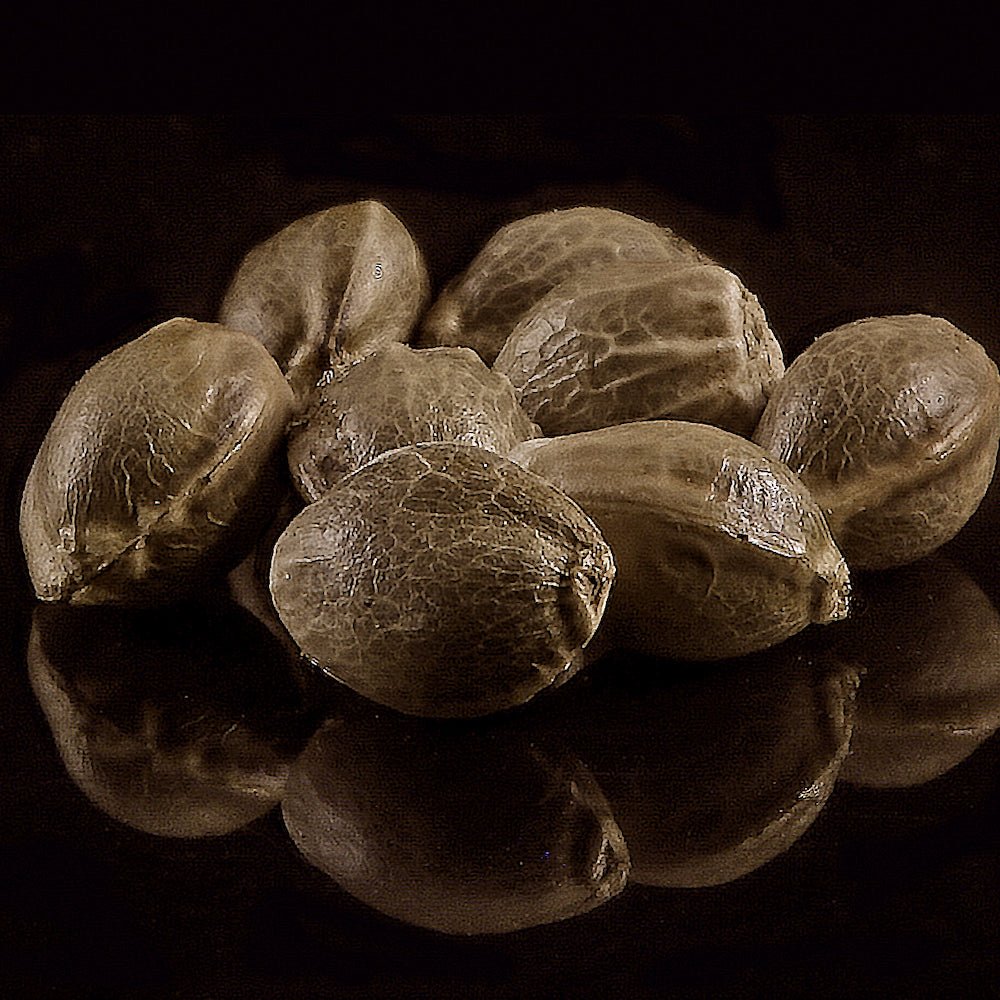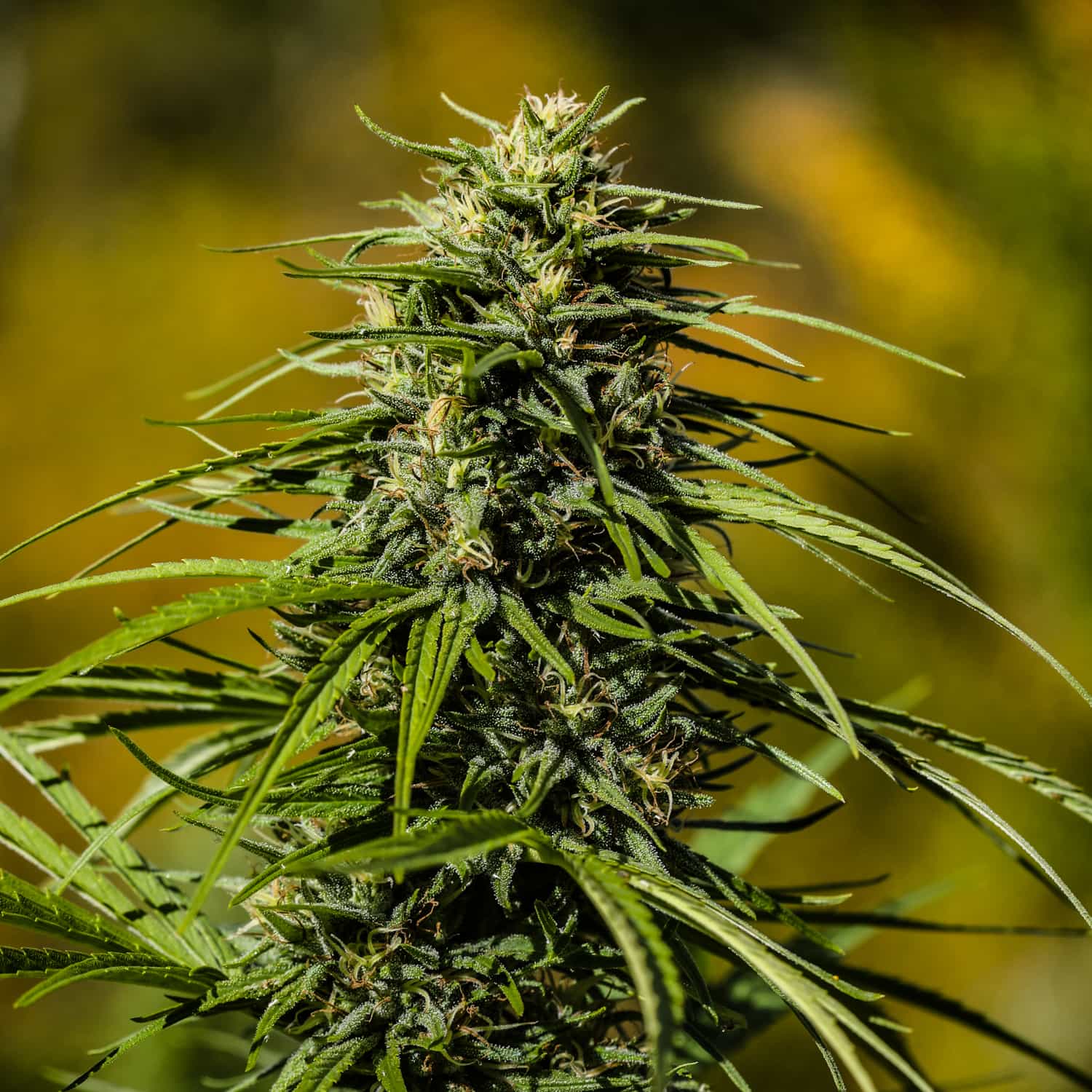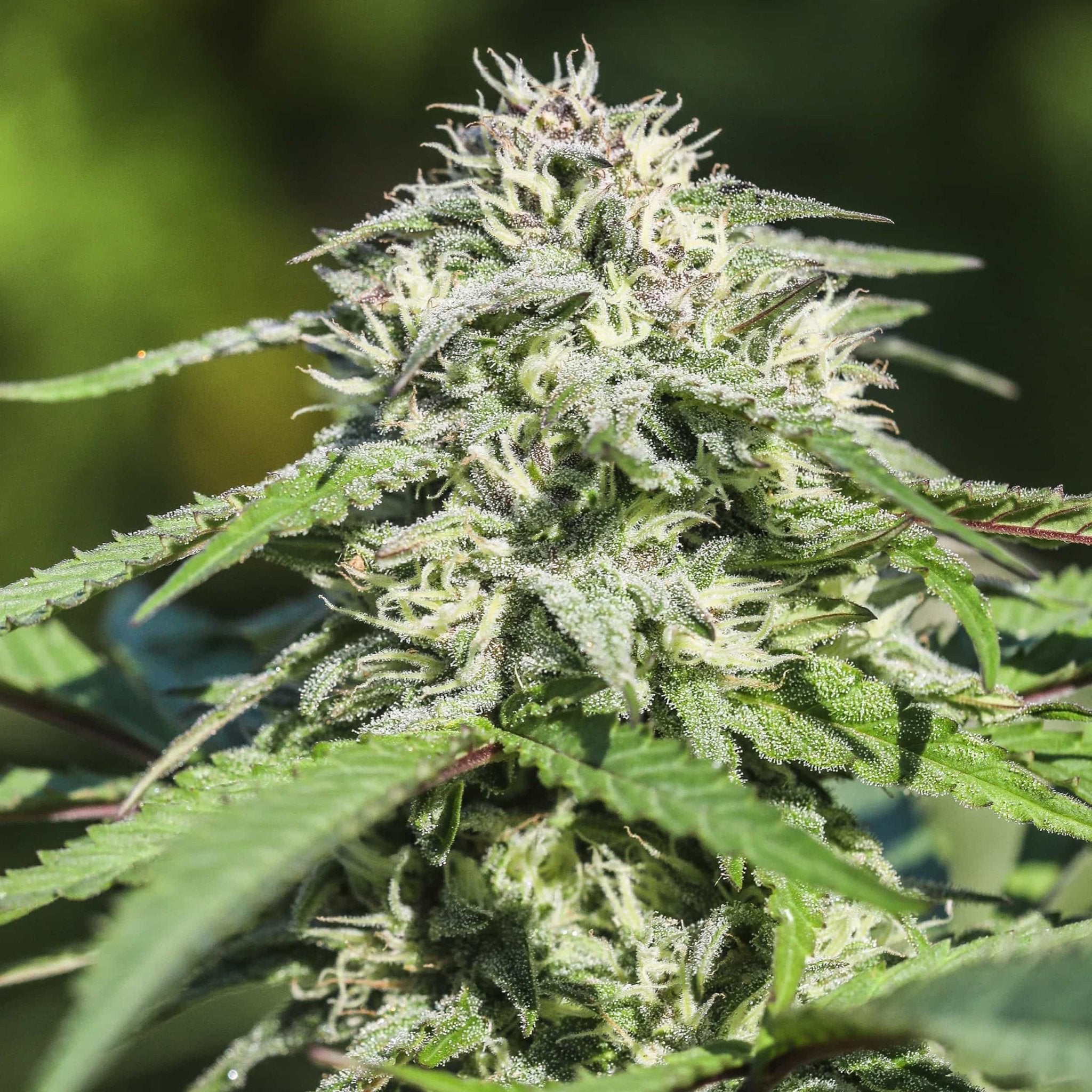

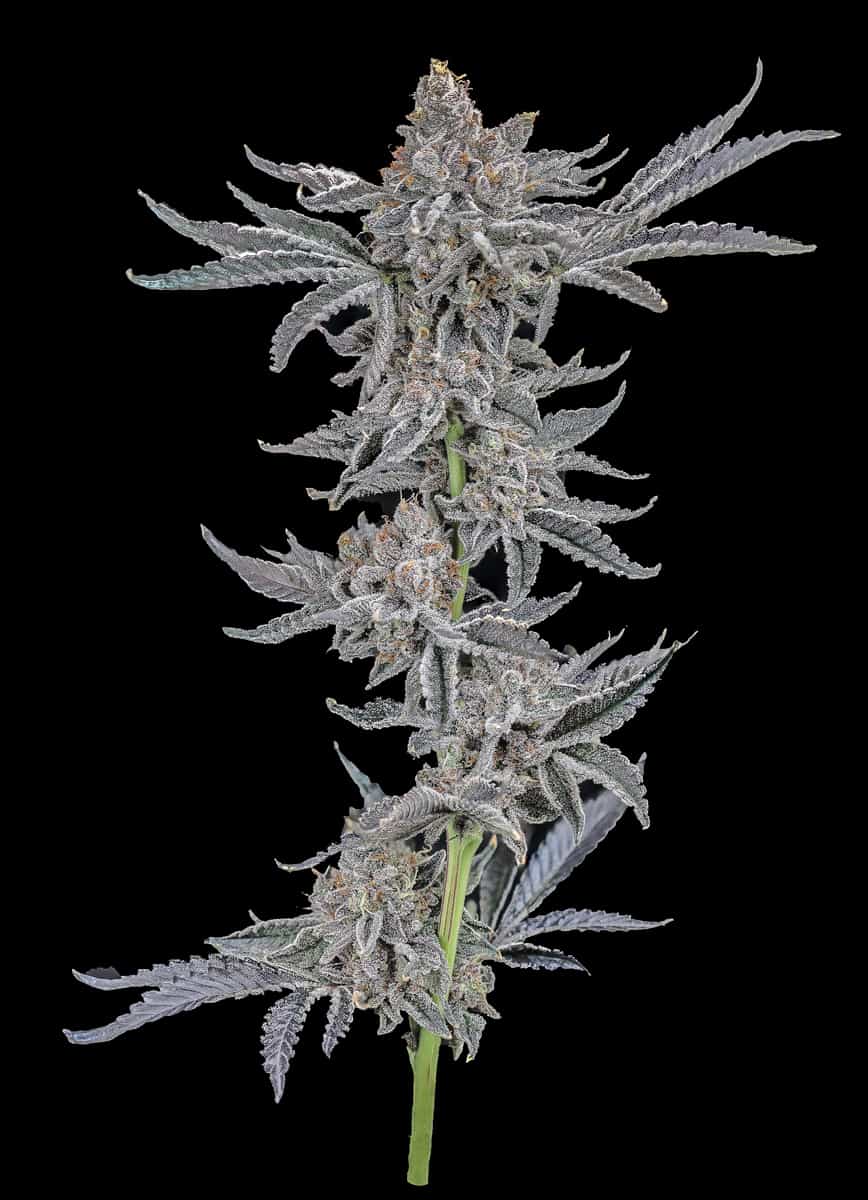
Growing cannabis indoors gives you control over nearly every aspect of your plants' environment, from lighting and temperature to nutrients and watering. And you don't need an elaborate commercial grow room to produce beautiful, high-quality flowers.
A few pots, good lighting, proper ventilation, and quality genetics can go a long way.
That said, indoor growing comes with its own challenges. Limited space, excessive humidity, poor airflow, and overwatering can quickly turn a promising crop into a headache.
Here are some of our recommendations for successfully growing cannabis indoors in containers, whether you're growing THC, CBD, CBG, or other cannabinoid-dominant varieties.
1. Choosing the Right Pots for Indoor Cannabis
Pot size matters, but bigger isn't always better.
Most indoor cannabis growers use containers ranging from 3 to 10 gallons, depending on their available space, growing medium, and how large they intend to let their plants get.
We frequently use 10-gallon pots for our indoor grows, but 5-gallon containers are a great starting point for many home growers.
-
Fabric Pots: Excellent drainage and air circulation around the root zone. They can help prevent roots from circling the container, although they also dry out more quickly.
-
Plastic Pots: Affordable, reusable, and effective. Just make sure they have adequate drainage holes.
-
Pot Size: Smaller containers work well for compact plants and shorter vegetative periods, while larger pots provide more root space for bigger plants.
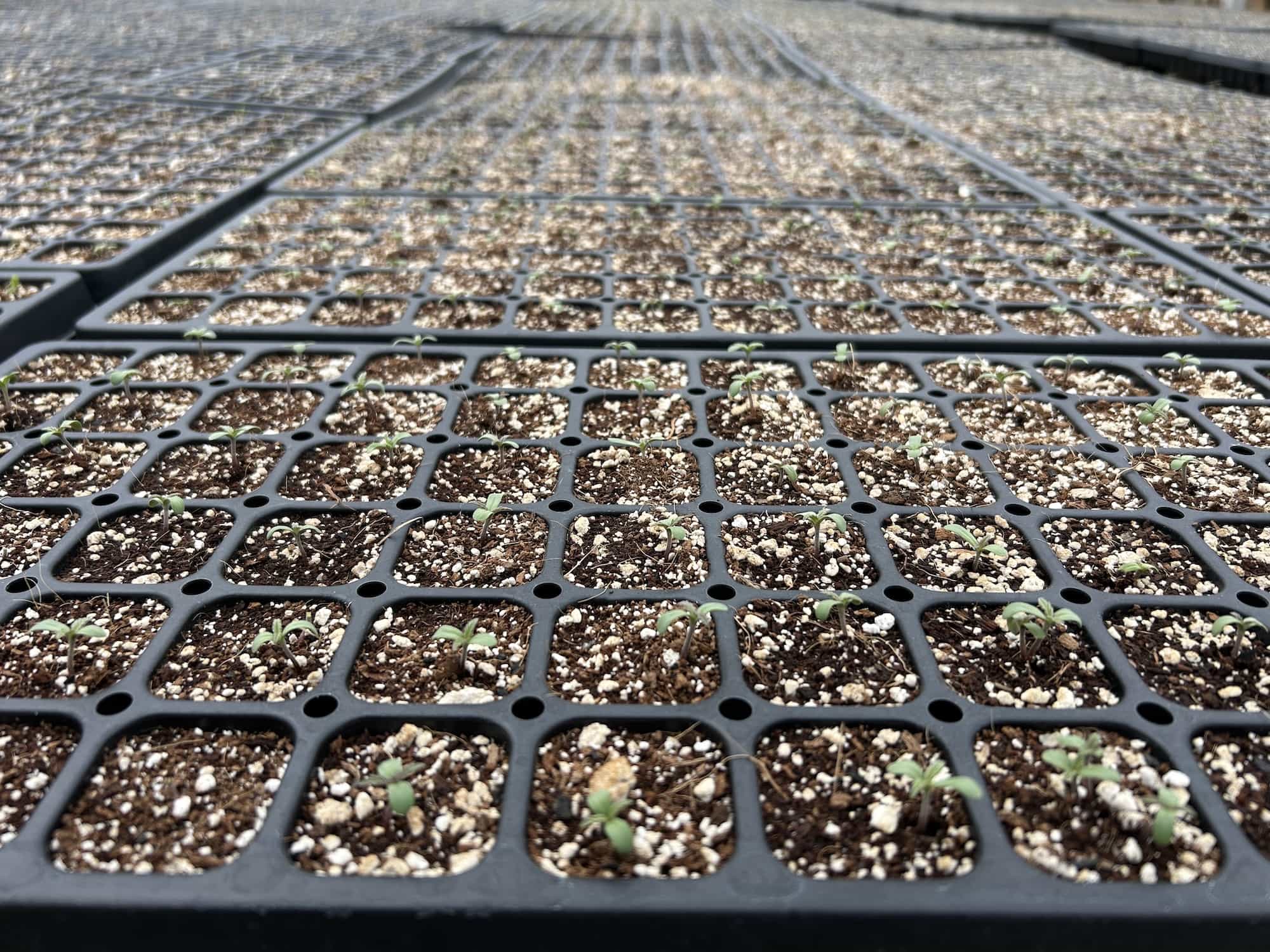
If you're starting from seed, we recommend beginning with smaller containers and transplanting once the seedlings develop healthy root systems.
Our Beginner's Guide to Starting Cannabis Seeds covers our preferred germination methods.
2. Soil and Nutrients
We generally recommend a high-quality, well-draining potting mix with good aeration.
Materials such as perlite, peat moss, and coco coir can help maintain the balance of moisture and oxygen that healthy roots need.
For seedlings, avoid heavily fertilized soils that can burn delicate roots. We cover this in more detail in our guide on the importance of clean potting soil.
Feeding Your Plants
Cannabis nutrient requirements change throughout the growing cycle.
-
Vegetative Growth: Plants generally require more nitrogen to support rapid leaf and stem development, along with adequate phosphorus, potassium, and micronutrients.
-
Flowering: Nutrient requirements shift as plants develop flowers. Bloom fertilizers often contain less nitrogen and proportionally more phosphorus and potassium, but excessive fertilization can do more harm than good.
We prefer to keep feeding relatively simple. Start with modest fertilizer concentrations, watch how your plants respond, and adjust as necessary.
For more details, check out our basic cannabis feeding schedule.
3. Lighting for Indoor Cannabis
Lighting is one of the most important investments you'll make when growing indoors.
Modern full-spectrum LED grow lights are generally our recommendation for home growers. They're efficient, produce less waste heat than many traditional systems, and can deliver excellent results.
High-pressure sodium (HPS) lights are also effective, although they typically require more energy and cooling.
Light Schedules
For most photoperiod cannabis varieties:
-
Vegetative Stage: 18 hours of light and 6 hours of darkness is a common schedule.
-
Flowering Stage: Switching to 12 hours of light and 12 hours of uninterrupted darkness is a reliable way to initiate and maintain flowering.
Some cannabis genetics respond to longer flowering photoperiods, but 12/12 remains a dependable starting point for indoor production.
Autoflowering varieties are different because they initiate flowering primarily according to age rather than day length.
Light Distance and Intensity
Keep your lights close enough to provide strong growth without overheating or stressing the canopy.
Too little light produces tall, stretched plants with weak stems. Excessive light can cause bleaching, leaf damage, and reduced growth.
Follow your lighting manufacturer's recommendations and adjust based on plant response.
4. Watering Indoor Cannabis Plants
Overwatering is one of the most common mistakes made by indoor growers.
Cannabis roots need oxygen, and constantly saturated soil can lead to poor growth, nutrient problems, and root disease.
Rather than watering on a rigid schedule, pay attention to the moisture level and weight of your containers.
The top inch of soil drying out can be a useful indicator, but larger containers may still hold considerable moisture deeper in the root zone.
Water thoroughly enough to moisten the root zone, allow excess water to drain, and avoid leaving containers sitting in standing water.
Fabric pots often require more frequent watering than plastic containers, particularly in warm, dry grow rooms.
5. Temperature, Humidity, and Airflow
One of the biggest advantages of indoor growing is controlling the environment.
Unfortunately, it's also one of the easiest things to get wrong.
Temperature: For many cannabis varieties, daytime temperatures around 70–85°F (21–29°C) work well. Slightly cooler nighttime temperatures are generally acceptable.
Humidity: Young plants benefit from higher humidity, while mature flowering plants generally require drier conditions to reduce disease pressure.
As a general starting point:
-
Vegetative growth: approximately 50–65% relative humidity.
-
Flowering: approximately 40–50%, with additional attention to humidity during late flowering.
These are general ranges, not hard rules. Temperature, airflow, and plant development all influence ideal humidity.
Air Circulation
Don't underestimate the importance of fans and ventilation.
Gentle air movement helps strengthen stems, reduce stagnant humid pockets, and discourage fungal diseases.
Avoid blasting plants with powerful fans, but make sure air circulates throughout the grow room, including beneath the canopy.
6. Preventing Pests and Diseases Indoors
Indoor cannabis isn't immune to pests.
Spider mites, thrips, fungus gnats, powdery mildew, and botrytis can all cause serious problems, particularly in crowded growing spaces.
Prevention is considerably easier than dealing with an established infestation.
Keep your growing area clean, inspect plants regularly, avoid introducing contaminated plant material, and maintain appropriate airflow and humidity.
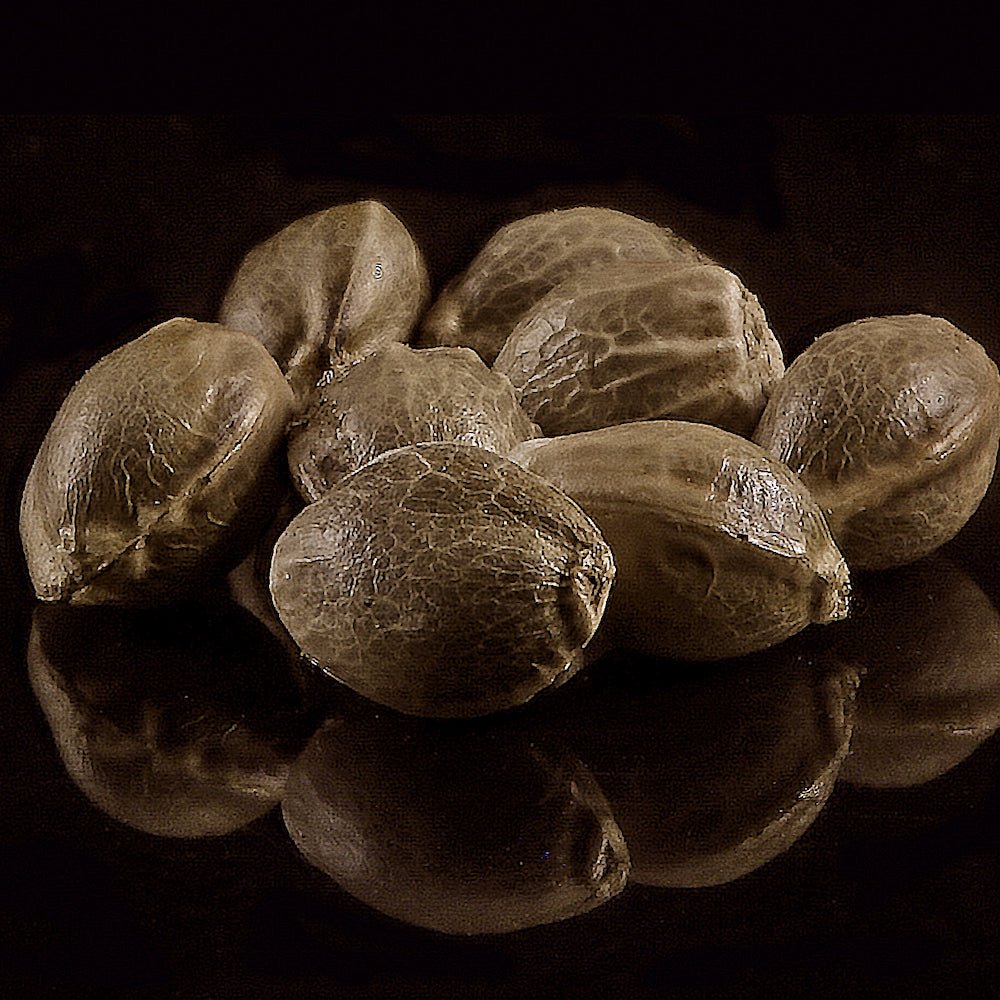
Starting from seed can also reduce the risk of introducing pests and pathogens commonly carried on clones, although seeds and seedlings are not completely risk-free.
For more information, check out our Cannabis Grow Guides, including articles covering common cannabis diseases and pest management.
7. Choosing the Best Cannabis Varieties for Indoor Growing
Not all cannabis varieties are equally suited to indoor production.
Some plants grow enormous, stretch aggressively during flowering, or require extensive support. Others remain compact, finish quickly, and produce impressive flowers in relatively small spaces.
We've spent years breeding cannabis varieties with predictable growth characteristics, and several of our favorites are particularly well suited to indoor growers.
For a more detailed breakdown, check out our Best Cannabis Seeds for Indoor Growing guide, featuring some of our favorite THC, CBD, and CBG varieties for indoor production.
THC Varieties
-
Bubba's Revenge Seedless: One of our fastest-maturing THC varieties, finishing in approximately 7.5 weeks of flowering. Great for growers looking to shorten their production cycles.
-
Citrus Slurp Seedless: Short, compact plants with dense flowers and incredible citrus aromas. An excellent choice for growers with limited vertical space.
-
NOX Cookies Seedless: Compact plants with minimal stretch, heavy production, and exceptionally frosty flowers.
CBD Varieties
-
Cakeberry Brulee: Fast maturity, enormous flowers, and delicious dessert-like aromas.
-
Sour Chem Seedless: Early finishing with intense citrus cleaner and fuel aromas.
-
Sour Lifter Seedless: Consistent, beautiful flowers with a flowering period of approximately eight weeks.
CBG Varieties
-
Key Lime CBG Seedless: Fantastic flavors and aromas.
-
Sourest CBG Seedless: A particularly loud and pungent CBG variety.
-
White CBG Seedless: Stunning flowers with exceptional visual appeal.
8. When to Harvest Indoor Cannabis
Harvest timing plays an enormous role in the final quality of your flowers.
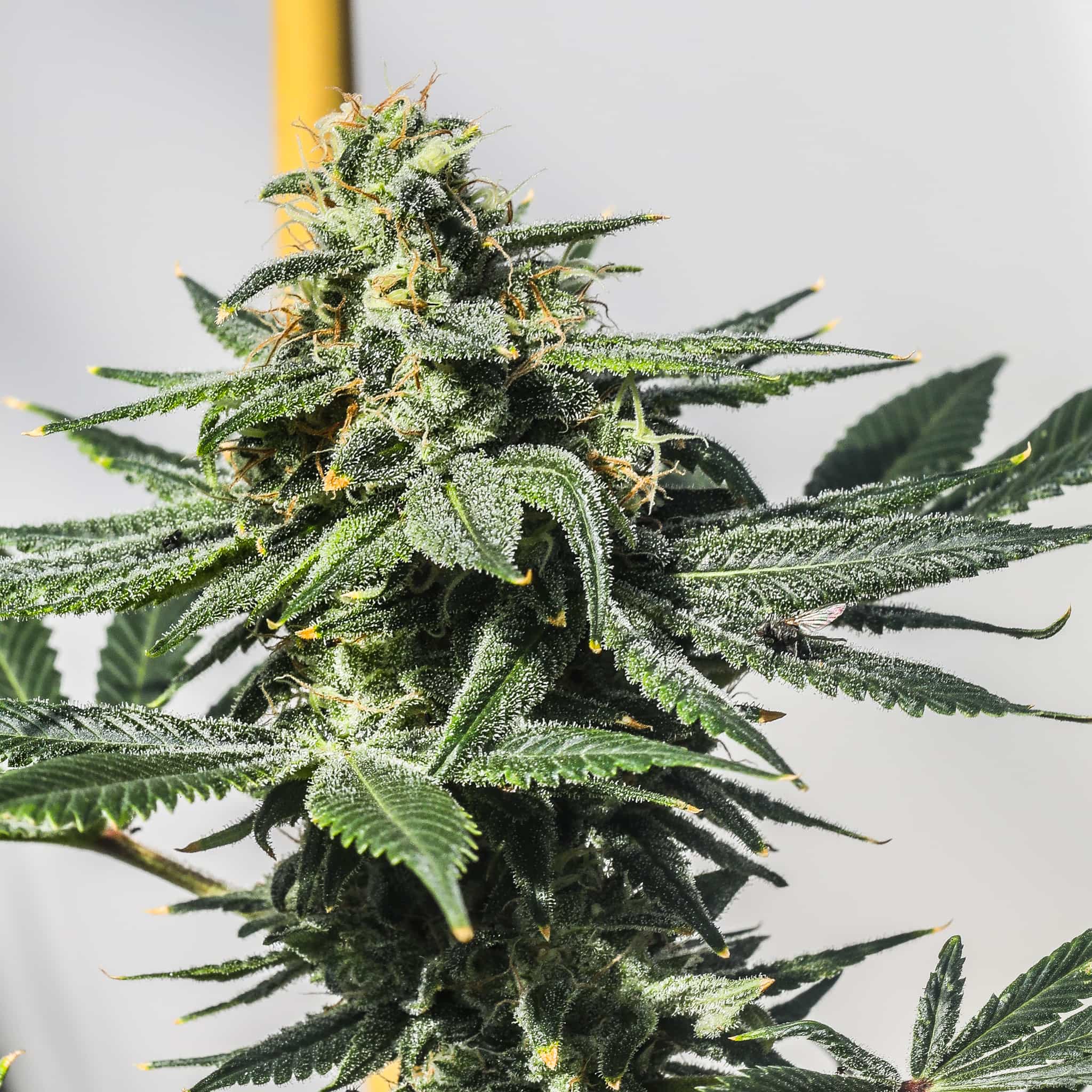
For THC-dominant cannabis, growers commonly monitor trichome development using a magnifying loupe or microscope.
Clear trichomes generally indicate immature resin glands, while cloudy or milky trichomes often suggest advancing maturity. Some THC varieties also develop amber trichomes as they age.
But not all cannabis varieties behave the same way.
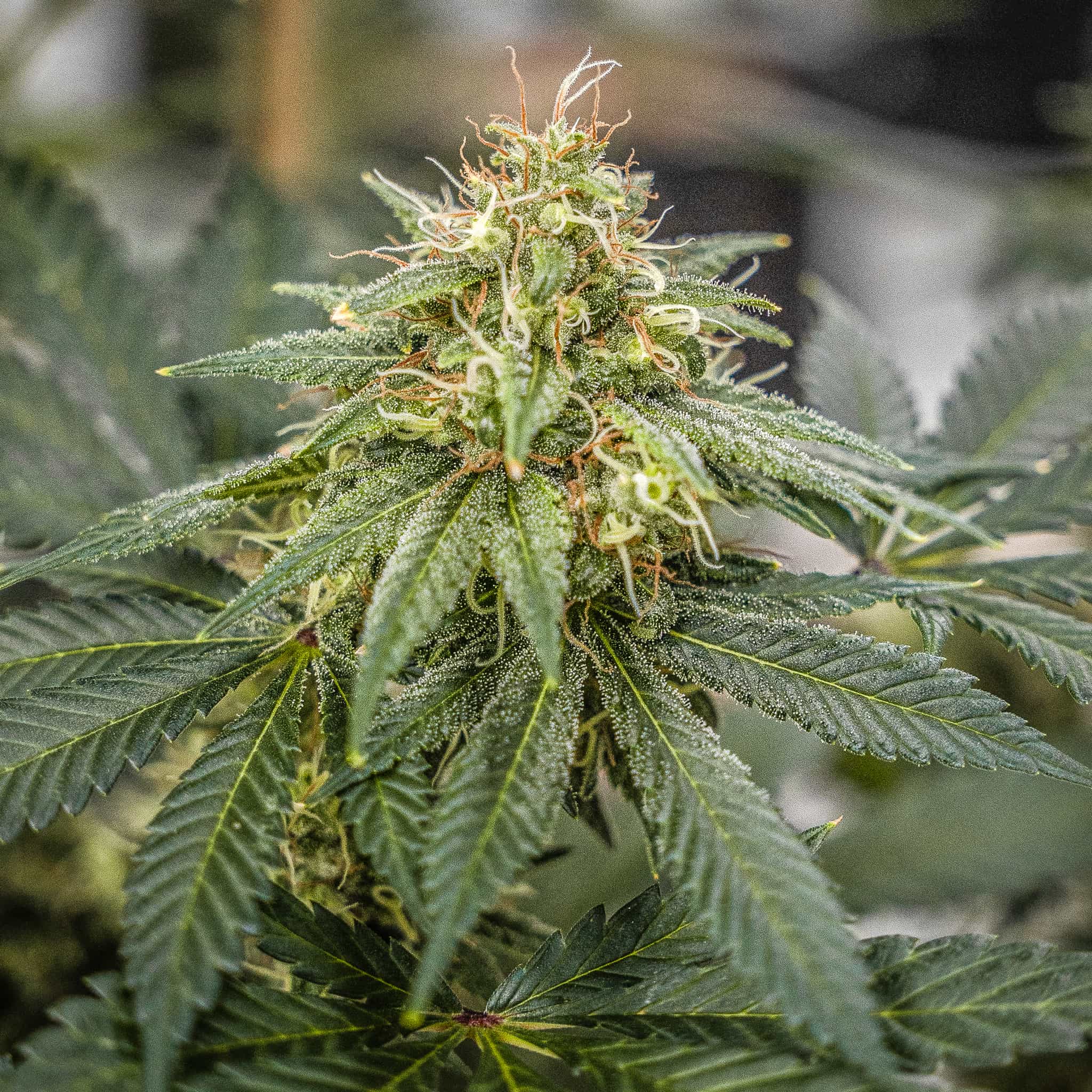
CBG-dominant cannabis is a particularly important exception. In our experience, CBG varieties generally retain milky trichomes rather than progressing to amber, even when fully mature.
For these plants, flower development, pistil coloration, and overall maturity are more useful indicators than waiting for amber trichomes.
We cover this in greater detail in our guide to growing and harvesting CBG cannabis.
When harvesting, use clean tools, handle flowers gently, and maintain appropriate drying conditions to preserve quality.
Keep It Simple and Enjoy Your Indoor Grow!
Growing cannabis indoors doesn't have to be overly complicated.
Start with quality genetics, use clean potting soil, provide adequate lighting, and pay close attention to watering and environmental conditions.
Some of the biggest problems we see come from growers trying to do too much, whether that's overfeeding, overwatering, or constantly adjusting their growing environment.
Give your plants what they need, pay attention to how they respond, and don't overthink it.
With a little experience and the right varieties, even a modest indoor grow can produce some spectacular flowers.