

With everything happening in the hemp industry, it's getting harder to be jolly. But before we get to the bad news, let's start with something positive.
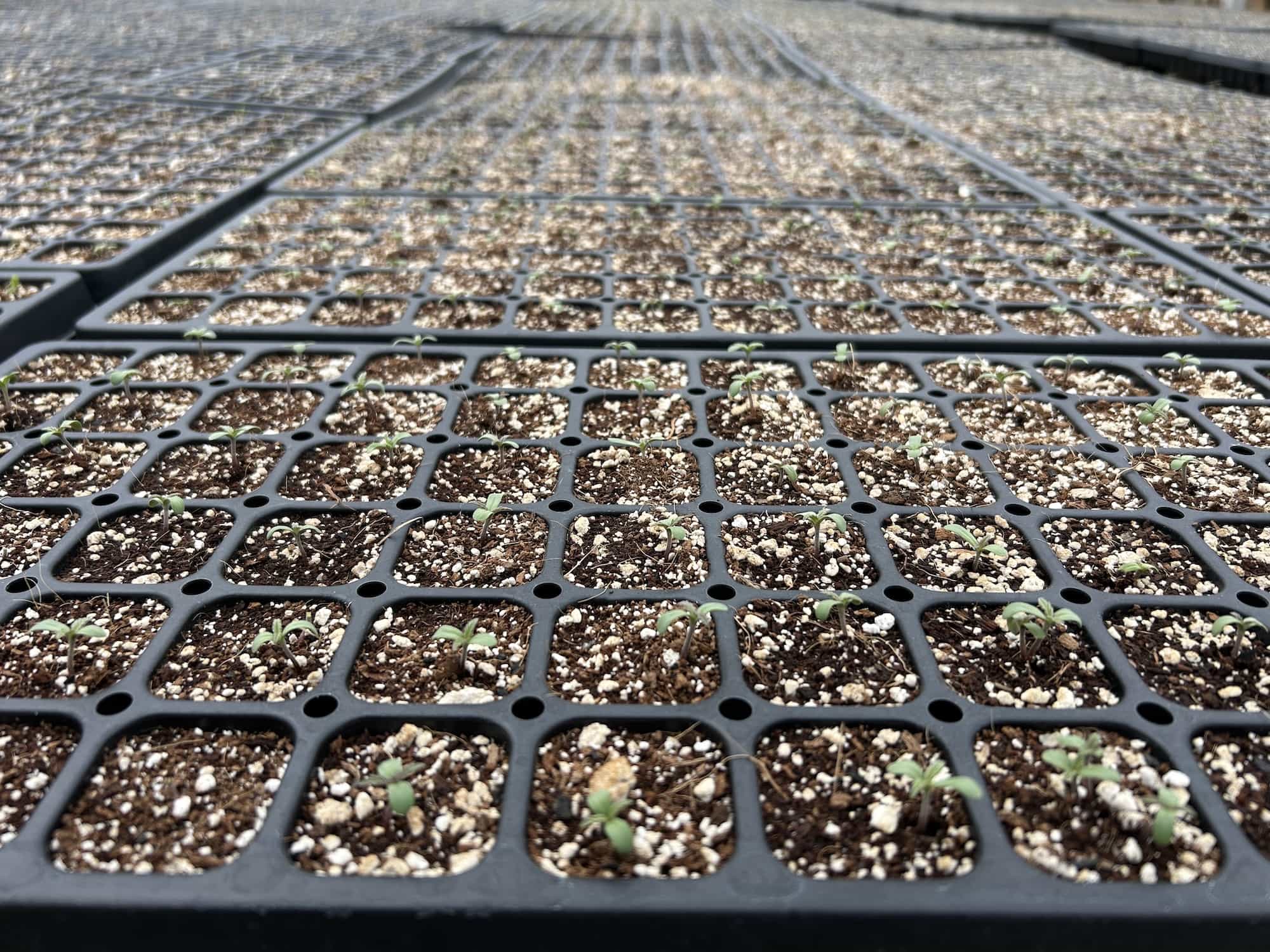
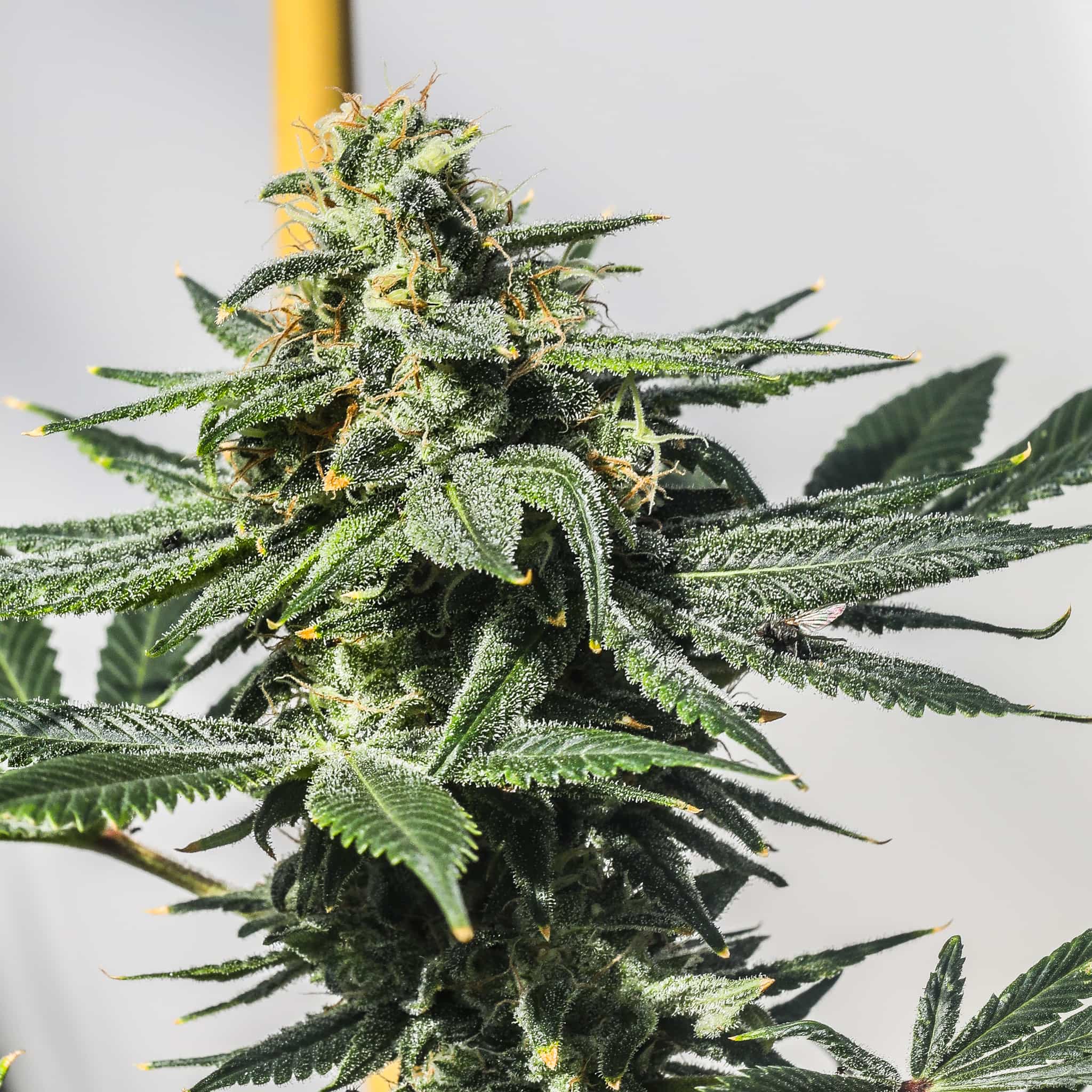
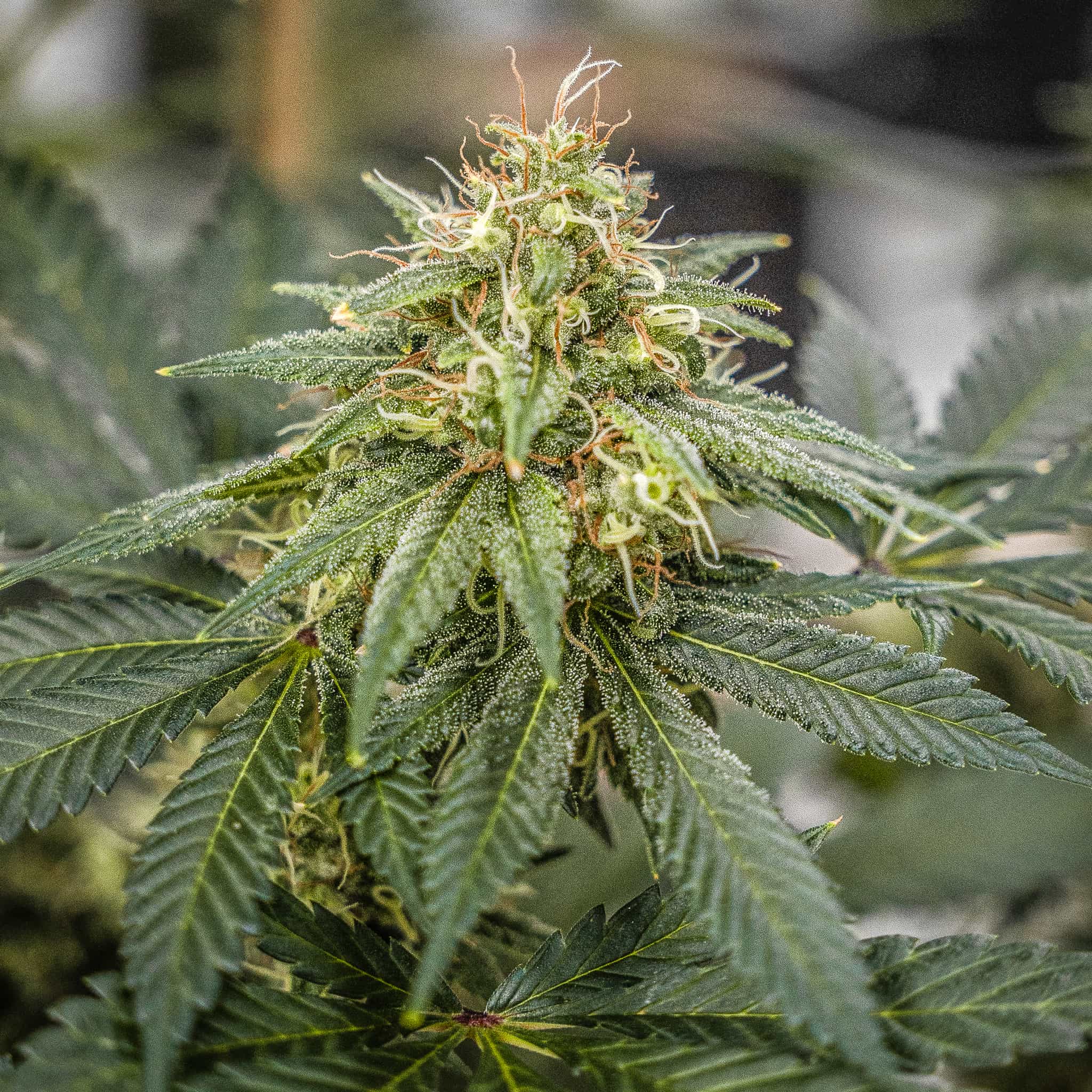
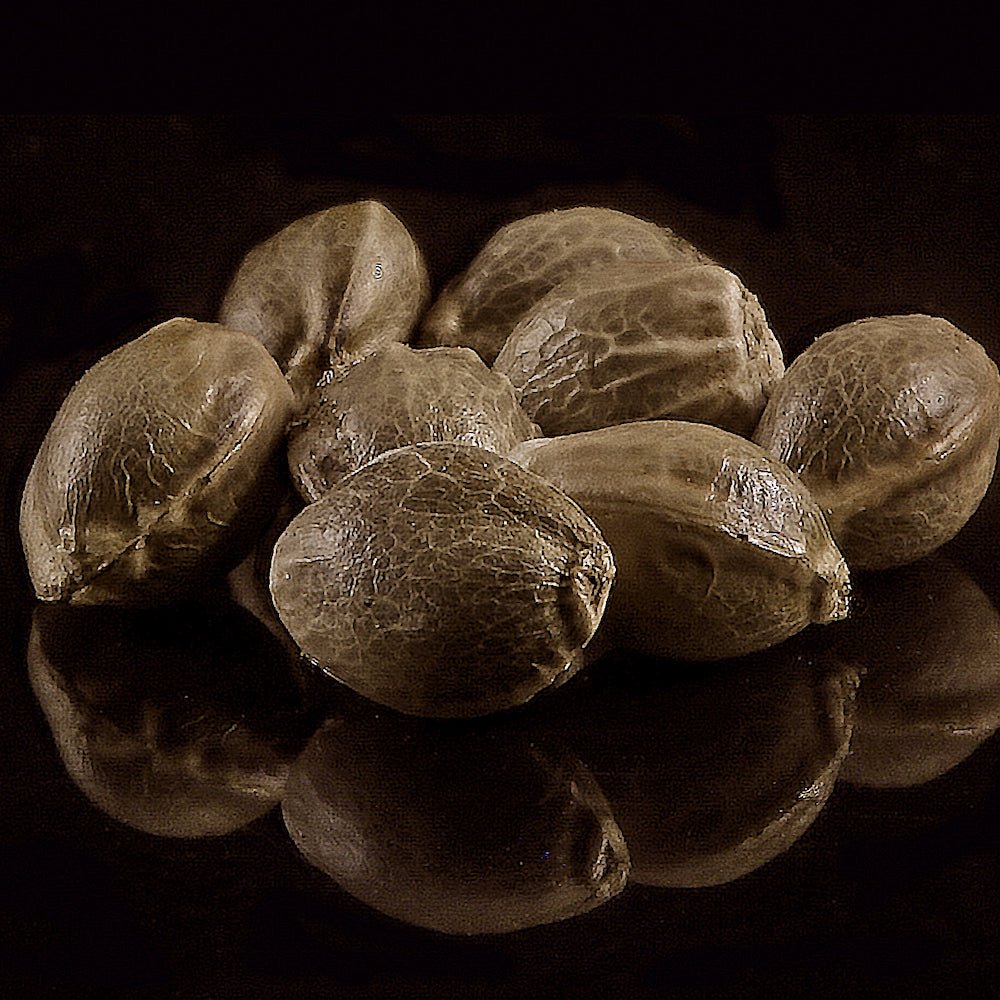
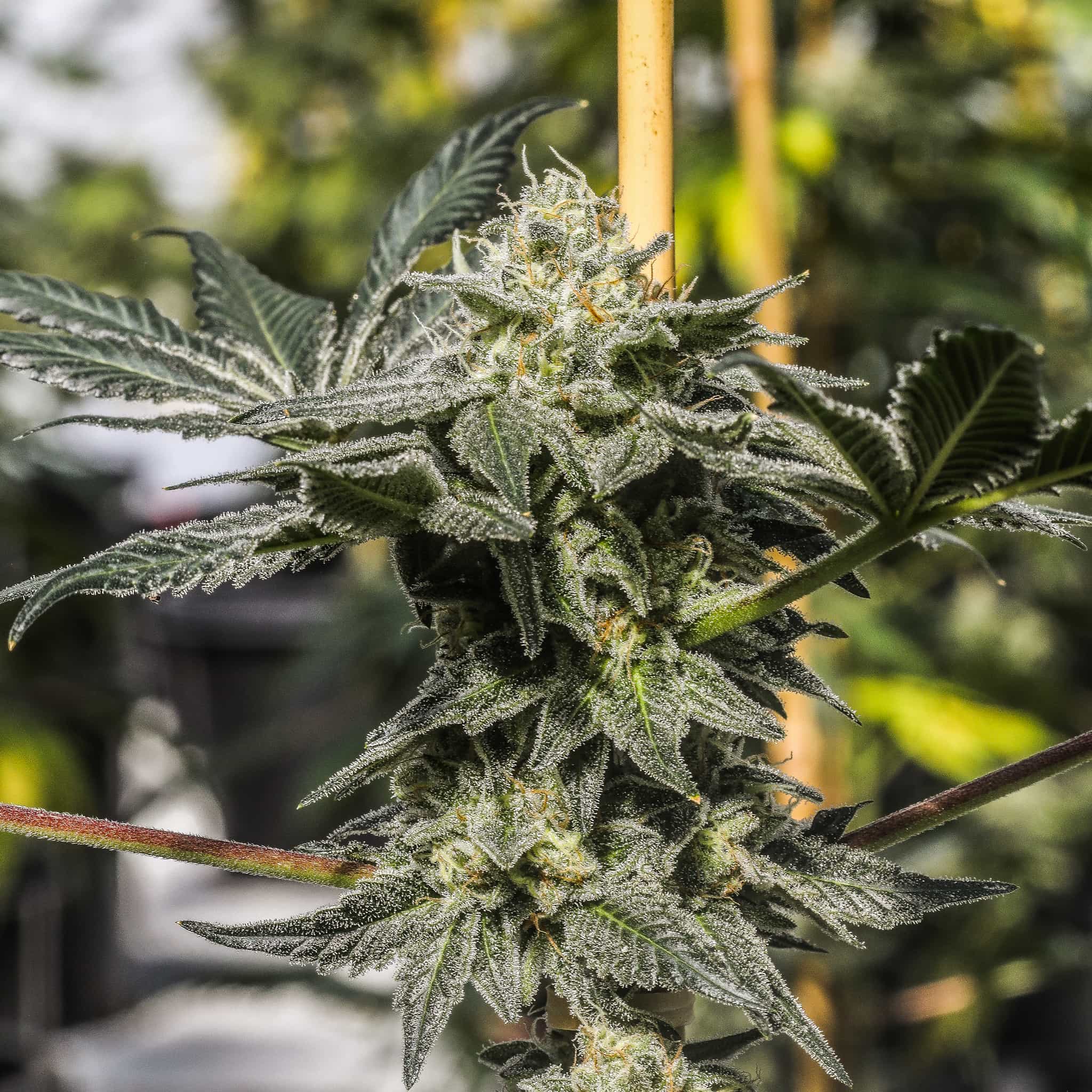
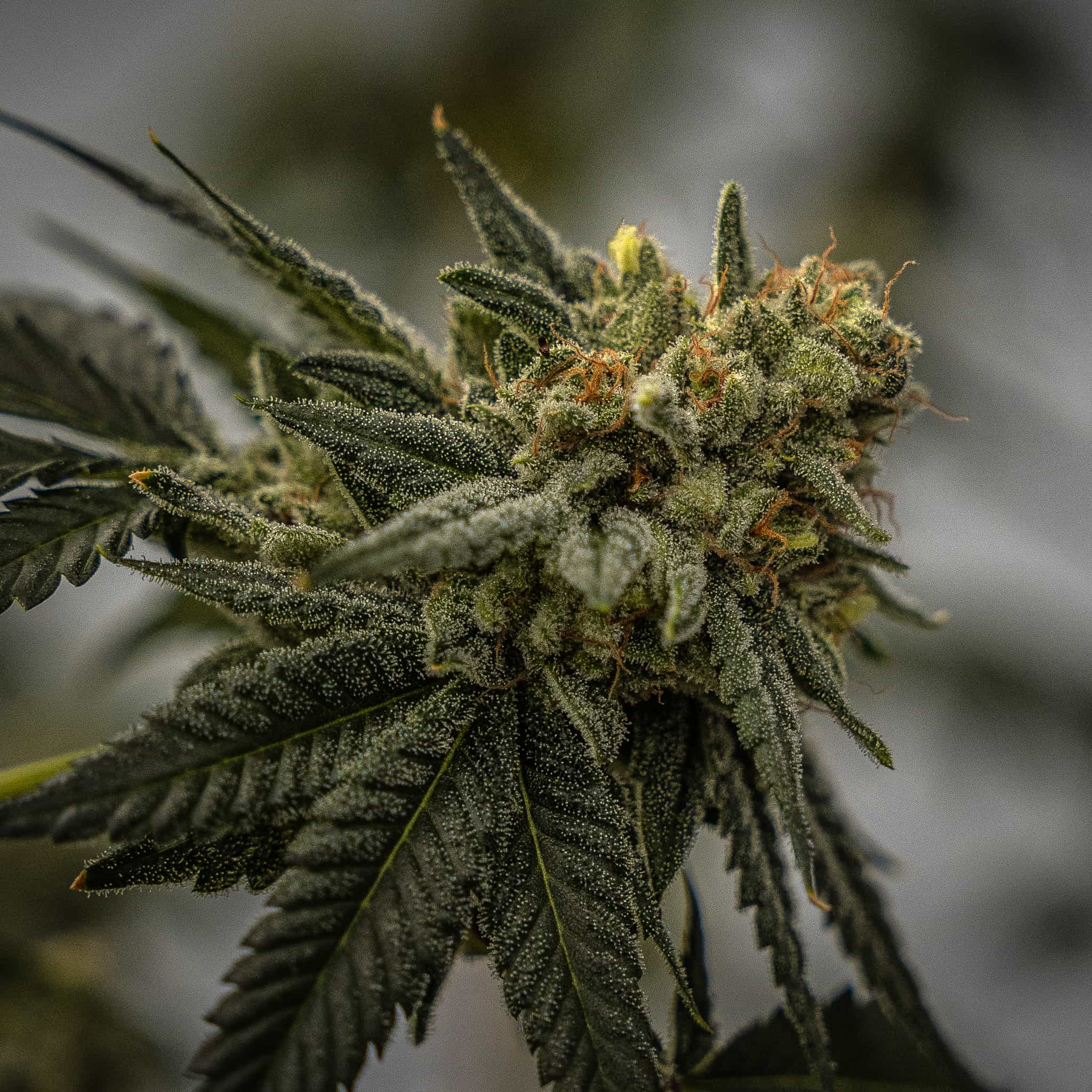
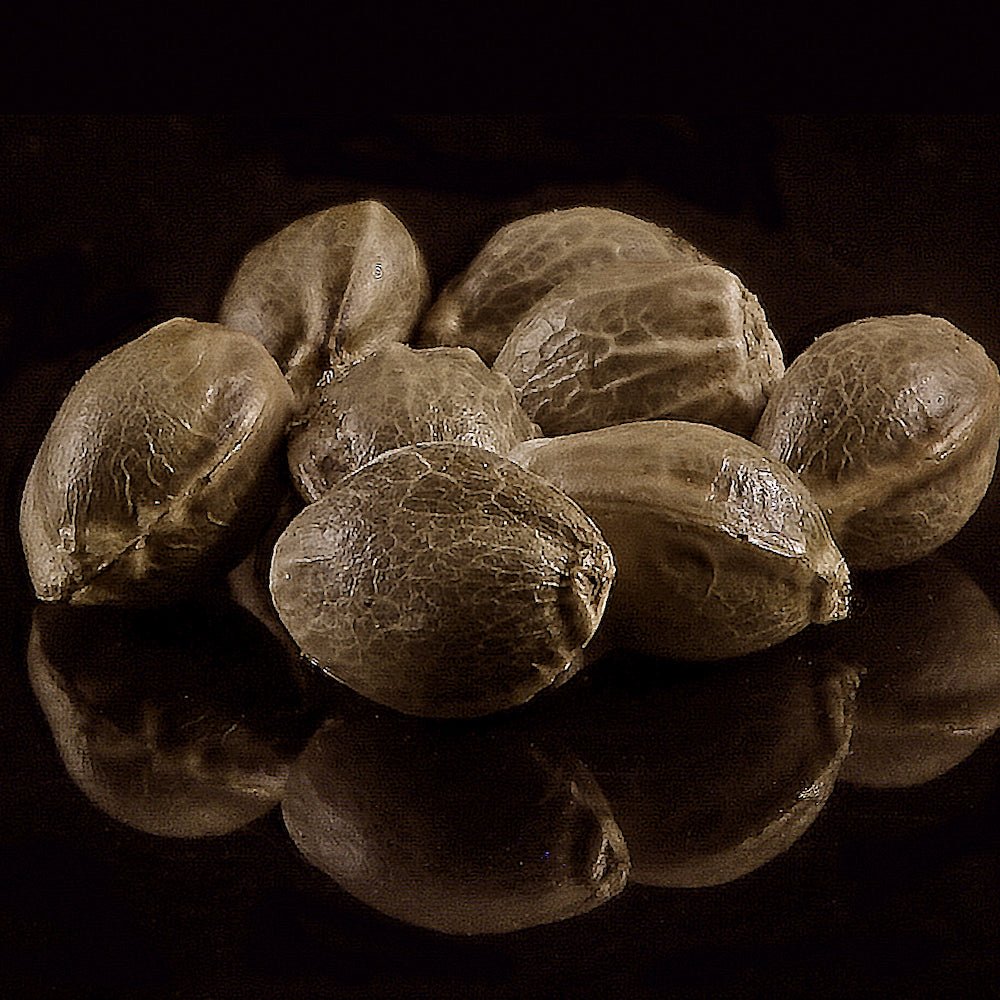
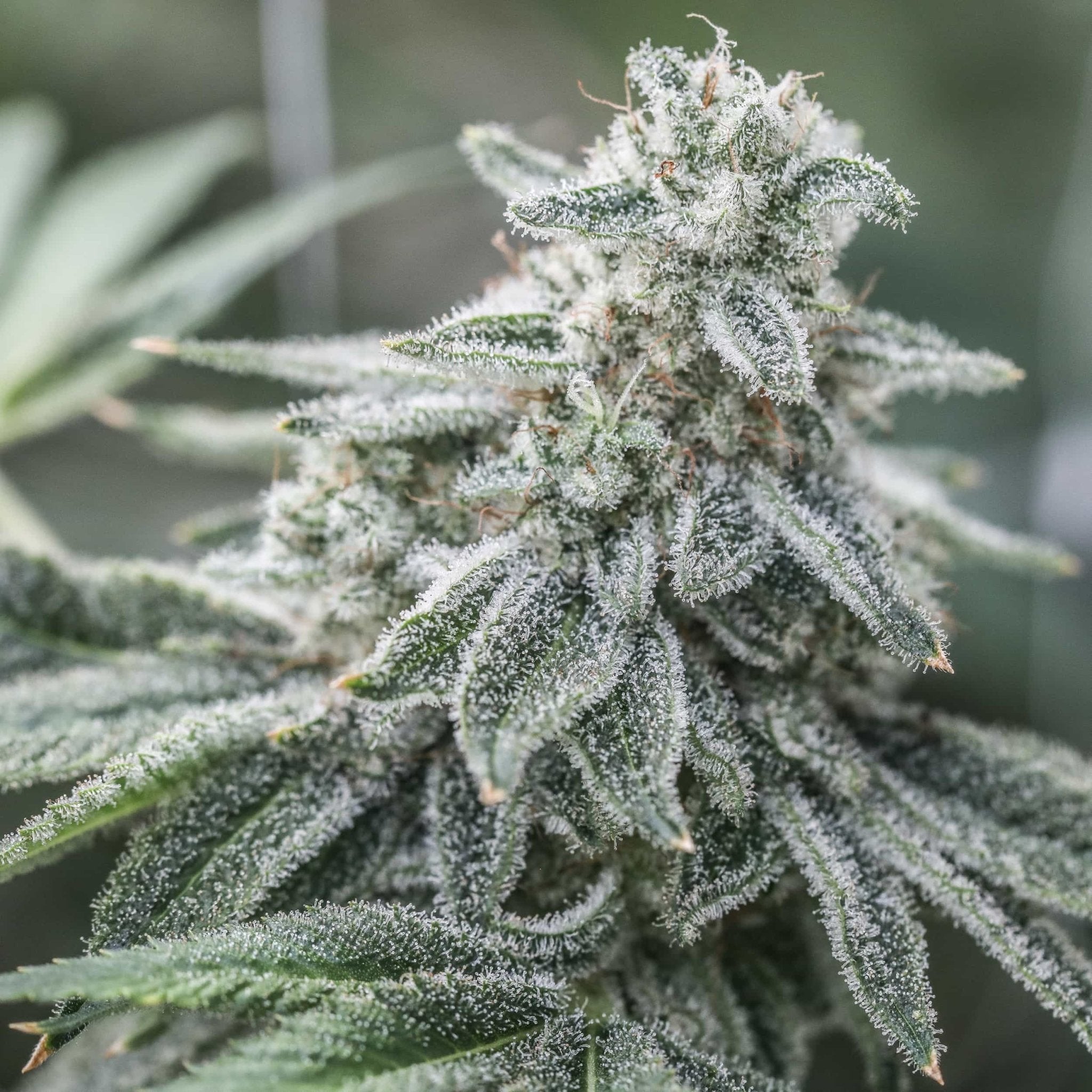
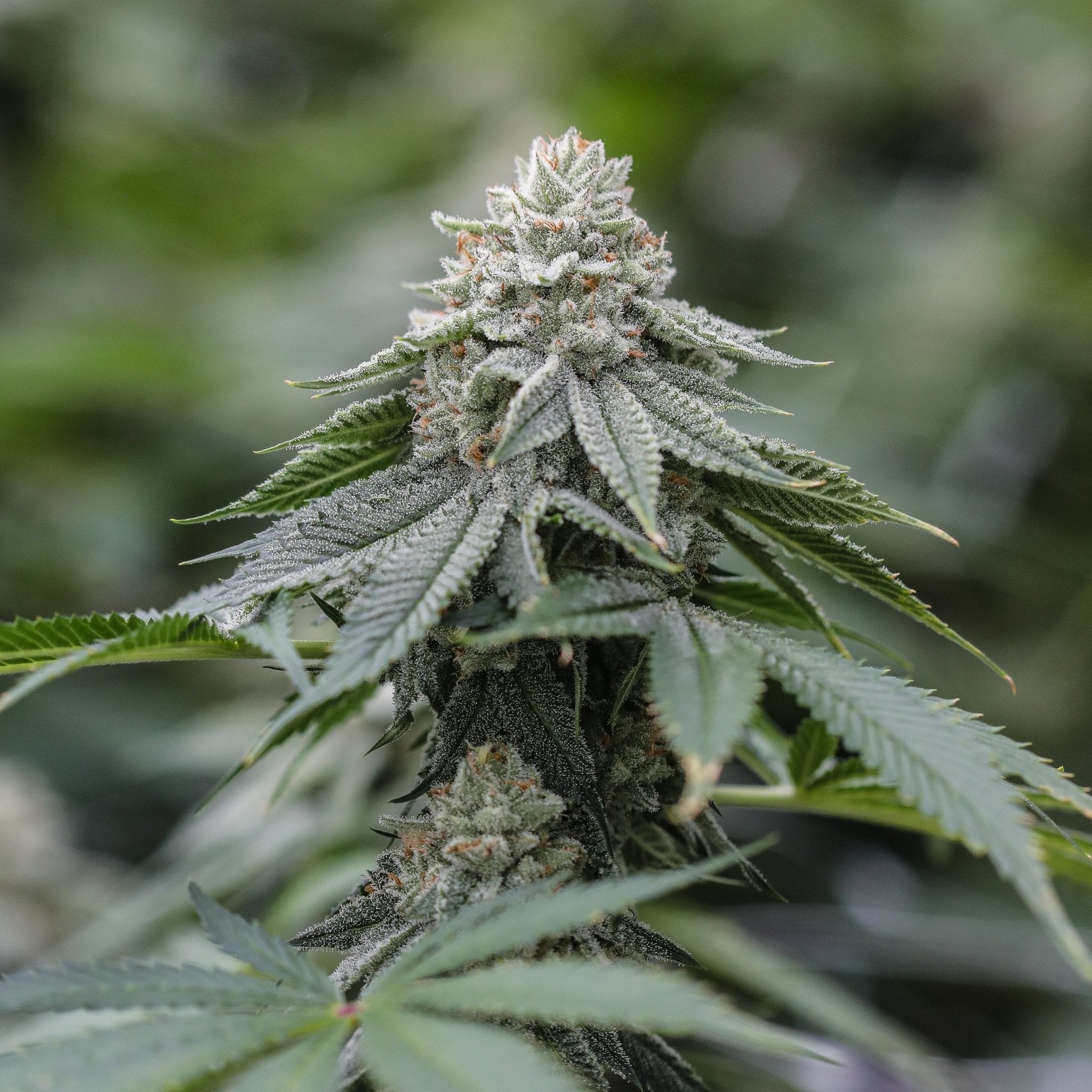
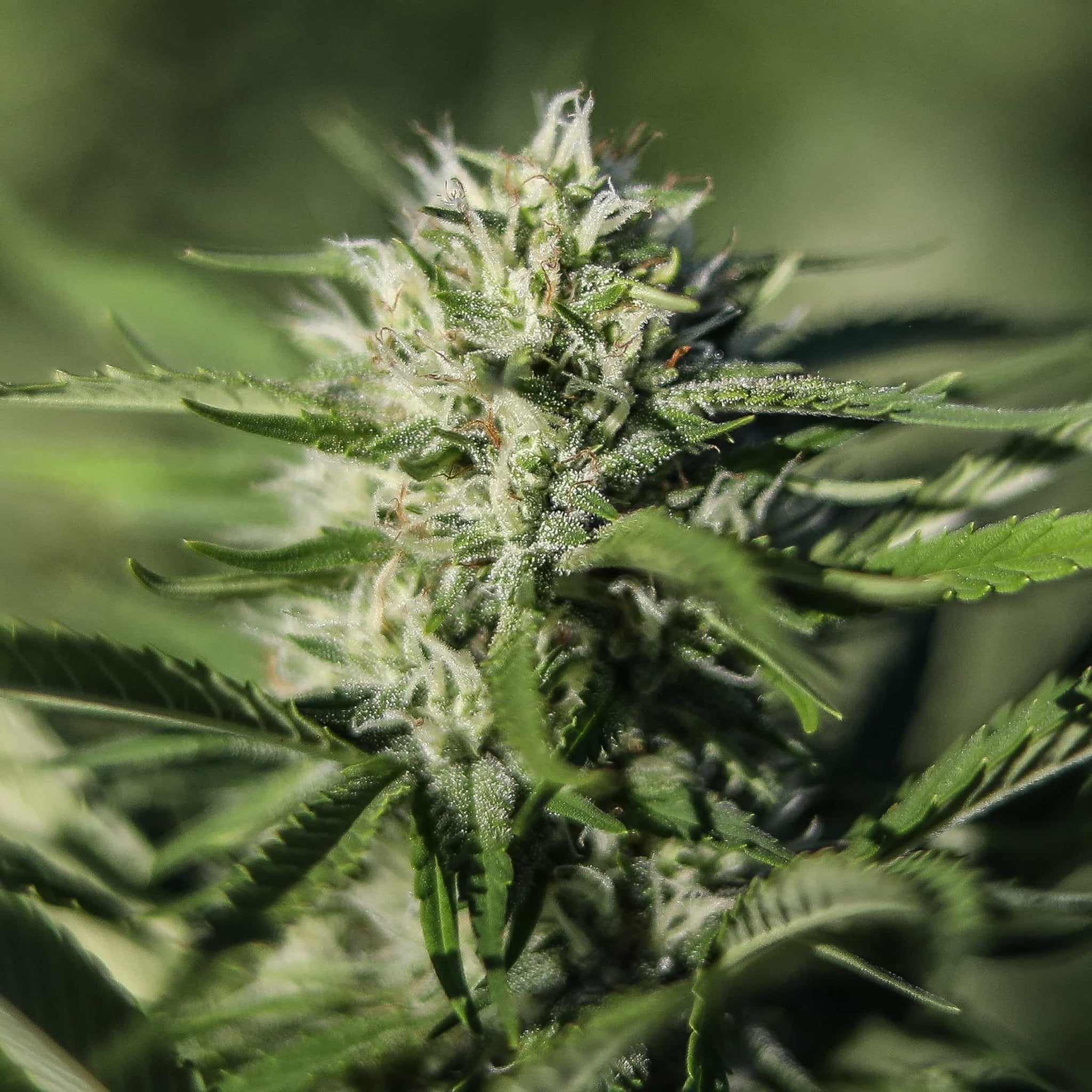
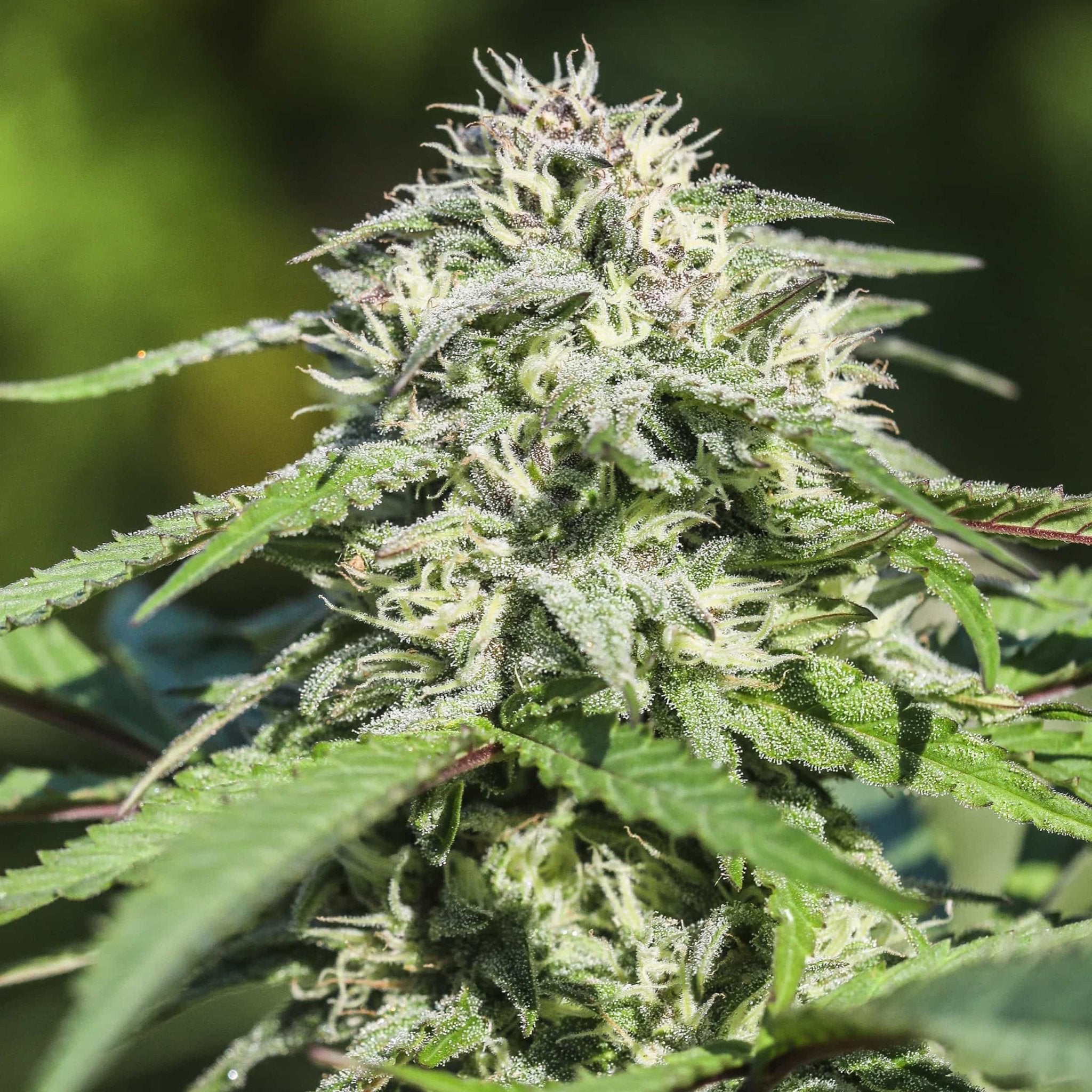
At GTR Seeds, we've been hard at work developing new cannabis genetics, including exciting triploid THC, CBD, and exceptionally aromatic CBG varieties.
Our breeding programs continue to focus on what matters most to growers: reliable genetics, high cannabinoid production, impressive flower quality, and exceptional agricultural performance.
We're also continuing to offer competitive pricing on many of our established varieties. Visit our cannabis seed collections to explore what's currently available.
Now, let's address the elephant in the room.
The Elephant in the Room: What's Happening to Hemp?
The federal hemp restrictions passed in November 2025 represent one of the most significant regulatory challenges our industry has faced.
Under the legislation, the federal definition of hemp will change substantially, potentially removing many currently legal hemp-derived products from the market.
The original implementation date was November 12, 2026. However, Congress subsequently delayed portions of the new restrictions until December 11, 2026.
That gives the industry a little more time, but the underlying problems remain.
What Does the New Hemp Law Actually Do?
According to the Congressional Research Service's analysis of the new federal hemp restrictions, the legislation introduces several major changes:
-
Total THC requirements: The revised federal hemp definition includes THCA when calculating total THC, rather than relying solely on delta-9 THC.
-
Strict limits on finished products: Final hemp-derived cannabinoid products containing more than 0.4 milligrams of total THC per container are excluded from the federal definition of hemp.
-
Restrictions on certain cannabinoids: The law also excludes certain synthetic or manufactured cannabinoids from the hemp definition.
-
Uncertainty for CBD and CBG flower: Even naturally occurring, non-intoxicating cannabinoid products may face serious challenges under the new framework.
These restrictions could have enormous consequences for farmers, processors, retailers, and consumers.
Perhaps most frustratingly, the legislation does not simply target intoxicating hemp products. Its broad language also threatens markets for naturally occurring, non-intoxicating cannabinoids.
For an industry that has spent years investing in agricultural infrastructure, research, genetics, and product development, the potential economic damage is substantial.
Can Farmers Still Grow Hemp in 2026?
Yes. Licensed farmers can continue growing hemp in 2026 under applicable federal, state, and tribal regulations.
Importantly, the new legislation does not itself replace USDA's established hemp production and pre-harvest sampling procedures.
Under the current USDA hemp production rules, licensed growers must have representative samples collected no more than 30 days before their anticipated harvest. Samples are tested for total THC using the prescribed methodology.
These agricultural compliance requirements are distinct from the rules governing finished cannabinoid products.
That distinction matters.
A crop that meets applicable pre-harvest testing requirements does not automatically guarantee that every product manufactured from that crop will remain legal to sell after the new federal restrictions take effect.
Farmers planning for 2027 should carefully consider both production compliance and the changing market for their harvested material.
What About CBD and CBG Flower?
This is one of our biggest concerns.
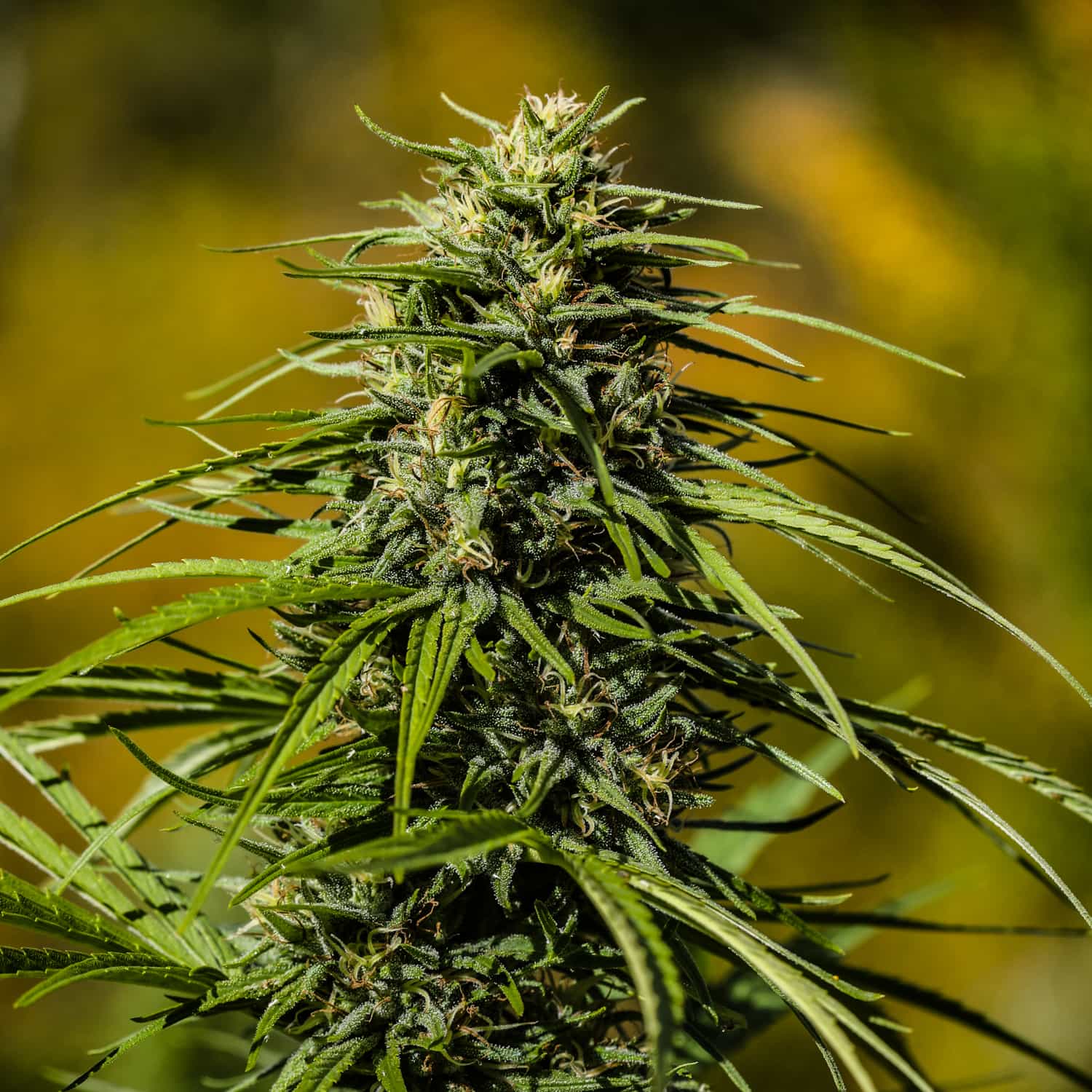
At GTR Seeds, we've spent years developing high-CBD cannabis seeds, CBG-dominant genetics, and other non-intoxicating cannabinoid varieties.
These plants are bred for agricultural performance and consistent cannabinoid expression, not intoxication.
Yet the extremely low THC limit imposed on finished cannabinoid products could create serious obstacles for the retail sale of CBD and CBG flower.
Even a small amount of naturally occurring THC in a container of dried flower may exceed the new threshold.
We believe this highlights a fundamental problem with the legislation: a regulatory framework intended to address intoxicating products may also restrict non-intoxicating hemp products.
Farmers deserve clear, workable rules that distinguish between genuinely intoxicating products and crops grown primarily for CBD, CBG, and other non-intoxicating cannabinoids.
Is There Hope for Changes Before the 2027 Growing Season?
There is still reason for cautious optimism.
Congress has already demonstrated that the implementation timeline can be changed. The delay to December 11, 2026, provides additional time for lawmakers to consider alternative approaches.
Several legislative proposals have sought to delay or repeal portions of the new hemp definition, while other efforts focus on creating a more comprehensive regulatory framework for hemp-derived products.
Growers can track proposed federal hemp legislation and congressional activity through Congress.gov.
However, proposed legislation is not the same as enacted law.
As of this update, growers should plan around the restrictions currently scheduled to take effect while watching for additional congressional action.
We hope lawmakers ultimately recognize that regulation, rather than broad prohibition, offers a more sustainable path forward for the hemp industry.
Organizations Following Federal Hemp Legislation
Several organizations provide updates on the changing regulatory environment and its potential effects on farmers and businesses.
Hemp Industry & Farmers of America
An industry organization focused on hemp businesses, farmers, and policy issues.
A national hemp advocacy organization providing legislative updates and information about federal and state hemp policy.
The official source for tracking federal legislation, proposed amendments, and congressional action.
Growers can also contact their elected representatives to share firsthand information about how the changes could affect their farms, employees, and communities.
What's Next for GTR Seeds?
Despite the uncertainty, we're not abandoning the genetics we've spent years developing.
We remain committed to our breeding programs, including high-CBD seeds, CBG varieties, novel cannabinoids, advanced F1 hybrids, and triploid cannabis seeds.
We intend to continue offering our genetics wherever legally permitted and will adapt our operations as the regulatory environment evolves.
For growers considering their 2027 planting decisions, our advice is simple: stay informed, understand the rules that apply to your operation, and be cautious about making major investments based on legislation that has not yet passed.
The hemp industry has survived enormous challenges before. We believe its farmers, researchers, and businesses still have an important future.
We'll continue sharing meaningful developments as they occur.
In the meantime, keep growing, keep innovating, and keep pushing for a better future.
Grow the Revolution.