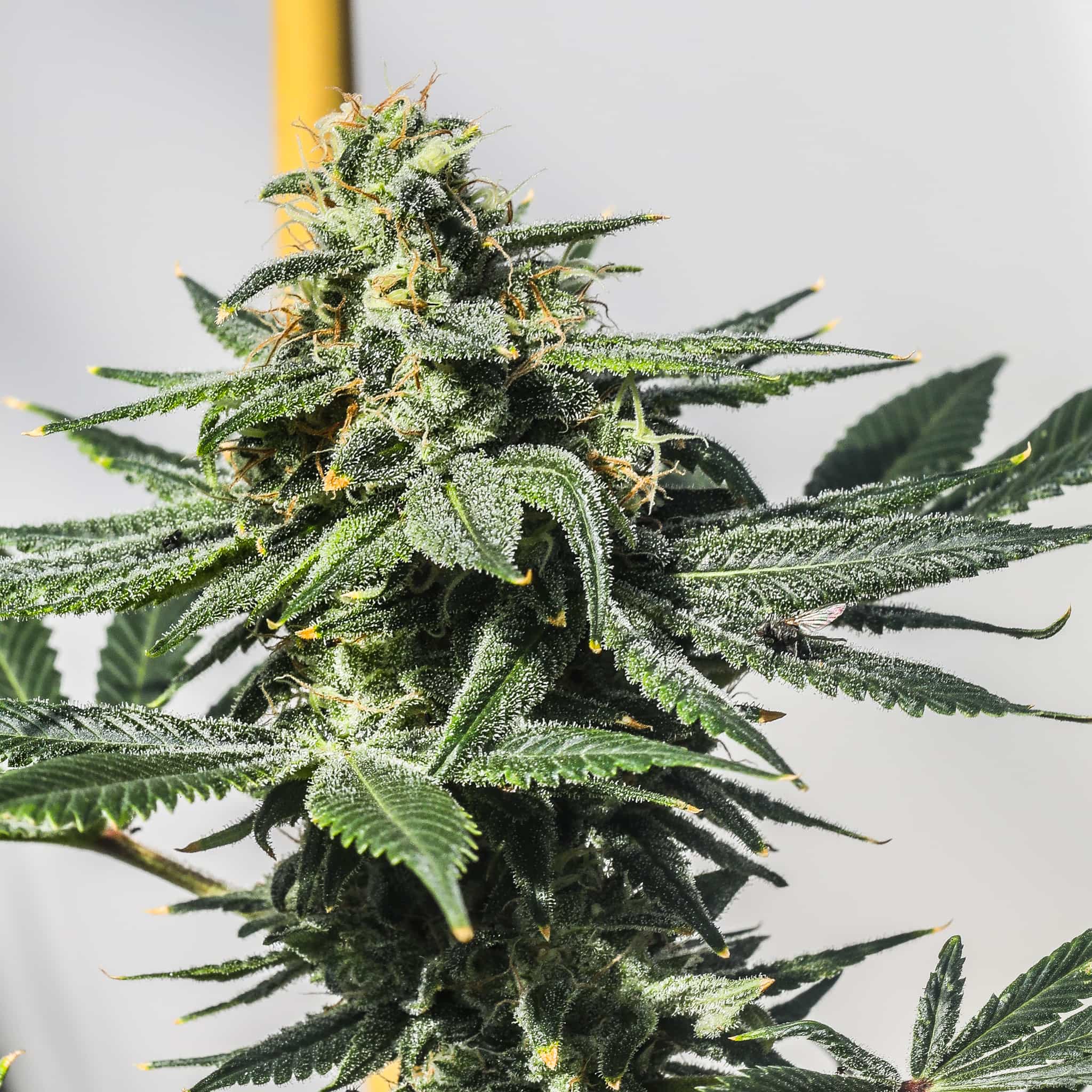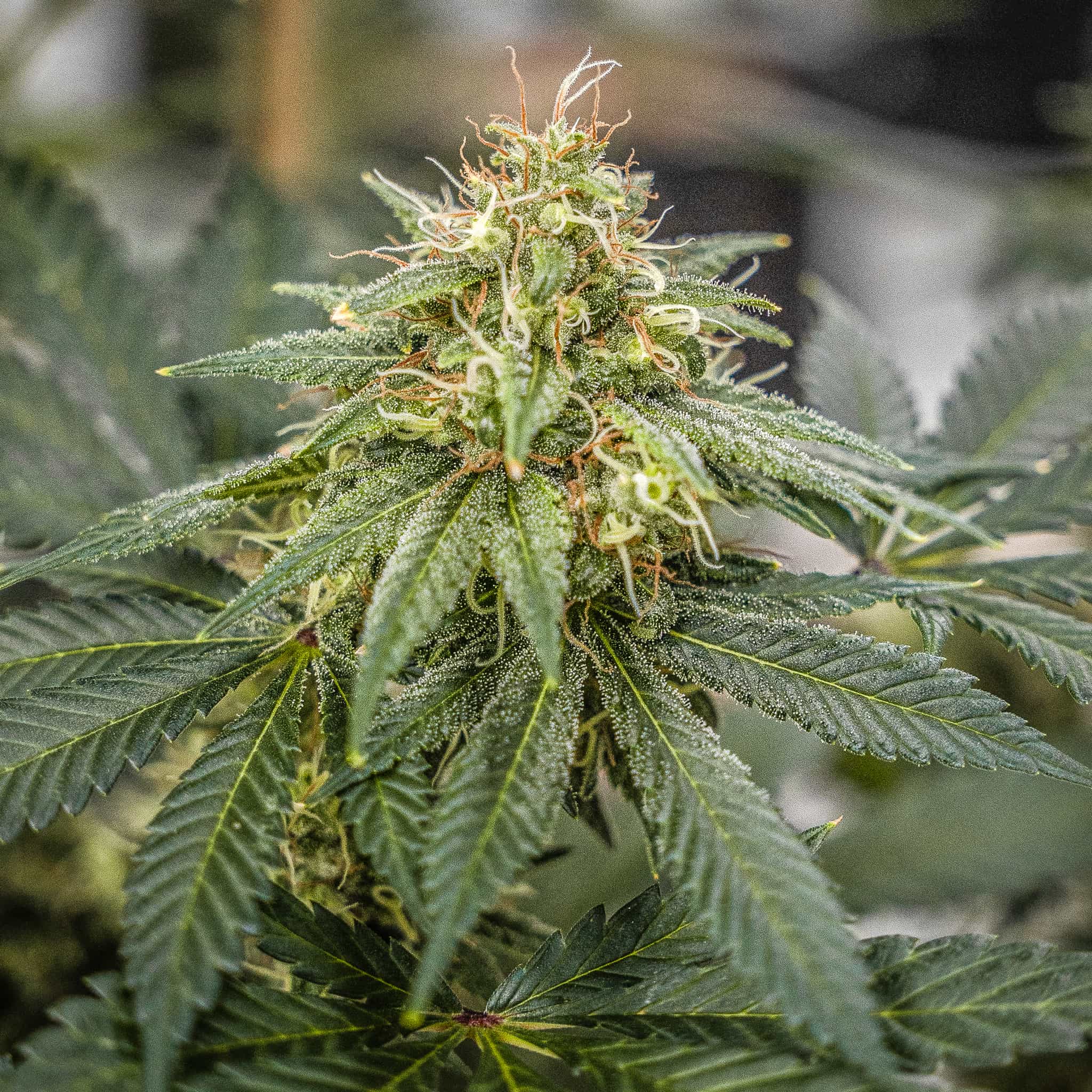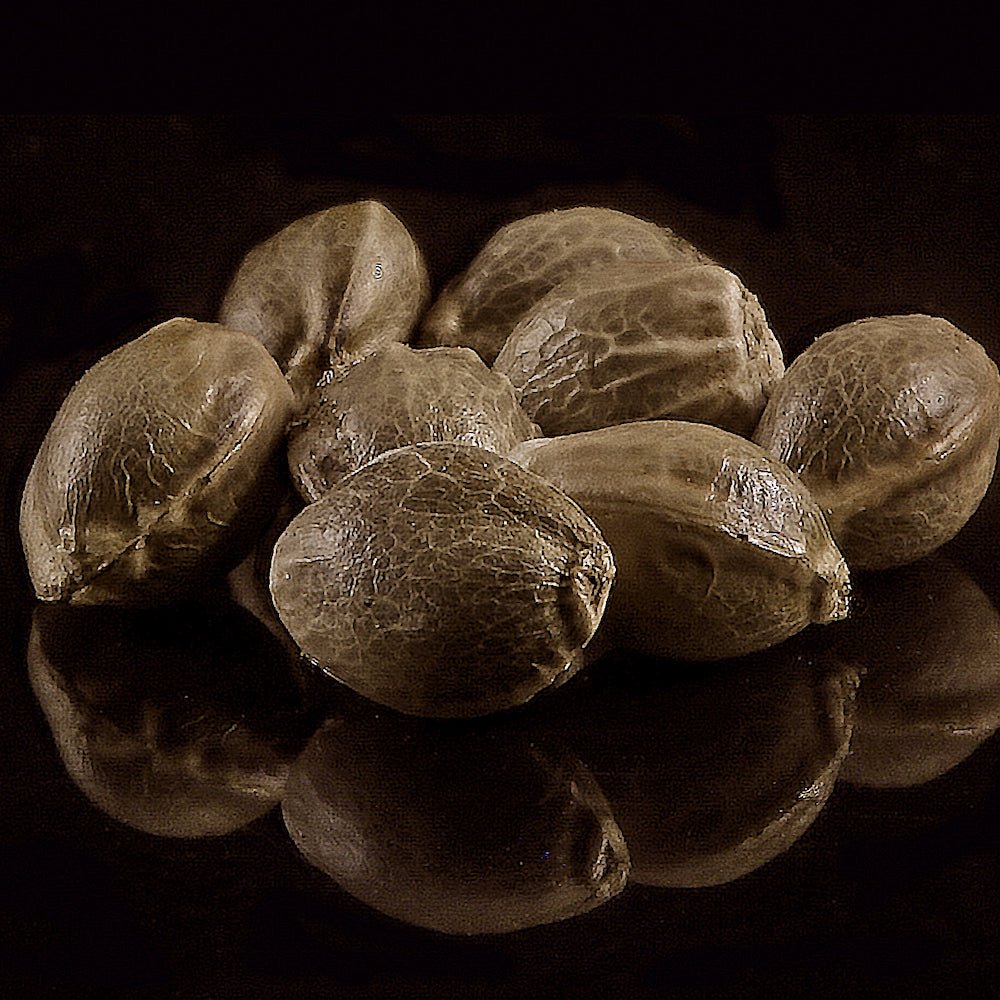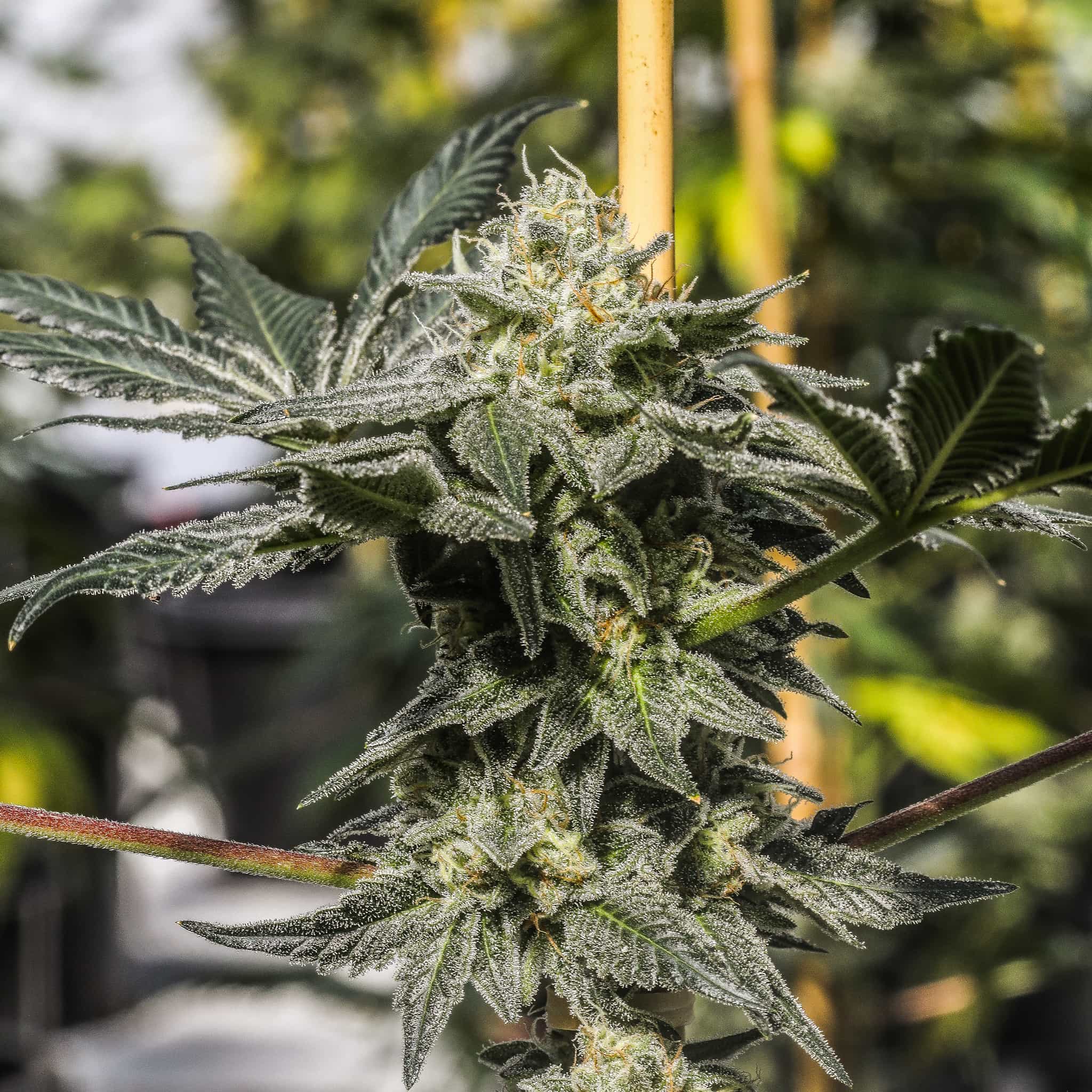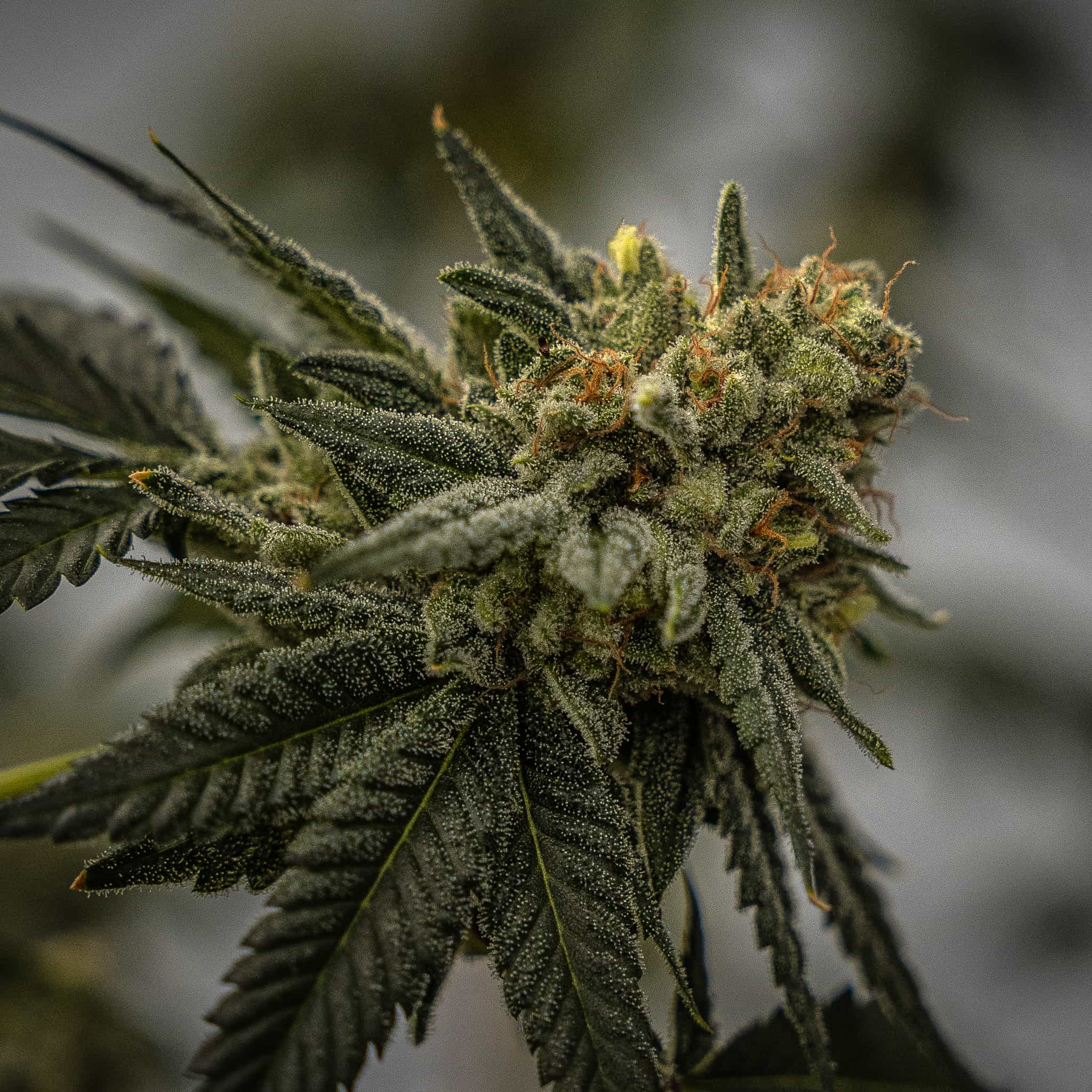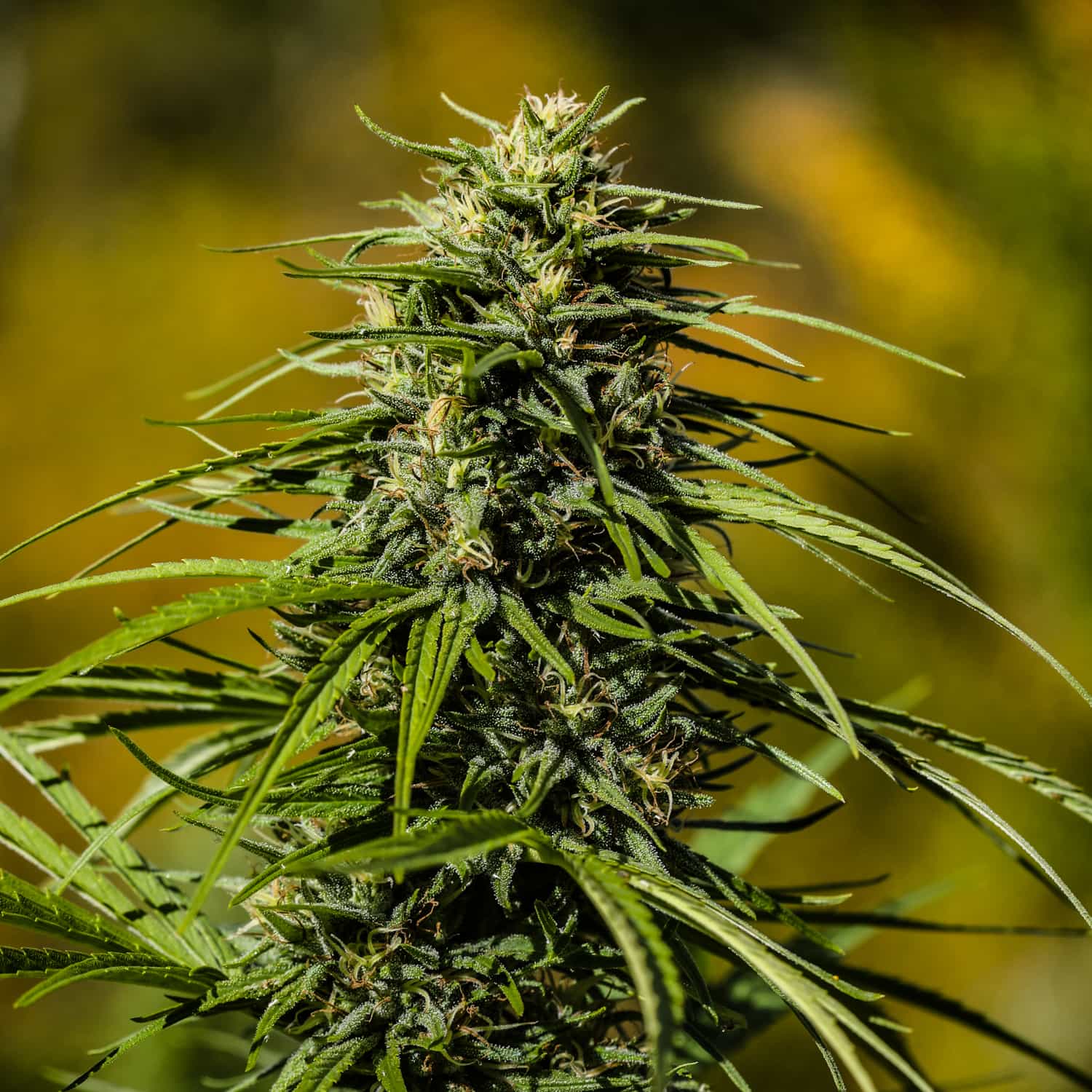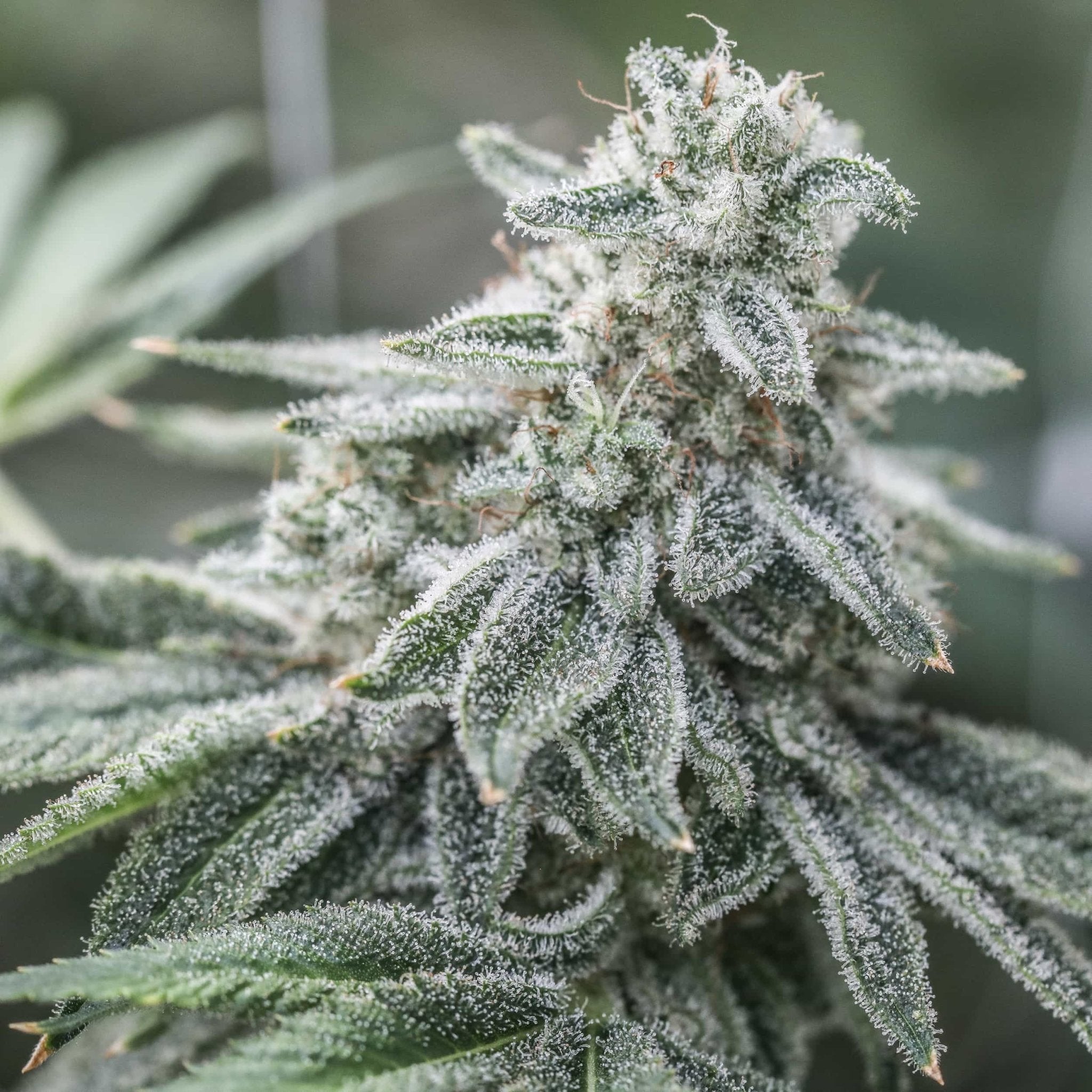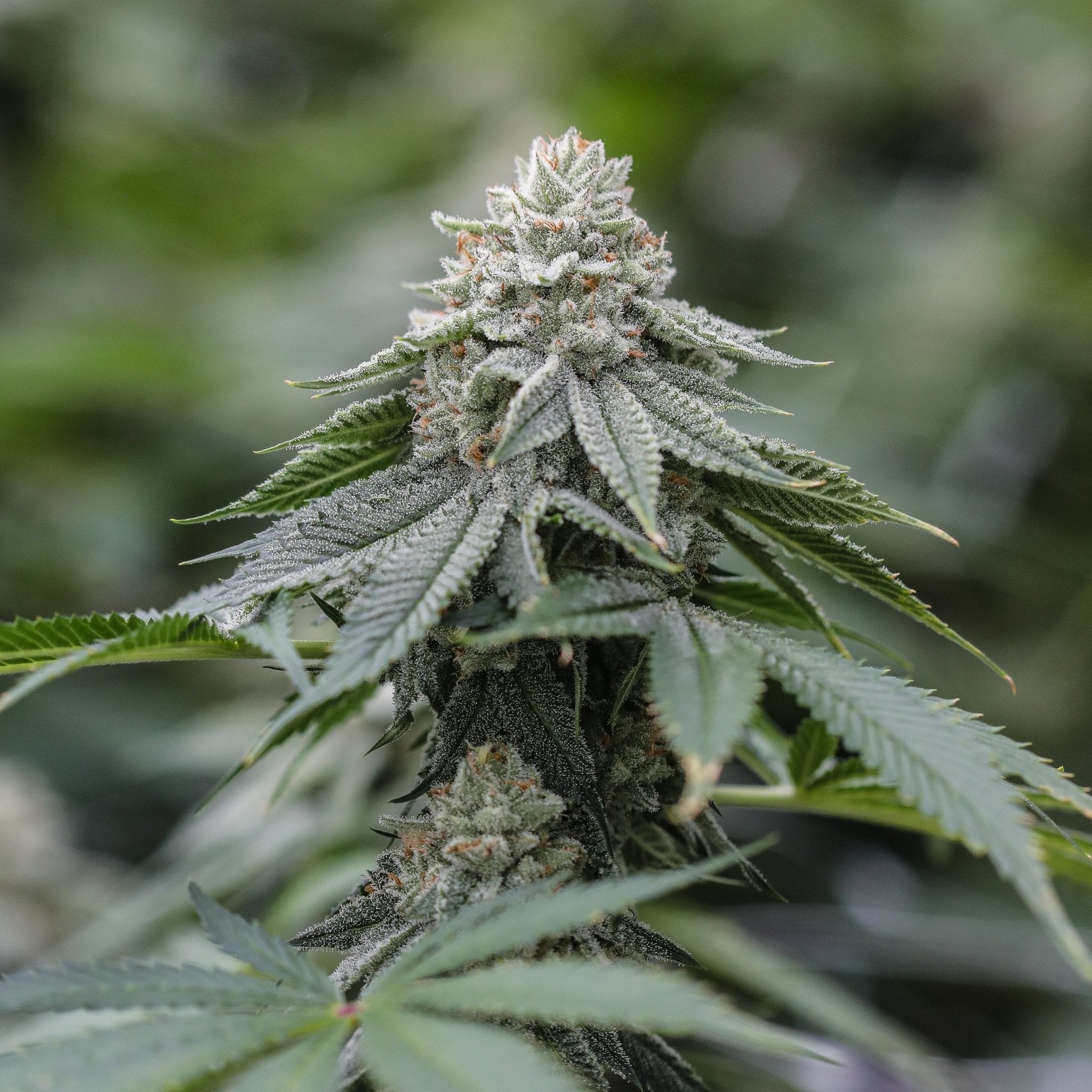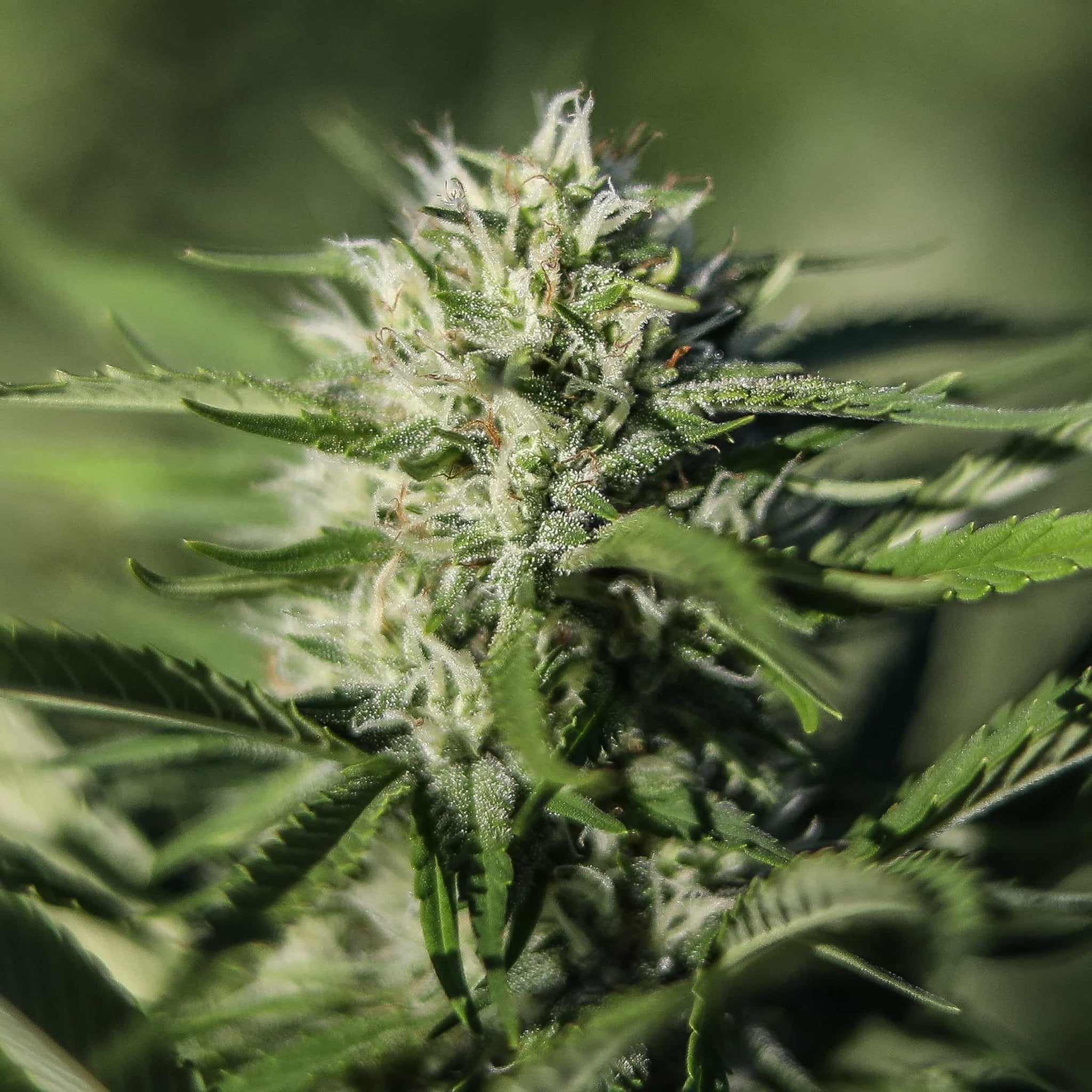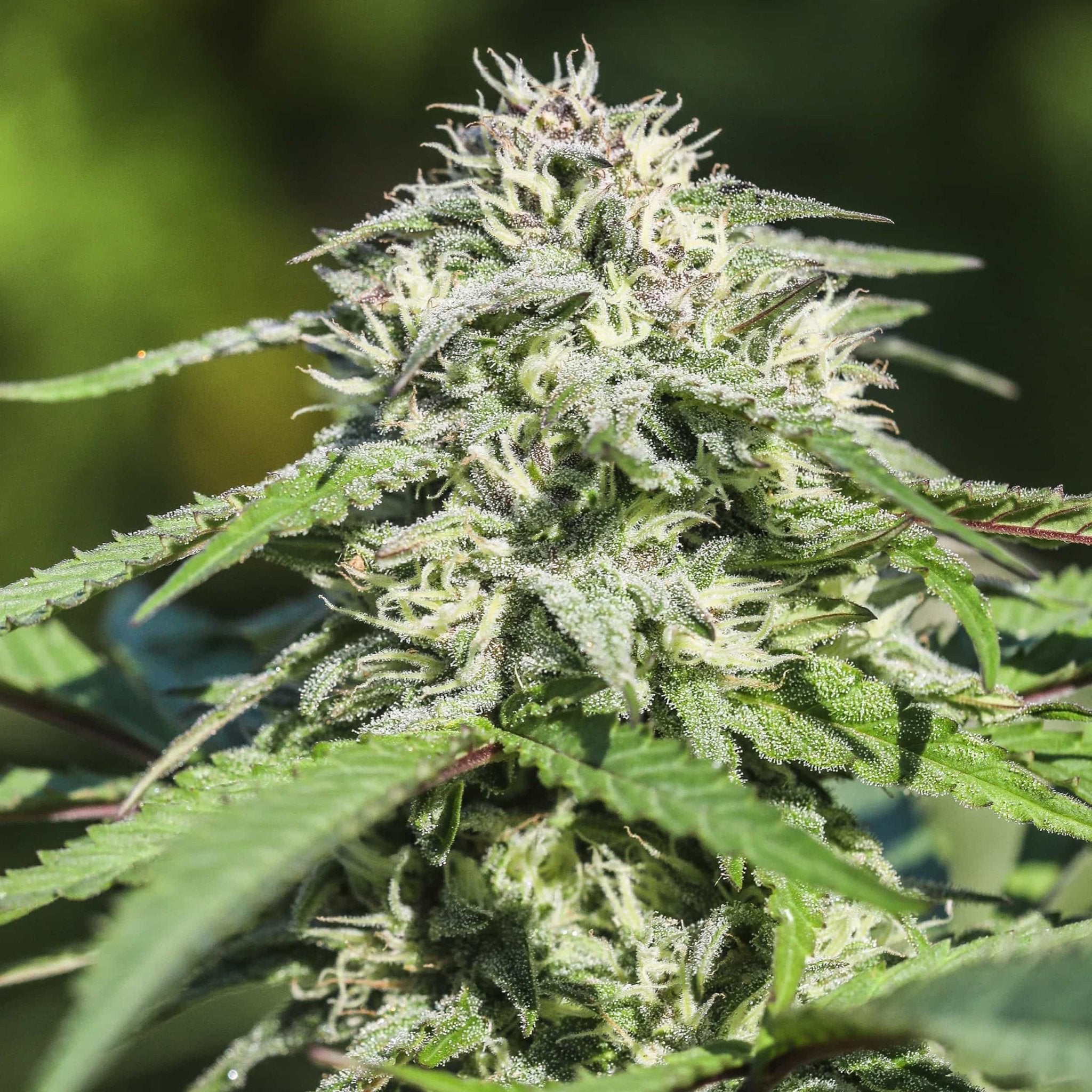


Cannabis is far more complex than just THC or CBD. The plant produces hundreds of chemical compounds, including cannabinoids, terpenes, and flavonoids, that may interact to influence its overall effects.
This idea is known as the cannabis entourage effect: the theory that compounds found naturally in cannabis can work together to produce effects that differ from those of individual compounds in isolation.
While scientists are still investigating exactly how these interactions work, emerging research suggests that certain combinations may have meaningful biological effects.
At GTR Seeds, we're strong believers in exploring the potential of whole-plant chemistry. After all, there's a lot more to cannabis than THC percentage alone.
What Is the Entourage Effect in Cannabis?
The entourage effect describes potential interactions among the many compounds naturally produced by cannabis plants.
Three major groups of compounds are particularly interesting:
-
Cannabinoids: Compounds such as THC, CBD, CBG, CBDV, and THCV that interact with biological systems through a variety of mechanisms.
-
Terpenes: Aromatic compounds responsible for the distinctive smells of cannabis, including limonene, myrcene, pinene, and linalool. Some may also have biological activity.
-
Flavonoids: Plant compounds that contribute to pigmentation and other biological functions. Their potential therapeutic roles in cannabis remain relatively understudied.
The central question is whether these compounds interact in ways that meaningfully change cannabis's effects.
Importantly, the entourage effect remains an active area of scientific investigation, rather than an established explanation for every benefit attributed to whole-plant cannabis.
What Does Science Say About the Entourage Effect?
THC and Limonene: Promising Research on Anxiety
One particularly interesting study investigated how the terpene limonene interacts with THC.
Researchers found that vaporized D-limonene reduced certain anxiety-related effects of THC in a controlled human study, without significantly changing other measured effects of THC.
This provides evidence that at least some terpenes may modify the effects of cannabinoids under specific conditions.
Read the research summary from Drexel University.
Linalool and Potential Mood-Related Effects
Linalool is a terpene found in cannabis as well as lavender and numerous other plants. It is known for its floral aroma and has attracted scientific interest for its potential calming properties.
Research examining linalool has explored its biological activity and possible relevance to anxiety and mood regulation.
However, much of the evidence comes from laboratory or preclinical research. More human studies are needed to establish whether linalool meaningfully enhances the effects of cannabinoids in cannabis products.
Cannabinoids and Pain Relief
Researchers have also investigated whether combinations of cannabinoids may influence pain differently than individual compounds.
Scientific literature on cannabinoids and pain discusses the complex mechanisms through which cannabinoids may affect pain signaling.
While these findings support further investigation, there is not yet sufficient clinical evidence to conclude that all full-spectrum cannabis products provide superior pain relief compared with isolated cannabinoids.
The specific compounds, their concentrations, and the individual consuming them may all influence the outcome.
Full-Spectrum Cannabis vs. Isolated Cannabinoids
One of the most interesting questions surrounding the entourage effect is whether whole-plant cannabis extracts offer advantages over isolated cannabinoids.
Full-spectrum extracts generally retain a broader range of naturally occurring plant compounds, potentially including multiple cannabinoids, terpenes, and flavonoids.
Cannabinoid isolates, on the other hand, contain a purified individual cannabinoid, such as CBD or THC, with most other plant compounds removed.
Both approaches have potential advantages. Isolates allow for precise dosing and controlled formulations, while full-spectrum products provide an opportunity to investigate interactions among multiple compounds.
Whether one performs better depends on the formulation, intended application, and available clinical evidence.
Why Cannabis Genetics Matter
The entourage effect also raises an important question for cannabis breeders: Why focus exclusively on THC or CBD content when the plant can produce so many other interesting compounds?
At GTR Seeds, we've spent years developing cannabis genetics with diverse cannabinoid profiles, including varieties rich in CBD, CBG, CBDV, THCV, and CBGV.
These specialized genetics offer opportunities to explore plant chemistry beyond conventional THC-dominant cannabis.
For example, our high-CBD seeds provide options for growers interested in CBD-dominant plants, while our broader cannabis seed collections highlight the diversity of cannabinoid profiles available through modern breeding.
Of course, cannabinoid content is only part of the equation. Terpene expression, aroma, plant structure, and overall chemical composition are also important characteristics when selecting and breeding cannabis varieties.
It's Not Just About the Cannabinoids
The entourage effect reminds us that cannabis is more than a single molecule or a laboratory potency number.
While we still have plenty to learn about how cannabinoids, terpenes, and other plant compounds interact, the research gives us good reason to keep investigating the incredible chemical diversity of cannabis.
If isolated THC were the only thing that mattered, we'd all just be consuming THCA diamonds.
At GTR Seeds, we believe the future of cannabis breeding lies in understanding and improving the plant's entire chemical profile, not simply chasing the highest cannabinoid percentage.
Now, let's get more rigorous clinical research underway—and give the FDA the evidence it needs.