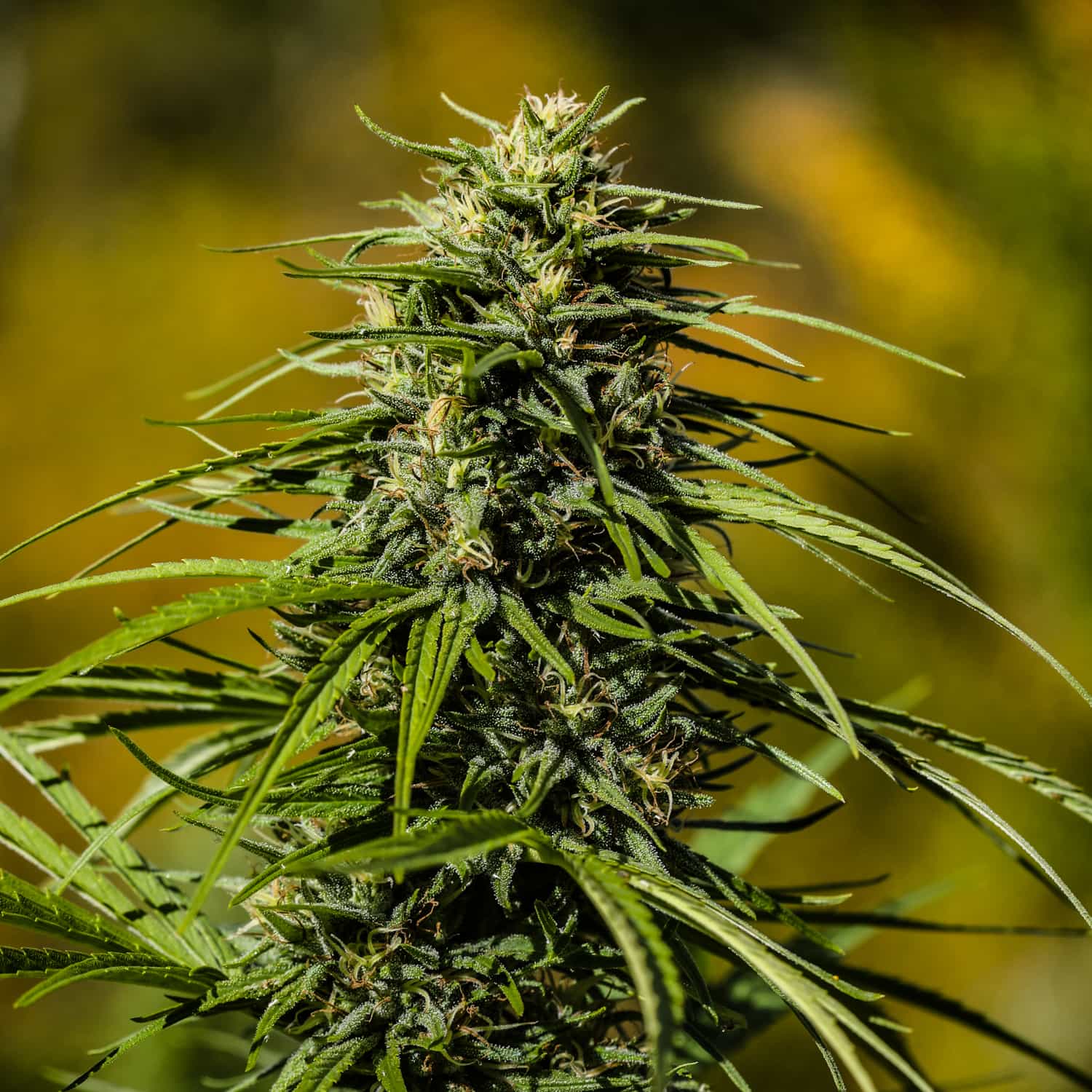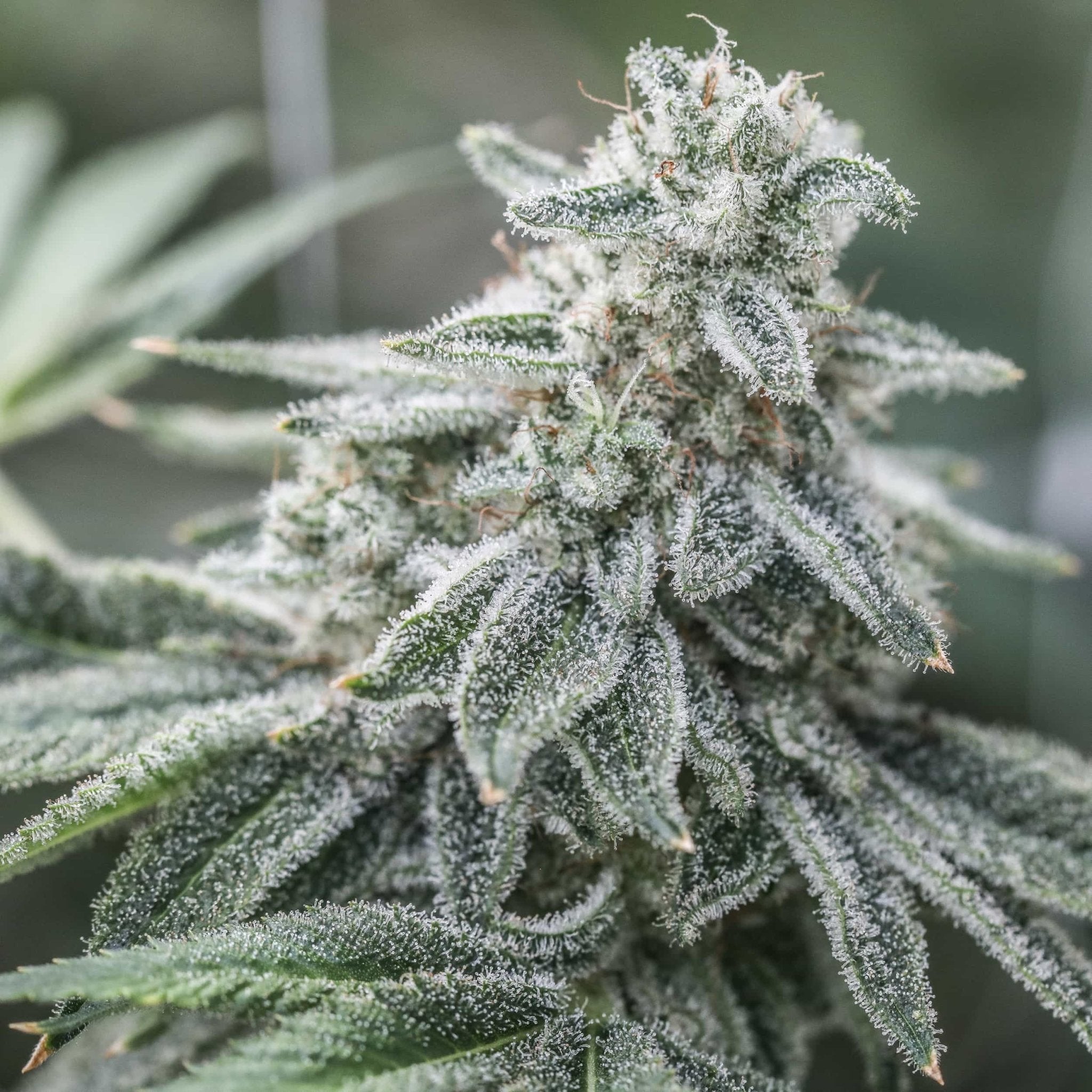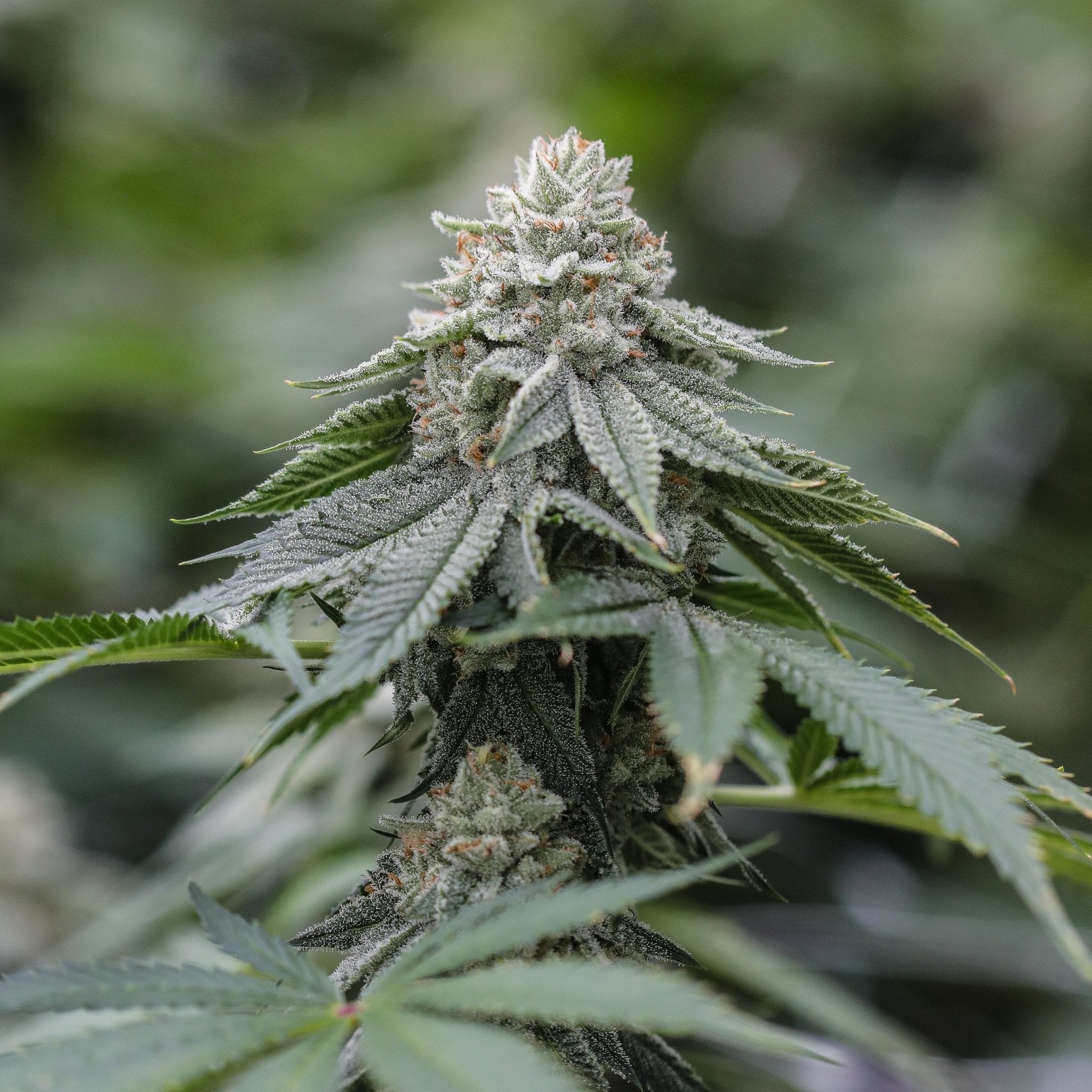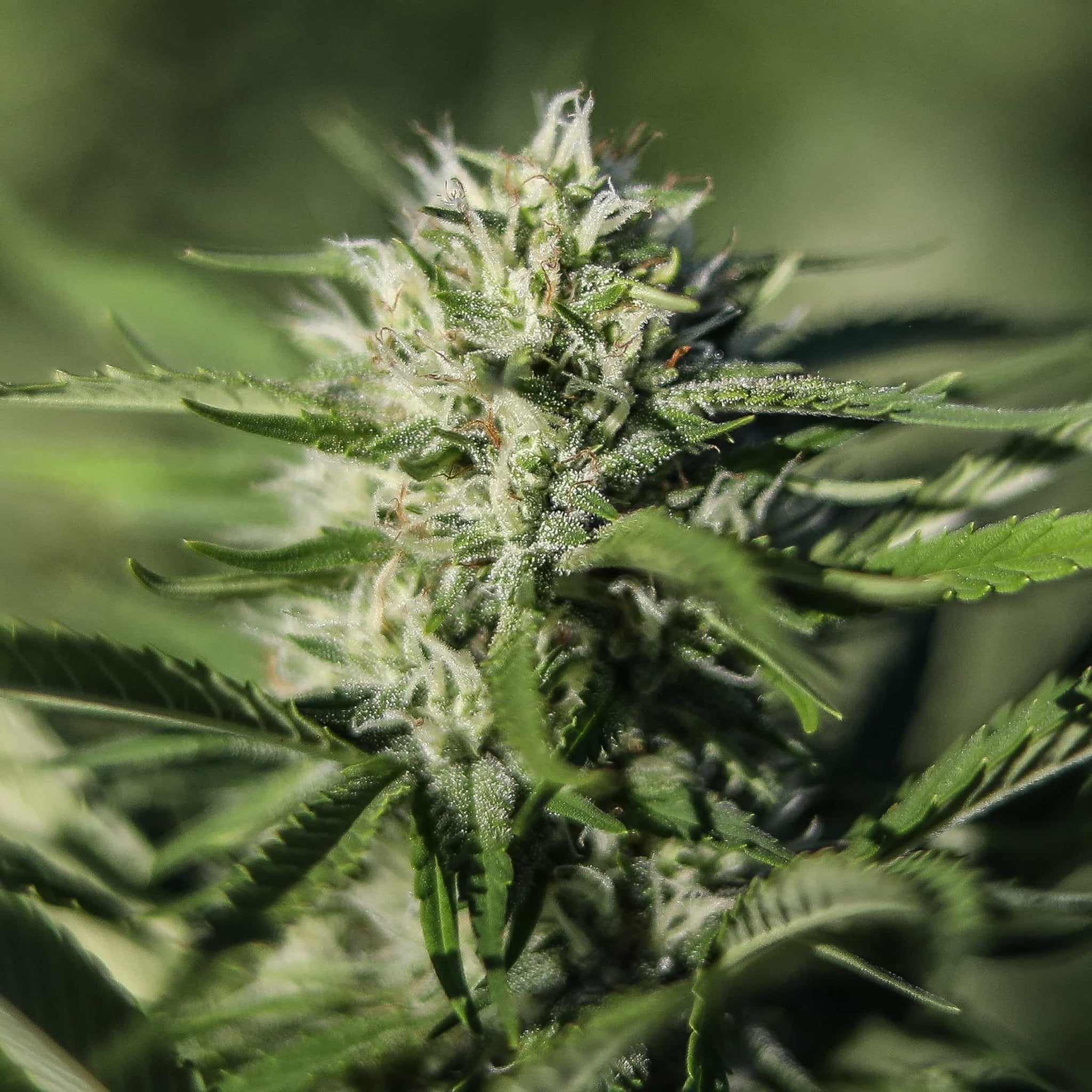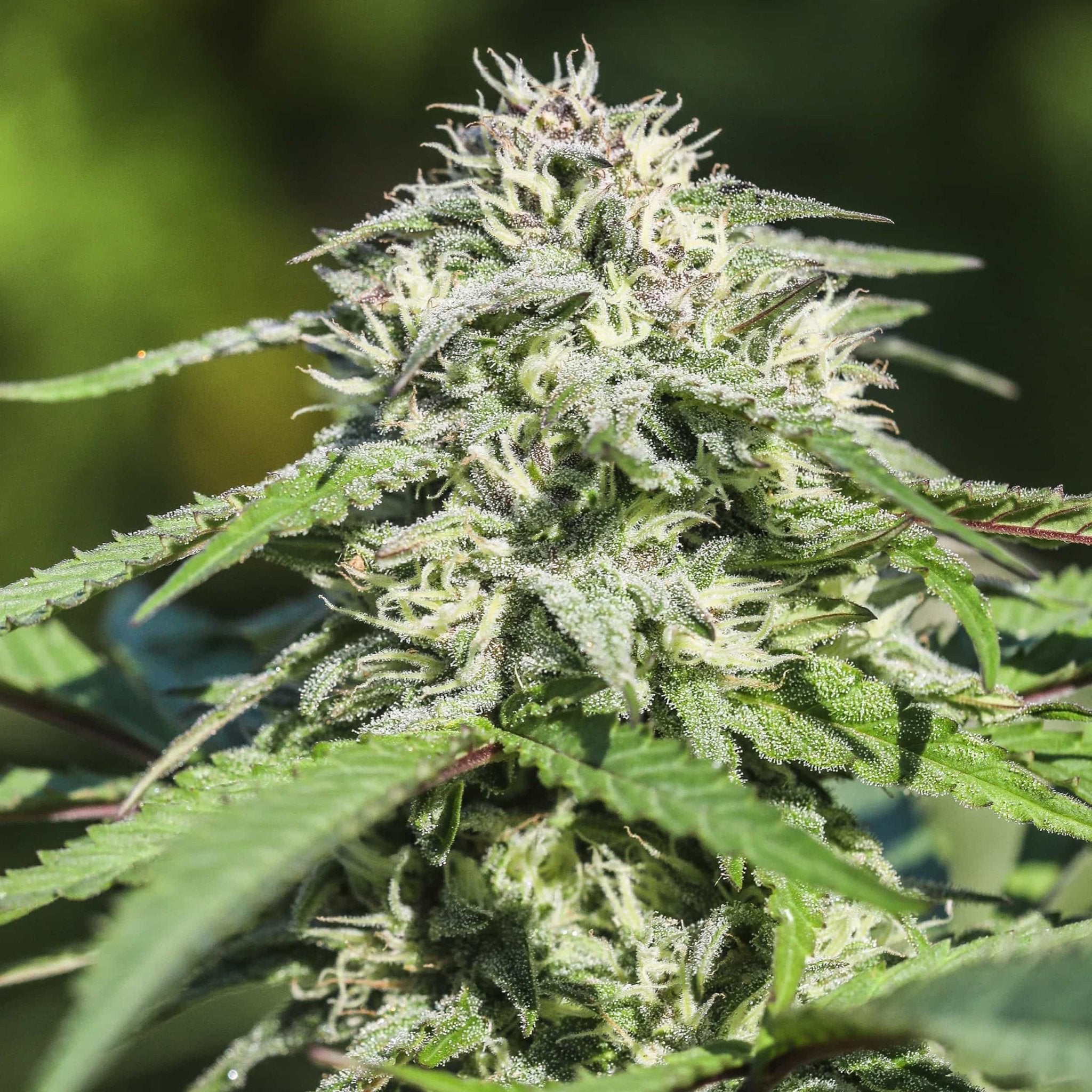


THCV (tetrahydrocannabivarin) is one of the most intriguing minor cannabinoids found in cannabis. Closely related to THC, this naturally occurring cannabinoid has attracted growing scientific interest because of its unique molecular structure, interactions with the endocannabinoid system, and potential biological properties.
Although THCV has been known to scientists for decades, cannabis varieties capable of producing substantial concentrations of this rare cannabinoid have historically been difficult to find.
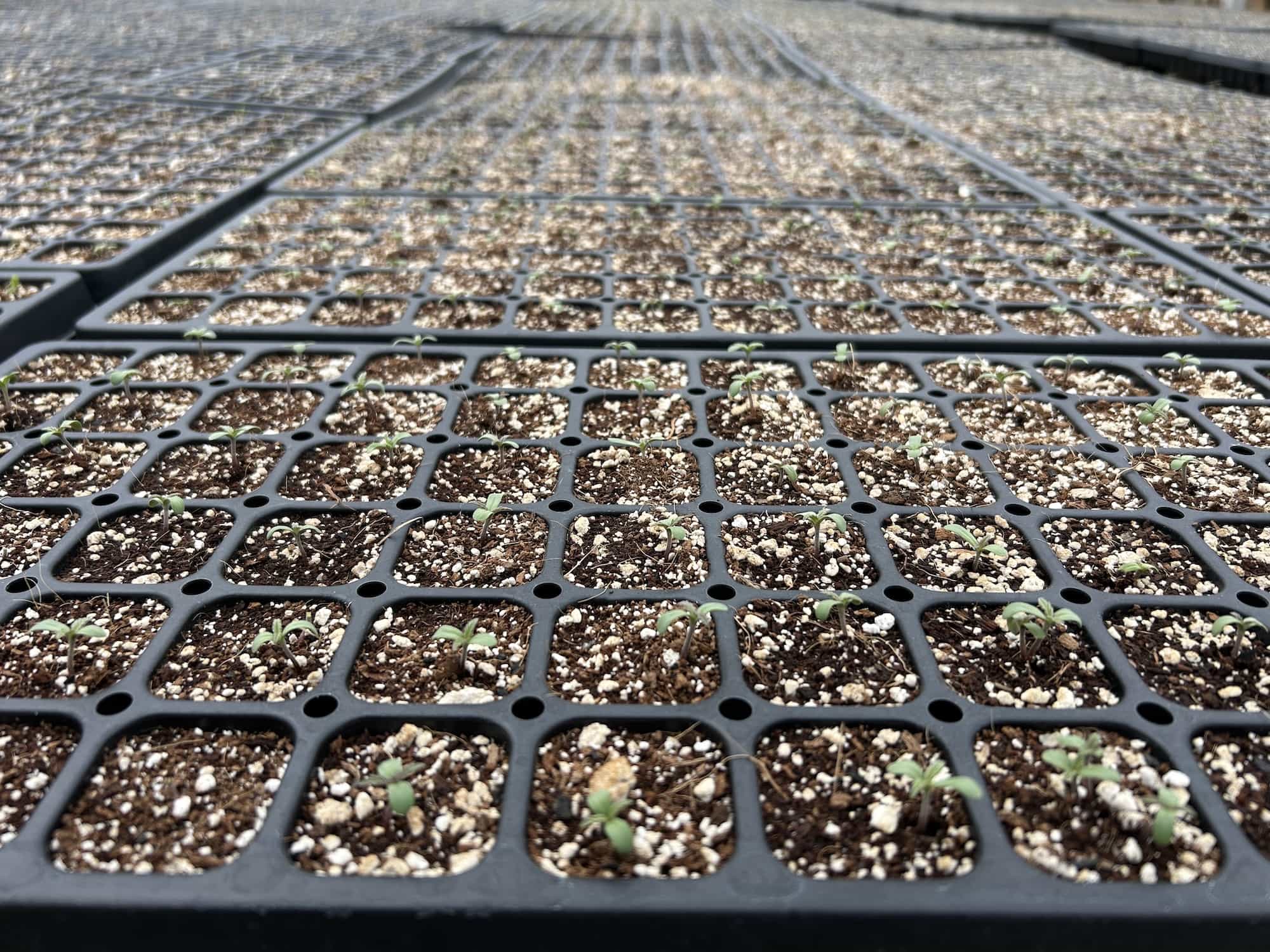
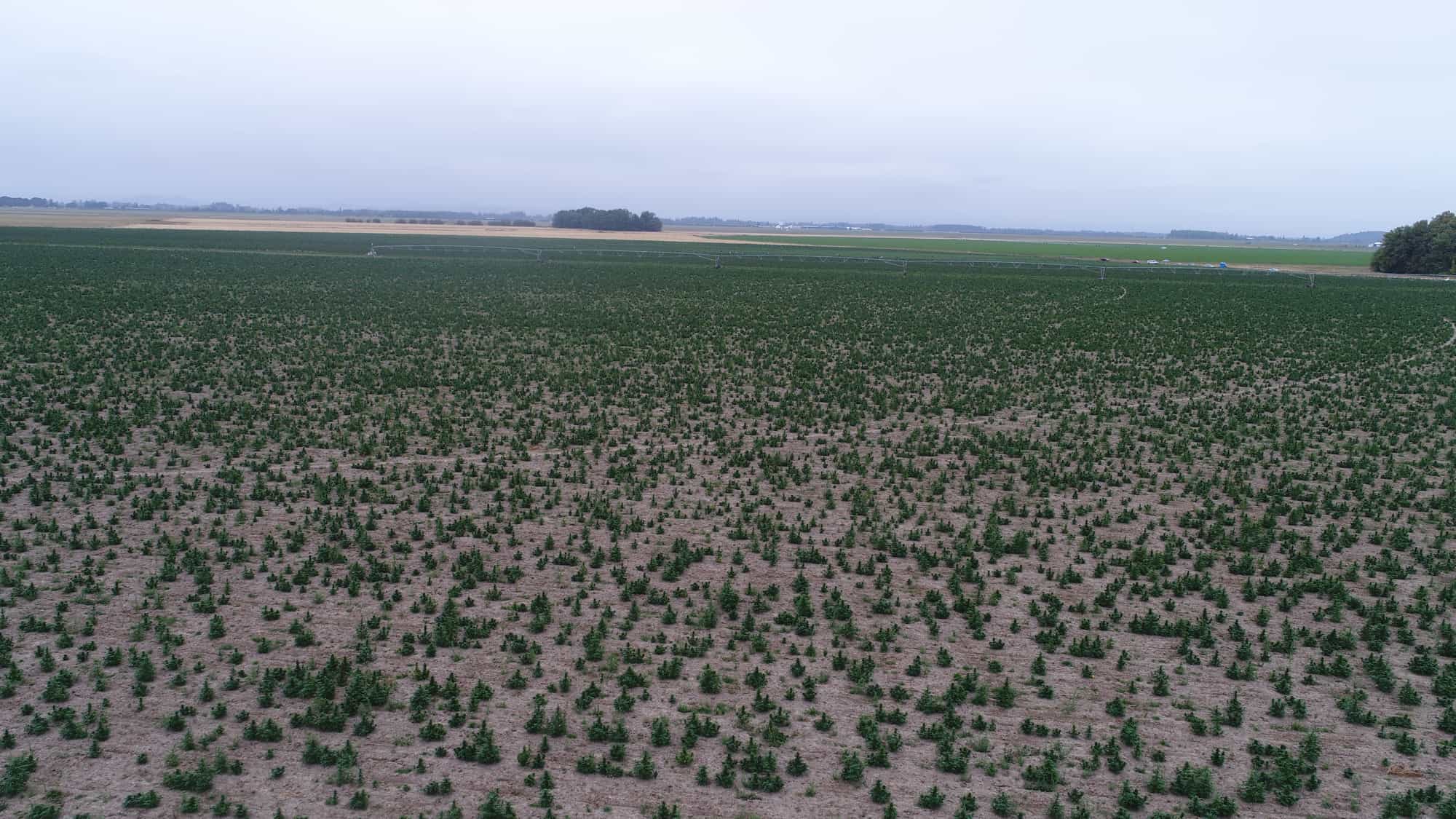
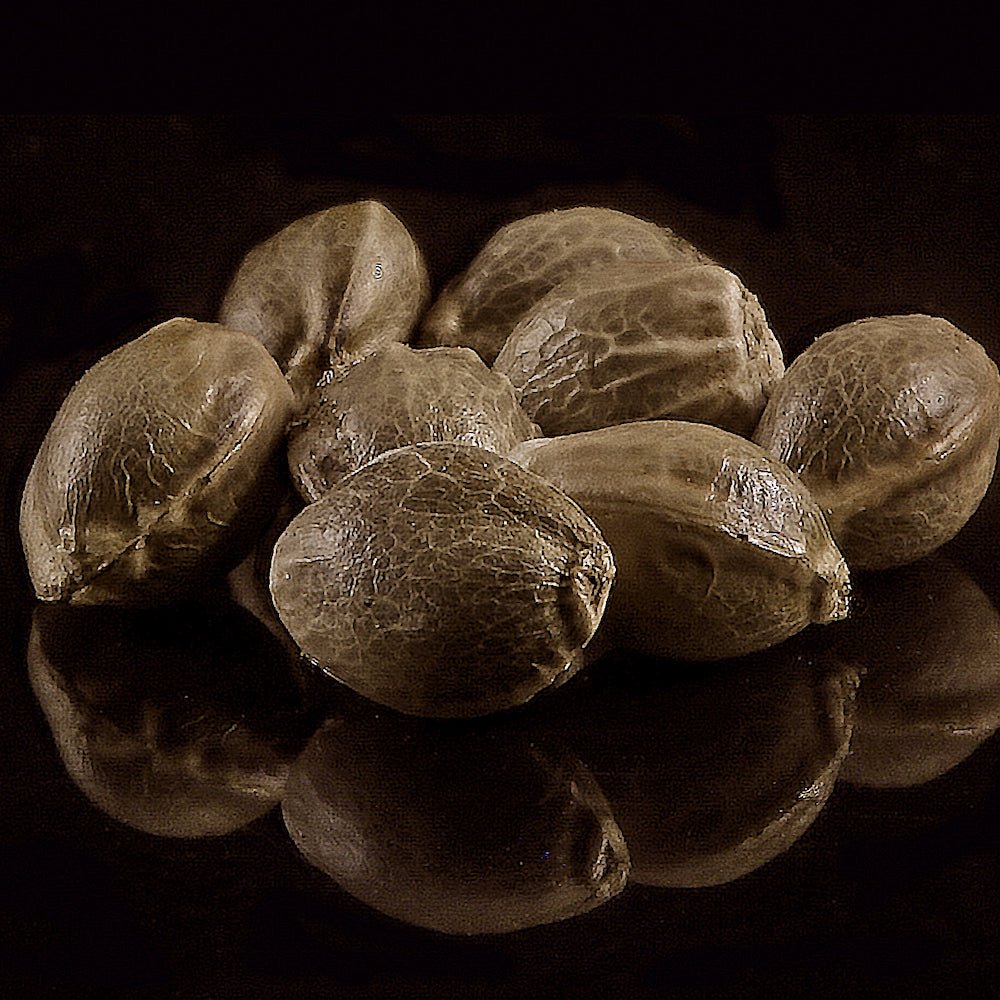
Thanks to advances in cannabis breeding, growers can now cultivate specialized THCV-rich cannabis genetics developed specifically for high cannabinoid production.
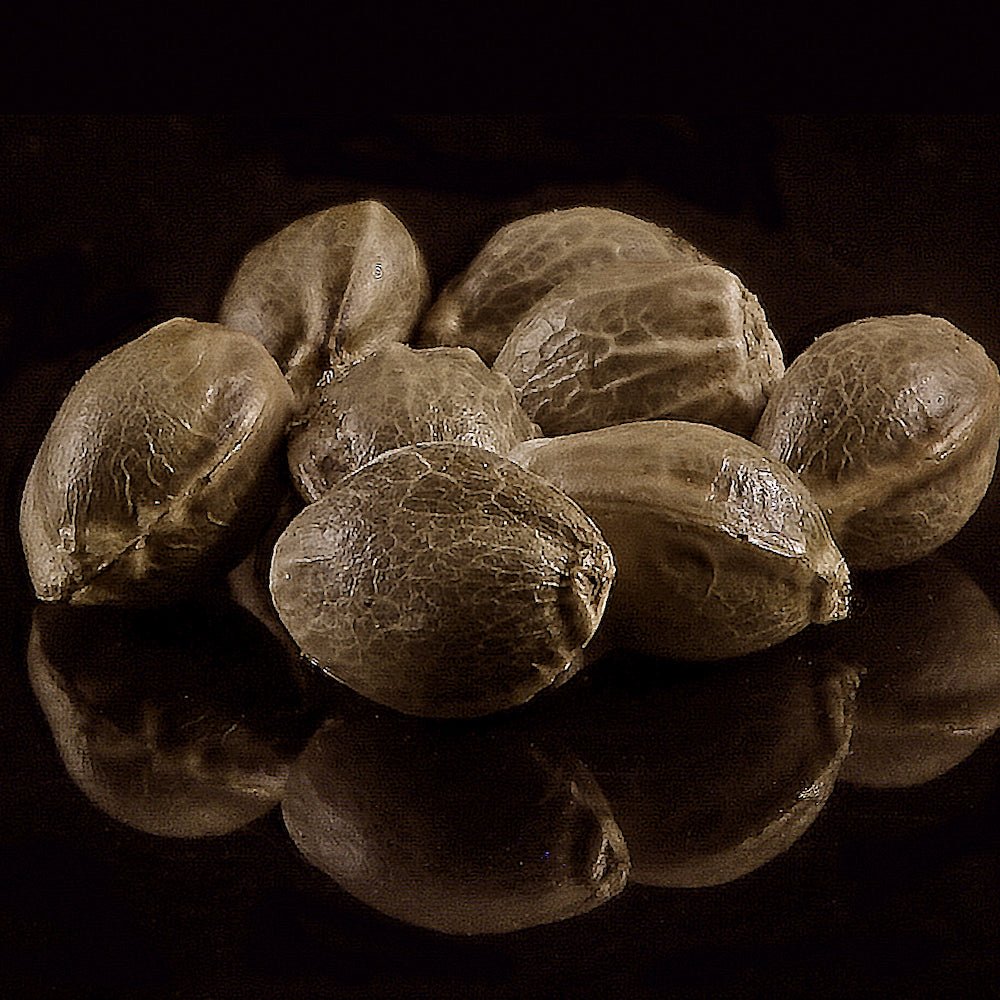
At GTR Seeds, we've spent years developing high-THCV seeds, including feminized photoperiod varieties, autoflowers, and innovative triploid cannabis genetics that make this uncommon cannabinoid more accessible to growers.
What Is THCV (Tetrahydrocannabivarin)?
Tetrahydrocannabivarin, commonly abbreviated THCV, is a naturally occurring phytocannabinoid produced by the cannabis plant.
THCV belongs to the varin family of cannabinoids, which also includes CBDV (cannabidivarin) and CBGV (cannabigerovarin).
What makes varin cannabinoids unique is their molecular structure. While conventional THC and CBD contain five-carbon alkyl side chains, THCV and other varin cannabinoids have shorter three-carbon side chains.
This seemingly small chemical difference can significantly influence how these cannabinoids interact with the body's endocannabinoid system.
Unlike THC, which primarily acts as a partial agonist at CB1 cannabinoid receptors, THCV exhibits more complex, dose-dependent pharmacological activity. Research suggests THCV can act as a CB1 receptor antagonist at certain concentrations, while other experimental conditions may produce agonist-like effects.
These differences make THCV particularly interesting to researchers studying cannabinoid pharmacology.
THCV vs. THC: What's the Difference?
Although THCV and THC share similar chemical structures, they are distinct cannabinoids with different pharmacological properties.
| Characteristic | THC | THCV |
|---|---|---|
| Full name | Tetrahydrocannabinol | Tetrahydrocannabivarin |
| Carbon side chain | Five carbons | Three carbons |
| Intoxicating effects | Well established | Dose-dependent and less understood |
| CB1 receptor activity | Primarily partial agonist | Antagonist or agonist-like activity depending on conditions |
| Naturally occurring | Common in Type I cannabis | Usually present in small quantities |
| Commercial availability | Widely available | Relatively rare |
| Scientific research | Extensive | Emerging |
One of the most interesting distinctions is THCV's interaction with THC.
Some preliminary studies suggest that THCV may modify certain effects of THC, although the interaction depends on dose, cannabinoid ratios, and other factors.
Importantly, THCV should not automatically be described as non-intoxicating. Its effects are more complicated than those of CBD or CBDV, and research into its psychoactive properties is ongoing.
Why Is THCV So Rare in Cannabis?
The rarity of THCV comes down primarily to genetics and cannabinoid biosynthesis.
Cannabis plants produce cannabinoids through complex biochemical pathways involving precursor molecules and specialized enzymes.
Conventional THC production begins with olivetolic acid, a five-carbon precursor that contributes to the formation of cannabigerolic acid (CBGA). CBGA can subsequently be converted into tetrahydrocannabinolic acid (THCA), the acidic precursor of THC.
THCV follows a related but distinct pathway.
Instead of olivetolic acid, the varin pathway uses divarinolic acid, a three-carbon precursor involved in producing cannabigerovarinic acid (CBGVA).
CBGVA can then be converted into tetrahydrocannabivarinic acid (THCVA). When THCVA undergoes decarboxylation, it forms THCV.
Most conventional cannabis varieties predominantly produce five-carbon cannabinoids, explaining why THC and CBD are much more common than THCV and CBDV.
Producing high THCV concentrations requires specialized genetics capable of directing substantial cannabinoid production through the varin pathway.
Environmental conditions can influence overall cannabinoid production, but they cannot substitute for the genetic capacity needed to produce meaningful THCV concentrations.
This is why genuine high-THCV cannabis seeds are relatively uncommon.
Why Are High THCV Cannabis Genetics Difficult to Breed?
Developing high-THCV cannabis varieties presents several challenges.
First, breeders must identify plants with the genetic ability to produce substantial quantities of varin cannabinoids. Most commercial cannabis varieties contain very little THCV, making suitable breeding material relatively scarce.
Second, cannabinoid concentration is only one consideration. Breeders must also select for plant vigor, flowering time, flower quality, yield, and genetic consistency.
Historically, THCV has often been associated with certain African and Asian cannabis populations, including genetics related to Durban Poison. However, these traditional populations do not necessarily produce the concentrations of THCV that modern commercial growers seek.
Through years of selective breeding, GTR Seeds has developed feminized cannabis varieties capable of producing substantially higher THCV concentrations while maintaining desirable agricultural characteristics.
Our breeding program has produced varieties approaching 10% THCV in flower, a significant advancement over the trace concentrations found in most conventional cannabis genetics.
What Does Scientific Research Say About THCV?
THCV has attracted scientific attention because of its unusual interactions with cannabinoid receptors and its potential effects on metabolism, neurological function, and responses to THC.
Although some early findings are promising, human research remains limited, and THCV has not been established as an effective treatment for any medical condition.
Here are three peer-reviewed publications worth exploring.
1. THCV and Glucose Metabolism (2016)
A randomized, double-blind, placebo-controlled study published in Diabetes Care investigated the effects of THCV and CBD in 62 adults with type 2 diabetes.
Researchers found that THCV treatment was associated with improvements in certain measures of glucose regulation, including reductions in fasting plasma glucose compared with placebo.
However, the study was relatively small, and the findings require confirmation in larger clinical trials.
Read the study in Diabetes Care
2. THCV and Brain Responses to Food (2015)
A study published in the International Journal of Neuropsychopharmacology investigated how THCV influenced neural responses to rewarding and unpleasant food stimuli.
Twenty healthy volunteers received THCV and placebo on separate occasions while researchers measured brain activity using functional magnetic resonance imaging.
THCV altered activity in several brain regions involved in processing rewarding and aversive stimuli. However, participants did not report significant differences in subjective ratings of the stimuli.
These findings helped establish scientific interest in THCV's relationship with food-related brain responses, but they do not demonstrate that THCV causes weight loss or suppresses appetite in humans.
3. THCV and THC: Understanding Their Different Effects (2025)
A scientific review titled Tetrahydrocannabivarin Is Not Tetrahydrocannabinol examined the pharmacological differences between THCV and THC.
The authors discussed THCV's interactions with cannabinoid receptors, its potential to modify certain THC effects, and the limitations of existing research.
The review highlights why THCV should be considered a distinct cannabinoid rather than simply a weaker version of THC.
Although THCV is attracting significant scientific interest, these studies do not establish it as a treatment for diabetes, obesity, or other medical conditions. Findings involving purified THCV also cannot automatically be applied to THCV-rich cannabis flower.
Can Cannabis Plants Produce High Concentrations of THCV?
Yes! Although most cannabis varieties produce only trace amounts of THCV, specialized breeding has made substantial THCV production possible.
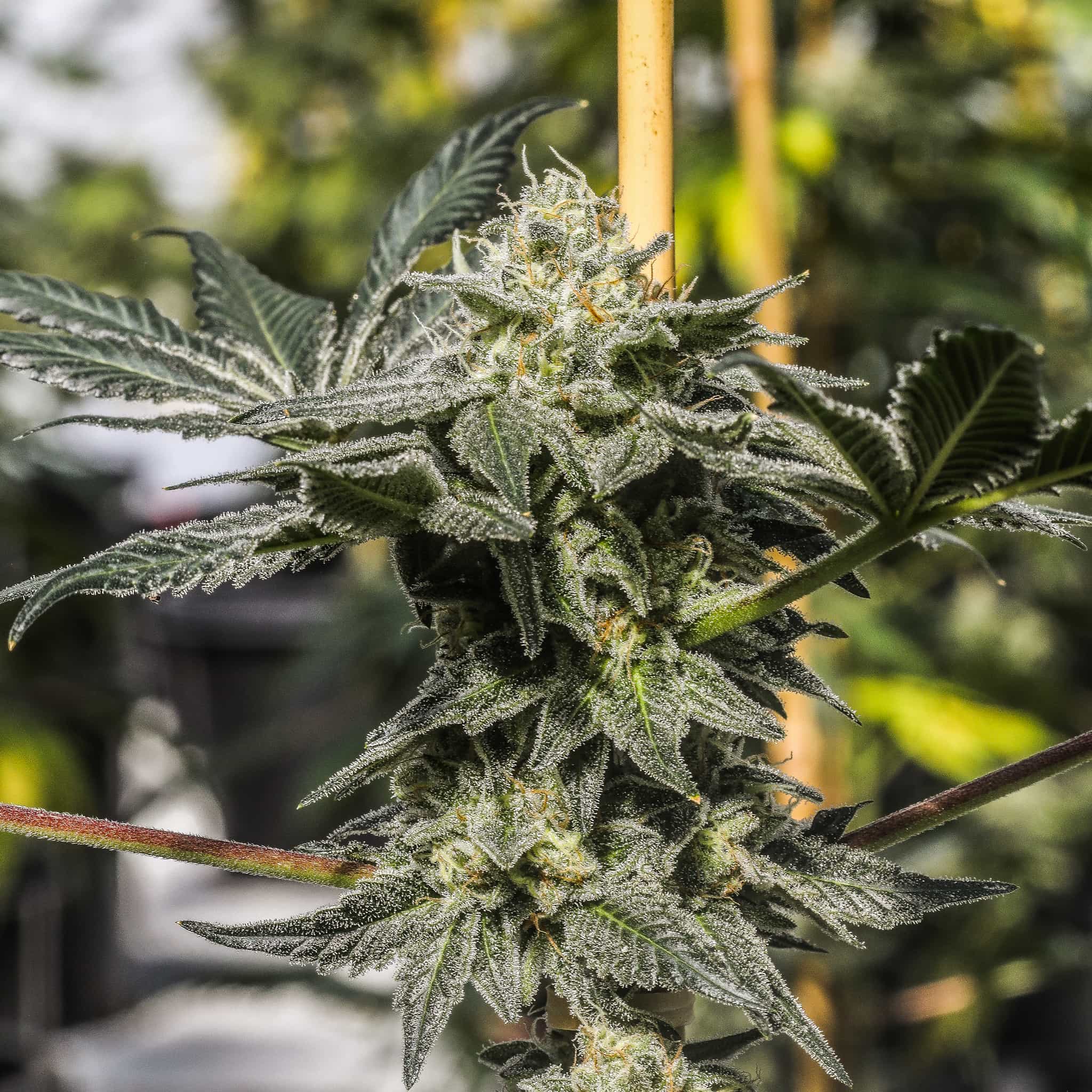
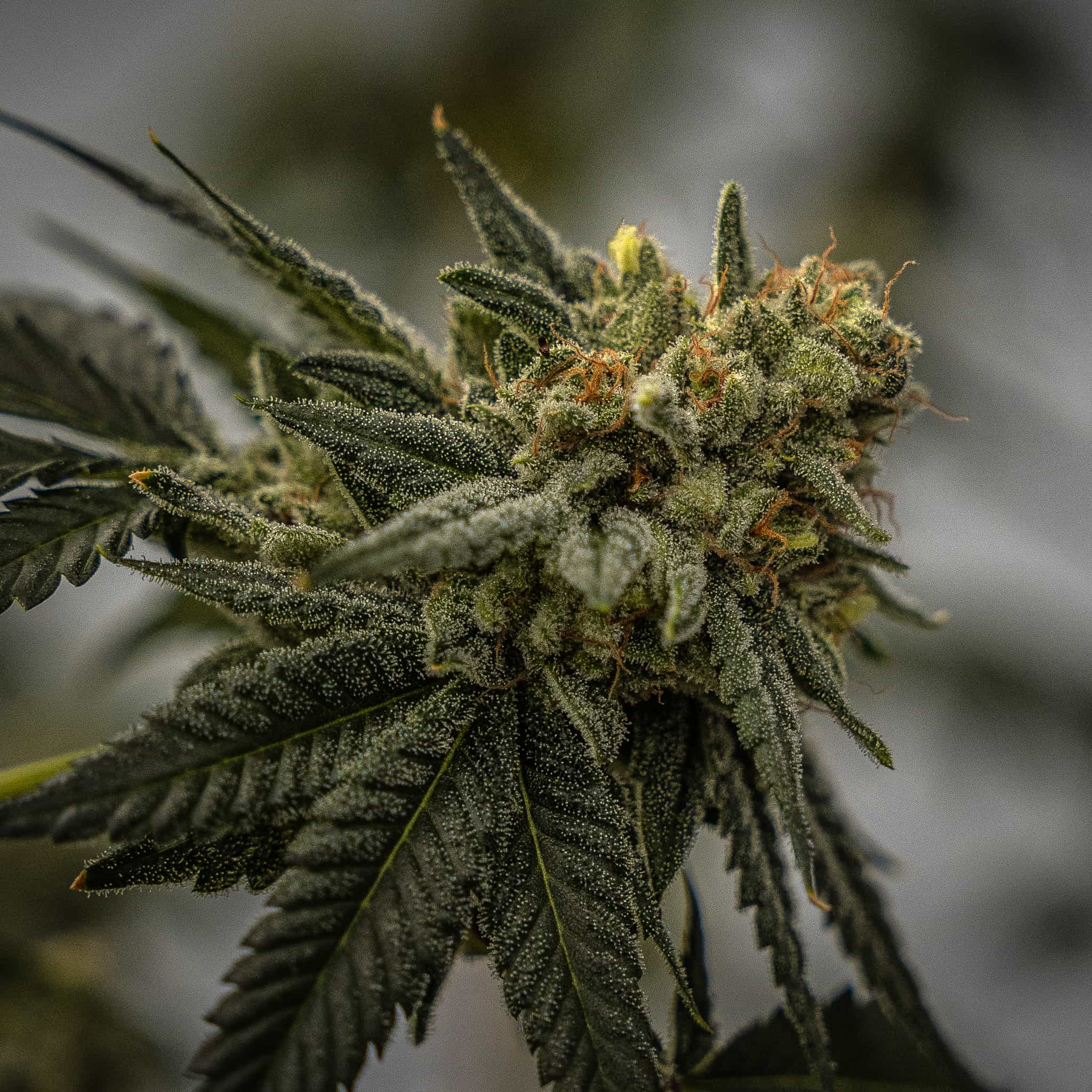
At GTR Seeds, our breeding program has developed varieties with THCV concentrations approaching 10% in flower and cannabinoid profiles featuring approximately equal proportions of THCV and THC.
These genetics represent an important advancement for growers interested in alternative cannabinoids.
However, not all seeds marketed as THCV-rich will necessarily produce comparable results.
Growers should look for genetics supported by cannabinoid testing, documented breeding history, and consistent performance across multiple plants.
High THCV Seeds from GTR Seeds
GTR Seeds and Oregon CBD have invested years in developing specialized cannabinoid genetics, including varieties capable of producing substantial THCV concentrations.
Our THCV breeding program focuses on combining rare cannabinoid production with vigorous growth, desirable flower characteristics, and commercial productivity.
Some of our standout THCV varieties include:
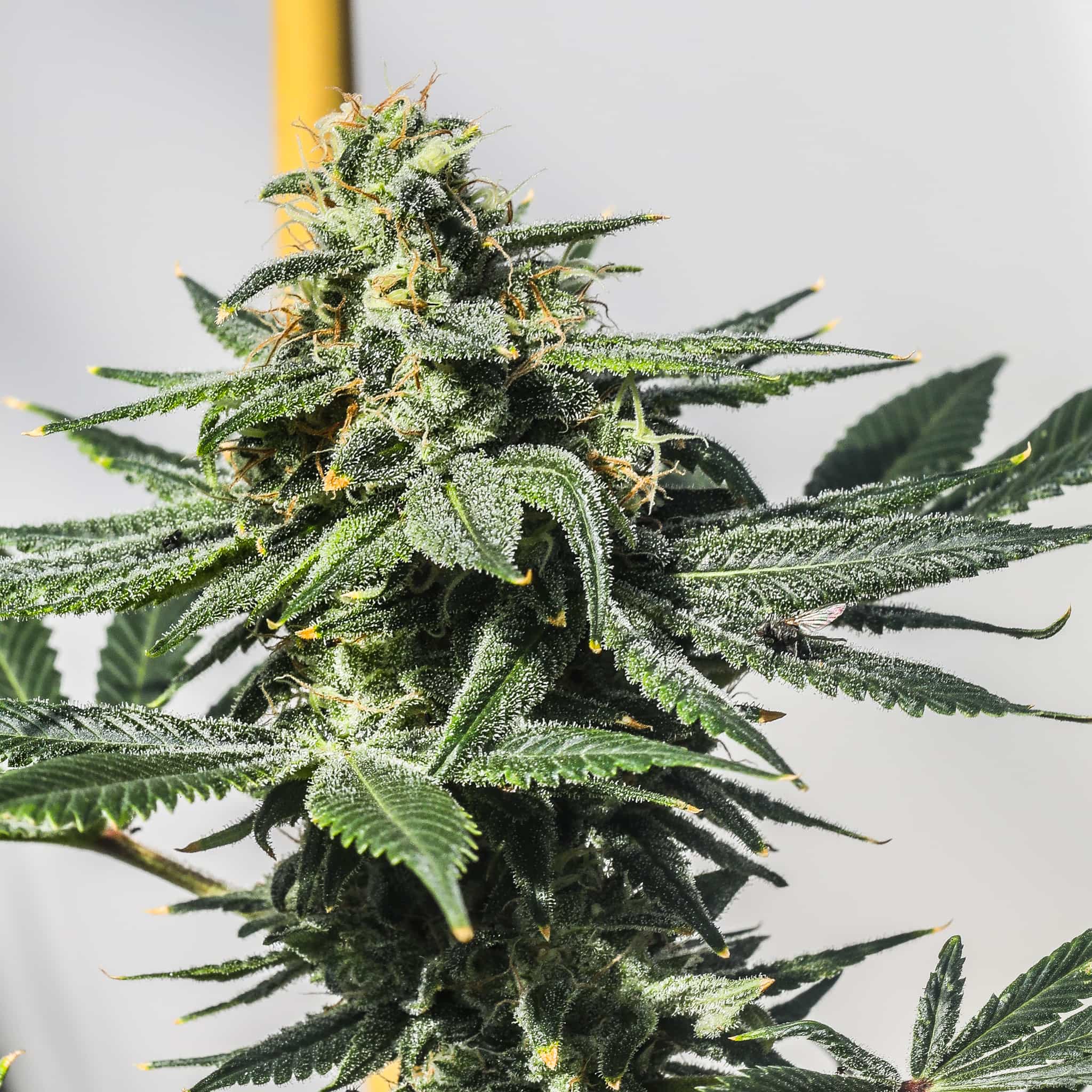
Double Durban THCV
Double Durban THCV is one of our flagship high-THCV varieties, developed from classic Durban Poison-derived genetics.
With THCV concentrations approaching 10% in breeding trials, Double Durban offers growers an opportunity to cultivate exceptionally THCV-rich flower.
Its approximately 1:1 THCV-to-THC ratio and distinctive terpinolene-rich aroma make it particularly interesting for growers exploring rare cannabinoid profiles.
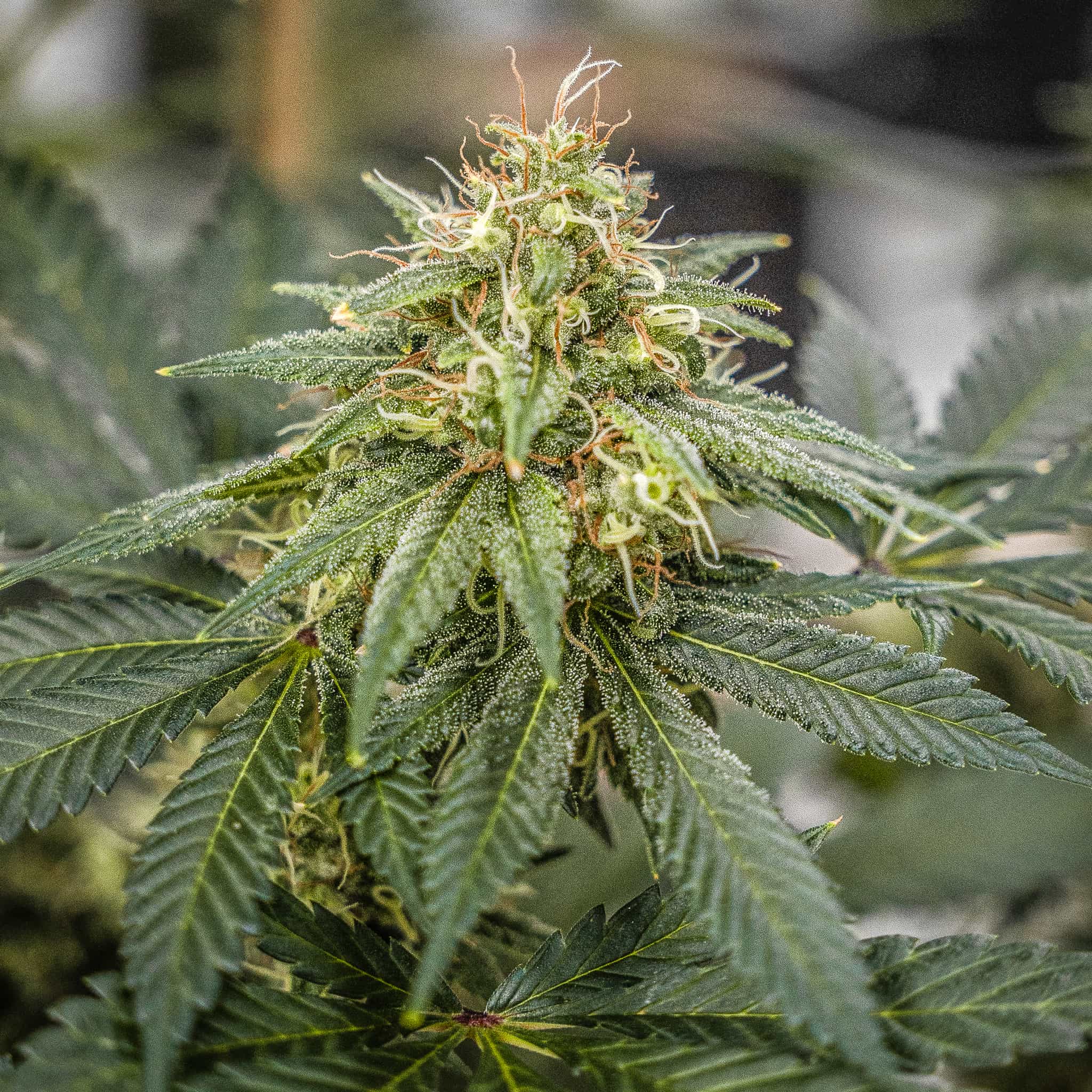
Garlic Berry THCV
Garlic Berry THCV combines substantial THCV production with a distinctive terpene profile.
Developed for growers seeking both unusual cannabinoid concentrations and premium flower characteristics, Garlic Berry demonstrates that THCV-rich genetics can offer more than cannabinoid production alone.
Auto Skunk THCV
Auto Skunk THCV brings rare cannabinoid production to autoflower cannabis genetics.
Unlike traditional photoperiod varieties, autoflowers initiate flowering based on plant age rather than changing daylight hours.
This makes Auto Skunk THCV an attractive option for growers seeking THCV-rich cannabis with more flexible cultivation schedules.
Gigantor Seedless THCV
Gigantor Seedless is a feminized triploid THCV variety developed with commercial productivity in mind.
Its combination of vigorous growth, substantial biomass production, and reduced fertility makes it particularly interesting for growers focused on cannabinoid extraction.
Explore GTR Seeds' Complete THCV Seed Collection
Why Triploid THCV Seeds?
One of the most exciting developments in our THCV breeding program is the introduction of triploid cannabis genetics.
Conventional cannabis plants are diploid, meaning they contain two sets of chromosomes. Triploid cannabis plants contain three sets.
This difference typically results in significantly reduced fertility, making triploid plants far less likely to produce mature seeds following pollen exposure.
For growers producing THCV-rich flower, reduced seed formation can be particularly valuable in environments where unwanted pollination is a concern.
Triploid breeding also allows GTR Seeds to explore new combinations of cannabinoid production, plant structure, and agricultural performance.
However, triploidy does not automatically increase THCV concentrations. High THCV production still depends on the underlying genetics and breeding selections.
Frequently Asked Questions About THCV
Is THCV the same as THC?
No. THCV and THC are chemically related but distinct cannabinoids. THCV has a three-carbon side chain, while THC has a five-carbon side chain. This difference contributes to their distinct interactions with cannabinoid receptors.
Does THCV get you high?
THCV's psychoactive effects are dose-dependent and less understood than those of THC. At certain doses, THCV can behave differently from THC at CB1 receptors, but it should not be assumed to be entirely non-intoxicating.
THCV-rich cannabis varieties may also contain substantial amounts of THC.
Is THCV naturally found in cannabis?
Yes. THCV occurs naturally in cannabis, although most conventional varieties produce only small amounts. Specialized breeding can significantly increase THCV production.
Does THCV suppress appetite?
THCV has been studied for its effects on metabolism and food-related brain activity, but there is insufficient human clinical evidence to conclude that it reliably suppresses appetite or causes weight loss.
What is the difference between THCV and CBDV?
Both belong to the varin cannabinoid family, but THCV is structurally related to THC, while CBDV is structurally related to CBD.
THCV and CBDV have different pharmacological characteristics and are produced through different branches of cannabinoid biosynthesis.
Are THCV seeds different from conventional cannabis seeds?
Yes. High-THCV seeds are developed from specialized genetics capable of producing substantial quantities of varin cannabinoids.
Most conventional cannabis seeds produce predominantly THC, CBD, or CBG, with relatively little THCV.
Can THCV-rich cannabis be legally grown as hemp?
THCV content alone does not determine whether cannabis qualifies as legal hemp.
Many THCV-rich varieties also produce substantial THC, and their legal status depends on applicable laws, testing requirements, and cannabinoid concentrations.
Growers should review current regulations and available cannabinoid testing information before cultivation.
The Future of THCV Cannabis Genetics
THCV represents an exciting example of how modern cannabis breeding is expanding beyond traditional THC and CBD production.
As scientists continue investigating minor cannabinoids, specialized genetics will play an important role in making these compounds more accessible for research and commercial production.
At GTR Seeds, we're committed to advancing cannabis genetics through scientific research, selective breeding, and agricultural innovation.
From high-THCV photoperiod varieties to autoflowers and triploid cannabis seeds, our breeding program continues to expand the possibilities of cannabinoid production.
Interested in growing THCV-rich cannabis? Explore our THCV cannabis seeds and discover the next generation of rare cannabinoid genetics.
This article is provided for educational purposes. Cannabinoid concentrations and plant performance vary with genetics and growing conditions. The research discussed does not establish medical benefits from THCV-rich cannabis products.