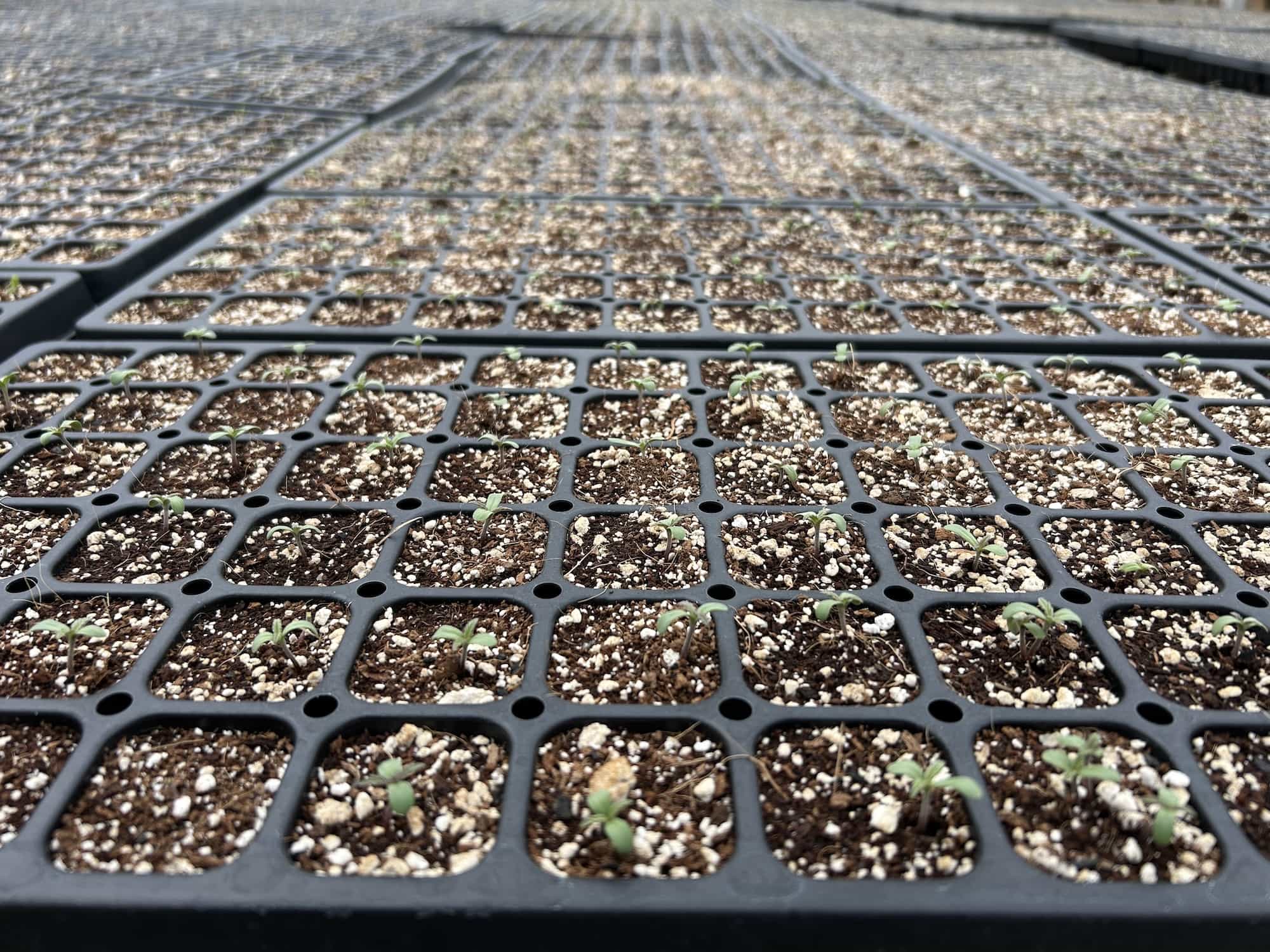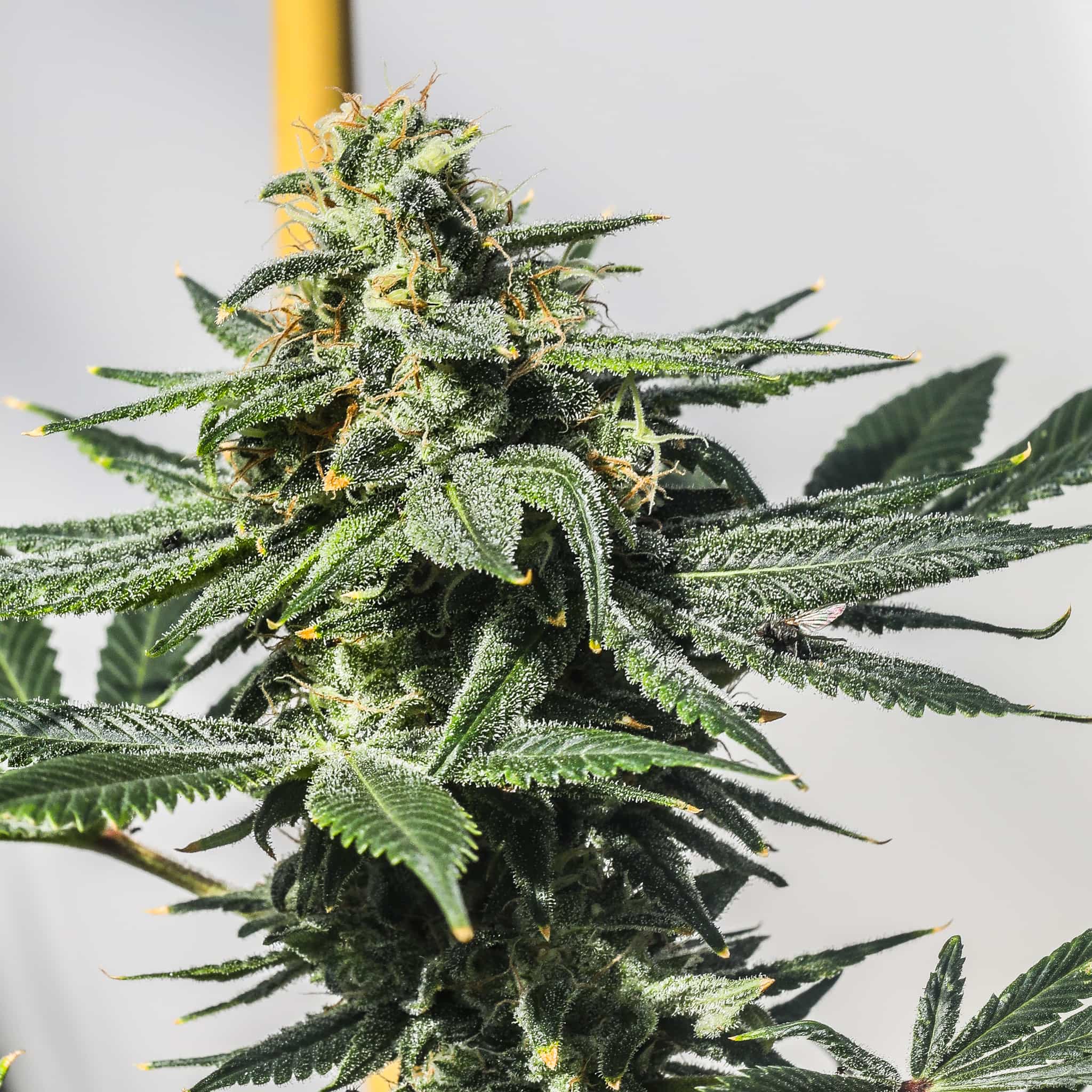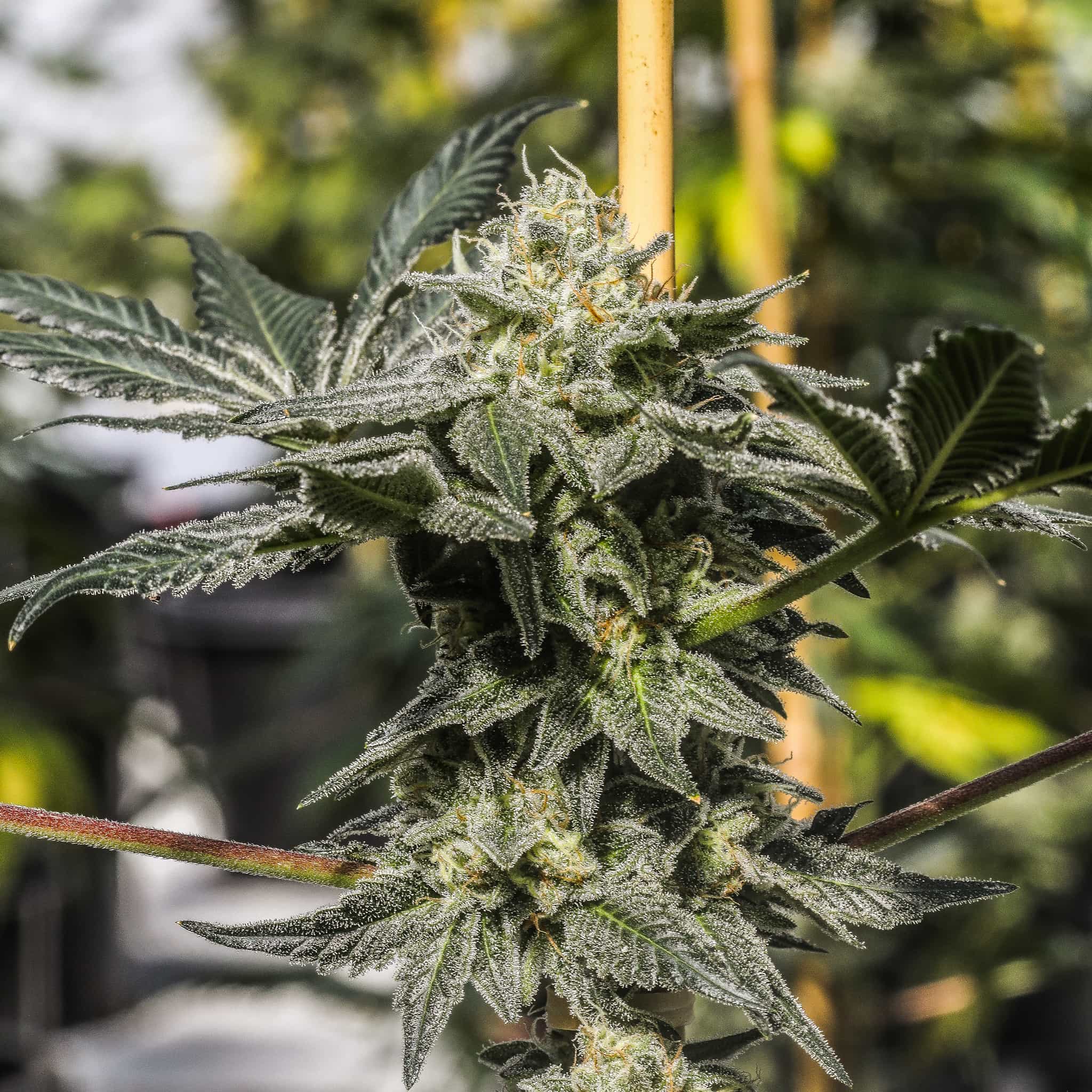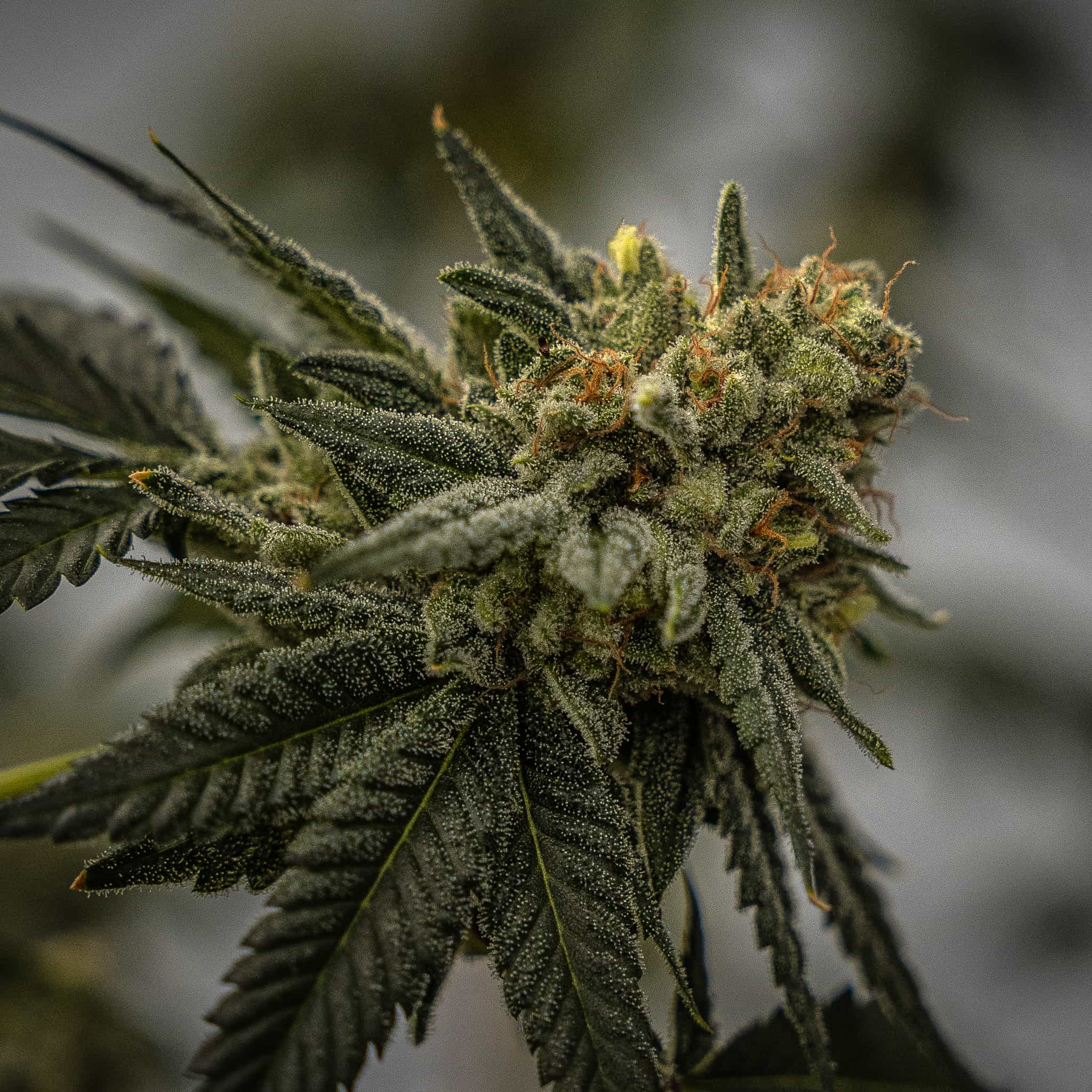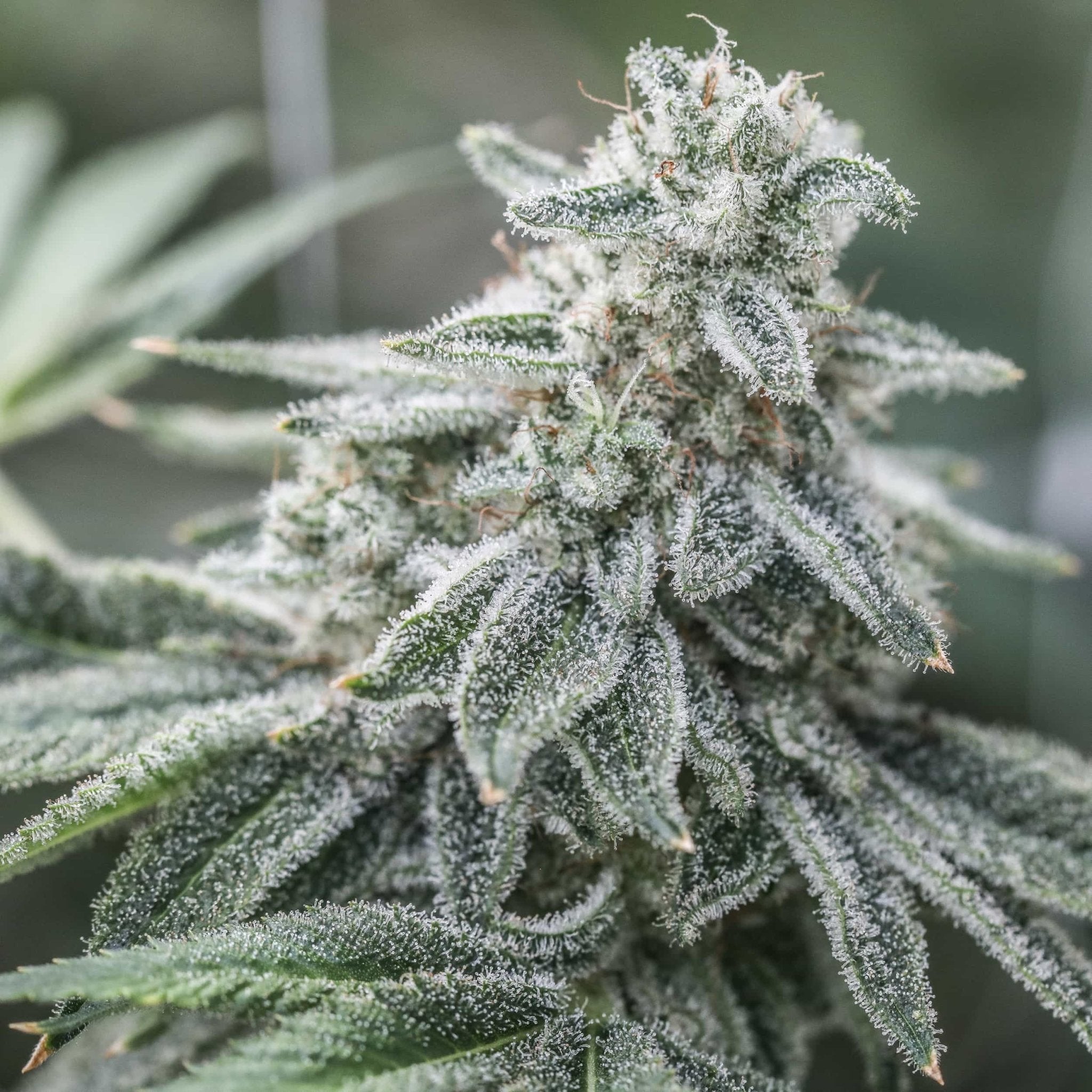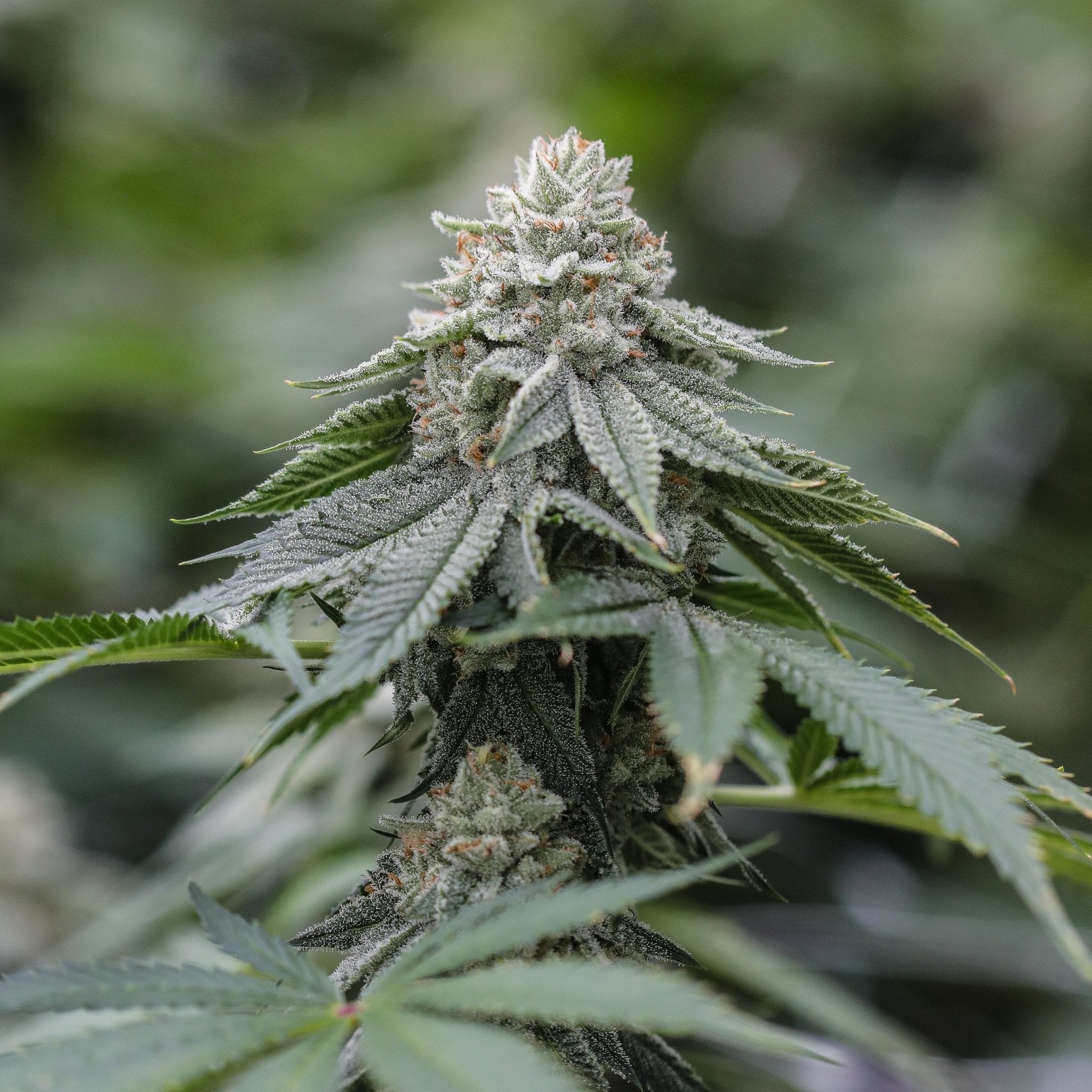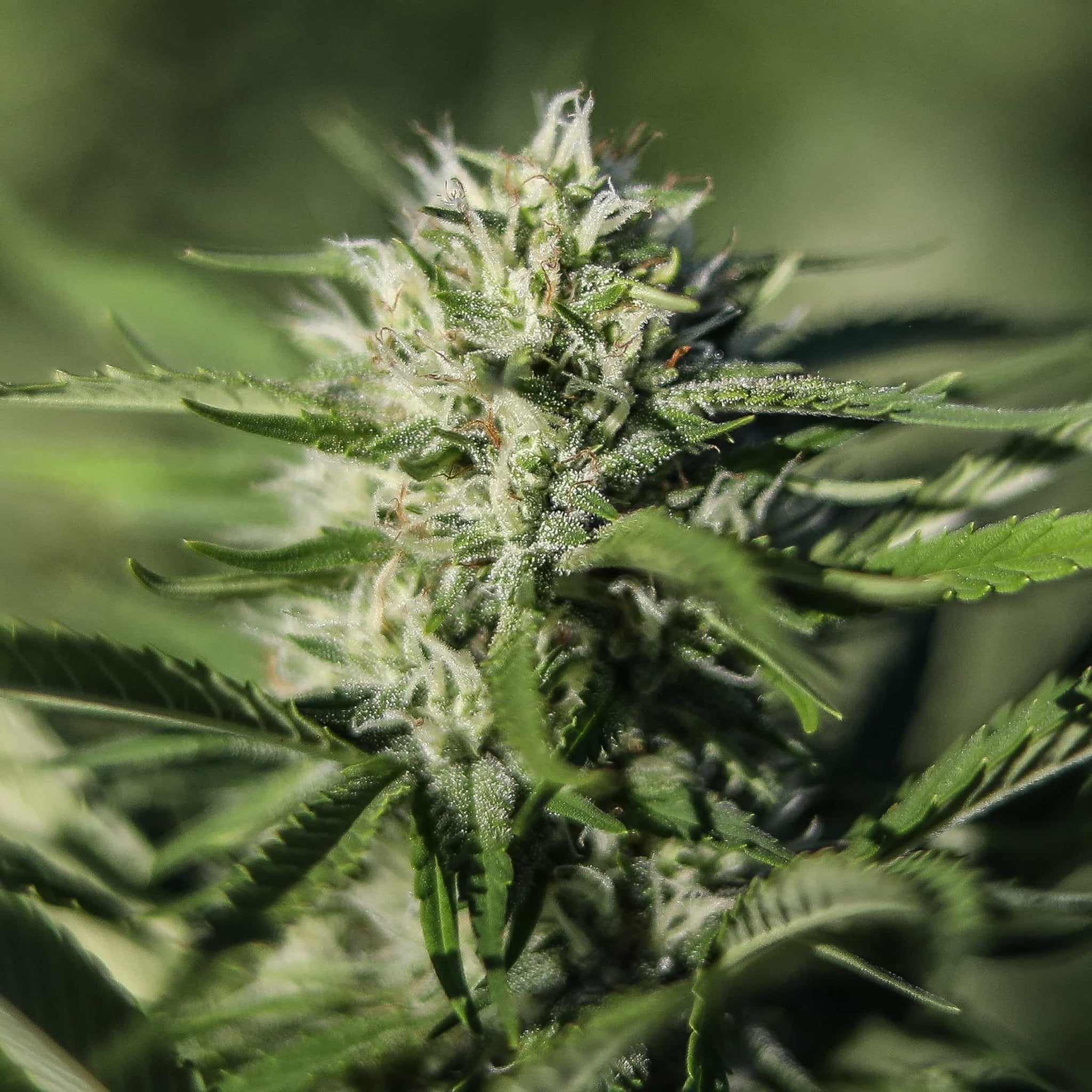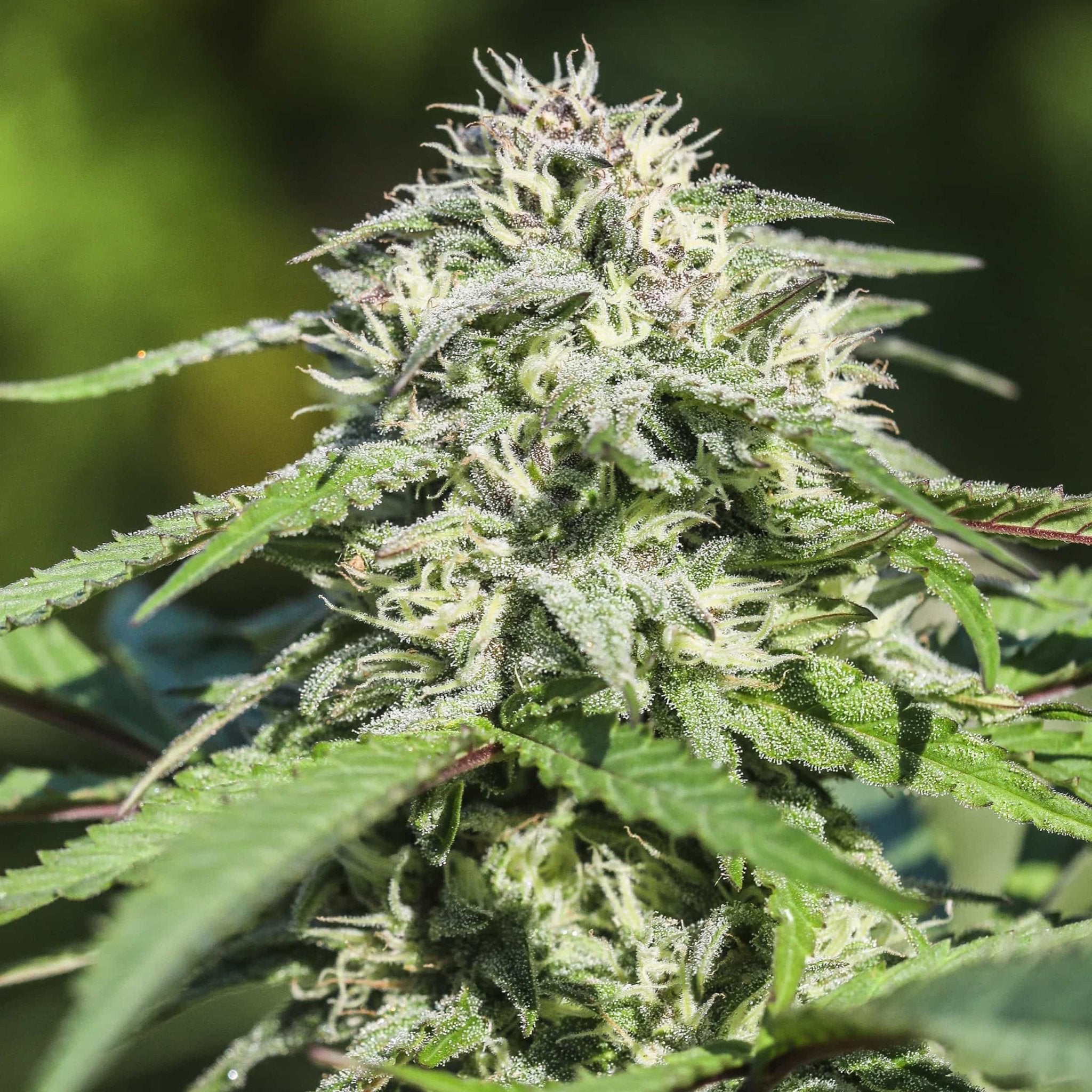


We've been big believers in CBG for years. In fact, we think its potential medical applications could eventually rival, or perhaps even exceed, those of CBD.
Often referred to as the "mother of all cannabinoids," cannabigerol (CBG) plays an important role in cannabis chemistry. Its acidic precursor, CBGA, is the starting material plants use to produce several major cannabinoids, including THC and CBD.
When we released our first CBG-dominant genetics in 2019, very few people knew much about the cannabinoid. Since then, interest in CBG has grown considerably, and researchers are beginning to investigate what makes it so interesting.
From anxiety and inflammation to antibacterial activity and skin health, CBG has shown promise in several areas.
But how much of that promise is backed by actual human research?
Let's take a look at what the science tells us.
1. CBG for Anxiety and Stress
One of the most exciting developments in CBG research came in 2024, when researchers at Washington State University published a placebo-controlled human clinical trial examining its effects on anxiety, stress, and mood.
The study involved 34 healthy adults who received either 20 mg of hemp-derived CBG or a placebo during separate testing sessions.
Researchers found that participants reported significantly greater reductions in anxiety after taking CBG compared with placebo. Stress ratings also decreased at one of the measured time points.
Interestingly, the researchers found no evidence of intoxication or significant motor and cognitive impairment at the tested dose.
That's encouraging, particularly because so much cannabinoid research has historically been limited to laboratory and animal studies.
However, this was a small trial examining short-term effects in healthy adults. Larger clinical studies are still needed to determine whether CBG can help people with diagnosed anxiety disorders or chronic stress.
Read the research: Acute Effects of Cannabigerol on Anxiety, Stress, and Mood — Scientific Reports, 2024
2. CBG and Inflammation
Inflammation is another area where CBG has attracted considerable scientific interest.
Preclinical studies suggest that CBG can influence inflammatory signaling pathways, including processes involving immune cells and the body's response to tissue injury.
Researchers have also investigated chemically modified CBG compounds for their potential anti-inflammatory and pain-related effects.
These findings are interesting because inflammation contributes to numerous medical conditions, including certain gastrointestinal and neurological disorders.
But there's an important distinction: reducing inflammation in a laboratory experiment or animal model doesn't necessarily mean CBG will have the same effects in people.
We still need controlled human trials before making reliable claims about CBG treating chronic pain or inflammatory diseases.
3. Neuroprotective Properties
CBG has also attracted attention for its possible neuroprotective properties.
Laboratory and animal studies have investigated how CBG and related compounds interact with pathways involved in oxidative stress, inflammation, and nerve cell survival.
Some research has explored potential applications involving neurodegenerative conditions such as Huntington's disease.
These studies are promising from a drug-development perspective, but the evidence remains preliminary.
There is currently insufficient clinical evidence to conclude that CBG prevents, slows, or treats Huntington's, Parkinson's, Alzheimer's, or other neurodegenerative diseases in humans.
Still, we think this is an area of cannabinoid research worth watching.
4. Antibacterial Activity
This might be one of the more surprising areas of CBG research.
Scientists have found that CBG exhibits antibacterial activity against certain pathogens under laboratory conditions.
A particularly interesting study published in 2020 examined CBG's activity against methicillin-resistant Staphylococcus aureus (MRSA), a bacterium known for its resistance to several commonly used antibiotics.
Researchers found that CBG could disrupt bacterial membranes and demonstrated antibacterial activity in laboratory experiments and a mouse infection model.
That's an exciting finding, especially given the growing challenge of antibiotic resistance.
However, it doesn't mean that consuming CBG oil or applying homemade CBG products can treat bacterial infections.
Developing an effective antibiotic requires extensive research into dosing, safety, delivery methods, and clinical effectiveness.
Read the research: Uncovering the Hidden Antibiotic Potential of Cannabis — ACS Infectious Diseases, 2020
5. CBG and Gastrointestinal Health
Another area of interest is CBG's potential influence on inflammation in the gastrointestinal tract.
Preclinical researchers have examined whether CBG can affect inflammatory processes associated with intestinal disorders.
Some animal studies have reported encouraging results, suggesting that CBG may influence inflammatory signaling in the gut.
This has led to interest in possible applications involving inflammatory bowel diseases.
But these results haven't established CBG as a treatment for Crohn's disease, ulcerative colitis, or other gastrointestinal conditions.
Human clinical trials are needed to determine whether these effects translate into meaningful medical benefits.
6. CBG for Skin Health
CBG is also gaining attention in skincare research.
Researchers have investigated whether topical CBG formulations can influence skin inflammation, redness, and other characteristics associated with skin health.
Some early studies have reported encouraging findings involving CBG-containing topical products, including potential effects on skin irritation and inflammatory responses.
It's an interesting application because topical formulations allow researchers to study localized effects without relying entirely on oral administration.
Still, the evidence is early, and results from a specific cosmetic formulation shouldn't be interpreted as proof that CBG treats eczema, psoriasis, or other diagnosed skin conditions.
Read the research: CBG and Skin Health Research — Molecules, 2024
Is CBG Better Than CBD?
That's a question we hear more and more often.
The truth is that we don't know.
CBD has been studied much more extensively in humans, including clinical trials that led to the approval of a purified CBD medication for certain seizure disorders.
CBG research is still relatively young.
Although laboratory studies suggest CBG interacts with several biological targets differently from CBD, that doesn't automatically make it more effective.
It's entirely possible that CBG will eventually prove useful for conditions where CBD has limited effects. It's also possible that some of the exciting preclinical findings won't translate into successful human treatments.
That's simply how medical research works.
For now, we think both cannabinoids deserve serious scientific attention.
What About CBG Safety?
CBG is generally described as non-intoxicating, meaning it doesn't produce the characteristic THC high.
However, non-intoxicating doesn't automatically mean risk-free.
Research on long-term CBG use, medication interactions, pregnancy, and repeated high-dose exposure remains limited.
People taking prescription medications or managing medical conditions should consult a qualified healthcare professional before using CBG products.
And cannabinoid products shouldn't replace established medical treatments without appropriate medical guidance.
The Future of CBG Research
When we started developing CBG-dominant cannabis genetics, we knew the cannabinoid was interesting. But even we couldn't have predicted how much attention it would eventually receive.
Since releasing our first CBG genetics in 2019, we've continued expanding our breeding program and developing varieties with impressive cannabinoid content, aromas, and agricultural performance.
Meanwhile, researchers are finally beginning to investigate CBG in humans rather than relying exclusively on animal and laboratory studies.
The early results are encouraging, particularly for anxiety and stress. Other areas, including inflammation, antibacterial activity, neurological health, and skincare, remain promising but much less established.
We'd love to see larger, well-designed clinical trials help determine where CBG truly belongs in medicine.
There's still an enormous amount we don't know about cannabis and its cannabinoids, and that's part of what makes this field so exciting.
Interested in growing CBG-rich cannabis? Explore our collection of CBG seeds, including genetics developed through years of breeding and selection at GTR Seeds.
This article is intended for educational purposes and does not constitute medical advice. CBG products have not been established as treatments for the medical conditions discussed above.