

For decades, cannabis growers and consumers have focused almost entirely on THC, CBD, and more recently, minor cannabinoids like CBG and THCV.
But there's something interesting about all of these compounds that often gets overlooked.
Cannabis plants don't naturally produce large amounts of THC, CBD, or CBG. They primarily produce their acidic precursors: THCA, CBDA, and CBGA.
It's only through a process called decarboxylation, usually involving heat, that these compounds are converted into the cannabinoids most consumers are familiar with.
We've spent decades heating, smoking, vaporizing, and processing cannabis to convert these compounds into their neutral forms.
But what if some of the most interesting potential benefits of cannabis are found in the compounds we're converting?
Why Cannabis Plants Produce Cannabinoid Acids
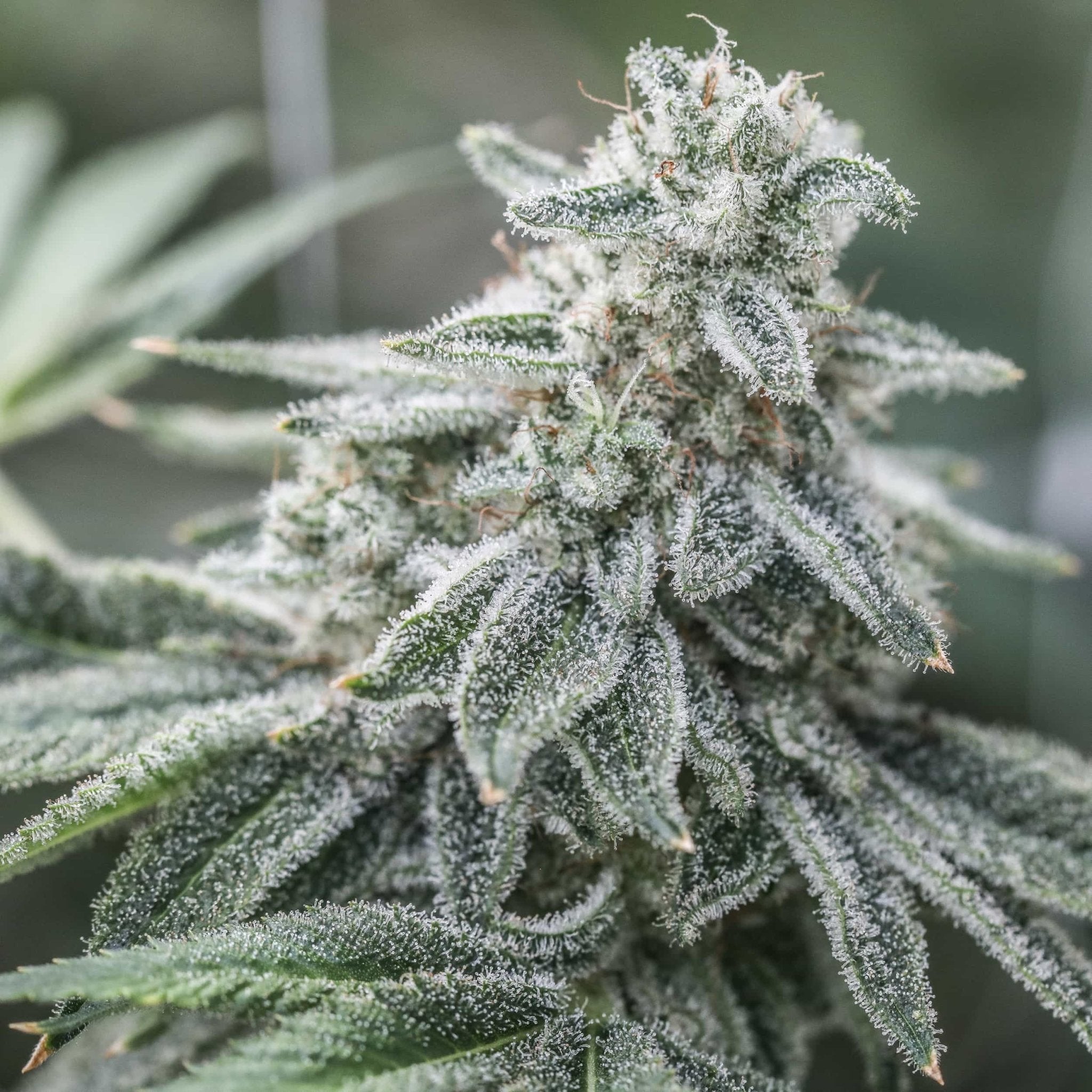
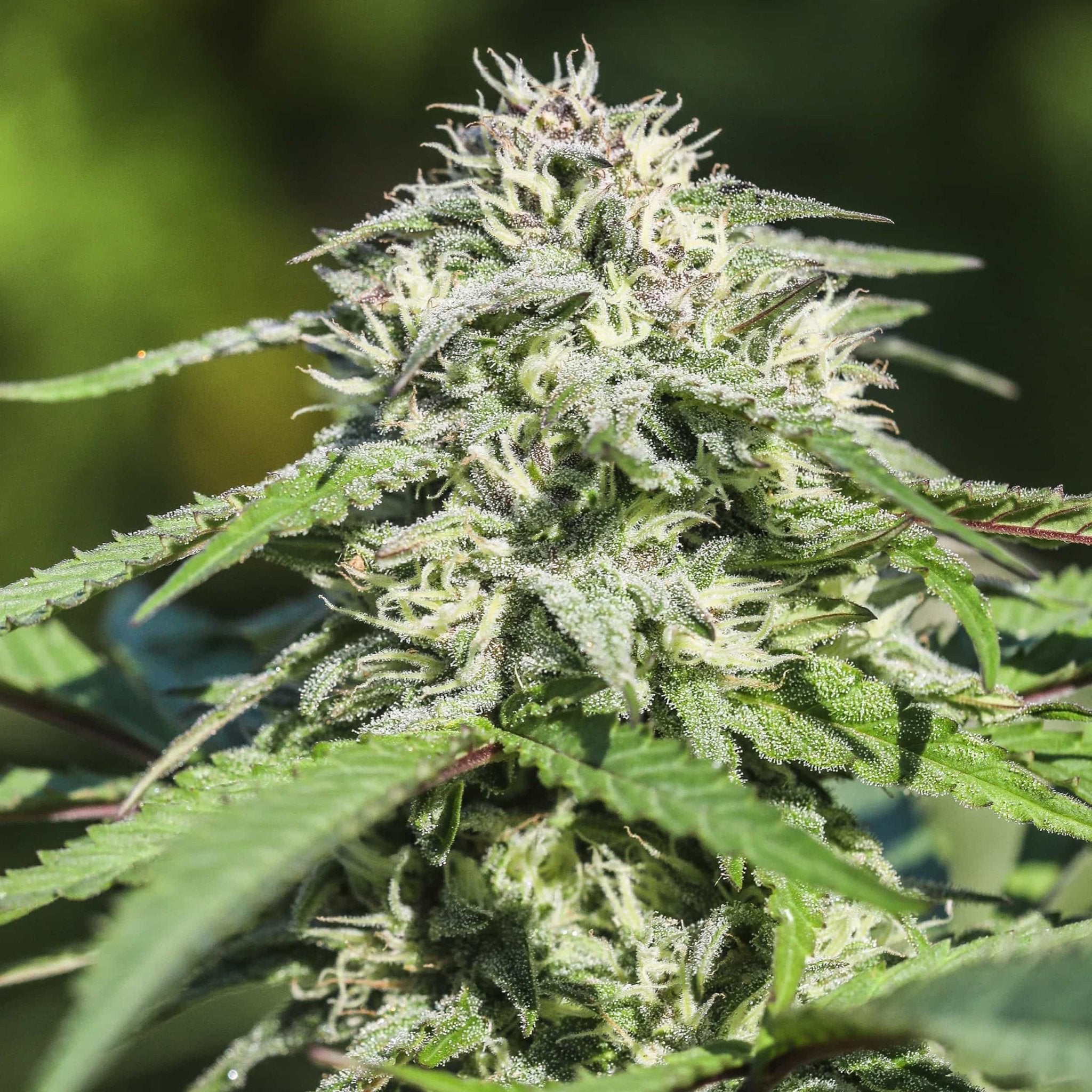
Cannabis produces cannabinoids primarily in glandular trichomes, the resin-producing structures covering its flowers.
Most cannabinoid biosynthesis begins with cannabigerolic acid (CBGA), which is then converted into other cannabinoid acids through specialized enzymes.
These include:
-
THCA (tetrahydrocannabinolic acid): The precursor to THC.
-
CBDA (cannabidiolic acid): The precursor to CBD.
-
CBGA (cannabigerolic acid): The precursor to CBG and an important building block for other cannabinoids.
-
CBCA (cannabichromenic acid): The precursor to CBC.
-
THCVA (tetrahydrocannabivarinic acid): The precursor to THCV.
-
CBDVA (cannabidivarinic acid): The precursor to CBDV.
-
CBGVA (cannabigerovarinic acid): The precursor to CBGV.
These acidic cannabinoids are not simply inactive versions of their more familiar counterparts. They are distinct chemical compounds with different molecular structures and potentially different biological activities.
In fact, the acidic forms are the compounds the living plant is genetically programmed to produce.
For more on the biosynthetic pathways involved, see the peer-reviewed paper The Biosynthesis of the Cannabinoids.
What Is Decarboxylation?
Decarboxylation is a chemical reaction in which a cannabinoid acid loses a carboxyl group, releasing carbon dioxide and forming its neutral counterpart.
For example:
-
THCA becomes THC.
-
CBDA becomes CBD.
-
CBGA becomes CBG.
-
CBCA becomes CBC.
-
THCVA becomes THCV.
Heat greatly accelerates this process, which is why smoking, vaporizing, and cooking cannabis convert cannabinoid acids into their neutral forms.
Decarboxylation also occurs gradually during drying, curing, and storage, although the rate depends on temperature, time, and other environmental conditions.
The process is particularly important for THC because THCA does not produce the characteristic intoxicating effects associated with delta-9 THC.
However, decarboxylation doesn't necessarily make every cannabinoid more beneficial. It simply changes its chemical structure, which can also change how it interacts with the body.
THCA: More Than Just the Precursor to THC?
THCA is the predominant cannabinoid found in fresh, THC-dominant cannabis flowers.
Unlike THC, THCA is not considered intoxicating in its unheated form.
This distinction has made THCA particularly interesting to researchers studying cannabinoids without the pronounced intoxicating effects associated with THC.
Early laboratory and animal studies have investigated THCA for its potential anti-inflammatory and neuroprotective properties.
Some research suggests THCA may interact with peroxisome proliferator-activated receptor gamma (PPARγ), a receptor involved in cellular metabolism and inflammatory regulation.
However, these findings remain preliminary. There is currently insufficient clinical evidence to establish THCA as an effective treatment for neurological or inflammatory diseases.
And because THCA can convert into THC when heated, the distinction between the two compounds is especially important when considering how cannabis products are processed and consumed.
CBDA: An Overlooked Cannabinoid With Interesting Potential
CBD has become one of the most widely recognized cannabinoids in the world, but CBDA receives relatively little attention.
That's somewhat surprising considering CBDA is the primary form of cannabidiol naturally produced by CBD-dominant cannabis plants.
Researchers have investigated CBDA for several potential biological effects, particularly involving nausea, inflammation, and serotonin signaling.
Preclinical studies have found that CBDA can influence signaling associated with the 5-HT1A serotonin receptor, which is involved in nausea and other neurological processes.
Other research has investigated CBDA's potential effects on inflammatory pathways, including cyclooxygenase enzymes.
These findings are interesting because they suggest CBDA may have biological activities that differ from CBD.
However, most of this research has been conducted in laboratory or animal models, and there is still very limited human clinical evidence.
CBDA isn't necessarily better than CBD. It's a different compound that deserves to be studied on its own.
For an overview of the current evidence, see the 2026 review Therapeutic Potential of Acidic Cannabinoids: An Update.
CBGA: The Mother of Cannabinoids
CBGA is particularly interesting because it plays such a central role in cannabinoid biosynthesis.
Often called the mother of cannabinoids, CBGA serves as a precursor for THCA, CBDA, and CBCA.
In most cannabis varieties, much of the CBGA produced by the plant is converted into other cannabinoid acids as the flowers develop.
However, CBG-dominant genetics have reduced activity in the pathways that normally convert CBGA into THCA or CBDA, allowing the plant to accumulate substantially higher concentrations of CBGA.
At GTR Seeds and Oregon CBD, we've spent years developing CBG-dominant cannabis genetics.
While most consumers are familiar with CBG, the plants themselves primarily accumulate CBGA before decarboxylation.
Researchers are beginning to investigate CBGA for potential effects involving inflammation, metabolism, and neurological signaling.
Like the other cannabinoid acids, however, there is still very little human clinical evidence demonstrating specific therapeutic benefits.
What About THCVA, CBDVA, and CBGVA?
The acidic forms of the varin cannabinoids are another fascinating area of cannabis chemistry.
At GTR Seeds, we've spent years breeding genetics that produce unusual cannabinoids like THCV, CBDV, and CBGV.
But just like THC and CBD, these compounds are primarily produced by the plant in their acidic forms.
THCVA, CBDVA, and CBGVA are the natural precursors to their corresponding neutral cannabinoids.
Research into these acidic varins is still extremely limited, but their different chemical structures suggest they may have biological properties distinct from their decarboxylated counterparts.
This is particularly interesting from a breeding perspective.
When we're developing plants that accumulate substantial concentrations of unusual cannabinoids, we're generally selecting for the production of their acidic precursors.
That means the genetics we develop could potentially provide researchers with access to both the acidic and neutral forms of these rare compounds.
Are Acidic Cannabinoids More Beneficial?
This is where things get particularly interesting.
For years, cannabinoid acids were often treated as little more than precursors that needed to be converted into their active forms.
But growing evidence suggests that some cannabinoid acids have biological activities of their own.
A 2026 review published in the Journal of Cannabis Research examined the potential therapeutic applications of THCA, CBDA, CBGA, and CBCA.
The researchers identified several promising areas of investigation, including:
-
Anti-inflammatory activity.
-
Neuroprotective effects.
-
Interactions with serotonin signaling.
-
Potential anticonvulsant activity.
-
Effects on cellular signaling and metabolism.
However, the review also highlighted major limitations, including chemical instability, challenges with bioavailability, and a shortage of controlled human clinical trials.
These are important distinctions.
A compound demonstrating anti-inflammatory activity in a laboratory experiment doesn't necessarily mean consuming it will produce the same effect in humans.
Likewise, the fact that a cannabinoid is naturally produced by the plant doesn't automatically make it safer or more effective.
Still, the emerging research suggests we've probably underestimated the importance of cannabinoid acids.
Why Haven't Cannabinoid Acids Received More Attention?
There are several reasons.
First, the cannabis industry developed largely around smoking and consuming THC-rich flowers. Since heat converts THCA into THC, most research and consumer interest naturally focused on the decarboxylated compound.
Second, neutral cannabinoids have generally received far more scientific and commercial attention.
CBD, for example, has been investigated in numerous clinical studies, while CBDA has received comparatively little human research.
Third, cannabinoid acids can be chemically unstable.
Heat, time, and processing conditions can cause them to gradually decarboxylate, making it challenging to develop products with consistent acidic cannabinoid concentrations.
Finally, there are still significant gaps in our understanding of how cannabinoid acids are absorbed, metabolized, and distributed throughout the body.
All of these factors have contributed to a research landscape that heavily favors neutral cannabinoids.
Could We Be Losing Something Through Decarboxylation?
This is perhaps the most interesting question.
When cannabis is heated, its cannabinoid profile changes.
THCA becomes THC, CBDA becomes CBD, and CBGA becomes CBG.
That transformation may be desirable, particularly when consumers are seeking the effects associated with the neutral cannabinoids.
But it also means the original acidic compounds are being reduced or eliminated.
If future research demonstrates that certain cannabinoid acids have useful biological properties, then preserving those compounds could become an important consideration in cannabis processing and product development.
This doesn't mean people should stop decarboxylating cannabis. The neutral cannabinoids have their own established and potential applications, and in some cases much stronger clinical evidence.
It simply means there may be value in studying and preserving both forms.
The Future of Cannabinoid Acid Research
At GTR Seeds and Oregon CBD, we've spent years exploring the genetics responsible for producing unusual cannabinoid profiles.
From CBD and CBG to THCV, CBDV, and CBGV, our breeding programs have focused on developing plants capable of producing these compounds reliably and consistently.
But the more we learn about cannabinoid biosynthesis, the more apparent it becomes that there's still an enormous amount left to discover.
Our collaborative cannabis pangenome research published in Nature has helped reveal the genetic complexity underlying cannabinoid production.
And as research continues, we expect the scientific community will take a much closer look at the acidic forms of cannabinoids.
After all, these are the compounds cannabis naturally produces.
We've spent decades converting them into something else, often without giving much consideration to what we might be losing along the way.
Perhaps it's time we started paying a little more attention to cannabinoids in the forms the plant actually makes them.
This article is intended for educational purposes and does not constitute medical advice. The potential therapeutic effects of most cannabinoid acids remain preliminary and require further human clinical research.